Cottage in the Wood




A Michelin-starred coaching inn set at 1,000 feet on Whinlatter Pass, Cottage in the Wood delivers seven-course Modern British tasting menus built on Lakeland produce, Herdwick lamb from Coniston, classical technique, and a conservatory with views across the valley. Dinner runs £120 per person; lunch, five courses at £75. Rooms are available for those who want the full immersion.
Pearl is the En Primeur Club membership app — saves, bookings, and concierge access live there. Same editors, same standards.
- Address
- Magic Hill, Braithwaite, Keswick CA12 5TW, United Kingdom
- Phone
- +44 17687 78409
- Website
- thecottageinthewood.co.uk
- Directions
- Get directions
 Saves & bookings on Pearl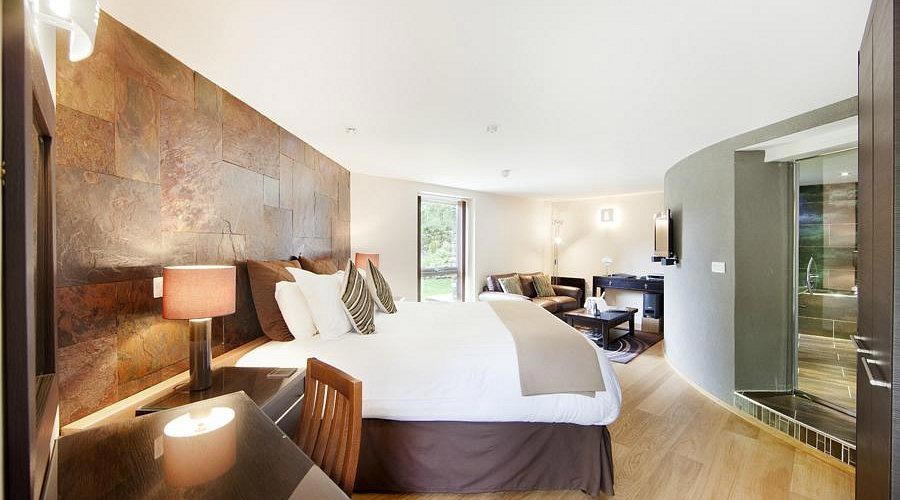
A Thousand Feet Above the Valley Floor
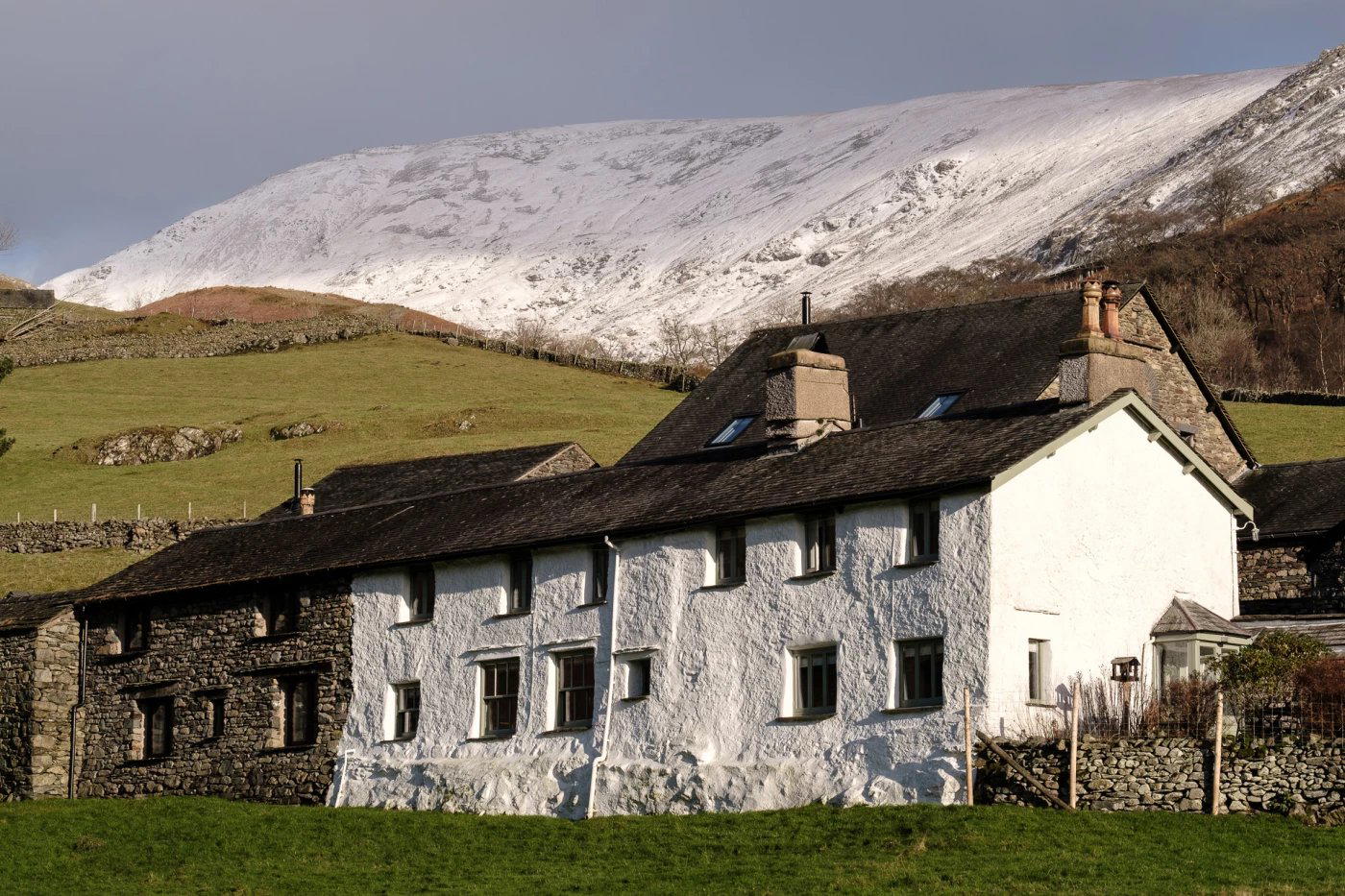
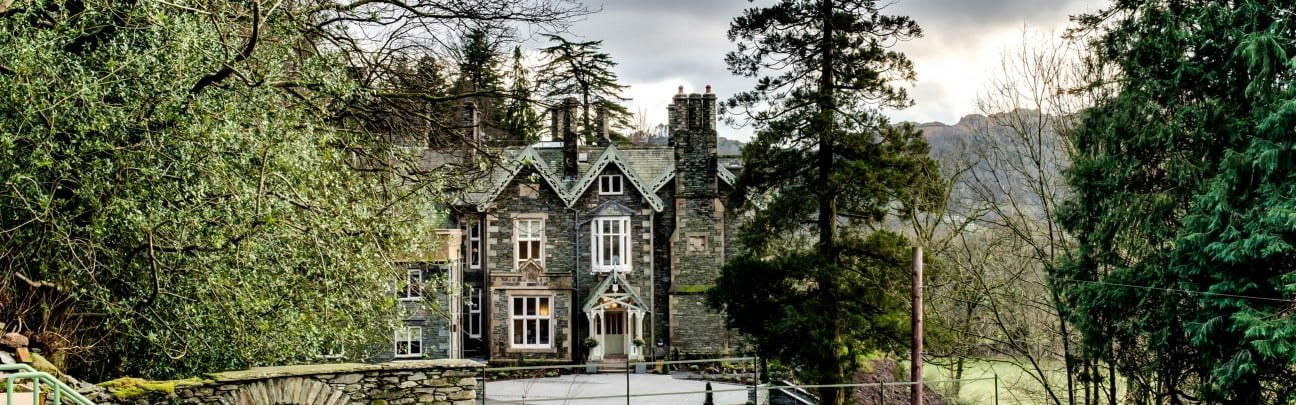
The road up Whinlatter Pass does something useful before you even arrive: it removes you from everywhere else. By the time the black-and-white facade of Cottage in the Wood appears against the treeline, the distance from the nearest town feels greater than the miles justify. That sense of deliberate remove is part of what the dining experience trades on. The conservatory and dining room look south down the valley, a view that changes with every hour of light and every shift in Lakeland weather. Sitting at that vantage point at 1,000 feet, the logic of a long, multi-course meal becomes obvious, there is nowhere else you need to be.
For anyone tracing the evolution of serious dining in rural Britain, this kind of setting used to be associated with a particular kind of country-house formality: heavy drapery, silver service, menus that felt more ceremonial than considered. What has happened across the last two decades, in the Lake District and beyond, is a quieter reinvention. The coaching inn or the village pub became a vehicle for chefs who wanted a different relationship with their supply chain and their guests, closer to the farm, further from the brigade culture of the city. Cottage in the Wood, which received its first Michelin star in 2024 under Beth and Jack Bond (who acquired the property in early 2024), sits squarely in that tradition.
The Gastropub Turn, and What It Means Here
What is less discussed is the tier that sits above the gastropub proper: the rural inn where the kitchen runs a tasting menu format, rooms are available upstairs, and the sourcing is as carefully considered as anything you would find at L'Enclume in Cartmel or Moor Hall in Aughton. This is the category Cottage in the Wood occupies, not a pub that does good food, but a destination restaurant that happens to have a bar and bedrooms attached.
The distinction matters for how you plan a visit. The format at Cottage in the Wood is a seven-course tasting menu at dinner, priced at £120 per person, with a five-course lunch option at £75. Both menus rotate on alternate days, which means guests staying in the rooms upstairs encounter a different kitchen programme each evening. That scheduling decision reflects a philosophy common to the leading British destination inns: the building should reward the overnight stay, not merely tolerate it. It is the same logic you find at Hand and Flowers in Marlow and Gidleigh Park in Chagford, where the rooms and the table are conceived as a single proposition rather than two separate revenue streams.
What Lakeland Produce Means on the Plate
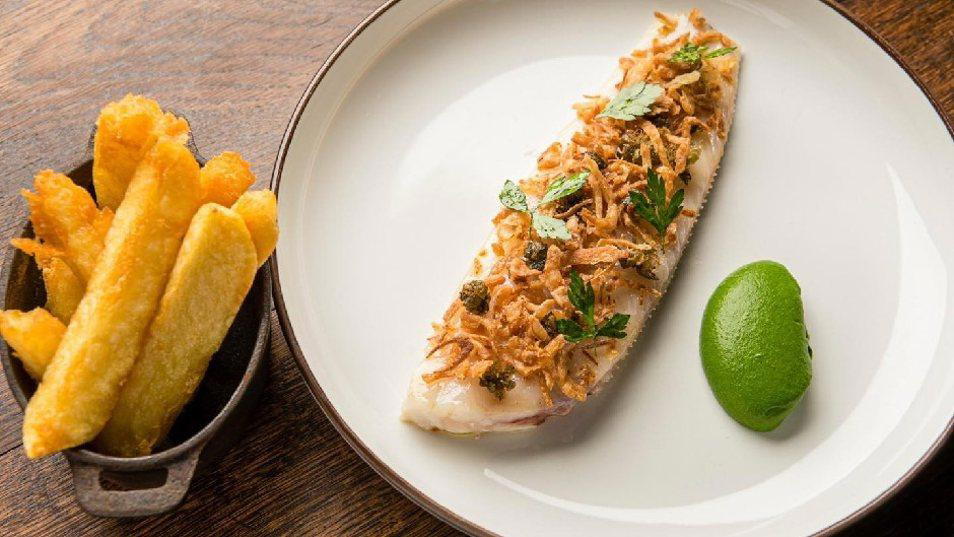
Herdwick lamb from Coniston is the ingredient most frequently cited in accounts of the kitchen's approach, and it is a useful shorthand for the sourcing philosophy more broadly. Herdwick is a breed defined by its landscape: slow-growing, mountain-grazed, with a depth of flavour that rewards patience and technique in equal measure. The kitchen's use of the whole animal, every part of the ingredient put to work, aligns with the whole-carcass approach that has become standard in serious British kitchens over the past decade, from CORE by Clare Smyth in London to hide and fox in Saltwood.
The cooking style sits at the intersection of classical British technique and a measured modern sensibility. Reviewer accounts consistently describe dishes as well-conceived, with an emphasis on flavour and texture variety across the menu's arc. The 2024 Michelin inspectors' language reinforces this: the cooking is positioned as classically grounded with a subtle modernity, rather than as avant-garde or concept-driven. For the reader calibrating expectations, that means the menu is unlikely to generate the kind of cerebral distance that marks, say, The Fat Duck in Bray, the ambition here is hospitality-led rather than laboratory-led. Particularly direct comparisons are probably 33 The Homend in Ledbury and Restaurant Andrew Fairlie in Auchterarder: skilled, place-rooted, not looking to challenge your concept of what dinner is.
The Michelin Star in Context
A Michelin star awarded to a rural British inn in 2024 carries a specific weight. The inspectorate has, over the past several years, been more willing to recognise destination cooking that is rooted in place and ingredient rather than in technical novelty or metropolitan sophistication. The 2024 star for the restaurant reflects both the quality of the kitchen and the broader pattern of Michelin acknowledging what the Lake District already knew: that serious food does not require a city postcode. Midsummer House in Cambridge, Opheem in Birmingham, and Le Manoir aux Quat' Saisons in Great Milton each represent different versions of this same geographical argument.
Guest accounts from the period around the star award are consistent enough to be taken seriously. A broad majority describe the experience as notable, with particular mention of the welcome and the hospitality, the kind of front-of-house warmth that is harder to manufacture than good cooking and often more decisive in whether guests return. The outlier report, which noted that a meal was "good all round but didn't wow," is worth acknowledging honestly: at £120 per person for dinner, the expectation bar is high, and a meal that does not fully deliver at that price point represents a meaningful gap. The weight of evidence, however, sits firmly on the other side.
Planning a Visit
The restaurant opens Wednesday through Saturday from midday, closing Sunday through Tuesday. That four-day operating window is common among smaller destination kitchens in rural Britain, where the logistics of staffing and supply chain make a full seven-day week unsustainable without compromising quality. Visitors arriving from Keswick, roughly three miles away, will follow the Whinlatter Pass road; the setting means that arriving in low light or poor weather adds to the atmosphere rather than detracting from it.
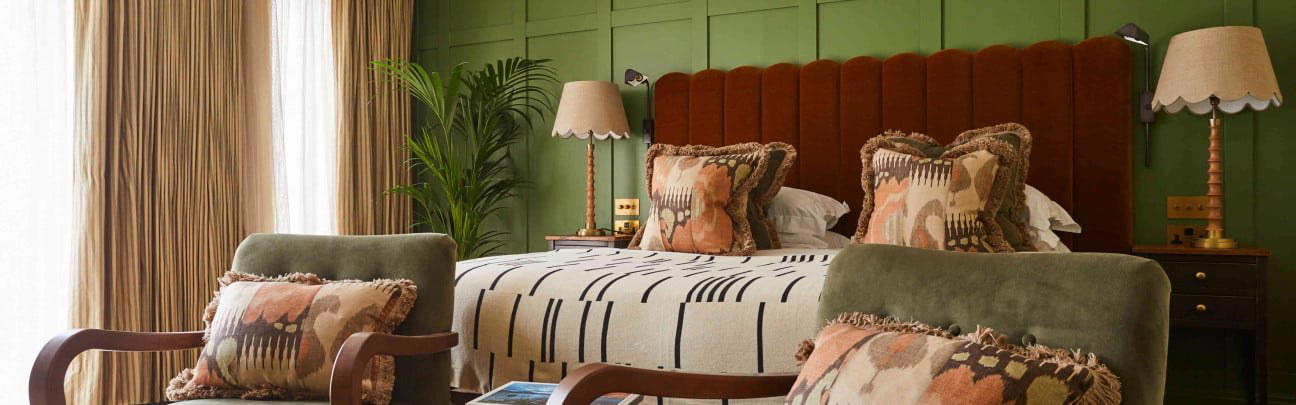
For those considering an overnight stay, the alternating daily menus make the two-night stay a materially different experience on each evening, which is an unusual and considered feature at this price point. Dinner at £120 per head for seven courses, or lunch at £75 for five, positions the restaurant clearly in the ££££ tier, comparable to peer-level destination cooking in the region rather than to casual dining options. Booking ahead is advisable given the combination of limited covers, a four-day week, and the kind of Michelin-driven attention that tends to compress availability quickly after a star is awarded.
At-a-Glance Comparison
Comparable venues nearby, for context on price, style, and recognition.
| Venue | Cuisine | Price | Awards | Notes |
|---|---|---|---|---|
| Cottage in the WoodThis venue — the venue you are viewing | Modern British Fine Dining | $$$$ | Michelin 1 Star | Not listed |
| Bybrook | Modern British Fine Dining | $$$$ | Michelin 1 Star | Castle Combe |
| Star Inn at Harome | Modern Yorkshire Gastropub | $$$$ | Michelin 1 Star | Harome |
| Pipe and Glass | Michelin-Starred Yorkshire Gastropub | $$$$ | Michelin 1 Star | South Dalton |
| Allium at Askham Hall | Modern British Fine Dining | $$$$ | Michelin 1 Star | Askham |
| Dog and Gun Inn | Modern British Country Cooking | $$$ | Michelin 1 Star | Skelton |
Recognition history
Dated appearances from independent guides and award organizations, with the underlying list record or original source where available.
AA Rosettes 3 Rosettes
AA Rosettes
Harden's Top 100 UK Restaurants #84
Harden's
Michelin 1 Star
Michelin
National Restaurant Awards Top 100 #62 · No. 62
National Restaurant Awards · 2026 National Restaurant Awards Top 100
National Restaurant Awards The Liberty Wines Service Award
National Restaurant Awards · 2026 National Restaurant Awards - The Liberty Wines Service Award
Opinionated About Dining Newly Added European Restaurants
Opinionated About Dining
Opinionated About Dining Top Restaurants in Europe Recommended
Opinionated About Dining
SquareMeal UK Top 100 Restaurants #62
SquareMeal
Michelin 1 Star
Michelin
Michelin 1 Star
Michelin
Continue exploring
More in Braithwaite
Restaurants in Braithwaite
Browse all →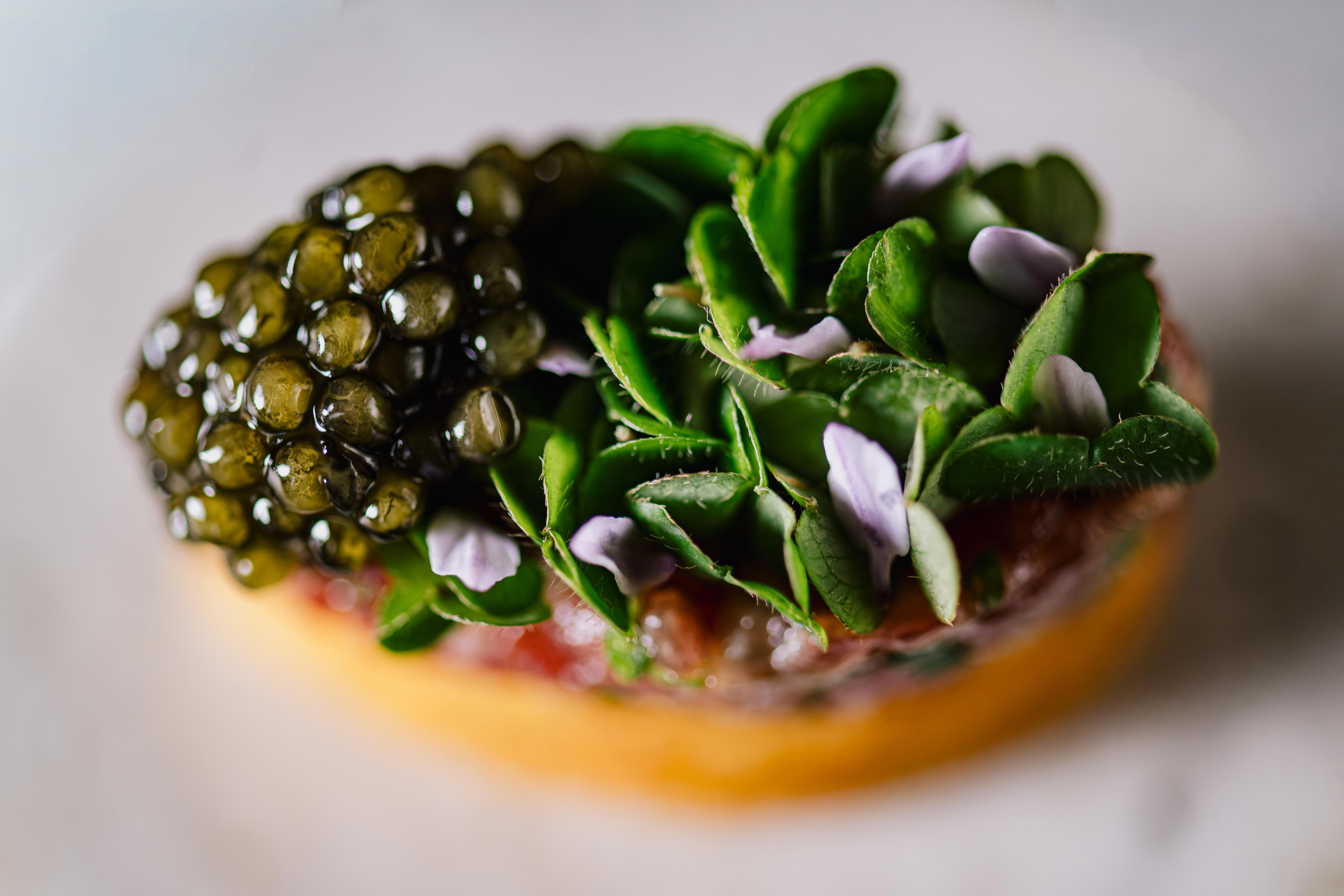
Bars in Braithwaite
Browse all →

At a Glance
- Romantic
- Cozy
- Scenic
- Intimate
- Rustic
- Date Night
- Special Occasion
- Celebration
- Historic Building
- Panoramic View
- Extensive Wine List
- Sommelier Led
- Local Sourcing
- Mountain
- Garden
Current opening hours
- Monday
- Closed
- Tuesday
- Closed
- Wednesday
- 12–11 PM
- Thursday
- 12–11 PM
- Friday
- 12–11 PM
- Saturday
- 12–11 PM
- Sunday
- Closed
Hours can change for holidays and private events. Last verified .
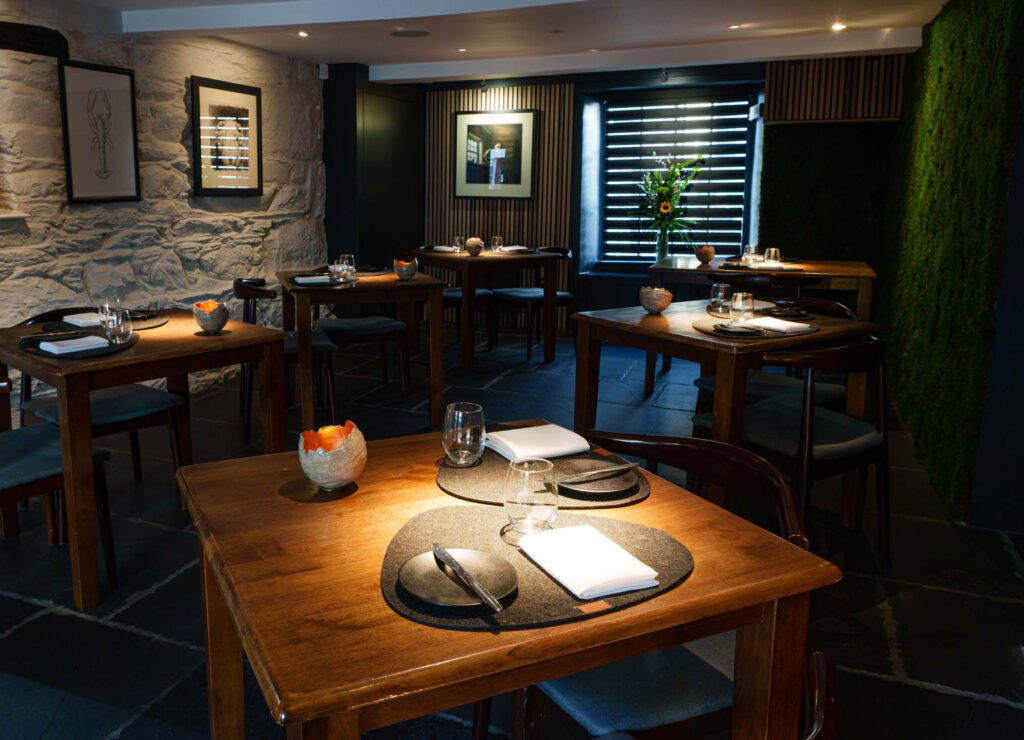
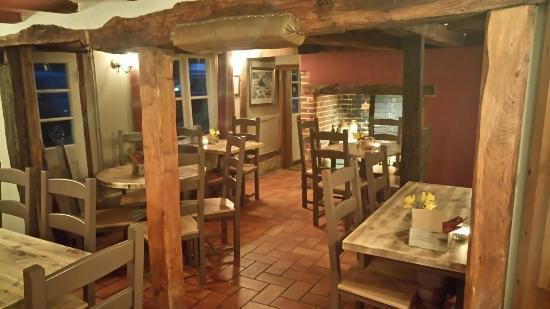
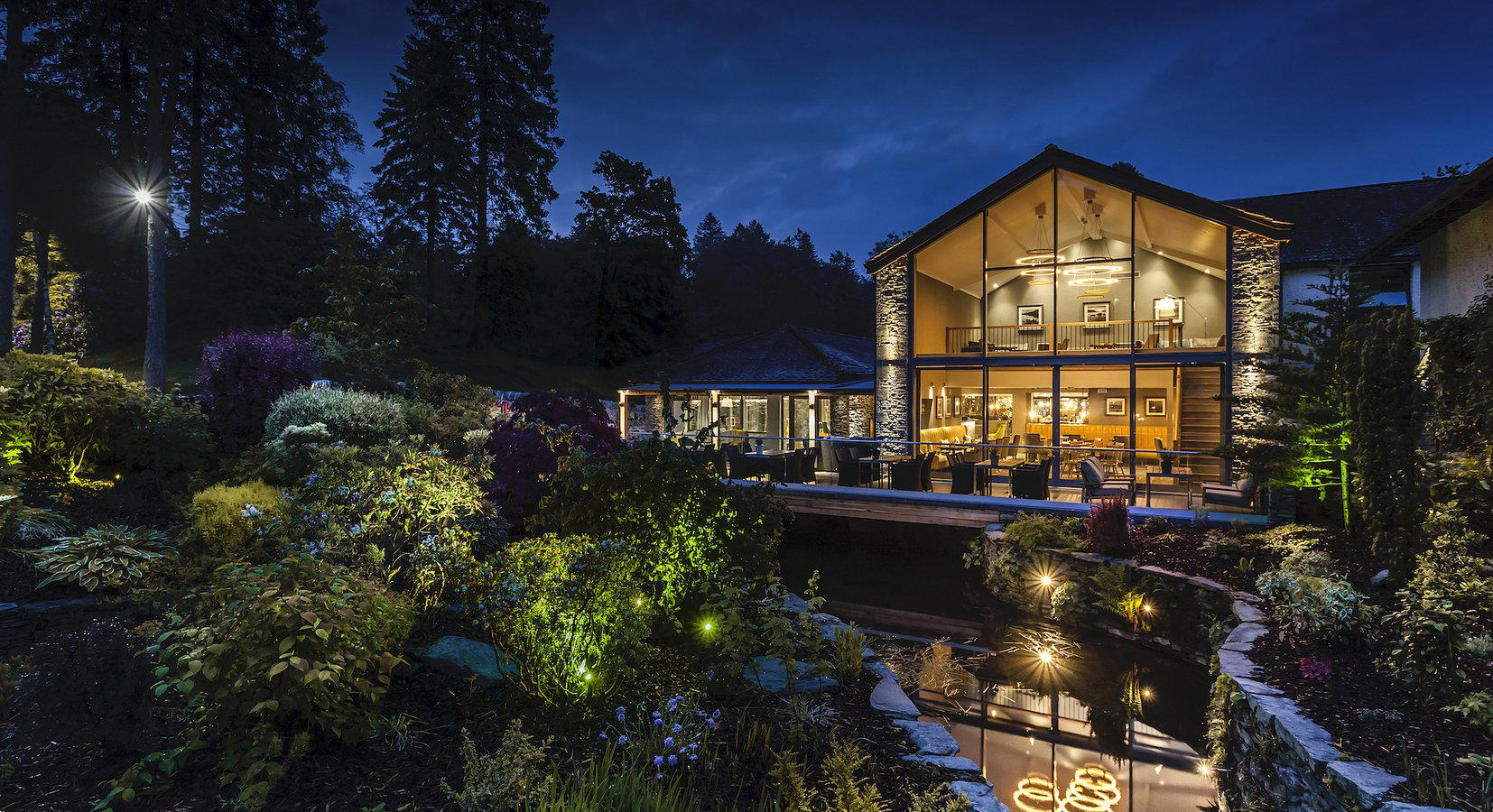
Warm, relaxing atmosphere in a cosy conservatory with forest and mountain views, featuring soft lighting, homely decor, and a sense of intimacy.