Cosmopolitan Restaurant
Set inside a restored 19th-century building on Calhoun Street in Old Town San Diego, Cosmopolitan Restaurant occupies a space where California history and the dining table share the same address. The setting alone positions it within a small tier of San Diego restaurants where atmosphere does as much work as the kitchen. For the full San Diego dining picture, see our city guide.
Pearl is the En Primeur Club membership app — saves, bookings, and concierge access live there. Same editors, same standards.
- Address
- 2660 Calhoun St, San Diego, CA 92110
- Phone
- +16192971874
- Website
- oldtowncosmopolitan.com
- Directions
- Get directions
 Saves & bookings on Pearl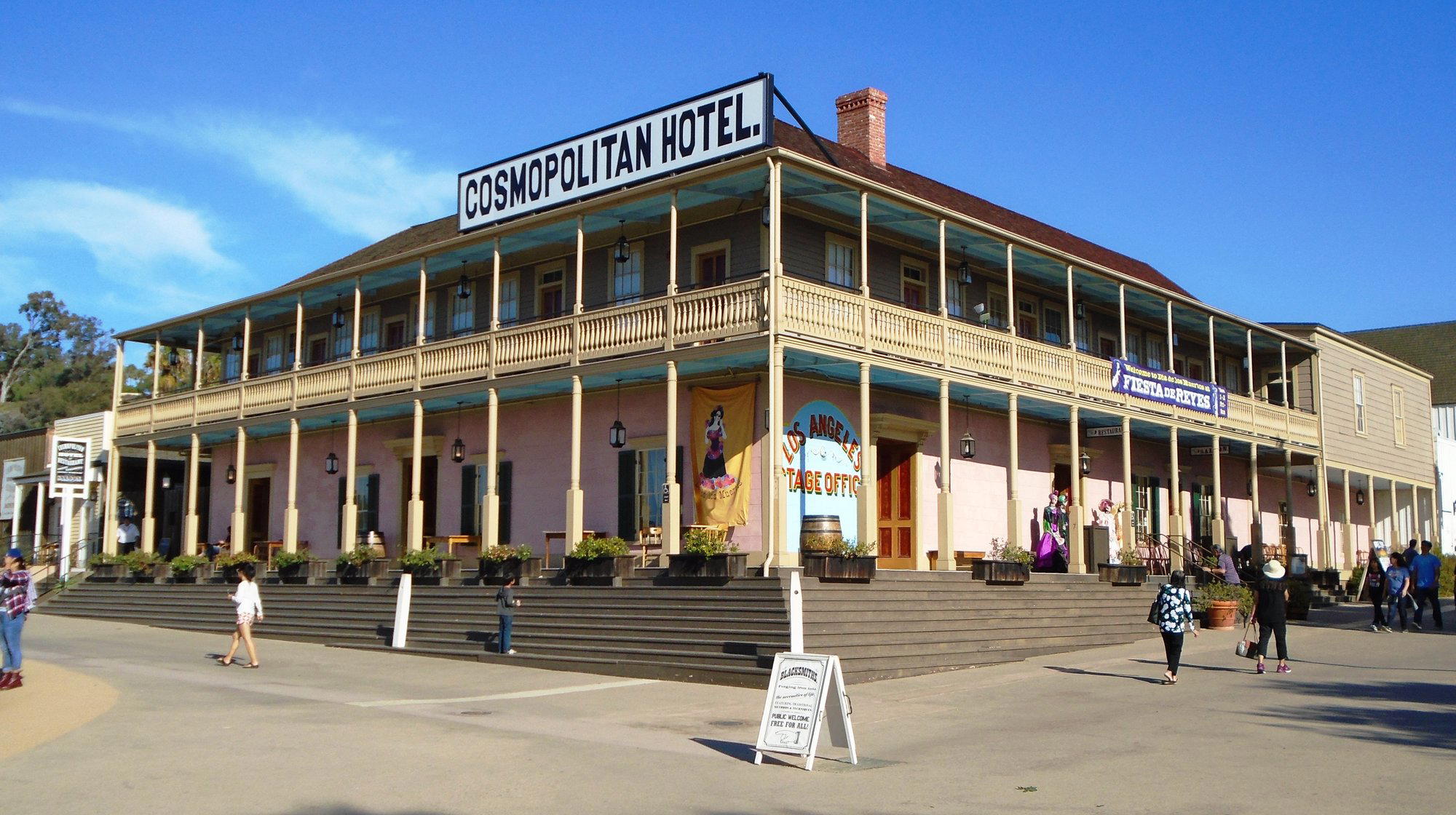
Where Old Town's Built Environment Becomes the Dining Room
Old Town San Diego operates on a different register from the Gaslamp Quarter's evening energy or Little Italy's weekend crowd. The neighborhood moves at the pace of its adobe walls and corrugated iron rooflines, and the dining that works well here earns its place by reading that rhythm correctly. Cosmopolitan Restaurant, at 2660 Calhoun Street, sits inside a 19th-century building that predates California statehood, a structural fact that shapes the experience before a single dish arrives.
Restaurants built into genuinely old buildings face a choice: lean into the heritage so hard it tips into theme-park territory, or let the architecture do its quiet work while the kitchen speaks for itself. The handful of San Diego restaurants that thread this needle successfully tend to occupy a specific niche, properties where the physical context is verifiable history, not reconstructed atmosphere. Old Town's restaurant tier is small, and Cosmopolitan's address places it in the more character-laden end of that set.
The Sensory Architecture of the Space
Approaching the building on Calhoun Street, the visual register shifts immediately from the broader Old Town commercial strip. The structure's period facade signals age in ways that no amount of distressing or reclaimed wood can fully replicate, the proportions are pre-modern, the materials genuinely worn. Inside, the transition from California afternoon light to the interior's lower, warmer tones is the kind of atmospheric shift that guests at properties like The Inn at Little Washington in Washington or Blue Hill at Stone Barns in Tarrytown associate with dining rooms where the setting is half the proposition.
Historic dining rooms generate their own acoustic character. Lower ceilings and period construction materials, adobe, timber, plaster, absorb sound differently than contemporary open-plan spaces, producing a quieter, more contained atmosphere. That quality is increasingly rare in the mid-price San Diego dining tier, where open kitchens and hard surfaces push ambient noise into ranges that make conversation an effort. A dining room that allows table-level conversation without raised voices is a logistical advantage that older buildings sometimes deliver by accident of their construction.
Old Town's Dining Tier: Where Cosmopolitan Sits
San Diego's premium dining tier has consolidated around a handful of neighborhoods: downtown's Gaslamp and East Village corridors, Little Italy's restaurant row, and the beach communities. Old Town operates outside those competitive clusters, drawing a visitor mix that includes heritage tourists, family groups, and the kind of out-of-town guest who books based on location rather than kitchen reputation alone. That context shapes what Cosmopolitan is competing against and what it needs to deliver.
For comparison, the highest-end San Diego dining, Addison, with its Michelin stars and formal French-contemporary format, or Soichi, operating in the precise Japanese tradition, anchors a different price tier and a different booking logic entirely. Cosmopolitan is not competing in that bracket. It occupies the neighborhood-anchor position in a part of the city where the built environment is the primary draw, and a restaurant that can use the setting without letting the setting become a substitute for quality sits in a defensible position.
Other San Diego properties in the heritage-adjacent or atmospheric tier include 94th Aero Squadron and 1450 El Prado, both of which trade on specific location-based identities. 777 G St represents a different downtown positioning. The Old Town segment is smaller, and Cosmopolitan's address is its clearest differentiator within it.
The Broader American Dining Frame
Across American dining, the relationship between historic buildings and restaurant quality has been uneven. Some of the country's most serious kitchens operate in stripped-back, purpose-built spaces, Atomix in New York City or Smyth in Chicago derive almost no value from architectural heritage, relying entirely on technique and program. Others, like Emeril's in New Orleans, exist in cities where built heritage is so pervasive that the architecture is simply backdrop.
California's own premium tier includes places where setting and kitchen reinforce each other at a high level: The French Laundry in Napa operates in a stone building with a garden that is as much a part of the experience as Thomas Keller's kitchen, while Single Thread Farm in Healdsburg and Providence in Los Angeles demonstrate how California dining can carry serious technique without sacrificing a sense of place. Lazy Bear in San Francisco and Frasca Food and Wine in Boulder show how dining rooms in the American West can build identity through a combination of program and room character.
Internationally, restaurants like Atelier Moessmer Norbert Niederkofler in Brunico demonstrate how a historic building can anchor a serious culinary program at the highest level. Closer to home, Le Bernardin in New York City proves the inverse: a kitchen's reputation can transcend its physical setting entirely. Cosmopolitan occupies neither extreme. It is a mid-register neighborhood restaurant in a part of San Diego where atmosphere is the primary offering, and the kitchen's role is to validate rather than overwhelm that positioning.
Planning a Visit
Old Town San Diego is accessible from the broader city via the Trolley's Blue and Green lines, with the Old Town station placing the Calhoun Street block within a short walk. The neighborhood draws peak visitor traffic on weekends, particularly during the midday and early-afternoon window when heritage tourism is at its highest. Evening visits generally offer a quieter version of the same setting.
Know Before You Go
- Address: 2660 Calhoun St, San Diego, CA 92110
- Neighborhood: Old Town San Diego
- Getting there: Old Town Trolley Station (Blue and Green lines) is within walking distance of Calhoun Street
- Parking: Street and lot parking available in the Old Town commercial area
- Price range: About $25 per person
- Guacamole & Chips
- Mexican Caesar Salad
- Grilled Fish Tacos
- Mushroom, Artichoke & Spinach Dip
- Cosmo Sliders
- Kung Pao Calamari
Comparable Spots, Quickly
Comparable venues nearby, for context on price, style, and recognition.
| Venue | Cuisine | Price | Notes |
|---|---|---|---|
| Cosmopolitan RestaurantThis venue — the venue you are viewing | American Contemporary with Historic Flair | $$ | Not listed |
| Corvette Diner | Classic American Diner | $$ | Midway-Pacific Highway |
| Phil's BBQ | Mesquite BBQ | $$ | Midway-Pacific Highway |
| South Park Brewing Company | San Diego Brewery Pub | $$ | Greater Golden Hill |
| Queenstown Bistro - UTC | New Zealand-Inspired American Bistro | $$ | University |
| Little While Cafe | Specialty Coffee and Pastries | $$ | North Park |
Continue exploring
More in San Diego
Restaurants in San Diego
Browse all →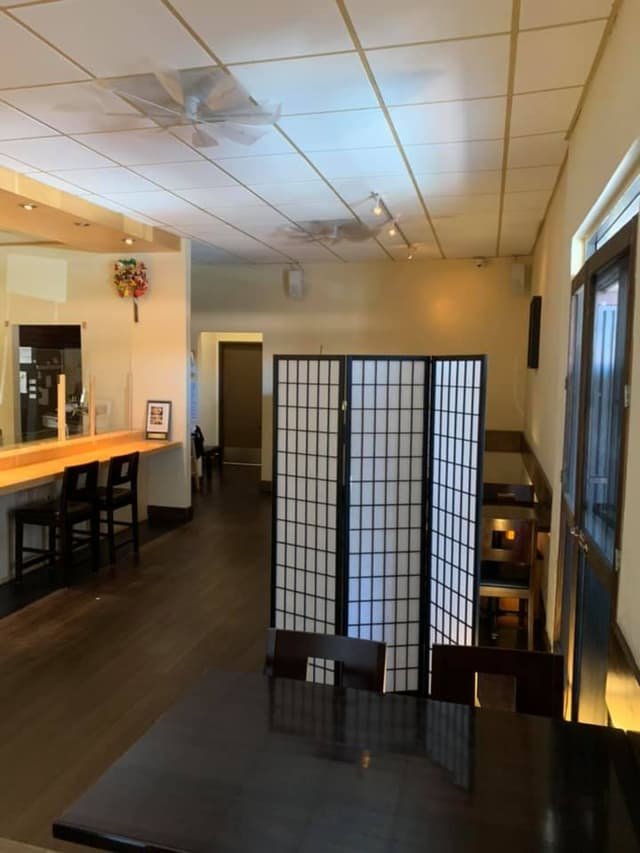
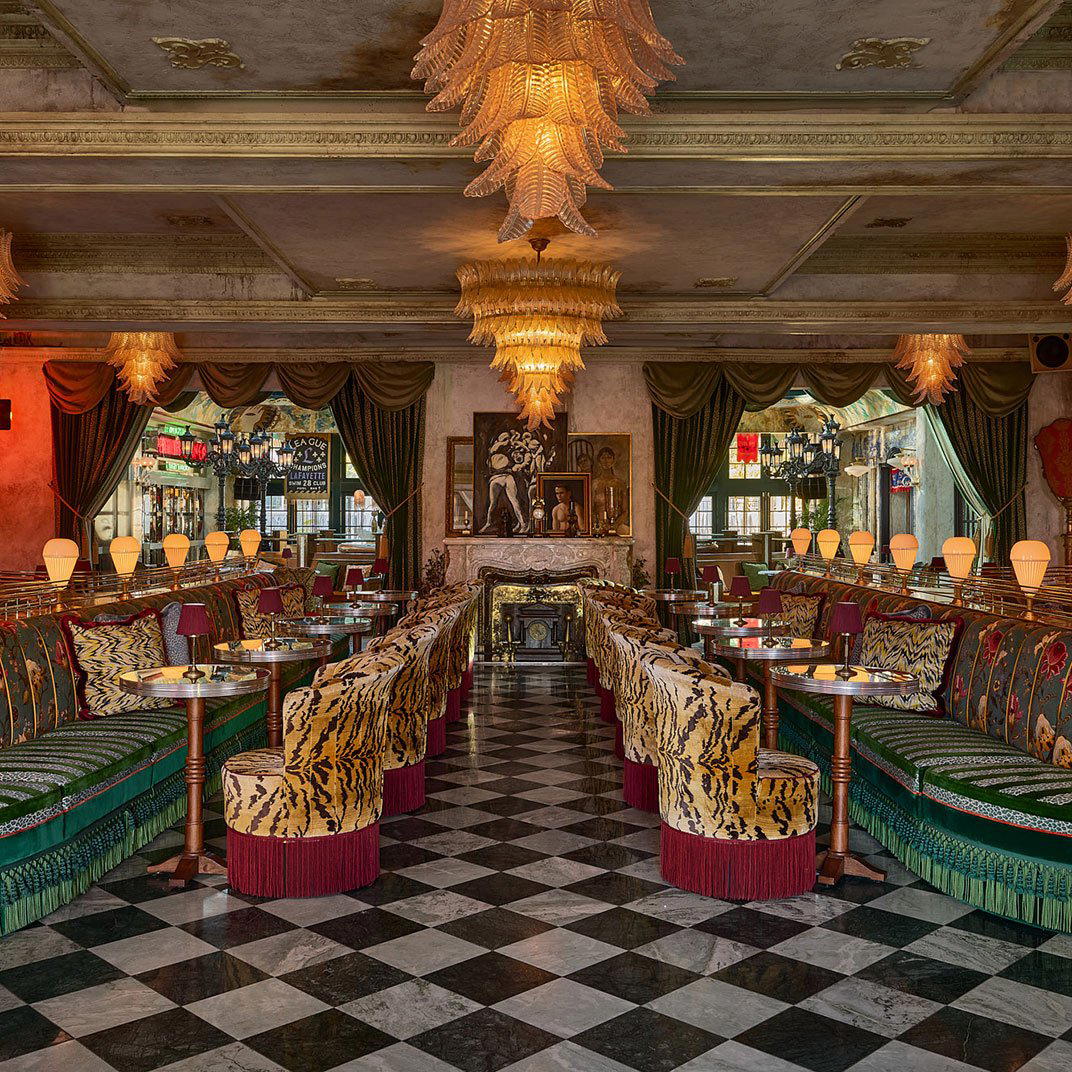
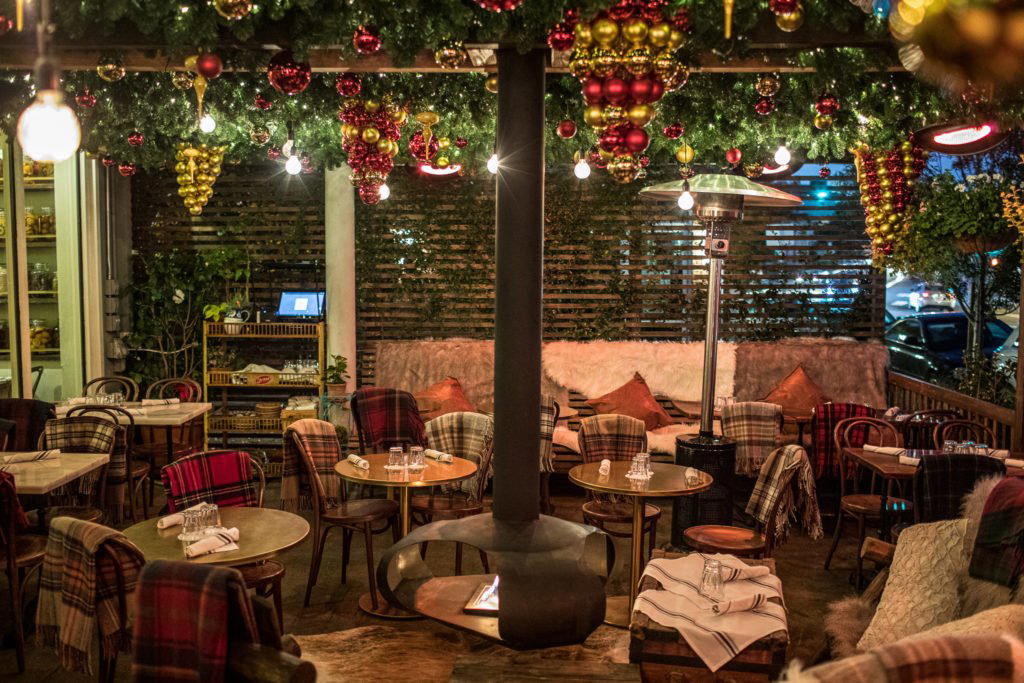
Bars in San Diego
Browse all →





At a Glance
- Historic
- Classic
- Cozy
- Scenic
- Elegant
- Family
- Group Dining
- Celebration
- Special Occasion
- Brunch
- Historic Building
- Hotel Restaurant
- Private Dining
- Courtyard
- Craft Cocktails
- Beer Program
- Garden
Historic, garden-setting atmosphere with a convivial dining experience; the property is described as a Victorian-style boutique hotel and restored historic venue, with indoor and outdoor dining areas and a lush garden or orchard courtyard setting.