Lucky’s Steakhouse
Montecito’s steakhouse tradition sits at the intersection of Santa Barbara County ranch culture, coastal wealth, and old California dining rooms built for regulars rather than spectacle. Lucky’s Steakhouse belongs to that grammar: a place to read through sourcing, cut selection, wine habits, and the town’s preference for polished familiarity over trend-chasing.
Pearl is the En Primeur Club membership app — saves, bookings, and concierge access live there. Same editors, same standards.
- Address
- Montecito, United States
- Website
- luckys-steakhouse.com
- Directions
- Get directions
 Saves & bookings on Pearl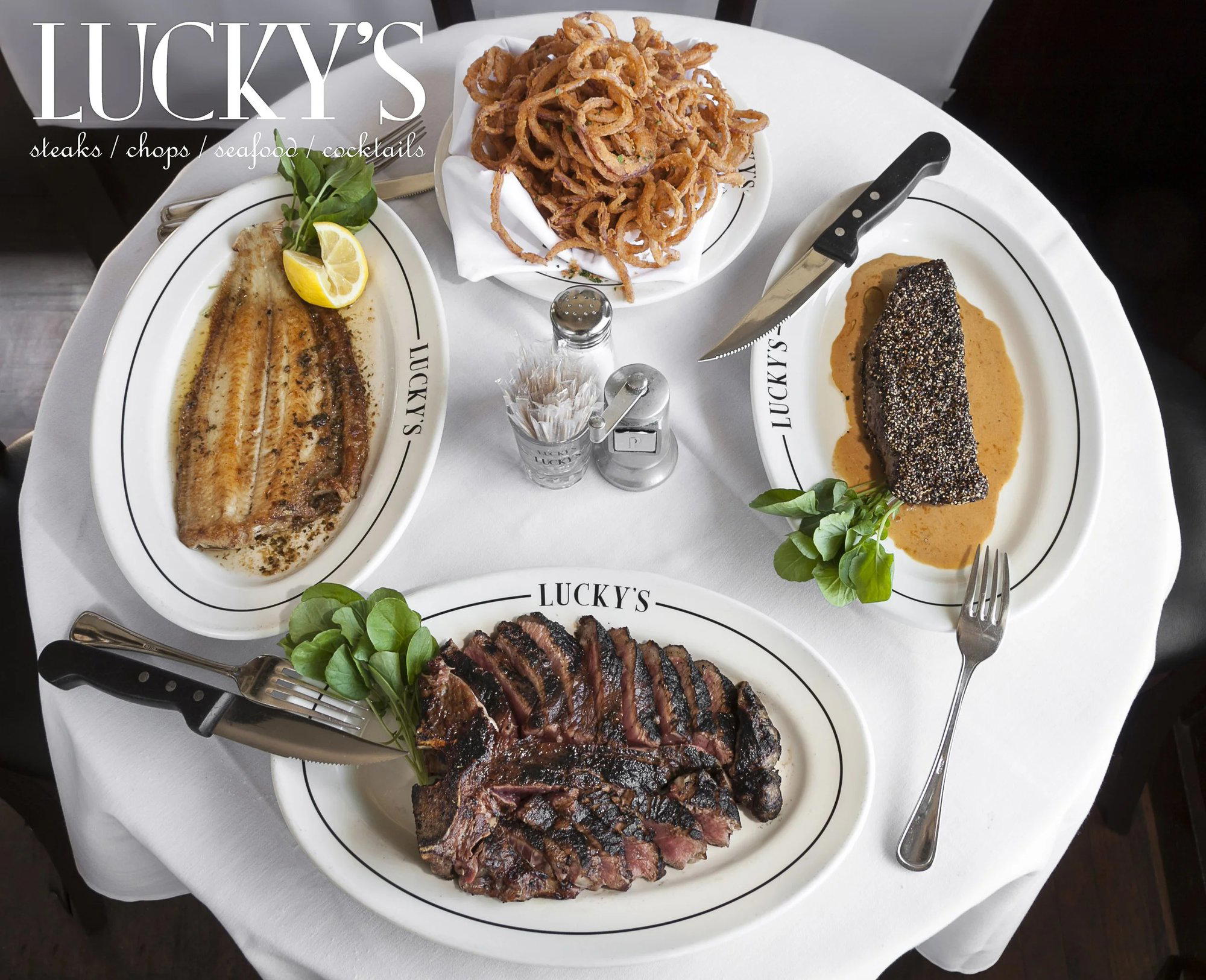
Steakhouse grammar in a coastal village
Approaching a Montecito dining room in the evening is less about theatrical arrival than calibration: soft street light, a low murmur from terraces and valet lanes nearby, the feeling of a village that learned long ago to keep wealth quiet. In that setting, a steakhouse reads differently than it does in Las Vegas, Manhattan, or Dallas. The point is not volume, display, or a tower of excess. The point is command: cold seafood, prime cuts, a serious bar, a wine list built for California drinkers, and service that understands when to move quickly and when to disappear.
Lucky’s Steakhouse sits inside that local code. Montecito gives the steakhouse format a particular tension. It is a small coastal enclave with access to Santa Barbara County produce, Central Coast beef and wine culture, and a dining audience that compares neighborhood restaurants against resort dining, private clubs, Los Angeles rooms, and destination tasting menus. A steakhouse here has to feel familiar without becoming lazy. It has to make sourcing matter, not as a slogan, but as the quiet logic behind the plate.
That sourcing frame is the useful way to judge the genre. In older American steakhouse culture, luxury was measured by cut size, imported labels, and heavy service rituals. In coastal California, the better version is narrower and more ingredient-led: beef quality, fish procurement, market vegetables, oil and citrus, local wine fluency, and a kitchen that does not bury everything under ceremony. Montecito diners can cross-shop a steak dinner with oceanfront Californian cooking at Caruso's (Californian), sushi precision at AMA Sushi (Sushi), resort dining at Bella Vista, and smaller neighborhood rooms such as Little Mountain. That peer pressure changes what a steakhouse has to be.
Why sourcing matters more in Montecito than in a generic steakhouse city
Santa Barbara County gives restaurants a rare split identity: coastal seafood, ranchland, farmers’ markets, and one of California’s serious wine corridors within driving range. Even when a restaurant does not publish its suppliers, the regional expectation is clear. Diners here are accustomed to ingredient language. They know when tomatoes taste like season, when a salad is treated as an afterthought, and when a wine list has been assembled from distributor convenience rather than local intelligence.
For a steakhouse, that means beef is only the opening argument. The side dishes, raw bar habits, fish sourcing, greens, potatoes, sauces, and by-the-glass program determine whether the room belongs to California or merely imports an East Coast template. The classic American steakhouse is built on repetition: martini, shellfish, steak, creamed greens, potatoes, Cabernet. Montecito asks that repetition to absorb place. Local farms around Santa Barbara County have helped set a high baseline for produce, while the Central Coast’s wine regions make it difficult for a serious room to ignore Pinot Noir, Chardonnay, Syrah, and Bordeaux-variety wines from nearby appellations.
That is where Lucky’s Steakhouse becomes a useful case study in the village’s dining hierarchy. The editorial point is broader: in Montecito, a steakhouse is not competing only with other steakhouses. It competes with the town’s entire premium dining habit. A guest choosing beef and martinis could also choose Japanese seafood, coastal Californian tasting formats, a hotel terrace, or a casual institution such as Montecito Coffee Shop the next morning. The successful steakhouse role is therefore social as much as culinary: a reliable room for business, celebrations, post-tennis dinners, visiting family, and locals who do not want a two-and-a-half-hour tasting menu.
The local comparable set: resort polish, village regulars, and destination dining
Montecito’s restaurant scene is unusually compressed. Within a small geography, the town carries resort dining, residential wealth, day-trip traffic from Santa Barbara, and regulars who expect recognition without fuss. That produces a different rhythm from major-city dining. In San Francisco or New York, a steakhouse often functions as corporate theater. In Montecito, it becomes a neighborhood power room: less about expense-account bravado, more about the comfort of knowing the room’s tempo before sitting down.
The comparison with destination tasting-menu restaurants is instructive. At Benu in San Francisco, Le Bernardin in New York City, Alinea in Chicago, and The French Laundry in Napa, the meal is structured around progression, authorship, and controlled pacing. A steakhouse works by a different contract. It gives the diner more authorship: how to begin, how heavy to go, what bottle to open, which sides to share, when to linger. That flexibility is not lesser; it is a separate form of hospitality, and it suits a town where regular life and luxury overlap daily.
California’s ingredient-led fine dining has also shifted the expectations around sourcing. Restaurants such as Single Thread Farm in Healdsburg, Lazy Bear in San Francisco, and Saison in San Francisco have trained diners to pay attention to farms, fire, season, and provenance. A Montecito steakhouse does not need to mimic that format. It does, however, operate in a state where ingredient origin has become part of the luxury conversation. The steakhouse that ignores that shift feels dated; the steakhouse that absorbs it can keep the comfort of the genre while sounding local.
How to read the menu without relying on hype
Read the restaurant through steakhouse structure. Start with procurement signals rather than adjectives. Are cuts identified by grade, aging, ranch, or source? Does seafood receive the same care as beef? Are vegetables treated as seasonal food rather than garnish? Does the wine list speak fluently to Santa Barbara County and the broader Central Coast, or does it lean only on trophy Cabernet? Those questions reveal more than any slogan.
In Montecito, ingredient sourcing carries social meaning. Local diners have access to farmers’ markets, ranches, and wineries that are part of daily regional identity. A restaurant that can translate that access into a steakhouse setting earns relevance beyond nostalgia. This is especially important because the steakhouse format is conservative by design. Its strengths are repetition, confidence, and legibility. Its weakness is complacency. Sourcing is one of the few levers that can renew the category without turning it into something else.
The bar matters, too. The American steakhouse has always been as much a drinking room as a dining room, and Montecito’s version has to account for California wine habits as well as classic cocktails. The larger expectation remains: in this town, a serious steakhouse should understand Napa Cabernet but not be trapped by it; it should respect Santa Barbara County Pinot Noir and Chardonnay; and it should make room for the kind of by-the-glass choices that suit locals who dine midweek rather than only visitors celebrating once.
Atmosphere: the value of polish without performance
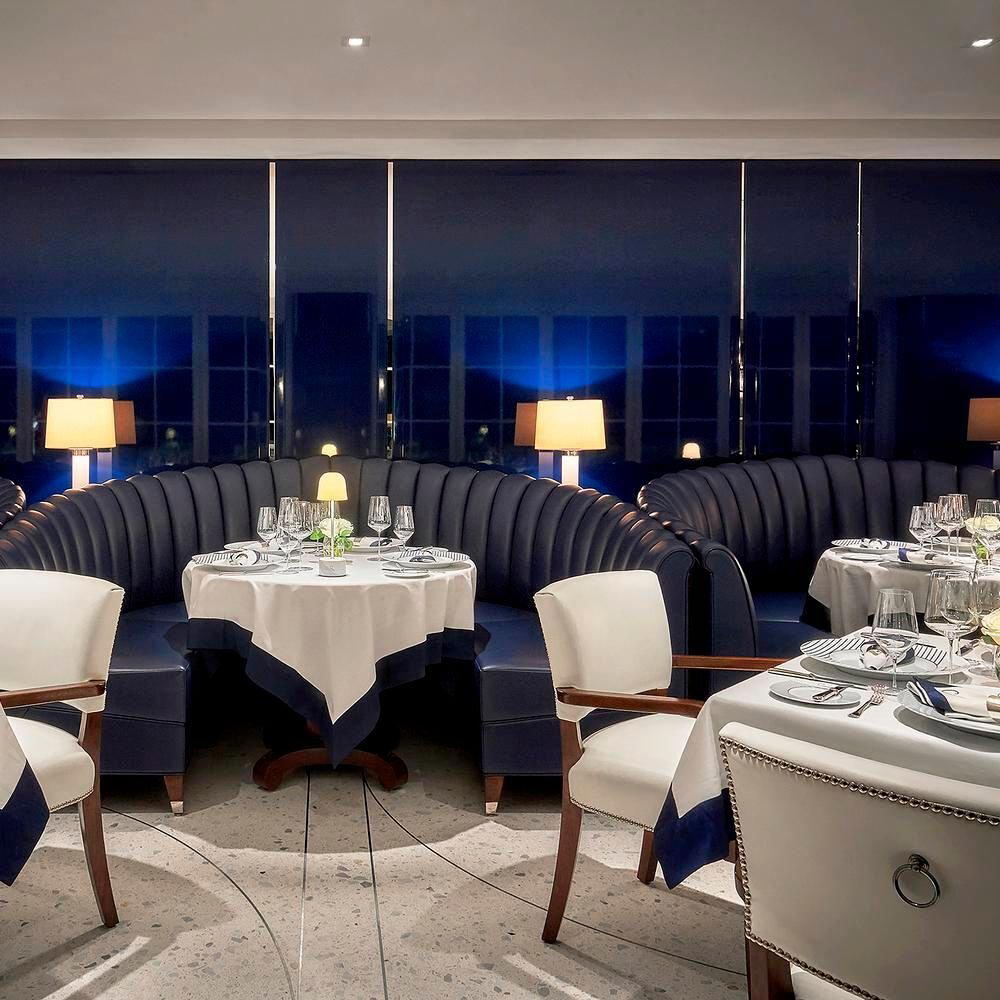
The steakhouse atmosphere that works in Montecito is controlled, not loud. The town does not reward rooms that confuse luxury with spectacle. A dining room here has to manage a mixed audience: longtime residents, hotel guests, Los Angeles regulars, family tables, and couples who want the old grammar of cocktails and steaks without a resort production. That mix favors competence over novelty.
Lucky’s Steakhouse, by name and category, belongs to the American tradition of the clubby dining room, but the Montecito setting changes the stakes. The village is small enough that reputation travels through repeat use rather than anonymous volume. In a large city, a restaurant can survive on first-time traffic and corporate bookings. In Montecito, repeatability carries more weight. The room has to be somewhere people can return to without needing a new story each time.
Context matters more than accolades here. In the absence of formal accolades, the relevant trust signal is contextual authority: placement within Montecito’s established premium dining circuit. That does not replace awards, but it explains why the restaurant matters in a village where social dining, ingredient access, and polished service traditions overlap.
Planning a meal in Montecito
There is no verified address, phone number, website, hours, booking method, seat count, or dress code in the supplied data. For readers, that means current logistics should be checked through a reliable direct source before setting plans.
Dress expectations in Montecito tend to sit between resort casual and polished evening wear, but no venue-specific dress code is available here. The safer reading is situational: a steakhouse in this city generally rewards a composed look, especially at dinner, while lunch or earlier meals in the area may be less formal depending on the room. Families should apply the same logic.
For a broader itinerary, Montecito works well as a compact food-and-stay cluster rather than a single-restaurant detour. The useful strategy is to think in half-days: beach or garden in daylight, a precise dinner decision at night, and enough margin that the village pace does not feel rushed.
Where Lucky's fits in the wider steakhouse conversation
The American steakhouse has become a test of restraint. The old signals, large portions, dark rooms, and famous labels, are no longer enough for well-traveled diners. The stronger modern version keeps the pleasure of the format while tightening the sourcing, wine logic, and service rhythm. In New Orleans, a restaurant such as Emeril’s in New Orleans belongs to a city where hospitality is inseparable from regional identity. In California, the comparable pressure comes from farms, coastline, and wine country. Montecito adds another layer: a small audience with high expectations and little patience for noise.
That makes Lucky’s Steakhouse less interesting as a standalone name than as a lens on how Montecito eats. The town wants restaurants that can handle celebration without losing regular-night utility. It wants polish but resists hard sell. It has access to ingredients that make lazy sourcing obvious. A steakhouse in this context succeeds by understanding limits: do the familiar things with discipline, let the raw materials carry more of the weight, and avoid turning dinner into performance.
Comparable venues nearby, for context on price, style, and recognition.
| Venue | Cuisine | Price | Awards | Notes |
|---|---|---|---|---|
| Lucky’s SteakhouseThis venue — the venue you are viewing | Classic American Steakhouse | $$$$ | Not listed | Not listed |
| San Ysidro Ranch | Seasonal California Fine Dining | $$$$ | Not listed | Montecito |
| Coral Casino Restaurant | Modern Continental by Thomas Keller | $$$$ | Not listed | Montecito |
| Bogavante | Northern Mexican meets Santa Barbara seafood | $$$ | Not listed | Montecito |
| Montecito Coffee Shop | Classic American Breakfast & Brunch | $$ | Not listed | Montecito |
| AMA Sushi | Edomae-Style Omakase Sushi | $$$$ | Michelin Plate | Montecito |
Continue exploring
More in Montecito
Restaurants in Montecito
Browse all →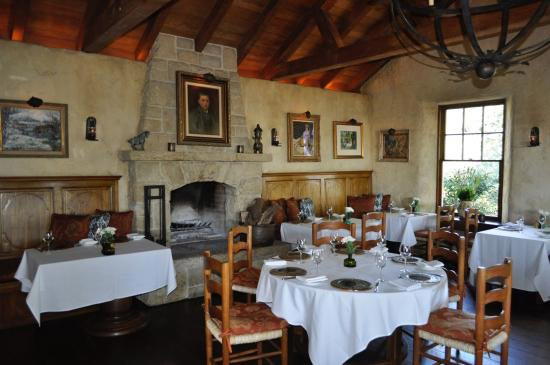
Bars in Montecito
Browse all →
Hotels in Montecito
Browse all →
At a Glance
- Well Known
- Elegant
- Classic
- Lively
- Sophisticated
- Date Night
- Business Dinner
- Group Dining
- Celebration
- Special Occasion
- Brunch
- Private Dining
- Terrace
- Standalone
- Extensive Wine List
- Craft Cocktails
- Corkage Allowed
- Beer Program
- Street Scene
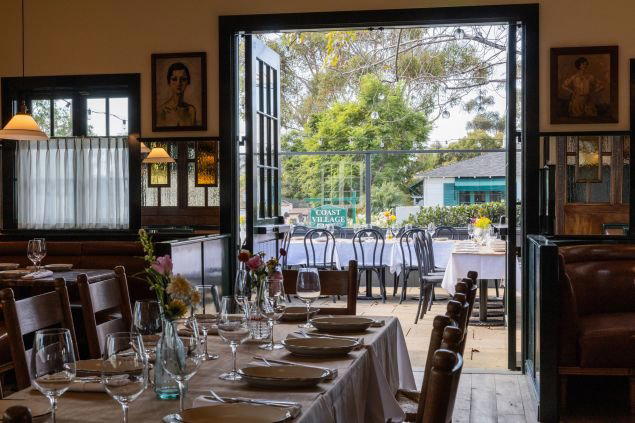
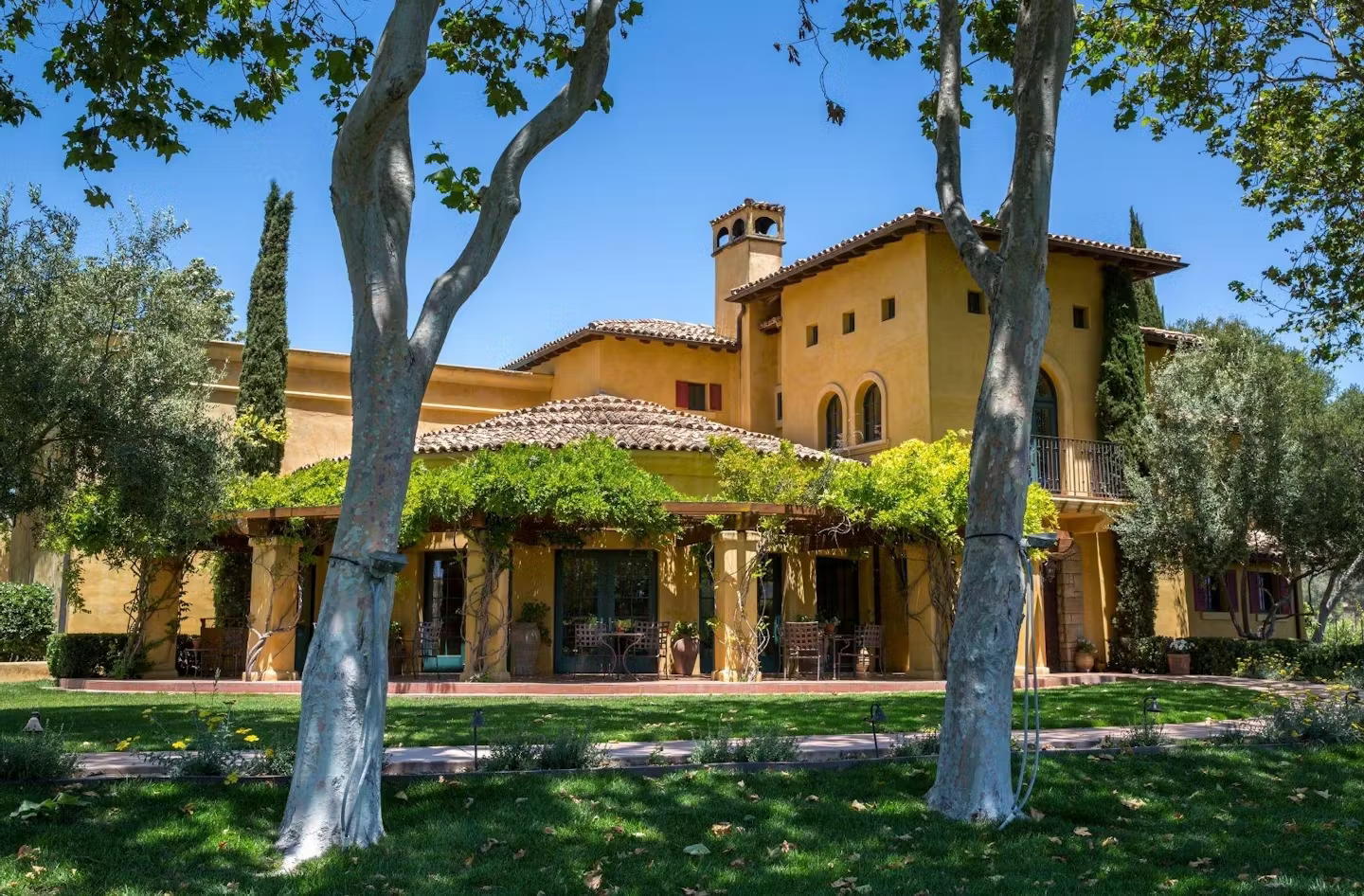
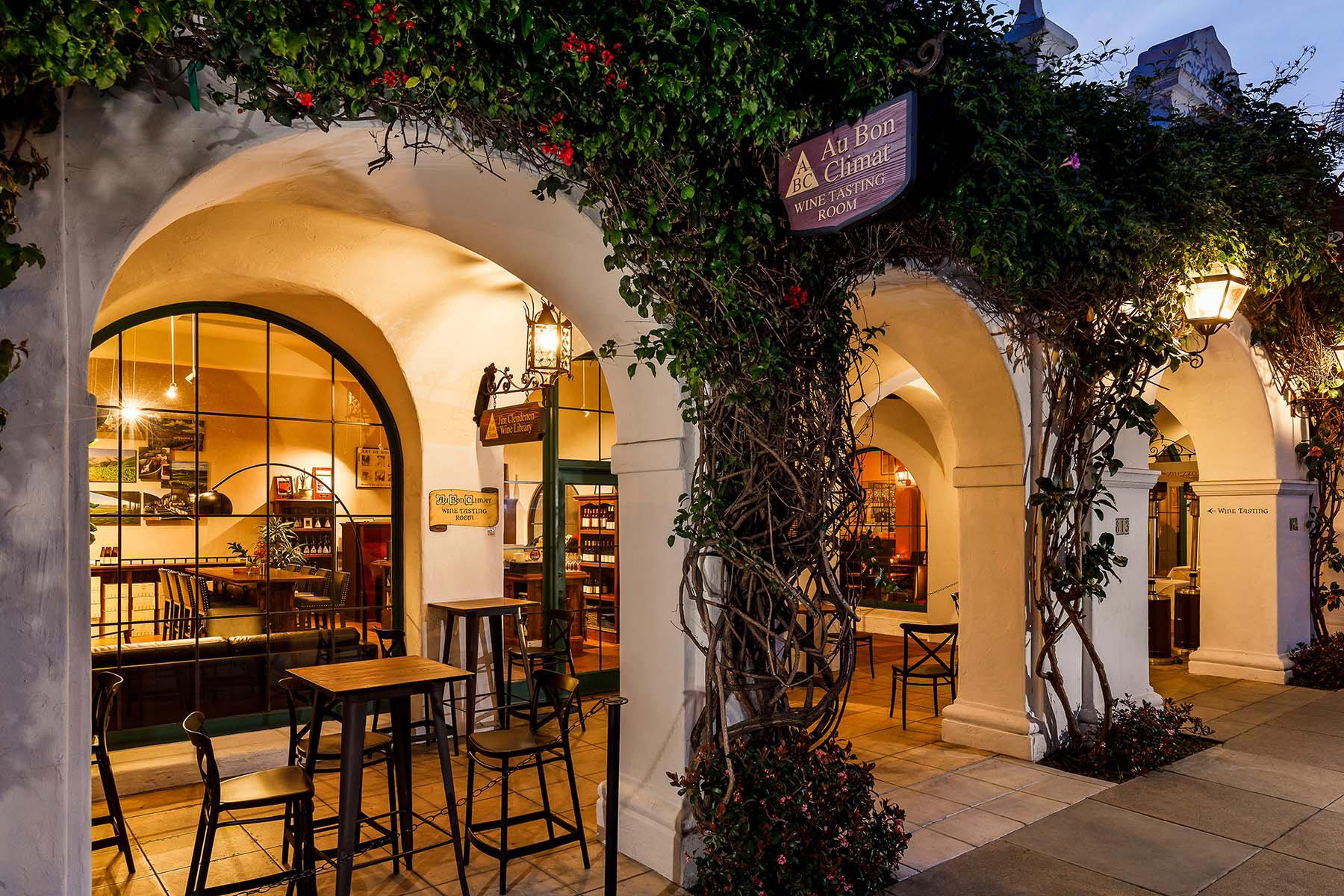
Classic upscale steakhouse with a chic black-and-beige exterior, fairy lights wrapped around palm trees, a heated and covered outdoor patio, and a mix of casually dressed families and well-heeled diners creating a lively yet polished atmosphere.