
Star Wine List
Our verdict
Controvento occupies a passageway address in Tallinn's Old Town and holds a White Star recognition from Star Wine List, placing it among the city's more wine-serious dining rooms. The location in Katariina käik, one of the medieval quarter's quieter covered lanes, signals a deliberate remove from the main tourist circuit. For visitors who treat the wine list as part of the meal, it belongs on the shortlist.

Pearl is the En Primeur Club membership app, where members save venues, book tables and use the concierge.
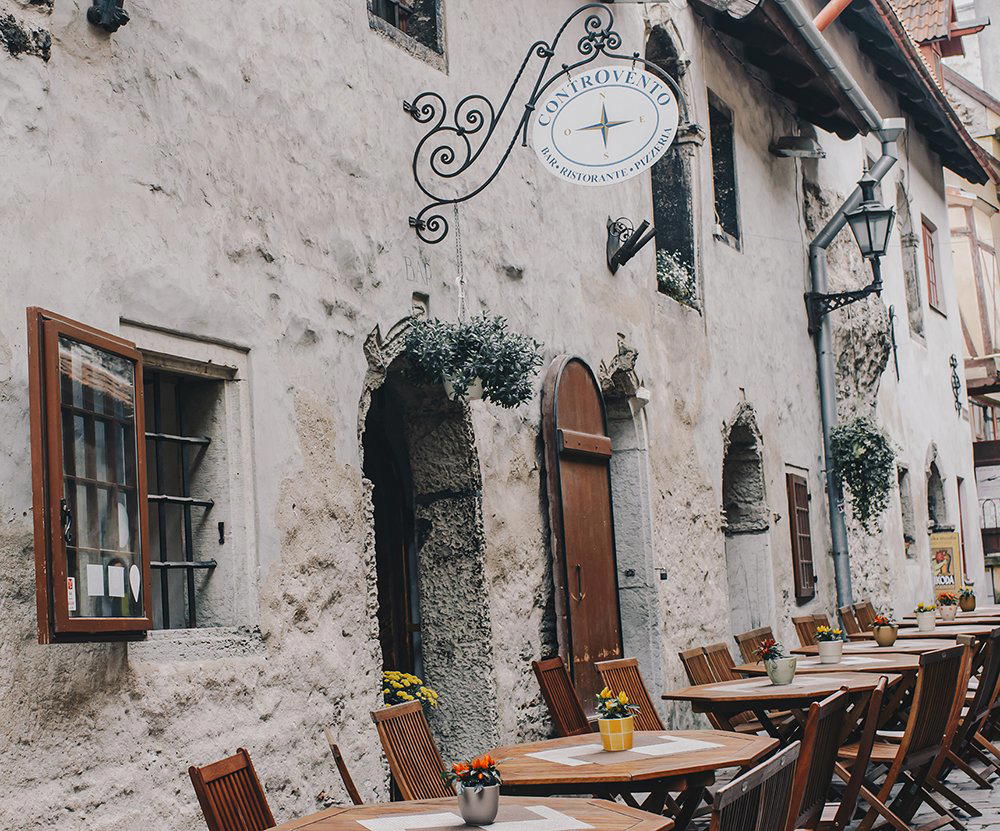
A Covered Lane, a Wine-Serious Room
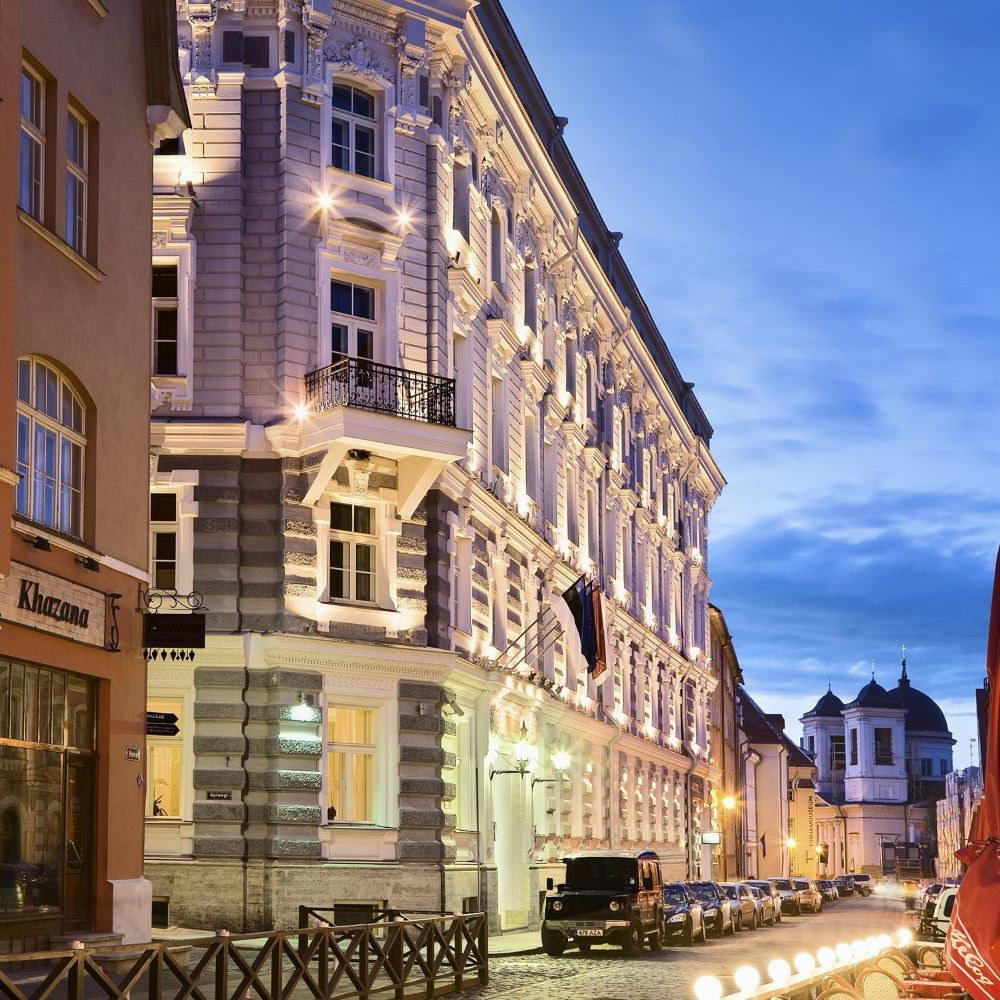
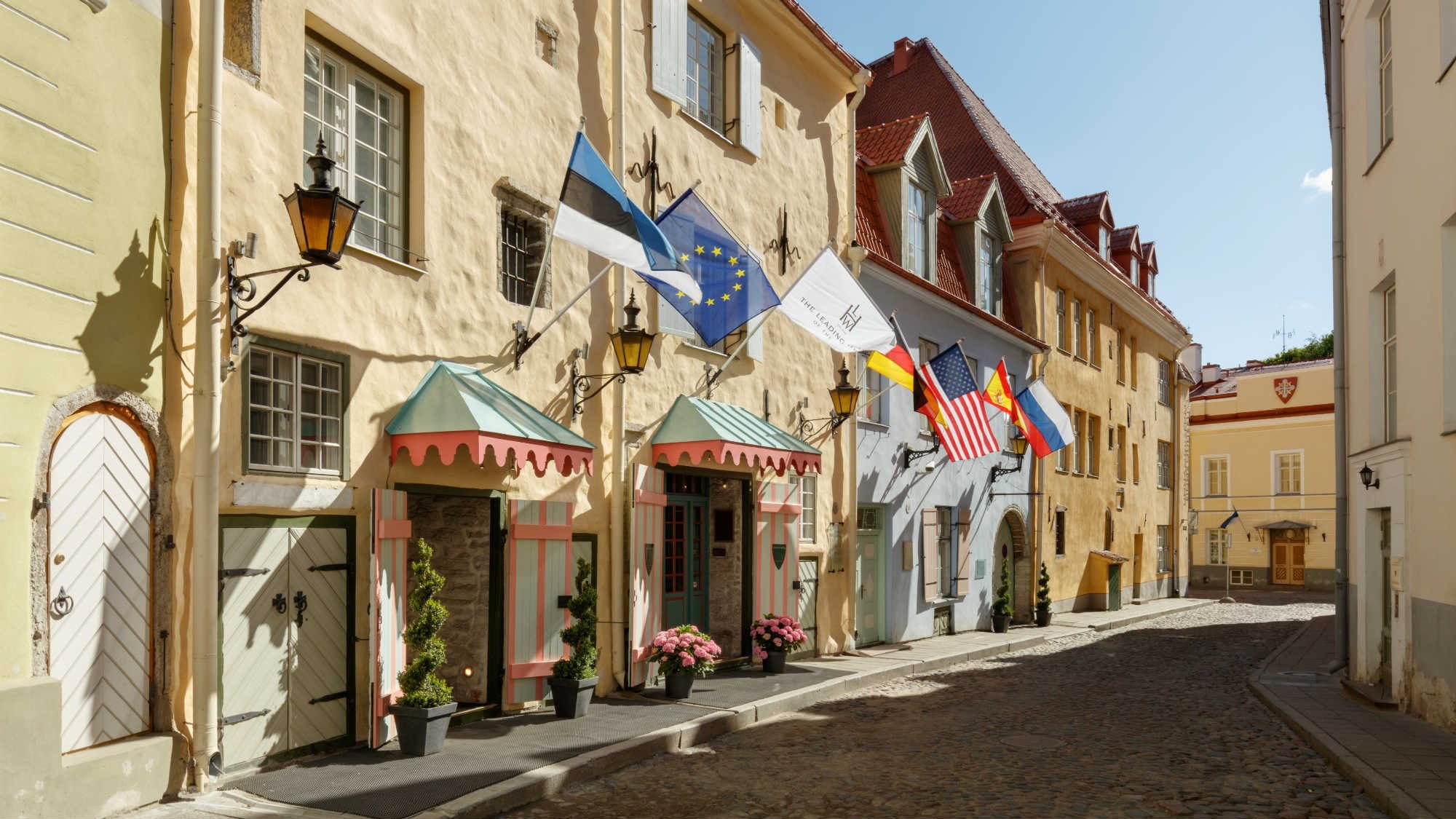
Tallinn's Old Town divides sharply between its heavily trafficked main arteries and the quieter medieval passages that branch off them. Katariina käik, the covered Gothic lane where Controvento sits, belongs firmly to the second category. The alley runs behind the Dominican Monastery and has long attracted craft workshops and small galleries rather than the souvenir stalls and tour groups that dominate the nearby Town Hall Square. Arriving at an address like this, in a city where the premium dining scene has concentrated increasingly around design-led spaces with harbour views, is already a form of editorial statement: the room chooses depth over spectacle.
That positioning matters when reading Controvento against Tallinn's broader restaurant map. The city's higher-end tier has grown in ambition over the past decade. NOA Chef's Hall and 180° by Matthias Diether operate at the creative and tasting-menu end of the spectrum, with price points and format discipline that align them with Copenhagen or Helsinki peers rather than regional Baltic averages. Controvento occupies a different register: the White Star recognition from Star Wine List, published in August 2025, places it in the wine-programme category rather than the tasting-menu category, which means the food and the bottle selection are designed to work as equals rather than in hierarchy.
What a Wine Star Recognition Actually Signals
Star Wine List's White Star designation is not a generic hospitality award. The publication evaluates wine programmes specifically, assessing list depth, producer selection, markup structure, and how the list reflects the kitchen's direction. Earning recognition in that framework positions Controvento alongside a small cohort of Tallinn addresses where the sommelier's thinking is as legible on the table as the chef's. In a city where many restaurants treat wine as an afterthought appended to the menu's back page, that distinction carries weight.
For the diner who arrives with sourcing questions in mind, a wine list of this calibre tends to function as a second narrative about provenance. European lists at this level typically draw from growers whose farming practices and cellar intervention levels are knowable, and in northern European dining rooms the conversation between local food producers and imported wine has become increasingly deliberate over the past several years. That conversation is harder to have in a room that stocks generic imports; it becomes possible when the list has been assembled with the same intentionality as the menu. Controvento's recognition suggests the latter applies here.
Old Town Positioning and What It Implies About Sourcing
The address in Katariina käik carries practical implications beyond atmosphere. Tallinn's Old Town is not a natural hub for farm-to-table supply chains, which tend to centre on restaurants with direct relationships to Estonian rural producers, often operating outside the medieval walls. What an Old Town address does offer is proximity to a dense cluster of food-literate visitors and a local professional class that uses the quarter's quieter spots for lunch and early-evening dining. The question of what a kitchen in this location sources, and from where, is genuinely interesting.
Estonia's wider fine-dining scene has placed sourcing at the centre of its identity with some consistency. Alexander in Pädaste operates on Muhu Island with an almost closed-loop relationship to local ingredients. Hiis in Manniva and Kolm Sõsarat in Lüllemäe are built around rural Estonian produce at some distance from the capital. In Tallinn itself, Bocca and 38 each approach the city's ingredient story from distinct angles. Where Controvento sits within that sourcing conversation is a question the venue's own menu answers more precisely than any external description can, but the wine-first recognition suggests a kitchen that takes the full table seriously rather than treating food as ancillary.
Comparing the Tallinn Wine Dining Tier
Restaurants that earn specific wine programme recognition occupy a distinct sub-tier within any city's dining hierarchy. They are not necessarily the most expensive addresses, nor the most theatrically presented, but they attract a particular kind of repeat visitor: someone who reads the list before the menu, who wants to discuss glass options beyond the house pour, and who treats the wine-food pairing as the central intellectual exercise of the meal. In Tallinn, that audience has grown alongside the city's broader food literacy, and the number of addresses that genuinely serve it remains limited.
At the higher price points, NOA Chef's Hall and 180° by Matthias Diether both operate with wine pairing programmes that are integral to the tasting menu format. 180 Degrees Restaurant approaches the same market from a different format angle. Controvento's White Star positioning suggests it competes less on format spectacle and more on the quality and depth of the list itself, which is a different proposition and serves a different dining intention. For visitors building a multi-night Tallinn itinerary, understanding that distinction is useful: tasting-menu evenings and wine-led à la carte evenings call for different energy, timing, and appetite.
Planning a Visit
Katariina käik is a short walk from Tallinn's Town Hall Square and is navigable on foot from most Old Town accommodation. The lane itself is enclosed and covered in sections, which makes the approach comfortable in the rain-frequent Baltic autumn and winter months. Given the White Star recognition and the limited capacity typical of Old Town addresses, booking ahead is advisable, particularly on weekend evenings and during the summer high season when Old Town restaurants fill from the tourist volume alone.
For visitors extending beyond the capital, the Estonian fine-dining circuit rewards a wider itinerary. Hõlm in Tartu, Fellin in Viljandi, and Lahepere Villa in Kloogaranna each extend the country's serious dining scene well beyond Tallinn's walls. Our full Tallinn restaurants guide maps the city's dining options in fuller detail, alongside our guides to Tallinn bars, hotels, wineries, and experiences.
Frequently asked questions
What awards or recognition does Controvento have?
Controvento has received recognition including: Controvento is a restaurant in Tallinn, Estonia. It was published on Star Wine List on August 20, 2025 and is a White Star.
Where is Controvento located?
Controvento is located at Vene, Katariina käik 12, 10140 Tallinn, Estonia, Tallinn.
What's the best thing to order at Controvento?
What the White Star recognition from Star Wine List does confirm is that the wine programme is the starting point, selecting a bottle or glass with guidance from the list is likely to be the most rewarding decision at the table.
Should I book Controvento in advance?
Advance booking is advisable. Katariina käik venues tend to operate in compact, historic spaces, and Controvento's Star Wine List recognition draws both locals and wine-focused visitors to a lane that is not prominently signposted from Tallinn's Town Hall Square. Booking ahead avoids the risk of arriving at capacity.
What is Controvento known for?
Controvento holds a White Star from Star Wine List, a publication that evaluates wine programmes specifically rather than restaurants in general. That designation places it in a recognised tier of wine-serious venues within Tallinn's Old Town. The address in Katariina käik, a covered medieval lane off the main tourist arteries, adds a sense of remove that aligns with the venue's wine-focused positioning.
Do they accommodate allergies at Controvento?
Estonia's food service regulations require restaurants to provide allergen information on request, so contacting the venue directly before your visit is the practical approach.
A Quick Peer Check
Comparable venues nearby, for context on price, style, and recognition.
| Venue | Cuisine | Price | Awards | Notes |
|---|---|---|---|---|
| ControventoThis venue (the venue you are viewing) | Traditional Italian | Not listed | Star Wine List | Not listed |
| Monster Pizza | Italian Sourdough Pizza | $10–20 | Not listed | Mustamäe |
| Osteria il Cru | Modern Italian Osteria | $50–100 | Michelin Plate · White Guide Baltic Restaurants - Very Fine Level | Old Town |
| KOGU Resto | Modern Estonian Signature Cuisine | $50–100 | Not listed | Kalaranna |
| Soo Uulits Tänavagurmee | Estonian Street Gourmet Burgers | $10–20 | Not listed | Kalamaja |
| Moon | Modern Russian/Slavic | $30–50 | Michelin Plate · White Guide Baltic Restaurants - Very Fine Level | Kalamaja |
Recognition history
Dated appearances from independent guides and award organizations, with the underlying list record or original source where available.
Star Wine List
Star Wine List
Continue exploring
More in Tallinn
Restaurants in Tallinn
All restaurants in Tallinn →
Bars in Tallinn
All bars in Tallinn →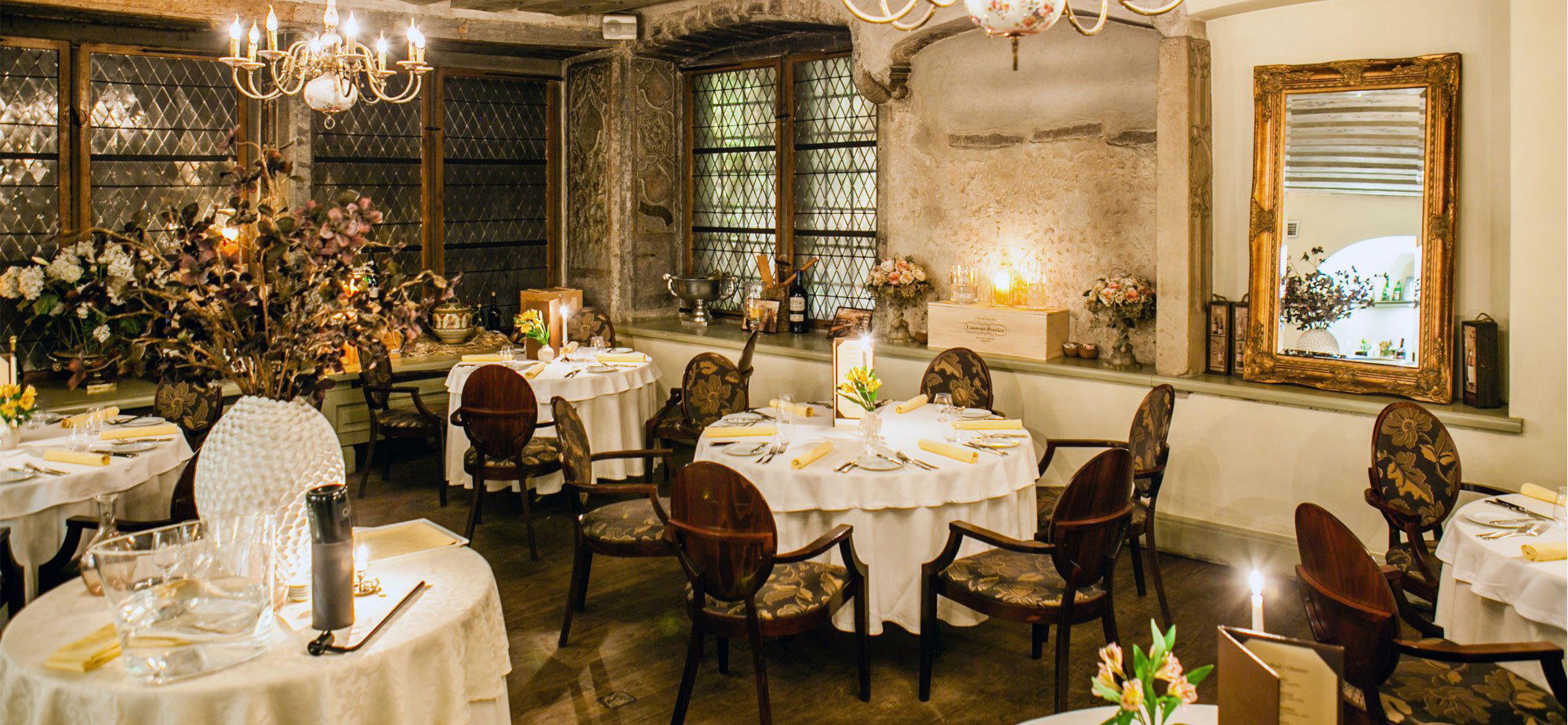
Details
- Cozy
- Historic
- Romantic
- Intimate
- Date Night
- Special Occasion
- Historic Building
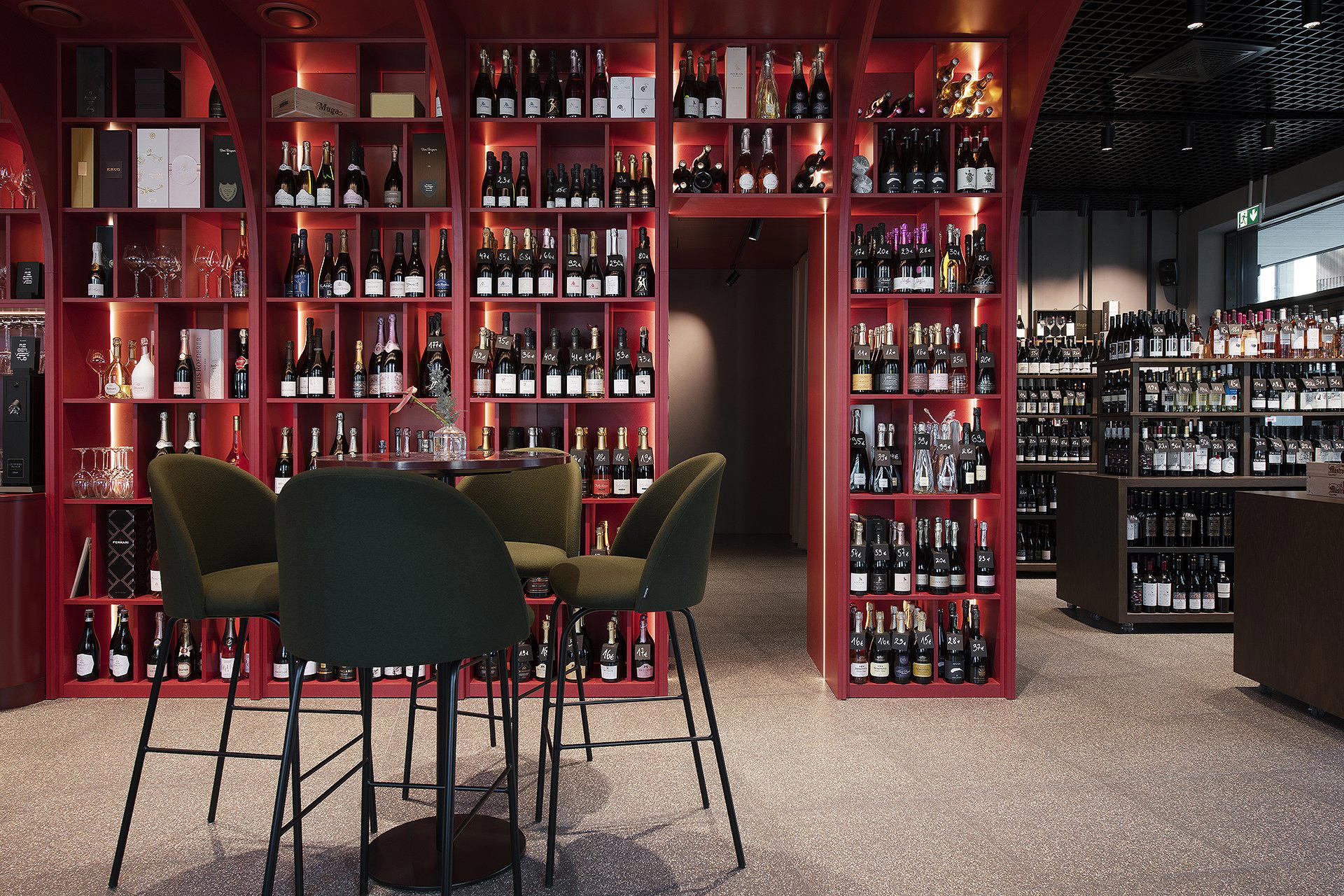
- Extensive Wine List
- A La Carte
- Vegetarian Friendly
- Vegan Options
- Gluten Free Options
Current opening hours
- Monday
- 5–11 PM
- Tuesday
- 5–11 PM
- Wednesday
- 5–11 PM
- Thursday
- 5–11 PM
- Friday
- 12–11 PM
- Saturday
- 12–11 PM
- Sunday
- 12–11 PM
Hours can change for holidays and private events. Hours as of .
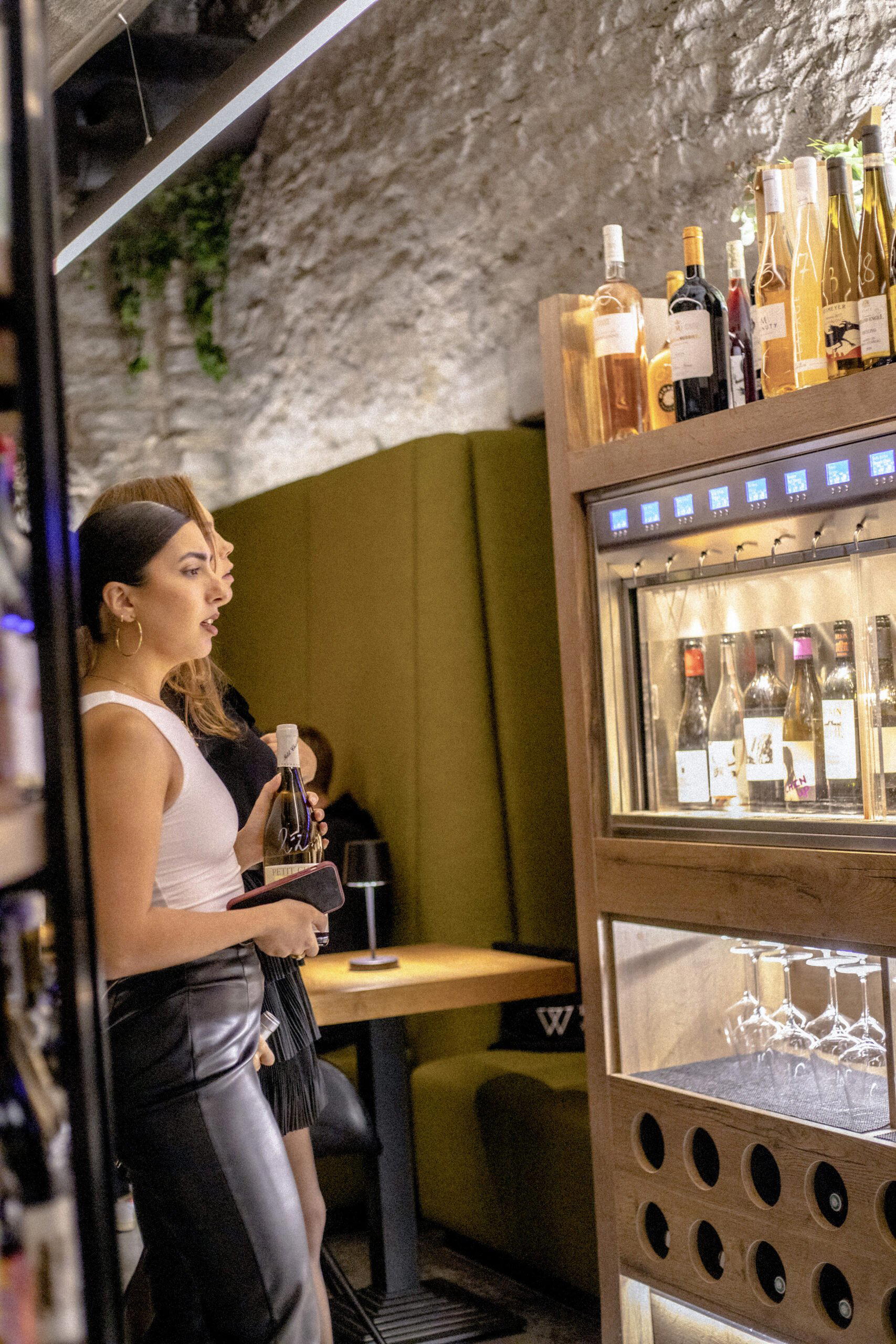
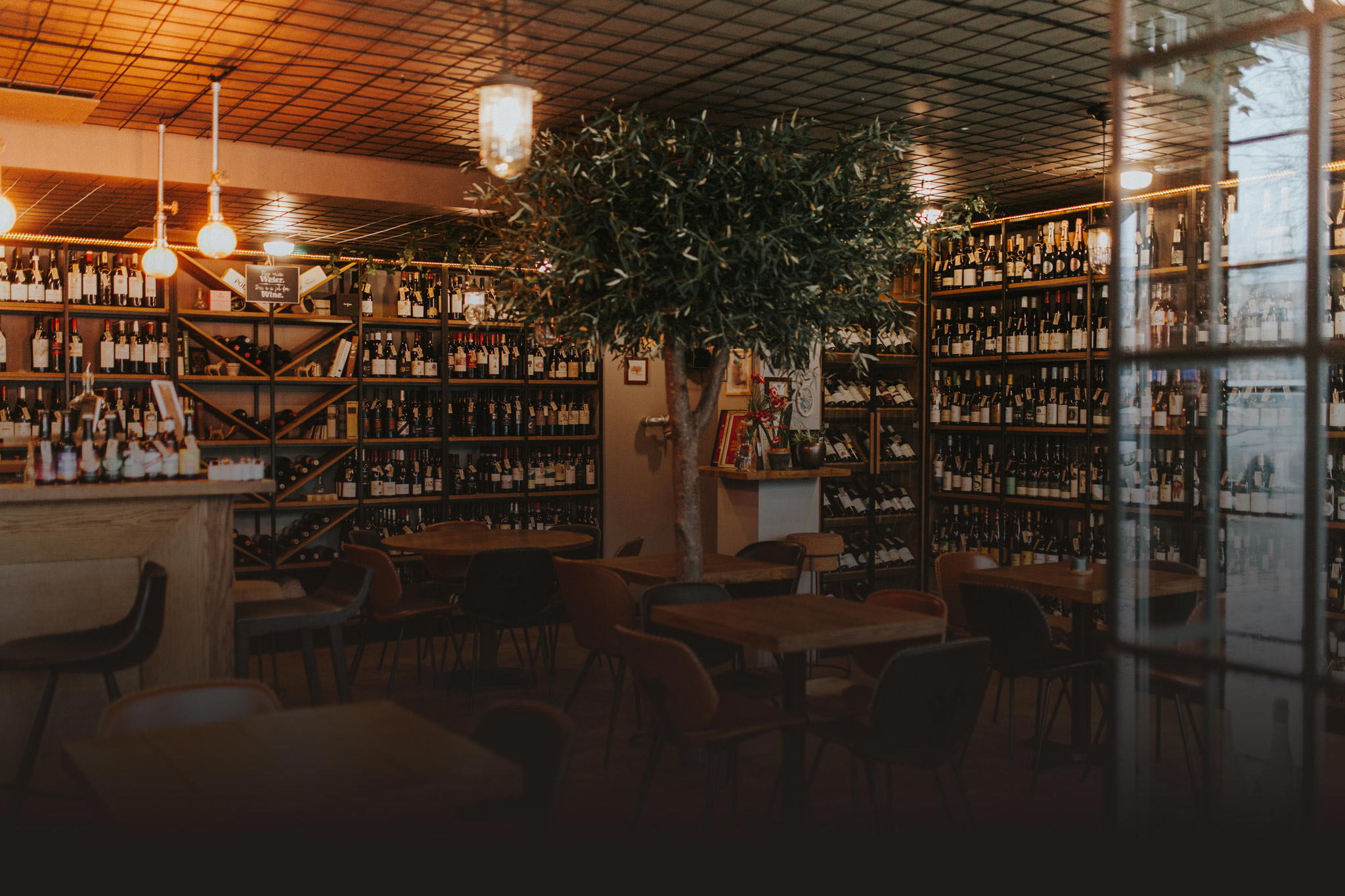
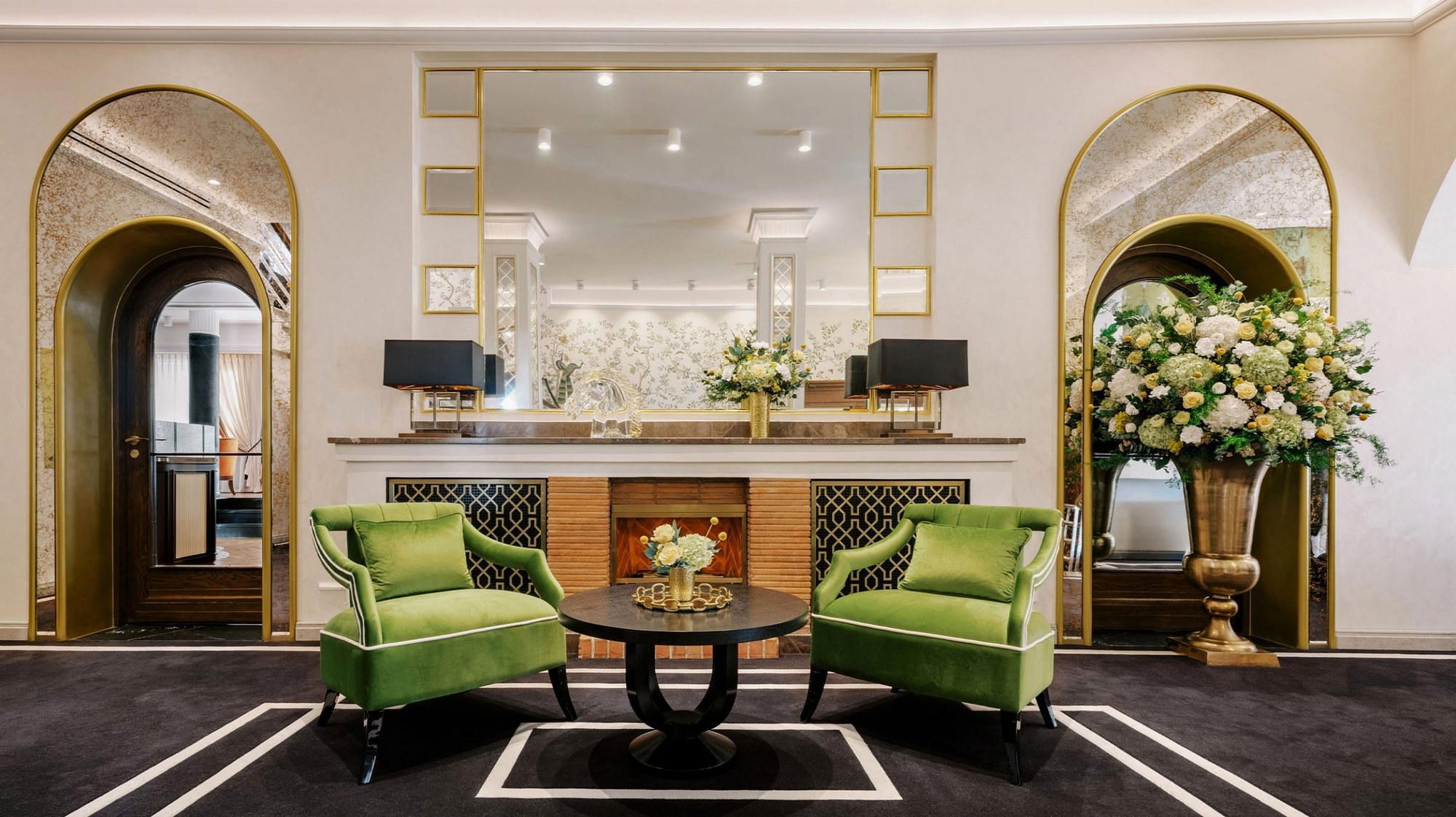
Cozy historical atmosphere in high-ceilinged rooms within Old Town passage, enchanting and memorable per guests.