Congdu Myeongdong
Our verdict
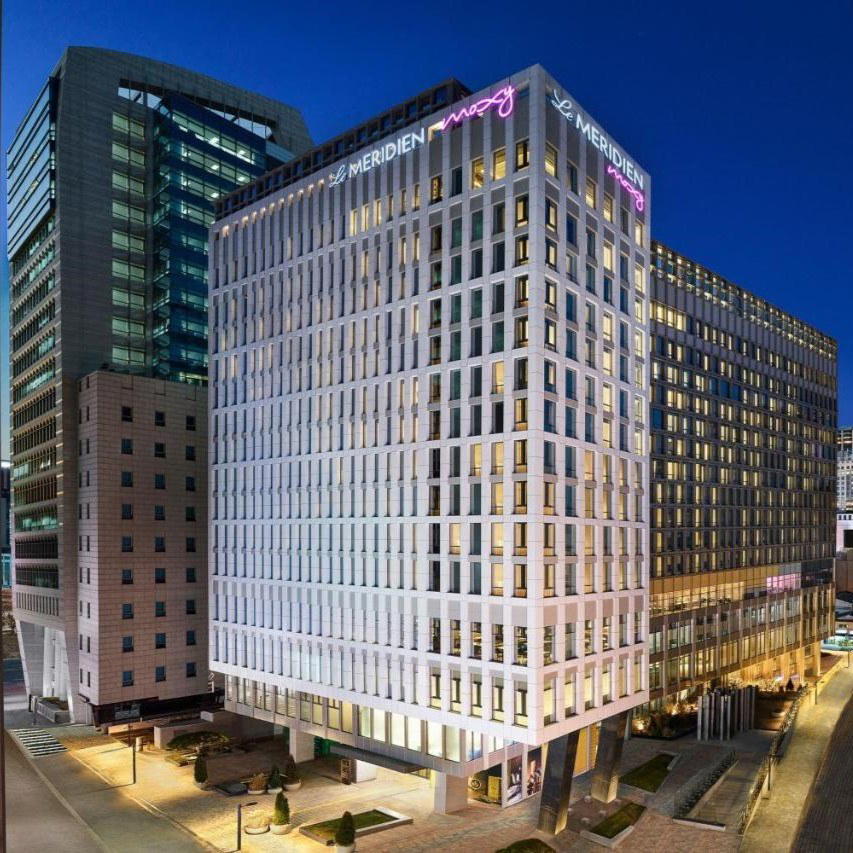
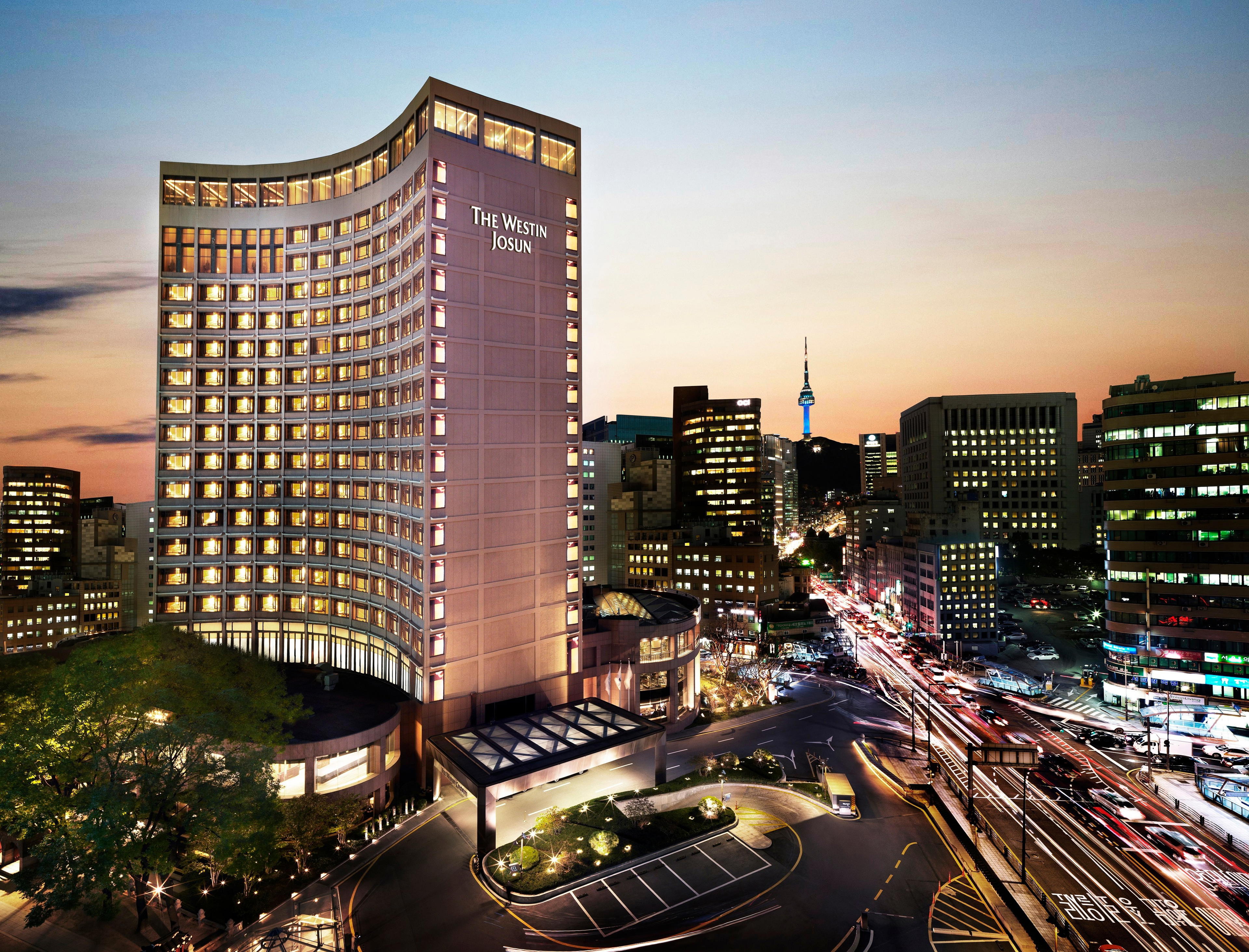
Congdu Myeongdong sits in the thick of Seoul’s visitor-facing centre, where Korean dining has to work harder than it does in quieter neighbourhoods. The address places it above Myeongdong’s street-level churn, making the useful question less about hype than about how a Korean table reads inside one of the city’s busiest districts.

Pearl is the En Primeur Club membership app, where members save venues, book tables and use the concierge.
The menu
What to order
- Buckwheat noodles (makguksu)
- Galbitang (beef short rib soup)
- Samgyetang (ginseng chicken soup)
- Duck baeksuk (slow-cooked whole duck soup)
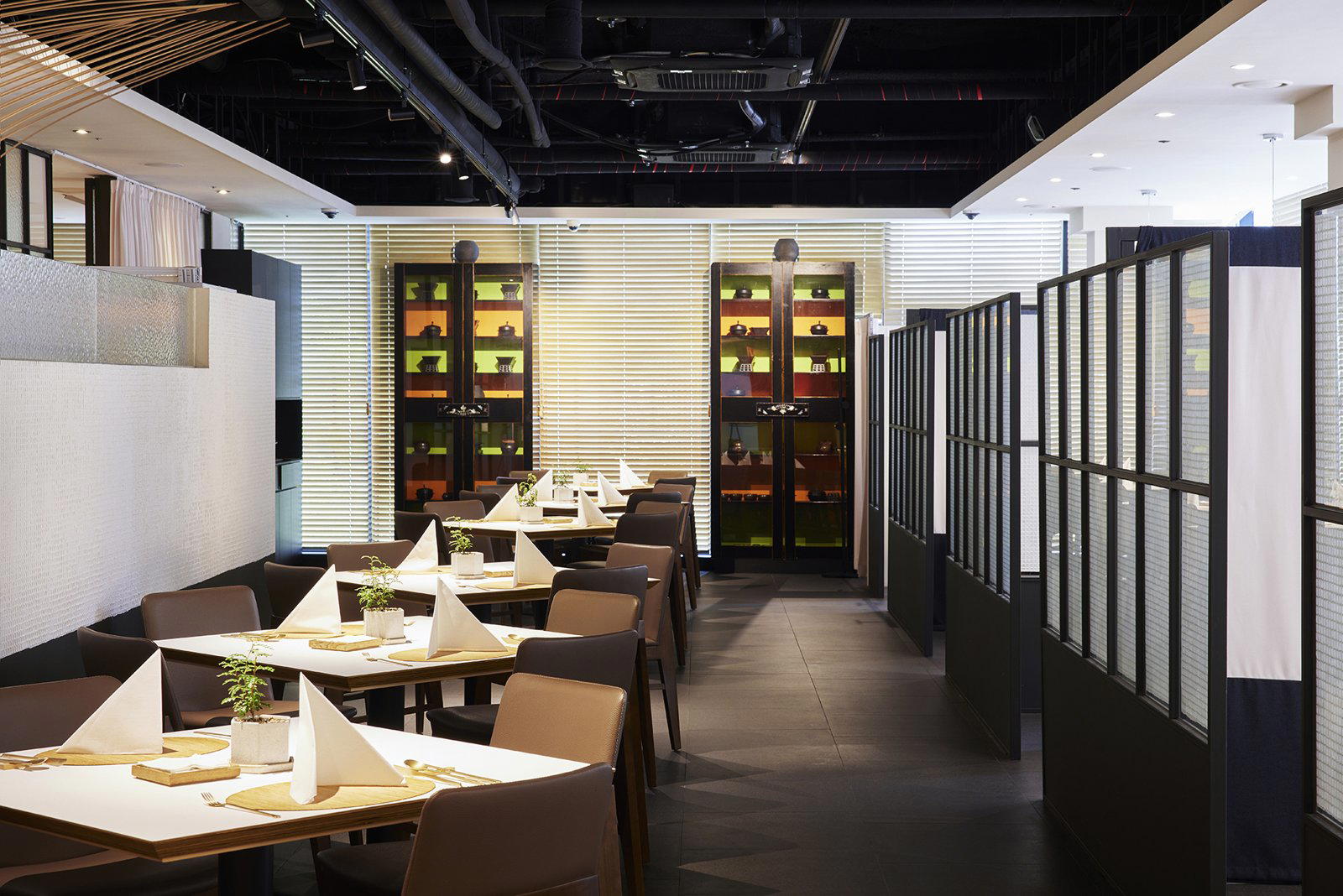
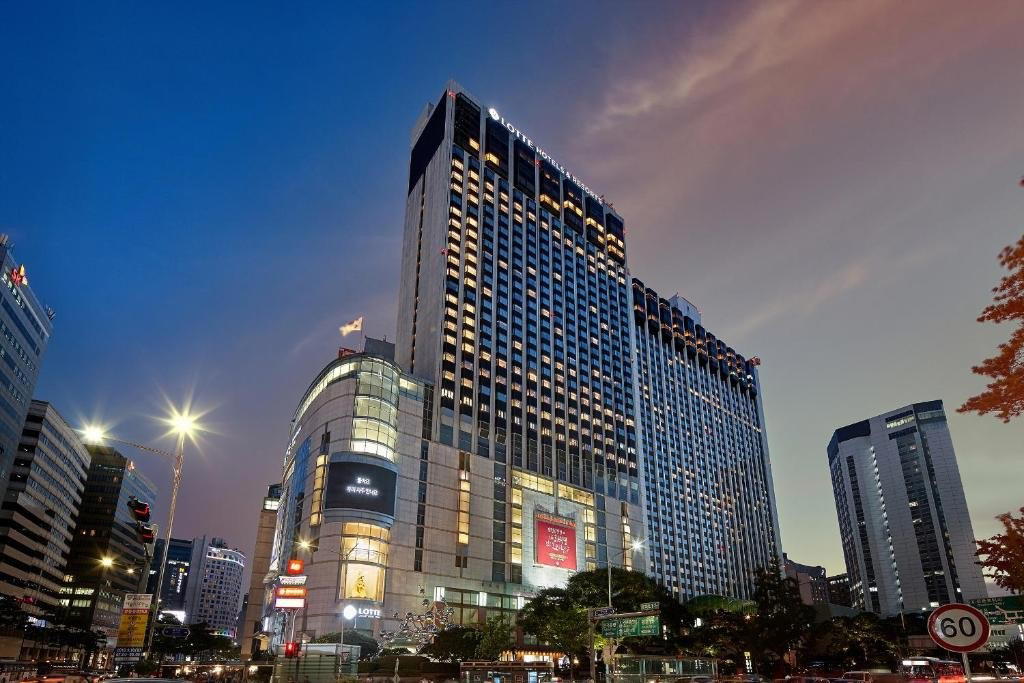
Arriving in Seoul is rarely subtle. The city announces itself through lit shopfronts, pedestrian traffic, retail counters, hotel entrances, and the constant alternation between snack stalls and sit-down restaurants. A hotel-floor dining room changes the tempo: the city remains close, but the meal is separated from the street by a lift ride and a more composed frame.
That matters in Seoul, where location often tells diners what kind of meal they are about to have. Central dining areas are shaped by visitors, office workers, shoppers, and families moving through the city rather than lingering in quieter side streets. Their restaurant culture can be practical, legible, and high-turnover at street level, with familiar casual formats doing much of the work. Congdu Myeongdong belongs to a different register inside the same city: not a market-stall stop, not a late-night room, but a seated Korean restaurant positioned away from the pedestrian rush.
A Korean table above Seoul's street-level appetite
Korean dining in central Seoul is often misunderstood by visitors who read the city only through extremes: quiet traditional formality on one side, loud casual energy on the other. The middle ground is broader and more interesting. It includes restaurants that translate Korean structure, pacing, seasonality, and sharing formats into rooms where setting matters as much as appetite.
Congdu Myeongdong is useful in that context because the area around it is dominated by immediacy. Nearby comparisons show the range clearly. Hadongkwan, Myeongdong Kyoja, and Crystal Jade all sit in the same central orbit while answering different dining briefs. Those are not substitutes for one another; they show how Seoul compresses different kinds of eating into a compact visitor itinerary. The distinction here is format and atmosphere rather than mythology.
For readers mapping Seoul by category, it helps to separate a practical central dining decision from the city’s more destination-led dining circuits. More formal rooms tend to concentrate attention elsewhere, while long-running local specialists prove their authority through repetition and daily volume. A restaurant above the street in Seoul has to justify itself through comfort, clarity, and a Korean frame that can carry a meal without leaning on spectacle.
Why the city setting changes the dining decision
Seoul is one of Asia’s easiest cities for first-time visitors to enter and one of its hardest to judge well. Convenience can flatten expectations. A central setting can mean a serious kitchen, a tourist trap, a hotel amenity, or a reliable pause between shopping and theatre. The smarter read is to judge the restaurant against the job it performs in the itinerary.
Here, the practical value is obvious: Seoul puts diners close to hotel stock, retail streets, and transit-heavy routes across the city. That makes the restaurant more useful for travellers staying nearby than for diners chasing a single, awards-led reservation across town. It also makes it a calmer alternative to the ground-floor queues and quick-service rhythm that define much of the city’s food traffic.
The better expectation is not to force Congdu Myeongdong into a category it does not need to occupy. Seoul’s dining scene is comfortable with hard distinctions: recognised contemporary rooms, neighbourhood specialists with deep local loyalty, and accessible central restaurants built around location and ease. Congdu Myeongdong should be read primarily as a composed, convenient Korean dining room unless more detailed public information changes the brief. That is not a downgrade; it is a cleaner way to decide whether the address suits the meal being planned.
How to place it within a Seoul itinerary
For a short Seoul stay, a central base reduces friction. Dinner can sit between shopping, hotel check-in, and an evening crossing to another part of the city rather than becoming the full event of the night. That is a different calculation from building a trip around a highly specific restaurant brief elsewhere.
Use Congdu Myeongdong when the priority is a seated Korean meal in Seoul without turning dinner into a cross-town project. If the brief is narrower, Seoul offers sharper category alternatives, including Hadongkwan, Myeongdong Kyoja, Crystal Jade, Migabon Restaurant, and Sinseon Seolnongtang. If the brief is contemporary Korean ambition, compare the city’s broader field before committing, using other Seoul dining rooms as reference points rather than assuming one format can answer every occasion.
For wider planning, start with Our full Seoul restaurants guide, then layer in Our full Seoul hotels guide, Our full Seoul bars guide, Our full Seoul wineries guide, and Our full Seoul experiences guide. Nearby Seoul restaurant references can help clarify whether the evening should be quick, specialist, celebratory, or simply convenient. For Korean dining beyond the capital, compare the broader national field generically, from coastal rooms to temple settings and regional specialists. Overseas contrasts can also be useful, but Congdu Myeongdong is best judged first as a Seoul dining decision.
Frequently asked questions
Would Congdu Myeongdong be comfortable with kids?
Its hotel-floor setup in Seoul can be easier to manage than a cramped street-level room. That setup suits families who want a sit-down meal in Seoul rather than a noisy late-night stop.
What's the overall feel of Congdu Myeongdong?
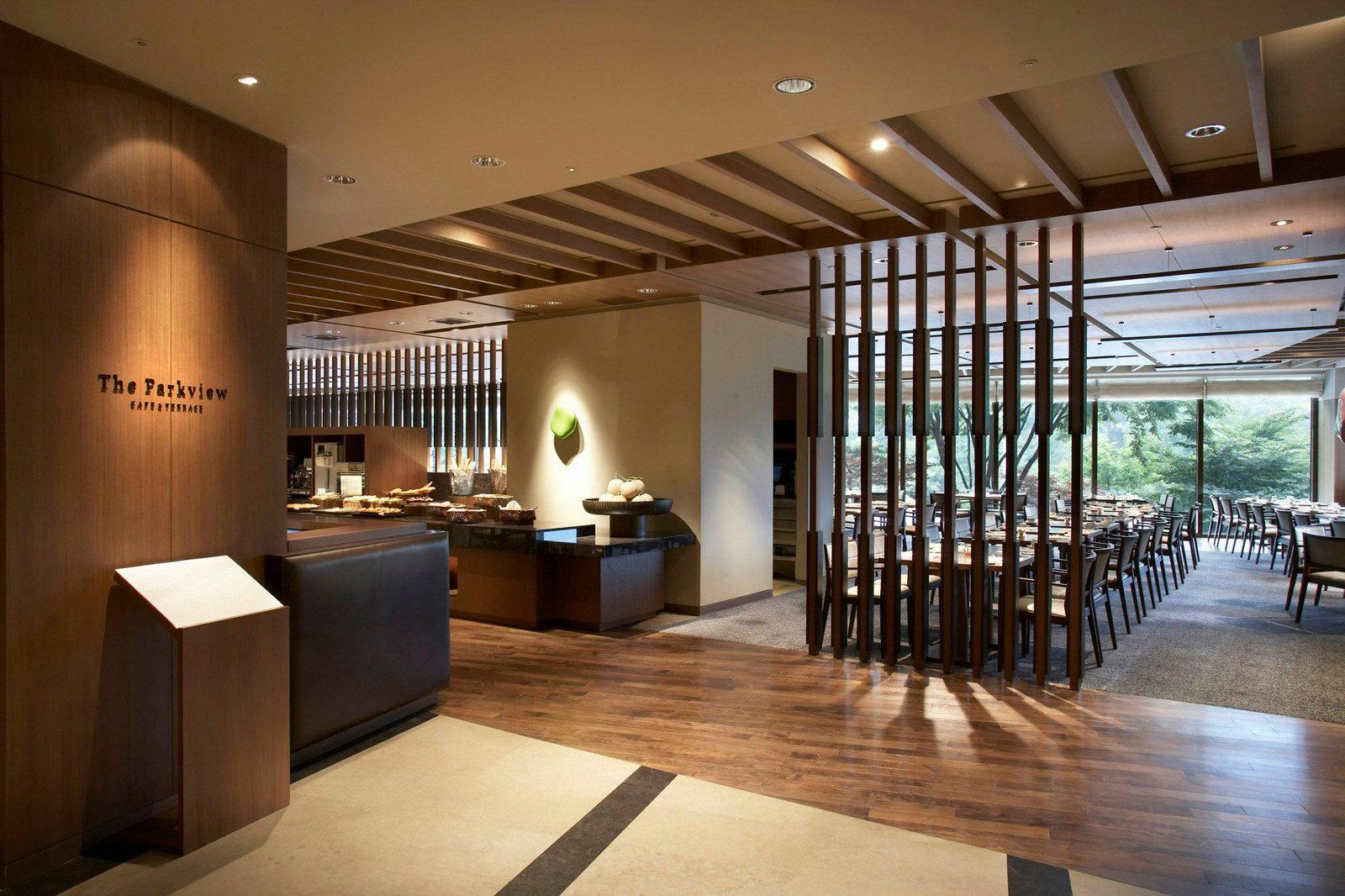
The setting is a hotel-floor dining room in Seoul, which gives it a more composed feel than busier street-level dining. It reads as a practical Seoul dinner address rather than a destination built around spectacle.
What part of town is Congdu Myeongdong in?
Seoul.
How far ahead should I plan for Congdu Myeongdong?
Plan ahead if the meal has to fit neatly into a Seoul itinerary, especially around dinner. Its Seoul setting makes it convenient, and convenience often means the useful slots go first.
Budget Reality Check
Nearby venues at a similar price tier for orientation.
| Venue | Cuisine | Price | Awards |
|---|---|---|---|
| Congdu MyeongdongThis venue (the venue you are viewing) | Modern Korean Dining in Hotel28 Myeongdong | $30–50 | Not listed |
| Hadongkwan | Traditional Korean Gomtang | $10–20 | Michelin Plate |
| Sinseon Seolnongtang | Traditional Korean Seolleongtang | $10–20 | Not listed |
| Migabon Restaurant | Traditional Korean Porridge (Juk) | Not listed | Not listed |
| Crystal Jade | Cantonese Dim Sum | $30–50 | Michelin Plate |
| Myeongdong Kyoja | Traditional Korean Noodles & Dumplings | $10–20 | Michelin Plate |
Continue exploring
More in Seoul
Restaurants in Seoul
All restaurants in Seoul →
Bars in Seoul
All bars in Seoul →
Details
- Modern
- Elegant
- Trendy
- Sophisticated
- Intimate
- Business Dinner
- Date Night
- Group Dining
- Special Occasion
- After Work
- Private Event
- Hotel Restaurant
- Design Destination
- Private Dining
- Standalone
- Local Sourcing
- A La Carte
- Set Menu
- Vegetarian Friendly
Current opening hours
- Monday
- 7 AM–9:30 PM
- Tuesday
- 7 AM–9:30 PM
- Wednesday
- 7 AM–9:30 PM
- Thursday
- 7 AM–9:30 PM
- Friday
- 7 AM–9:30 PM
- Saturday
- 7 AM–9:30 PM
- Sunday
- 7 AM–2:30 PM
Hours can change for holidays and private events. Hours as of .
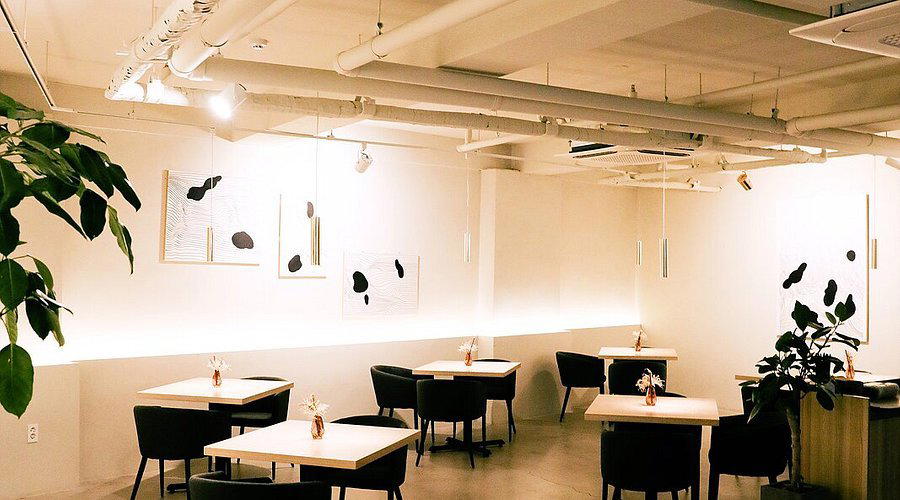
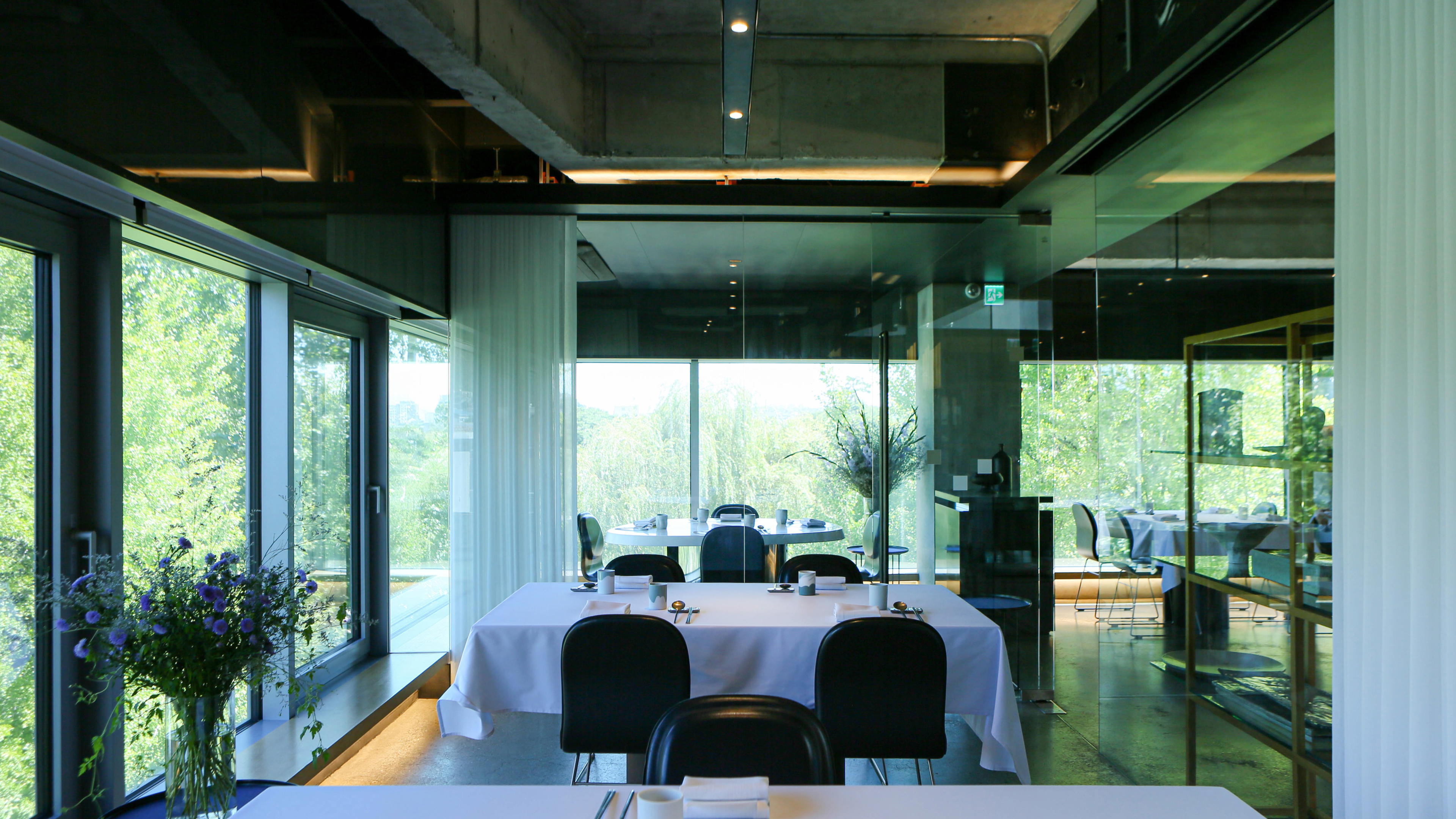
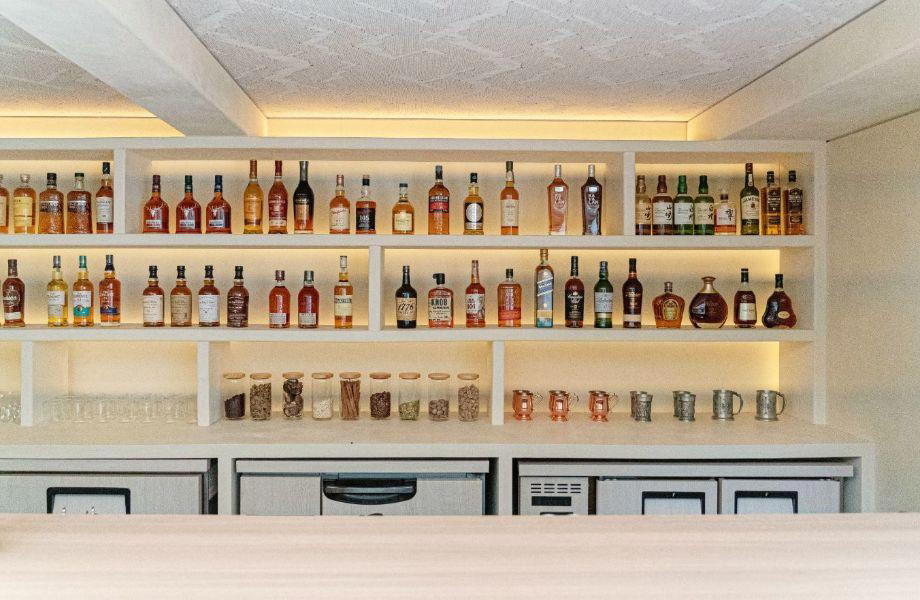
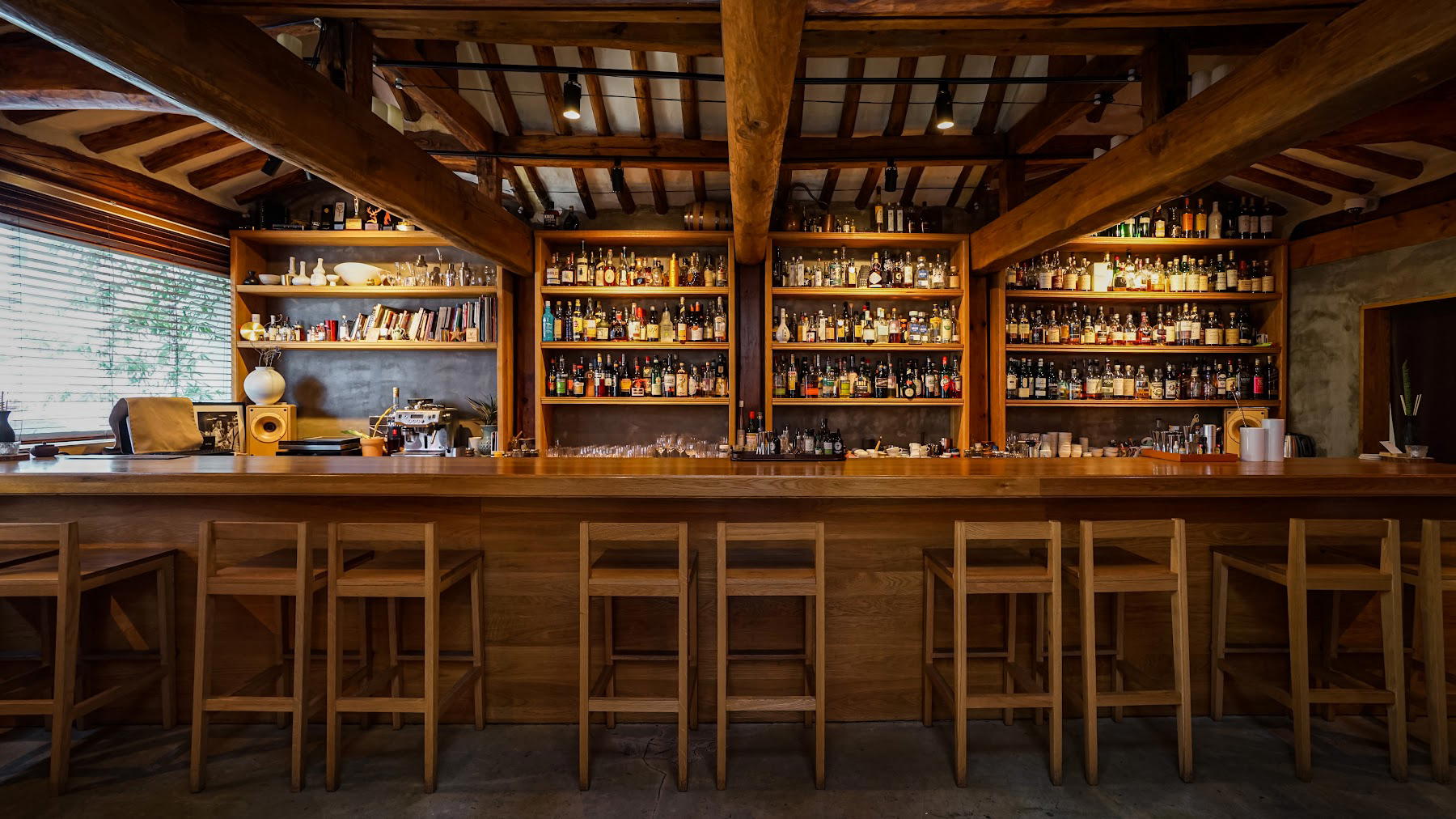
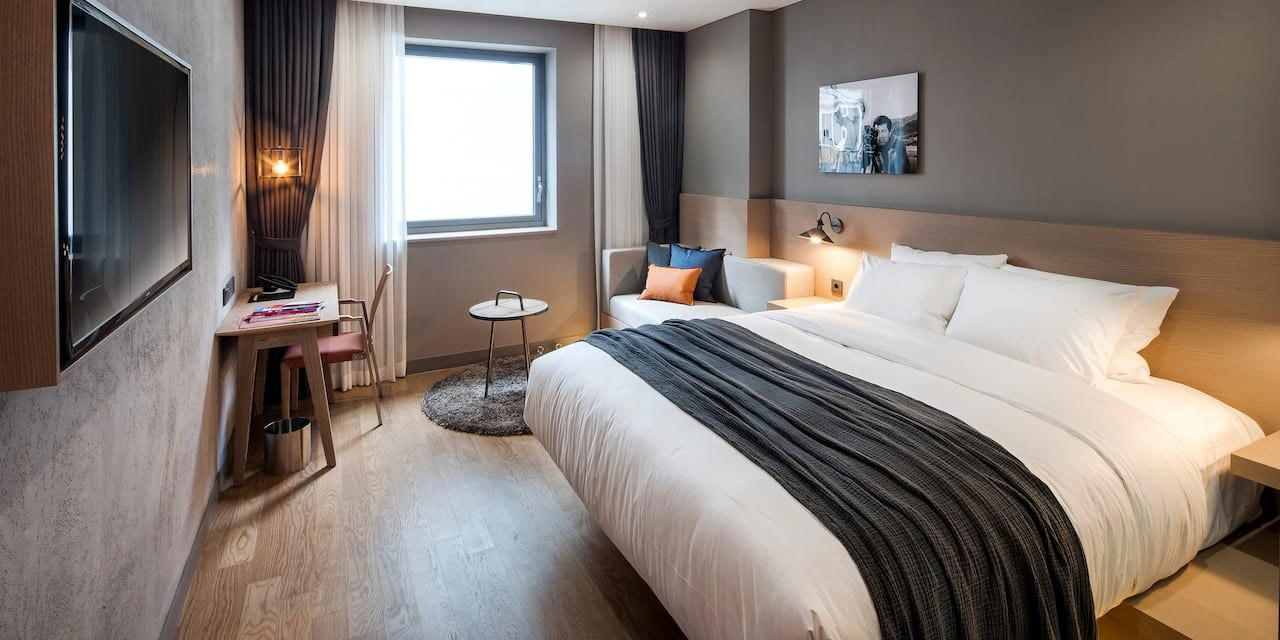
Modern and refined hotel-restaurant setting with design-forward interiors that blend Korean craft and contemporary aesthetics, suited to quiet breakfasts and composed course-style meals rather than a loud, bar-like atmosphere.