On a quietly residential stretch of Lisbon's Belém waterfront, Comptoir Parisien brings a French brasserie sensibility to a city more accustomed to tascas and modern Portuguese tasting menus. The address on Rua Vieira Portuense puts it within walking distance of the Jerónimos Monastery, making it a natural choice for occasion meals that want something other than the capital's dominant culinary register.
Pearl is the En Primeur Club membership app — saves, bookings, and concierge access live there. Same editors, same standards.
- Address
- R. Vieira Portuense 44, 1300-469 Lisboa, Portugal
- Phone
- +351213638279
- Website
- comptoir-parisien-lisboa.com
- Directions
- Get directions
 Saves & bookings on Pearl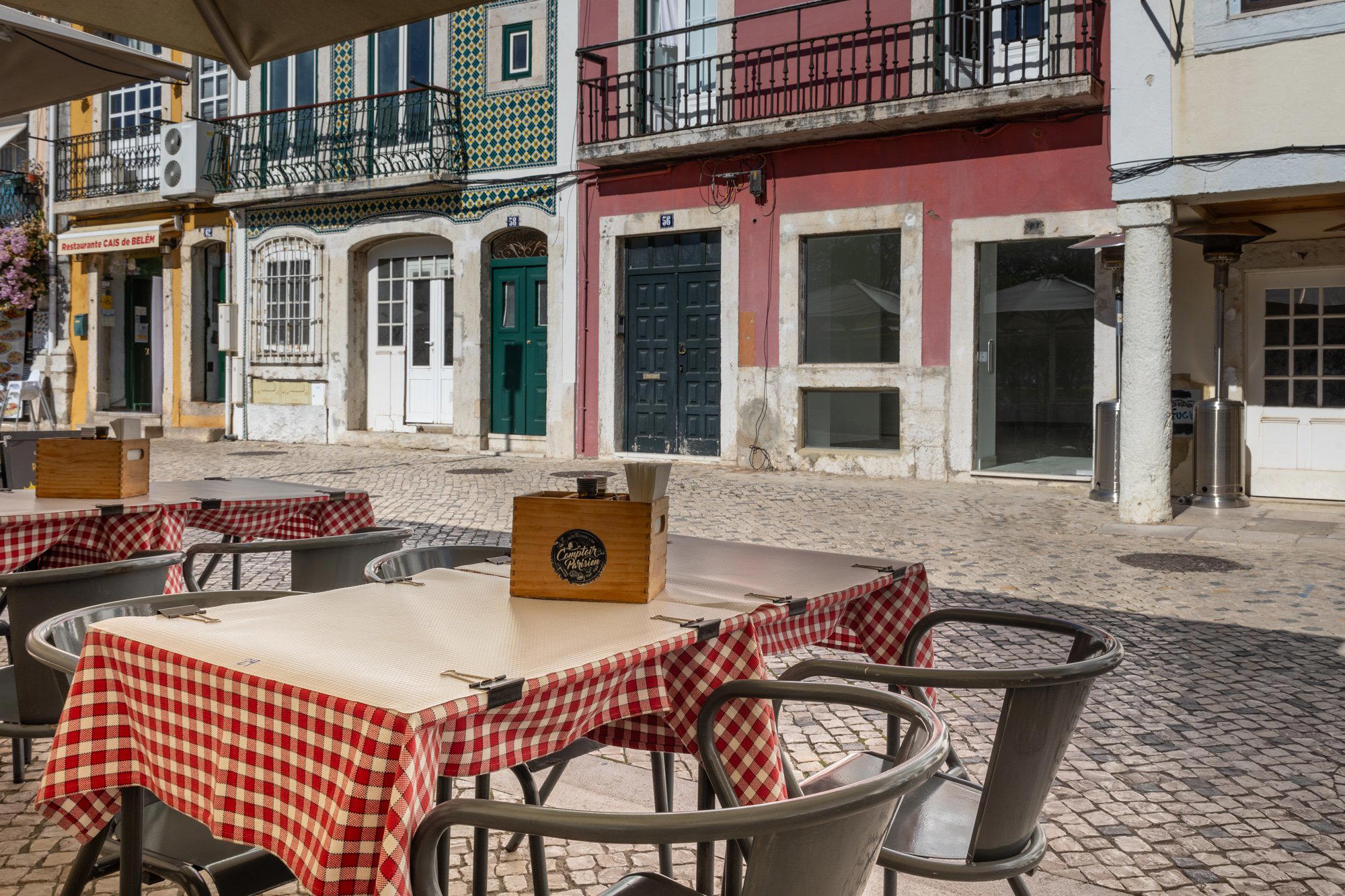
A French Register in a Portuguese City
Lisbon's dining scene has consolidated around two poles over the past decade: the modernist Portuguese tasting menu, represented by rooms like Belcanto, CURA, and Eleven, and the casual neighbourhood tasca that has always anchored daily Lisbon life. Between these two registers sits a smaller category: the European bistro or brasserie format that operates with French or pan-European grammar without pretending to be Portuguese. Comptoir Parisien, on Rua Vieira Portuense 44 in the Belém district, occupies that middle position. The name announces its orientation plainly. A comptoir, literally a counter or trading table, carries the social weight of the Parisian café tradition: a place calibrated for extended meals, shared bottles, and occasions that deserve more than a quick pastel de nata but do not require a sommelier to deliver a twelve-course narrative.
Belém as a Setting for Occasion Meals
The location carries its own context. Belém is not central Lisbon. It sits several kilometres west along the Tagus waterfront, leading reached by tram 15E from Praça da Figueira or by rideshare from the Baixa. That distance from the tourist grid of Alfama and Chiado gives the neighbourhood a lower ambient pressure. Locals come here for the Jerónimos Monastery, the Torre de Belém, and the Museu de Arte, Arquitectura e Tecnologia, but the restaurant density is far lower than in central Lisbon. For milestone dinners, anniversaries, or lunches that follow a museum morning, the neighbourhood's slower rhythm works in a venue's favour. There is no scrum at the door, no competition with three other groups waiting for your table. The Tagus is close enough that the light off the water reaches certain windows in the late afternoon, which matters more than most restaurant guides acknowledge when you are choosing where to mark something that deserves to be remembered.
Restaurants like 50 Seconds from Martin Berasategui or 2Monkeys compete on technical ambition and creative identity. The French brasserie format competes on reliability, comfort, and the feeling that a room was designed for the meal you specifically came to have. These are different propositions, and occasion diners often find the latter more appropriate to the moment.
The French Brasserie Tradition and What It Promises
The brasserie format carries a set of expectations that have remained largely stable across a century of European dining. Zinc details or their contemporary equivalents, leather or banquette seating, a menu structured around classics executed with discipline rather than novelty, a wine list weighted toward France but not exclusionary. The format originated in Alsace, spread through Paris, and has since appeared in cities from London to Buenos Aires wherever there is a market for continental formality without the rigidity of grand cuisine. In Lisbon, where the dominant formal dining tradition is Portuguese rather than French, the brasserie format reads as a considered import rather than a continuation of local practice. That distinction matters for occasion dining because it signals to the guest that the room has been constructed with a specific experience in mind, not assembled from local habit.
Portugal's own high-end dining tradition, visible at starred restaurants from Vila Joya in Albufeira to Casa de Chá da Boa Nova in Leça da Palmeira and The Yeatman in Vila Nova de Gaia, leans heavily on ingredient provenance and modernist technique applied to Portuguese produce. The French brasserie format, by contrast, leans on codified cooking and a particular social architecture. Neither approach is superior for an occasion meal; they are simply different registers, and the choice between them depends on what a guest wants the evening to feel like.
Occasion Dining and the Question of Format
Anniversary dinners and milestone lunches place specific demands on a room that casual meals do not. Noise levels matter more. The gap between courses should breathe rather than rush. The room should not require the diners to perform awareness of the chef's creative vision, because the real performance at an occasion meal is the conversation at the table. French brasserie format, when executed with care, is unusually well-suited to this because it subordinates the kitchen's ambition to the guest's comfort. The food is meant to be good enough that you notice it, not so theatrical that it interrupts what you are actually there for.
Across Portugal's broader restaurant scene, this kind of occasion-appropriate format appears in different guises: the wine-led dining room at Antiqvvm in Porto, the Atlantic-facing drama of Ocean in Porches, or the coastal formality of Fortaleza do Guincho in Cascais. Each serves the occasion meal in its own idiom. The French brasserie idiom that Comptoir Parisien represents is notable in Lisbon specifically because it is rare: the city has not historically been fertile ground for sustained French restaurant formats the way Madrid or Barcelona have been. That scarcity gives the format a certain distinction within the local market, though it also means there is less competitive pressure to maintain standards, which is worth holding in mind.
For those planning a longer trip through Portugal's restaurant circuit, our full Lisbon restaurants guide maps the full range from casual to Michelin-tracked, including rooms like Ó Balcão in Santarém, Al Sud in Lagos, Gusto by Heinz Beck in Almancil, and Il Gallo d'Oro in Funchal. Internationally, if the occasion meal conversation extends to other cities, the comparison points shift considerably: Le Bernardin in New York City and Lazy Bear in San Francisco represent how different markets have solved the occasion-dining problem at the top of their respective price tiers.
Know Before You Go
- Address: R. Vieira Portuense 44, 1300-469 Lisboa, Portugal
- District: Belém, western Lisbon waterfront
- Getting there: Tram 15E from Praça da Figueira; rideshare from central Lisbon takes approximately 20 minutes depending on traffic
- Phone / Website: Not publicly listed; verify current contact details through search or map platforms before visiting
- Price range: Not confirmed; check current pricing on arrival or via third-party reservation platforms
- Hours: Not confirmed; verify before travelling, particularly on Mondays and public holidays when Belém is quieter
How Comptoir Parisien Lisbon compares with similar nearby venues.
| Venue | Cuisine | Price |
|---|---|---|
| Pastéis de Belém | Egg Custard | Not listed |
| O Frade | Regional Cuisine | €€ |
| Canalha | Farm to table | €€ |
| Feitoria | Modern Cuisine | €€€€ |
Continue exploring
More in Lisbon
Restaurants in Lisbon
Browse all →
Bars in Lisbon
Browse all →
Hotels in Lisbon
Browse all →

At a Glance
- Cozy
- Classic
- Intimate
- Casual Hangout
- Family
- Date Night
- Historic Building
- Extensive Wine List
- Local Sourcing
Current opening hours
- Monday
- Closed
- Tuesday
- 11 AM–5 PM
- Wednesday
- 11 AM–5 PM
- Thursday
- 11 AM–4 PM, 6:30–10 PM
- Friday
- 11 AM–4 PM, 6:30–10 PM
- Saturday
- 11 AM–4 PM, 6:30–10 PM
- Sunday
- 11 AM–5 PM
Hours can change for holidays and private events. Last verified .
Warm and welcoming bistro atmosphere with attentive, familial service.
Know Before You Go
- Getting there
- R. Vieira Portuense 44, 1300-469 Lisboa, Portugal