On Rue Rivet in Lyon's 1st arrondissement, Comptoir du Sud brings a Southern French sensibility to a city already defined by its market culture and Rhône Valley produce. The address sits within walking distance of Les Halles Paul Bocuse and the Presqu'île's tightly packed dining scene, positioning it as part of the neighbourhood's ongoing argument about what Lyon's table should look like today.
- Address
- 10 Rue Rivet, 69001 Lyon, France
- Phone
- +33 4 78 28 01 74
- Directions
- Get directions
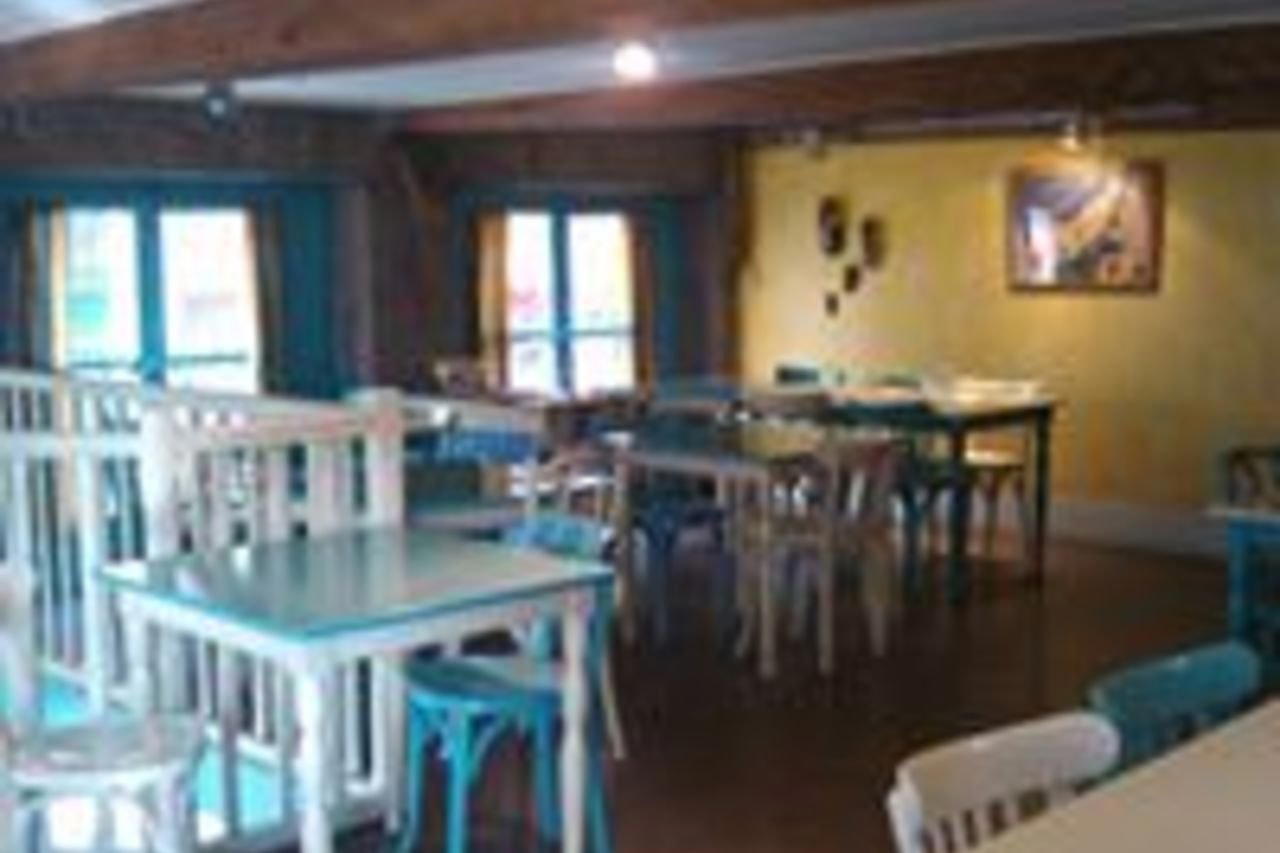
Where the Midi Meets the Rhône Valley Table
Lyon's relationship with its food supply is unlike any other French city's. The Halles Paul Bocuse on Cours Lafayette and the Croix-Rousse market together form a sourcing infrastructure that has shaped how the city cooks for generations, chefs here are held accountable to their suppliers in ways that Paris kitchens rarely experience in the same concentrated form. Into this environment, Comptoir du Sud on Rue Rivet introduces a different vector: the cooking traditions and ingredients of southern France, arriving in Lyon's 1st arrondissement at a casual, reservation-recommended Traditional French Bistro priced around $15 per person.
The address itself carries meaning. The 1st arrondissement sits on the Presqu'île, the narrow strip of land between the Saône and the Rhône that concentrates the bulk of Lyon's serious dining. Within a short walk, you find addresses that span the full price register, from neighbourhood bouchons serving quenelle and tablier de sapeur to the higher-end contemporary French rooms that have multiplied in the last decade. Comptoir du Sud occupies this neighbourhood as a deliberate counterpoint, its identity anchored not in the Lyonnais canon but in the produce and technique of the south.
The Sourcing Argument at the Heart of Southern French Cooking
What distinguishes southern French cuisine from its counterparts further north is less a matter of technique than of raw material. The Languedoc, Provence, and the areas around the Rhône delta produce olives, anchovies, tomatoes, wild herbs, and shellfish under conditions, sun, wind, salt air, that their northern equivalents cannot replicate. When a kitchen commits to sourcing from that geography, the dish becomes a function of place first and of the cook's intervention second. This is a philosophical stance, not merely a logistical one, and it places Comptoir du Sud in a specific tradition of cuisine du terroir that prioritises fidelity to ingredient over technical complexity.
Lyon's own market infrastructure supports this kind of sourcing commitment. The Halles Paul Bocuse, open daily except Monday, aggregates particularly closely sourced produce in France: Bresse chicken with AOC certification, Charolais beef, Dombes fish, and a fish counter supplied by Atlantic and Mediterranean boats. A kitchen on Rue Rivet has access to that supply chain while also drawing from further south, a dual geography that gives it more material to work with than most comparable rooms in the city.
Across France, the restaurants that have built the strongest reputations on ingredient sourcing tend to share a common discipline: short menus that change with the market rather than with the seasons in a generic sense, a willingness to feature secondary cuts and less familiar species when the supply is good, and a resistance to the kind of sauce-led cooking that can obscure what the ingredient actually tastes like. Bras in Laguiole built its entire reputation on this argument, as did Les Prés d'Eugénie in Eugénie-les-Bains. The same sourcing rigour appears at different price points and formats across the country.
Lyon's Competitive Table and Where This Address Sits
The Presqu'île's dining scene has diversified considerably over the past decade. The dominant narrative once centred on the grande tradition, the mères lyonnaises and their institutional descendants, of which La Mère Brazier remains one significant living example. Alongside that, a generation of contemporary French rooms has established itself: Le Neuvième Art and Takao Takano both operate in the creative French register at the upper price tier, while Au 14 Février and Burgundy by Matthieu represent more accessible but equally considered interpretations of the region's culinary inheritance.
The restaurant sits outside this north-south axis of Lyonnais tradition. Its southern orientation gives it a distinct identity in a city that tends to look toward Burgundy and the Rhône for its wine references and toward its own bouchon culture for its comfort food. That distinctiveness is a commercial proposition as much as a culinary one, the room is not competing directly with the bouchon on the corner or with the multi-course tasting menus at the Michelin tier. It is making a different case entirely about where good food comes from.
For context on how French regional kitchens at the highest level have managed the tension between local tradition and sourcing ambition, it is worth tracking the trajectories of addresses like Flocons de Sel in Megève and Troisgros in Ouches, both of which have navigated long-standing reputations while maintaining a close relationship with the produce of their immediate geography. The model is transferable even if the scale differs significantly.
Arriving and Planning
Rue Rivet runs through the northern end of the Presqu'île, a few minutes on foot from the Hôtel de Ville metro station and within comfortable walking distance of the main Saône-side quays. The address is easily combined with a morning visit to the Croix-Rousse market, which winds down by midday, making lunch at the restaurant a natural continuation of a market-oriented day in the city. For visitors using Lyon as a base for the broader Rhône corridor, whether heading south toward Valence and the Drôme or north toward Beaujolais, the 1st arrondissement location is a practical starting point before or after a longer journey.
Given the restaurant's reservation-recommended policy and casual dress code, booking ahead is wise. Addresses of this type in the Presqu'île, neighbourhood-scale, sourcing-focused, without the institutional profile of the starred rooms, often run with small teams and limited covers, which can make walk-in availability unpredictable on weekends. Arriving with a reservation, even at short notice, is the more dependable route.
Comparable Venues
Comparable venues nearby, for context on price, style, and recognition.
| Venue | Cuisine | Price | Notes |
|---|---|---|---|
| Comptoir du SudThis venue — the venue you are viewing | Traditional French Bistro | $ | Not listed |
| L'Alerte Rouge | Modern French Bistro with Turkish Influences | $ | Quartier Bellecour Carnot |
| La Cuisine | Modern French Bistro | $$ | Quartier Haut et Coeur des Pentes |
| L'Oiseau Perché | Seasonal French Bistro | $$ | Quartier Croix-Rousse Centre |
| Le Poêlon d'Or | Traditional Lyonnais Bouchon | $$ | Quartier Bellecour Carnot |
| Bouchon Rouge | Traditional Lyonnaise Bouchon | $$ | Quartier Quartiers Anciens |
Continue exploring
More in Lyon
Restaurants in Lyon
Browse all →
Bars in Lyon
Browse all →
Hotels in Lyon
Browse all →

At a Glance
- Cozy
- Rustic
- Intimate
- Casual Hangout
- Terrace
Tranquil and pleasant atmosphere in a cozy, authentic setting away from crowds.