Common Ground - Berry Hill
Our verdict
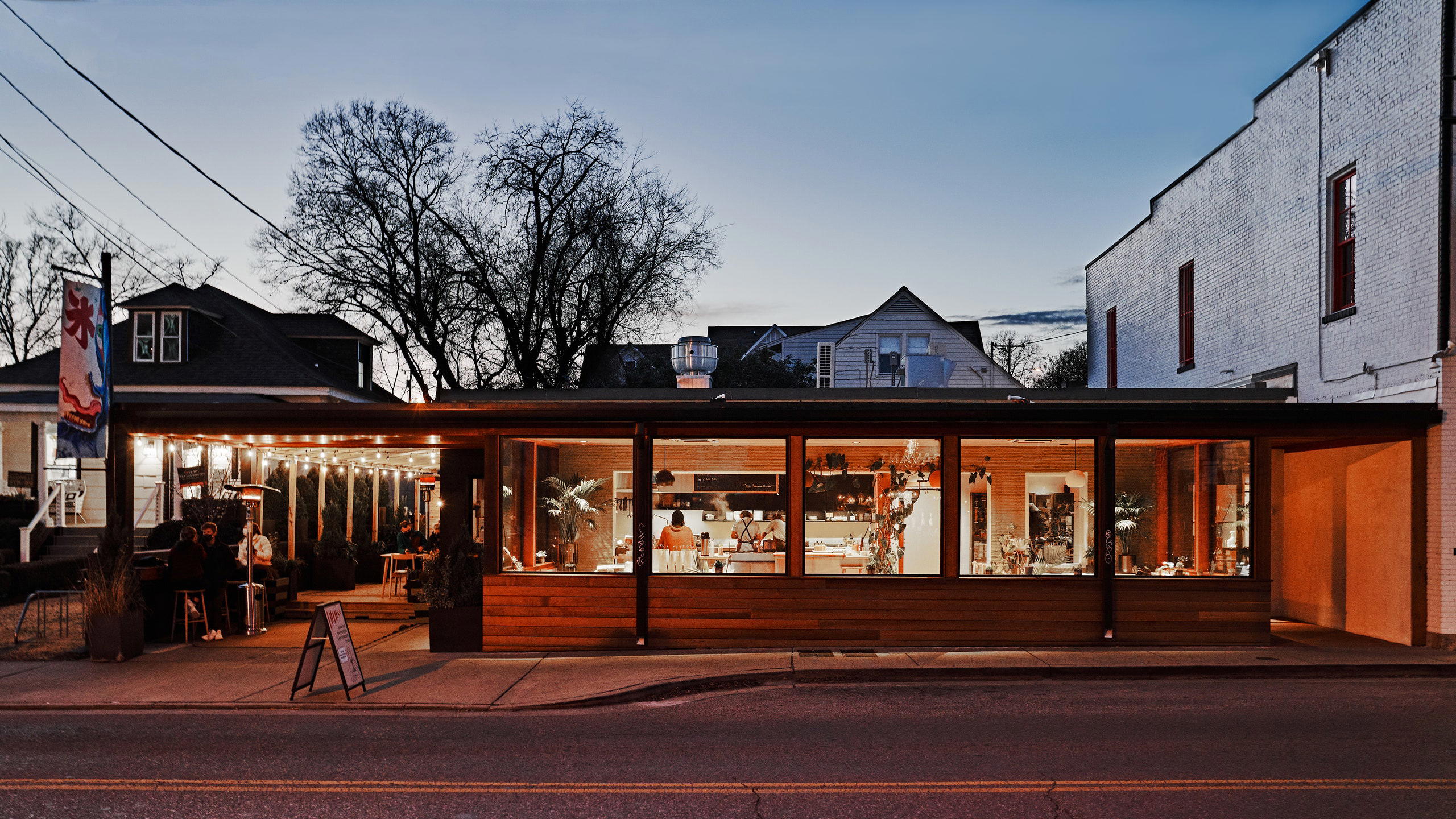
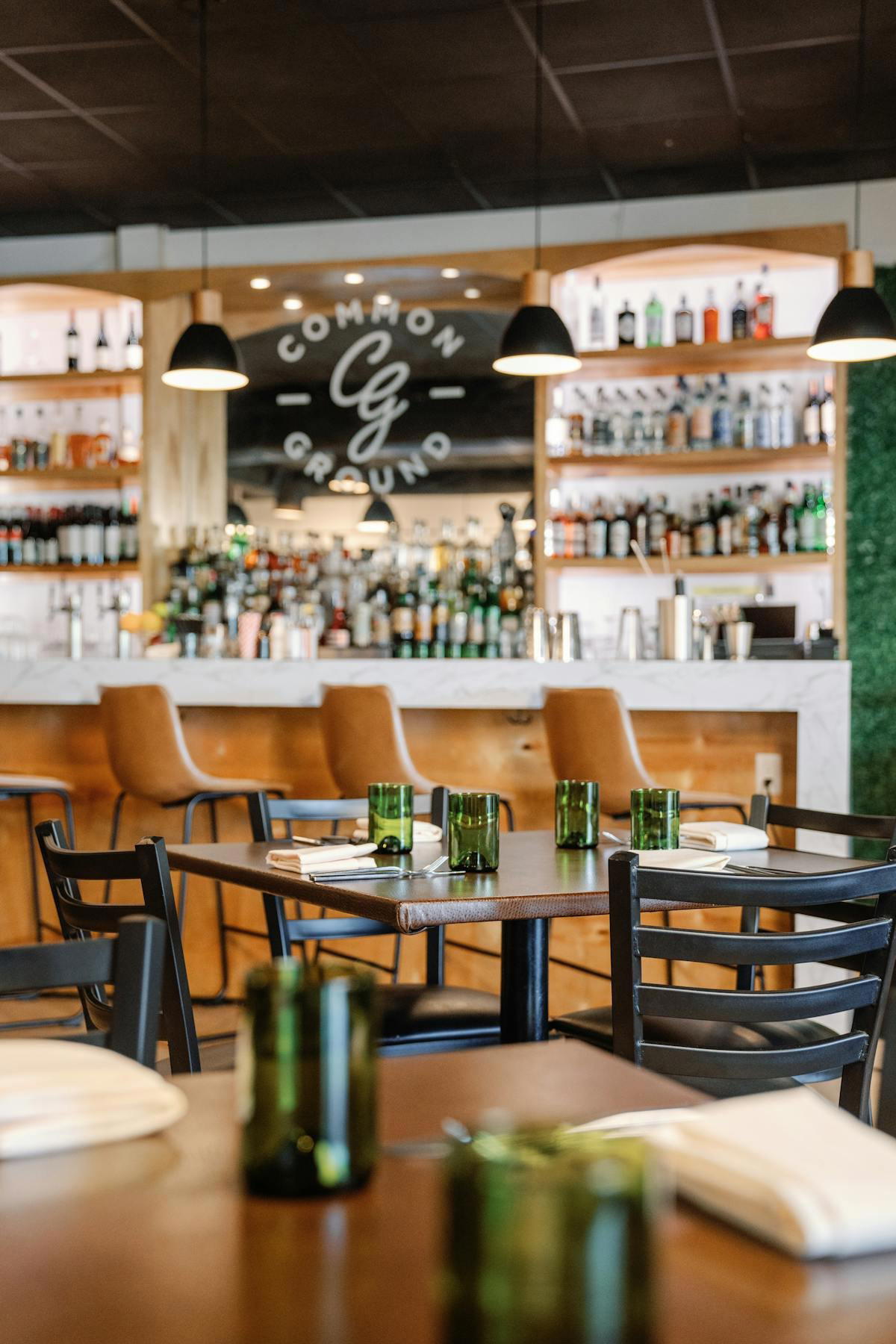
Common Ground in Berry Hill sits on Thompson Lane in one of Nashville's most independently-minded corridors, where the sourcing conversation has always run ahead of the marketing. The kitchen draws from a community of producers whose work shapes what lands on the plate each season. For a neighbourhood that has resisted the Broadway tourist pull, this is the kind of address that rewards locals who pay attention.

Pearl is the En Primeur Club membership app — saves, bookings, and concierge access live there. Same editors, same standards.
- Address
- 734 Thompson Ln, Nashville, TN 37204
- Phone
- (629) 202-8135
- Hours
- Mon–Thu 11 AM–9 PMFri 11 AM–10 PMSat 10 AM–10 PMSun 10 AM–2 PM
- Website
- cgnashville.getbento.com
- Directions
- Get directions
- Booking
- Book on OpenTable
The menu
What to order
- Smash Burger
- Frittata
- Shrimp and Grits
- Short Rib
Berry Hill's Sourcing-First Kitchen
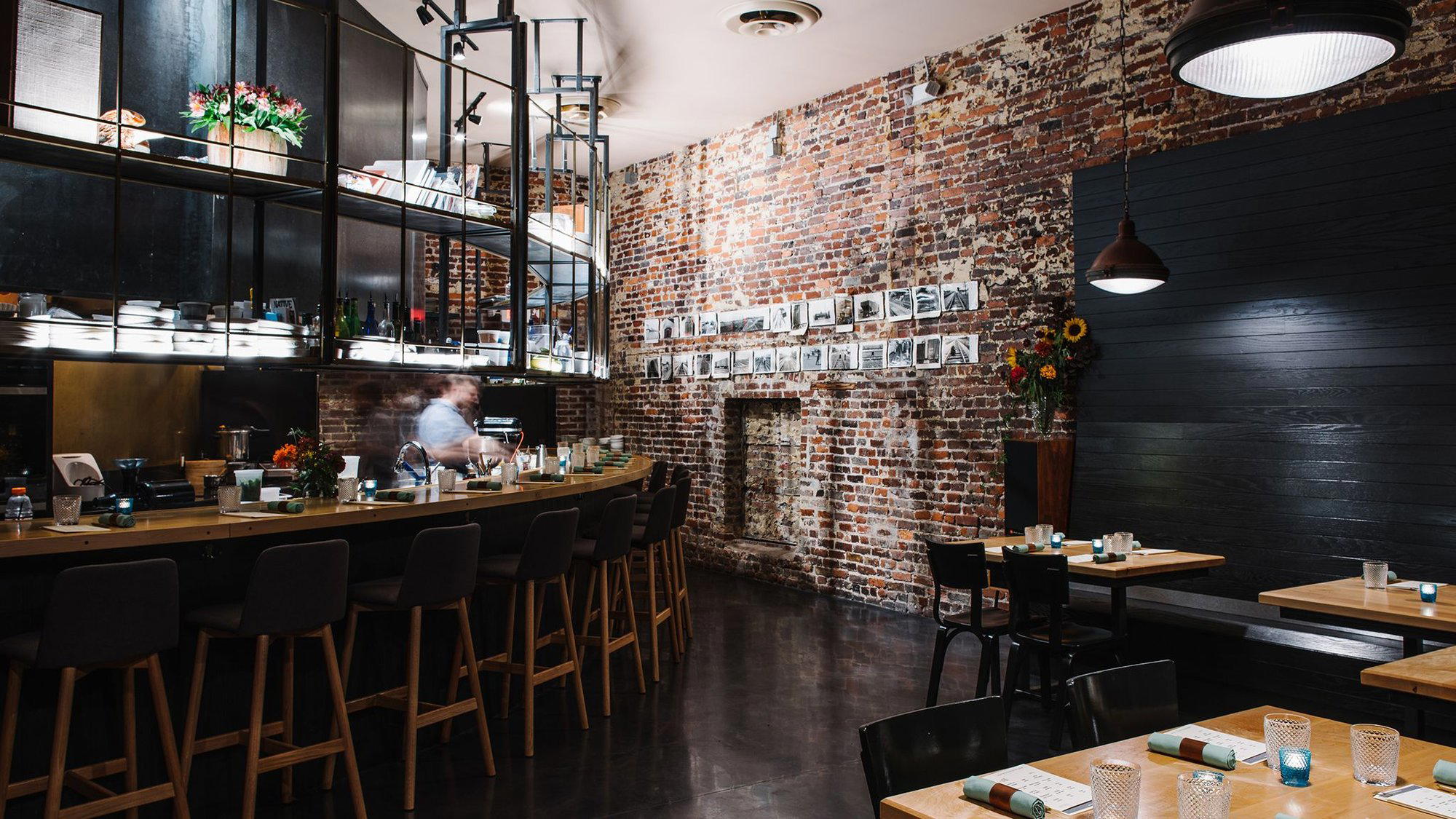
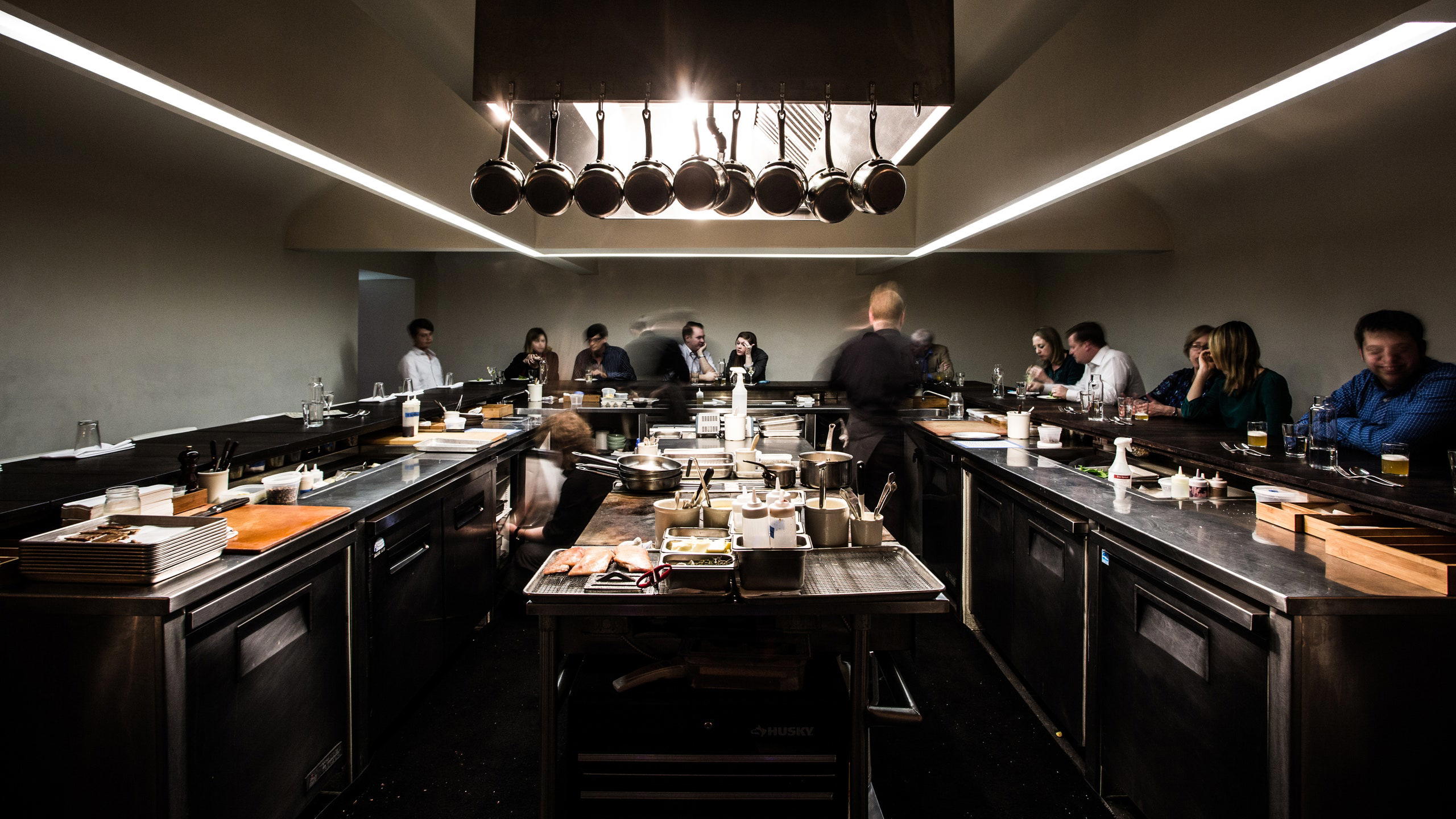
There is a particular kind of dining room that gives itself away before you order anything. The room at Common Ground on Thompson Lane in Berry Hill has that quality: the kind of space where the ingredient list matters more than the plating theatrics, and where the neighbourhood itself feels like a collaborator. Berry Hill has spent the better part of two decades positioning itself as Nashville's counterweight to the Broadway corridor — smaller businesses, fewer chains, and a general preference for the specific over the generic. A kitchen operating on Thompson Lane is, almost by geography, making a statement about what kind of restaurant it wants to be.
That context matters when reading the sourcing emphasis that defines Common Ground's identity. Across American dining, the farm-to-table claim has been diluted by overuse, but a handful of kitchens still treat provenance as a structural commitment rather than a menu footnote. In Nashville, that tier of sourcing-conscious cooking has grown more credible over the past decade as Middle Tennessee's agricultural base — particularly its network of small produce farms, heritage livestock operations, and specialty growers, has matured into something kitchens can actually build menus around. Common Ground sits inside that developing story.
The Nashville Context: Where Berry Hill Fits
Nashville's restaurant geography has bifurcated sharply. On one side sit the high-investment contemporary addresses: Bastion in Marathon Village, with its prix-fixe format and tasting counter precision; The Catbird Seat operating at the tighter end of the chef's-table format; and Locust pushing progressive technique into a compact, high-attention format. On the other side sit the neighbourhood anchors that function less as destination restaurants and more as community infrastructure, places that fill a different role in the city's eating life.
Berry Hill has historically produced the latter. 12 South Taproom and Grill a short distance away demonstrates the neighbourhood's preference for approachable formats with genuine local roots. Peninsula has brought a Southern American lens to the area's dining conversation. Common Ground occupies a related but distinct position: the kind of place that reads the local producer network as its primary menu-building tool.
That sourcing orientation connects Common Ground to a broader national movement that includes addresses like Blue Hill at Stone Barns in Tarrytown, where the farm-kitchen relationship is structural rather than decorative, and Single Thread Farm in Healdsburg, which operates its own farm in parallel with the restaurant. Those are extreme cases, high-investment, destination-tier operations with the resources to build vertically integrated supply chains. What Common Ground represents is a more accessible expression of the same underlying value: that where food comes from shapes what it tastes like, and that transparency about sourcing is itself a form of hospitality.
Ingredient Sourcing as the Editorial Line
The American kitchens that have made sourcing most credible tend to share a few structural habits. They rotate what's on the menu with actual seasonal discipline rather than cosmetic adjustment. They credit producers by name, which shifts accountability from the kitchen to the whole supply chain. And they accept a degree of menu instability, the risk that a supplier's crop fails or a season runs short, as the honest cost of working with real ingredients rather than commodity inputs.
Kitchens at the serious end of this practice, from Smyth in Chicago to Lazy Bear in San Francisco, have found that the sourcing story and the dining experience become inseparable when the commitment is genuine. The French Laundry in Napa and Addison in San Diego represent the fine-dining pole of that same principle, where producer relationships are part of the institutional identity. Le Bernardin in New York City applies an analogous rigor to seafood sourcing. Common Ground operates in a different register, neighbourhood rather than destination, accessible rather than ceremonial, but the underlying logic of letting the supply chain shape the menu is the same.
Middle Tennessee's producer base is worth understanding on its own terms. The region supports a growing number of small vegetable farms supplying Nashville restaurants, alongside heritage pork operations, local dairy, and specialty grain producers. Kitchens that work directly with that network, rather than through broad-line distributors, typically eat the complexity of more variable supply in exchange for ingredient quality and seasonal honesty that commodity sourcing cannot replicate. Berry Hill, with its density of independently-minded food businesses, is a natural home for that kind of kitchen.
Comparative Sourcing Across the American Scene
The farm-direct sourcing model has now spread across American dining broadly enough that the question is no longer whether a kitchen sources locally but how rigorously. Providence in Los Angeles has built a sustained identity around sustainable seafood sourcing with documented supplier relationships. Emeril's in New Orleans has long embedded Gulf Coast sourcing into its Southern-inflected kitchen. The Inn at Little Washington operates a kitchen garden alongside its broader supplier network. Even at the international level, addresses like Atelier Moessmer Norbert Niederkofler in Brunico have made hyper-regional sourcing the defining structural principle of the kitchen. Atomix in New York City applies a version of that sourcing discipline within a Korean tasting format.
What distinguishes the more credible end of that spectrum from the marketing end is specificity: named farms, documented relationships, menus that actually change when the season changes. Berry Hill's Common Ground sits in a neighbourhood where that specificity is expected by the regulars and where the surrounding food community provides enough accountability to keep the commitment honest.
Planning Your Visit
Know Before You Go
- Address: 734 Thompson Lane, Nashville, TN 37204
- Neighbourhood: Berry Hill, south of the 8th Avenue corridor
- Phone / Website: Not publicly listed at time of publication, check local directories or walk in
- Leading approach: Berry Hill rewards those who explore on foot; parking along Thompson Lane is available
- See also: Our full Nashville restaurants guide for context on the broader dining scene
Frequently asked questions
What part of town is Common Ground - Berry Hill in?
Common Ground - Berry Hill is located at 734 Thompson Ln, Nashville, TN 37204, Nashville.
How does Common Ground - Berry Hill fit into Nashville's Berry Hill neighbourhood dining scene?
Berry Hill occupies a distinct position in Nashville's restaurant geography: a residential-scale corridor on Thompson Lane that attracts kitchens operating outside the high-investment showcase model of downtown or Marathon Village. Common Ground plants itself squarely in that tradition, functioning as a neighbourhood anchor where the sourcing agenda, not the interior design budget, sets the tone.
What do regulars order at Common Ground - Berry Hill?
Because the menu at Common Ground on Thompson Lane rotates with the season, regulars tend to trust the kitchen's current direction rather than chasing a fixed signature dish. The sourcing-first approach at this Berry Hill address means what's ordered one month may not exist the next, which is precisely what keeps a certain Nashville crowd coming back.
Do they take walk-ins at Common Ground - Berry Hill?
Given Berry Hill's positioning as a lower-key Nashville neighbourhood compared to the high-reservation-pressure corridors like East Nashville or The Gulch, walk-in availability is plausible but worth confirming directly before visiting.
What's Common Ground - Berry Hill best at?
The kitchen's clearest strength is its editorial commitment to ingredient sourcing, which shapes the menu from the ground up rather than as a marketing footnote. In Nashville's bifurcated restaurant geography, Common Ground sits on the side that prioritises what's in season over what photographs well, and that discipline shows in how the menu is built.
Cuisine and Awards Snapshot
| Venue | Cuisine | Price | Awards | Notes |
|---|---|---|---|---|
| Common Ground - Berry HillThis venue — the venue you are viewing | Modern American Gastropub | $30–50 | Not listed | Not listed |
| Locust | Modern Fusion with Japanese and Irish Influences | $100–150 | 1 Michelin Star · World's 50 Best #20 | Progressive |
| Arnold’s Country Kitchen | Southern Meat-and-Three | $10–20 | Michelin Plate · James Beard Award America's Classics | Not listed |
| FOLK | Contemporary Italian with Neapolitan Pizza | $50–100 | Michelin Plate | Not listed |
| Yolan | Refined Italian Fine Dining | $50–100 | Star Wine List · Forbes 4-Star | Not listed |
| Biscuit Love Gulch | Southern Breakfast & Brunch | $20–30 | Not listed | Not listed |