Common Craft

Star Wine List
Our verdict
Common Craft sits on Damrell Street in South Boston's quieter industrial fringe, away from the waterfront's louder dining corridor. The format centers on artisanal food and drink with a rotating menu and table service, placing it in the city's smaller, less formulaic neighborhood dining tier. Sparse on ceremony, attentive on craft, it draws a local crowd that returns for what changes, not what stays the same.

Pearl is the En Primeur Club membership app, where members save venues, book tables and use the concierge.
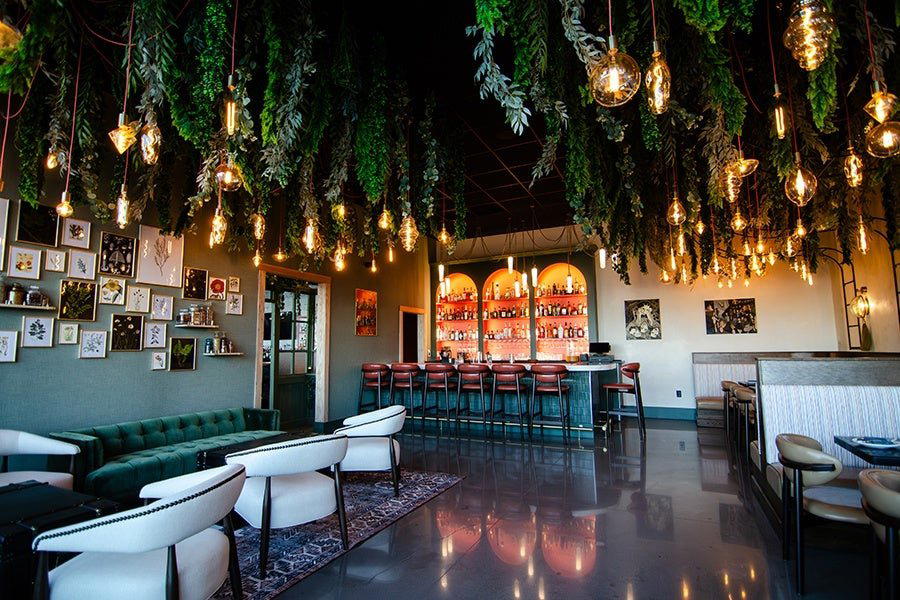
South Boston's Quieter Side: Where the Menu Moves
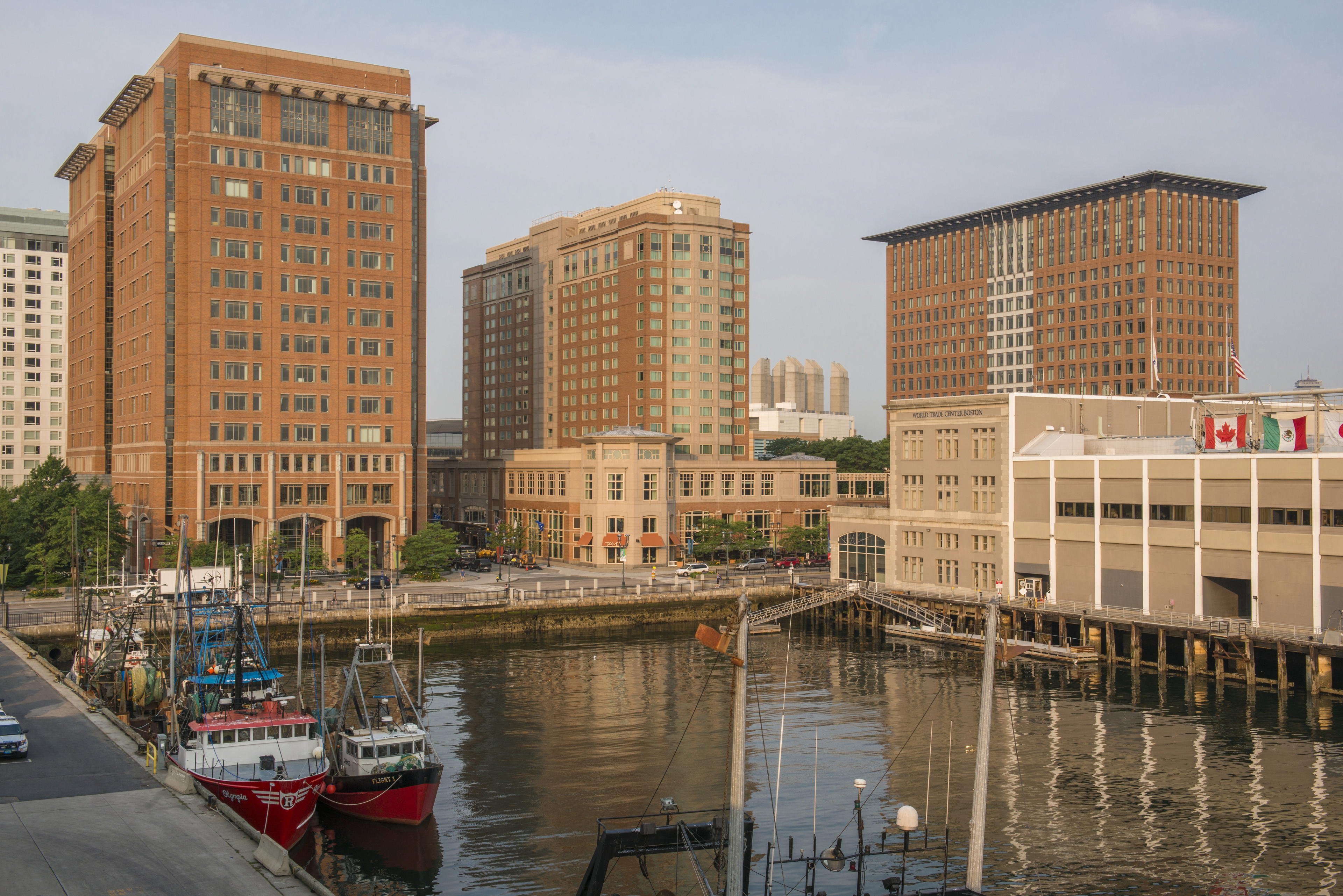
The stretch of Damrell Street that holds Common Craft sits at a remove from the waterfront restaurants that define most visitors' mental map of South Boston. This part of the neighborhood has been slower to accumulate the density of branded concepts and celebrity-chef outposts that have reshaped other Boston corridors in recent years. What it retains is a lower-volume, residential register, the kind of block where a dining room earns its regulars through consistency and rotation rather than spectacle.
That geographic context matters for understanding the format at 85 Damrell St. Boston's restaurant scene has split, over the last decade, between high-investment destination dining concentrated around the Seaport, the Back Bay, and the South End, and a smaller tier of neighborhood-anchored spots where the program is more fluid and the room less designed for occasion dining. Common Craft operates firmly in the second category. For comparative context, the city's destination-dining tier includes counters like 311 Omakase and Agosto, where a fixed sequence, a specific chef's lineage, and a premium price point are the whole point. Common Craft positions itself differently: the rotating menu and artisanal food-and-drink format signal a room that changes with availability and season rather than anchoring itself to a signature tasting architecture.
The Room and What You Encounter in It
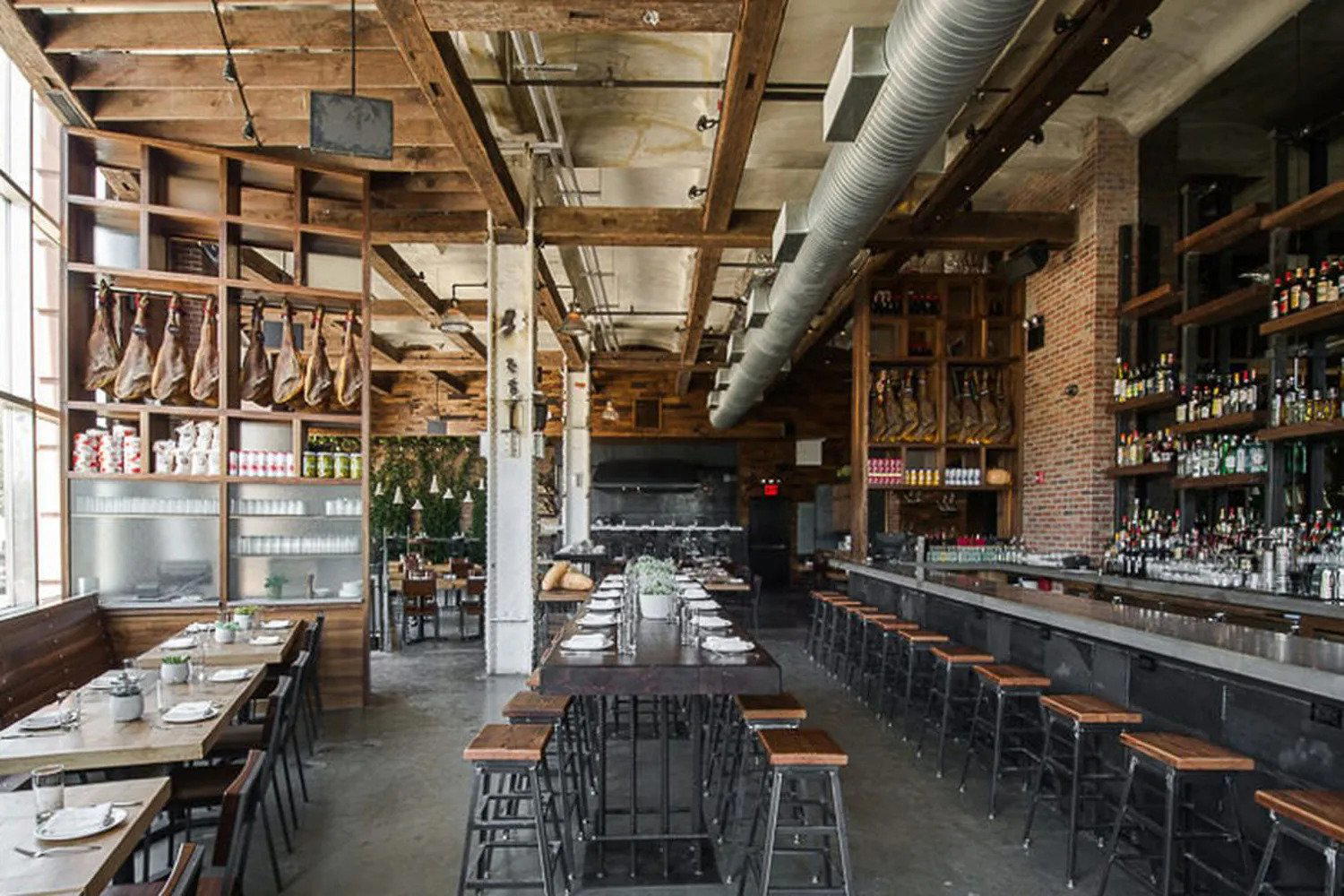
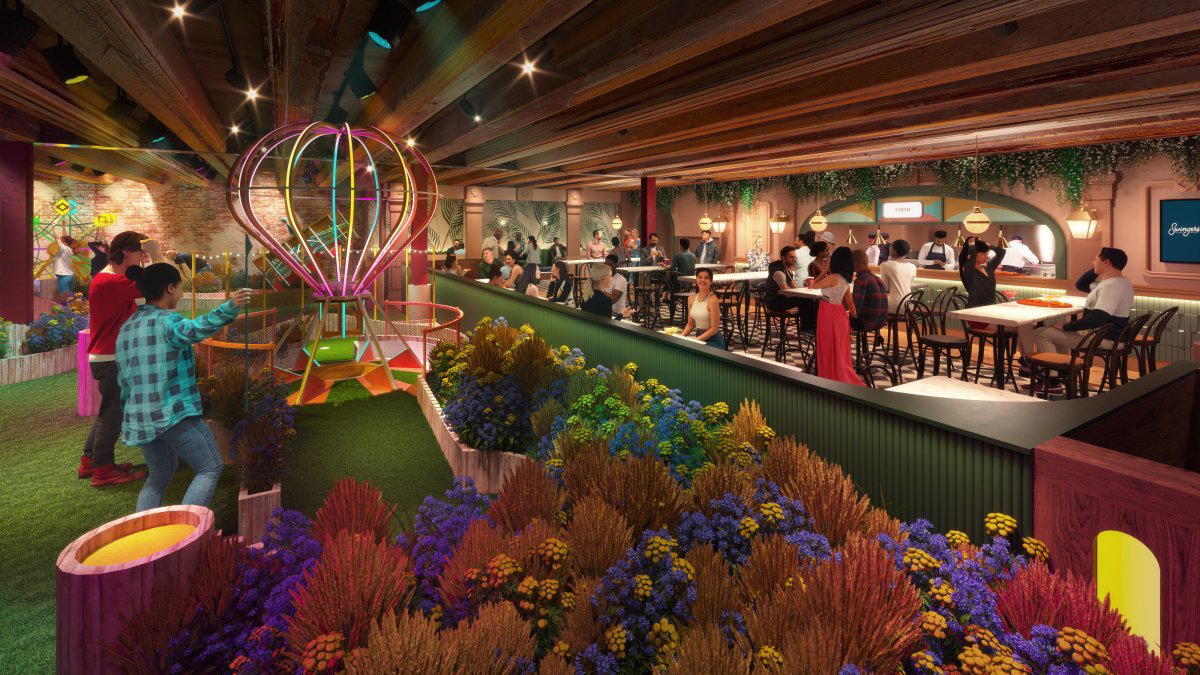
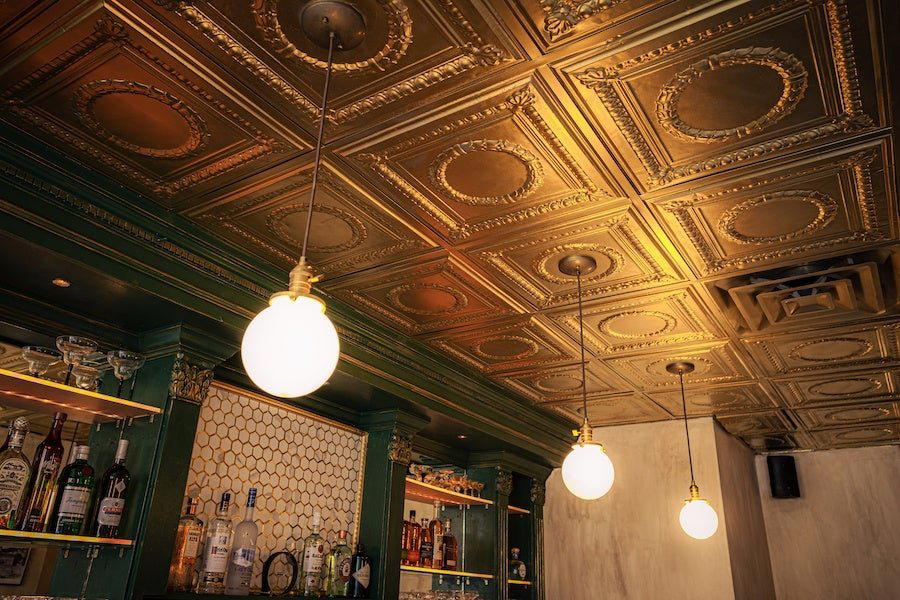
Artisanal dining rooms in Boston's neighborhood tier tend to share a certain material vocabulary: reclaimed wood, low-wattage bulbs, bar shelving that displays the drinks program as decor, and enough acoustic exposure that you hear the kitchen and the room simultaneously. The format at Common Craft follows this logic. The table service structure, combined with the rotating menu, means each visit presents a slightly different set of decisions, what's available shifts, and the service rhythm adapts around that variability rather than guiding guests through a fixed sequence.
That variability is itself a sensory signal. A menu that rotates forces the kitchen to communicate what's current, and it shifts the texture of a meal: ordering becomes more conversational, and the room feels less like a scripted production and more like an iteration of what's good that week. Across the city, the venues that operate this way, La Brasa in East Somerville, Neptune Oyster on the edge of the North End, tend to attract a crowd that treats the regularity of returning as part of the value, rather than treating any single visit as a destination event.
How Common Craft Sits in Boston's Artisanal Dining Tier
Boston's artisanal and craft-focused dining segment has expanded considerably since the early 2010s, when a handful of South End spots pioneered the format locally. The category now covers a wide range of execution levels, from serious fermentation and preservation programs at the leading end, down to simpler seasonal menus that claim the artisanal label more loosely. Common Craft's Damrell Street address places it within the South Boston residential fabric rather than in the neighborhood's more trafficked dining zones, which typically corresponds to a format built around local return visits rather than tourist conversion.
For reference against how Boston's mid-tier dining range works: the steakhouse format at Abe & Louie's on Boylston and the globally-oriented comfort food at Ama at the Atlas occupy the occasion-dining and hotel-adjacent spaces where price points and ceremony are calibrated accordingly. Common Craft's table-service, rotating-menu model targets a different frequency of visit and a different set of expectations about ceremony. The absence of a fixed tasting structure is a deliberate positioning choice in a city where the formats available to diners have multiplied considerably.
Nationally, the rotating artisanal format has produced some of the more interesting dining programs of the past decade: Lazy Bear in San Francisco and Single Thread Farm in Healdsburg both built significant reputations around seasonal variability and a strong connection between sourcing and what ends up on the plate. At the formal end of the spectrum, fixed-sequence restaurants like Alinea in Chicago and The French Laundry in Napa, and internationally, Alain Ducasse at Louis XV in Monte Carlo, represent the opposite pole: maximum structure, maximum ceremony, minimum variation per service. Common Craft sits at the neighborhood end of that spectrum, where informality and changeability are assets rather than limitations.
Drinks, Season, and When to Go
A food-and-drink artisanal format depends heavily on what the drinks program does alongside the rotating kitchen menu. In Boston's better neighborhood spots, the bar component typically reflects the same seasonal and local sourcing logic that drives the food side, shorter spirits lists, rotating draft selections, and cocktail formats that don't outlast the ingredients that define them. The degree to which Common Craft's drinks program achieves this integration is worth evaluating on arrival: the pairing between what's pouring and what's on the menu is often where the format either comes together or falls short.
Seasonality is the most direct reason to plan visits carefully. A rotating menu in New England has a natural rhythm: late spring brings the first local produce after a long root-vegetable winter; midsummer offers the widest range; autumn shifts toward preservation, fermentation, and heavier preparations; winter narrows options and tests whether the kitchen has built interesting relationships with local suppliers beyond the growing season. Visiting across two seasons gives a more complete picture of what a rotating-menu operation can do than a single visit allows.
For planning, Damrell Street is accessible from South Boston's grid, though it sits off the main pedestrian corridors. Given the venue's neighborhood orientation and the absence of a large published profile, arriving with a reservation rather than walking in is the sensible approach. The full Boston bars guide and experiences guide are useful for building an evening around a meal here, particularly if you're pairing the area with other South Boston stops. For wider Boston planning, the full Boston restaurants guide maps the city's dining tiers from destination counters to neighborhood formats. Hotels in range are covered in the Boston hotels guide, and the Boston wineries guide adds context for anyone focused on the drinks side of the city's scene.
Frequently asked questions
Where exactly is Common Craft (South Boston)?
Common Craft (South Boston) is located at 85 Damrell St, Boston, MA 02127, Boston.
Is Common Craft South Boston suitable for a food-and-drink pairing evening rather than just a meal?
The venue's format is explicitly food and drink artisanal, with the drinks program positioned alongside the kitchen rather than as an afterthought. That pairing-first orientation is one of the cleaner distinctions between Common Craft and straightforward dinner spots in Boston's neighborhood tier. The rotating menu means the kitchen and bar have room to align seasonally, which is the practical value of that format for a drinks-led visit.
What dish is Common Craft (South Boston) famous for?
Because Common Craft runs a rotating menu, no single dish defines the kitchen long-term. The format at 85 Damrell St is built around artisanal food and drink that changes with availability and season, so the most consistently noted element is the program's movement rather than any fixed signature item.
How far ahead should I plan for Common Craft (South Boston)?
Common Craft operates with table service in a neighborhood-tier South Boston setting, which typically means demand tracks local word-of-mouth rather than citywide reservation pressure. For weekend visits, checking availability a week or two in advance is a reasonable baseline; the rotating menu format also makes timing worthwhile, since the offer genuinely shifts.
What's the standout thing about Common Craft (South Boston)?
The defining quality is the rotating menu structure paired with an artisanal drinks program, a combination that separates Common Craft from fixed-menu neighborhood spots in Boston's craft dining tier. Its location on Damrell Street places it away from the waterfront corridor, giving it a local-facing identity that most South Boston visitors don't encounter.
Comparable Options
Comparable venues nearby, for context on price, style, and recognition.
| Venue | Cuisine | Price | Awards | Notes |
|---|---|---|---|---|
| Common CraftThis venue (the venue you are viewing) | Modern American Gastropub | Not listed | Star Wine List | Not listed |
| STK - Boston | Modern Steakhouse | Not listed | Wine Spectator Award of Excellence | Back Bay |
| 1928 Rowes Wharf | Classic New England American with French Influences | $50–100 | Not listed | Waterfront |
| Ramsay's Kitchen | Modern American with Global Influences | $50–100 | Wine Spectator Award of Excellence | Prudential |
| Moxies - Boston Seaport | Modern American | $50–100 | Not listed | Inner Harbor |
| Vela | Modern Global Fusion | $30–50 | Not listed | South Boston Waterfront |
Recognition history
Dated appearances from independent guides and award organizations, with the underlying list record or original source where available.
Star Wine List
Star Wine List
Continue exploring
More in Boston
Restaurants in Boston
All restaurants in Boston →
Bars in Boston
All bars in Boston →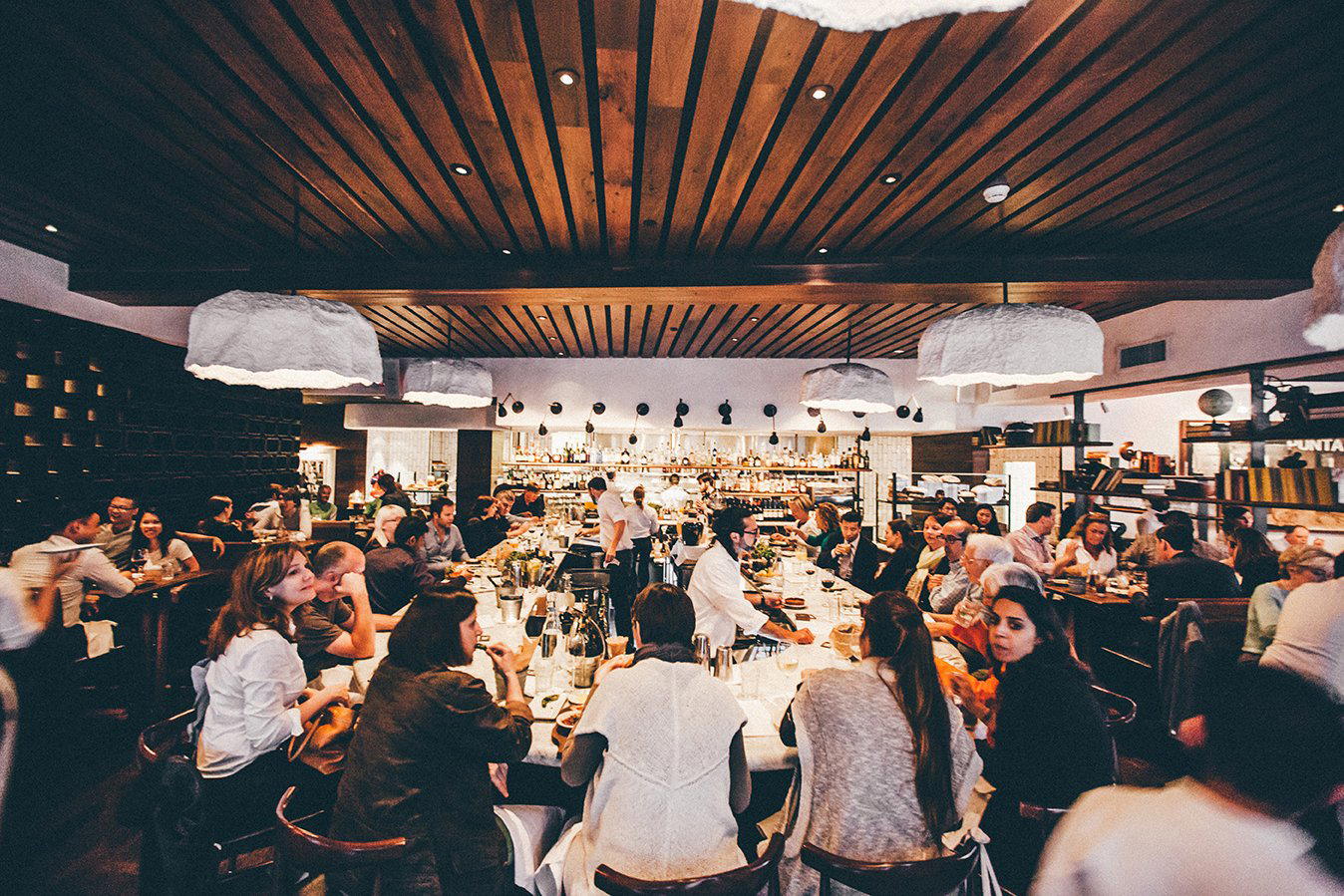
Details
- Trendy
- Modern
- Lively
- Energetic
- Casual Hangout
- Group Dining
- After Work
- Open Kitchen
- Speakeasy
- Craft Cocktails
- Beer Program
- A La Carte
- Small Plates
- Craft Beer
- Wine
- Cocktails
- Gluten Free Options
Current opening hours
- Monday
- Closed
- Tuesday
- 4–10 PM
- Wednesday
- 4–10 PM
- Thursday
- 4–10 PM
- Friday
- 4 PM–1 AM
- Saturday
- 4 PM–1 AM
- Sunday
- 4–10 PM
Hours can change for holidays and private events. Hours as of .
Fun and energetic atmosphere with diverse hospitality experiences across multiple distinctive venues under one roof.