Comedor

Michelin Plate
Our verdict
A two-time Michelin Plate recipient on Colorado Street in downtown Austin, Comedor occupies the more formal end of the city's Mexican dining spectrum. The kitchen frames Mexican cuisine through a contemporary lens without abandoning the cultural weight that gives the food its context. It holds consistent standing among Austin's Michelin-recognized restaurants.

Pearl is the En Primeur Club membership app — saves, bookings, and concierge access live there. Same editors, same standards.
- Address
- 501 Colorado St, Austin, TX 78701
- Phone
- (512) 499-0977
- Hours
- Mon–Thu 5–10 PMFri–Sat 5–11 PMSun 5–9 PM
- Website
- comedortx.com
- Directions
- Get directions
- Booking
- Book on OpenTable
The menu
What to order
- Bone_marrow_tacos
- Fish_tacos
- Tuna_aguachile
Mexican Cuisine at the Fine-Dining Register in Downtown Austin
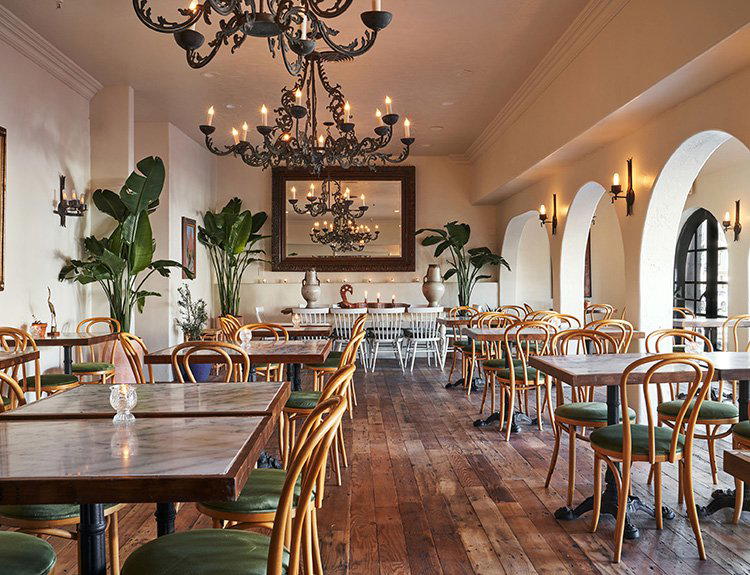
The stretch of Colorado Street that runs through Austin's central business district is an unlikely address for some of the city's most considered cooking. The towers and law offices thin out, and Comedor appears as a deliberate counterpoint to the casual taco-and-margarita formula that defines so much of Austin's Mexican dining. Inside, the room reads as a proper dining room rather than a cantina: the kind of space where the food is expected to carry the evening rather than compete with it. That register — composed, unhurried, priced at the $$$ tier — is a deliberate positioning within a city that has historically treated Mexican cuisine as street-level or fast-casual by default.
Where Comedor Sits in Austin's Mexican Dining Scene
Austin's Mexican and Tex-Mex dining runs across a wide spectrum. At one end, operations like Nixta Taqueria and Cuantos Tacos pursue masa-forward, ingredient-specific taco formats with Michelin recognition. At the brasher end, Discada and La Santa Barbacha work regional Mexican traditions in a more direct, less ceremonial style. Comedor and La Condesa occupy a different tier altogether: Mexican restaurants formatted for a sit-down, multi-course experience with a bar program and a wine list, priced against Austin's broader fine-dining set rather than against its taqueria competition.
That positioning matters because it shapes expectations. Comedor is not a place to benchmark against your neighborhood taqueria. It belongs in a peer group that includes Austin's other Michelin-recognized restaurants, and the Michelin Plate designation in both 2024 and 2025 confirms that the guide's inspectors consider the kitchen technically credible at that level. The Plate is not a star, it signals good cooking rather than exceptional cooking, but in a city where Michelin only arrived in 2022, two consecutive Plates represent a clear signal of sustained quality.
The Cultural Weight Behind the Menu Format
Mexican cuisine carries one of the most complex culinary inheritances in the Americas. The 2010 UNESCO inscription of traditional Mexican food as an Intangible Cultural Heritage of Humanity recognized a food system built over millennia, drawing on pre-Columbian agricultural foundations, maize, chiles, squash, beans, layered with Spanish, African, and regional Mexican traditions that vary by state, climate, and indigenous community. When a restaurant formats that cuisine at the fine-dining register, it inherits both a responsibility and a tension: how much transformation is enrichment, and how much is distortion?
The contemporary Mexican fine-dining model has been most visibly argued in Mexico City, where Pujol has spent two decades demonstrating that the fine-dining format can deepen rather than dilute Mexican culinary tradition when the kitchen maintains genuine engagement with ingredients, technique, and regional context. That conversation has reached U.S. cities: Alma Fonda Fina in Denver works a related register, and Comedor represents Austin's clearest contribution to it. The question the kitchen has to answer every service is whether the refined format serves the food or merely frames it for a demographic that would otherwise look past it.
Michelin's repeated recognition suggests the kitchen is answering that question in a way the guide finds credible. Two Plates across two consecutive guide cycles, a period during which the Texas guide has been actively sorting its initial entries, indicates that Comedor has not coasted on novelty. Austin's Michelin cohort in the $$$ tier includes restaurants like Lazy Bear-adjacent contemporaries and the kind of cooking that earns comparison to places like Alinea in Chicago or Le Bernardin in New York City at the star level. Comedor operates below that ceiling but within the same framework of expectation.
The Dining Room and the Experience in Practice
The address at 501 Colorado Street places Comedor in the central business district, walkable from most downtown hotels. For visitors consulting Austin's hotel options, the location is a practical advantage: it is an easy pre-theatre or post-work reservation without the cross-city drive that some of Austin's more celebrated spots require. The $$$ price point, roughly equivalent to $60–100 per person before drinks at Austin's current rates, positions it as a considered-occasion restaurant rather than an everyday option.
For comparative reference, most of Austin's Michelin-starred restaurants operate at four or five stars on Google with a smaller review base, reflecting a narrower, more self-selected clientele. Comedor's numbers suggest a broader reach.
Austin's bar scene, explored in our Austin bars guide, offers strong pre-dinner options within a short walk of Colorado Street. For visitors building a full Austin itinerary, the experiences guide and wineries guide round out the picture for those spending multiple days in the city.
On the national fine-dining scale, Comedor occupies a tier that is honest about its ambitions. It is not competing with The French Laundry or Single Thread Farm in Healdsburg. It is making a more specific argument: that Mexican cuisine, handled with kitchen discipline and cultural intelligence, deserves the same downtown real estate and dining-room seriousness that Austin routinely grants to its steakhouses and contemporary American kitchens. Restaurants like Emeril's in New Orleans made a comparable argument for regional American cooking a generation ago. Comedor is making it now, in Austin, for Mexican food.
Planning a Visit
Comedor is located at 501 Colorado Street in downtown Austin. The $$$ pricing and Michelin Plate recognition place it in Austin's considered-dining tier, alongside Olamaie, Barley Swine, and Jeffrey's, rather than in the casual end of the Mexican dining market. For those visiting Austin in the autumn months, when the city's restaurant scene operates at its most consistent pace ahead of the South by Southwest surge, Comedor is a reliable anchor for an evening built around the downtown core. Bookings at Michelin-recognized Austin restaurants at this price point typically fill ahead at weekends; midweek reservations at this tier generally allow for shorter lead times.
Frequently asked questions
What should I budget for a meal at Comedor?
Pricing at Comedor is listed as $$$.
Should I book Comedor in advance?
Yes. Two consecutive Michelin Plates have placed Comedor among Austin's most closely watched dining rooms, and weekend reservations at the $$$ tier fill with meaningful lead time. Booking ahead is the practical move, particularly for dinner on Thursday through Saturday. Walk-in availability at the bar, if offered, is the more reliable route for last-minute visits.
What do critics highlight about Comedor?
Michelin's Plate designation, held for two consecutive years (2024 and 2025), is the clearest public signal on record. The Plate sits below a star but above Michelin's Bib Gourmand tier, indicating cooking that inspires a visit on its own merits. Within Austin's Mexican dining spectrum, that places Comedor at the fine-dining register rather than the casual or ingredient-specialist end of the market.
| Venue | Cuisine | Price | Awards | Notes |
|---|---|---|---|---|
| ComedorThis venue — the venue you are viewing | Modern Mexican | $150–200 | Michelin Plate | Not listed |
| Barley Swine | Modern American Fine Dining | $100–150 | 1 Michelin Star · James Beard Award Semi Finalist | New American, Contemporary |
| la Barbecue | Texas Barbecue | $50–100 | 1 Michelin Star · James Beard Award Semi Finalist | Barbecue |
| Olamaie | Modern Southern | $100–150 | 1 Michelin Star | Southern |
| Jeffrey's | Modern American Steakhouse | $150–200 | Michelin Plate · Wine Spectator Best of Award of Excellence | French - Steakhouuse, Contemporary |
| Kemuri Tatsu-ya | Japanese-Texas BBQ Izakaya | $50–100 | Michelin Bib Gourmand | Izakaya |
Recognition history
Dated appearances from independent guides and award organizations, with the underlying list record or original source where available.
Michelin Plate
Michelin
Full recognition history (2 entries)
Michelin Plate
Michelin
Continue exploring
More in Austin
Restaurants in Austin
Browse all →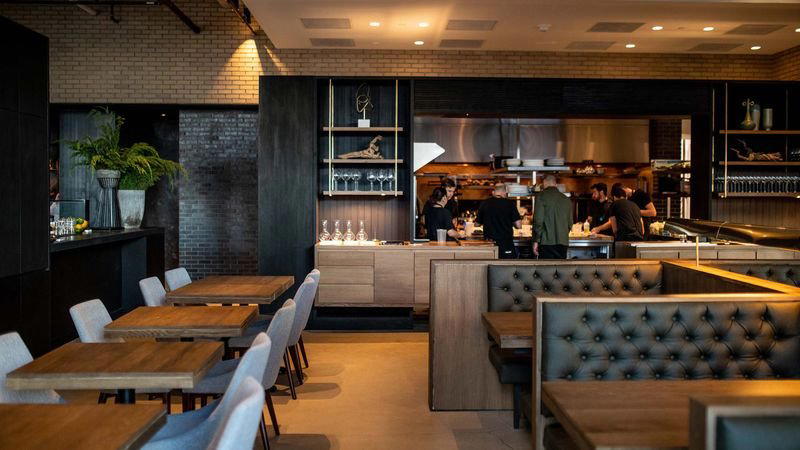
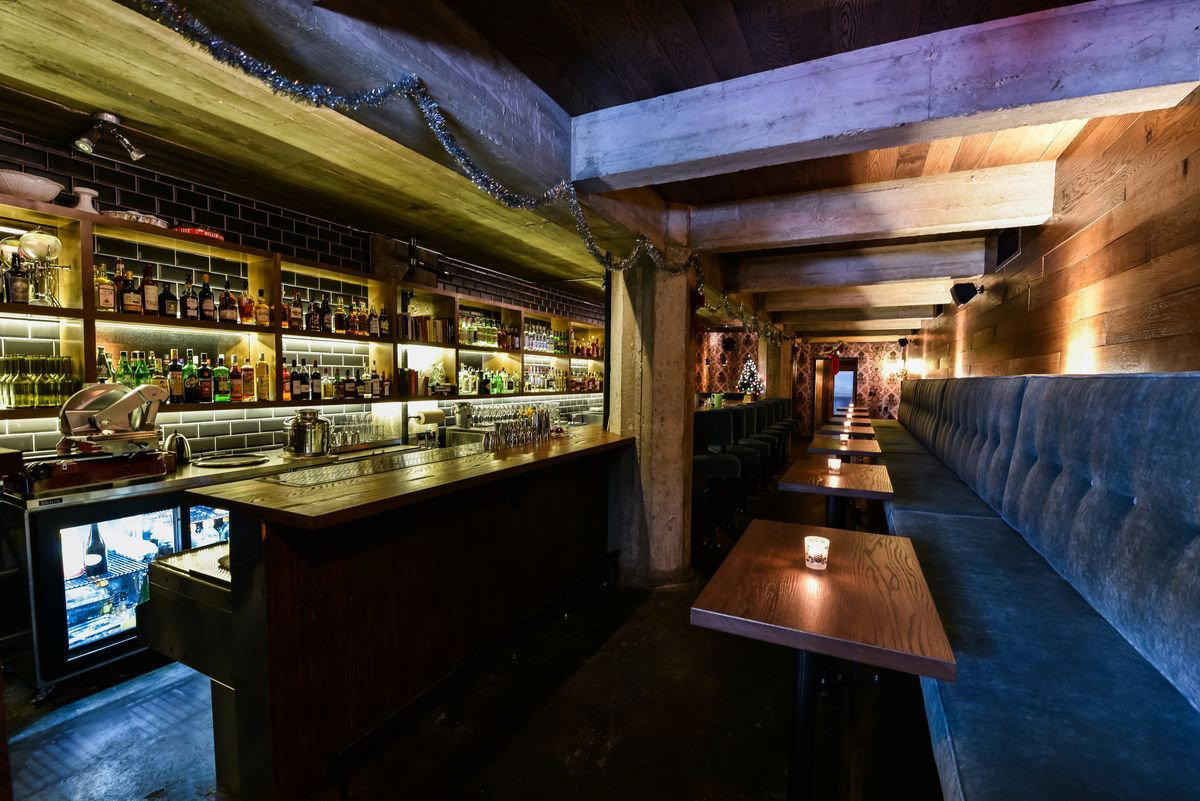
Bars in Austin
Browse all →

Hotels in Austin
Browse all →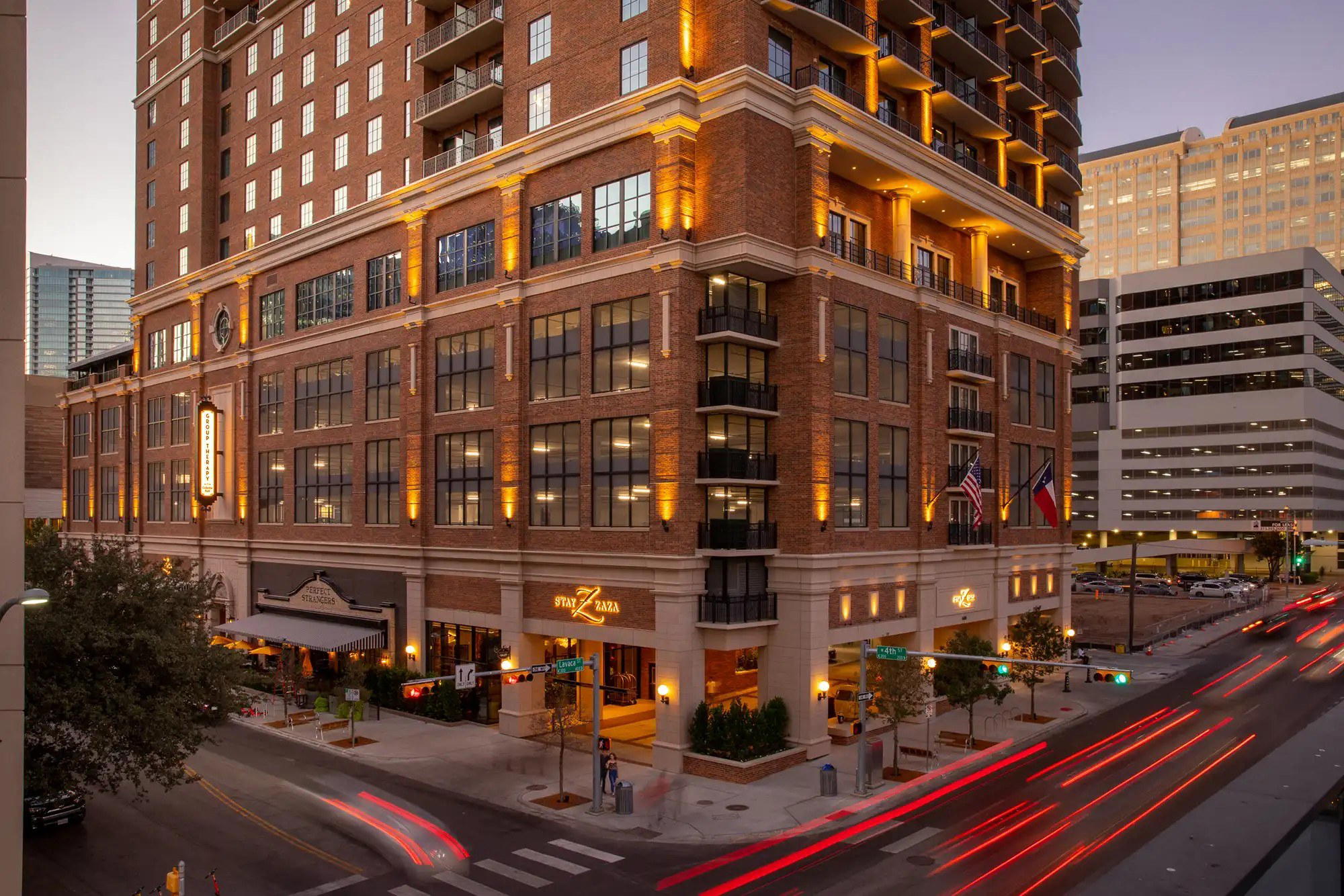




Details
- Modern
- Trendy
- Sophisticated
- Industrial
- Date Night
- Special Occasion
- Business Dinner
- Open Kitchen
- Courtyard
- Craft Cocktails
- Local Sourcing
- Farm To Table
- Small Plates
- A La Carte
- Mezcal
- Cocktails
- Vegetarian Friendly
Current opening hours
- Monday
- 5–10 PM
- Tuesday
- 5–10 PM
- Wednesday
- 5–10 PM
- Thursday
- 5–10 PM
- Friday
- 5–11 PM
- Saturday
- 5–11 PM
- Sunday
- 5–9 PM
Hours can change for holidays and private events. Last verified .
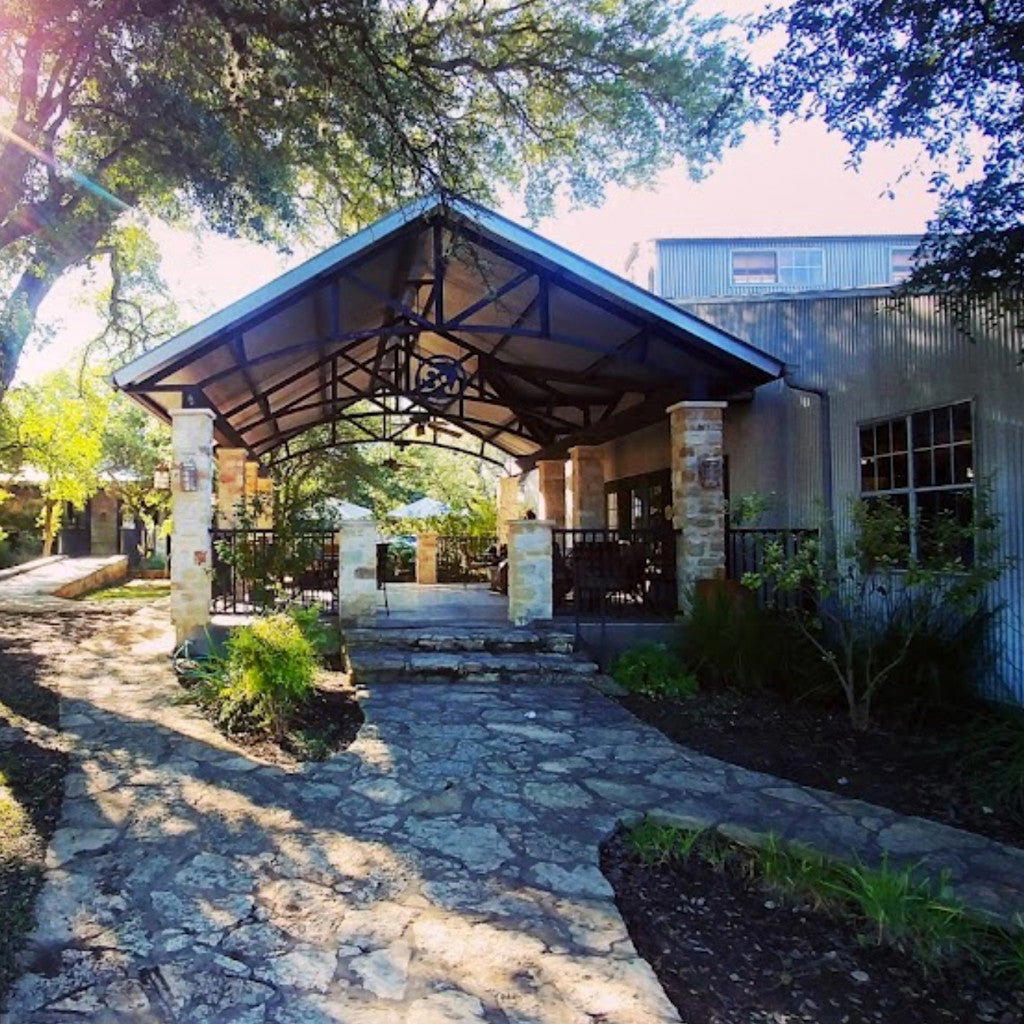
Dark and moody with industrial materials like concrete, steel, leather, and polished woods; refined yet cool atmosphere, especially lively in the courtyard oasis.