Coltivare
Our verdict
Coltivare has anchored Houston's Garden Oaks and Heights corridor as a reference point for produce-driven Italian-American cooking since opening on White Oak Drive. The kitchen, garden, and dining room operate with the kind of coordinated intention that distinguishes neighbourhood institutions from neighbourhood restaurants. For Houston diners tracking the city's serious mid-tier, it belongs in the conversation.

Pearl is the En Primeur Club membership app — saves, bookings, and concierge access live there. Same editors, same standards.
- Address
- 3320 White Oak Dr, Houston, TX 77007
- Phone
- (832) 203-7890
- Hours
- Mon 5–10 PMTue ClosedWed–Thu 5–10 PMFri–Sat 5–11 PMSun 5–9 PM
- Website
- agricolehospitality.com
- Directions
- Get directions
- Booking
- Book on Resy
The menu
What to order
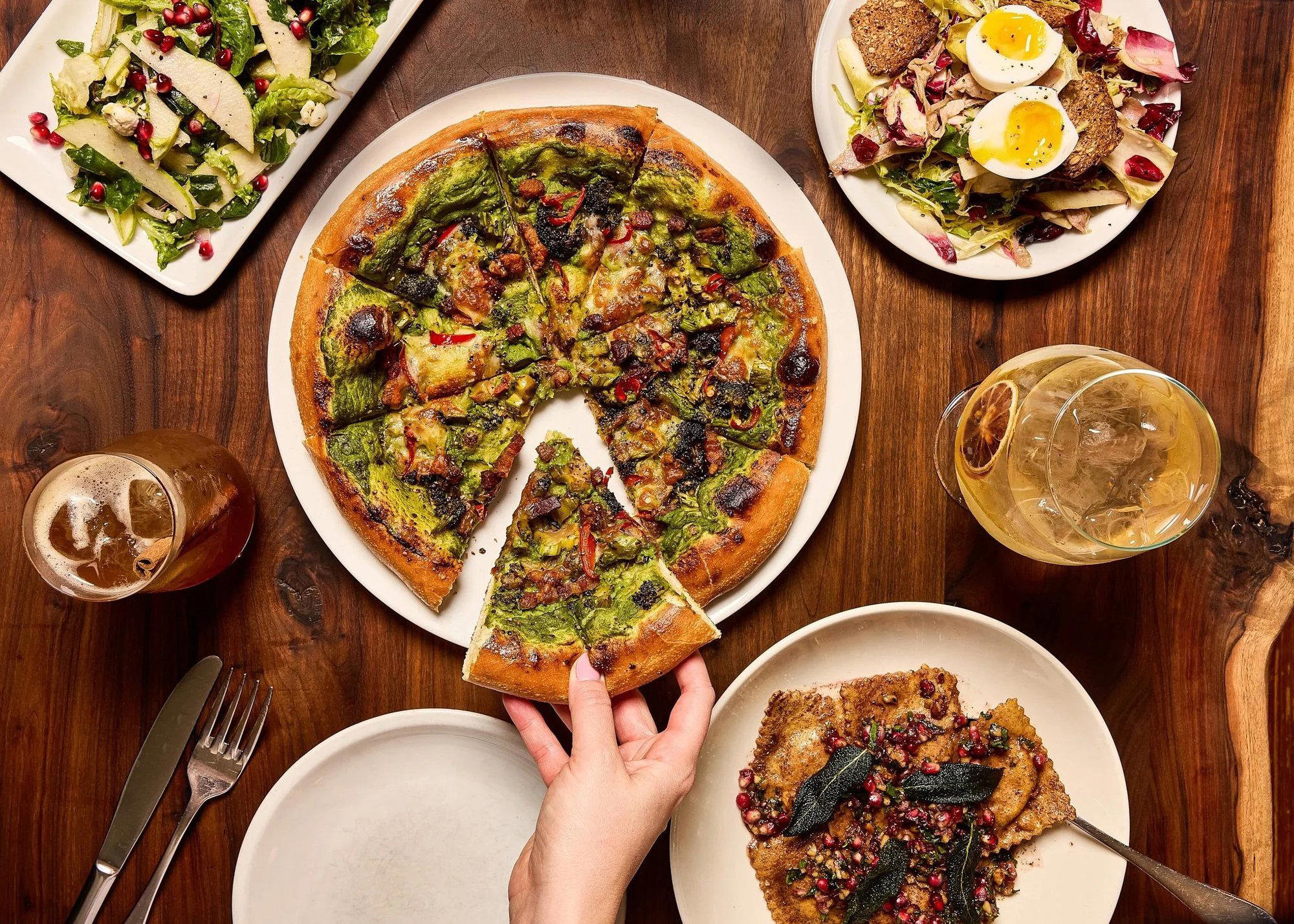
- Cacio e pepe
- Hot Chicken
- Beef tagliata
White Oak Drive and What It Signals
There is a particular kind of restaurant that a neighbourhood produces once, if it is lucky. Not the splashy opening backed by a hospitality group, and not the chef-driven tasting room angling for national press. Something more durable: a place where the dining room, the kitchen, and the garden operate as a single coordinated system, and where regulars come back not because the menu is static but because the whole enterprise earns their trust. Coltivare, at 3320 White Oak Drive in Houston's Heights, has become that kind of restaurant for its stretch of the city.
The Heights corridor has developed into one of Houston's more coherent dining districts over the past decade, drawing restaurants that sit between the accessible neighbourhood bistro and the full-dress occasion dining of Uptown. Coltivare occupies that middle register with clarity. The physical approach tells you something: the building integrates a working garden plot that feeds the kitchen, which in Houston's dining scene is less common than it sounds. Garden-to-table rhetoric has become cheap in American restaurant marketing. Actually maintaining productive growing space adjacent to a working restaurant kitchen is a different proposition, requiring consistent coordination between growers, cooks, and the front-of-house team that builds menus around what is available rather than what has been pre-ordered.
The Coordination Model
The editorial angle here is not the garden itself but what the garden demands of a restaurant team. Italian-American cooking anchored in seasonality requires the kitchen to work closely with whoever manages the growing program, and the dining room to communicate those constraints and opportunities to guests. This is the team dynamic that defines Coltivare's operating logic: not a celebrity chef supported by a brigade, but a more lateral collaboration between the people growing ingredients, the people cooking them, and the people explaining them across the pass.
Across the American farm-to-table category, this model produces the most durable restaurants when all three parts of the equation are genuinely integrated. The comparable cases nationally illustrate the point. Blue Hill at Stone Barns in Tarrytown operates at the extreme high end of this model, where the farm is the destination and the menu is entirely reactive to what it produces. Single Thread Farm in Healdsburg takes a similar position but through a Japanese kaiseki lens. Coltivare works in a more accessible register, applying the same integration principle to pizza, pasta, and vegetable-driven plates in a neighbourhood setting where the cover price does not require a special occasion.
Where It Sits in Houston's Dining Conversation
Houston's serious dining tier has expanded considerably. The city now sustains restaurants operating at national ambition levels alongside a productive mid-tier that takes technique and sourcing seriously without demanding tasting-menu budgets. Coltivare has consistently belonged to the latter group. Against the city's higher-commitment Italian and European addresses, the comparison is instructive. March operates at the top of the Houston European spectrum, with a Venetian-focused tasting menu at the $$$$ tier. Le Jardinier Houston brings a French vegetable-forward sensibility at a comparable price point. BCN Taste & Tradition covers the Spanish end. Each of those addresses requires a different level of financial and temporal commitment than Coltivare.
Within the city's New American and Italian-adjacent mid-tier, the neighbourhood restaurant comparison is closer to peers like Nancy's Hustle ($$) or Theodore Rex ($$$). Coltivare's Italian focus and working-garden model give it a distinct identity within that cohort, but the pricing logic and neighbourhood accessibility place it in a broadly similar bracket. For Houston visitors building a dining itinerary across the city's range, the full Houston restaurants guide maps this spectrum in detail.
Nationally, the produce-driven Italian-American model that Coltivare represents has become a recognised category at the serious end of neighbourhood dining. Smyth in Chicago and Lazy Bear in San Francisco both operate with comparable garden-and-kitchen integration philosophies, though at higher price points and with more formal structures. Providence in Los Angeles demonstrates what sustained sourcing commitment looks like across a longer operational arc. Addison in San Diego takes the American fine dining version of seasonal produce focus to its furthest local expression. Coltivare belongs to the same broader cultural shift toward ingredient provenance as a central dining value, applied at a neighbourhood scale that makes it practically accessible.
The Dining Room Experience
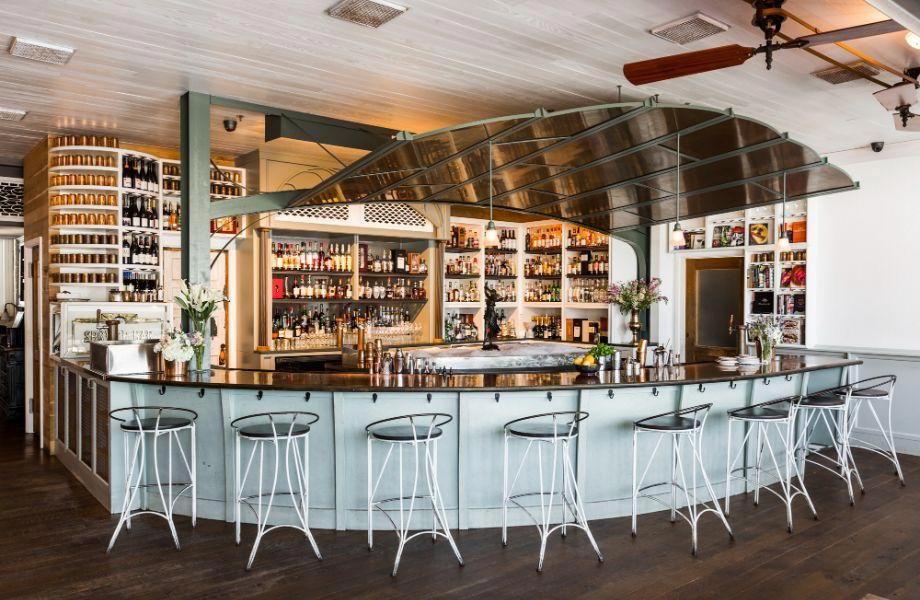
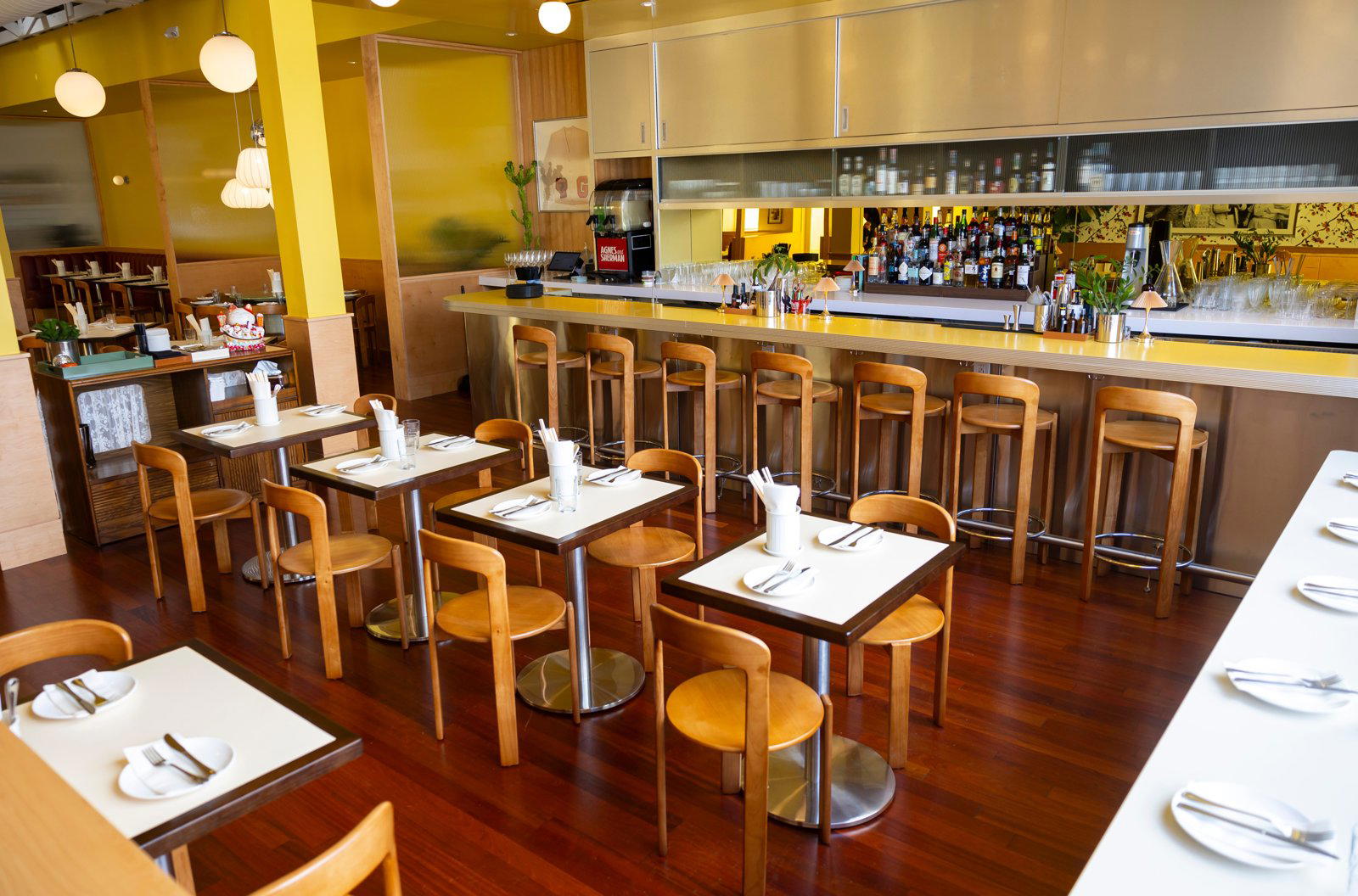
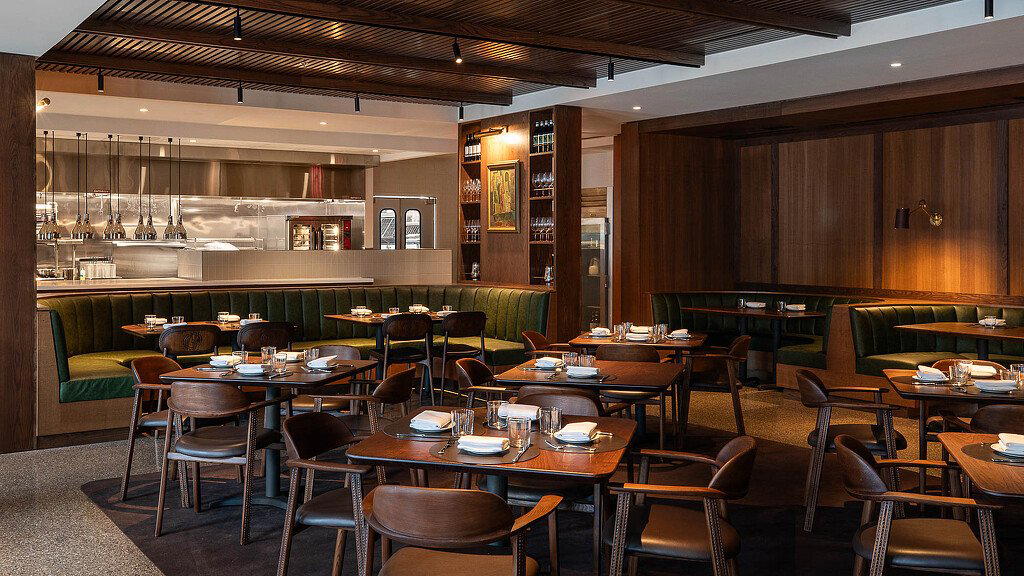
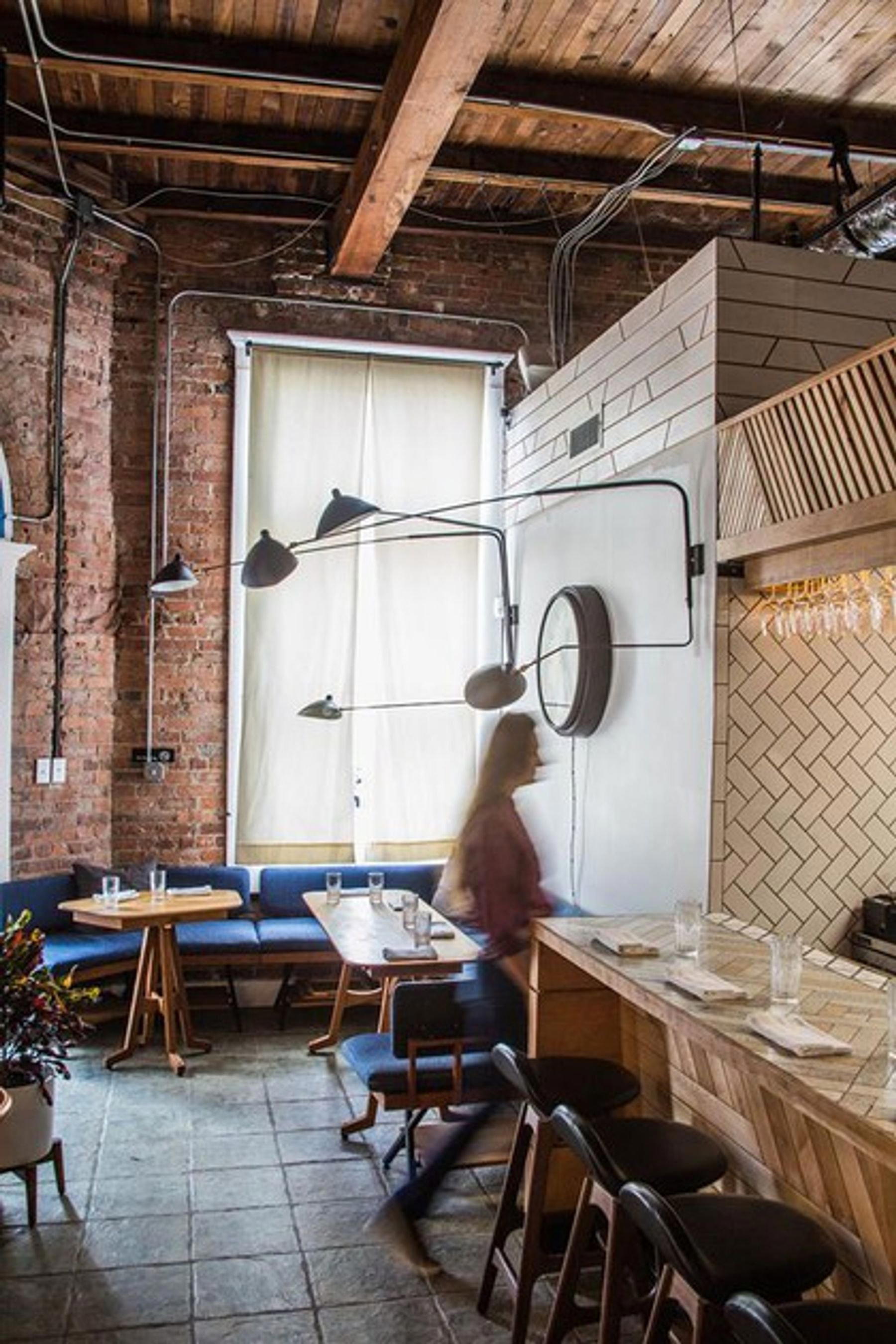
The physical environment at Coltivare functions as a direct expression of the kitchen's priorities. The garden is visible from the property, and the dining room carries the warm informality of a space that takes food seriously without requiring its guests to take themselves seriously. This is a meaningful distinction in Houston's Heights, where the demographic skews toward regulars who want genuine cooking without the ceremony that surrounds it at addresses like The French Laundry or The Inn at Little Washington.
The front-of-house posture matters here. Italian-American cooking in a garden-connected dining room is only as credible as the people explaining it across the tables. When the FOH team is genuinely connected to what the kitchen is doing with the day's harvest, the guest experience shifts from passive consumption to something closer to informed participation. That integration, when it works, is what regulars are actually returning for.
Planning a Visit
Coltivare's popularity in the Heights means advance booking is advisable, particularly for weekend evenings. The restaurant does not operate at the booking-depth of Houston's tasting-menu addresses, but walk-in availability is inconsistent. For out-of-town visitors, the Heights location is accessible from central Houston and sits within easy reach of other neighbourhood dining options worth combining into an itinerary.
| Venue | Cuisine | Price Tier | Format | Booking Difficulty |
|---|---|---|---|---|
| Coltivare | Italian-American / Garden-driven | Mid-tier | Neighbourhood restaurant, à la carte | Moderate; book ahead for weekends |
| March | Venetian | $$$$ | Tasting menu | High; weeks in advance |
| Musaafer | Indian | $$$$ | À la carte and tasting | Moderate-high |
| Nancy's Hustle | New American | $$ | À la carte | Low-moderate |
| Theodore Rex | New American | $$$ | À la carte | Moderate |
Frequently asked questions
What part of town is Coltivare in?
Coltivare is located at 3320 White Oak Dr, Houston, TX 77007, Houston.
Is Coltivare's on-site garden a genuine part of the cooking or mainly decorative?
At Coltivare on White Oak Drive in Houston, the garden functions as a working production element that directly shapes the menu rather than serving as an aesthetic backdrop. The kitchen's Italian-American cooking is coordinated around what the garden supplies, which requires a level of operational discipline that distinguishes the restaurant from venues that simply source from farmers markets. That supply chain, running from plot to plate on the same property, is the core of what the restaurant does.
What do regulars order at Coltivare?
Regulars at Coltivare on White Oak Drive gravitate toward the seasonal Italian-American dishes that reflect what the on-site garden is producing at any given time. The cooking rotates with the harvest, so frequent visitors often return to track how core preparations shift across seasons rather than to repeat a fixed order.
How hard is it to get a table at Coltivare?
Coltivare's standing in the Houston Heights means weekend reservations fill well in advance. Booking a week or more ahead is standard practice for Friday and Saturday evenings; weekday tables are generally more available. Walk-in spots depend on the night and the size of your party.
What has Coltivare built its reputation on?
Coltivare built its reputation on Italian-American cooking anchored in genuine seasonality, with an on-site garden that places direct pressure on the kitchen to cook from what is actually growing. That commitment has kept the restaurant relevant in a Houston dining tier that now sustains nationally ambitious operators alongside deeply neighbourhood-rooted places like this one.
What if I have allergies at Coltivare?
Given Coltivare's seasonal, garden-driven approach, the menu shifts regularly, which means the kitchen is accustomed to fielding questions about current ingredients. Contacting the restaurant ahead of your visit and stating specific allergies is the most reliable approach; this is especially relevant for a menu that may change weekly based on what the garden yields.
Does Coltivare justify its prices?
Within Houston's Heights neighbourhood, Coltivare sits at the higher end of the local casual-dining tier, but the pricing reflects a genuine production model: an on-site garden, seasonal sourcing, and Italian-American cooking that changes with what is actually available. Compared to downtown Houston's formal dining options, the value proposition is strong for the level of kitchen attention on the plate.
Comparison Snapshot
Comparable venues nearby, for context on price, style, and recognition.
| Venue | Cuisine | Price | Notes |
|---|---|---|---|
| ColtivareThis venue — the venue you are viewing | Rustic Italian Pizza & Garden | $50–100 | Not listed |
| Anthony’s New York Italian | Upscale Italian-American with Prime Steaks & Seafood | $50–100 | River Oaks |
| Del Vista | Italian-Spanish Neighborhood Grill | $30–50 | Briarmeadow |
| Giacomo's Cibo e Vino | Italian Cichetti and Wine Bar | $30–50 | River Oaks |
| Simone on Sunset | European Pizza & Wine Bar | $30–50 | Upper Kirby |
| il Bracco | Modern Italian | $50–100 | Galleria |