
Macarfi 6.9 Food Rating
Our verdict
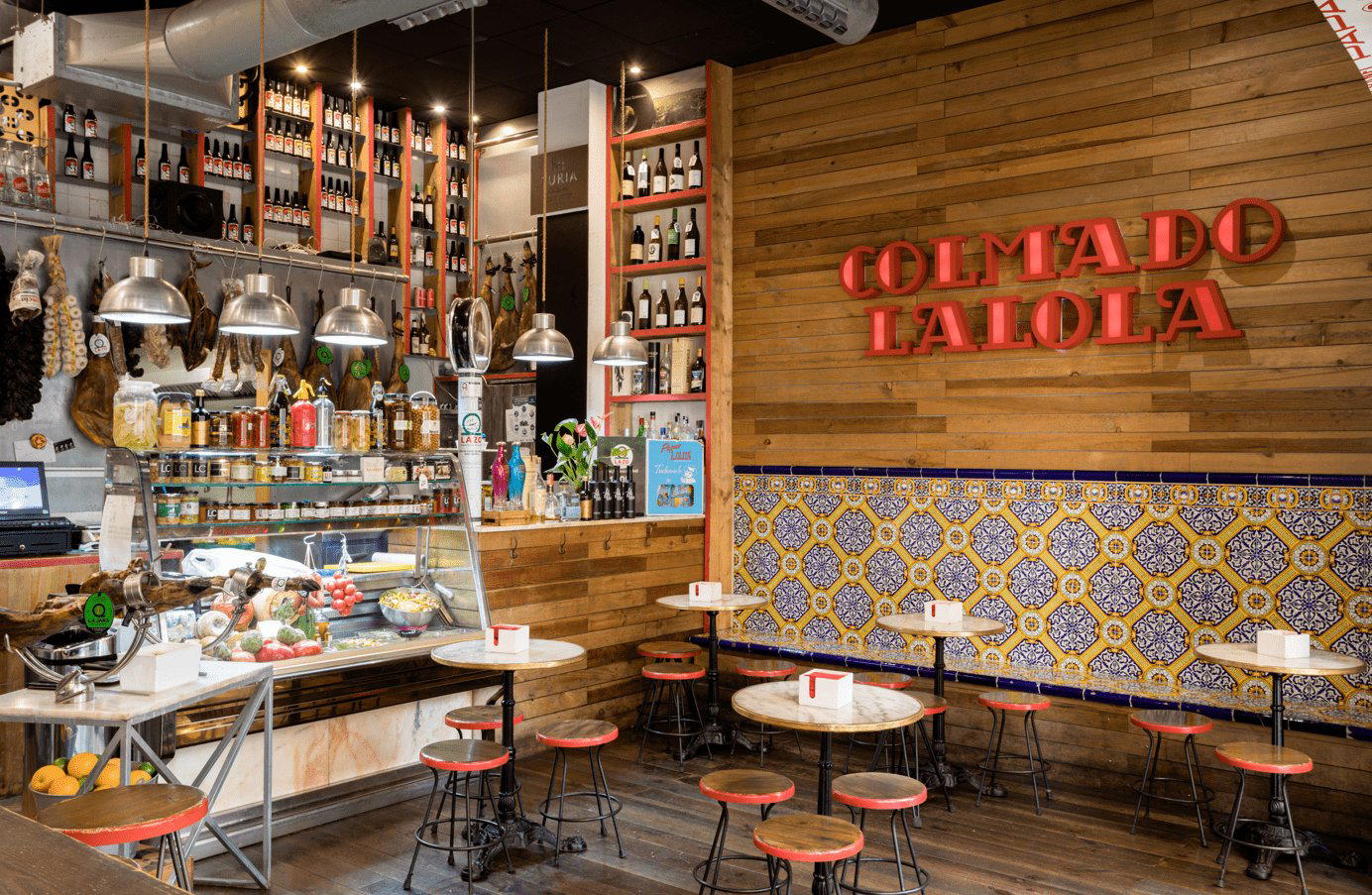
A colmado by format and a serious food address by ambition, Colmado LaLola sits in Carrer dels Brodadors at the heart of Valencia's Ciutat Vella. The shop-meets-bar model is a familiar Valencian conceit, but the execution here is rooted in provenance: sourced product, honest preparation, and a room that smells of cured meat and aged cheese before you've crossed the threshold.

Pearl is the En Primeur Club membership app, where members save venues, book tables and use the concierge.
The menu
What to order
- Valencian oysters
- Sea urchins
- Stuffed squid
- Grilled octopus
Brodadors, Mid-Morning: What a Colmado Smells Like
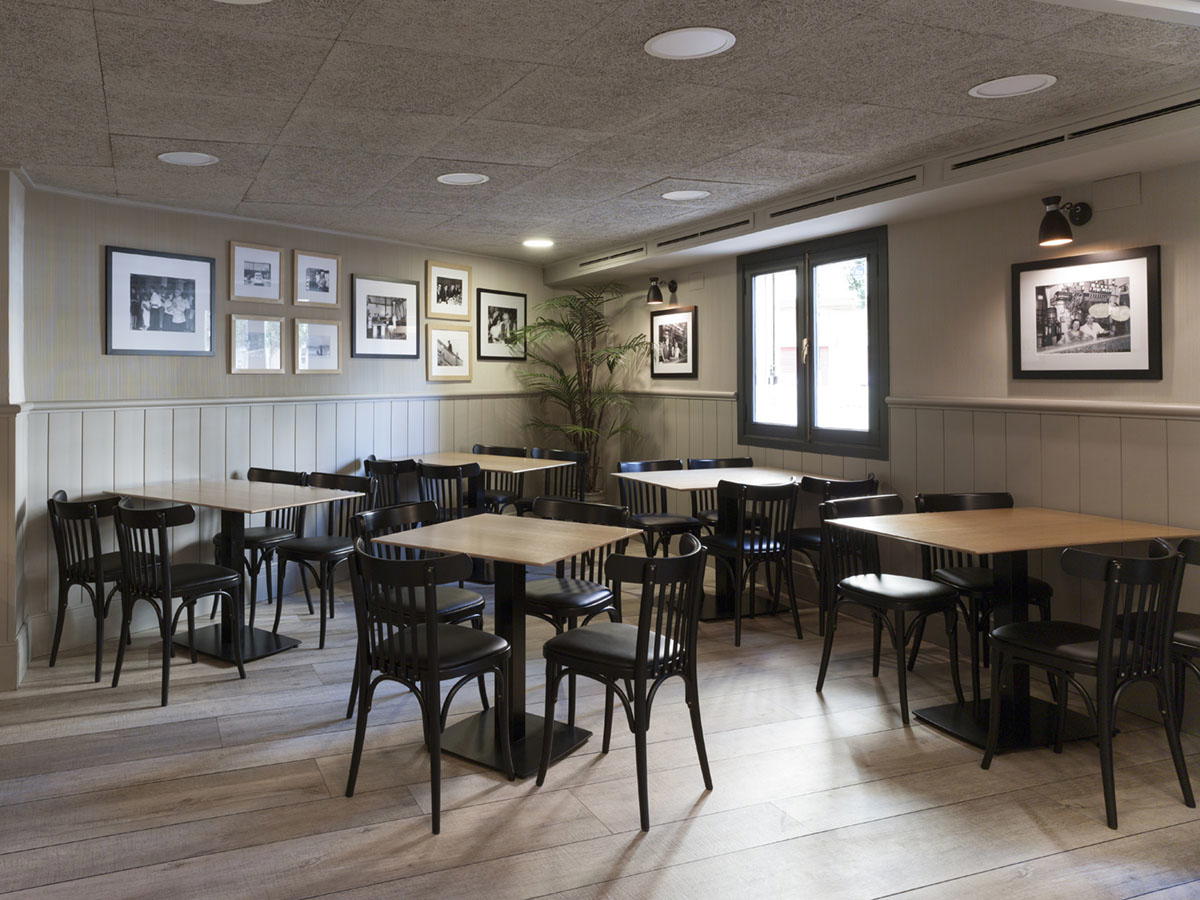
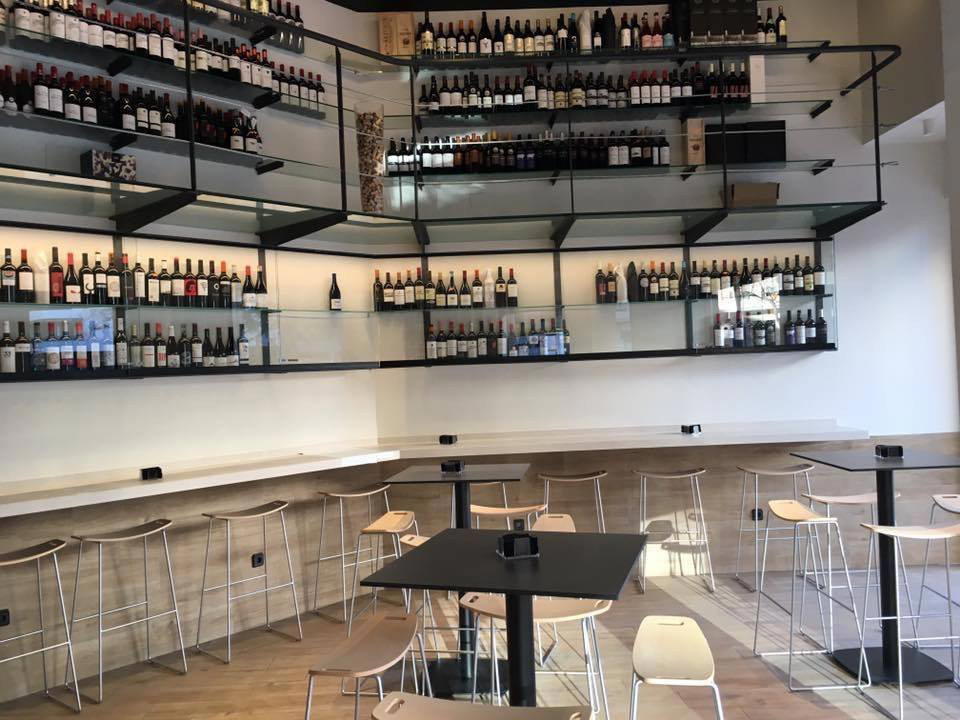
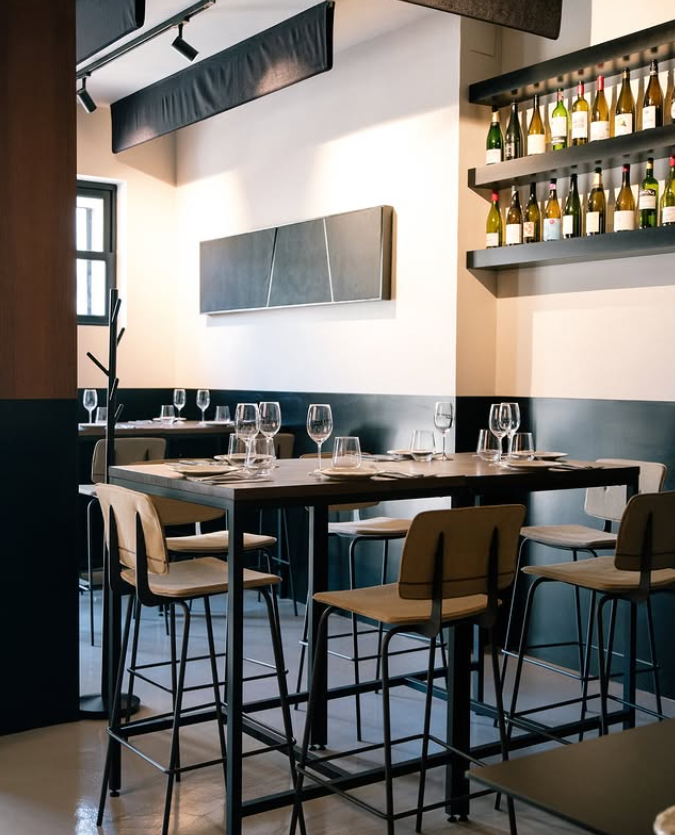
There is a particular sensory logic to a well-run colmado that no amount of interior design can fake. The smell arrives first: brine, aged pork fat, something faintly vinegary from an open barrel. On Carrer dels Brodadors, a narrow pedestrian street threading through Valencia's Ciutat Vella, Colmado LaLola operates in this register. The room does not perform rusticity, it simply stocks and serves, in the manner that Valencian colmados have for generations, with the product doing the persuasion. You are in a food shop that happens to have somewhere to sit, which is exactly the right way to arrive at this kind of place.
The colmado format is worth understanding before you arrive, because it changes how you eat. Unlike a restaurant with a set menu or a bar running through a cocktail list, a colmado is organised around the storeroom. What is open, what came in recently, what is at the right point of cure or age, these are the variables that shape the experience. It is a format that rewards ingredient literacy in both the kitchen and the customer, and it places sourcing at the centre of the proposition rather than as a footnote on a menu.
What the Colmado Format Means in Valencia
Valencia's food culture is frequently reduced to paella and horchata in the tourist press, but the city's actual eating habits are considerably more layered. The mercado tradition, centred on the Mercat Central a few streets away, created a city of ingredient shoppers rather than restaurant dependants. The colmado sits inside that tradition: a place to buy, to taste, and increasingly to eat on the spot. In recent years, several Valencia addresses have formalised this into a genuine dining format, blurring the line between deli counter and restaurant seat.
Colmado LaLola is positioned within this shift. The Ciutat Vella address places it in the older, denser part of the city, where the streets are too narrow for large-format restaurants and where the neighbourhood has historically supported smaller, product-led operations. Compared to the more polished tasting-menu addresses further afield, Ricard Camarena in València operates at a fundamentally different register, as does Anyora, a colmado like LaLola is making a different argument: that the product itself, correctly sourced and minimally altered, is the point.
That argument is well-established elsewhere in Spain. The finest ham bars in Extremadura and Salamanca have long operated on the same logic. In the Basque Country, pintxos culture treats sourced product as a creative medium. Valencia's version is its own thing, shaped by the province's agricultural output, citrus, rice, vegetables from the huerta, seafood from the Albufera and the Mediterranean coast, rather than by the charcuterie traditions of the interior.
Sourcing as the Menu
In a colmado, the supplier relationships are the kitchen brigade. The quality of what appears on the counter depends entirely on who is selling it and what decisions were made before the doors opened. This means that a serious colmado is, in practice, a serious buying operation: producers chosen carefully, product rotated rather than held past its prime, and a counter that changes with availability rather than committing to a static list.
Spain's food supply chain supports this format well. The country has among the most geographically diverse agricultural and artisan food production in Europe, from the Ibérico pig farms of Jaén and Salamanca to the salt-cod traditions of the Basque coast, the cheese producers of Castilla-La Mancha, and the saffron and vegetable growers of Valencia's own huerta. A colmado with good connections can assemble a counter that reads as a map of the country. The more locally focused version, huerta vegetables, locally cured meats, Valencian wines, reads as a map of the region.
Either approach places more weight on the sourcing decision than on the cooking technique. It is a fundamentally different hospitality logic from the tasting-menu restaurants that dominate Spain's international reputation, including Quique Dacosta in Dénia, El Celler de Can Roca in Girona, and DiverXO in Madrid. Those addresses transform ingredients through technique. A colmado trusts the ingredient to carry the conversation.
Where LaLola Sits in the Valencia Eating Picture
Valencia's restaurant spectrum is wider than most visitors expect. At the technical end, Ricard Camarena represents the city's engagement with contemporary Spanish fine dining. Seafood-focused operations like Barraca Toni Montoliu anchor the traditional end of the coastal eating tradition. Mid-market spots such as Bouet, Ca' Pepico, and Eladio fill the space between. Colmado LaLola does not sit cleanly in any of these categories, which is part of the point.
The colmado format occupies a particular niche in the Spanish food ecosystem: informal enough for a midday stop, serious enough to function as a destination for product-focused eaters. It is not competing with the Michelin tier, the same way that a bottle shop is not competing with a wine-pairing tasting menu, but it is making a claim about quality that is no less serious for being expressed through a glass of vermouth and a plate of properly cured ham rather than through a six-course progression.
For visitors building an itinerary around Valencia's eating culture, this distinction matters. A single city visit that includes only tasting-menu restaurants or only traditional paella houses misses the granular, product-centred layer of eating that the colmado format represents. It is the same principle that makes a stop at the Mercat Central worthwhile even for visitors who have no intention of cooking: the market exists to show you what the region produces at its finest, and so does a colmado.
Planning Your Visit
Colmado LaLola is at Carrer dels Brodadors, 10, in the Ciutat Vella, Valencia's historic centre. The street is easily reachable on foot from the Mercat Central or the cathedral quarter, and the neighbourhood is dense enough that combining this stop with other Ciutat Vella addresses makes logistical sense. The colmado format typically suits a mid-morning or early-afternoon visit, when product is fresh and the pace is unhurried. For context on the wider Valencia eating picture, the EP Club Valencia restaurants guide covers the full range of formats and price points across the city.
Frequently asked questions
What's the address for Colmado LaLola?
Colmado LaLola is located at Carrer dels Brodadors, 10, Ciutat Vella, 46001 València, Valencia, Spain, Valencia.
Is Colmado LaLola a good stop near Valencia's Mercado Central?
Carrer dels Brodadors, 10 sits within walking distance of the Mercado Central in Valencia's Ciutat Vella, making LaLola a logical extension of any market visit. The colmado format complements the market rather than duplicating it: where the market trades in raw produce, a colmado specialises in preserved, aged, and cured goods. For anyone building a picture of how Valencia actually eats, the two together tell a more complete story.
What's the signature dish at Colmado LaLola?
Colmado LaLola operates as a colmado rather than a restaurant with a fixed menu, so the counter changes according to what suppliers deliver. In this format, the cured meats, conservas, and seasonal provisions on display at any given time are the offering. Carrer dels Brodadors is in Valencia's Ciutat Vella, close to the Mercado Central, which shapes the sourcing rhythm of shops in the area.
Can I walk in to Colmado LaLola?
Colmados in Valencia typically operate on a drop-in basis rather than a reservations model, and LaLola on Carrer dels Brodadors, 10 follows that format. Arriving mid-morning, when counters are freshly stocked, gives you the widest selection. Confirming current hours directly before visiting is advisable, as opening times are not published centrally.
What's the standout thing about Colmado LaLola?
The format itself is the point. In a city where the food conversation defaults to paella and horchata, LaLola anchors itself in the older, quieter tradition of the neighbourhood provisions shop: sourcing well, displaying honestly, and letting the quality of the product do the work. Its address in Ciutat Vella places it within one of Valencia's most historically dense eating districts.
Comparable Venues
Comparable venues nearby, for context on price, style, and recognition.
| Venue | Cuisine | Price | Awards | Notes |
|---|---|---|---|---|
| Colmado LaLolaThis venue (the venue you are viewing) | Traditional Valencian Tapas | $20–30 | Macarfi 6.9 Food Rating | Not listed |
| Barraca Toni Montoliu | Traditional Valencian Paella | $30–50 | Macarfi 7 Food Rating · We're Smart World 3 Radishes | Meliana |
| Flama | Spanish Grill | $50–100 | Guía Repsol 1 Sol | Eixample |
| Central Bar by Ricard Camerena | Modern Spanish Tapas | $20–30 | Macarfi 7 Food Rating | El Mercat |
| Eladio | Traditional Galician Seafood | $50–100 | Not listed | Nou Moles |
| Ma Khin Café | Asian Fusion with Burmese Influences | $30–50 | Macarfi 7.4 Food Rating · We're Smart World 2 Radishes | El Pla Del Remei |
Recognition history
Dated appearances from independent guides and award organizations, with the underlying list record or original source where available.
Macarfi 6.9 Food Rating
Macarfi
Continue exploring
More in València
Restaurants in València
All restaurants in València →
Bars in València
All bars in València →
Hotels in València
All hotels in València →
Wineries in València
All wineries in València →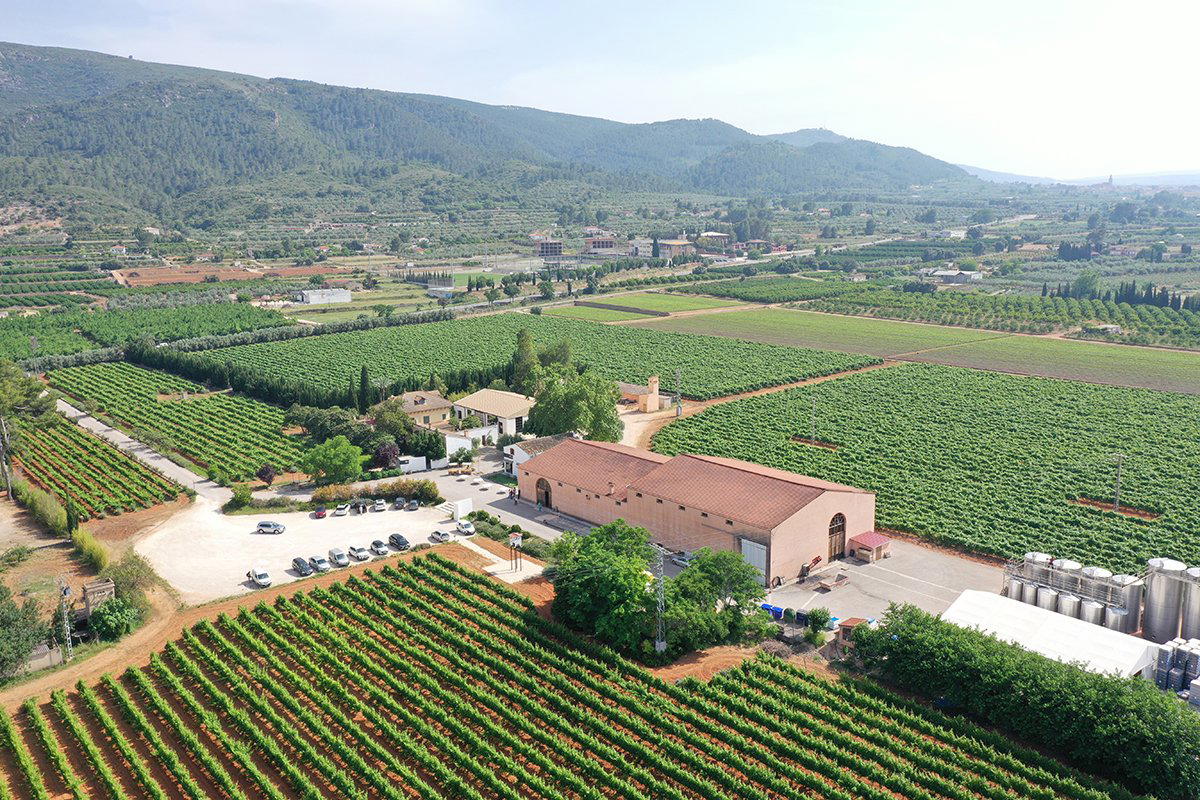
Details
- Rustic
- Cozy
- Trendy
- Casual Hangout
- Date Night
- Terrace
- Extensive Wine List
- Local Sourcing
- Street Scene
- Small Plates
- Wine
- Vermut Rojo
- Vegetarian Friendly
Current opening hours
- Monday
- 11 AM–11 PM
- Tuesday
- 11 AM–11 PM
- Wednesday
- 11 AM–11 PM
- Thursday
- 11 AM–11 PM
- Friday
- 11 AM–11:30 PM
- Saturday
- 11 AM–11:30 PM
- Sunday
- 11 AM–11 PM
Hours can change for holidays and private events. Hours as of .
Welcoming wine bar atmosphere with traditional Valencian botiga spirit, ideal for relaxed tapas and vermut by the historic El Micalet tower.