Clos des Cimes
Clos des Cimes sits in the alpine village of Haute-Nendaz, where the sourcing traditions of the Swiss Valais region shape what reaches the table. Within a local dining scene that ranges from classic raclette houses to international resort fare, it occupies a quieter, more considered register. For visitors already exploring the area's restaurants, it represents a logical stop alongside the valley's more established addresses.
Pearl is the En Primeur Club membership app — saves, bookings, and concierge access live there. Same editors, same standards.
- Address
- Chemin des Cibles 17, 1997 Haute-Nendaz, Switzerland
- Phone
- +41276111111
- Website
- hotelnendaz4vallees.ch
- Directions
- Get directions
 Saves & bookings on Pearl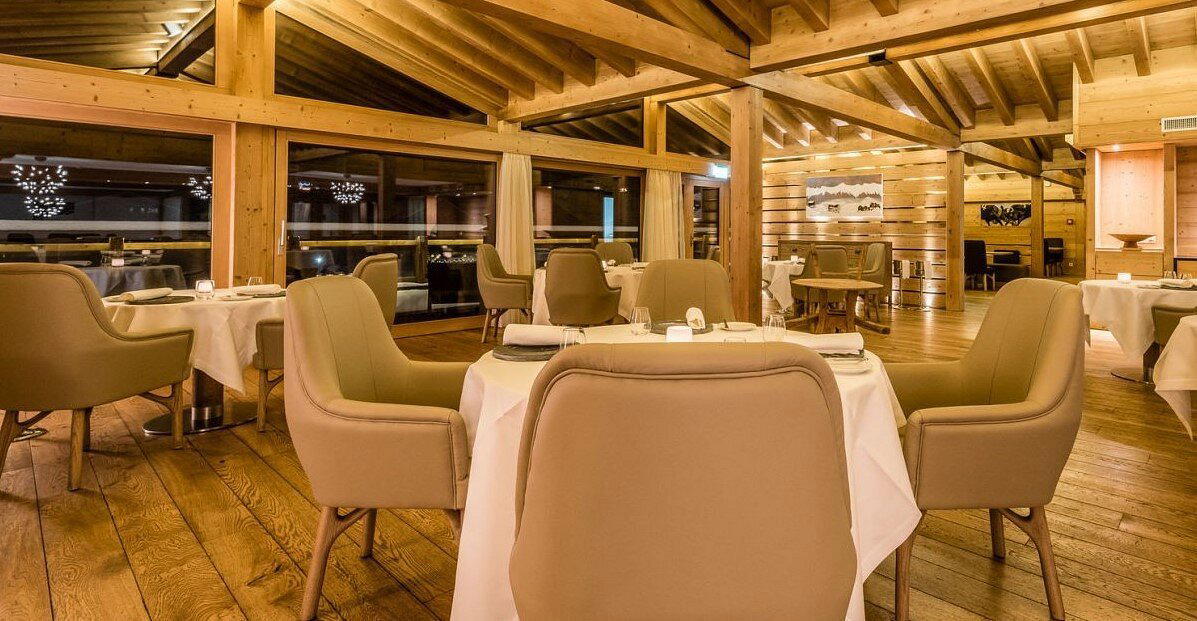
Where the Alps Shape What You Eat
Haute-Nendaz sits at roughly 1,400 metres in the Swiss canton of Valais, a region whose food culture has always been driven by altitude logistics as much as culinary tradition. What grows here, what can be stored through winter, and what comes down from higher pastures in summer has historically defined local cooking far more than any chef's preference. That context matters when assessing a restaurant like Clos des Cimes, whose address on Chemin des Cibles places it squarely in this mountain village where the surrounding terrain is not backdrop but supply chain.
The Valais is one of Switzerland's most agriculturally distinctive cantons. Its south-facing valley slopes produce apricots, rye, and some of the country's most characterful wines, while the higher ground above Nendaz supports summer cattle movements that feed directly into local dairy and meat traditions. In alpine dining at this altitude, the sourcing story is often more instructive than the menu description. A raclette made with Raclette du Valais AOP carries a regulatory geography that most imported alternatives cannot replicate; a braised local breed carries seasonal specificity that frozen supply chains erase. Clos des Cimes sits within that sourcing geography whether or not it leans explicitly into it.
The Local Scene and Where This Fits
Haute-Nendaz's dining options span a predictable alpine range: chalet-style restaurants built around fondue and raclette, resort-oriented dining with broader international menus, and a smaller number of more focused addresses. Au Vieux Nendaz represents the village's traditional register, while Le Carnotzet L'Aigle and Le Vieux Chalet occupy similar chalet-format territory. At the other end of the spectrum, Mont-Rouge operates at the €€€ price point with a wider international reach.
Within this local set, Clos des Cimes occupies a position that is neither especially rustic nor especially formally ambitious. That middle register in Swiss alpine resort towns has historically been difficult to sustain: visitors either want the full regional experience, fondue, local wine, a fire, or they want the polished tasting menu format they could find in Geneva or Zurich. The restaurants that work in this band tend to do so by committing clearly to one axis, whether that is ingredient provenance, a specific cuisine, or a consistent format that generates return visits from seasonal regulars.
Swiss Fine Dining: A National Reference Point
Switzerland's serious restaurant tier is anchored by a handful of addresses that operate well outside the alpine resort context. Hotel de Ville Crissier in Crissier holds the highest recognition in the country, while Schloss Schauenstein in Fürstenau has built its reputation on hyper-local Graubünden sourcing over more than a decade. Memories in Bad Ragaz and Cheval Blanc by Peter Knogl in Basel represent the urban pole of Swiss fine dining, where competition is drawn from a European reference set rather than a regional one.
Further afield, Maison Wenger in Le Noirmont offers an interesting comparison for the restaurant: a regionally rooted restaurant operating in a smaller Swiss town, where the sourcing geography of the Jura defines what reaches the table. Einstein Gourmet in Sankt Gallen similarly demonstrates how Switzerland's mid-sized cities have developed their own confident dining registers, distinct from the resort circuit. For alpine resort fine dining specifically, Da Vittorio in St. Moritz sets a high-profile international benchmark, while La Table du Valrose in Rougemont offers a closer regional comparison in terms of scale and village context.
Other Swiss addresses worth noting for contrast: Mammertsberg in Freidorf has built its reputation around farm-to-table discipline in an unlikely rural setting, and focus ATELIER in Vitznau sits at the ambitious end of lakeside resort dining. Both demonstrate how Swiss restaurants outside the major cities have increasingly built identity through sourcing specificity rather than classical technique alone. For international reference points in ingredient-led cooking, Le Bernardin in New York City and the community-format approach at Lazy Bear in San Francisco represent different expressions of sourcing-first philosophy at a global level. Closer to Haute-Nendaz's alpine register, The Japanese Restaurant in Andermatt illustrates the growing presence of international cuisine formats inside Swiss mountain resort contexts.
Valais Ingredients and Why Provenance Matters Here
The Valais is the largest Swiss wine-producing canton by volume, and its winemaking history is embedded in the same mountainside farming culture that produces the region's food. Chasselas, Petite Arvine, and the rare Cornalin grape variety grow in terraced vineyards that few other wine regions can replicate at this altitude. When a restaurant in Haute-Nendaz pours Valais wine, it is drawing on a geographically protected production system with a specific seasonal calendar, not simply making a local-preference choice.
On the food side, the Valais designation carries weight for several products. Raclette du Valais AOP and Viande séchée du Valais IGP are especially internationally recognised, but the broader dairy and cured meat traditions of the region provide a sourcing palette that serious alpine restaurants can build around with genuine specificity. The seasonality of high-altitude grazing means that the cheese and meat profile shifts noticeably between winter ski season and the summer months, when alpage production is at its peak. Visitors arriving in January and those arriving in July are, in a meaningful sense, eating from different supply chains.
Comparable Venues
Comparable venues nearby, for context on price, style, and recognition.
| Venue | Cuisine | Price | Awards | Notes |
|---|---|---|---|---|
| Clos des CimesThis venue — the venue you are viewing | Refined Swiss Cuisine | $$$$ | Not listed | Not listed |
| Le Vieux Chalet | Modern French Fine Dining | $$$ | Not listed | Tsamandon |
| Le Carnotzet L'Aigle | Traditional Swiss Valais | $$$ | Not listed | Haute-Nendaz |
| Mont-Rouge | Refined French-Swiss Fine Dining | $$$$ | Bib Gourmand | Haute-Nendaz |
| Au Vieux Nendaz | Swiss Regional Bistro | $$ | Bib Gourmand | Planchouet |
| Wild Cabin | Swiss Brasserie with Sharing Plates | $$$$ | Not listed | Crans-Montana |
Continue exploring
More in Haute-Nendaz
Restaurants in Haute-Nendaz
Browse all →
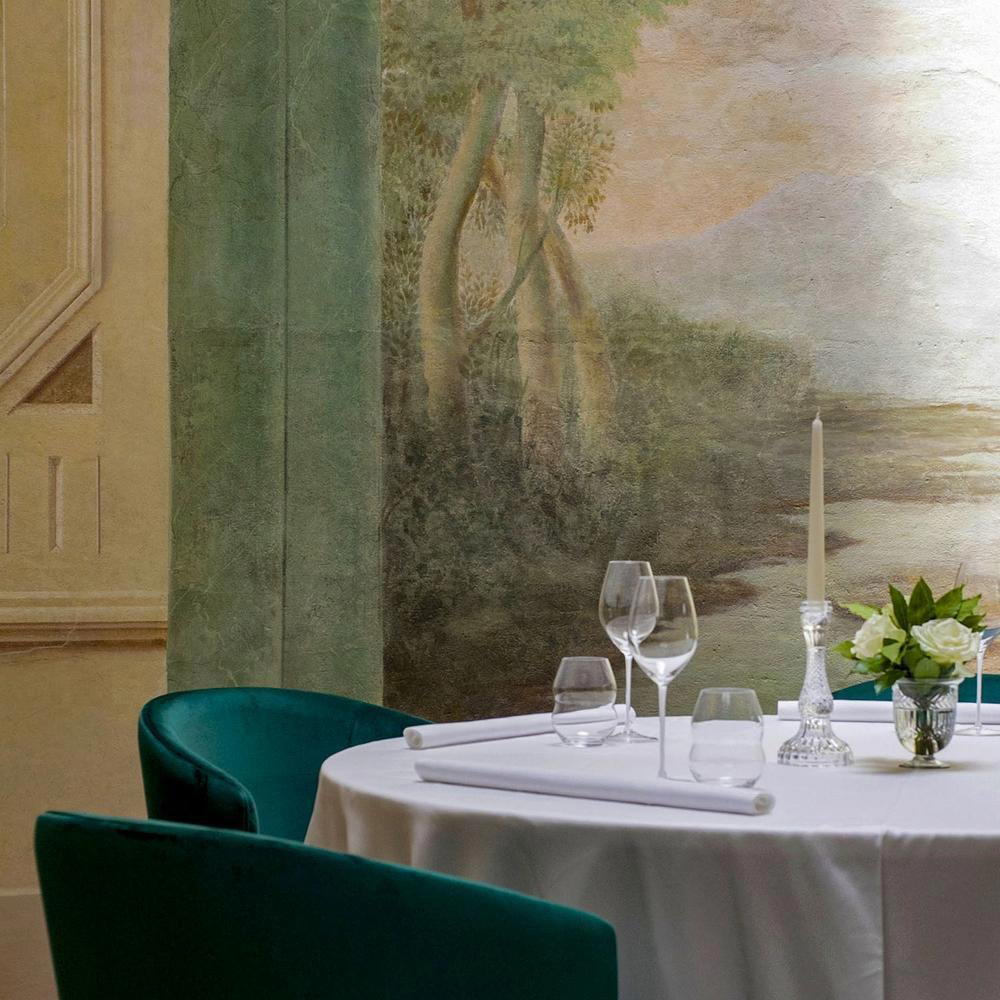
Bars in Haute-Nendaz
Browse all →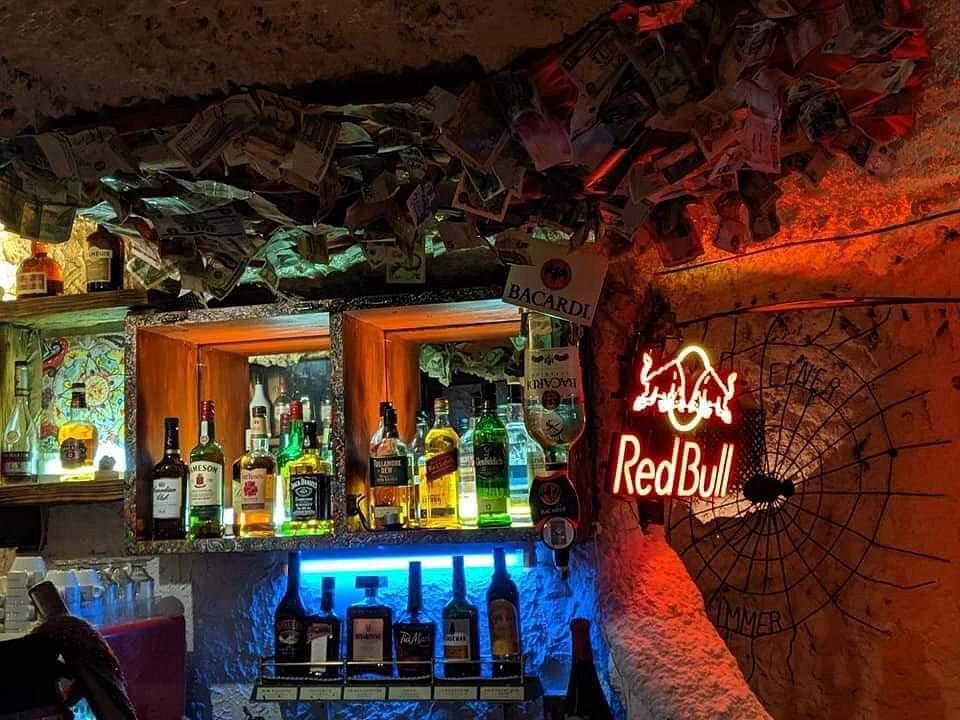
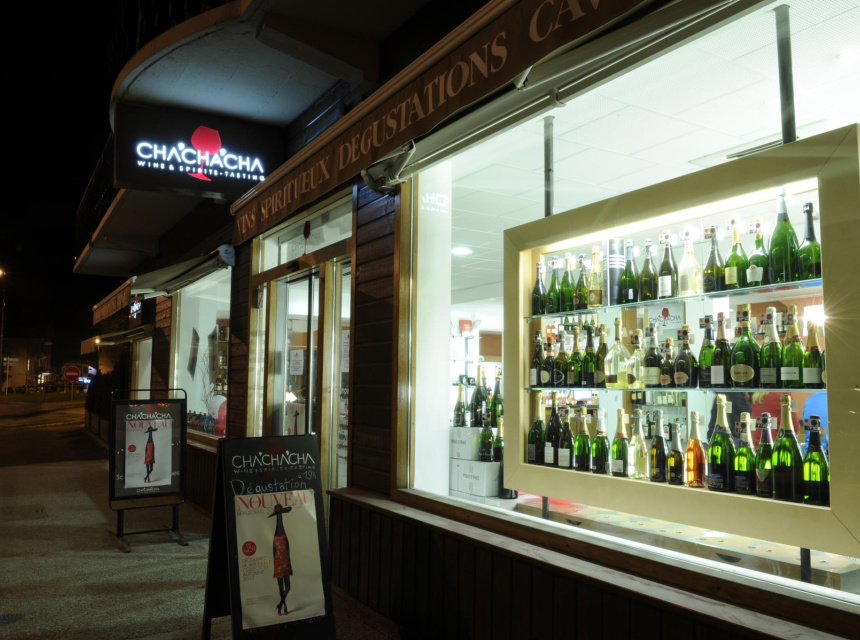
At a Glance
- Elegant
- Cozy
- Scenic
- Sophisticated
- Special Occasion
- Date Night
- Family
- Hotel Restaurant
- Terrace
- Panoramic View
- Local Sourcing
- Mountain
Current opening hours
- Monday
- 12–2 PM, 6:30–9:30 PM
- Tuesday
- 12–2 PM, 6:30–9:30 PM
- Wednesday
- 12–2 PM, 6:30–9:30 PM
- Thursday
- 12–2 PM, 6:30–9:30 PM
- Friday
- 12–2 PM, 6:30–9:30 PM
- Saturday
- 12–2 PM, 6:30–9:30 PM
- Sunday
- 12–2 PM, 6:30–9:30 PM
Hours can change for holidays and private events. Last verified .
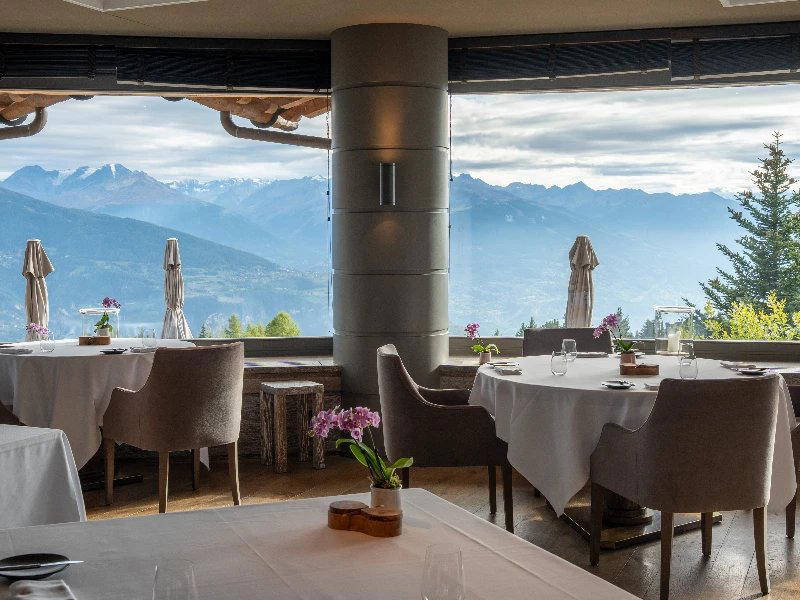
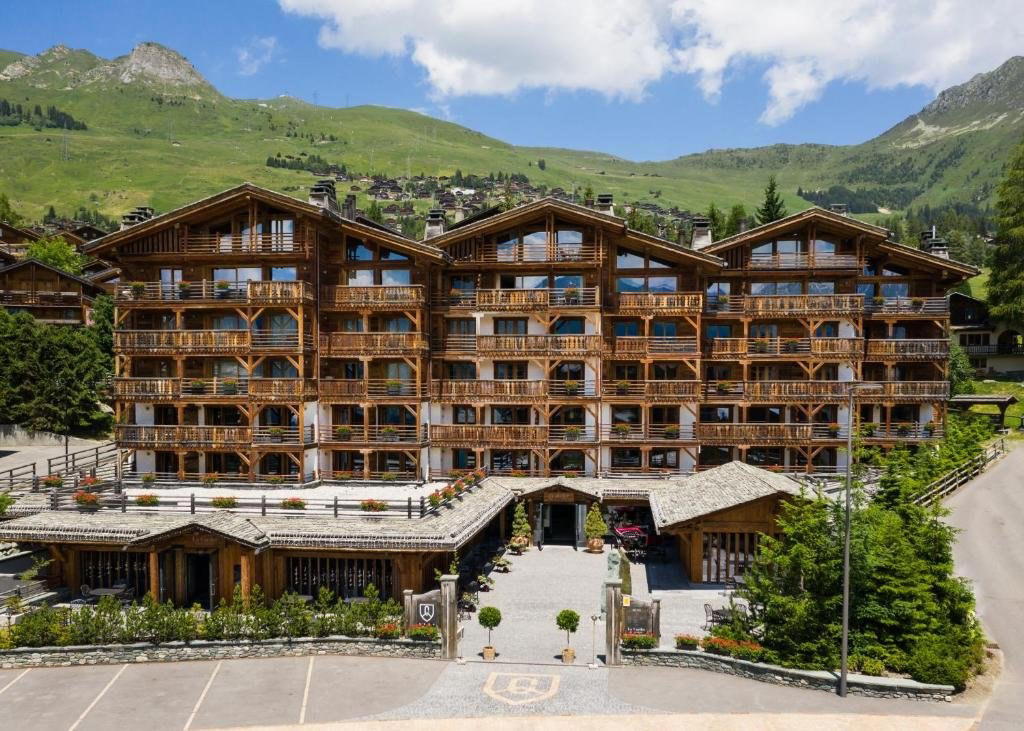
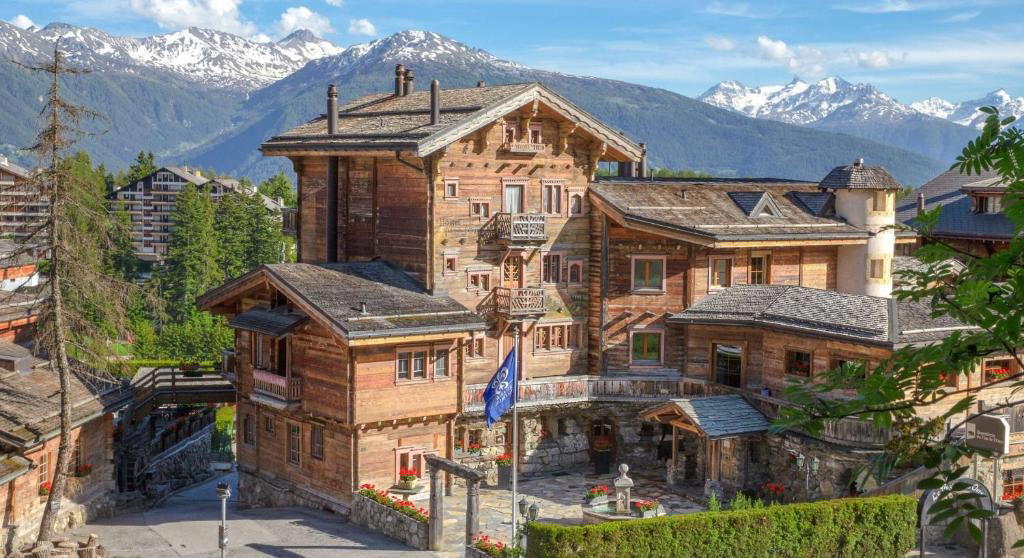
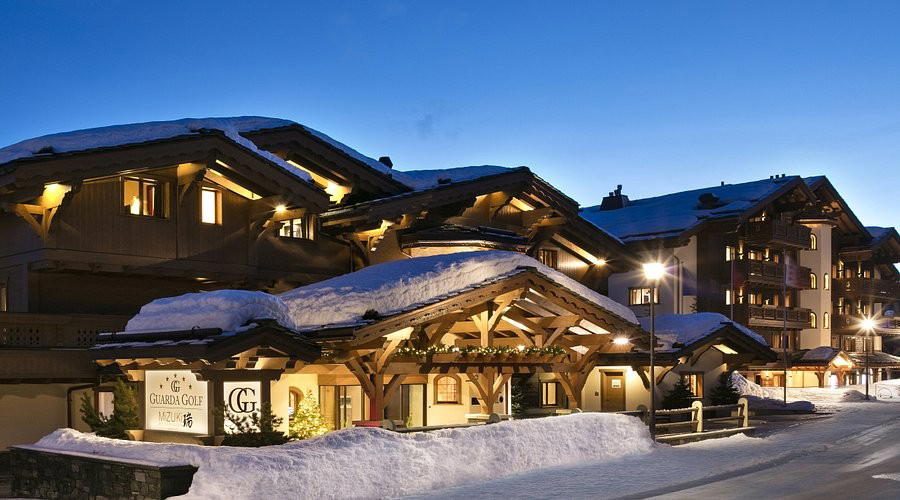
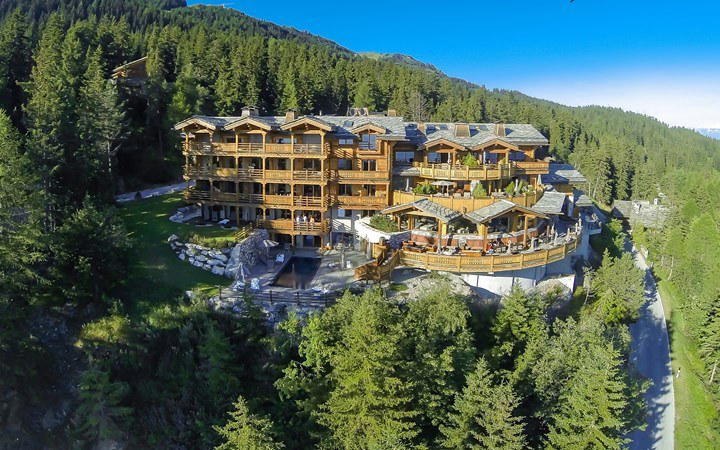
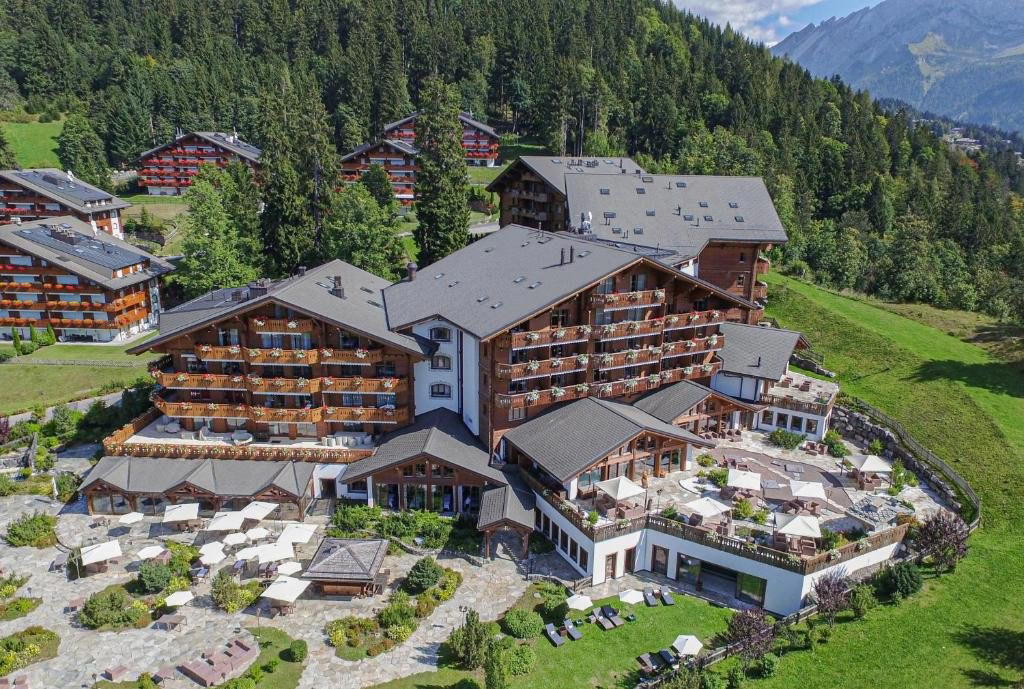
Warm, authentic, and distinctive atmosphere in a chic Valaisan style with far-reaching mountain vistas.