Cleo
Positioned on Ocean Drive at 350, Cleo occupies one of Miami Beach's most architecturally charged addresses, where the Art Deco streetscape sets the terms before you reach the door. The restaurant operates within a dining corridor that draws from the neighbourhood's coastal energy and design heritage. For context on the broader Miami Beach scene, see our full restaurant coverage.
- Address
- 350 Ocean Dr, Miami Beach, FL 33139
- Phone
- +13059136552
- Website
- opentable.com
- Directions
- Get directions
Ocean Drive's Architectural Charge
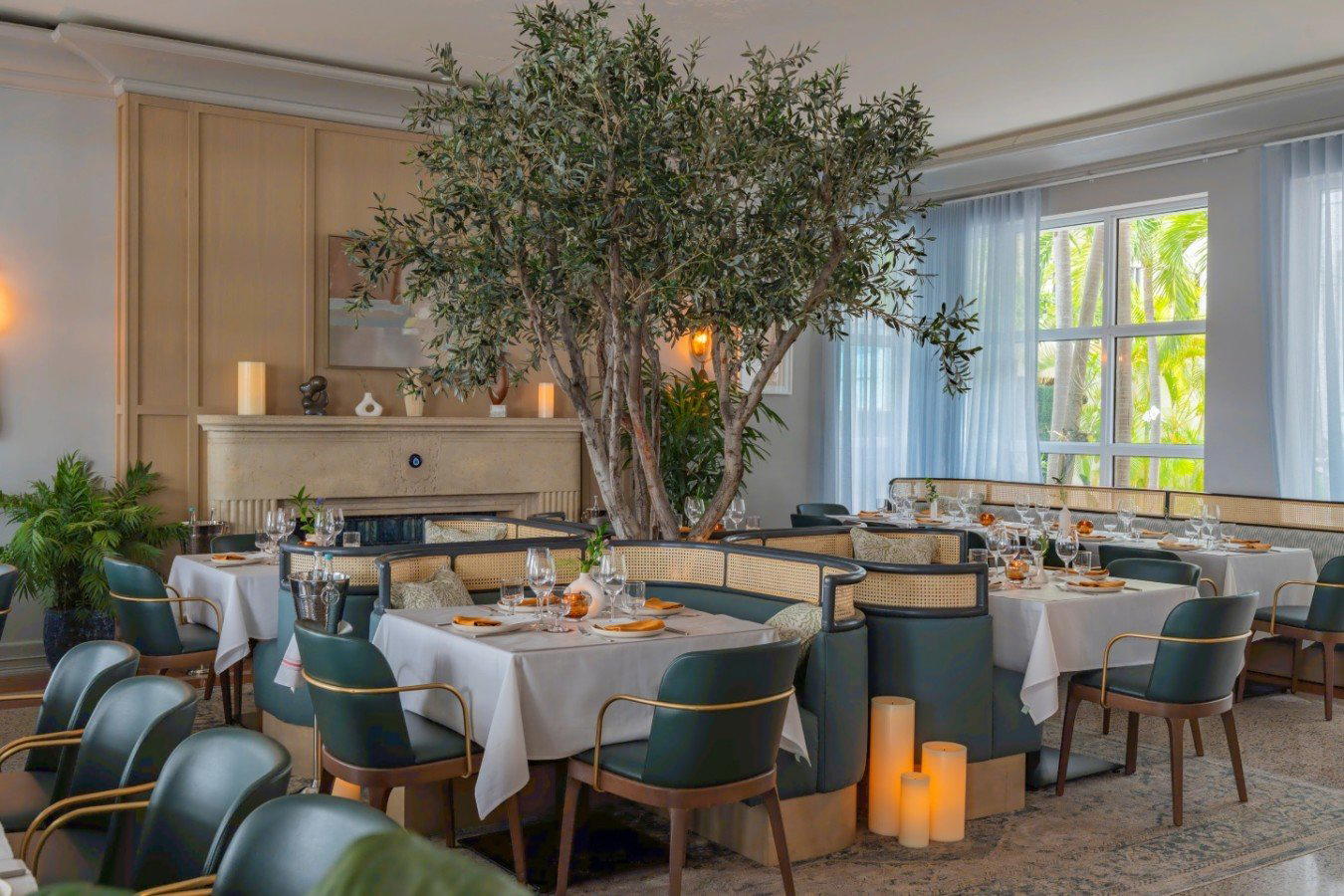
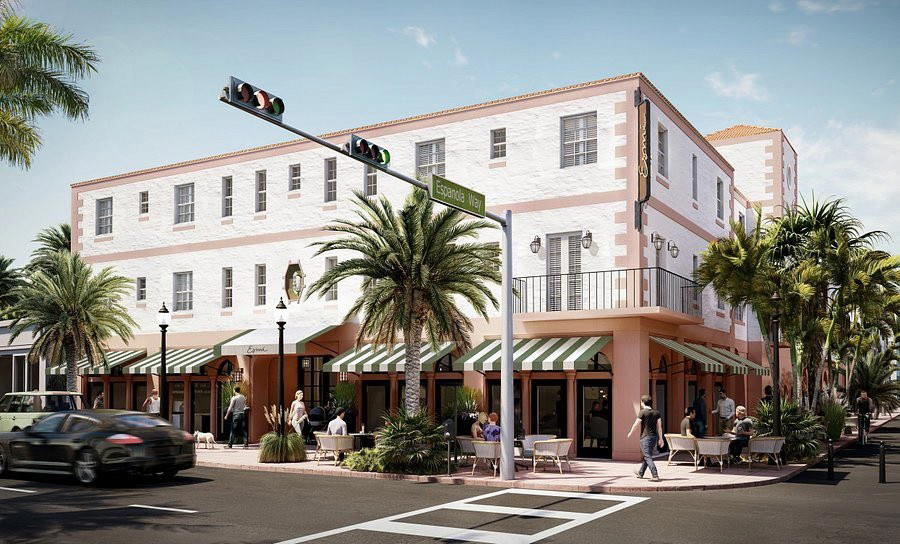
Cleo is an Eastern Mediterranean Mezze restaurant at 350 Ocean Drive in Miami Beach. The street was laid out in the 1930s as a showcase of Streamline Moderne and Art Deco civic ambition, and the buildings along it have retained enough of that original geometry to make arriving at any address here feel like a deliberate act of placement. Cleo sits within that corridor, where the interplay of horizontal banding, porthole windows, and pastel facades shapes the setting before the interior even registers. That physical inheritance shapes what diners bring through the door: a heightened sense of occasion rooted not in tablecloths and formality, but in the visual density of among the more photographed streetscapes in American urban design.
Ocean Drive's design heritage has made it a contested space for restaurateurs. Properties here carry significant rental premiums tied to visibility and foot traffic, which has historically pushed the dining offer toward volume-driven, tourist-facing formats. The more interesting question, then, is what a restaurant does with the architectural container it inherits. Does the interior extend the Deco language inward, or does it push against it? Does the seating plan treat the street-facing position as theatre or as distraction? These decisions define the experience as much as the menu, and they are decisions that every serious Ocean Drive operator has to make deliberately.
The Design Logic of a Deco Container
Miami Beach's Art Deco Historic District, listed on the National Register of Historic Places, covers roughly one square mile and contains the largest concentration of Art Deco architecture in the world. That density creates a specific set of spatial conditions for the restaurants operating within it. Ceiling heights, window proportions, floor-plan shapes, and exterior setbacks are all partially governed by preservation standards, which means that interior designers working in this district are always negotiating with a fixed architectural vocabulary. The tension between that constraint and contemporary hospitality expectations is one of the defining creative problems of Miami Beach dining.
Across the district, operators have resolved that tension in different ways. Some lean fully into the period aesthetic, with terrazzo floors, neon signage, and banquette curves that quote the original Deco idiom. Others treat the historic shell as a neutral container and install a contemporary interior that reads as a deliberate counterpoint. Particularly considered approaches tend to find a middle register: acknowledging the building's geometry without recreating a period room, and letting the street-level facade do enough heritage work that the interior can focus on the present moment of dining. Cleo's address at 350 Ocean Drive places it in this creative conversation, on one of the street's most visually loaded blocks.
For a different register of Miami Beach dining, the 11th Street Diner operates from a relocated 1948 Kullman dining car a few blocks north, an entirely different form of architectural inheritance. A Fish Called Avalon and A La Folie occupy their own distinct positions within the district's design spectrum, while a'Riva and Alma Cubana each bring different culinary registers to the neighbourhood's spatial conversation.
Where Cleo Sits in the Ocean Drive Context
Ocean Drive's restaurant tier has long been stratified in ways that are not immediately obvious from the street. The visual uniformity of the Deco facades masks significant variation in kitchen ambition, sourcing practices, and price positioning. At the lower end, the strip runs on volume: two-for-one happy hours, laminated menus, and a revenue model built on tourist turnover. The upper tier operates on different terms, treating the address as a draw but the kitchen as the actual product. The distance between these two modes can be measured in ingredient sourcing, in the ratio of kitchen staff to covers, and in whether the restaurant's menu changes with any seasonal logic.
Understanding where any Ocean Drive restaurant sits within that stratification requires looking past the facade. Address alone says little about what's being cooked or how. The relevant signals are the menu's construction, the wine program's depth, and whether the space has been designed to slow diners down or to move them through efficiently. A restaurant that has made considered choices about its interior design, seating rhythm, and spatial pacing is signalling something about the kind of experience it is trying to produce, and that signal tends to correlate with kitchen seriousness.
For comparison with the national range of fine dining ambition, consider what operators like Le Bernardin in New York City, The French Laundry in Napa, and Providence in Los Angeles have built within their own architectural contexts. Each of those addresses has shaped the dining experience through spatial decisions as much as through the plate. Further afield, Smyth in Chicago, Lazy Bear in San Francisco, Atomix in New York City, and Blue Hill at Stone Barns in Tarrytown all demonstrate that the physical environment of a restaurant is as much a curatorial choice as the menu itself. Addison in San Diego, Single Thread Farm in Healdsburg, Emeril's in New Orleans, The Inn at Little Washington, and Atelier Moessmer Norbert Niederkofler in Brunico extend that argument across different geographies, each making the case that spatial design is inseparable from culinary intent.
Planning Your Visit
Budget Reality Check
Comparable venues nearby, for context on price, style, and recognition.
| Venue | Cuisine | Price | Notes |
|---|---|---|---|
| CleoThis venue — the venue you are viewing | Not listed | $$$ | Not listed |
| La Côte | Miami Beach, French Mediterranean | $$$ | Not listed |
| Bakalo | Miami Beach, Greek-Turkish Mediterranean | $$$ | Not listed |
| Olé Olé Steakhouse | Not listed | $$$ | City Center, Steakhouse with Brazilian & Spanish Influences |
| Santorini by Georgios | Not listed | $$$ | South of Fifth, Authentic Greek Mediterranean |
| Motek South Beach | Not listed | $$$ | South Beach, Modern Mediterranean Kosher-Style |
Continue exploring
More in Miami Beach
Restaurants in Miami Beach
Browse all →
Bars in Miami Beach
Browse all →
At a Glance
- Lively
- Modern
- Elegant
- Trendy
- Group Dining
- Brunch
- Special Occasion
- Hotel Restaurant
- Terrace
- Courtyard
- Private Dining
- Open Kitchen
- Craft Cocktails
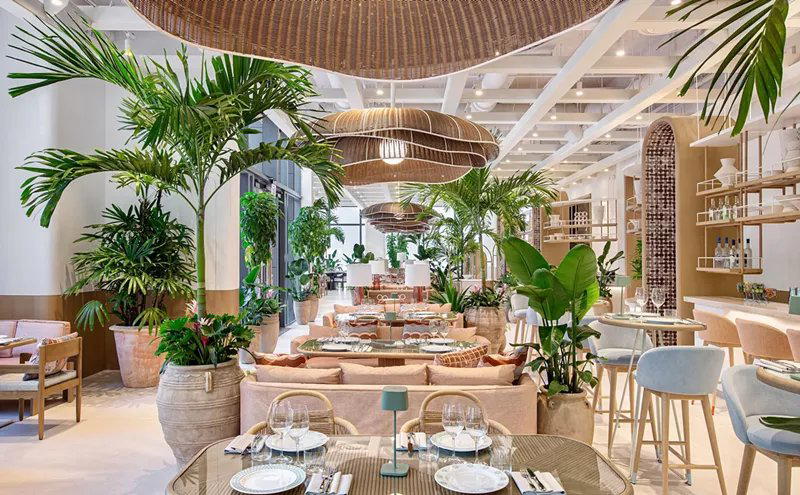
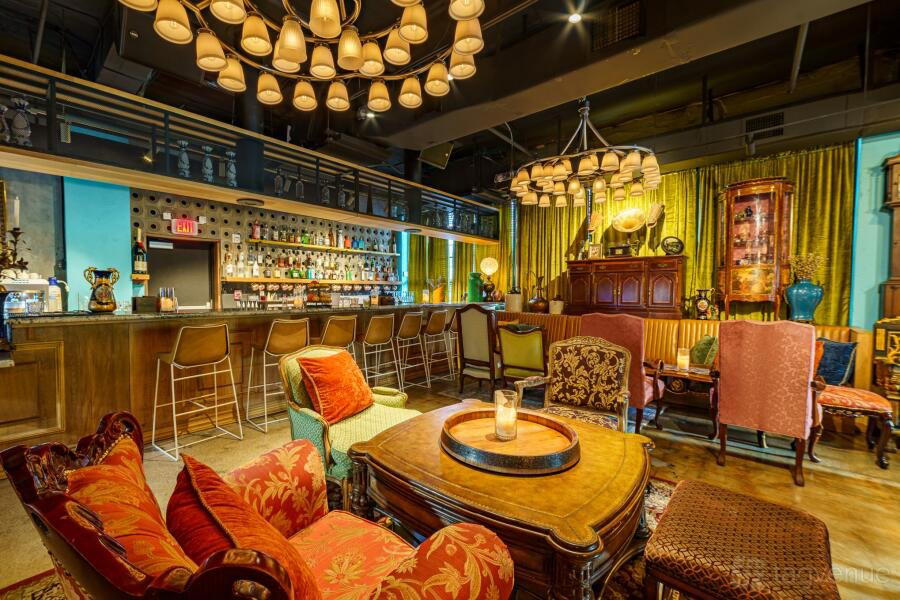
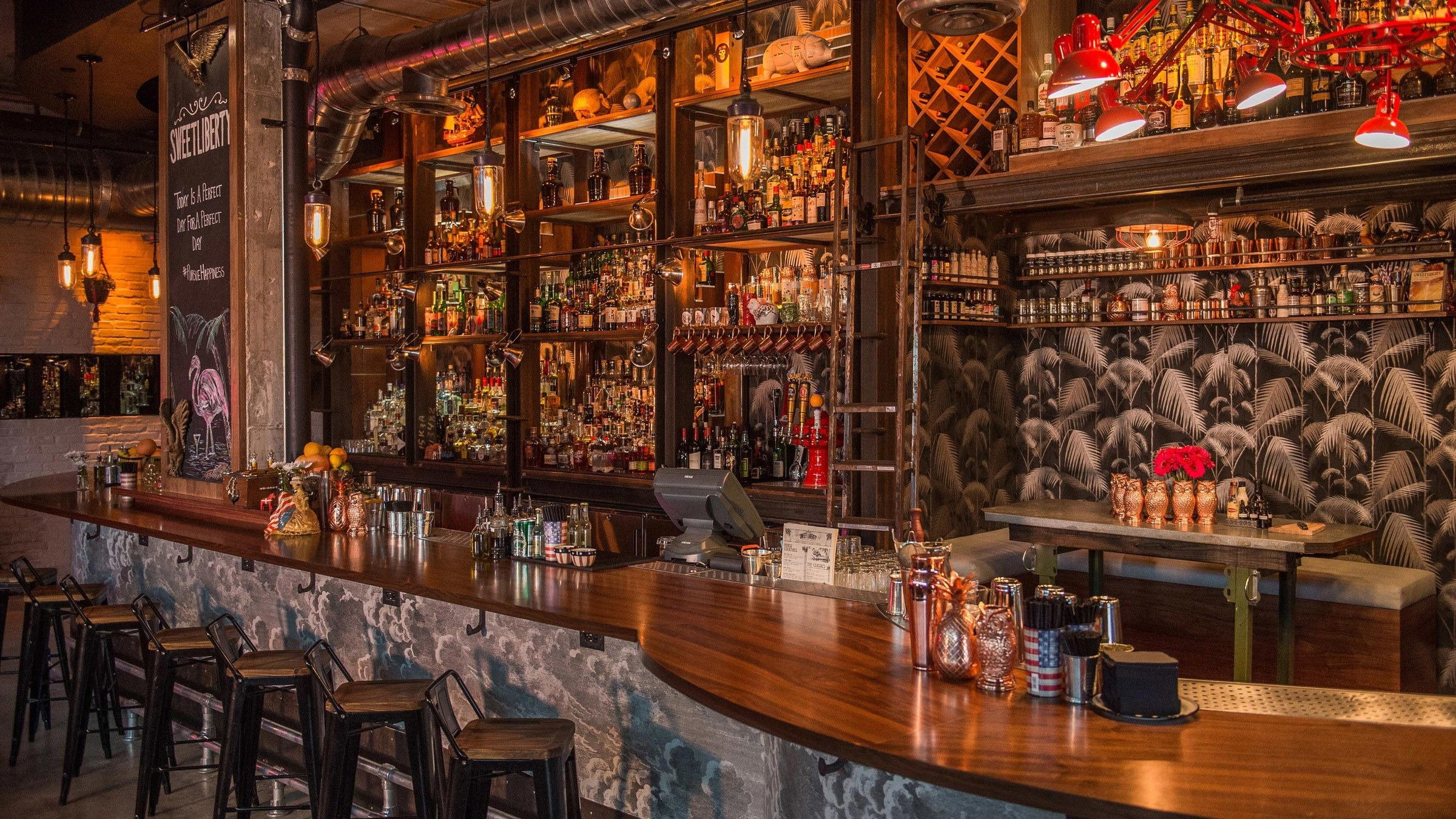
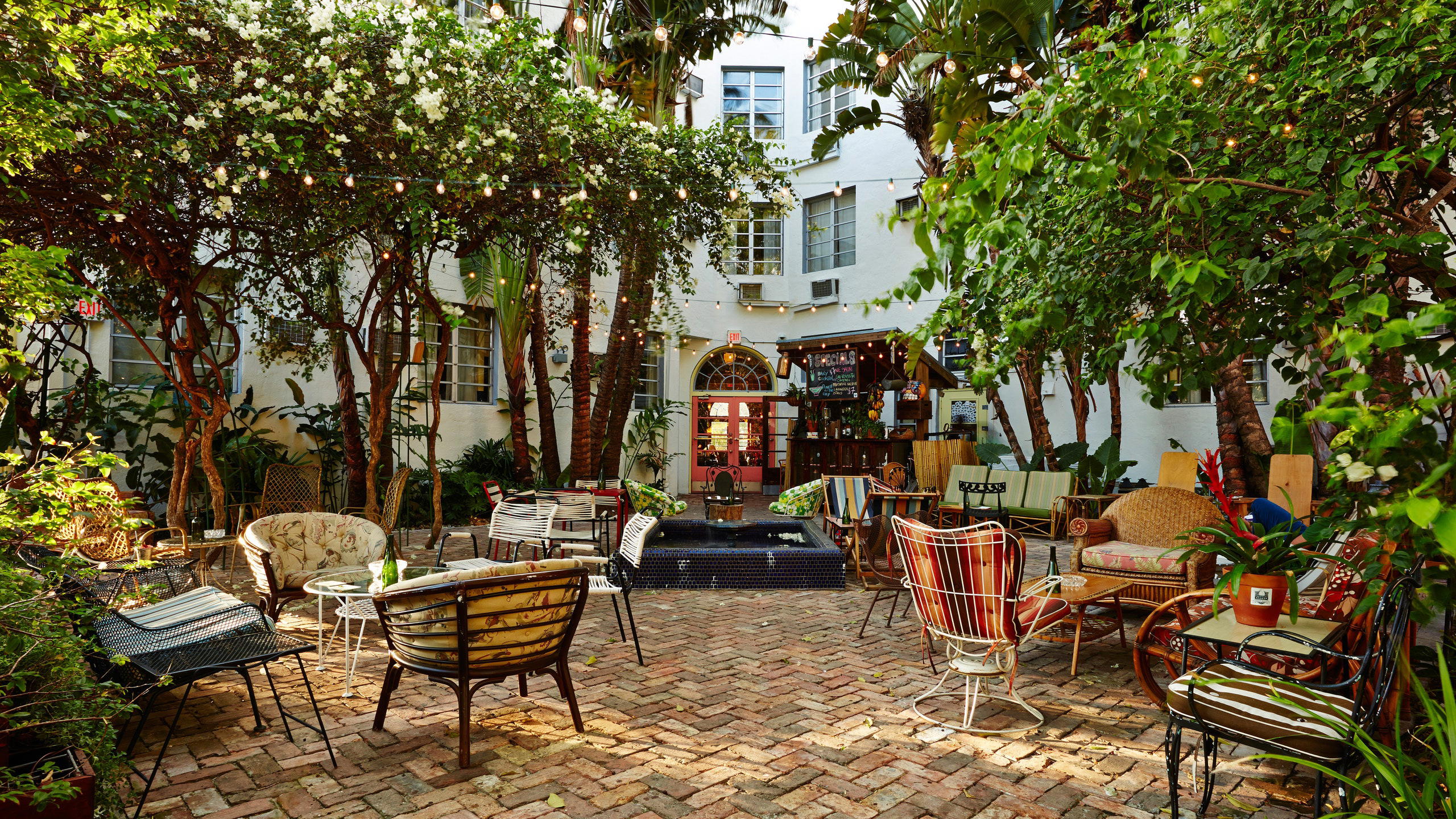
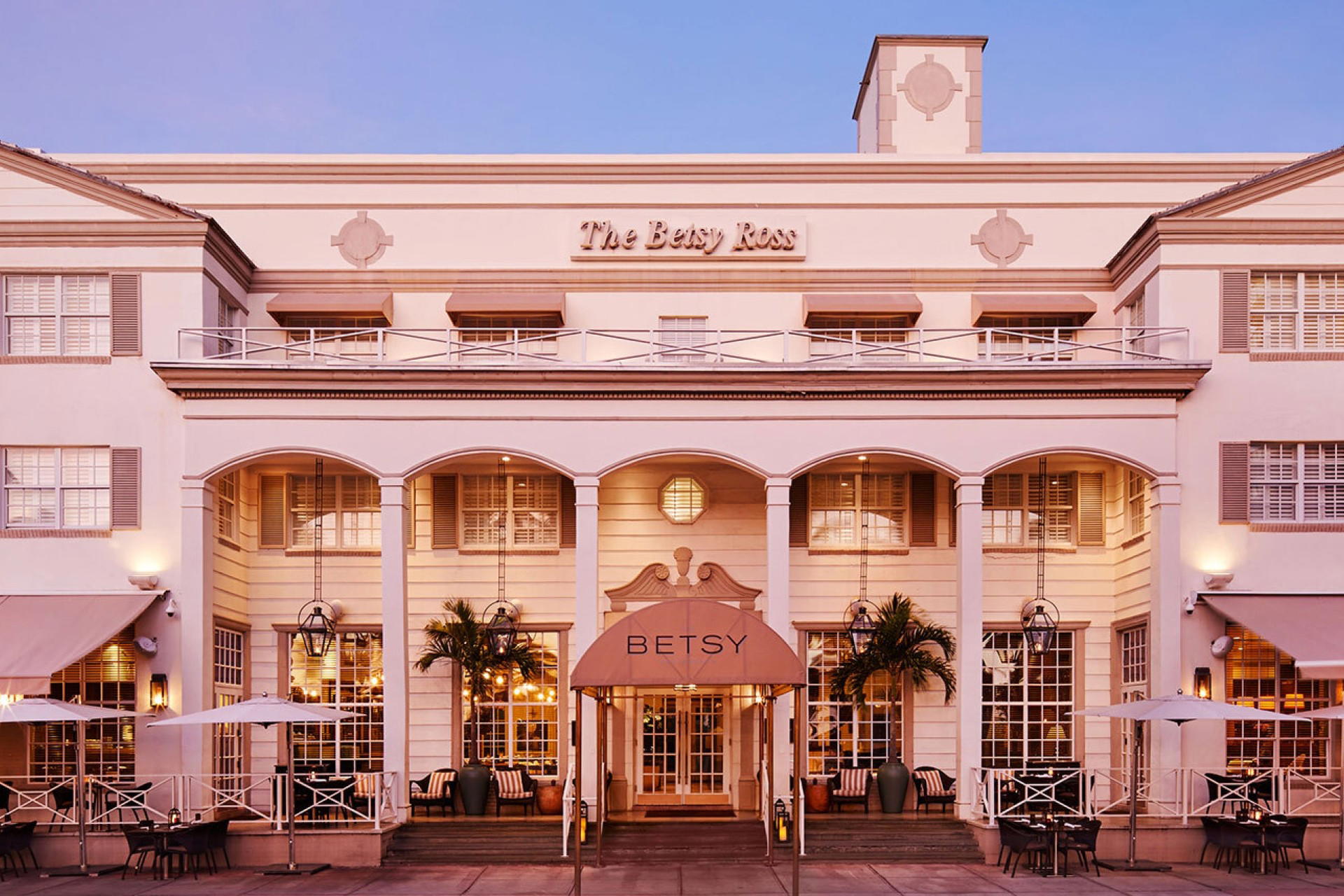
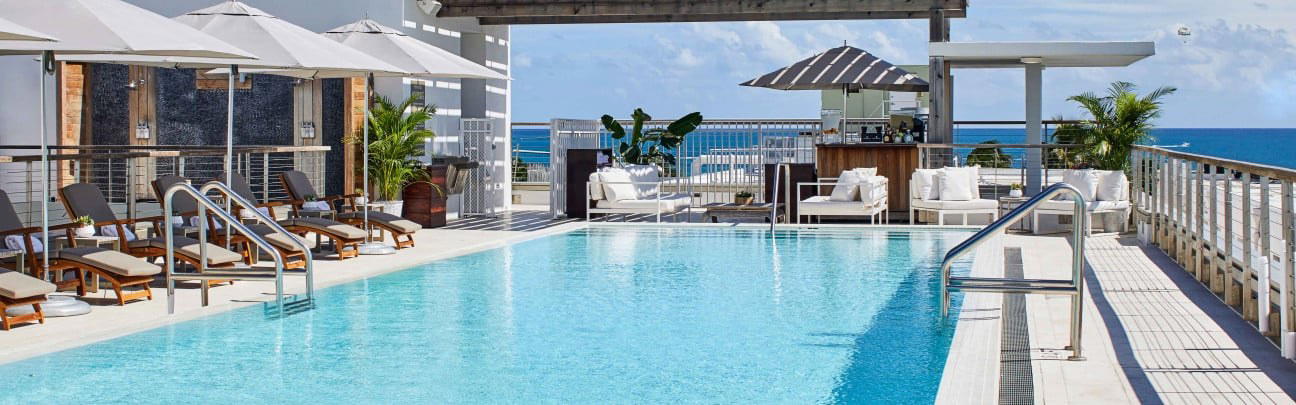
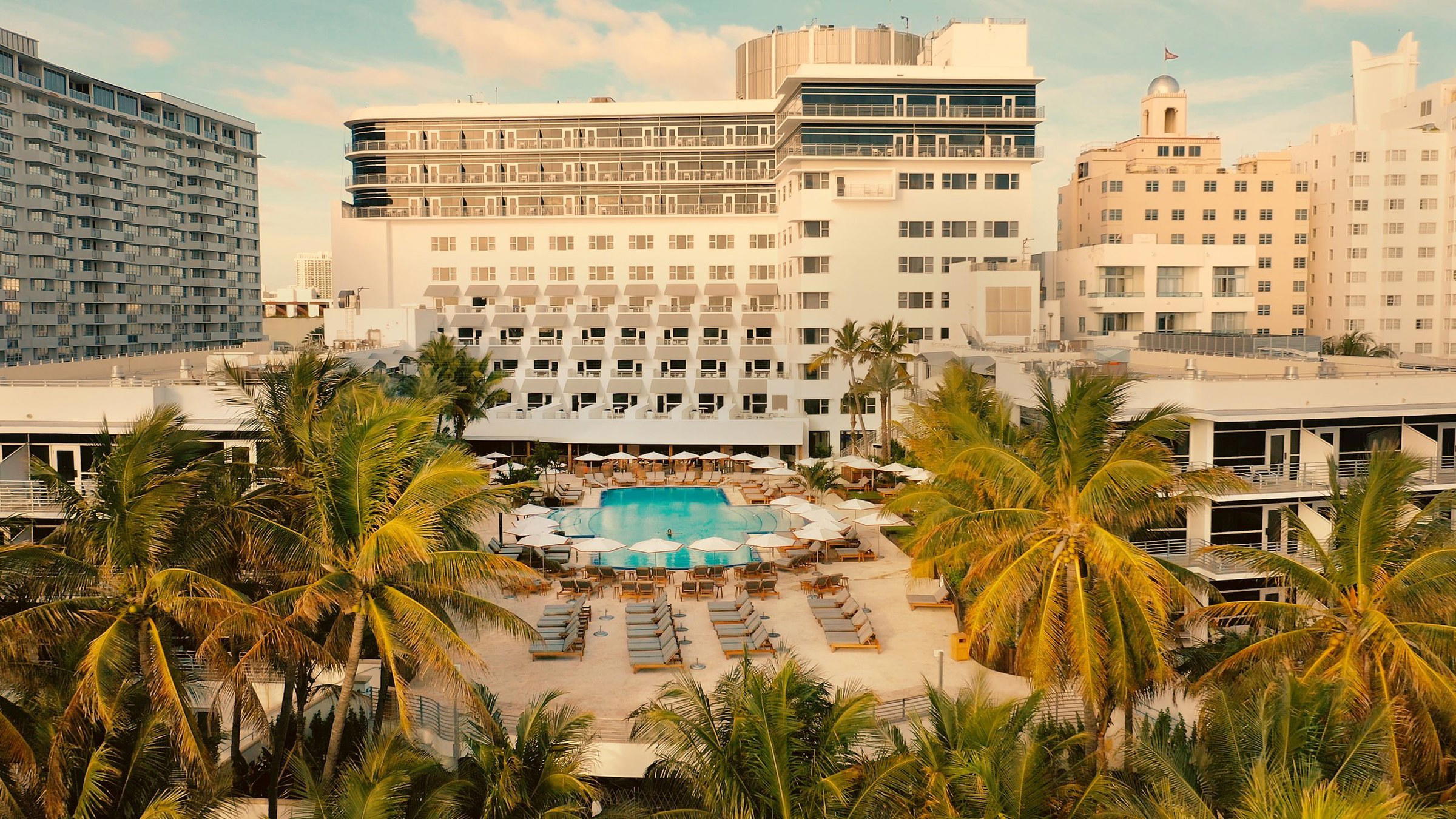
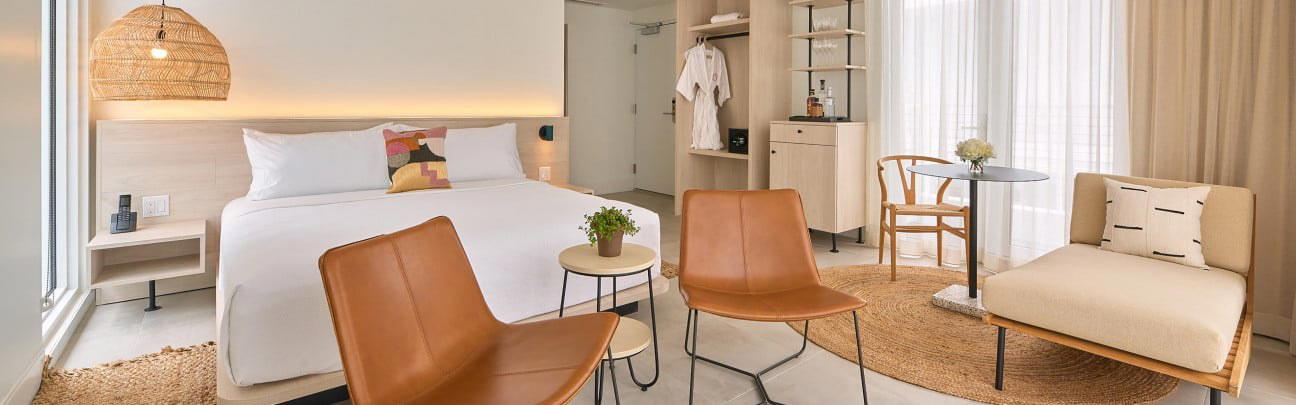
Warm, homey atmosphere with sun-dappled terrace, tropical courtyard, terrazzo tabletops, marble, and linen evoking a never-ending summer.