Clark’s Steakhouse

Clark’s Steakhouse enters Atlanta’s steakhouse conversation through the grammar of the cut: ribeye for fat and char, strip for cleaner beef flavor, filet for tenderness, and larger-format steaks for a table willing to share. With no public awards or chef attribution attached, the editorial read is about category fit rather than personality: a steakhouse lens on a city that treats beef, sides, and service rhythm as part of the occasion.
Pearl is the En Primeur Club membership app — saves, bookings, and concierge access live there. Same editors, same standards.
- Address
- 2827 Peachtree Rd NW Suite 110, Atlanta, GA 30305
- Phone
- (404) 343-1831
- Website
- clarkssteak.com
- Directions
- Get directions
 Saves & bookings on Pearl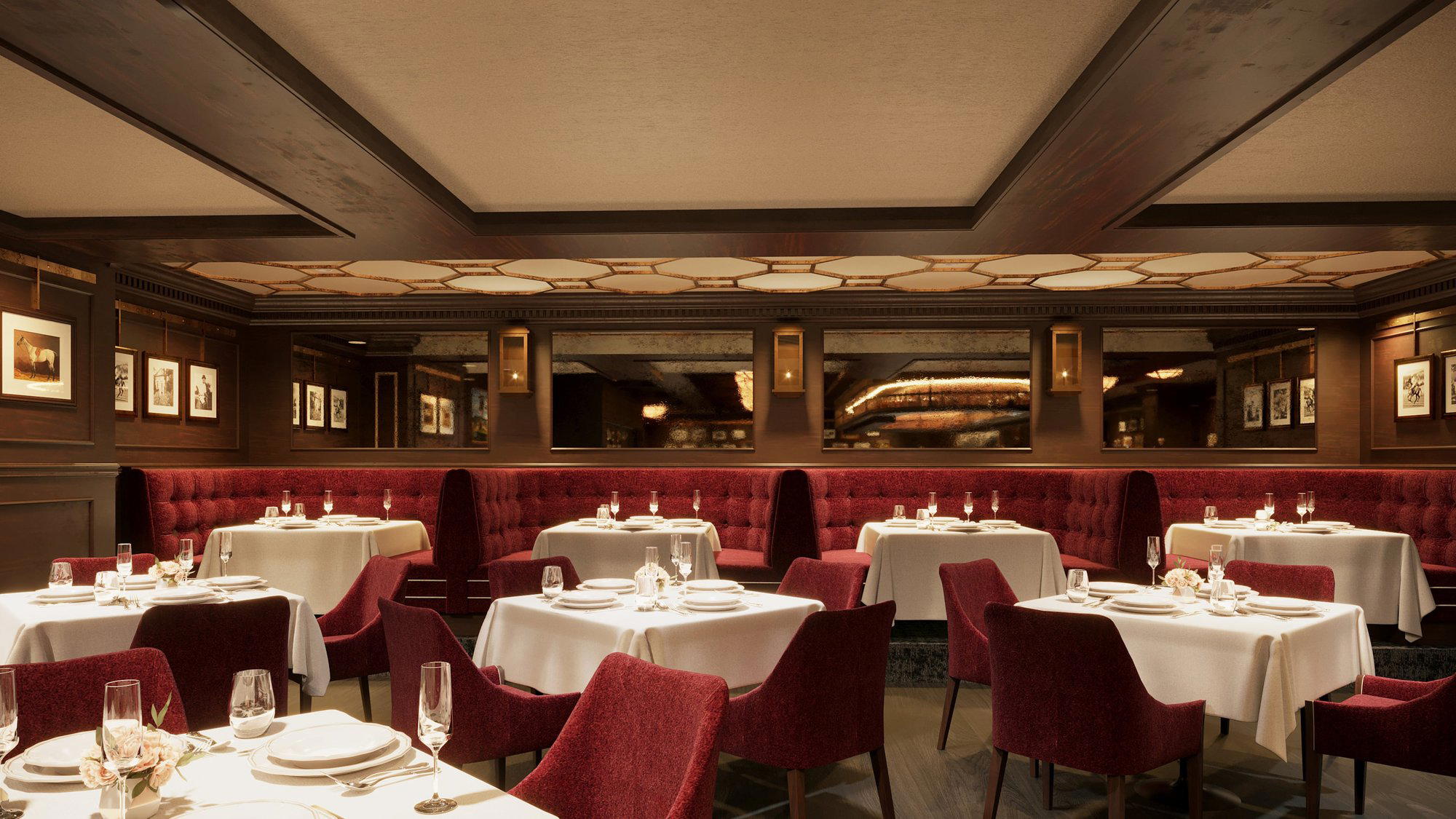
The first signal at a serious steakhouse is not a speech from the kitchen. It is the room’s tempo: the low register of tables settling in, the pause before a server explains cuts, the weight of menus that divide dinner by appetite as much as by price. In Atlanta, where business dinners, family celebrations, and late-evening bar meals often overlap, the steakhouse remains a durable format because it gives the table a clear structure. Beef is the anchor, sides create the conversation, and the wine or cocktail order sets the pace.
Clark’s Steakhouse belongs to that tradition rather than to the chef-driven tasting-menu circuit. The available public profile is concise: Atlanta, steakhouse, from Rich Clark, and noted as an upscale steakhouse blending New York sensibilities with Southern influences. That context shifts the useful question away from hype and toward decision-making. A diner should read it through the steakhouse fundamentals: how the menu treats the main cuts, how the room handles different occasions, and whether the experience feels built for a quick chop-and-glass night or a longer table with shared sides.
The cut is the steakhouse argument
Steakhouse menus are often read too casually. The difference between a ribeye, strip, filet, and tomahawk is not decorative language; it changes the meal. Ribeye carries more intramuscular fat, which usually means a deeper char, a looser texture, and a richer finish. New York strip is the cleaner, firmer choice, less lush than ribeye but more direct in beef flavor. Filet is about tenderness and restraint, better for diners who value texture over fat. A tomahawk, when offered, is less about efficiency than theater and sharing, with bone, size, and table presentation doing part of the work.
That cut-first lens is useful for Clark’s Steakhouse because the venue’s public identity is category-led. With its identity centered on the steakhouse format, the restaurant should be judged against steakhouse mechanics: temperature accuracy, crust, resting, saucing discipline, and the way sides support rather than bury the beef. Atlanta has plenty of restaurants built around personality, fusion, or neighborhood energy; a steakhouse asks for a more classical audit.
The city’s broader dining map helps frame the choice. For readers building an Atlanta itinerary, the wider restaurant context, hotels, bars, wineries, and Our full Atlanta experiences guide place dinner inside the rest of the trip. Atlanta rewards that kind of planning: steakhouse evenings tend to work better when the surrounding night is not overstuffed with competing reservations.
Atlanta steakhouse culture favors occasion, not novelty
The modern American steakhouse has split into two lanes. One chases spectacle: large-format beef, dramatic interiors, and side dishes that compete for attention. The other stays closer to the classic model, where a familiar set of cuts, potatoes, greens, shellfish, and red wine carries the evening. Atlanta’s dining culture has room for both because the city is fluent in occasion dining. Corporate groups, visiting families, sports weekends, and residents marking a private milestone all use the steakhouse as a common language.
Clark’s Steakhouse reads as part of that occasion-led lane. The useful editorial stance is simple: come for a steakhouse meal, not for an assumed tasting-menu format. That means the order matters. Ribeye suits diners who want richness and char. Strip is the safer choice for those who want beef flavor without the same fat load. Filet makes sense when tenderness is the priority. If a large-format cut appears on the menu, it should be ordered only by a table willing to share both the steak and the timing of the meal.
For comparison outside a steakhouse lane, EP Club’s broader restaurant coverage shows how format changes the expectation. Some meals ask diners to think through pairing and sequence; others work from a compact comfort-food format or a different casual rhythm. Regional identity can also drive a meal in ways that are separate from a steakhouse experience. Steakhouse dining is narrower by design. Its discipline comes from repetition, not range.
How to read the room before ordering
A strong steakhouse order usually has restraint. One primary cut, one sauce if the kitchen offers it, two sides for two people, and something green to interrupt the fat is a more coherent meal than a table crowded with every classic. The point is not minimalism; it is pacing. Beef cools, sauces dominate, and heavy sides can flatten the difference between a strip and a ribeye if the order becomes too broad.
At Clark’s Steakhouse, the smartest approach is to let the cut define the meal. Choose ribeye when the table wants richness, strip when balance matters, filet when texture matters, and a larger cut only when the group wants the steak to become the center of the evening. In a city where dinner can easily become a prelude to bars, hotels, sports, or live events, that clarity is useful.
Readers mapping the Atlanta scene can also cross-reference different restaurant formats without treating them as direct peers: other Atlanta dining rooms sit in different parts of the city’s conversation, from polished occasion restaurants to more casual neighborhood spots. For a wider steakhouse lens, the same beef-led format can shift with market, audience, and setting, but Clark’s Steakhouse is best evaluated first as an Atlanta steakhouse on its own terms.
- Meats by Linz prime steaks
- she-crab soup
- grilled branzino
- American red snapper
- Chilean sea bass
- Alaskan king crab
- whole lobster
In Context
Comparable venues nearby, for context on price, style, and recognition.
| Venue | Cuisine | Price | Notes |
|---|---|---|---|
| Clark’s SteakhouseThis venue — the venue you are viewing | Not listed | $$$ | Not listed |
| Catch 12 | Not listed | $$$ | Downtown, Contemporary American Steakhouse & Seafood |
| Tabla - Buckhead | Buckhead, Modern Indian | $$$ | Not listed |
| The Southern Gentleman | Buckhead, Modern Southern Gastropub | $$$ | Not listed |
| BATSI | Not listed | $$$ | Chamblee, Upscale Seafood and Steakhouse with Caribbean Influences |
| The Painted Pin | Buckhead, American Gastropub | $$$ | Not listed |
Recognition history
Dated appearances from independent guides and award organizations, with the underlying list record or original source where available.
Wine Spectator Best of Award of Excellence
Wine Spectator





At a Glance
- Elegant
- Sophisticated
- Romantic
- Modern
- Date Night
- Business Dinner
- Group Dining
- Celebration
- Special Occasion
- After Work
- Standalone
- Wine Cellar
- Private Dining
- Extensive Wine List
- Craft Cocktails
- Local Sourcing
- Sustainable Seafood
Current opening hours
- Monday
- 4–10 PM
- Tuesday
- 11 AM–10 PM
- Wednesday
- 11 AM–10 PM
- Thursday
- 11 AM–10 PM
- Friday
- 11 AM–10:30 PM
- Saturday
- 4–10:30 PM
- Sunday
- 4–9 PM
Hours can change for holidays and private events. Last verified .
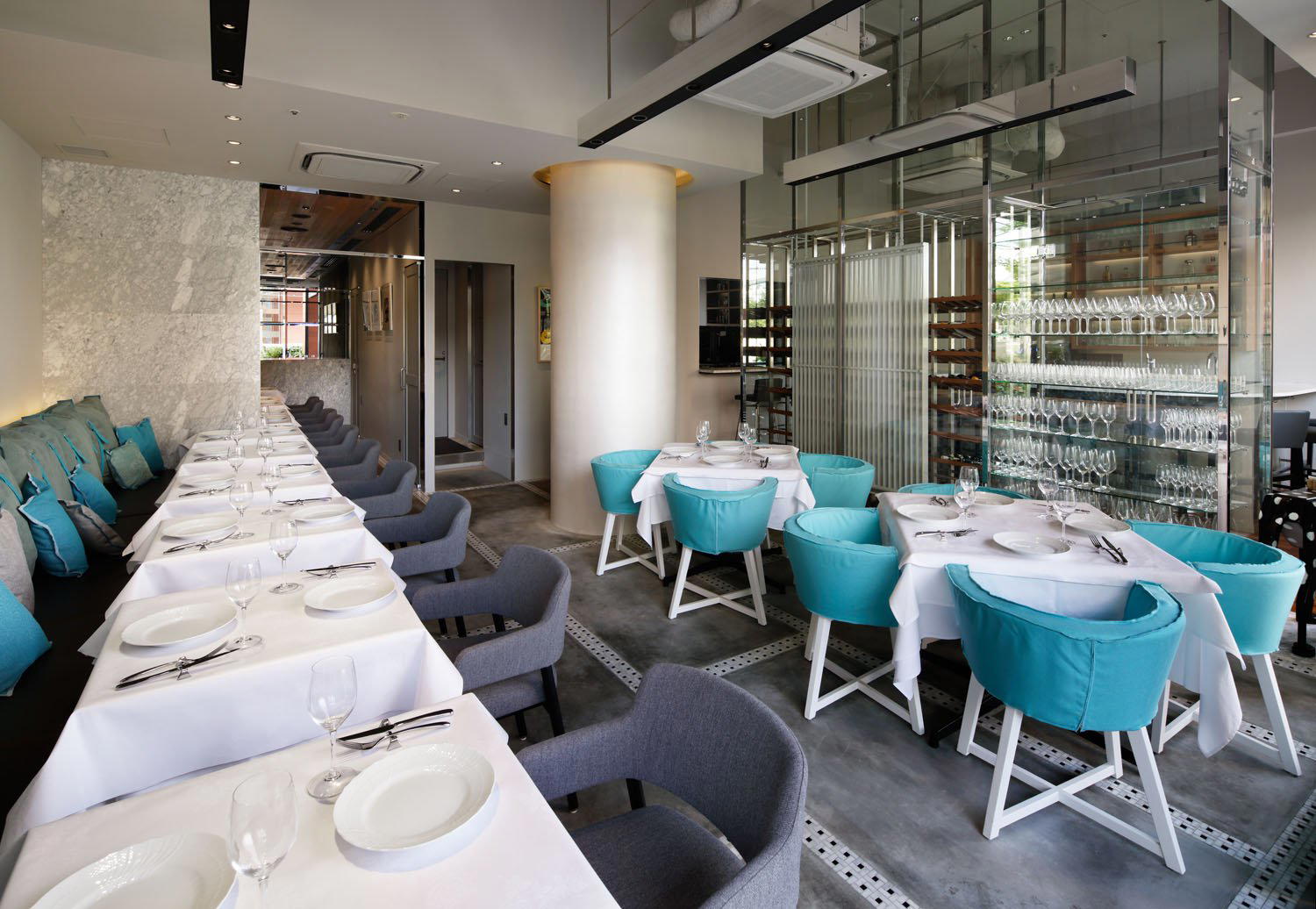
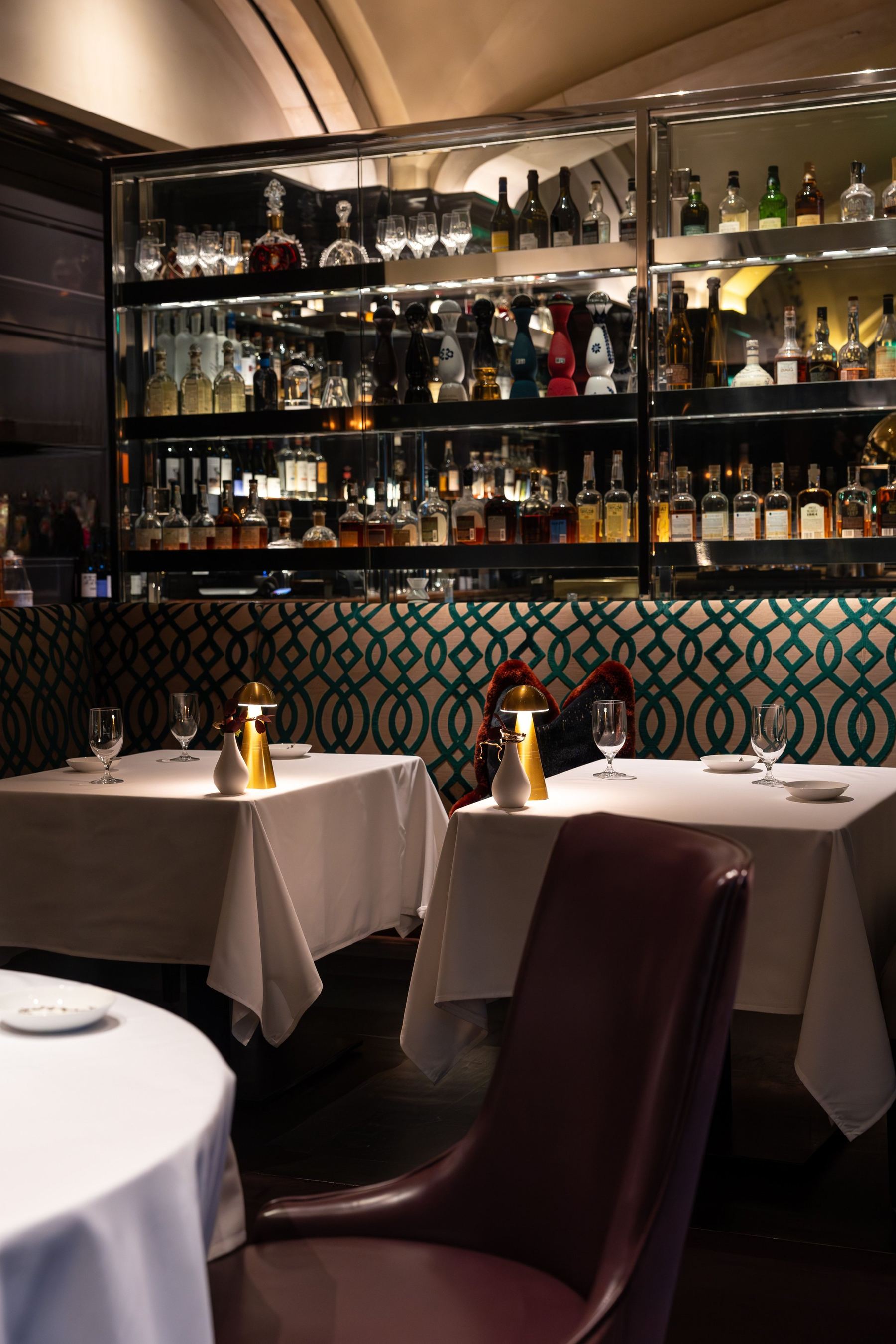
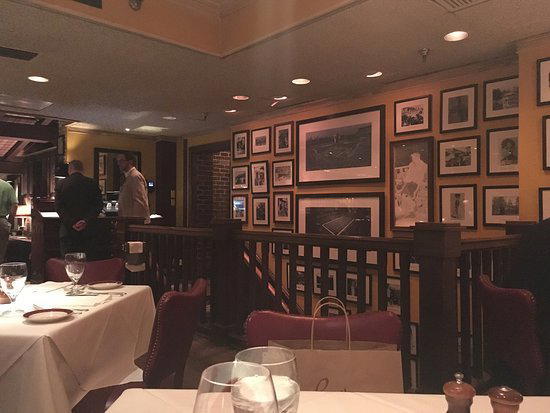
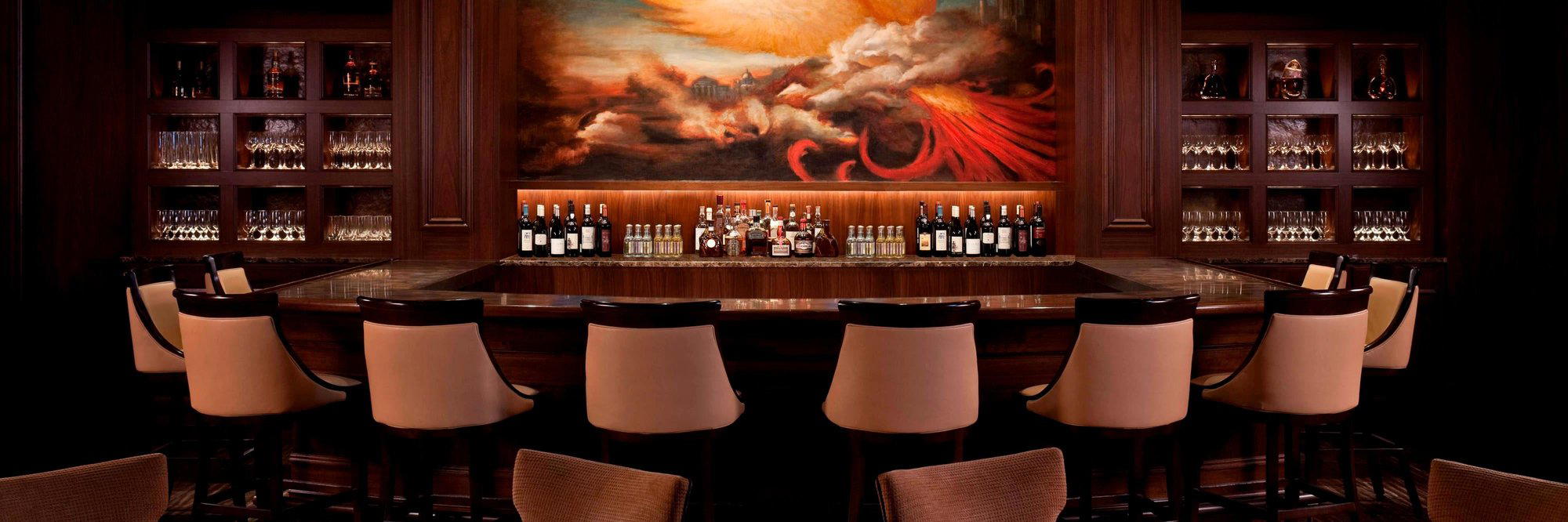
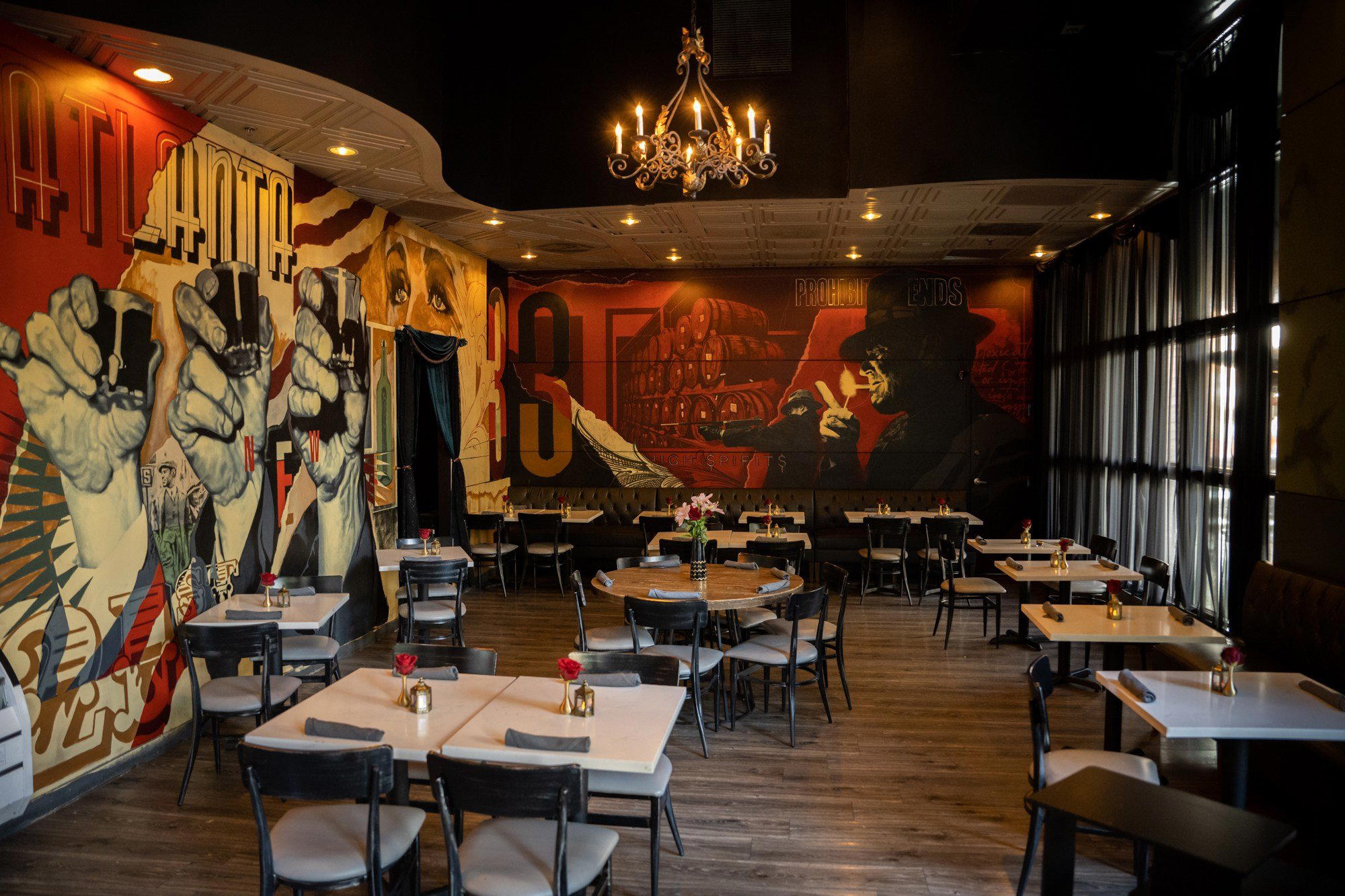
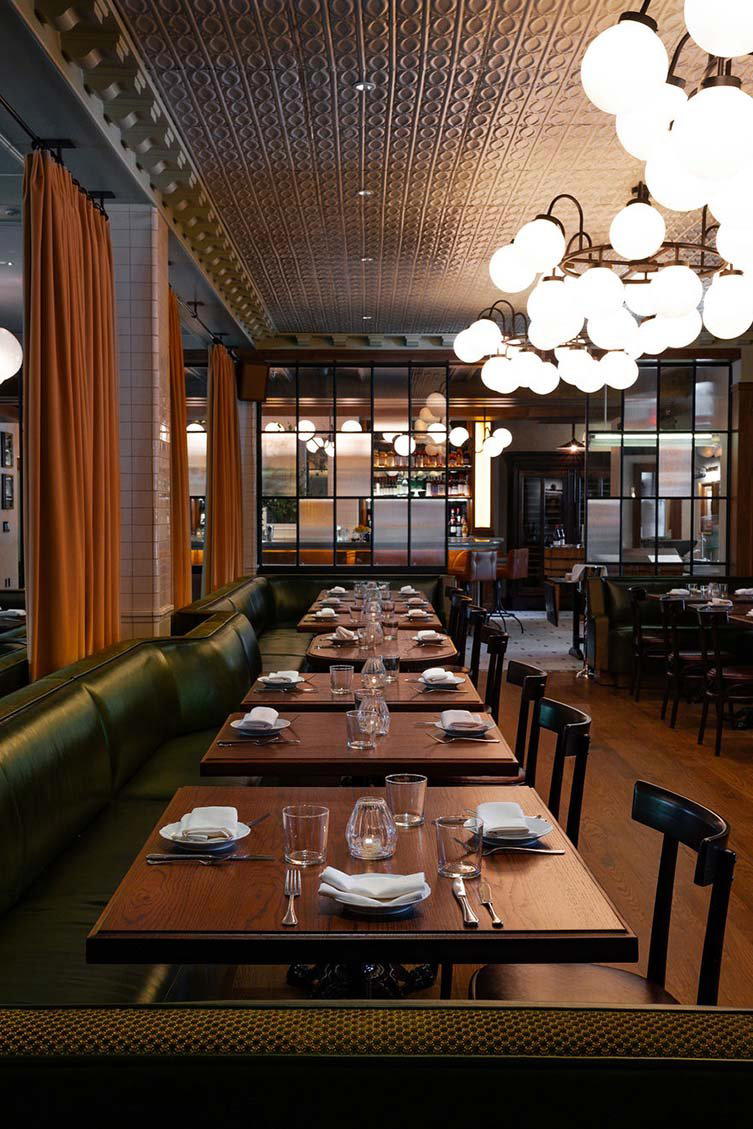
The atmosphere is that of a polished, modern steakhouse with a 360° bar, dim and refined lighting, Buckhead "polish," and a buzz that builds through the evening, balancing classic New York steakhouse formality with warm Southern charm.
Know Before You Go
- Reservations
- Recommended
- Dress code
- Smart casual