City Market Sushi
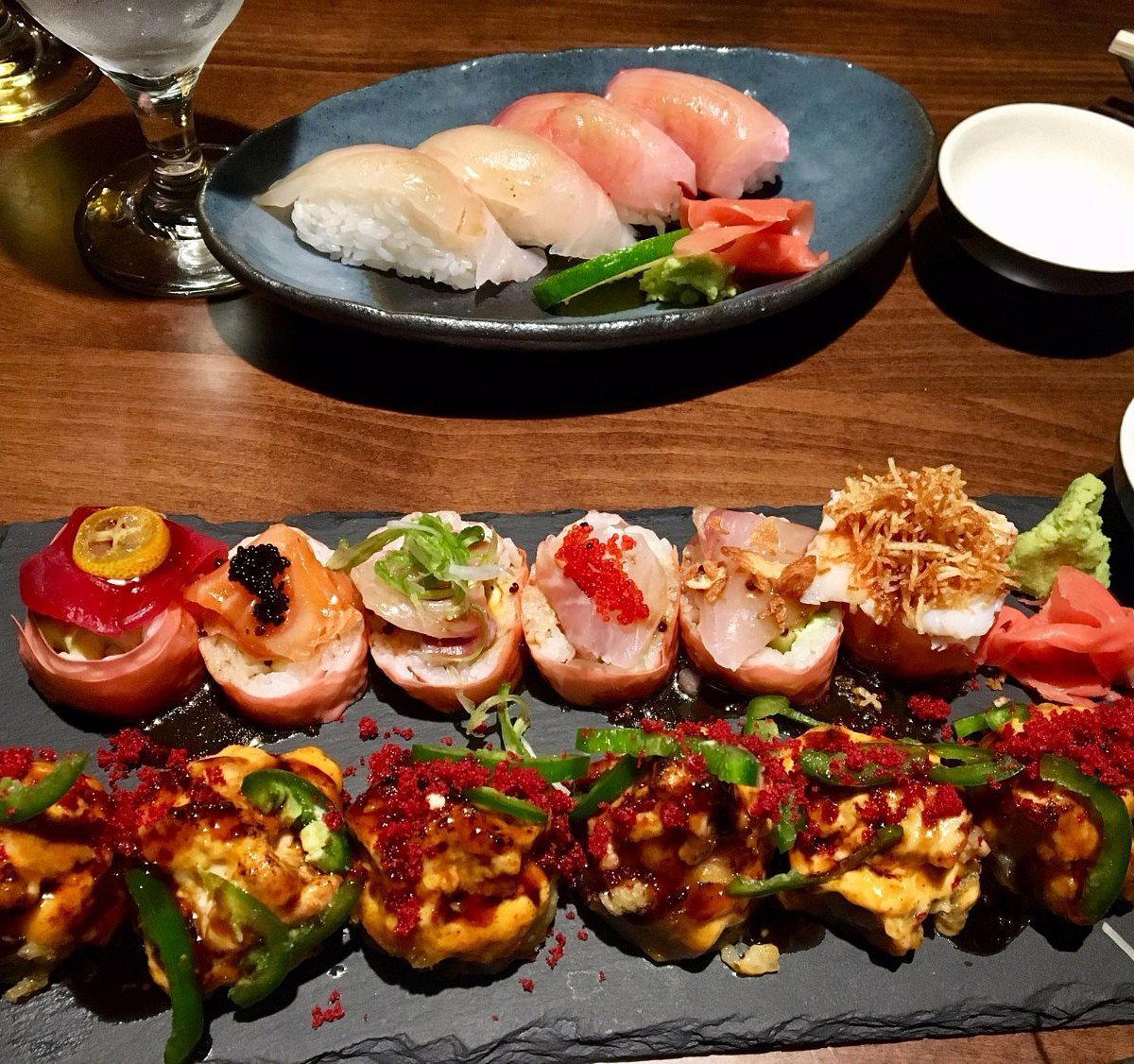
City Market Sushi occupies a historic address at 315 Blake St in downtown Raleigh's City Market district, placing Japanese sushi tradition inside one of North Carolina's oldest commercial quarters. The setting bridges the gap between a neighbourhood lunch counter and a dedicated sushi house, drawing both regulars and visitors exploring the broader Raleigh dining scene.
 Discover on Pearl
Pearl is the En Primeur Club membership app — saves, bookings, and concierge access live there. Same editors, same standards.
- Address
- 315 Blake St, Raleigh, NC 27601
- Phone
- +1 919 322 1987
- Website
- citymarketsushi.com
Sushi in the South: What the City Market Address Means
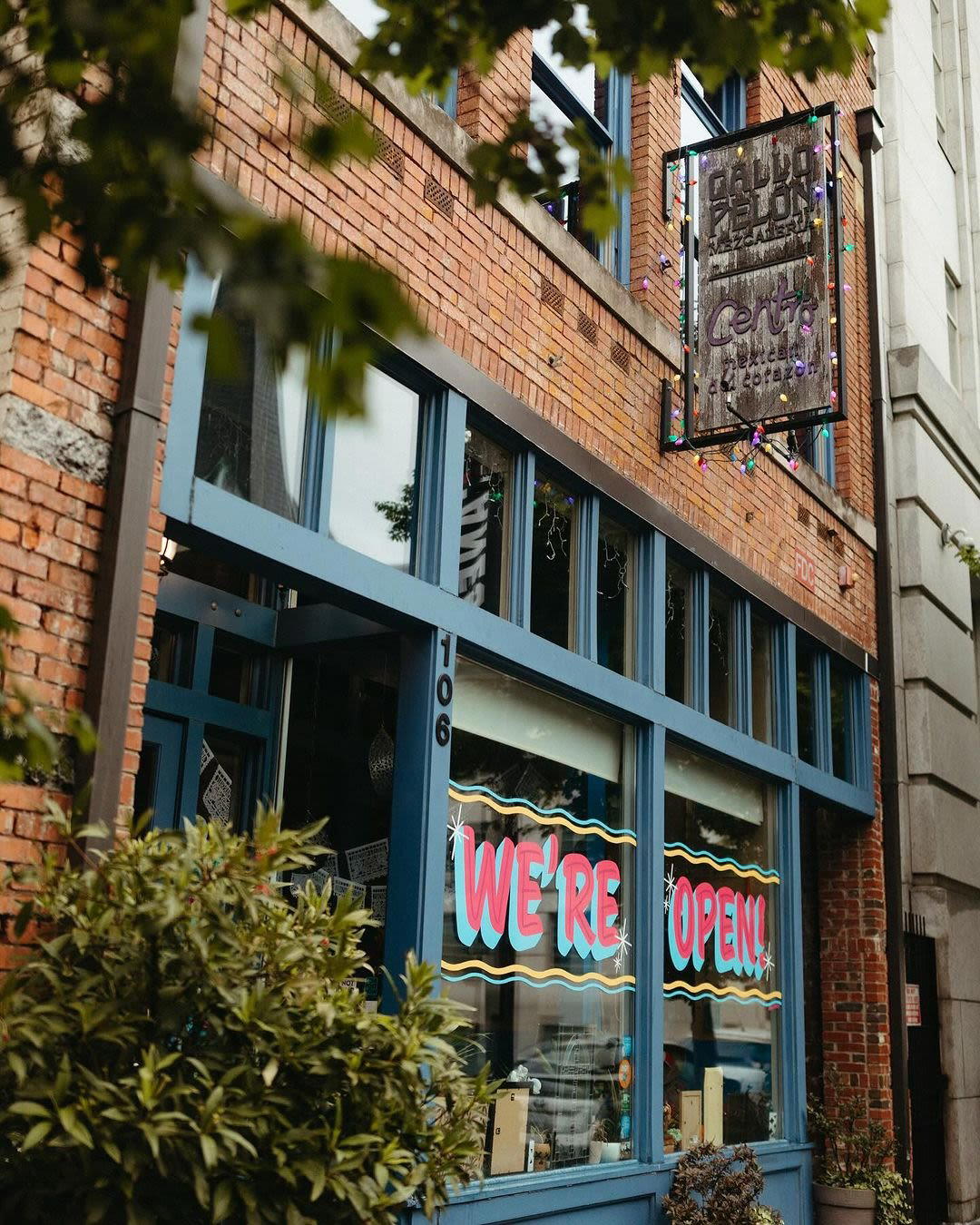
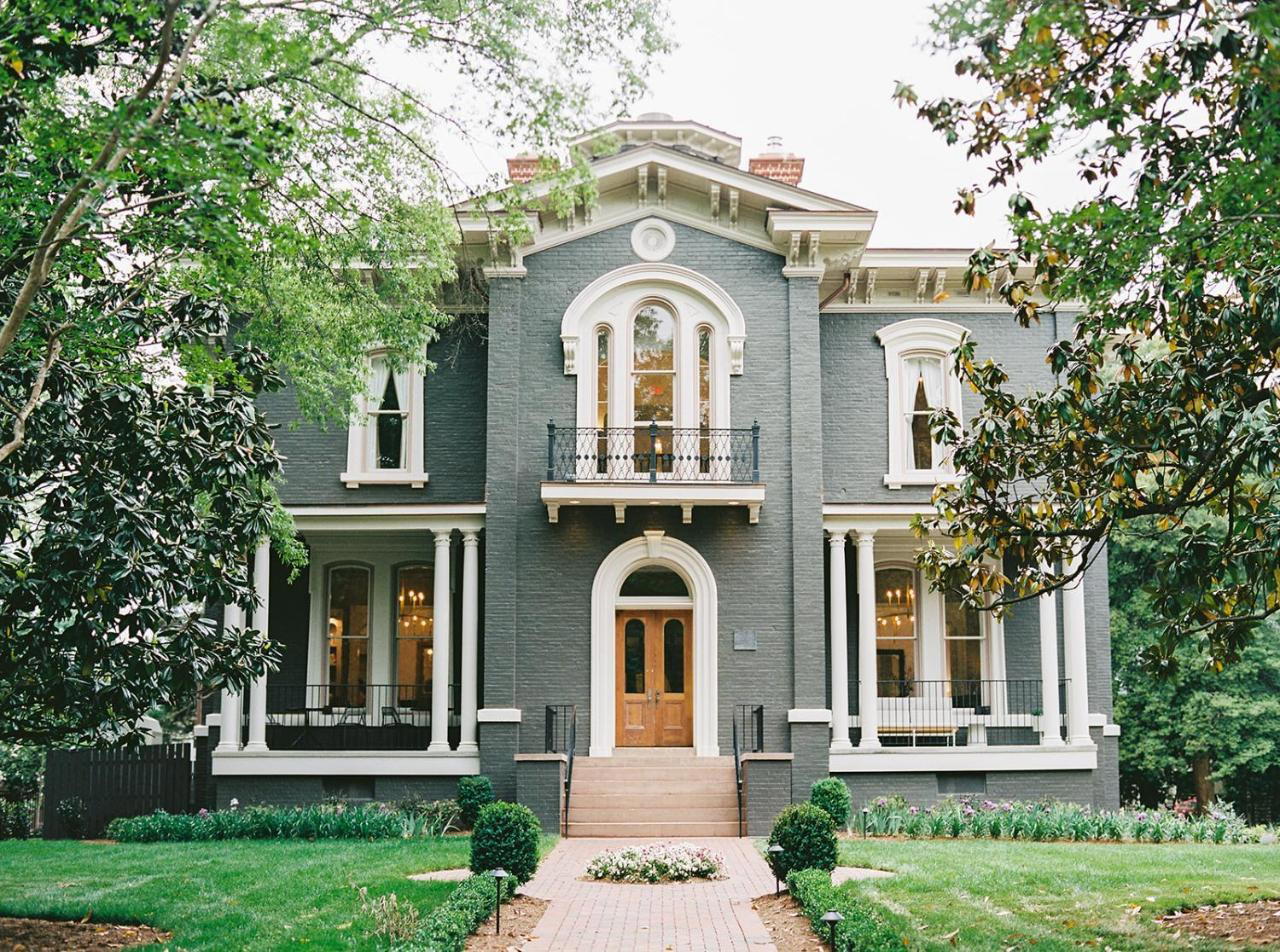
Downtown Raleigh's City Market district is one of the few corners of the city where the built environment predates the restaurant boom. The brick facades along Blake Street date to the late nineteenth century, when the block functioned as an actual wholesale market. That context matters when you're sitting down to nigiri in North Carolina, because the setting does something most standalone sushi rooms cannot replicate: it ties the meal to a place with an independent identity. City Market Sushi, at 315 Blake St, occupies that address as part of a small cluster of independent operators that have kept the block from becoming purely ceremonial. For Raleigh diners, the location signals that this is not a suburban mall anchor or a fast-casual roll operation. It belongs to an older, slower part of the city.
Japanese sushi tradition has taken root across the American South with less uniformity than on the coasts. In cities like Raleigh, the category spans a wide range: from high-volume fusion houses that treat sashimi as a delivery vehicle for sauce to smaller, counter-focused rooms where the fish-to-rice ratio and sourcing matter more than visual drama. City Market Sushi fits the latter orientation, positioned in a neighbourhood where the audience skews toward residents who return frequently rather than tourists sampling once and moving on. That dynamic tends to keep standards steady over time: repeat customers notice when sourcing slips.
The Cultural Weight of the Sushi Counter in an American City
Understanding what a sushi counter means in a mid-sized American city requires separating it from the coastal template. In Tokyo or Osaka, the omakase format carries centuries of codified etiquette, supplier relationships, and seasonal discipline. That context does not transfer wholesale to Raleigh, but it does create a reference point against which local operators are implicitly measured by informed diners. The leading sushi rooms outside Japan's major cities tend to make deliberate choices about which elements of that tradition to honour and which to adapt. A counter that respects rice temperature, fish cut, and service pacing is making a cultural argument, even if it never uses the word tradition in its marketing.
Raleigh's dining scene has matured considerably over the past decade, with Japanese cuisine following a trajectory visible in peer cities of similar size. The early wave of Japanese-American fusion gave way to a more segmented market: ramen specialists, izakaya-style rooms, and sushi-focused operations that each occupy a different position in the price and formality spectrum. Venues like Ajisai represent one node in that network, while City Market Sushi represents another, distinguished by its location in a historically grounded neighbourhood rather than a newer development corridor.
What to Expect at the Table
Sushi restaurants at City Market Sushi's address tend to operate as neighbourhood anchors rather than destination-dining events, which shapes the format in practical ways. Pacing is typically more relaxed than at omakase-only counters. The menu includes both traditional nigiri and maki formats, serving tables that range from solo diners eating at the bar to small groups. That breadth is not a compromise: it reflects the pragmatics of a city-centre lunch and dinner room that serves a mixed audience across the week.
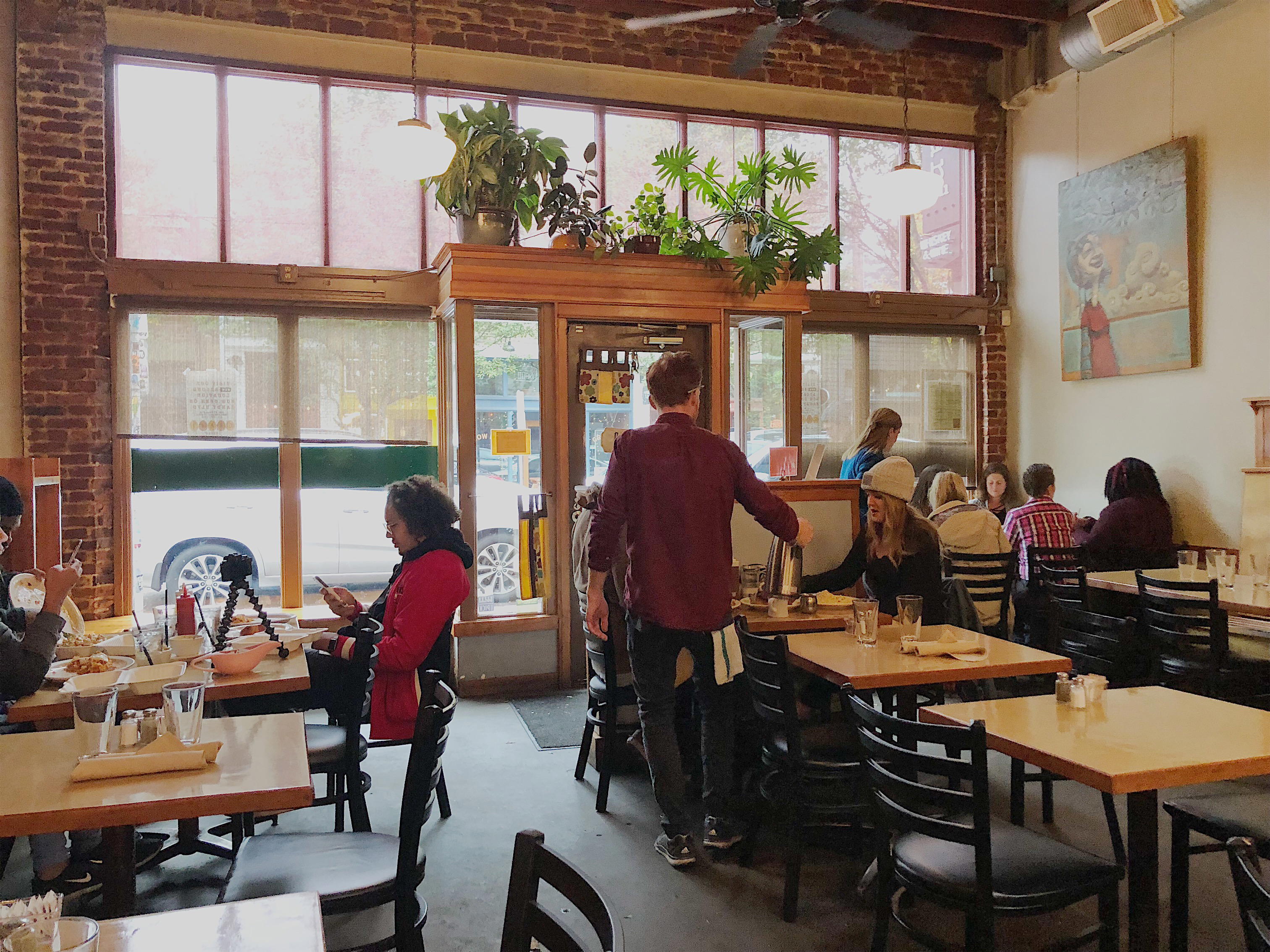
For diners calibrating expectations, the City Market district context is a useful guide. The block attracts a professional lunch crowd on weekdays and a more leisurely evening crowd on weekends. Neither group is primarily looking for a theatrical tasting menu experience. What they are looking for is consistent quality, reasonable pacing, and a room that feels like it belongs to the neighbourhood. Those are the conditions under which a good sushi counter builds its reputation over years rather than months.
Raleigh in the Wider American Sushi Conversation
The American sushi scene is not monolithic. On one end, dedicated omakase counters in New York, Chicago, and San Francisco have driven prices and formality to levels that position them against Tokyo peers. On the other end, accessible neighbourhood sushi houses in mid-sized cities serve the majority of American sushi consumption. Raleigh sits in the latter category, but that does not mean the ceiling is low. Venues across the country demonstrate that smaller markets can sustain serious sushi programs: Bar Leather Apron in Honolulu shows what craft-focused hospitality looks like in a Pacific city with deep Japanese-American food culture, while cocktail-forward programs at Kumiko in Chicago and Jewel of the South in New Orleans illustrate how beverage programs can anchor a dining experience in a non-coastal city. The broader point is that geography is no longer a ceiling for quality in American dining.
Raleigh's own scene reflects this shift. The Angus Barn has long demonstrated that the city can sustain a nationally recognised dining operation built on consistent quality over decades. The same principle applies to the sushi category: a room that holds its standards for long enough eventually becomes part of the city's dining identity rather than just another address on the map.
Planning Your Visit
City Market Sushi is at 315 Blake St, Raleigh, NC 27601, in the City Market district of downtown. The block is walkable from the central business district and sits within a cluster of independent food and drink operators that make it a natural stopping point on a broader evening in the neighbourhood. For those building a longer evening, the surrounding streets include options like 10th and Terrace and 13 Tacos and Taps for drinks before or after. Reservations are recommended. The kitchen is open Tuesday through Thursday from 11:30 AM to 2 PM and 5 to 9 PM, Friday from 11:30 AM to 2 PM and 5 to 9:30 PM, and Saturday from 5 to 9:30 PM.
Diners looking for context beyond Raleigh can benchmark expectations against sushi-focused programs in other American cities: ABV in San Francisco, Superbueno in New York City, and Julep in Houston offer reference points for what craft-led independent operations look like in larger markets. The Parlour in Frankfurt on the Main extends that comparison internationally for readers who move between European and American dining circuits.
Price and Positioning
Comparable venues nearby, for context on price, style, and recognition.
| Venue | Cuisine | Price | Awards | Notes |
|---|---|---|---|---|
| City Market SushiThis venue — the venue you are viewing | Fayetteville Street, Dining | $$$ | , | |
| Gravy | Fayetteville Street, Italian Trattoria | $$$ | ||
| Estampa Gaucha - Raleigh | $$$ | , | Leesville Hollow, Brazilian Rodizio Steakhouse | |
| Margaux's Restaurant | $$$$ | , | North Raleigh, French-Southern-Asian Fusion Steakhouse & Seafood | |
| Epic Chophouse Raleigh | Leesville Hollow, Premium Steakhouse | $$$ | , | |
| Zayka Indian Cuisine | $$ | , | North Raleigh, Authentic Punjabi Northern Indian |
At a Glance
- Trendy
- Modern
- Intimate
- Date Night
- Casual Hangout
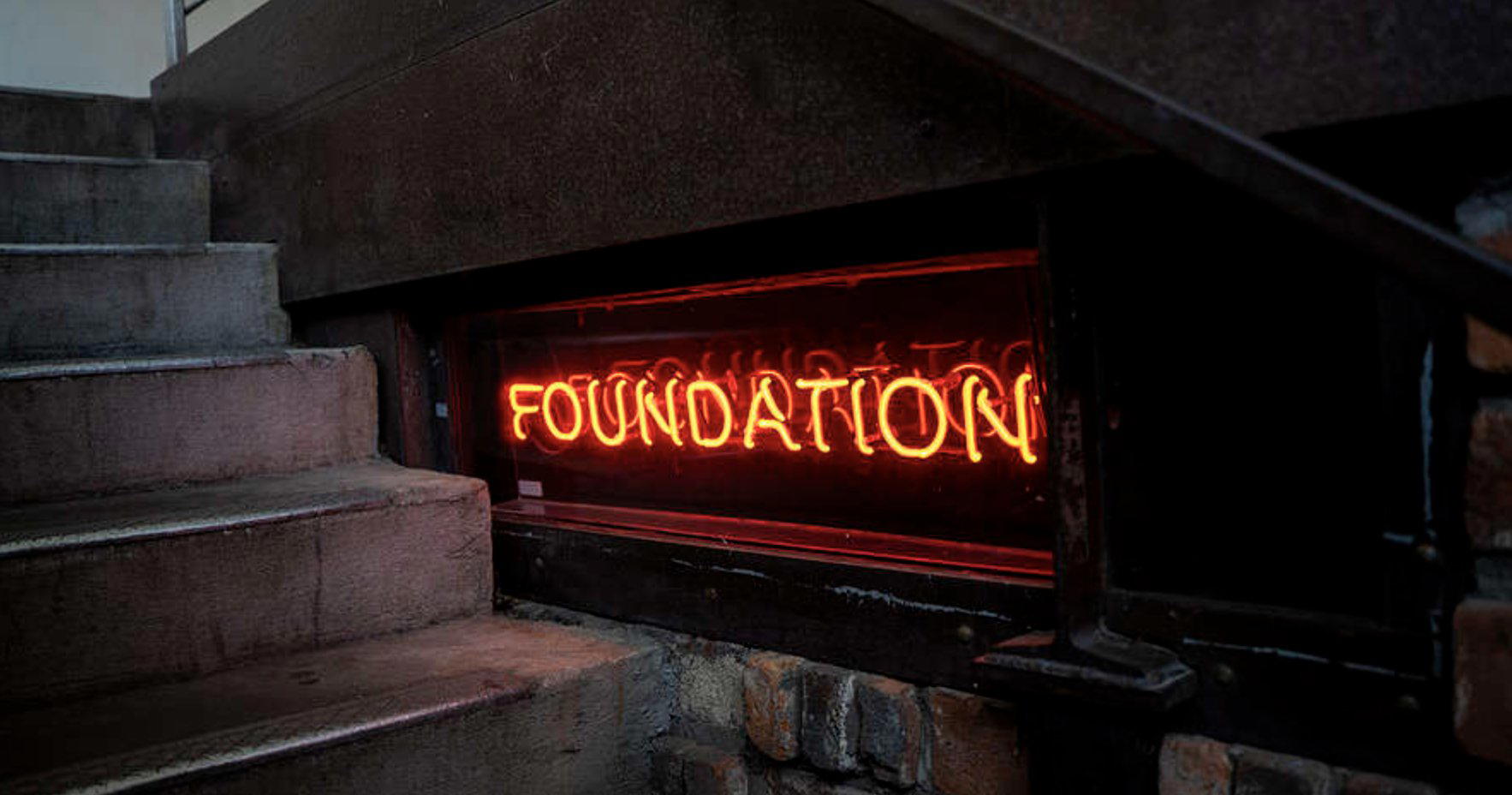
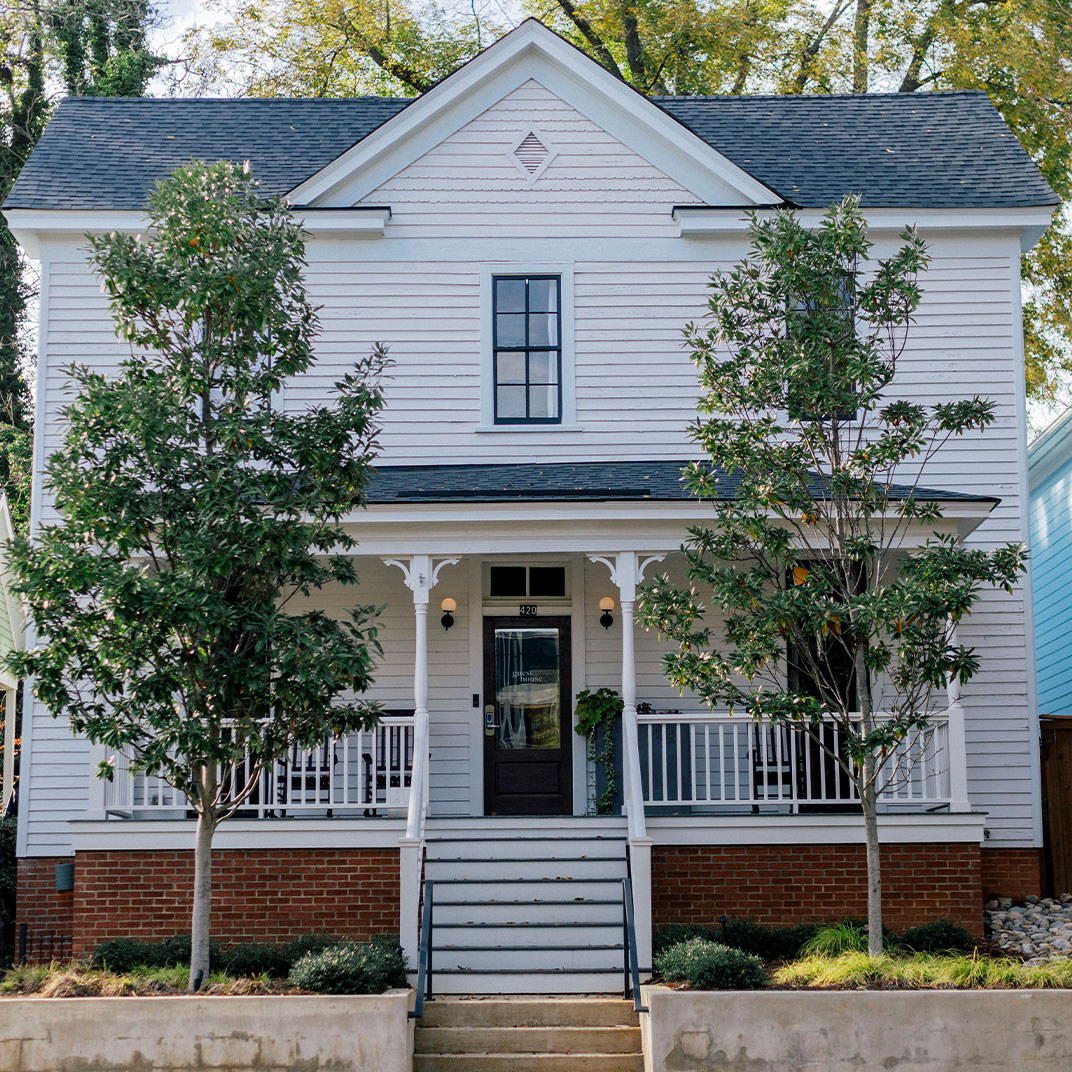
- Historic Building
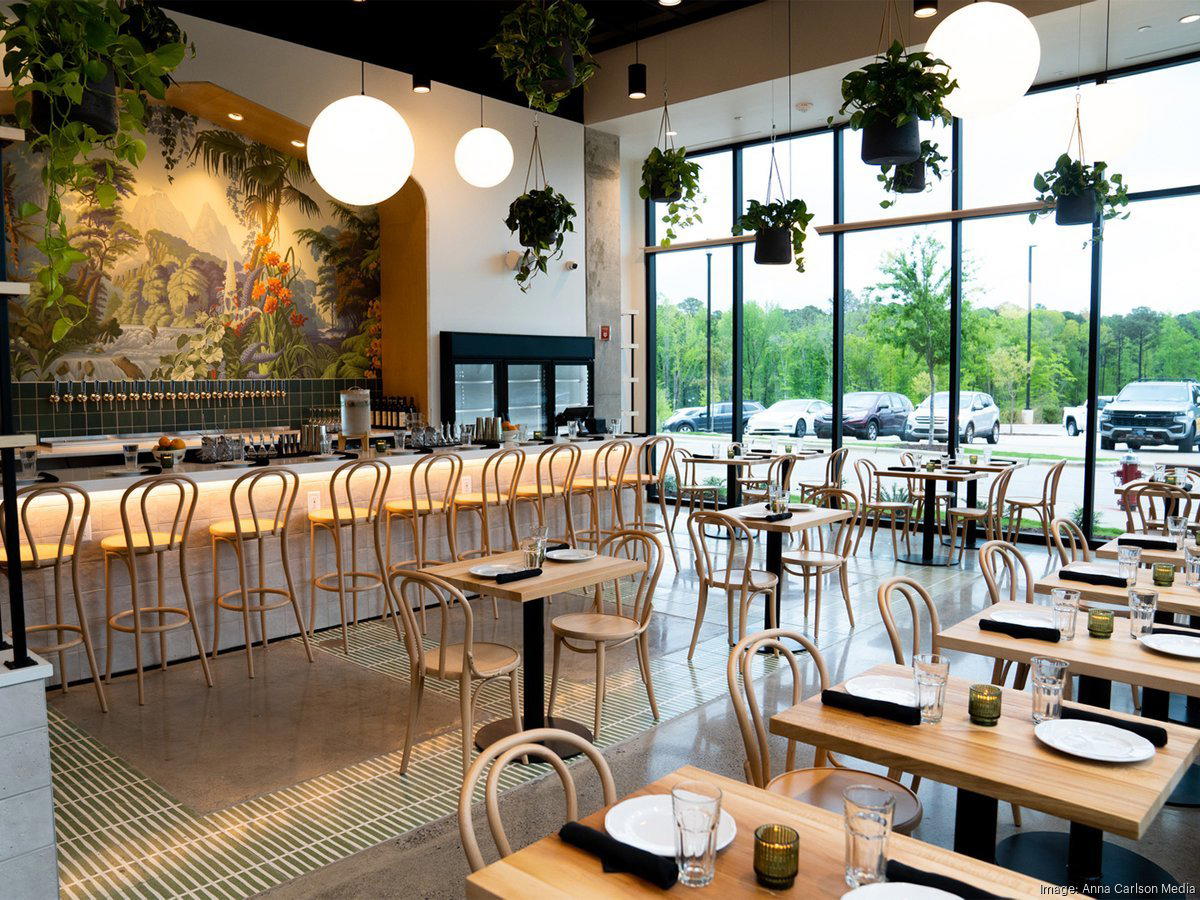
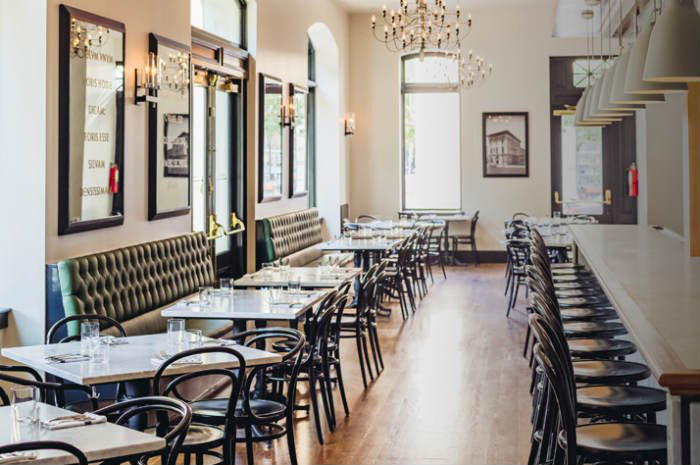
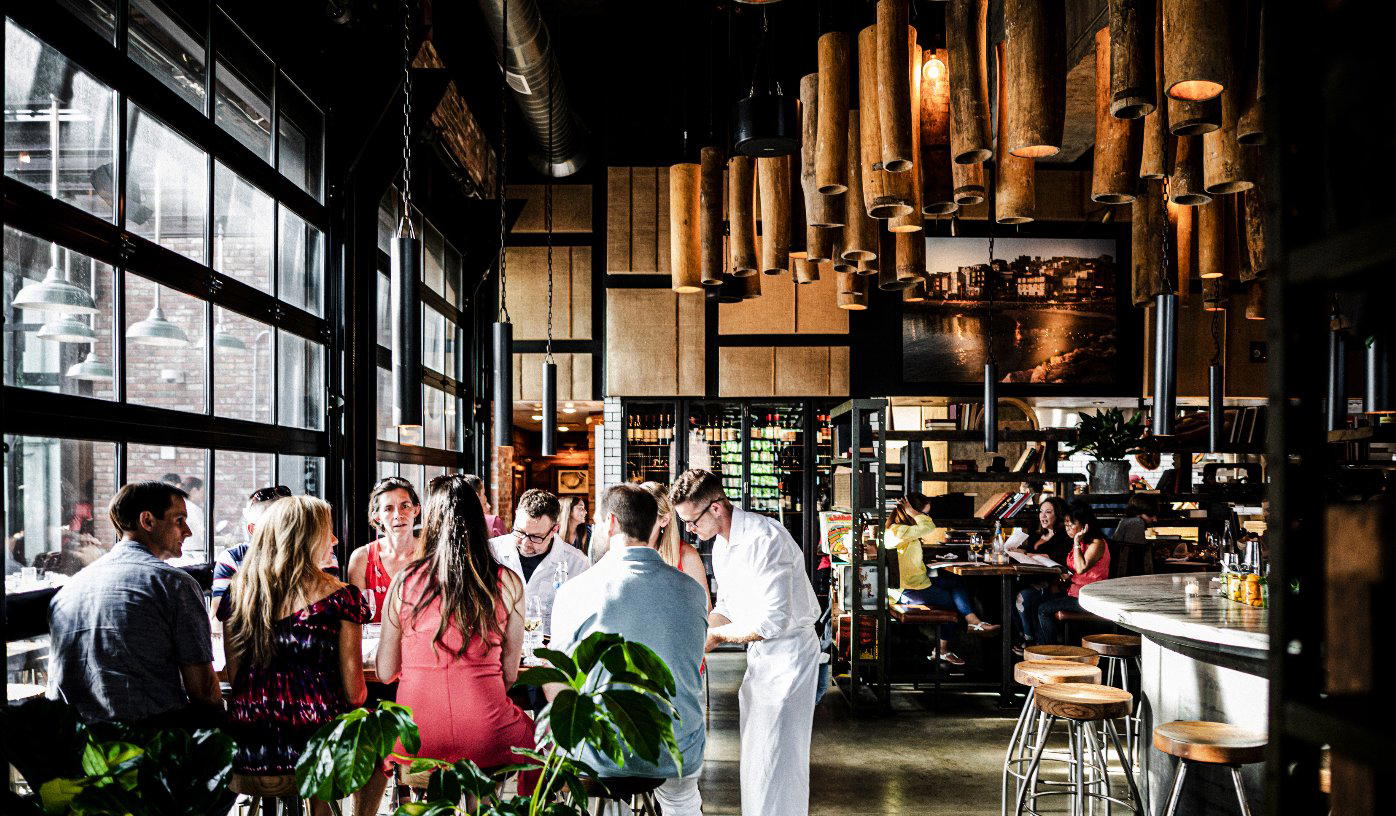
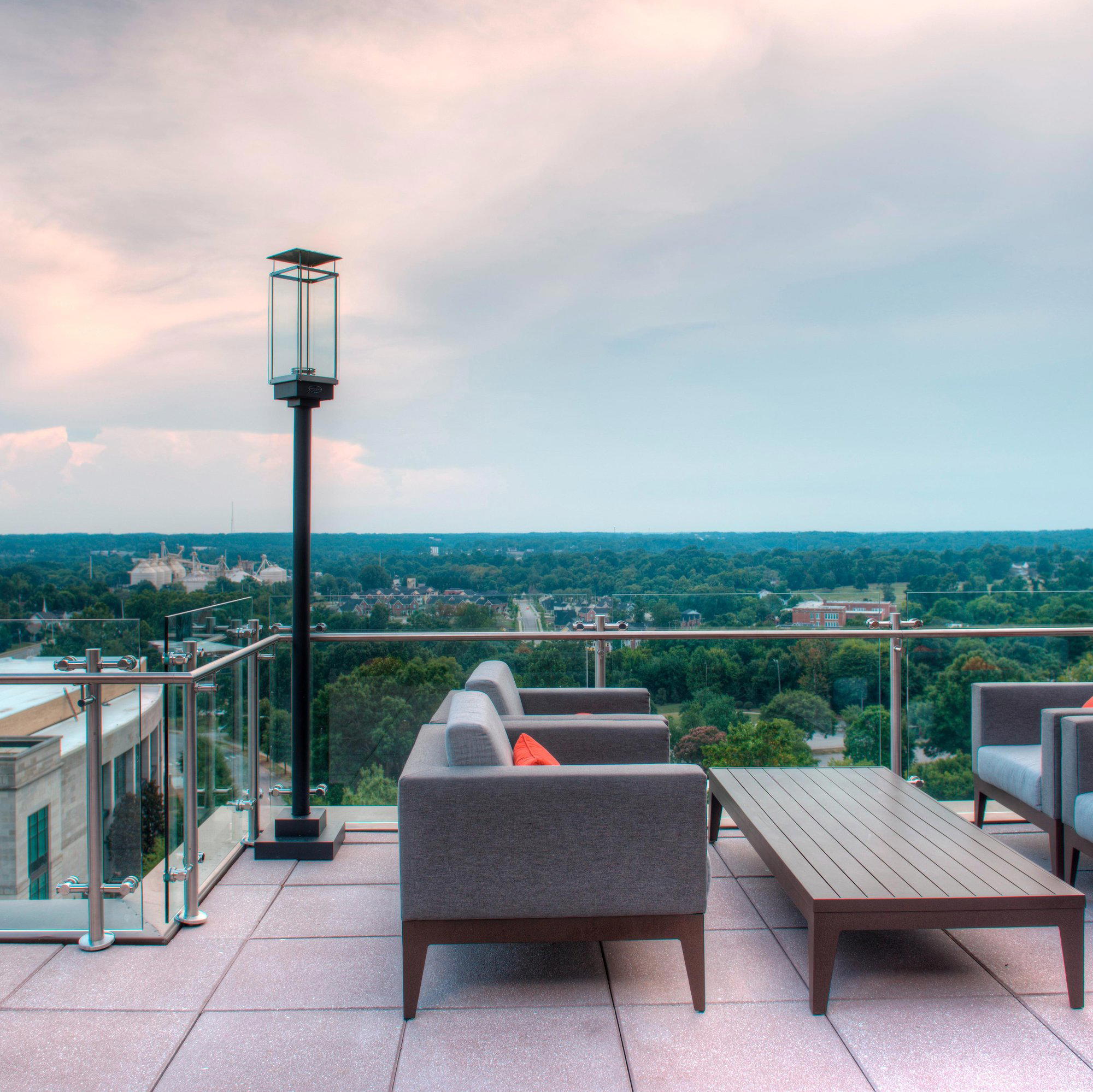
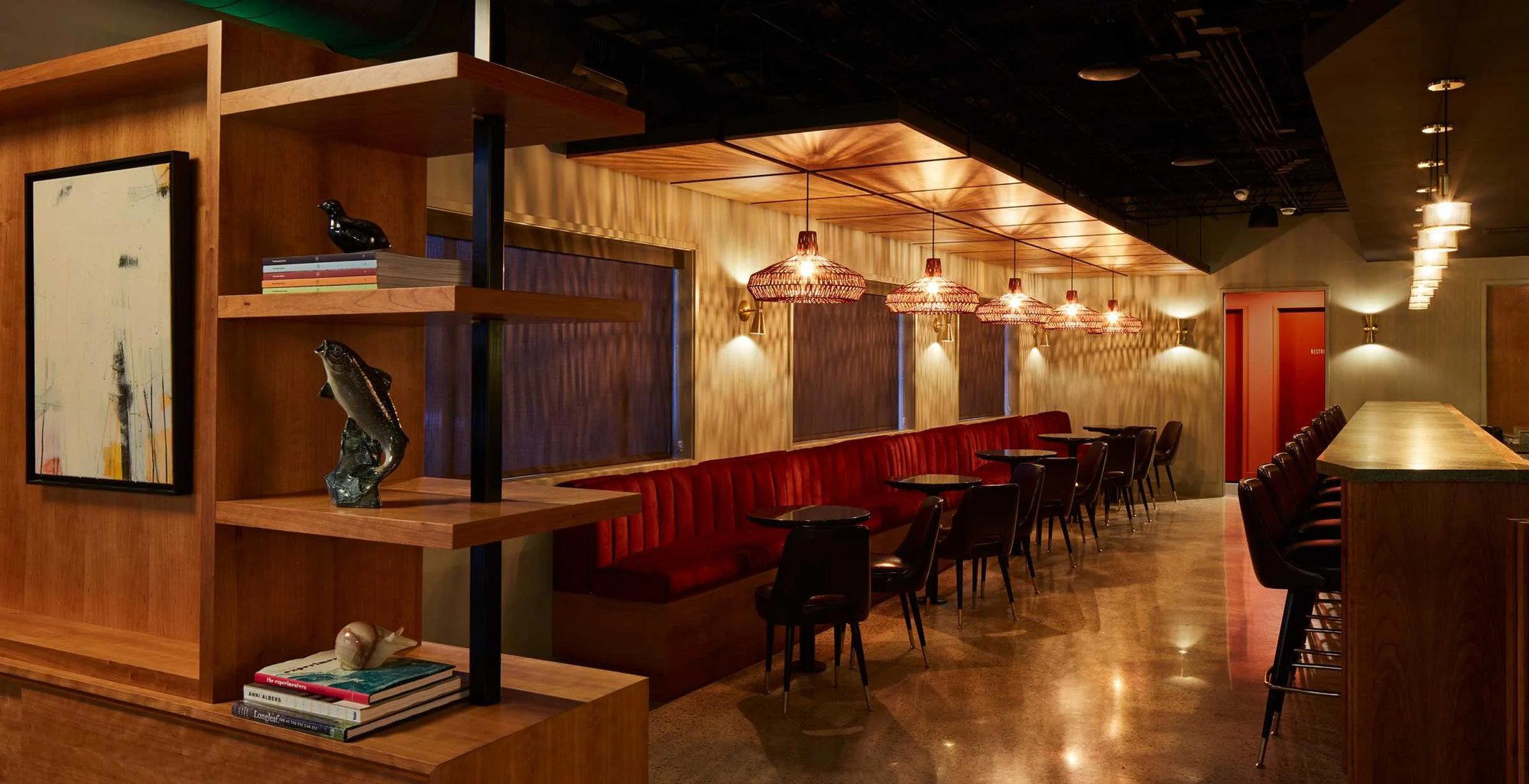
Chic and stylish with a modern Japanese atmosphere.