Circle Sushi
Circle Sushi sits on Roswell Road in Sandy Springs, Georgia, bringing Japanese sushi formats to a suburb that has developed a notably layered dining scene over the past decade. The address places it within easy reach of Atlanta's northern corridor, where a growing number of technique-focused kitchens are drawing diners away from the urban core. For sushi in this stretch of greater Atlanta, it represents a practical and considered option worth planning around.
Pearl is the En Primeur Club membership app — saves, bookings, and concierge access live there. Same editors, same standards.
- Address
- 8725 Roswell Rd, Atlanta, GA 30350
- Phone
- +17709987880
- Website
- circlesushi.com
- Directions
- Get directions
 Saves & bookings on Pearl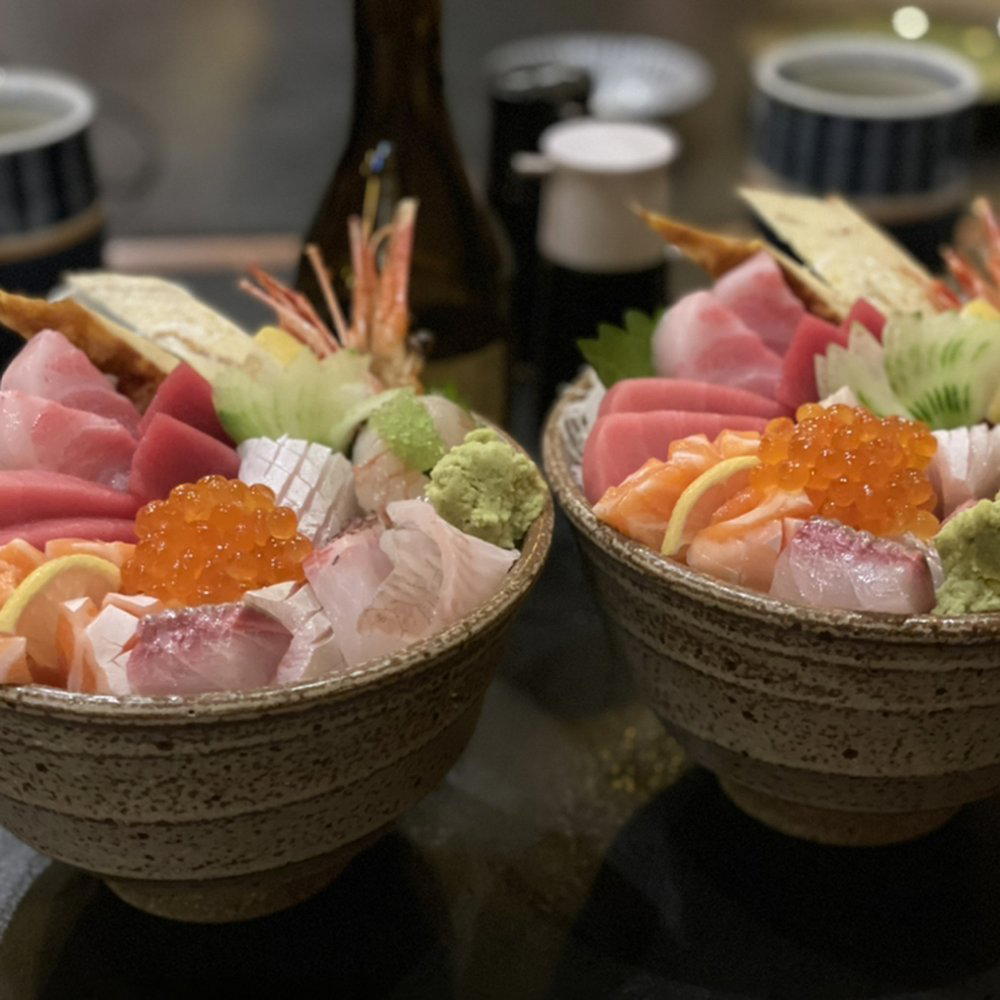
Sushi in the Northern Atlanta Corridor
Sandy Springs occupies an interesting position in greater Atlanta's dining geography. Positioned along the northern I-285 corridor, it functions less as a destination suburb and more as a functioning dining district in its own right, one where residents increasingly expect the kind of technical specificity that once required a drive into Buckhead or Midtown. Japanese cuisine has followed that pattern closely. Across American suburban markets over the past fifteen years, sushi formats originally confined to urban dining districts have redistributed outward, and the Roswell Road strip that runs through Sandy Springs reflects that shift as clearly as anywhere in Georgia.
Circle Sushi is a traditional Japanese sushi and omakase restaurant in Sandy Springs, Atlanta, with a price point around $25 per person. Circle Sushi at 8725 Roswell Rd occupies that redistributed tier. The surrounding dining context is instructive: Bangkok Thyme and Bishoku sit within the same general corridor, both representing the kind of focused, cuisine-specific kitchens that have gradually built Sandy Springs into a place worth consulting before booking deeper into Atlanta. Baraonda Ristorante and Brooklyn Cafe fill out a European-leaning flank of the same neighbourhood, while Café Vendôme anchors a French bistro register. Circle Sushi operates within that mix as the Japanese representative, which in a neighbourhood at this stage of development carries real weight.
The Technique Question in Suburban Sushi
The editorial angle that frames most serious sushi conversation in American markets concerns the transfer of Japanese technique into local ingredient contexts. At the highest registers, this is a well-documented tension: counters like Atomix in New York City and precision-driven tasting programs at places such as Smyth in Chicago have demonstrated what happens when imported method meets rigorous local sourcing. The question filtering down to suburban markets is a diluted but still relevant version of the same problem: how much of the original discipline travels, and how much gets adjusted for a dining public with different reference points and different access to premium product?
In the Southeast, the ingredient conversation has its own regional logic. The Gulf of Mexico and Atlantic coast supply warm-water species that differ meaningfully from the cold-water fish central to traditional Edomae sushi. Yellowfin, amberjack, and grouper appear in Southern seafood contexts in ways that cold-water-trained kitchens sometimes treat as second-tier material, though that framing has shifted as more chefs have taken regional product seriously on its own terms. American operations drawing on Japanese technique have increasingly had to decide whether to import their primary product to meet traditional spec or to build menus around what the regional supply chain actually offers at peak quality. That decision shapes the dining experience more than any single technique.
The broader American comparison set is instructive here. Providence in Los Angeles and Le Bernardin in New York City have established what rigorous sourcing combined with formal technique looks like at the upper tier of American seafood dining. At a regional level, operations like Single Thread Farm in Healdsburg and Blue Hill at Stone Barns in Tarrytown have pushed the local-ingredient argument further into formalized dining ritual. The restaurant operates several tiers below that scale and register, but the fundamental question those kitchens have answered remains the same one any sushi operation in Atlanta's suburbs must at least address: where does the fish come from, and what is the kitchen doing with it?
Sandy Springs as a Dining District
Understanding why the restaurant holds relevance requires understanding what Sandy Springs is becoming as a dining district. Georgia's suburbs north of Atlanta developed through the 1990s and 2000s largely on chain-restaurant infrastructure, but the past decade has seen independent operators claim meaningful footholds along corridors like Roswell Road and Hammond Drive. This pattern mirrors broader national trends in suburban dining maturation, where demographic density, disposable income concentration, and fatigue with chain formats have combined to support independent kitchens that would not have survived in those locations fifteen years earlier.
Japanese cuisine specifically has benefited from that shift. Sushi's format flexibility, its compatibility with delivery and takeout economics, and its relatively low barrier to entry as a cuisine category have made it one of the first independent formats to establish in maturing suburban dining markets across the American South. The result is a spectrum that runs from fast-casual roll-heavy operations all the way to counter-format restaurants aspiring to something closer to traditional Japanese service discipline. Where the restaurant sits on that spectrum is the operative question for any diner choosing between it and driving to Atlanta's more densely competitive core.
Regional Context and Comparable Ambition
The American restaurant landscape at the upper tier has spent the past decade pushing tasting-format ambition into previously unlikely cities and markets. Emeril's in New Orleans did early work in establishing that regional American cities could sustain serious dining programs on their own terms. Addison in San Diego and The Inn at Little Washington in Washington have demonstrated long-term sustainability in non-New York markets. At the European edge of the comparison, Atelier Moessmer Norbert Niederkofler in Brunico has made the case that regional ingredient specificity can generate the same level of critical recognition as metropolitan scale. Lazy Bear in San Francisco and The French Laundry in Napa remain the California benchmarks for what technique-forward American dining looks like at the highest level of execution.
None of that is the restaurant's immediate competitive set, but it frames what ambition looks like across the spectrum and why the local-ingredients-plus-imported-technique question matters even in a suburban Georgia context. The restaurants succeeding at every tier of that spectrum share one quality: they have answered the sourcing question with specificity rather than generality.
Planning Your Visit
The restaurant is located at 8725 Roswell Rd in Sandy Springs, easily reached from both the northern Atlanta suburbs and from the city proper via GA-400. Weekday visits generally offer more flexibility.
Peers Worth Knowing
Comparable venues nearby, for context on price, style, and recognition.
| Venue | Cuisine | Price | Notes |
|---|---|---|---|
| Circle SushiThis venue — the venue you are viewing | Traditional Japanese Sushi & Omakase | $$ | Not listed |
| Sushi Huku | Japanese Sushi & Omakase | $$ | Sandy Springs |
| Genki Noodles & Sushi | Japanese Sushi & Noodle Fusion | $$ | Sandy Springs |
| Café Vendôme | Authentic French Pastry Bakery & Cafe | $$ | Sandy Springs |
| Hearth Pizza Tavern | Neapolitan-Style Pizza Tavern | $$ | Sandy Springs |
| Rumi's Kitchen | Modern Persian | $$ | Sandy Springs |
Continue exploring
More in Sandy Springs
Restaurants in Sandy Springs
Browse all →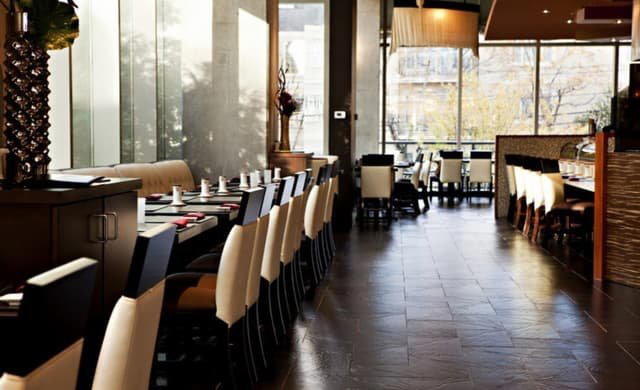
Bars in Sandy Springs
Browse all →
At a Glance
- Cozy
- Romantic
- Date Night
- Casual Hangout
- Sake Program
Current opening hours
- Monday
- Closed
- Tuesday
- 11:30 AM–2:15 PM, 5:30–9 PM
- Wednesday
- 11:30 AM–2:15 PM, 5:30–9:15 PM
- Thursday
- 11:30 AM–2:15 PM, 5:30–9:15 PM
- Friday
- 11:30 AM–2:15 PM, 5:30–9:45 PM
- Saturday
- 11:30 AM–2:15 PM, 5:30–9:45 PM
- Sunday
- 12–2:45 PM, 5:30–9 PM
Hours can change for holidays and private events. Last verified .
Cozy and inviting atmosphere with a romantic setting suitable for intimate meals.