.png)
Cibus holds a 2025 Michelin Plate recognition and sits in Úbeda's historic centre, where a barrel-vaulted dining room and arcaded courtyard set a measured tone for creative cooking rooted in carefully sourced ingredients. At the €€€ price point, it represents one of the more considered dining choices in a city better known for Renaissance architecture than restaurant culture. Booking ahead is advisable.
Pearl is the En Primeur Club membership app — saves, bookings, and concierge access live there. Same editors, same standards.
- Address
- Pl. Primero de Mayo, 23400 Úbeda, Jaén, Spain
- Phone
- +34 641 14 82 46
- Website
- restaurantecibus.com
 Saves & bookings on Pearl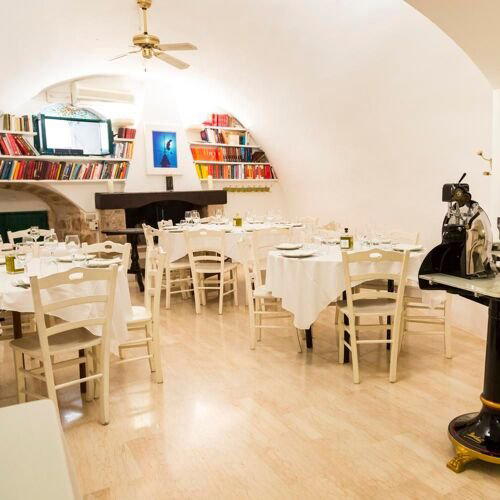
Dining Inside a Renaissance City
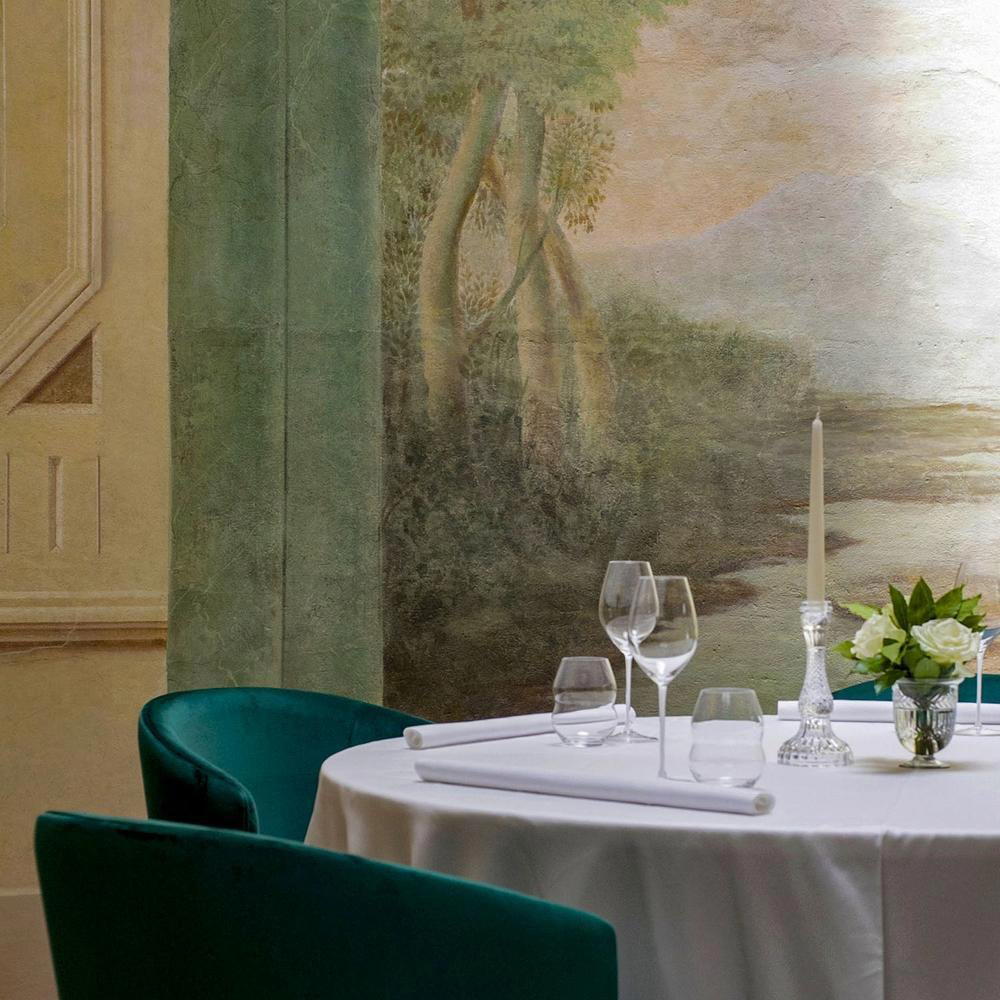
Úbeda is, first and foremost, a UNESCO World Heritage city, a place where 16th-century palaces and collegiate churches command more column inches than its restaurant scene. That architectural dominance shapes how dining works here: the most compelling tables tend to occupy historic structures, and the physical setting carries as much weight as what arrives on the plate. Cibus operates within that logic, at Pl. Primero de Mayo in Úbeda, in a room defined by barrel-vaulted ceilings and an internal courtyard where tables are arranged beneath the arcades. The architecture is not decorative backdrop; it is the primary spatial register of the meal.
That combination of setting and considered cooking is less common in Andalucía's interior than the coastal restaurant circuits might suggest. Jaén province, of which Úbeda is one of the most architecturally significant towns, tends to attract visitors for olive oil tourism and heritage routes rather than destination dining. Cibus occupies a specific niche within that context: a creative kitchen working in a room that demands a certain seriousness, in a city where the dining scene remains thin relative to its cultural weight.
A Pugliese Thread in Southern Spain
The cuisine at Cibus draws its references from Puglia, the heel of Italy's boot, a region whose food culture is defined by restraint, legibility, and a strong attachment to local raw materials. In Puglia itself, cooking tends to resist elaboration: orecchiette with cime di rapa, fava bean purées, grilled fish from the Adriatic, and bread baked with durum wheat semolina are the foundations, not embellishments. The tradition prizes the ingredient over technique.
Translating that sensibility to Úbeda is an act of interpretation rather than replication. Southern Spain and southern Italy share certain structural similarities in their food cultures, both olive oil-centric, both historically shaped by Arab agricultural influence, both with a strong preference for produce over protein as the meal's centre of gravity. A kitchen that places Pugliese recipes and carefully chosen ingredients at the centre of its approach is, in that light, working within a coherent cross-Mediterranean framework rather than importing something foreign. The creative designation acknowledges that this is not a direct Italian regional restaurant; the Pugliese influence operates as a culinary reference point, not a constraint.
Spain's creative dining tier spans a wide range of contexts and price levels, from three-Michelin-starred operations like El Celler de Can Roca in Girona, Arzak in San Sebastián, or DiverXO in Madrid down to smaller regional kitchens that operate with a fraction of the profile and budget. Cibus belongs firmly to the latter category. The €€€ price point and Michelin Plate recognition position it as a kitchen worth attention at the regional level, distinct from the high-concept flagship tier represented by Azurmendi in Larrabetzu, Mugaritz in Errenteria, or Aponiente in El Puerto de Santa María. The relevant comparison is a well-regarded regional creative table in an underserved market, not a national benchmark.
The Michelin Plate in Context
Michelin's Plate designation tends to be more meaningful in culinary-thin cities than in places where the guide's starred density is already high. In a city like Úbeda, which does not appear in most national dining conversations and where the total restaurant count is modest, a Plate recognition functions as a meaningful quality floor. It signals that the kitchen meets a standard of ingredient sourcing and technical consistency that Michelin inspectors found worth noting. For a traveller already visiting the city for its architecture, it converts where to eat into a considered choice.
Within Jaén province more broadly, creative cooking at this price point is not the default. The province's culinary identity runs toward traditional preparations, gazpacho manchego, game, and slow-cooked legume dishes. Cibus and Cantina La Estación, which approaches the Úbeda dining question from a different angle with its modern cuisine format, represent the most considered end of what the city currently offers. Visitors expecting the density of options available in, say, Barcelona, where Cocina Hermanos Torres anchors a competitive creative tier, will need to recalibrate expectations for what Úbeda's scene can deliver. That is not a criticism; it is a function of city scale and culinary infrastructure.
The Room and the Experience
The physical arrangement at Cibus, barrel-vaulted ceiling above, arcades framing the courtyard tables, belongs to a specific typology of historic-centre Andalucían dining. Rooms of this kind were not built for restaurants; they were built for storage, commerce, or domestic use, and their conversion into dining spaces imposes a particular atmosphere that is neither manufactured nor easily replicated. Stone walls regulate temperature. Arches impose a ceiling on noise. Courtyard seating in warmer months works on terms set by the architecture, not by a designer. The result is an environment that reads as genuinely placed rather than themed.
For other creative dining references across Spain and beyond, the EP Club guides to Quique Dacosta in Dénia, Ricard Camarena in València, Martin Berasategui in Lasarte-Oria, Alléno Paris au Pavillon Ledoyen, and Arpège in Paris offer useful calibration points for how creative cooking operates at higher-resource levels.
Planning Your Visit
Cibus sits on Plaza Primero de Mayo in Úbeda's historic centre, placing it within walking distance of the city's principal architectural sites. The restaurant holds a Google rating of 4.8 from 163 reviews, which reflects a consistent visitor experience rather than a viral moment. Booking in advance is strongly recommended; at the price point and in a city with limited alternatives at this level, tables move quickly. The €€€ price range positions it above the casual local tapa circuit but well below the cost structure of Spain's starred destination restaurants.
Cost Snapshot
Comparable venues nearby, for context on price, style, and recognition.
| Venue | Cuisine | Price | Awards | Notes |
|---|---|---|---|---|
| Cibus | $$$ | Bib Gourmand | Úbeda, Modern Mediterranean Tasting Menus | |
| Cantina La Estación | Modern Spanish Creative | $$ | Bib Gourmand | |
| 2 Estaciones | Russafa, Seasonal Mediterranean Bistro | $$ | Bib Gourmand | |
| Atelier Casa de Comidas | $$$ | Michelin Plate | ,null, Modern Andalusian Contemporary | |
| Alma Ezequiel Montilla | $$$ | Bib Gourmand | old town, Contemporary Mediterranean-Andalusian-Moroccan Fusion | |
| El Chaleco | French Fine Dining | $$$ | Bib Gourmand |
Continue exploring
More in Úbeda
Restaurants in Úbeda
Browse all →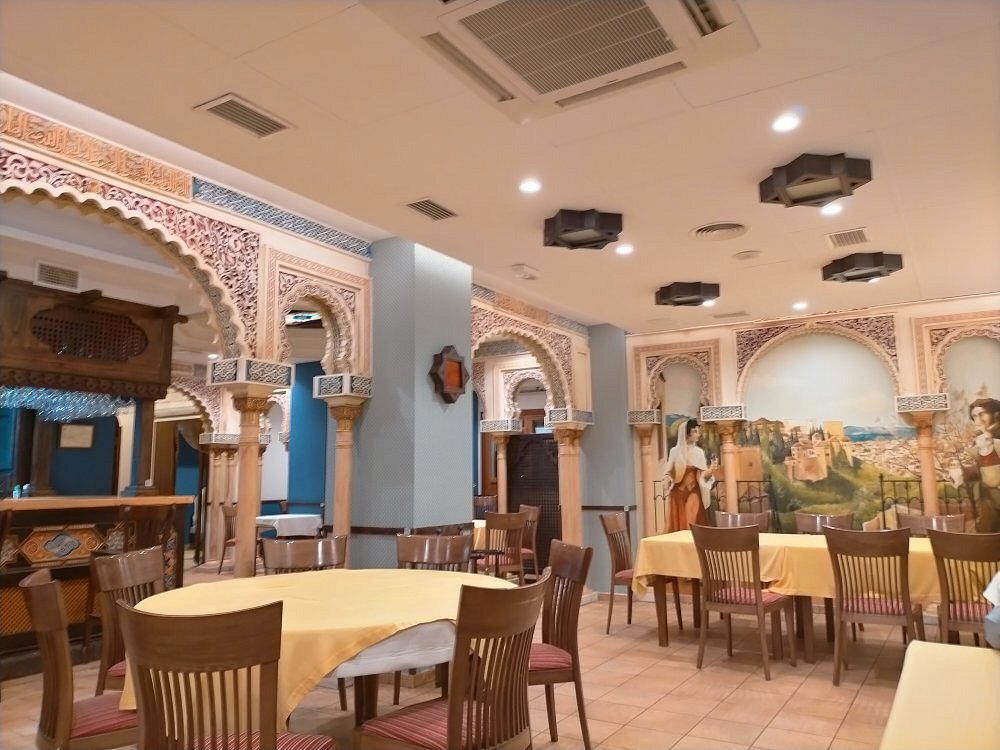
At a Glance
- Intimate
- Cozy
- Elegant
- Rustic
- Historic
- Date Night
- Special Occasion
- Open Kitchen
- Historic Building
- Extensive Wine List
- Local Sourcing
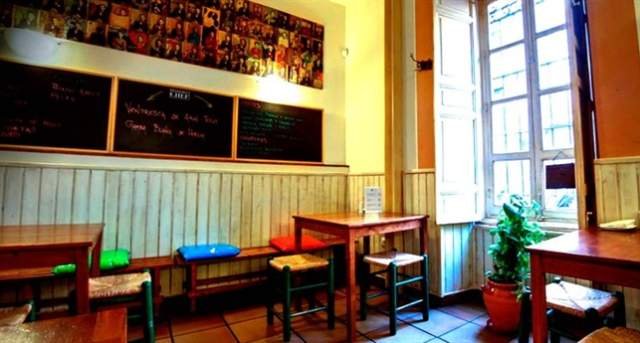
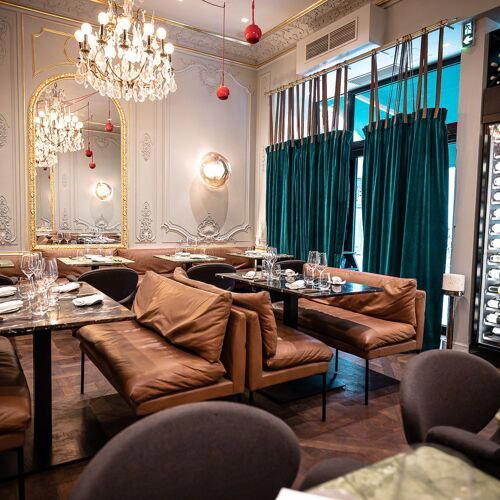
Cozy and historic with stone walls, open kitchen, soft background music, and warm lighting creating an intimate sensory experience.