Google: 4.7 · 422 reviews
Choi's
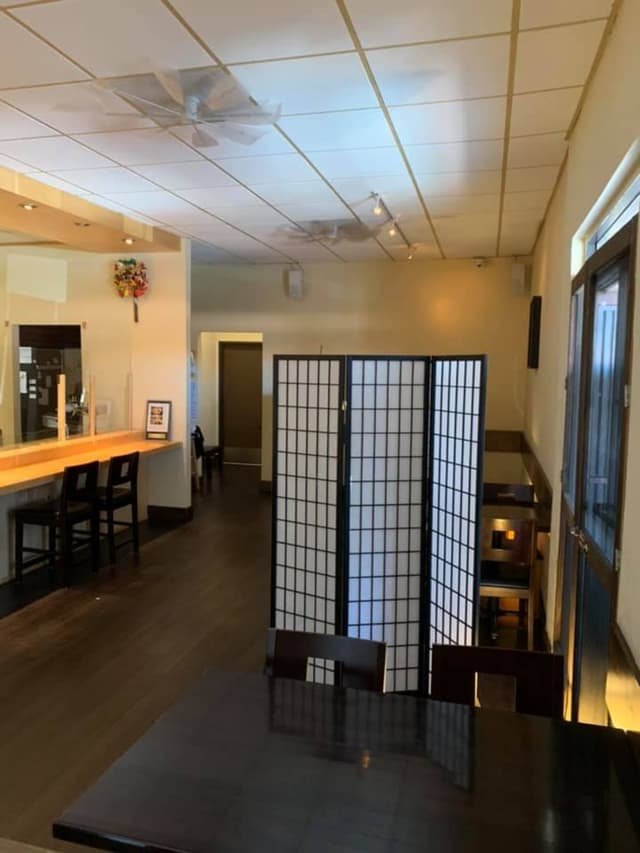
Choi's occupies a modest address in downtown San Diego's Park Plaza, operating within a city increasingly defined by its relationship to the Pacific Rim. The restaurant sits in a dining corridor where Korean-inflected kitchens have begun to hold their own alongside the established Japanese and Californian formats that long dominated the local fine-dining conversation. For visitors tracking that shift, Choi's is a marker worth noting.
 Discover on Pearl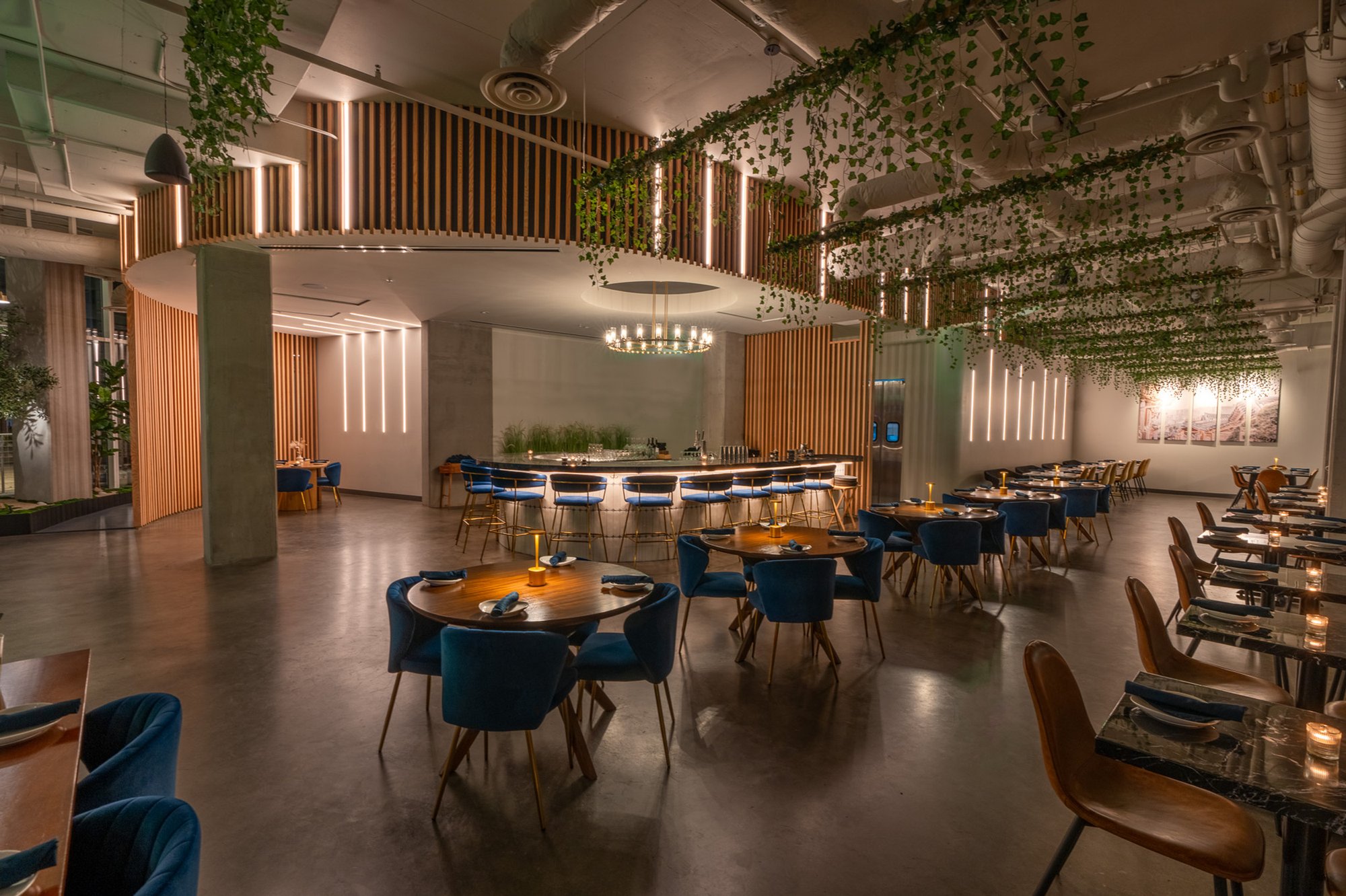
Where San Diego's Korean Dining Scene Has Arrived
San Diego's restaurant identity has long been anchored by its proximity to the Pacific and the border — Japanese technique, Baja seafood, and Californian produce have defined the premium tier for decades. What has changed more recently is the visibility of Korean-inflected cooking at a serious level, moving beyond the strip-mall banchan format that once represented the cuisine's entire footprint in the city. Choi's, at 100 Park Plaza in the Cortez Hill adjacency of downtown, sits inside that shift. The address places it within reach of the Gaslamp Quarter's foot traffic but at a slight remove from its more tourist-facing restaurants, a positioning that tends to attract a more deliberate diner.
That deliberateness matters when you consider how Korean cooking has been repositioned nationally. At the high end of the American dining spectrum, venues like Atomix in New York City have demonstrated that Korean cuisine can anchor a tasting-menu format capable of competing with the most technically rigorous European traditions. San Diego's version of that conversation is less rarefied in price and formality, but the underlying argument — that Korean culinary logic is a complete and sophisticated tradition, not a regional accessory , is present in the better kitchens operating here.
The Sustainability Argument in a Korean Kitchen
Across American fine dining, the sustainability conversation has matured past the point of simple farm-to-table rhetoric. The most credible operators now frame sourcing decisions in terms of ecological accountability: what enters the kitchen, what gets used entirely, and what the kitchen's procurement signals about its relationship to the broader food system. This is terrain where Korean culinary tradition has structural advantages that often go underarticulated.
Traditional Korean cooking was built around fermentation, preservation, and whole-ingredient use out of necessity, and those practices map cleanly onto contemporary sustainability priorities. Kimchi and the broader jangajji tradition are not simply flavor tools , they are waste-reduction mechanisms that extend the life of seasonal produce and reduce dependency on constant fresh supply. Doenjang and ganjang production is inherently a zero-waste fermentation process. Kitchens working within this tradition, when they take it seriously rather than decoratively, operate with an ingredient logic that Western-trained sustainability advocates spend years trying to retrofit into French or New American frameworks.
The restaurants that have made this argument most forcefully at a national level include Blue Hill at Stone Barns in Tarrytown and Single Thread Farm in Healdsburg, both of which have built their identity around closed-loop sourcing. Korean-rooted kitchens have a parallel case to make, and the ones making it most coherently tend to be in cities where ingredient sourcing is both a culinary and a civic conversation. San Diego, with its year-round growing season and proximity to organic farming in Chula Vista and the San Diego River basin, gives a kitchen genuine latitude to act on those commitments rather than simply signal them.
Park Plaza and the Downtown Dining Corridor
The Park Plaza address puts Choi's in a downtown dining cluster that has grown more layered over the past decade. The Gaslamp Quarter remains the highest-volume zone, but the restaurants worth attention in the surrounding blocks tend toward smaller formats and more specific culinary points of view. 777 G St and 1450 El Prado represent different registers of the same general territory , venues where the room and the food coexist with some intention rather than one overwhelming the other.
For the broader San Diego dining picture, including the county's highest-tier option in Addison (French, Contemporary, Michelin-starred) and the Japanese counter format represented by Soichi, the EP Club's full San Diego restaurants guide maps the full competitive set. Within that set, a Korean-focused kitchen in the downtown corridor occupies a niche that was largely absent five years ago.
How Choi's Fits a National Pattern
The trajectory of Korean-American fine dining nationally provides useful context for what a serious Korean kitchen in San Diego means in 2024. Beyond Atomix, which operates at the tasting-menu apex, venues like Providence in Los Angeles have demonstrated that the West Coast can sustain rigorous, research-led cooking that draws on Pacific Rim traditions without defaulting to fusion as a framework. The distinction matters: fusion implies compromise or combination, while the better Korean-rooted kitchens are working from within a coherent culinary vocabulary.
Nationally, the restaurants that have made sustainability central to their identity , Smyth in Chicago, The French Laundry in Napa, The Inn at Little Washington, and at the European extreme, Atelier Moessmer Norbert Niederkofler in Brunico , tend to share a common characteristic: sourcing is a constraint that produces specificity rather than limitation. The leading Korean kitchens operate by a similar logic, where fermentation timelines, seasonal ingredient availability, and whole-animal or whole-vegetable use produce a menu that is inherently time-specific. That is not a marketing position; it is a structural feature of the cuisine.
Other reference points in the sustainability-led dining conversation include Lazy Bear in San Francisco, Emeril's in New Orleans, Frasca Food & Wine in Boulder, and Le Bernardin in New York City , all of which have addressed sourcing and waste in ways that reflect their specific regional contexts. San Diego's Korean kitchens are beginning to occupy an equivalent position at the local level, and Choi's Park Plaza location positions it as part of that emerging argument.
Planning a Visit
Know Before You Go
- Address: 100 Park Plaza, Suite 161, San Diego, CA 92101
- Neighbourhood: Cortez Hill / Downtown San Diego, within walking distance of the Gaslamp Quarter
- Parking: Park Plaza has associated parking; street parking is available on surrounding blocks
- Phone / Website: Contact details not currently listed , check Google Maps for current hours and reservation information
- Seasonal note: San Diego's winter months (November through February) are when locally sourced produce from the inland growing regions shifts most distinctly; this is the period when kitchens working with seasonal ingredient logic show the most character
Comparable Options
A short peer table to compare basics side-by-side.
| Venue | Cuisine | Price | Notes |
|---|---|---|---|
| Choi's | This venue | ||
| Addison | French, Contemporary | $$$$ | French, Contemporary, $$$$ |
| Callie | Greek, Mediterranean Cuisine, Californian-Mediterranean | $$ | Greek, Mediterranean Cuisine, Californian-Mediterranean, $$ |
| Trust | New American, American | $$$ | New American, American, $$$ |
| Sushi Tadokoro | Sushi, Japanese | $$$ | Sushi, Japanese, $$$ |
| Soichi | Japanese | $$$$ | Japanese, $$$$ |
Continue exploring
More in San Diego
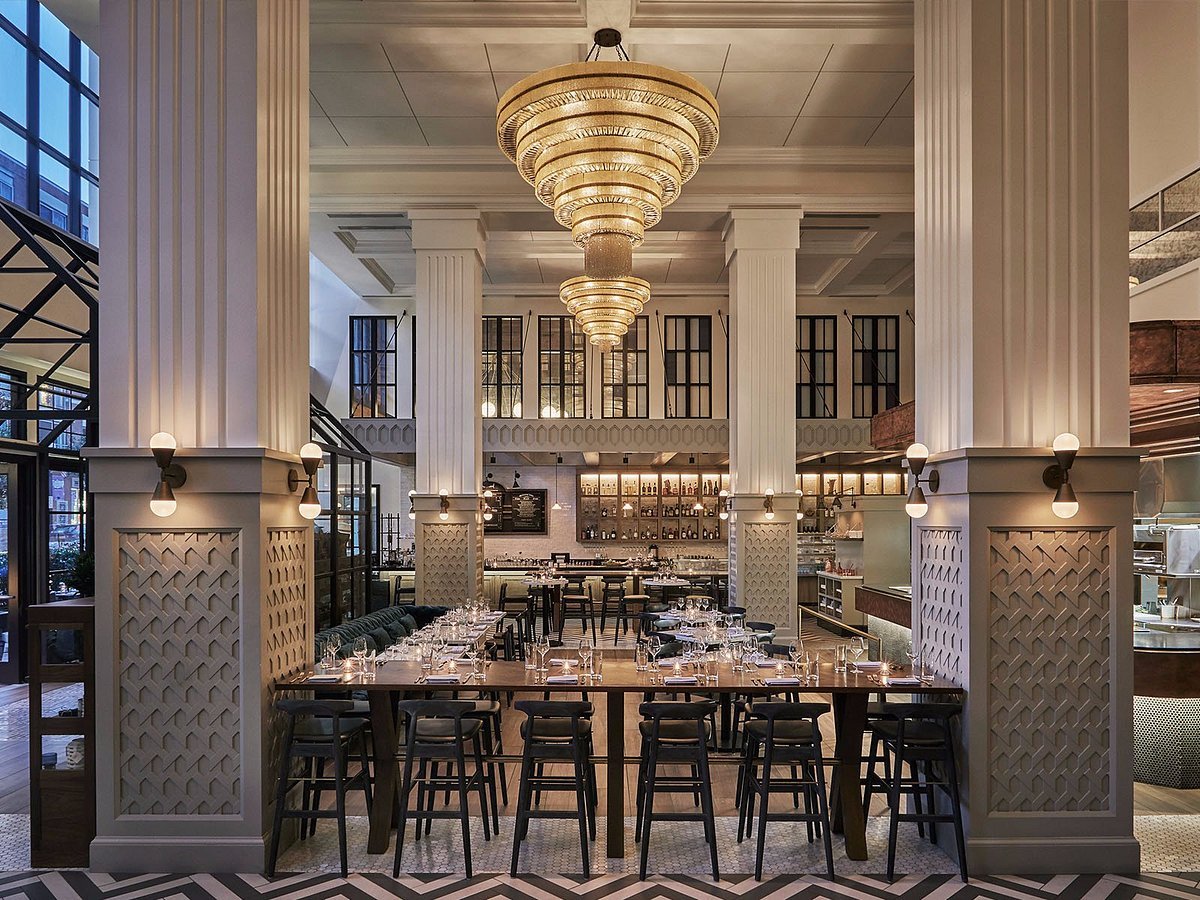
Restaurants in San Diego
Browse all →
Bars in San Diego
Browse all →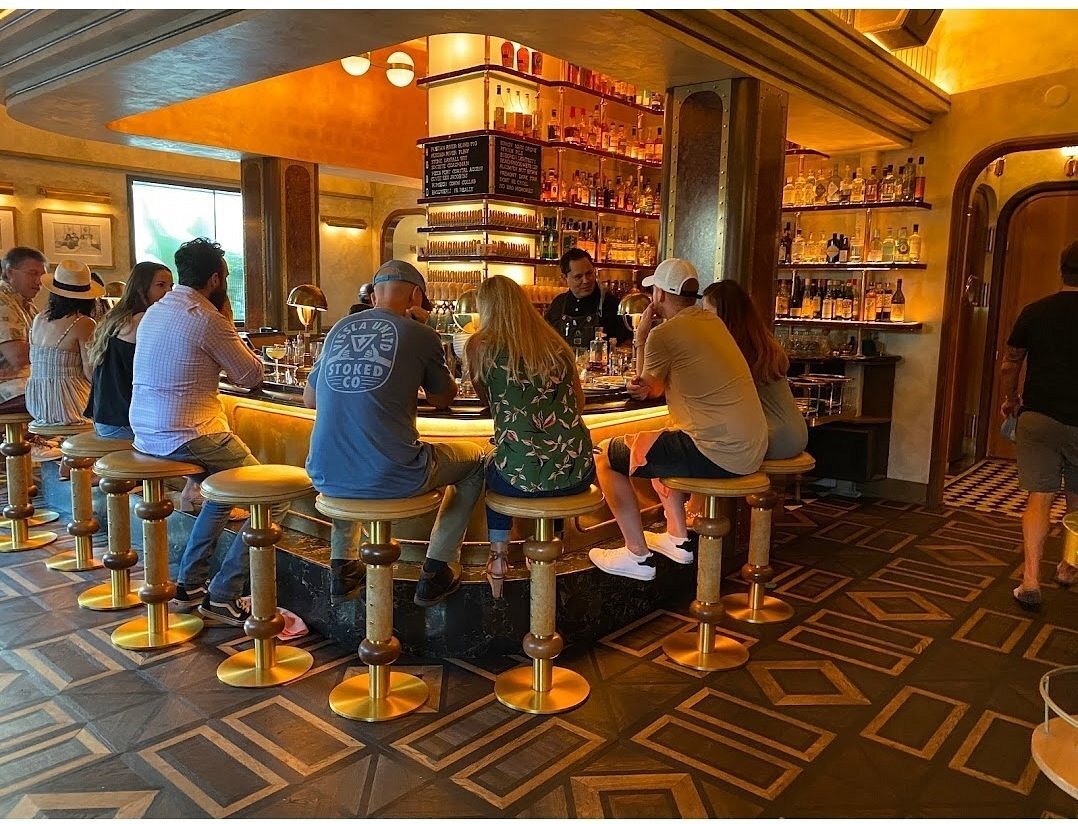
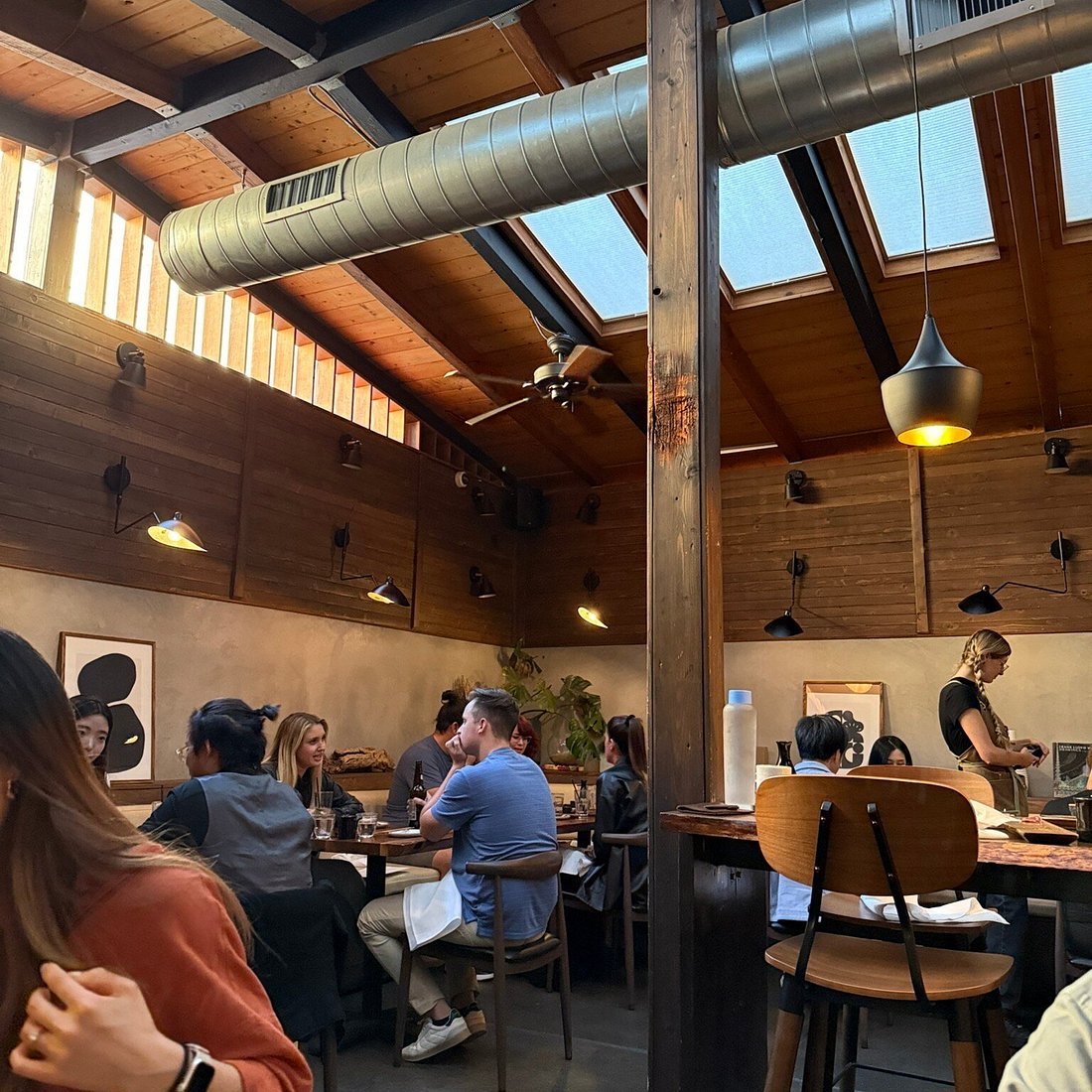
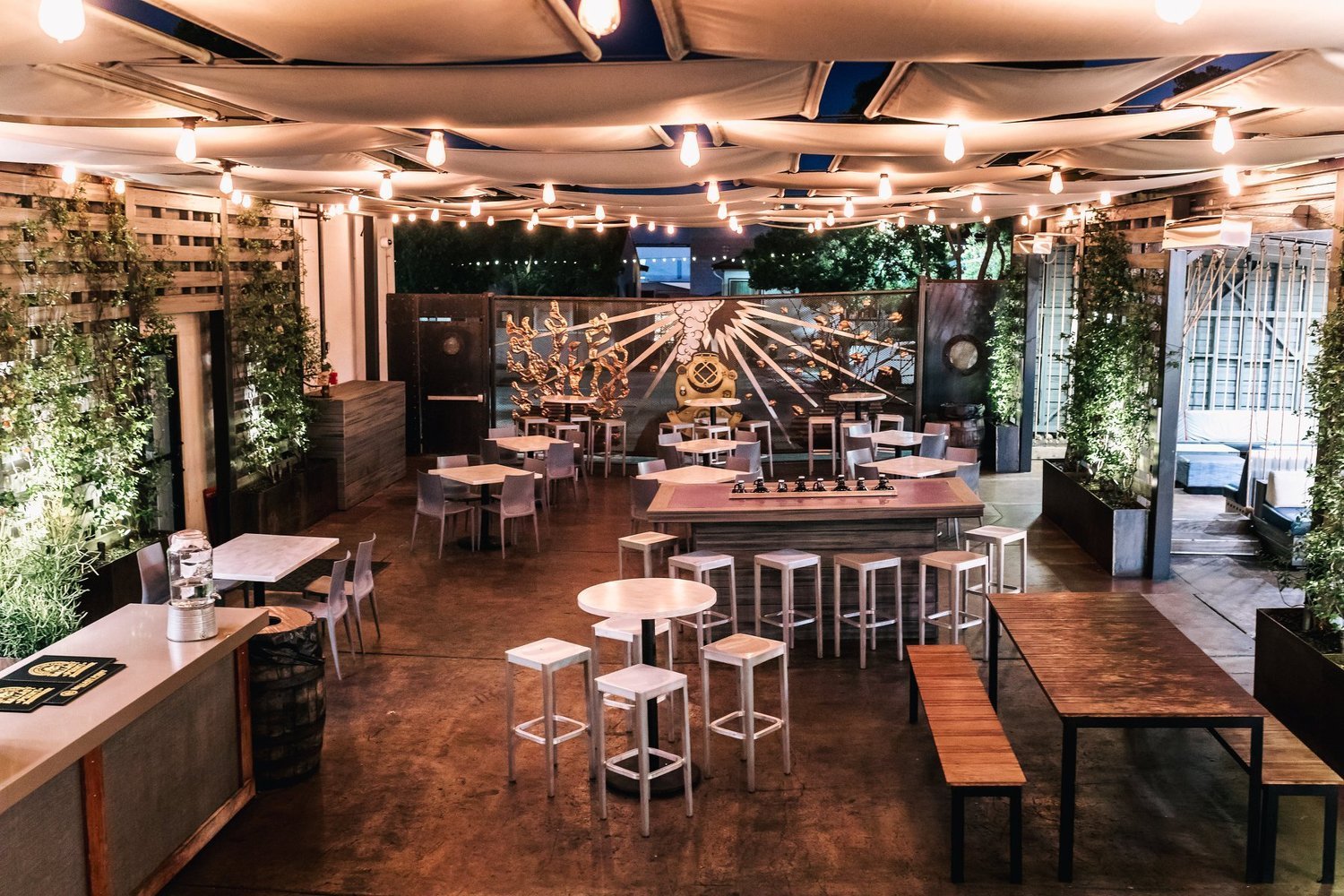
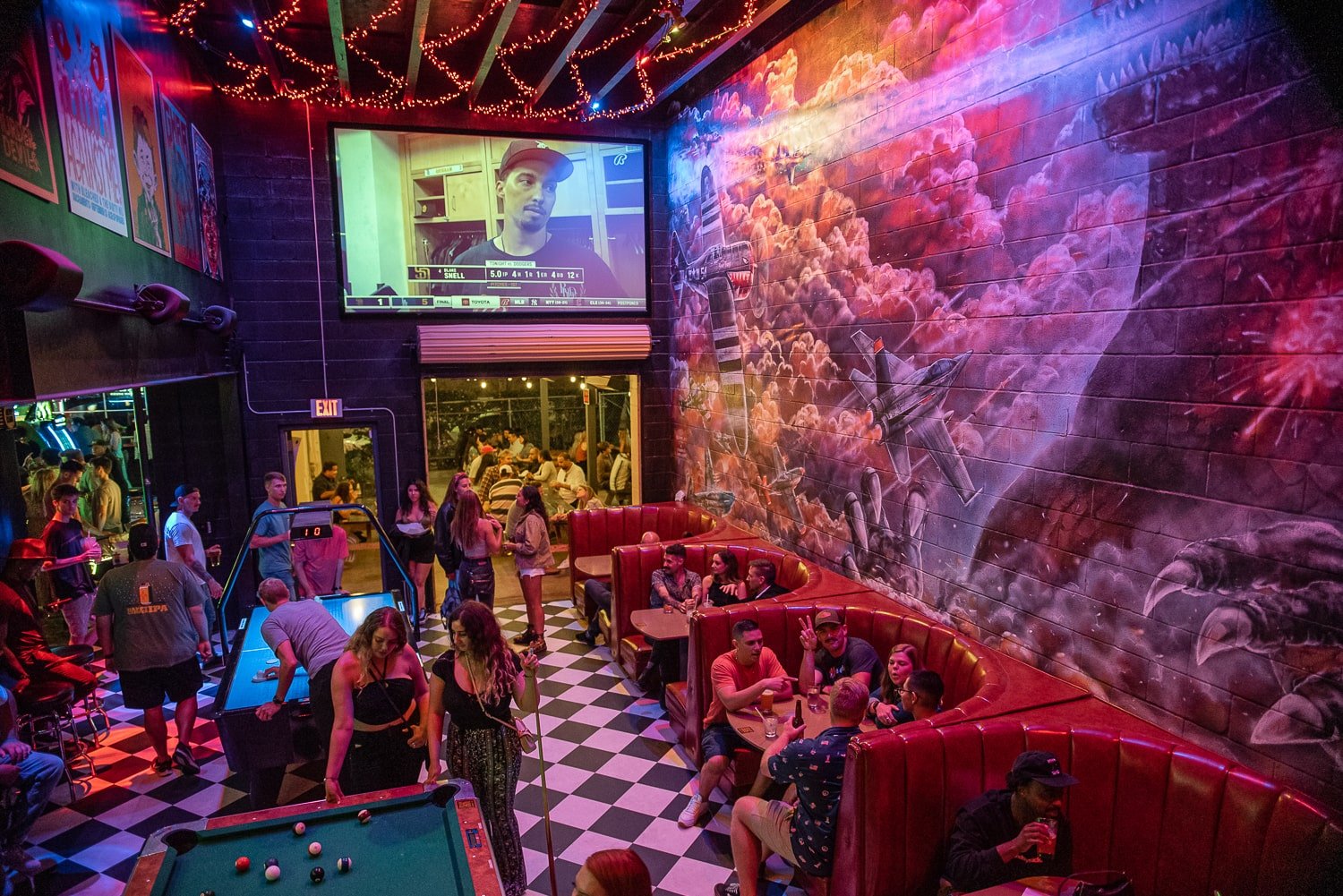

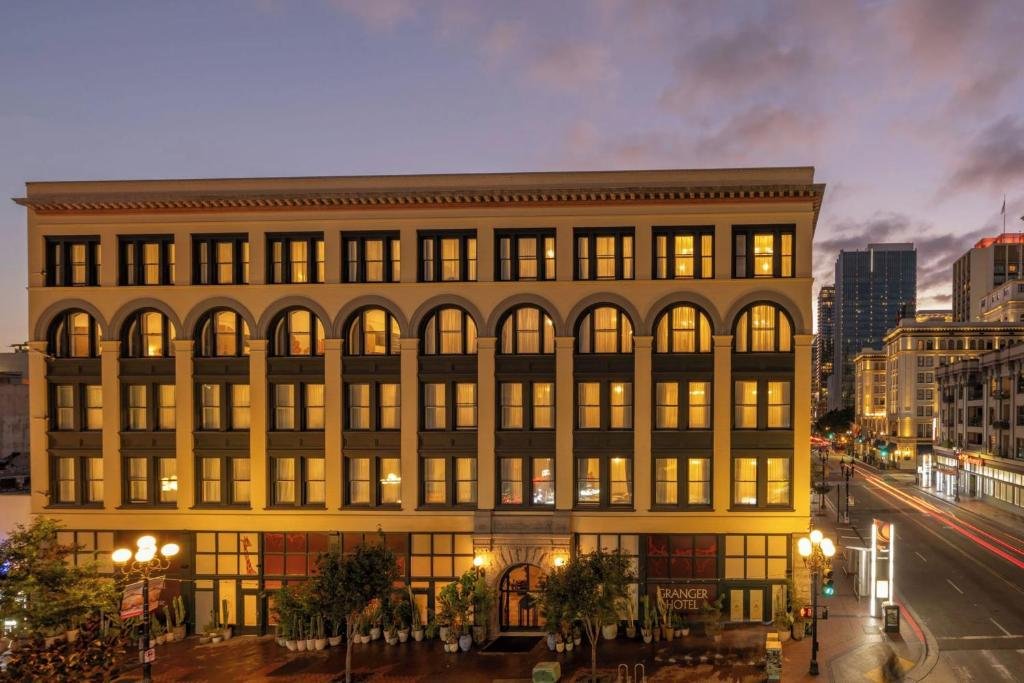



At a Glance
- Trendy
- Modern
- Cozy
- Date Night
- Special Occasion
- Open Kitchen
- Local Sourcing
- Sustainable Seafood
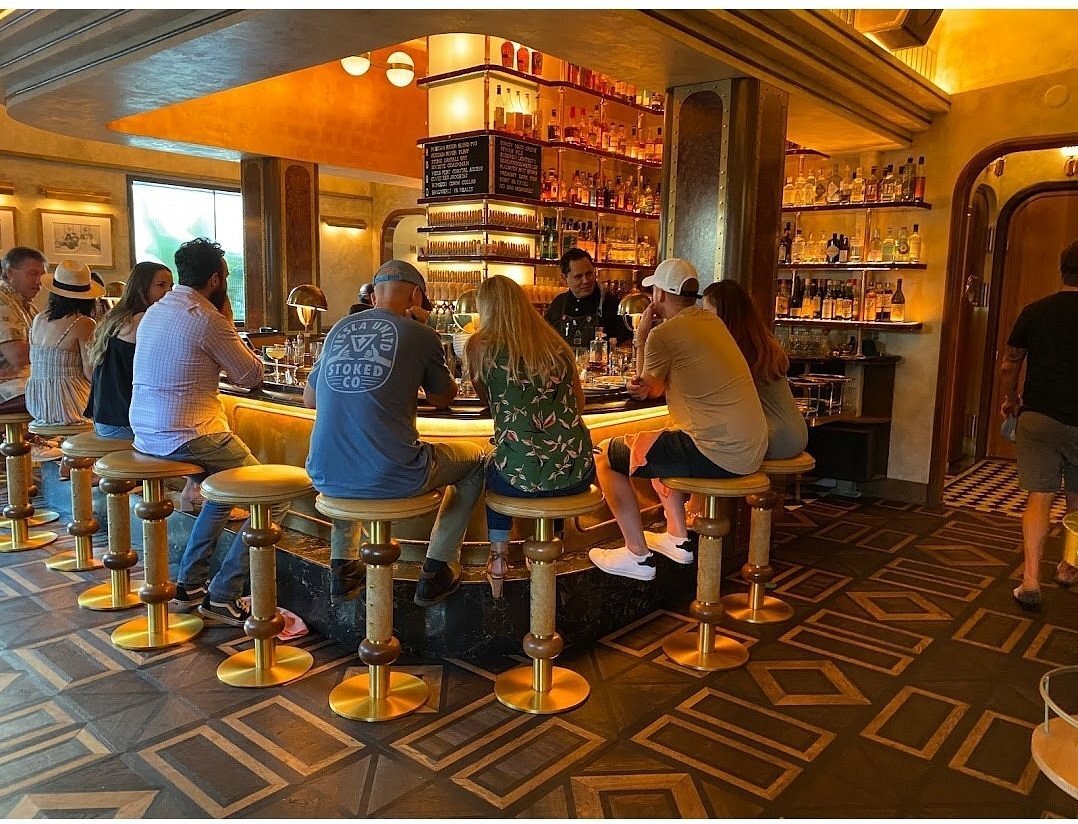
Casual spot to linger over drinks with a comforting yet exciting evening atmosphere, transitioned from fine-dining to more relaxed vibe.