Chobani SoHo
Chobani SoHo at 152 Prince Street sits at an interesting intersection in New York's food scene: a yogurt brand operating a café format in one of Manhattan's most design-conscious neighbourhoods. The menu architecture reflects a broader shift toward ingredient-led, accessible daytime dining that positions itself well outside the city's tasting-menu circuit while still drawing from the same culture of quality sourcing.
Pearl is the En Primeur Club membership app — saves, bookings, and concierge access live there. Same editors, same standards.
- Address
- 152 Prince St, New York, NY 10012
- Phone
- +12123643970
- Website
- chobani.com
- Directions
- Get directions
 Saves & bookings on Pearl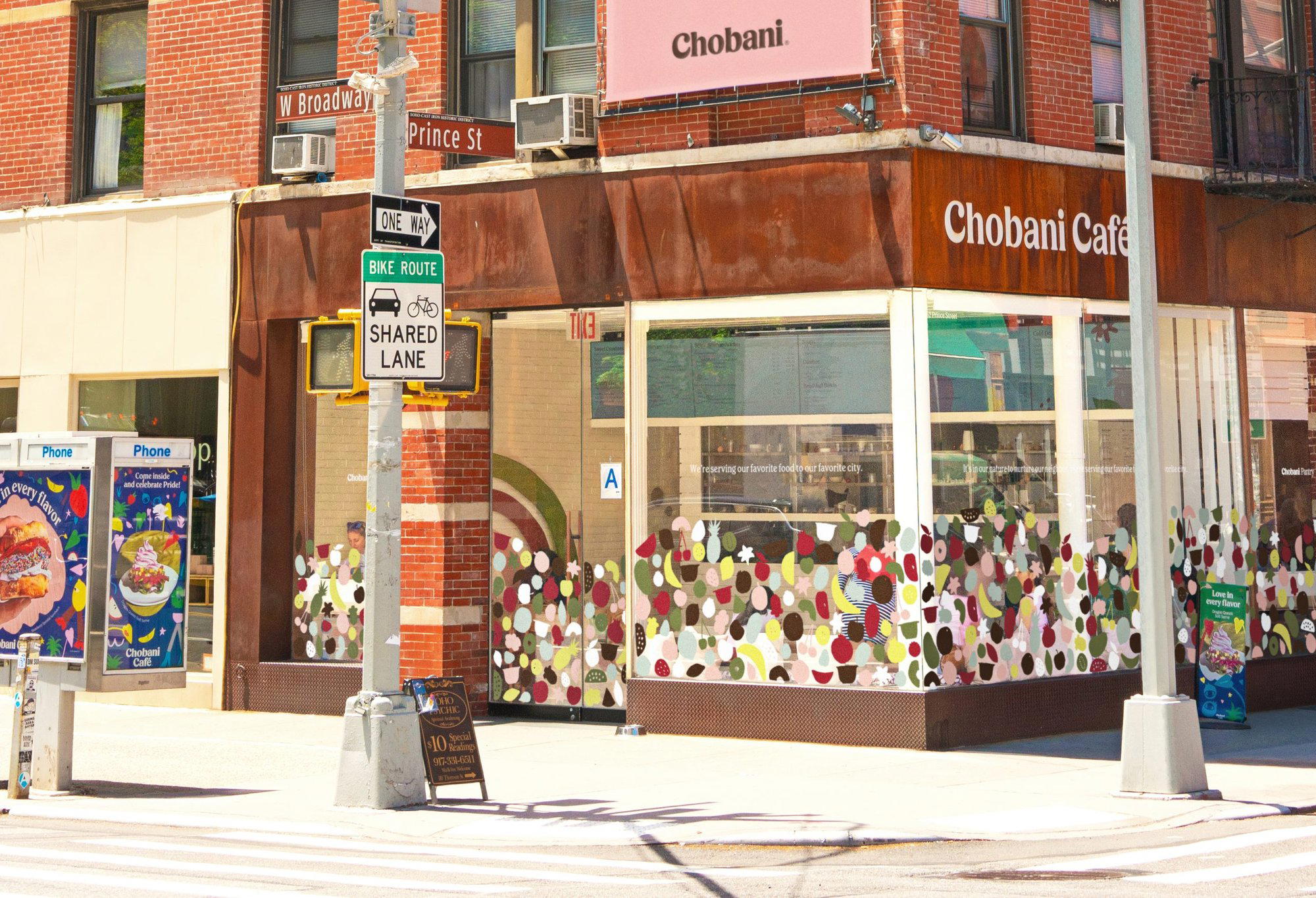
Where SoHo's Daytime Dining Culture Gets a Specific Vocabulary
152 Prince Street is a SoHo address that does a lot of work. The neighbourhood has spent the last decade pulling in both high-end retail and a particular kind of café culture that values ingredient transparency over theatrics. Chobani SoHo plants itself firmly in that second tradition. The format here is not the long tasting-menu commitment that defines New York's upper tier at places like Eleven Madison Park or Per Se. It occupies a different register entirely: daytime, accessible, built around the logic of a single core ingredient extended across a menu in ways that are meant to surprise.
That single ingredient is yogurt, and the menu architecture at Chobani SoHo is essentially an argument about how far one fermented dairy product can travel across a menu without becoming a gimmick. New York has seen this approach work with other anchor ingredients. The city's ramen shops, for example, build entire menus around broth logic. The question here is whether yogurt can sustain the same editorial coherence across savoury and sweet formats, from morning through afternoon.
Menu Architecture as Argument
The structure of a yogurt-led café menu reveals something about how food brands attempt to cross from retail shelf to dining table. Most attempts at this transition fail because they treat the menu as a product catalogue rather than a culinary proposition. What distinguishes a well-built ingredient-led menu is the same quality that separates a strong tasting menu from a random sequence of dishes: internal logic. Each section should create a reason for the next.
At Chobani SoHo, the menu moves through formats that use the yogurt base in fundamentally different ways: as a protein anchor in savoury bowls, as a fermented tang in dressings and sauces, and as a textural element in dessert formats. This is the same structural thinking, at a very different price point, that you see in how Blue Hill at Stone Barns builds menus around what the farm produces at any given moment. The constraint becomes the creative engine rather than a limitation.
The broader trend this fits into is a New York daytime dining scene that has moved away from the brunch-as-performance model toward formats that are genuinely ingredient-focused. The city has been developing a tier of cafés and counter-service spots that operate with a level of sourcing rigour more commonly associated with dinner-format restaurants. Chobani SoHo arrives at a moment when that expectation is already established, which means it is not introducing a new idea so much as it is positioning within an existing one.
SoHo as a Context for This Kind of Format
The neighbourhood choice matters. SoHo has a specific kind of foot traffic: design professionals, retail tourists, residents with high aesthetic expectations, and a significant international visitor population familiar with artisan food formats from Paris, Tokyo, and Copenhagen. This is not a neighbourhood where a basic yogurt parfait bar survives. The audience demands a coherent point of view.
That same audience has already been trained by the wider New York dining scene to read menus critically. They visit restaurants like Atomix and Le Bernardin at dinner and carry those expectations, somewhat scaled down, into their daytime choices. A café in SoHo that cannot articulate why its menu is structured the way it is will lose that customer quickly. The ones that hold attention are the ones where the format creates a reason to return across different times of day.
This is the model that has worked in other American cities. Smyth in Chicago and Providence in Los Angeles both demonstrate that a strong ingredient and sourcing philosophy at the top of a market creates permission for more casual formats below it. The brand translation from grocery to café follows a similar logic: if the quality claim holds at the ingredient level, a well-structured menu can extend that claim into a dining context.
How This Compares to the Wider Brand-to-Restaurant Tradition
Chobani SoHo is not the first food brand to attempt a flagship café format in a premium urban neighbourhood. The model has precedents in how chocolate houses, cheese counters, and specialty coffee brands have built destination formats around a single product category. What those precedents show is that success depends less on the brand recognition and more on whether the menu can operate as a genuine culinary proposition independent of the branding.
The stronger examples in this category internationally, including some of the sourcing-driven formats emerging across Europe that share DNA with restaurants like Atelier Moessmer Norbert Niederkofler in Brunico and Dal Pescatore in Runate, succeed because the ingredient specificity is legible in every dish. The weaker examples use the brand as a substitute for culinary logic. The menu architecture at Chobani SoHo is the primary evidence of which category it occupies.
For comparison across American formats that have navigated this terrain at various scales, Single Thread Farm in Healdsburg and Frasca Food and Wine in Boulder both demonstrate how a clear ingredient or regional identity, held consistently across a menu, builds a diner's trust over time. That trust is what converts a one-time visitor into a regular. It is also what makes the menu architecture question worth asking seriously about Chobani SoHo rather than dismissing the format as a marketing exercise.
Practical Context
152 Prince Street is in the heart of SoHo, within walking distance of the neighbourhood's main gallery and retail corridors. The format operates as a café rather than a reservation-driven restaurant, which means access is determined by timing rather than planning. For visitors building a broader New York itinerary, the full New York City restaurants guide covers the range from counter-service to tasting-menu formats across all five boroughs.
Those travelling beyond New York who want to compare ingredient-led daytime formats in other American cities should look at Lazy Bear in San Francisco, Emeril's in New Orleans, The French Laundry in Napa, Addison in San Diego, and The Inn at Little Washington in Washington for a cross-section of how American dining handles ingredient identity at different price points and formats.
Know Before You Go
- Address: 152 Prince St, New York, NY 10012
- Neighbourhood: SoHo, Manhattan
- Format: Café, walk-in
- Reservations: Not required; walk-in format
- Leading timing: Weekday mornings tend to be quieter in SoHo café formats of this type; weekend afternoons draw heavier retail foot traffic to the area
Comparison Snapshot
| Venue | Cuisine | Price | Awards |
|---|---|---|---|
| Chobani SoHo | This venue | Not listed | Not listed |
| Le Bernardin | French, Seafood | $$$$ | Michelin 3 Star |
| Atomix | Modern Korean, Korean | $$$$ | Michelin 2 Star |
| Per Se | French, Contemporary | $$$$ | Michelin 3 Star |
| Masa | Sushi, Japanese | $$$$ | Michelin 3 Star |
| Eleven Madison Park | French, Vegan | $$$$ | Michelin 3 Star |
Continue exploring
More in New York City
Restaurants in New York City
Browse all →
Bars in New York City
Browse all →
Hotels in New York City
Browse all →




At a Glance
- Modern
- Trendy
- Cozy
- Brunch
- Casual Hangout
- Open Kitchen
- Street Scene
Current opening hours
- Monday
- 7:30 AM–7 PM
- Tuesday
- 7:30 AM–7 PM
- Wednesday
- 7:30 AM–7 PM
- Thursday
- 7:30 AM–7 PM
- Friday
- 7:30 AM–7 PM
- Saturday
- 8:30 AM–7 PM
- Sunday
- 8:30 AM–7 PM
Hours can change for holidays and private events. Last verified .
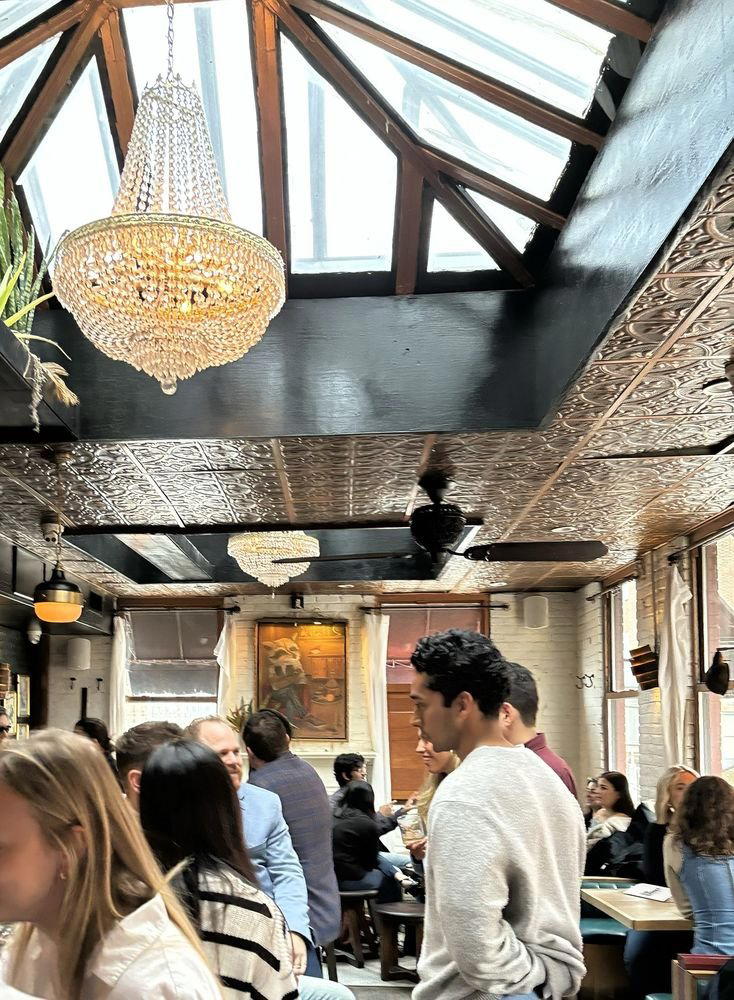
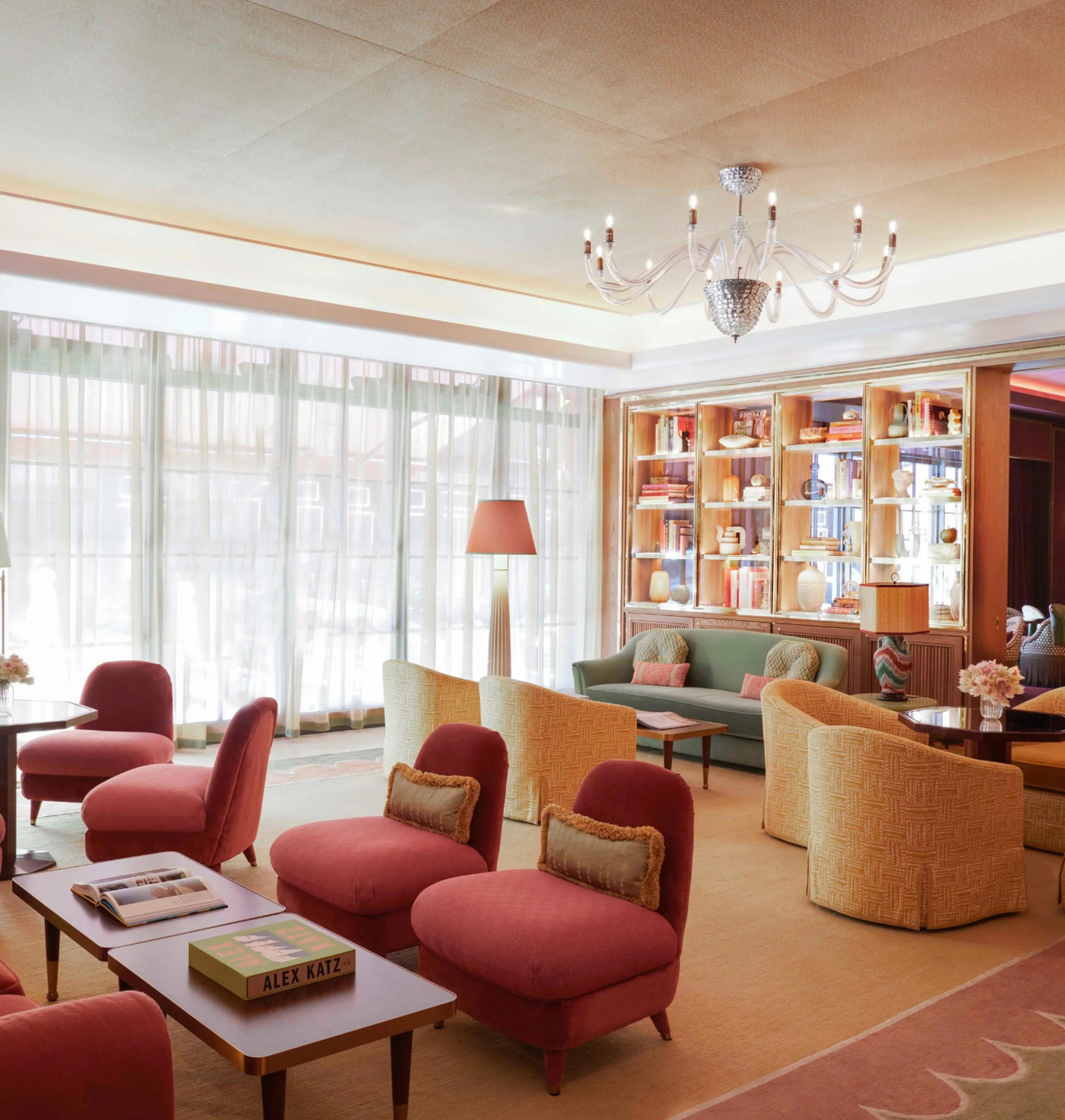
Light-filled, modern, clean, and cozy with an open kitchen and communal seating.
Know Before You Go
- Getting there
- 152 Prince St, New York, NY 10012