Chino Bandido

Chino Bandido is one of Phoenix's most talked-about experiments in culinary fusion, combining Chinese and Mexican cooking traditions in a casual north Phoenix setting. The restaurant has built a devoted following around its unlikely but coherent pairing of flavors, drawing lines that speak more to cult status than to any formal recognition. For Phoenix residents, it operates as a kind of local institution.
Pearl is the En Primeur Club membership app — saves, bookings, and concierge access live there. Same editors, same standards.
- Address
- Phoenix, AZ 85023
- Phone
- +1 602 375 3639
- Website
- chinobandido.com
- Directions
- Get directions
 Saves & bookings on Pearl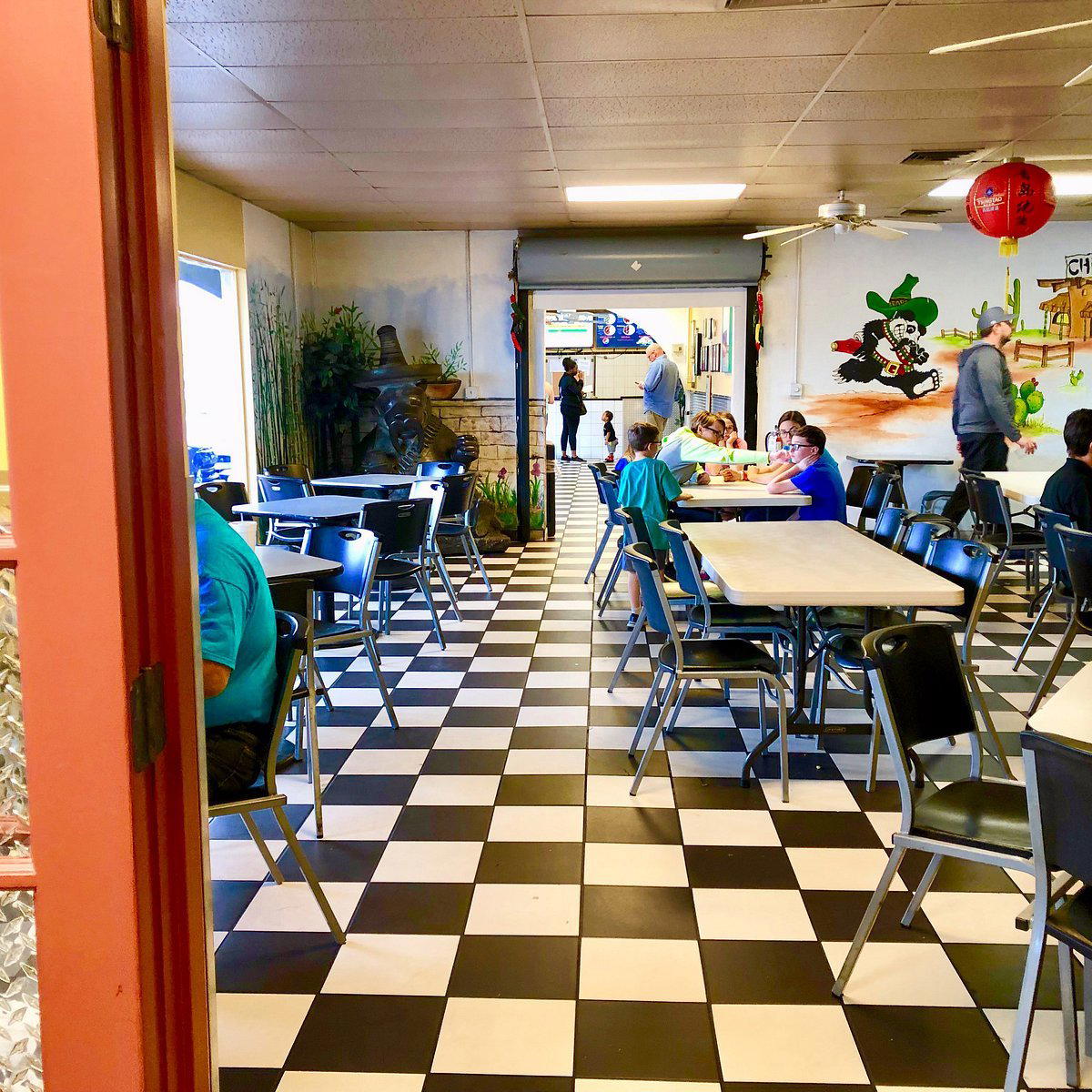
Where the Kitchen Refuses to Choose a Side
Phoenix has always been a city that absorbs influences faster than it theorizes about them. The north Phoenix strip-mall corridor, far from the design-conscious dining rooms of Arcadia or the tourist-facing blocks of downtown, tends to produce the kind of restaurants that survive on repeat local custom rather than press cycles. Chino Bandido belongs to that geography, occupying the sort of low-overhead, high-personality space that cities like Phoenix quietly depend on to keep their dining culture honest. The approach here, fusing Chinese and Mexican cooking traditions under one roof, is the kind of premise that sounds like a concept pitch but lands, in practice, as something considerably more grounded.
Fusion as a category has a complicated reputation. In the 1990s it became a shorthand for expensive confusion, plates that referenced multiple cuisines without committing to any. What happened in the decades since, at restaurants from Atomix in New York City to Atelier Moessmer Norbert Niederkofler in Brunico, was a more serious engagement: fusion anchored in documented sourcing, regional specificity, and culinary logic rather than novelty. Chino Bandido operates at a different price point and register than those addresses, but the underlying question it poses is the same. Can two distinct culinary traditions share plate space without either being diminished?
The Ingredient Logic Behind the Combination
The Chinese-Mexican pairing at Chino Bandido is less arbitrary than it first appears when you consider the ingredient geography of the American Southwest. Arizona sits within reach of some of the most productive agricultural land in North America, with the Sonoran Desert corridor supplying chiles, squash, and legumes that anchor Mexican cooking in this region, while Chinese-American pantry staples, soy, hoisin, rice, five-spice, traveled west via the railroads and then stayed. Phoenix's food culture has been shaped by both supply chains for generations.
That dual inheritance is what gives the kitchen here its operating logic. The dishes do not simply transpose one cuisine's sauces onto another's proteins. The combination is more structural than that, treating the two traditions as parallel systems with compatible ingredient ranges rather than as novelties to be mixed for effect. This is the kind of sourcing and combination thinking that, at the fine-dining tier, places like Single Thread Farm in Healdsburg or Blue Hill at Stone Barns in Tarrytown have codified into full tasting-menu philosophies. At Chino Bandido the register is casual and the prices are accessible, but the underlying conviction that ingredients from specific regions carry specific logic is recognizable across those different formats.
For broader context on how Phoenix's dining scene engages with Sonoran ingredient traditions, Bacanora is the clearest reference point in the city's current Mexican canon, working with desert-sourced and northern Mexican pantry ingredients in a more formal presentation. The gap between Bacanora and Chino Bandido in terms of format and price tier illustrates how Phoenix's food culture distributes across registers without consolidating around a single mode.
Phoenix's Appetite for the Unconventional
Phoenix's restaurant culture does not map neatly onto coastal dining narratives. The city has serious fine-dining addresses: Vincent Guerithault on Camelback has sustained French-Southwestern cooking here for decades, demonstrating that Phoenix audiences will support technically demanding, culturally specific cuisine when it is executed with conviction. But the city also has a long tradition of casual institutions that punch above their category, places like Pane Bianco, which applies genuine craft to sandwiches, or 5 & Diner, which treats the American diner format as worth preserving on its own terms.
Chino Bandido belongs to that second tradition: casual in format, serious in conviction, and sustained by a local following rather than critical attention. The lines it generates are a data point worth taking seriously. In a market where food media attention concentrates on a small number of destinations, a restaurant that maintains consistent crowds on the strength of repeat custom alone is making a statement about what local audiences actually want versus what they are told they should want.
The Thai end of Phoenix's cross-cultural dining is documented at Lom Wong, which applies a similarly ingredient-attentive approach to Southeast Asian cooking. Together, these restaurants sketch a picture of a city where the most interesting dining decisions are often being made outside the fine-dining tier, by kitchens working in specific culinary traditions with real sourcing logic behind them.
How It Sits in the National Fusion Conversation
At the upper end of American dining, ingredient sourcing and cross-cultural combination have become organizing principles rather than stylistic options. Smyth in Chicago, Providence in Los Angeles, and Le Bernardin in New York City each, in different ways, treat sourcing specificity as a foundational commitment. The French Laundry in Napa and Addison in San Diego do the same within their respective regional frameworks. These are all Michelin-recognized addresses operating with substantial resources behind their sourcing programs.
Chino Bandido is not in that tier and does not position itself there. What it shares with those restaurants is a premise: that combining ingredients from different traditions requires an understanding of why those ingredients exist in their original contexts before you decide to move them. The restaurants that have made fusion work at every price level, from Lazy Bear in San Francisco to Emeril's in New Orleans to The Inn at Little Washington, have done so by treating the source cuisines with coherence rather than as interchangeable flavor palettes. That discipline, applied at a casual register, is what has kept Chino Bandido in Phoenix's dining conversation for as long as it has.
Planning a Visit
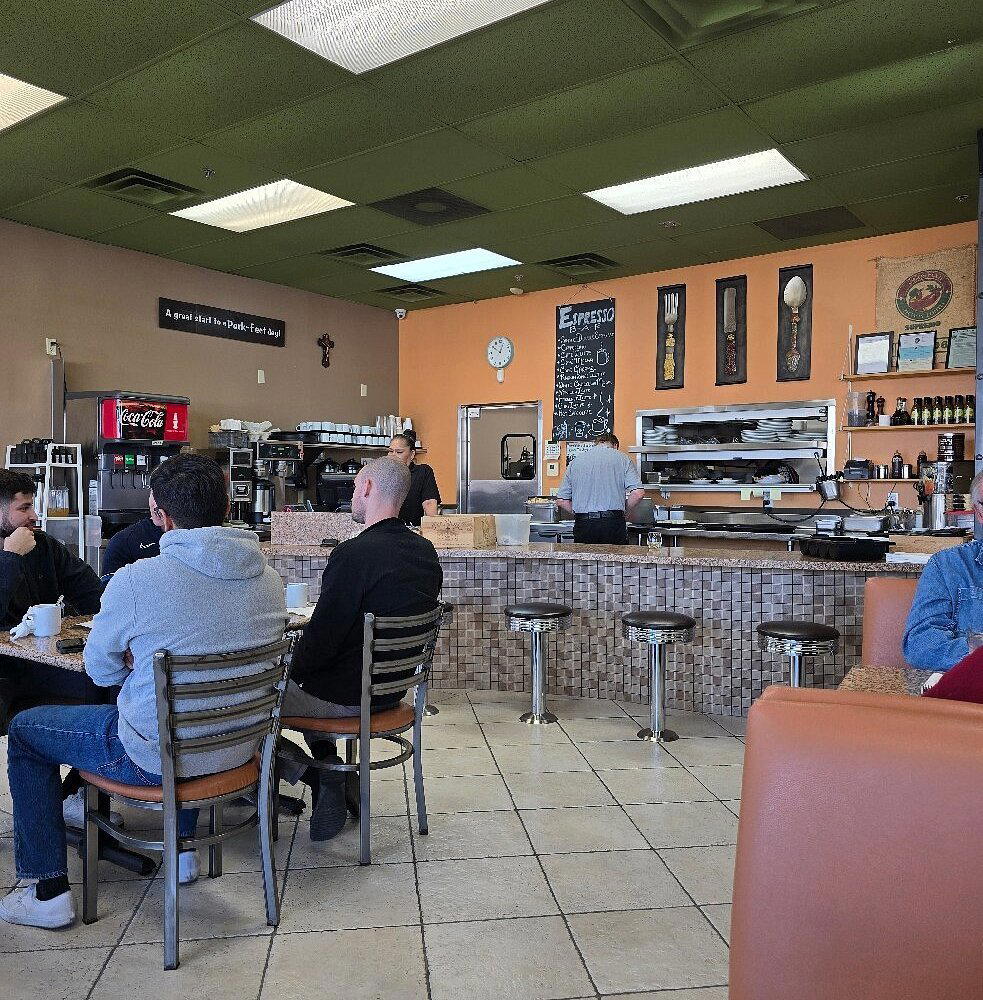
Chino Bandido is located in north Phoenix at a zip code that puts it well away from the central dining clusters most visitors default to. The format is casual, the expectation is counter-style or quick service rather than a seated reservation experience, and the draw is consistency rather than spectacle. Arriving with some patience and a willingness to share table space with a mix of regulars is the correct orientation. For a fuller picture of where Chino Bandido sits within the broader Phoenix dining ecosystem, our full Phoenix restaurants guide maps the city's options across price tiers and culinary traditions.
Recognition history
Dated appearances from independent guides and award organizations, with the underlying list record or original source where available.
Diners, Drive-Ins and Dives Featured Restaurant
Diners, Drive-Ins and Dives · 2026 Diners, Drive-Ins and Dives Featured Restaurants






At a Glance
- Lively
- Casual
- Casual Hangout
Current opening hours
- Monday
- 11 AM–9 PM
- Tuesday
- 11 AM–9 PM
- Wednesday
- 11 AM–9 PM
- Thursday
- 11 AM–9 PM
- Friday
- 11 AM–9 PM
- Saturday
- 11 AM–9 PM
- Sunday
- 11 AM–9 PM
Hours can change for holidays and private events. Last verified .
Casual counter-service spot with easygoing, hole-in-the-wall atmosphere.
Know Before You Go
- Getting there
- Phoenix, AZ 85023