Chiko

James Beard Award Semi Finalist
Our verdict
Chiko belongs to Washington, D.C.’s modern casual dining conversation: chef-driven food without the ceremony of a tasting-menu room. Its James Beard Foundation recognition in 2025 and 2026, tied to Scott Drewno and Danny Lee in the Outstanding Restaurateur category, signals a restaurant group with national industry attention rather than a neighborhood-only following.

Pearl is the En Primeur Club membership app, where members save venues, book tables and use the concierge.
The menu
What to order
- Orange-ish Chicken
- Soy Glazed Brisket
- Chilled Peanut Noodles
- Kimchee Stew
- Cumin Lamb Noodles
Walk into Washington’s newer casual dining tier and the old signals of ambition are less reliable. Linen, hushed service, and a long wine ritual no longer define seriousness; counter formats, compact menus, and high-output kitchens now carry some of the city’s sharper ideas. Chiko sits inside that shift. The point is not formality. The point is whether a restaurant can translate memory, speed, and operator-level discipline into a format that works on an ordinary night.
That matters in Washington, D.C. a city where dining has long been split between formal rooms, internationally influenced cooking, and neighborhood restaurants that serve as social infrastructure. The newer middle ground is more interesting: restaurants with enough identity to attract national attention, but enough ease to avoid becoming special-occasion machinery. Chiko’s James Beard Foundation recognition, including a 2025 semifinalist nod for Outstanding Restaurateur, places Scott Drewno and Danny Lee in that conversation.
Why D.C.'s casual dining now carries serious cultural weight
Washington’s food culture has never been only federal corridors and old-school rituals. The city’s strongest dining patterns often come from migration, adaptation, and the pressure of feeding regulars rather than performing for visitors. Contemporary dining has played a central role in that recalibration, especially in formats that do not require a fixed tasting-menu grammar to communicate technique.
Chiko is useful because it reflects that wider turn: a restaurant can be ambitious without asking diners to treat dinner like theater. The cultural signal is not novelty for its own sake, but the normalization of hybrid urban dining as part of the city’s core vocabulary. In that context, the James Beard attention reads less like decoration and more like a marker of where the national restaurant industry is looking: operators who can build durable, identity-driven restaurants outside the old fine-dining template.
The comparison within D.C. is not to a single peer, but to the city’s broader range. A reader planning across the capital might use EP Club’s Washington, D.C. restaurant coverage for the dining map, then cross-check how the city’s hospitality scene extends into hotels, bars, wine-focused stops, and experience-led planning. The city rewards that cross-category reading because dinner, drinks, and timing often shape the night as much as the table itself.
The Beard signal is about operators, not tablecloths
The Outstanding Restaurateur category is a different credential from a chef tasting-menu award. It points to business durability, restaurant culture, and operational judgment. For Chiko, that distinction is central. The recognition attached to Drewno and Lee frames the restaurant less as a single-room performance and more as part of a broader operator-led model, where consistency and identity have to survive repetition.
That is a harder achievement than it can appear from the dining room. Casual formats expose weak systems quickly: food has to move, value has to feel coherent, and the concept has to make sense to regulars as well as first-time diners. Washington’s audience is especially unforgiving on that front. The city has enough transient traffic to fill rooms briefly, but long-term relevance depends on local use.
EP Club readers looking beyond D.C. can see similar questions play out in different formats across other American dining cities, from focused bar-restaurant ideas to tightly framed casual concepts and neighborhood places that become part of a city’s daily rhythm. None of those analogies needs to flatten the food; the useful lesson is that format has become part of the argument.
How to read Chiko inside a D.C. itinerary
Chiko makes sense for travelers who want Washington dining without defaulting only to ceremonial rooms. That does not make it a substitute for the city’s long-running institutions, bar circuits, and neighborhood dining. It fills a different role: a meal that belongs to contemporary D.C. shaped by operator credibility and cultural fluency rather than by luxury codes.
For a broader city read, EP Club’s Washington pages include other restaurant entries across Washington, D.C. Those pages sketch a city where location, format, and occasion pull diners in different directions.
The wider American map sharpens the point. Other tradition-bound, casual, and contemporary restaurants in different cities sit in their own registers of cultural dining. Chiko belongs to the Washington version of that question: what happens when roots, speed, and restaurant-group discipline occupy the same room.
Frequently asked questions
What's Chiko known for in terms of accolades?
Chiko has received recognition including a 2025 James Beard Restaurant and Chef Awards semifinalist nod for Outstanding Restaurateur, recognizing Scott Drewno and Danny Lee of The Fried Rice Collective, connected with Chiko in Washington, D.C.
Should I book Chiko in advance?
Yes. Chiko carries 2025 James Beard Foundation semifinalist recognition for Outstanding Restaurateur, which usually signals a place worth planning around in Washington, D.C. If the visit matters on a tight schedule, assume demand will be higher than a casual walk-in meal.
What has Chiko built its reputation on?
Chiko’s profile is tied to operator-level recognition, not a chef trophy case: it was named a 2025 James Beard Award semifinalist for Outstanding Restaurateur, with Scott Drewno and Danny Lee recognized. That points to restaurant management and consistency as much as the dining room itself.
Can Chiko handle vegetarian requests?
For vegetarian requests, the safest approach is to check directly with Chiko before visiting. Its public recognition establishes operator-level credibility, but specific menu accommodations should be confirmed with the restaurant.
Recognition history
Dated appearances from independent guides and award organizations, with the underlying list record or original source where available.
James Beard Award Semi Finalist
James Beard Award
Full recognition history (2 entries)
James Beard Award Semi Finalist
James Beard Award
Continue exploring
More in Washington DC
Restaurants in Washington DC
All restaurants in Washington DC →
Bars in Washington DC
All bars in Washington DC →



Details
- Lively
- Trendy
- Modern
- Casual
- Casual Hangout
- Group Dining
- Solo
- After Work
- Family
- Chefs Counter
- Standalone
- Beer Program
- A La Carte
- Counter Dining
- Beer
- Soft Drinks
- Vegetarian Friendly
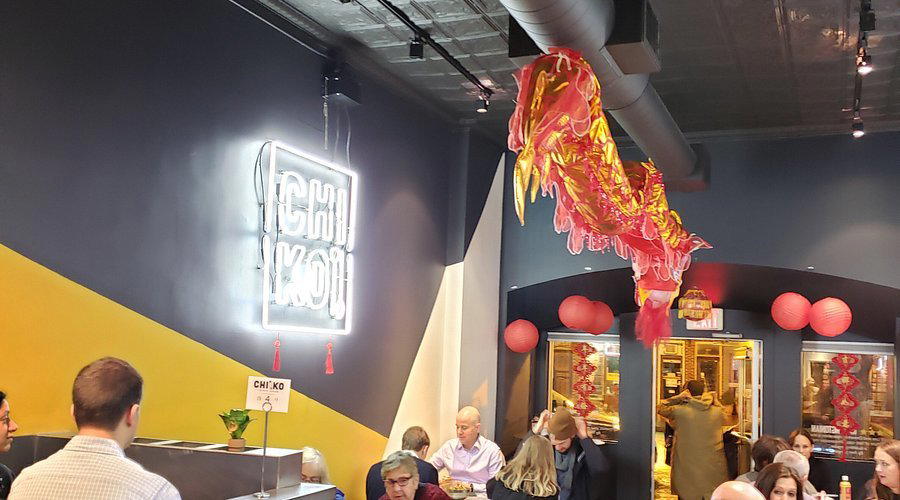
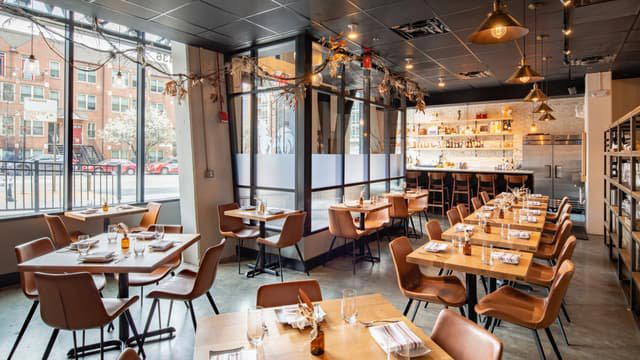
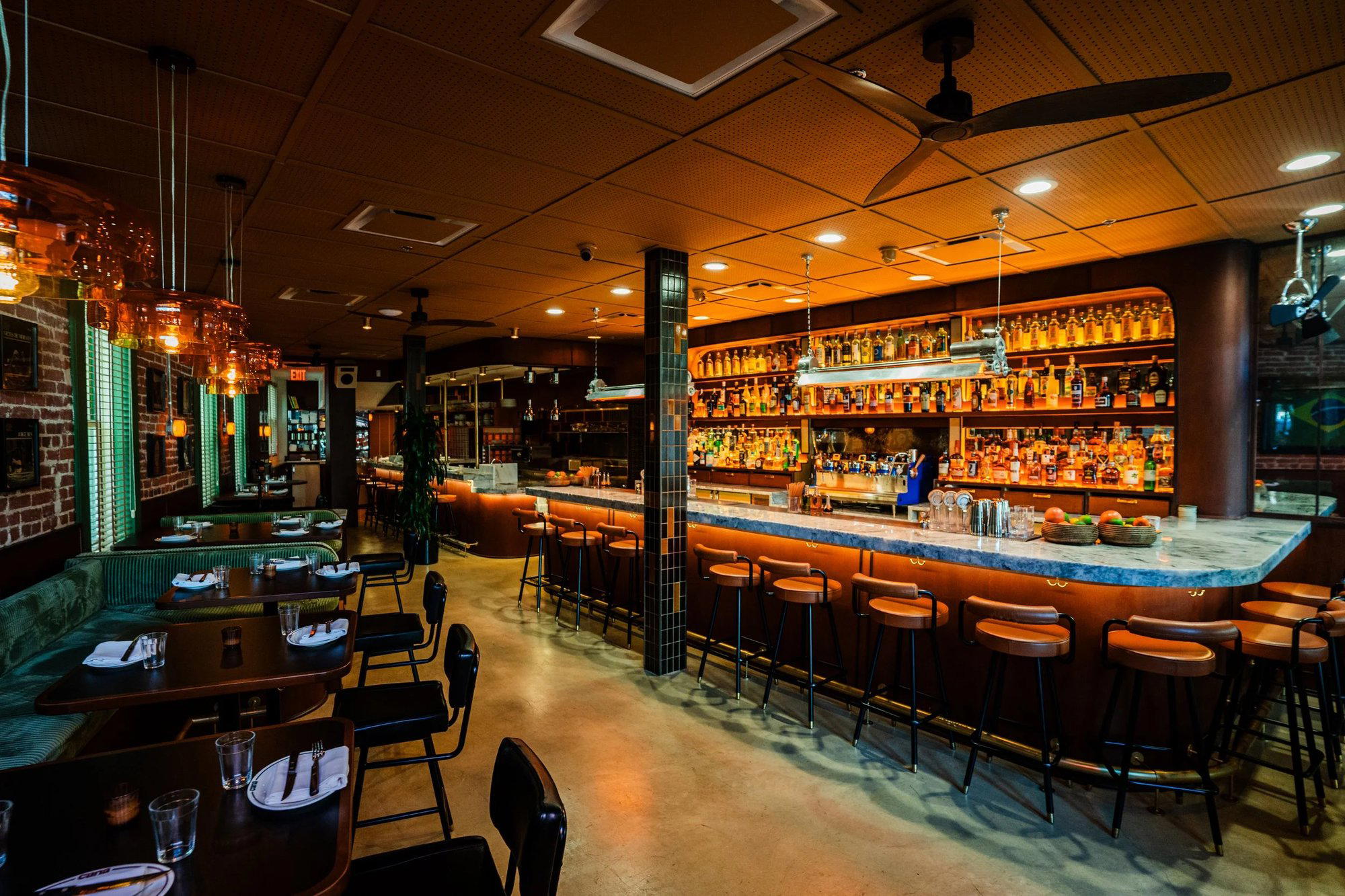
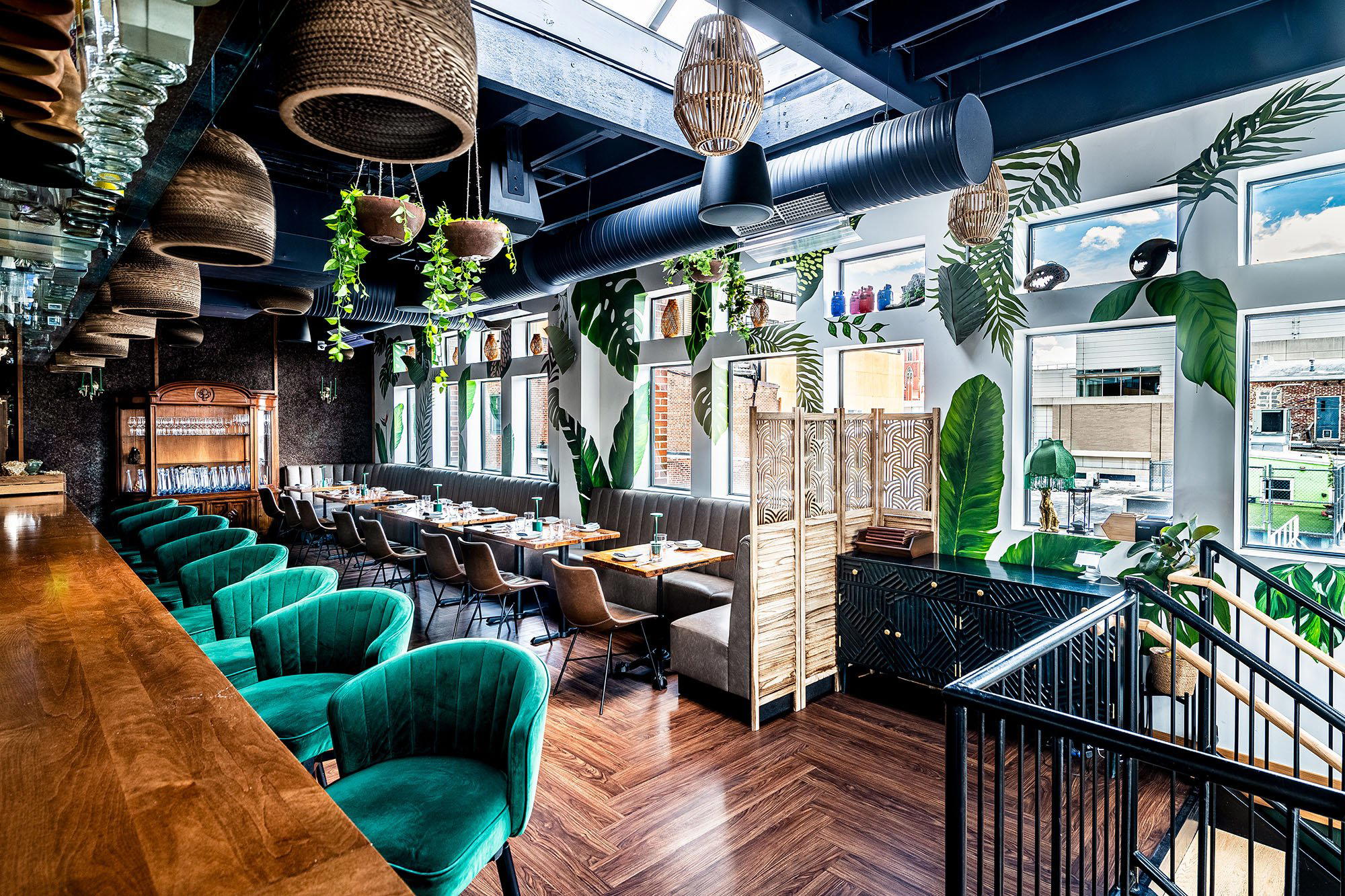
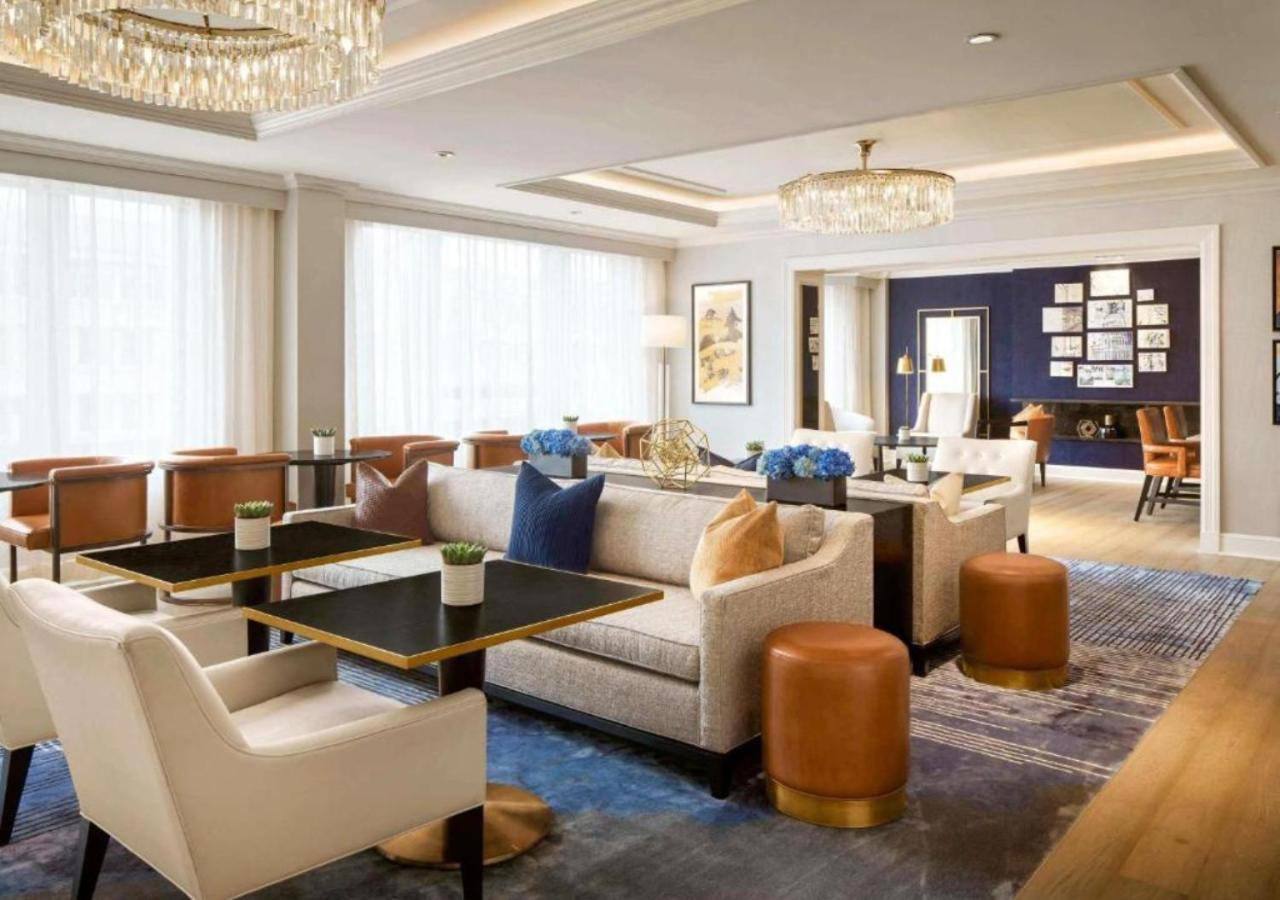
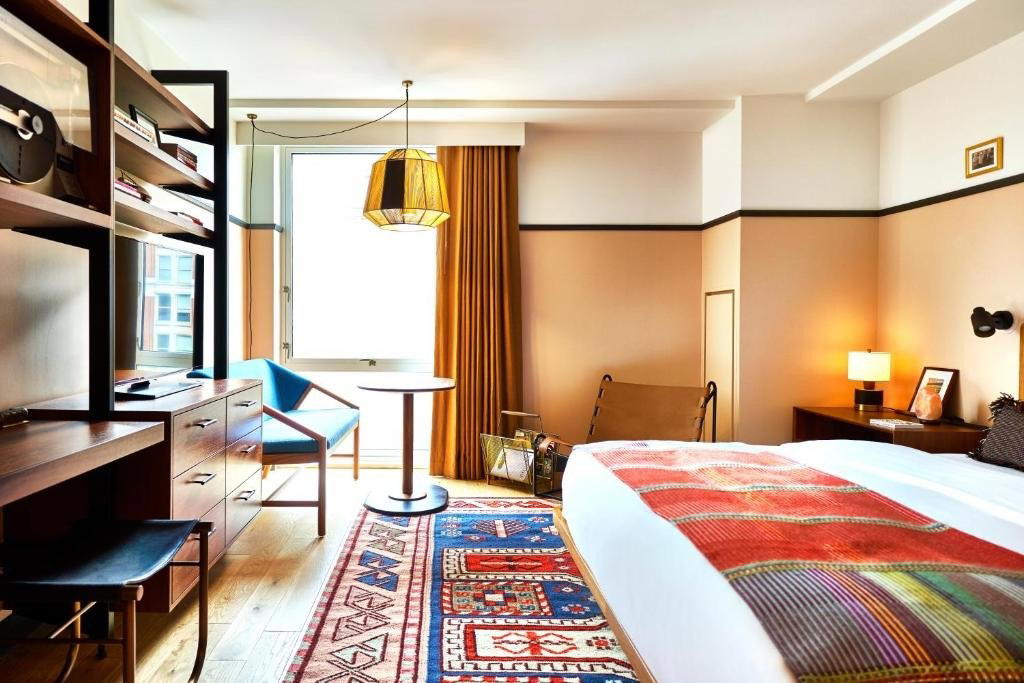
Casual, energetic fast-casual setting with counter ordering and food brought to the table, decor a notch above typical fast food but still informal and busy during peak hours.