Chicon
Our verdict
Chicon sits on East 6th Street in Austin's rapidly shifting East Side, where the line between neighborhood local and serious destination dining has grown harder to draw. The address places it inside one of the city's most contested dining corridors, where independent operators compete for a crowd that expects both culinary ambition and a sense of place. Confirm current hours and booking availability directly before visiting.
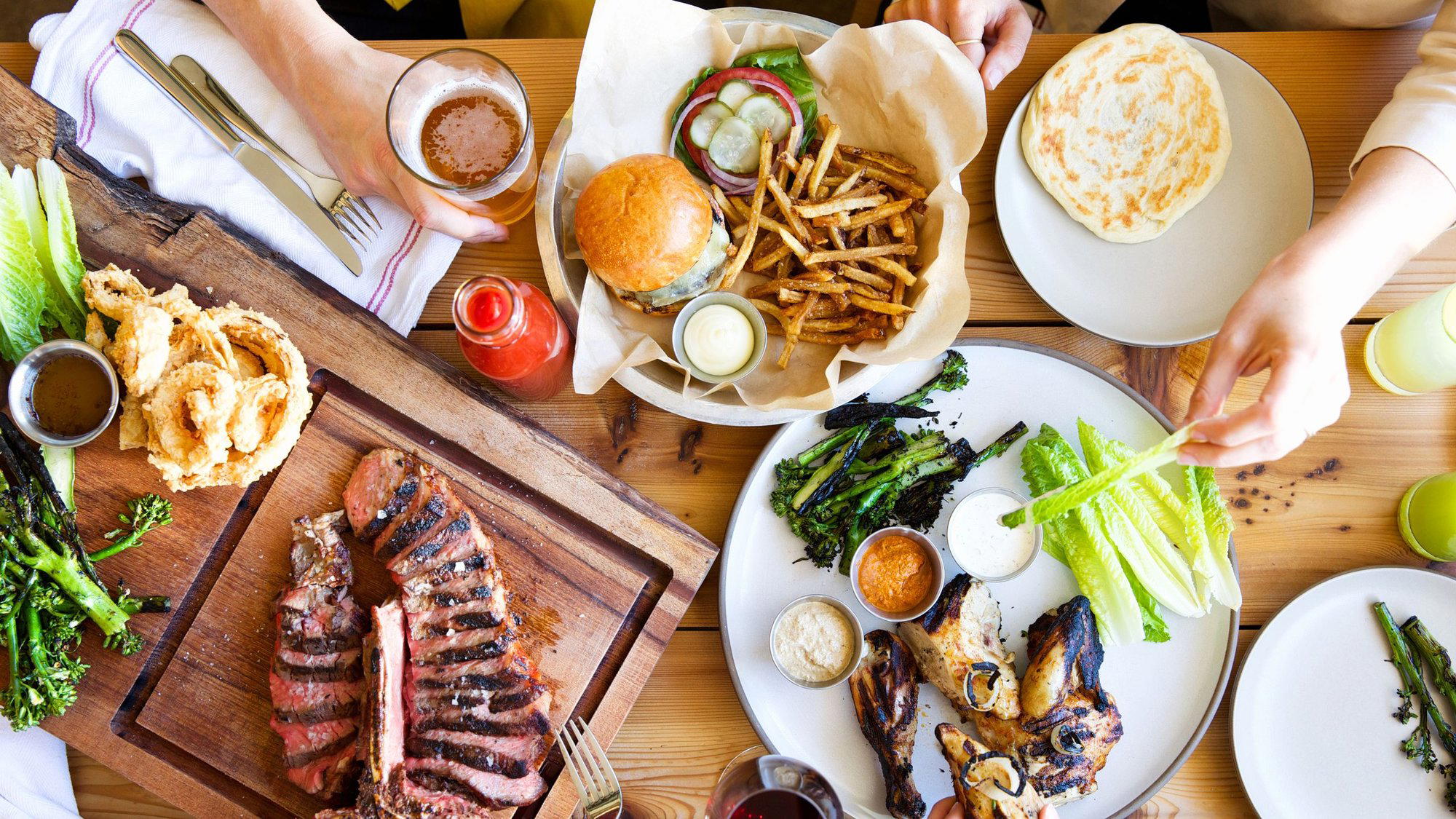
The menu
What to order
- Pork rolls
- Sirloin caps
- Grilled chicken
East 6th Street and the Tension That Defines It
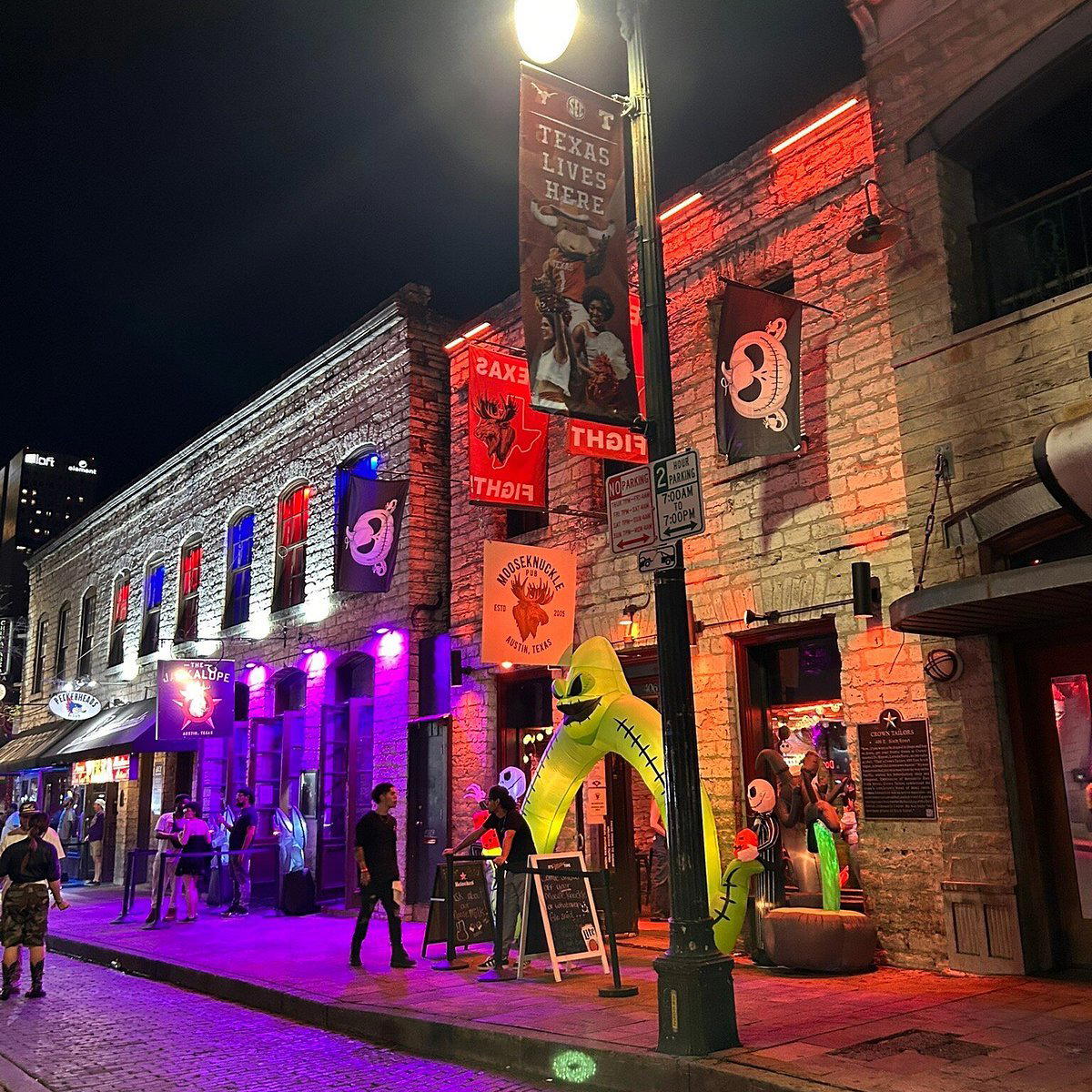
East 6th Street in Austin is not a dining district so much as a proving ground. Over the past decade, the corridor running east from Interstate 35 has absorbed waves of displacement, investment, and reinvention, and the restaurants that have survived that pressure tend to share a quality: they read the room without pandering to it. Chicon, at 1914 E 6th St, sits inside that context. That tension is not incidental to dining on East 6th. It is the condition under which the food is made and the experience is received.
Austin's broader dining conversation has long been pulled between its barbecue identity and its ambitions toward something wider. The rise of Barley Swine in the New American category and the live-fire seriousness of Hestia signal that the city's upper tier is no longer defined solely by smoke and brisket. East Side operators occupy a different band in that spectrum: less formal than the downtown destination rooms, more considered than casual neighborhood bars with food programs. Chicon operates somewhere in that middle register, where the quality of sourcing and cooking matters as much as the atmosphere, but where the atmosphere is also doing real work.
What the Address Signals
The East Side's culinary character has been shaped partly by proximity to the kinds of ingredients and producers that define serious Texas cooking: local ranches, Gulf Coast seafood runs, Hill Country farms, and the deep pantry of Mexican and Central American culinary tradition that runs through the city's food history. Restaurants in this corridor that do the work well tend to draw on those sources directly rather than treating them as color. The leading East Side rooms feel grounded in place in a way that more polished downtown destinations sometimes do not.
Tasting-menu formats at places like Smyth in Chicago or farm-rooted programs at Blue Hill at Stone Barns in Tarrytown represent one pole of American serious dining. At the other end, the neighborhood-anchored independent, cooking from local supply chains without the ceremony of a formal tasting room, has become its own respected format. East 6th Street restaurants, when they are working at their leading, belong to the latter category.
Cultural Roots and the Question of Influence
Austin's food identity has always been more layered than its national reputation suggests. The barbecue narrative, while accurate and important, accounts for perhaps a third of what actually gets cooked and eaten in the city. The remaining story involves Mexican food traditions stretching back generations, a Vietnamese community with a significant restaurant footprint, and a wave of New American cooking that has absorbed influences from all of those sources while also looking outward to what is happening in San Francisco, New York, and further abroad.
East 6th Street sits at the intersection of several of those currents. The neighborhood's demographic history means that the cultural references available to a chef cooking here are dense and overlapping. The corridor's leading restaurants tend not to flatten those references into a single legible concept, but rather let them sit in productive tension on the plate. That approach, when executed with consistency, produces cooking that feels specific to Austin in a way that more concept-driven rooms often do not.
It is worth mapping Chicon against Austin's barbecue anchor. The city's smoked-meat tradition, represented at the serious end by operators like la Barbecue and InterStellar BBQ, sets a baseline of ingredient quality and technique discipline that influences even restaurants working in entirely different formats. The expectation that a serious Austin kitchen knows its sourcing, handles protein with care, and does not cut corners on process has spread outward from the barbecue world into the broader dining culture. East Side restaurants inherit that expectation whether or not they are cooking over fire.
Within Austin's independent dining scene, the relevant comparisons for an East 6th Street operator are not the Michelin-listed rooms of other American cities. The frame of reference is closer to what a room like Barley Swine represented at its neighborhood scale before expanding its profile, or what the more restrained end of Austin's Southern dining tradition, typified by operators like Olamaie, looks like when it is focused on product over presentation.
For context on how American regional restaurants at this level compare to the nation's most decorated dining rooms, the range is wide. A room like Le Bernardin in New York City or The French Laundry in Napa operates with a formality and infrastructure that is simply a different enterprise. Closer in spirit to the independent neighborhood format are rooms like Lazy Bear in San Francisco, which built a loyal following through format discipline and sourcing clarity before any formal recognition arrived. East Side Austin restaurants that earn sustained attention tend to do so through similar means: consistency, a clear point of view, and a room that feels like it belongs where it is.
Planning a Visit
Chicon is located at 1914 E 6th St in Austin's East Side, a neighborhood most easily reached by rideshare from downtown or by bicycle along the dedicated lanes that now run through much of the corridor. Street parking exists but competes with the density of activity on the strip, particularly on weekend evenings. Austin's East Side dining scene runs at a pace that makes weeknight visits often more manageable than Friday or Saturday, when the corridor's bars and music venues add significant foot traffic to the street.
Visitors building a broader Austin itinerary around serious eating should also consult our full Austin restaurants guide, which covers the city's dining across price tiers and neighborhood contexts, from the smoked-meat tradition through to the city's emerging fine-dining tier. For those interested in how American regional cooking compares at the highest level, the EP Club also covers Providence in Los Angeles, Addison in San Diego, Emeril's in New Orleans, and Atomix in New York City, among others.
Frequently asked questions
What's Chicon's location?
Chicon is located at 1914 E 6th St, Austin, TX 78702, Austin.
How does Chicon fit into Austin's East Side dining scene compared to other independent restaurants on the corridor?
Chicon sits at 1914 E 6th St, a stretch of East Austin that over the past decade has become the city's primary proving ground for independent operators working outside the barbecue and hotel-dining categories. The East Side corridor is where Austin's chef-driven, neighbourhood-scaled restaurants have concentrated, drawing a local crowd that treats the area as a dining destination in its own right rather than an alternative to downtown.
What's the best thing to order at Chicon?
What the East 6th Street address does signal is a kitchen operating within Austin's ingredient-driven independent scene, where the menu tends to reflect local producers and seasonal availability. Arriving with an open mind and asking the floor staff what's moving that night is the practical approach.
Can I walk in to Chicon?
Contacting the restaurant directly before arrival is advisable. The address at 1914 E 6th St is accessible by rideshare from downtown Austin in under ten minutes, which makes a speculative walk-in attempt lower risk than at a destination restaurant further afield.
What do critics highlight about Chicon?
Within Austin's East Side dining conversation, the corridor attracts coverage for its concentration of independent operators working outside the barbecue and Tex-Mex categories that dominate the city's national profile. Chicon's position at 1914 E 6th St places it inside that peer group.
Do they accommodate allergies at Chicon?
The standard practice for Austin's independent dining scene is to call ahead or flag requirements at the time of booking.
Price and Positioning
| Venue | Cuisine | Price | Awards | Notes |
|---|---|---|---|---|
| ChiconThis venue — the venue you are viewing | Modern American Gastropub | Not listed | Not listed | Not listed |
| Olamaie | Modern Southern | $100–150 | 1 Michelin Star | Southern |
| la Barbecue | Texas Barbecue | $50–100 | 1 Michelin Star · James Beard Award Semi Finalist | Barbecue |
| Barley Swine | Modern American Fine Dining | $100–150 | 1 Michelin Star · James Beard Award Semi Finalist | New American, Contemporary |
| Terry Black’s BBQ | Central Texas BBQ | $30–50 | Michelin Plate | Texas Barbecue |
| Jeffrey's | Modern American Steakhouse | $150–200 | Michelin Plate · Wine Spectator Best of Award of Excellence | French - Steakhouuse, Contemporary |
Continue exploring
More in Austin
Restaurants in Austin
All restaurants in Austin →
Bars in Austin
All bars in Austin →
Details
- Cozy
- Trendy
- Casual Hangout
- Date Night
- Open Kitchen
- Terrace
- Craft Cocktails
- A La Carte
- Small Plates
- Craft Cocktails
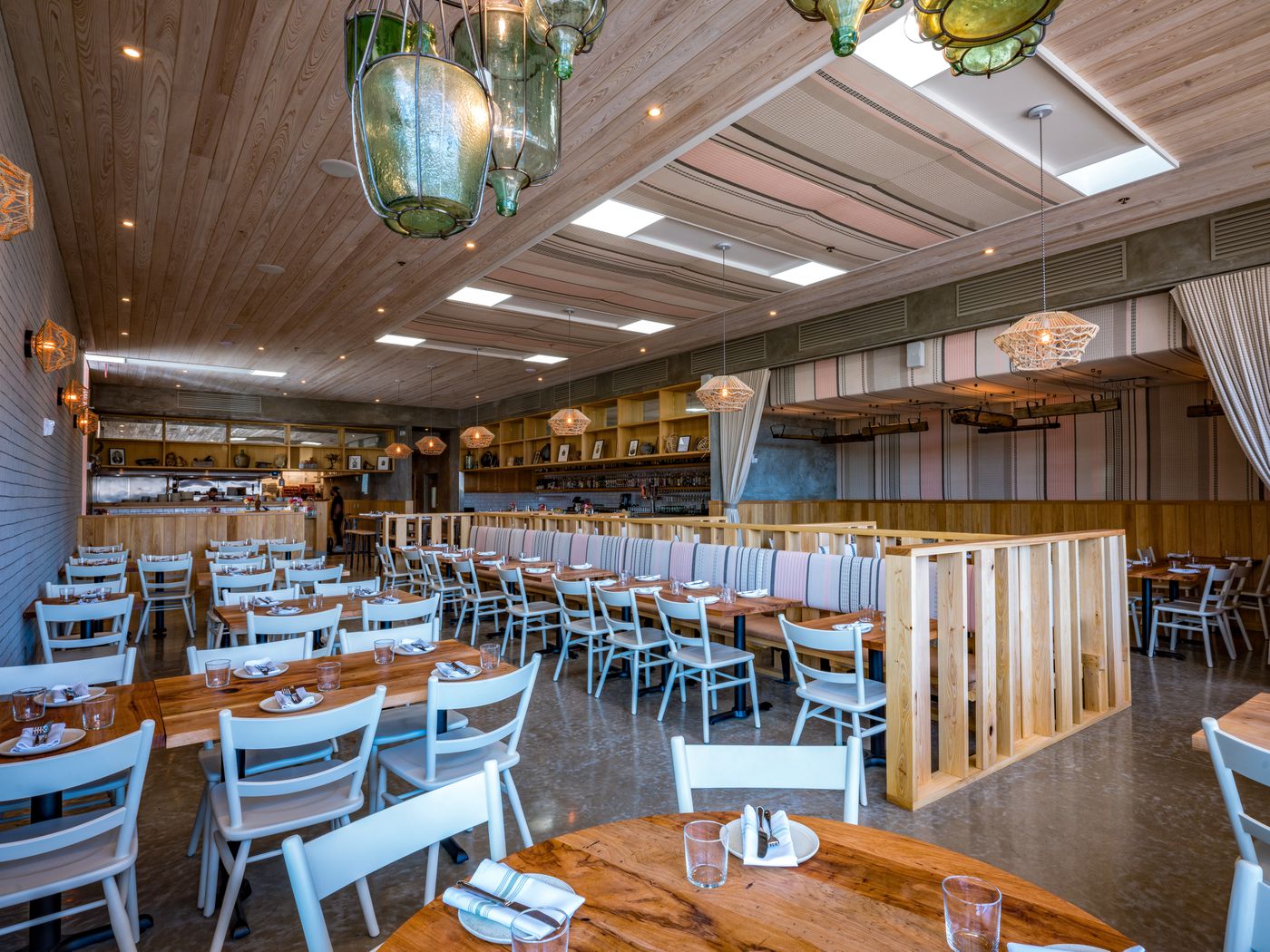
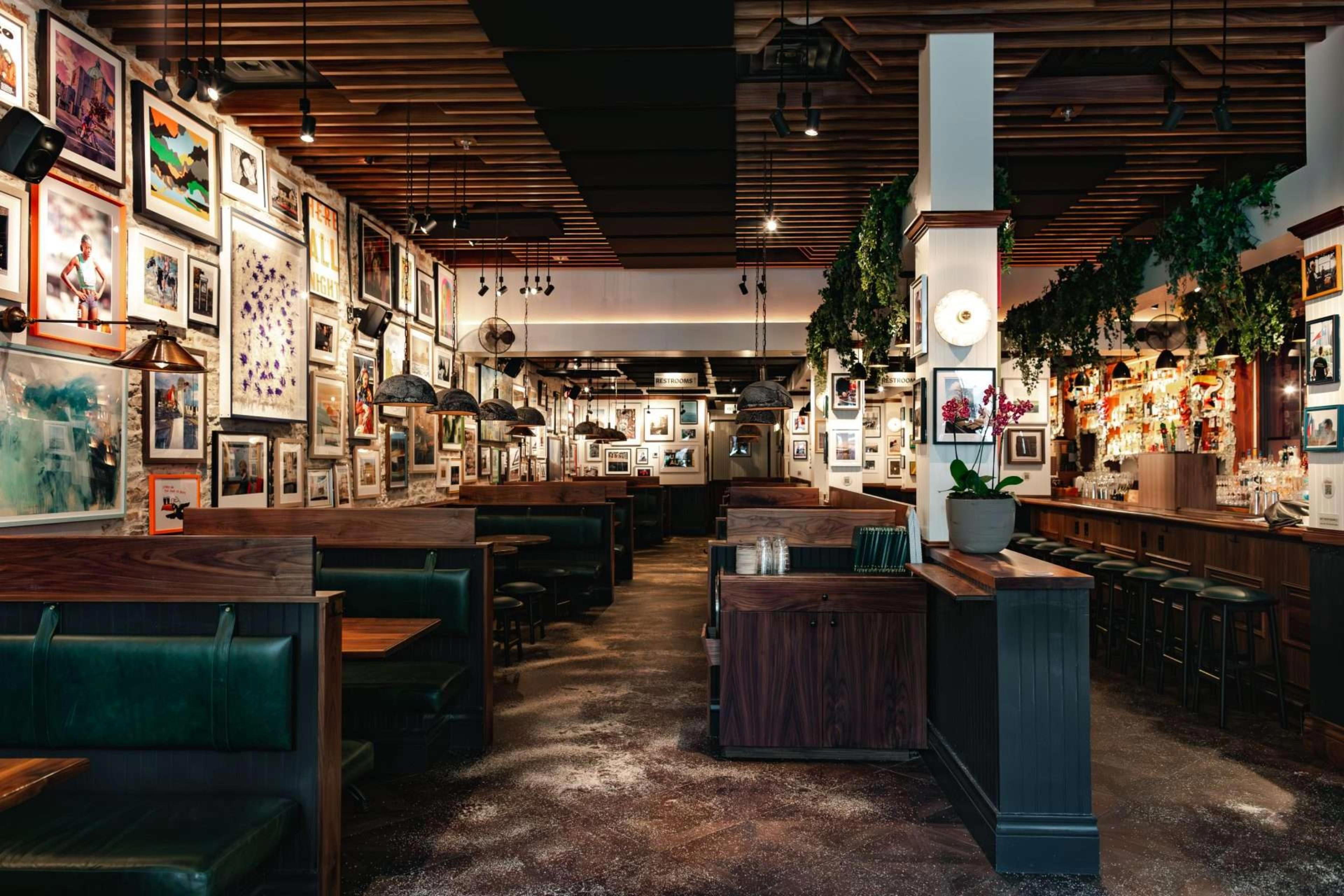
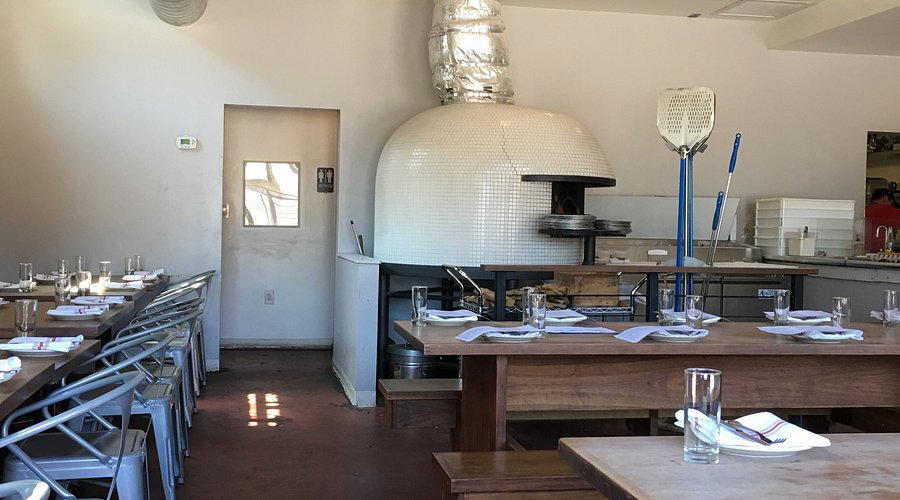
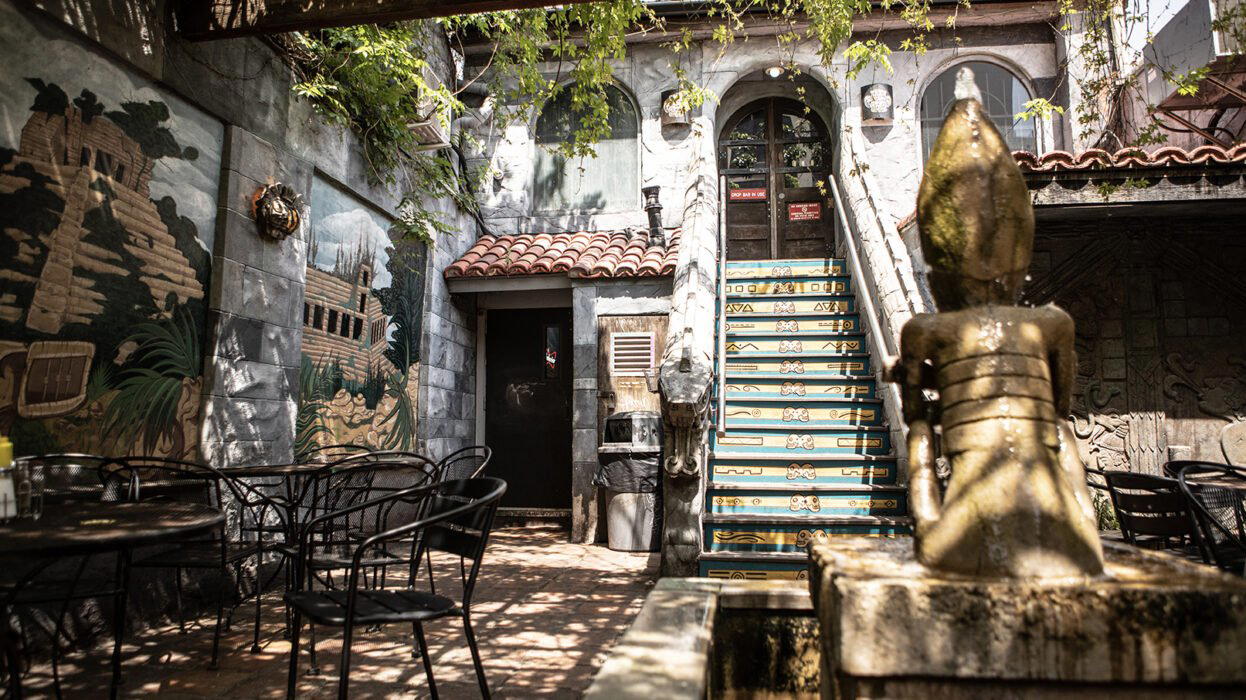
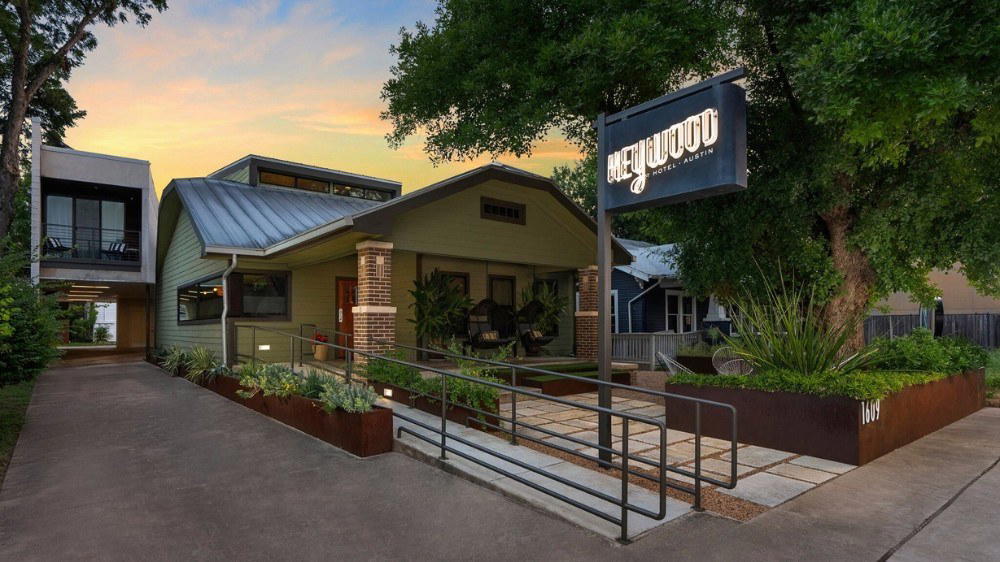
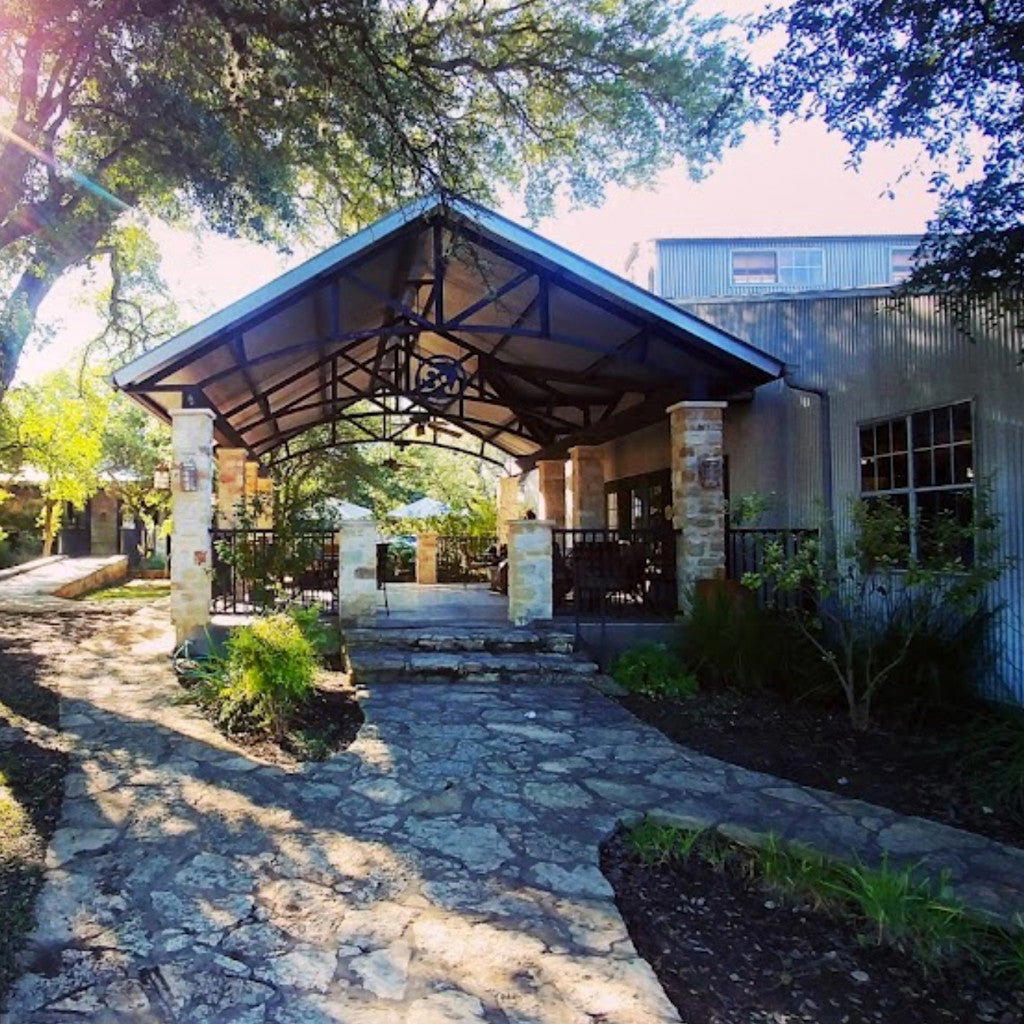
Cozy porch atmosphere with a neighborhood feel.