Chicago Fire
Chicago Fire occupies a well-worn stretch of Midtown Sacramento at 2416 J Street, where the neighborhood's casual-to-polished dining spectrum plays out across a few walkable blocks. The room draws a regular crowd that treats it as a neighborhood anchor rather than a destination occasion, and the wine program is what tends to distinguish it from the surrounding casual tier. For Sacramento visitors building an itinerary, it sits in a different register than the farm-to-table fine-dining houses that define the city's national reputation.
Pearl is the En Primeur Club membership app — saves, bookings, and concierge access live there. Same editors, same standards.
- Address
- 2416 J St, Sacramento, CA 95816
- Phone
- +19164430440
- Website
- chicagofire.com
- Directions
- Get directions
 Saves & bookings on Pearl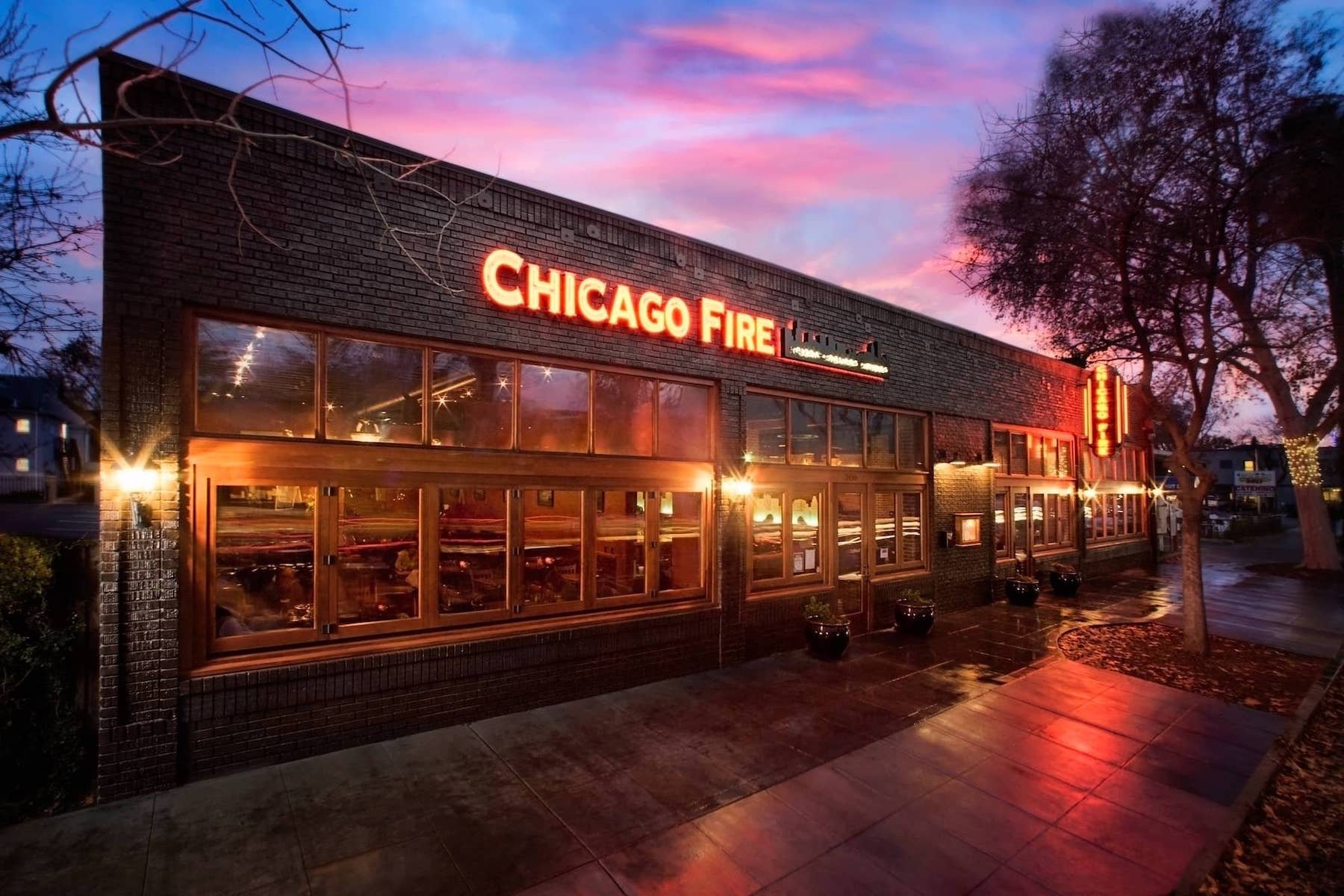
J Street and the Midtown Dining Tier
Sacramento's Midtown corridor along J Street has settled into a recognizable pattern: a mix of neighborhood staples, wine-forward casual spots, and a handful of rooms that punch above their price point. The stretch between 20th and 26th streets functions as the city's most walkable dining district, where the gap between a $15 plate and a $150 tasting menu can close within a single block. Chicago Fire at 2416 J St sits inside that middle register, drawing from the neighborhood's foot traffic and functioning as the kind of address locals reference before they think of the city's more formally positioned houses like Localis (Californian) or The Kitchen (Contemporary).
Midtown's dining character is shaped by proximity to the Capitol complex and the density of residents who eat out several nights a week rather than saving restaurants for special occasions. That pattern rewards places that are repeatable rather than revelatory, and it tends to produce wine lists that have to earn their keep with a crowd that knows what it is drinking. The addresses that survive longest on J Street are rarely the ones with particularly dramatic concepts; they are the ones with the coherent identity.
Reading the Room on Arrival
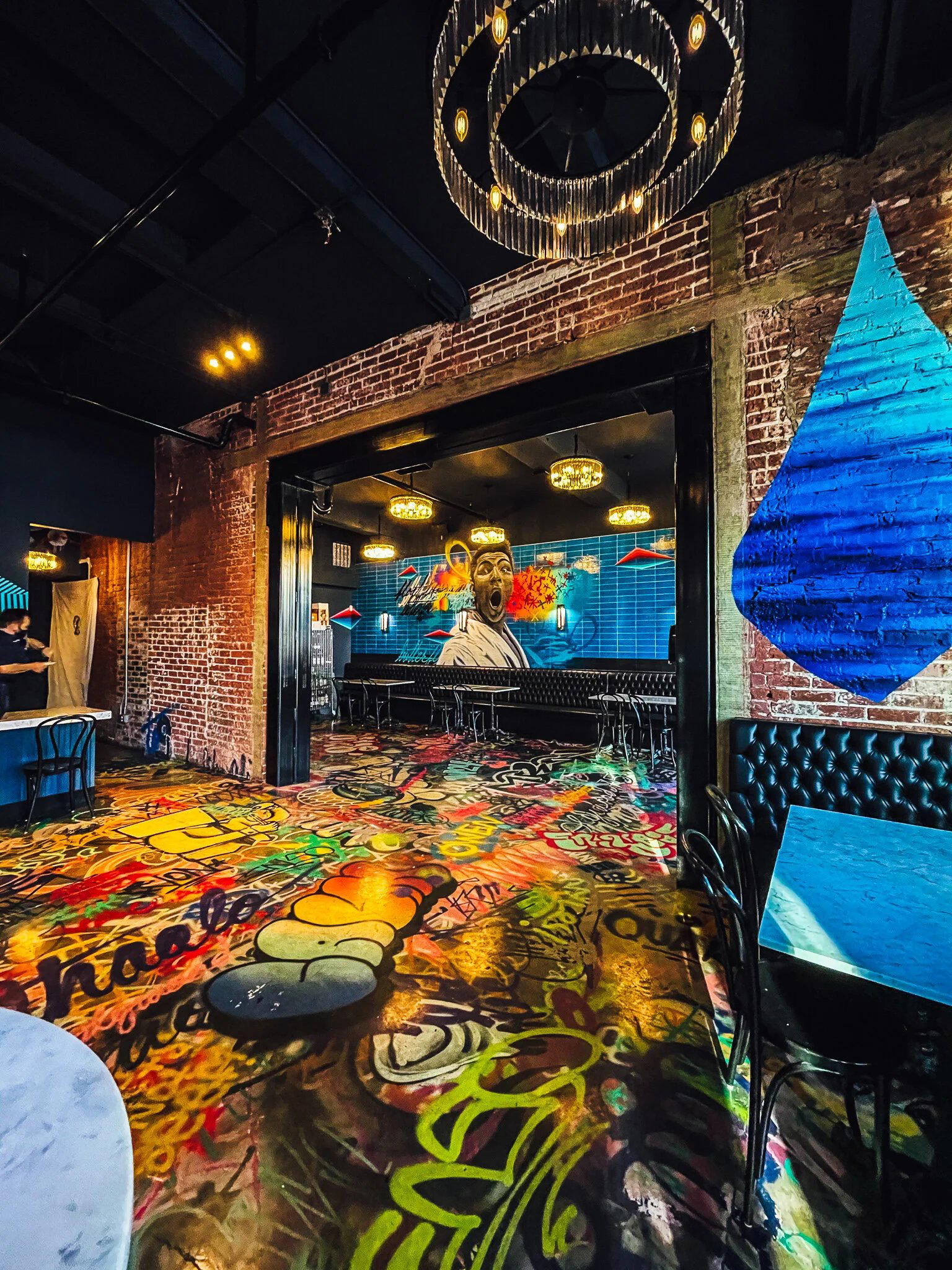
The approach to Chicago Fire is quintessential Midtown Sacramento: a low-rise commercial strip where parking is contested on weeknights and the sidewalk traffic picks up after 6pm. The exterior signals a casual-to-relaxed register rather than the hushed, tablecloth-and-candlelight formality you would associate with a destination room. Inside, the atmosphere tracks with the neighborhood: conversational noise levels, a bar that functions as a social anchor, and a layout that encourages staying rather than turning tables quickly. The physical environment places it in a different tier from the more architecturally deliberate rooms that Sacramento has added in recent years, but that positioning is not incidental. It reflects the segment of the market the address serves.
For context on where Sacramento sits nationally, the city's most formally credentialed rooms, including The Kitchen, operate at price points and reservation depths that track closer to what you would expect from destination restaurants in cities like Lazy Bear in San Francisco or Smyth in Chicago. Chicago Fire occupies a different position in that hierarchy, one defined more by accessibility and regularity than by occasion dining.
The Wine Angle: Curation in a Casual Frame
Sacramento's position in California's Central Valley places it within driving distance of the Sierra Foothills, Napa, Sonoma, and the Lodi AVA, which gives any wine-attentive address in the city a credible sourcing geography. The question for a neighborhood room on J Street is not whether it can put interesting bottles on a list, but whether the curation reflects genuine point of view rather than default distributor selection. The wine programs that distinguish Sacramento's casual-to-midrange tier from comparable rooms in, say, Oakland or Portland are the ones with a clear California regional bias backed by glass pours that actually rotate.
In the broader context of what wine curation looks like at the upper end of the California dining spectrum, references come from rooms like The French Laundry in Napa or Single Thread Farm in Healdsburg, where cellar depth and sommelier-driven programming are part of the core product. A neighborhood room in Midtown Sacramento is not competing in that category, but it can still operate with editorial discipline on its by-the-glass selections. That is where the differentiation happens at this price tier, and it is the axis worth watching when assessing any J Street address.
Comparable rooms in Sacramento's informal dining tier, such as Adamo's Kitchen, Aioli Bodega Espanola, and Allora (Italian), each develop wine identities that reflect their kitchen's regional or conceptual focus. The Italian and Spanish addresses in that set tend to organize their lists around Old World producers that complement their cuisine, while California-forward rooms lean into the regional sourcing advantage that Sacramento's geography provides.
Sacramento in the National Dining Context
Sacramento tends to be underweighted in national dining conversations relative to its actual restaurant density and quality, partly because it lacks the legacy fine-dining institutions of San Francisco and the sheer volume of Los Angeles, and partly because its most celebrated rooms, including The Kitchen, operate at a scale and format that attracts regional rather than national press attention. Rooms that have shaped the national conversation, from Le Bernardin in New York City to Providence in Los Angeles to Blue Hill at Stone Barns in Tarrytown, operate at a different scale of institutional recognition. The restaurant is not in that conversation, and does not appear to be positioned for it. What it represents is something Sacramento actually has in abundance: a neighborhood room that functions reliably within its defined scope.
For visitors building a multi-night itinerary across Sacramento, the city's culinary range extends from Vietnamese counter service near Stockton Boulevard to the prix-fixe format of The Kitchen. The restaurant slots into the middle of that range, appropriate for a night when the agenda calls for neighborhood comfort rather than formal occasion dining. For a fuller map of where it sits relative to the city's other addresses, our full Sacramento restaurants guide covers the range across neighborhoods and price points.
National reference points for the kind of food culture Sacramento is still developing can be found in cities with comparable agricultural proximity, places like Emeril's in New Orleans or Addison in San Diego, where regional identity has been formalized into a recognizable dining proposition. Sacramento is still in that process, and the neighborhood rooms along J Street are part of how that identity gets built from the ground up. More destination-minded comparisons, from Atomix in New York City to The Inn at Little Washington to Atelier Moessmer Norbert Niederkofler in Brunico, illustrate how far the formalization of regional identity can go when the institutional will and culinary talent align.
Fast Comparison
Comparable venues nearby, for context on price, style, and recognition.
| Venue | Cuisine | Price | Notes |
|---|---|---|---|
| Chicago FireThis venue — the venue you are viewing | Chicago-Style Deep Dish Pizza | $$ | Not listed |
| Zelda's Original Gourmet Pizza | Chicago-Style Deep Dish Pizza | $$ | Newton Booth |
| Zinfandel Grille | California-Inspired Italian Farm-to-Table | $$$ | Woodside |
| Vientos Mexican Grill | Traditional Mexican Grill | $$ | Greenhaven-Pocket |
| Jack's Urban Eats | American Comfort Food | $$ | Mansion Flats |
| Capitol Garage | American Fusion Eclectic | $$ | Mansion Flats |
Continue exploring
More in Sacramento
Restaurants in Sacramento
Browse all →
Bars in Sacramento
Browse all →
Hotels in Sacramento
Browse all →
Wineries in Sacramento
Browse all →
At a Glance
- Lively
- Cozy
- Group Dining
- Casual Hangout
- Late Night
- Open Kitchen
- Craft Cocktails
Current opening hours
- Monday
- 11 AM–9 PM
- Tuesday
- 11 AM–9 PM
- Wednesday
- 11 AM–9 PM
- Thursday
- 11 AM–9 PM
- Friday
- 11 AM–9:30 PM
- Saturday
- 11 AM–9:30 PM
- Sunday
- 11 AM–9 PM
Hours can change for holidays and private events. Last verified .
Upscale casual pizza bar with high-back leather booths, custom millwork, large bar area, and lively group-friendly atmosphere.