Chianti Grill
Our verdict
Chianti Grill pairs contemporary Italian cooking with steaks and seafood, an extensive wine list, and private dining for lunch or dinner that suits a conversational, leisurely meal.

Pearl is the En Primeur Club membership app, where members save venues, book tables and use the concierge.
The menu
What to order
- Pork Maque Choux
- Bacon Wrapped Scallops
- Crab Cakes
- Chianti Grill Surf and Turf
- Pistachio Halibut
Italian-American Tradition in the Southern Twin Cities Suburbs
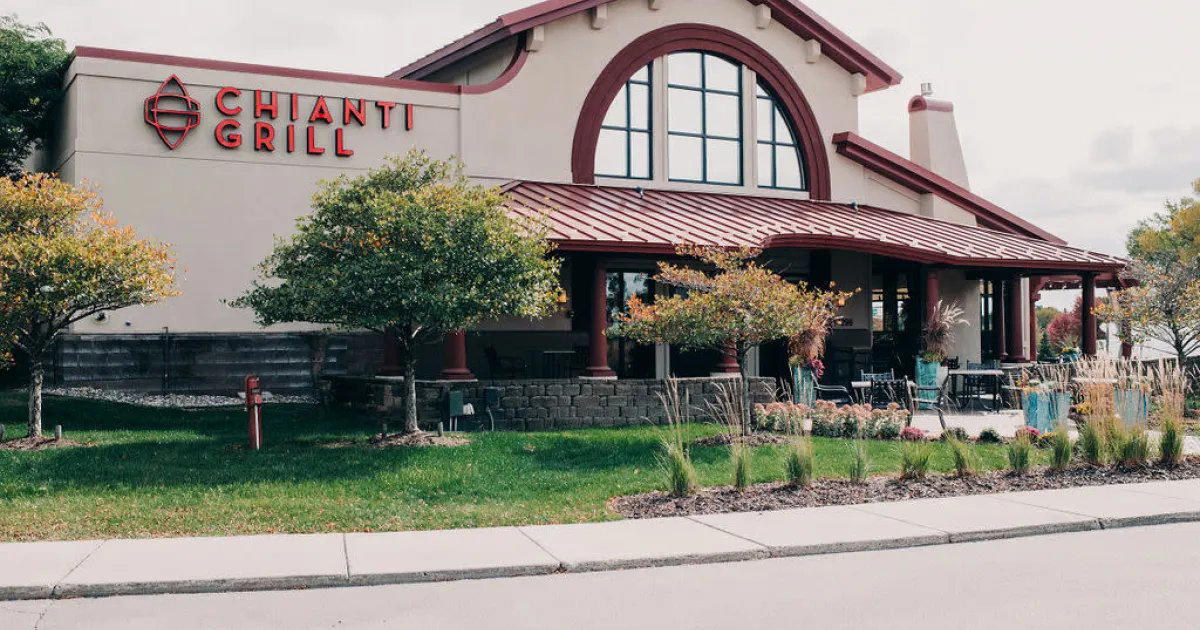
Burnsville sits at the southern edge of the Minneapolis-Saint Paul metro, where the dining scene runs closer to neighborhood staples than to destination tasting menus. In that context, Italian-American restaurants occupy a particular role: they absorb the community function that white-tablecloth fine dining fills in denser urban cores, serving as the default backdrop for birthdays, anniversaries, and extended family dinners. Chianti Grill, at 14296 Plymouth Ave, operates within that tradition. Its address alone places it in the suburban commercial corridor that defines much of Burnsville's dining geography, a strip designed around accessibility rather than atmosphere.
What the Room Communicates
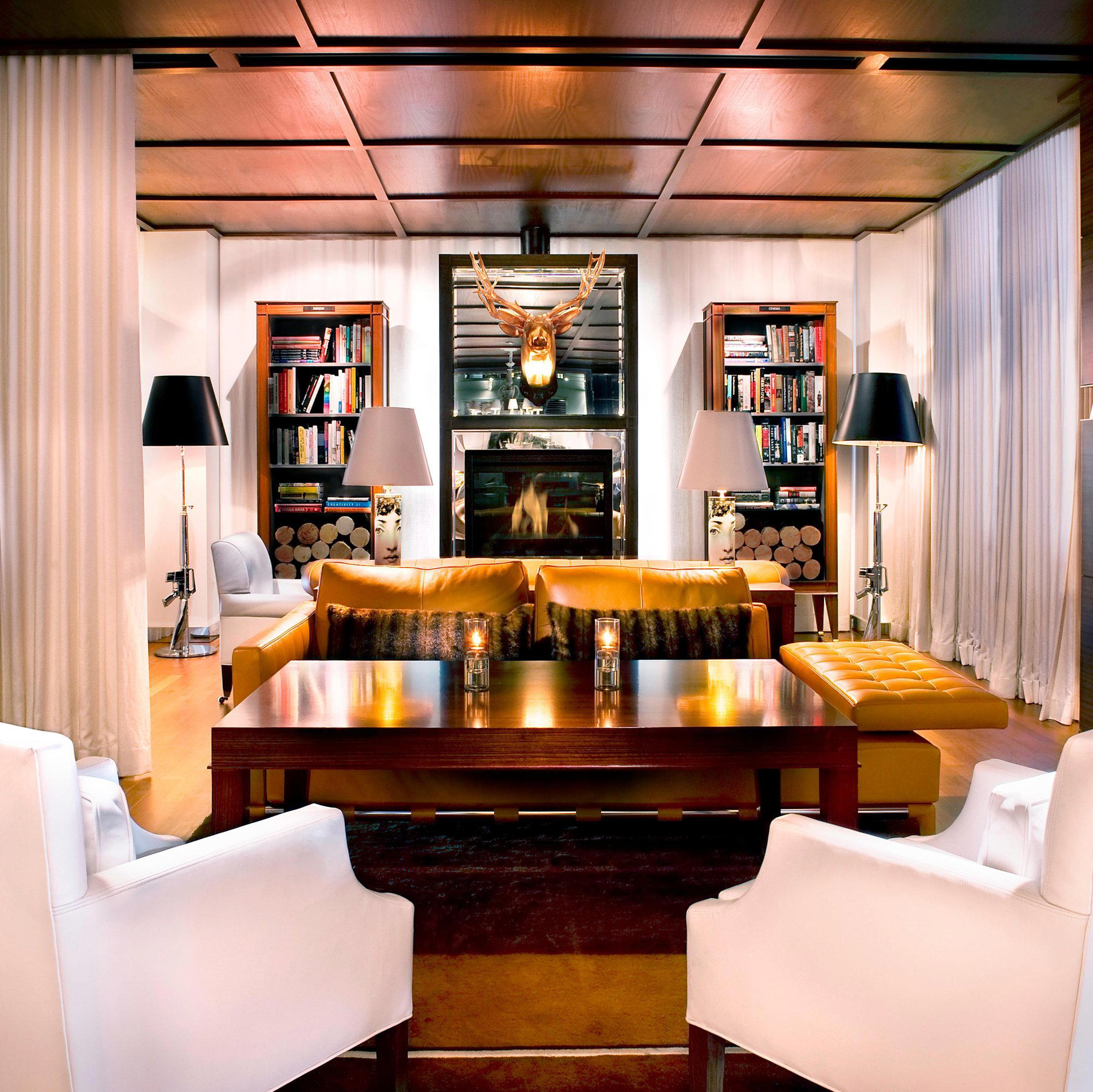
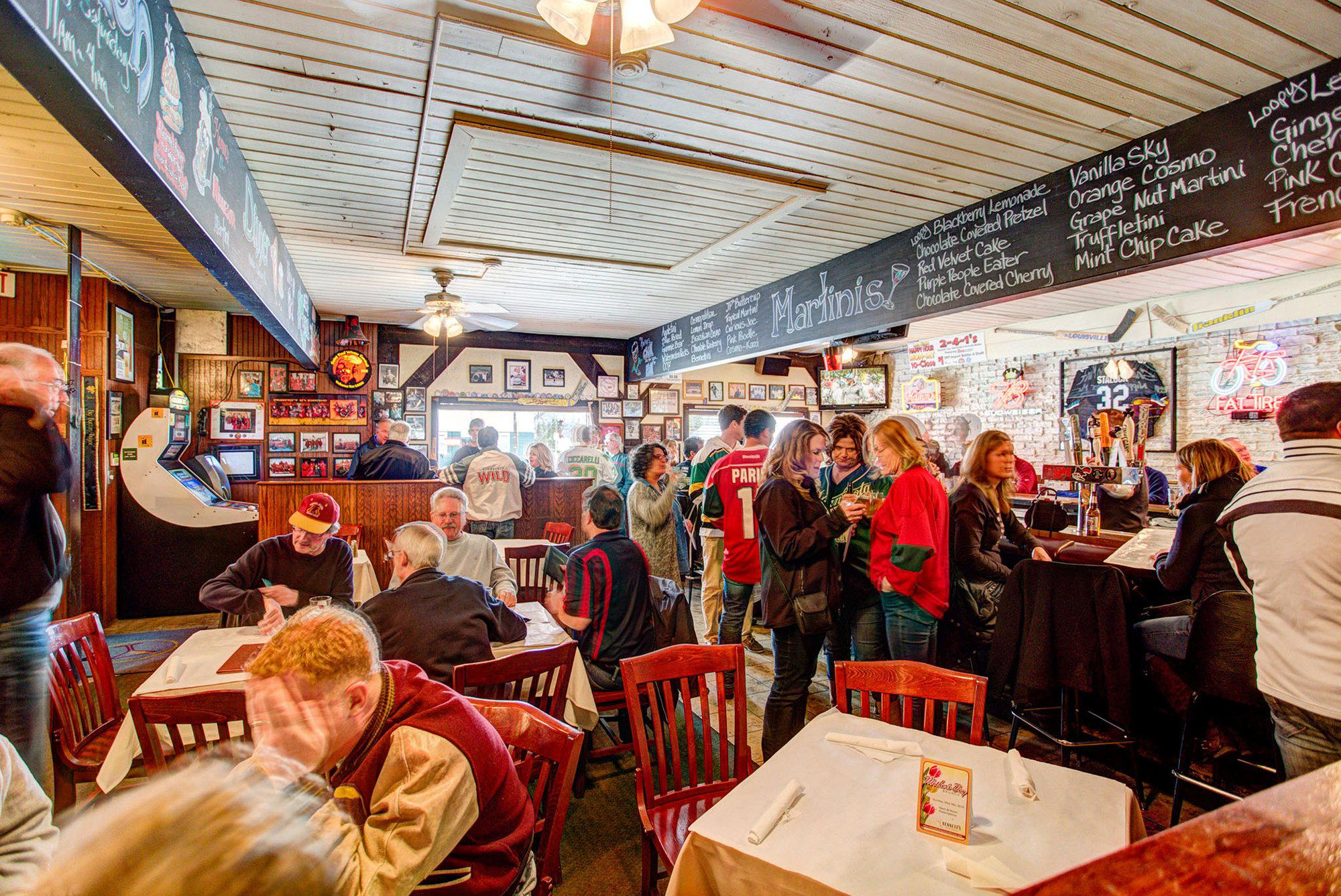
Suburban Italian restaurants in the Twin Cities region tend to signal their ambitions through a consistent visual grammar: warm lighting, wine-bottle decor, framed prints of Tuscany or Rome, and a room wide enough to seat a crowd without the intimacy of a trattoria. Chianti Grill fits recognizably within that model. The name itself references the Chianti Classico zone of Tuscany, a shorthand that Italian-American dining has used for decades to signal both approachability and a certain Old World aspiration. Whether the room leans toward the warmer, darker end of that palette or a more updated look is something leading confirmed before visiting, but the format is a known quantity: this is a place built for groups and for comfort rather than for counter seating and silent concentration.
That distinction matters when placing it against the broader American dining spectrum. Restaurants like Le Bernardin in New York City, Lazy Bear in San Francisco, or The French Laundry in Napa compete on a different axis entirely: controlled environments, prescribed menus, sourcing programs that function as part of the editorial voice of the food. Chianti Grill is not in that competitive set, and it does not need to be.
The Sourcing Question in Italian-American Cooking
Italian cuisine at its finest is an argument for ingredient specificity: San Marzano tomatoes over generic canned, aged Parmigiano-Reggiano over domestic facsimiles, olive oil with a traceable provenance. The question worth asking at any Italian-American restaurant operating in the suburban Midwest is how seriously it engages with that principle. The distance from the coasts and from major import hubs creates real constraints. Restaurants that prioritize ingredient sourcing in this context often do it through relationships with regional distributors or, increasingly, through Minnesota's own agricultural supply, which has developed a meaningful presence in the artisan food space over the past two decades.
Places like Blue Hill at Stone Barns in Tarrytown, Single Thread Farm in Healdsburg, and Oyster Oyster in Washington, D.C. have built their identities around the sourcing question as a first principle. For a neighborhood Italian-American restaurant, the equivalent move is more modest but still legible: house-made pasta versus boxed, locally sourced proteins, a cheese program that distinguishes between producers.
Where Chianti Grill Sits in Burnsville's Dining Picture
Burnsville's restaurant scene is anchored by casual and mid-range options that serve a suburban population with practical dining needs. The city does not have the density of independently owned fine-dining operations that you find in South Minneapolis or in the North Loop. Within that context, Italian-American restaurants that have sustained local patronage over time earn a form of neighborhood authority that is harder to quantify than a Michelin star but functions similarly as a trust signal. Longevity in the suburbs is its own credential.
For a fuller picture of what Burnsville offers across categories and price points, our full Burnsville restaurants guide maps the options in more detail. A comparison worth making within the immediate area is with Steak and Ale, which occupies a different position in the suburban dinner-house tradition but competes for some of the same occasions.
Further afield in the Midwest, the Italian-influenced end of the fine-dining spectrum is represented by places like Frasca Food and Wine in Boulder, where the sourcing and wine program are central to the restaurant's identity, and Smyth in Chicago, which operates in a different register altogether. Those comparisons clarify what Chianti Grill is not attempting rather than what it is, which is equally useful information for a reader deciding where to spend an evening.
Planning a Visit
Burnsville is accessible by car from central Minneapolis in roughly 20 to 25 minutes via I-35W, and the Plymouth Ave address is in a commercial area with parking. For a restaurant in this category and location, reservations are advisable for weekend evenings, particularly for groups of six or more, but the booking window is unlikely to require the weeks-ahead planning that destination restaurants in larger cities demand.
For readers building a broader itinerary around the region, the Twin Cities metro offers a range of options that extend well beyond the suburbs. Restaurants like The Wolf's Tailor in Denver, Atomix in New York City, Emeril's in New Orleans, Addison in San Diego, Providence in Los Angeles, ITAMAE in Miami, The Inn at Little Washington in Washington, and Atelier Moessmer Norbert Niederkofler in Brunico illustrate the range of what the broader category of ingredient-focused dining looks like at different price points and ambitions.
Frequently asked questions
Is Chianti Grill a family-friendly restaurant?
Chianti Grill's location in Burnsville, a suburban community on the southern edge of the Twin Cities metro, places it squarely in neighborhood-dining territory where casual, all-ages visits are the norm. The Plymouth Ave commercial setting and Italian-American format both align with relaxed, family-oriented meals rather than formal dining occasions.
What should I expect atmosphere-wise at Chianti Grill?
Chianti Grill sits in a commercial stretch of Plymouth Ave in Burnsville, typical of the suburban Twin Cities dining corridor. The Italian-American format typically signals warm, informal rooms built around comfort rather than ceremony, expect a setting that prioritizes ease over edge.
Where exactly is Chianti Grill located, and how do I get there from Minneapolis?
Chianti Grill is at 14296 Plymouth Ave, Burnsville, MN 55337, in a commercial area on the city's south side. From central Minneapolis, the drive via I-35W takes roughly 20 to 25 minutes depending on traffic, making it a practical option for south-metro residents or Twin Cities visitors staying near the airport corridor.
What should I eat at Chianti Grill?
The name itself references Chianti, suggesting the kitchen takes its Italian roots seriously enough to put wine-country identity front and center.
What's Chianti Grill's location?
Chianti Grill is located at 14296 Plymouth Ave, Burnsville, MN 55337, Burnsville.
How far ahead should I plan for Chianti Grill?
For suburban Burnsville restaurants in this category, same-week reservations are generally achievable, though weekend evenings may require a few days' notice during busy periods.
What makes Chianti Grill worth seeking out?
Burnsville's dining scene runs heavily toward chain and fast-casual options, which makes a sit-down Italian-American restaurant with a specific regional identity, signaled by the Chianti name, a less common proposition at this end of the metro. For residents of the southern Twin Cities suburbs, it represents a locally rooted alternative to the chains anchoring most commercial corridors in the area.
Side-by-Side Snapshot
Comparable venues nearby, for context on price, style, and recognition.
| Venue | Cuisine | Price | Awards | Notes |
|---|---|---|---|---|
| Chianti GrillThis venue (the venue you are viewing) | Contemporary Italian with Steaks & Seafood | $30–50 | Not listed | Not listed |
| Steak and Ale | Classic American Steakhouse | $30–50 | Not listed | Burnsville |
| Mucci's Italian | Italian-American Comfort | $30–50 | James Beard Award Semi Finalist | West End |
| Luci Ancora | Creative Italian Trattoria | $50–100 | Not listed | Highland |
| Bacio | Italian-American Trattoria | $50–100 | Not listed | Minnetonka |
| Kyndred Hearth | Italian-Korean Fusion | $30–50 | Not listed | Viking Lakes |
Continue exploring
More in Burnsville
Restaurants in Burnsville
All restaurants in Burnsville →
Bars in Burnsville
Browse all →
Details
- Elegant
- Romantic
- Classic
- Sophisticated
- Date Night
- Business Dinner
- Group Dining
- Celebration
- Special Occasion
- Private Dining
- Extensive Wine List
- A La Carte
- Wine
- Full Bar
- Vegetarian Friendly
- Vegan Options
- Gluten Free Options
Current opening hours
- Monday
- 4–9 PM
- Tuesday
- 4–9 PM
- Wednesday
- 4–9 PM
- Thursday
- 4–9 PM
- Friday
- 4–9 PM
- Saturday
- 4–9 PM
- Sunday
- 4–9 PM
Hours can change for holidays and private events. Hours as of .
Upscale casual dining with warm, inviting atmosphere complemented by full bar service and contemporary Italian décor.