Our verdict
Chiantà Restaurant sits in Milan’s Porta Venezia–Corso Buenos Aires orbit, an area where everyday Milanese rhythms meet a broader Italian dining map. With no public awards, chef, price, or format details attached, the useful read is contextual: treat it as a city restaurant to assess by occasion, booking response, and how its cooking fits Milan’s appetite for regional Italian character.

Pearl is the En Primeur Club membership app, where members save venues, book tables and use the concierge.
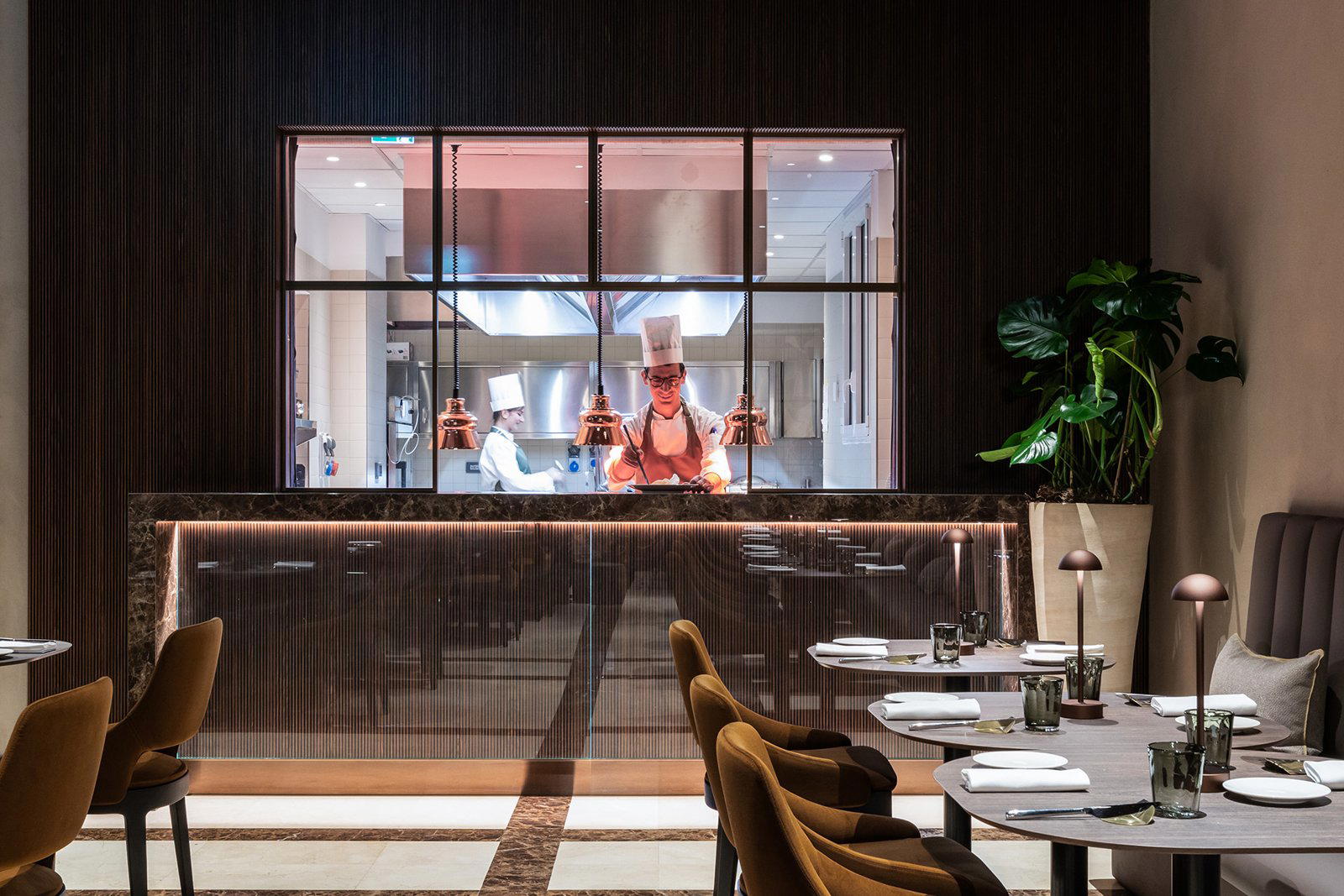
The menu
What to order
- Lamb dishes
- Risotto
- Roasted scallops
- Weekly lunch menu specials
- Seasonal chef’s tasting menu
Approaching Milan, the city changes register. Fashion traffic and office movement meet aperitivo bars, food shops, pastry counters, and the long commercial routes that pull locals through all day. This is not the ceremonial Milan of destination tasting menus; it is where dinner decisions are made between work, shopping, and a late train, and where a restaurant must fit the city’s rhythm rather than a trophy itinerary.
Chiantà Restaurant belongs to that urban category: a Milan address useful less for spectacle than for its place in a city fluent in several dining dialects at once. Milan has never been only one thing at the table. Its restaurant culture absorbs regional habits, casual formats, polished rooms, contemporary kitchens, and design-led cafés, then filters them through a city that prizes pace, polish, and social readability. The question is not whether a restaurant announces a grand thesis, but whether it gives Milan another convincing version of dining without making the room behave like a special-occasion stage.
Milan dining rewards clarity over theatre
Milan asks a particular discipline from a restaurant. Footfall is heavy, but attention is split between commuters, shoppers, hotel guests, and residents. Restaurants here cannot rely only on destination energy. They need a legible proposition, a room that works for weeknights, and cooking that can hold its place against nearby casual formats and more deliberate dining rooms across the city.
That makes Chiantà Restaurant a useful lens on contemporary Milan, not a venue to read in isolation. The city’s premium dining conversation often centres on tasting-menu restaurants and fashion-week rooms, but much of Milan’s actual restaurant culture sits in this middle ground: city-accessible, practical, and judged by whether it suits the evening. Nearby comparison matters. Rooms such as La Risacca Blu occupy one clearer category; casual addresses such as Da Zero answer a different craving. Chiantà sits between those poles, where the diner should read the room, menu language, and booking response before deciding whether it is a quick local dinner or a longer table.
For readers mapping the city by mood rather than checklist, place the address alongside other Milan options. Some rooms are built for daytime ease, others for a more deliberate evening, and others for a simple meal before the night moves on. For broader city planning, keep Our full Milan restaurants guide close, then cross-check the surrounding trip with Our full Milan hotels guide, Our full Milan bars guide, Our full Milan wineries guide, and Our full Milan experiences guide.
Milan's table is regional, not monolithic
The stronger way to read this kind of restaurant is through Italy’s regional grammar. Milan is a northern capital with a national appetite: daily dining is shaped by movement from across the country, business travel from everywhere, and a customer base comfortable moving between comfort, restraint, and informality. A name, menu accent, or service style can signal where a restaurant sits, but the larger pattern is the point. Milan gives dining a metropolitan frame.
That frame explains why the city supports such different references at once. A traveller comparing Chiantà with Osteria Pugliese, a casual address, or another Milan dining room is not choosing better or lesser versions of a night out; they are choosing a register. Casual rooms provide speed and informality. More planned restaurants often imply a longer evening. Contemporary rooms put more weight on sequence and presentation. Local restaurants live or die by flexibility: they must work for couples, small groups, and local repeat use without requiring the infrastructure of a heavily staged dining room.
That regional logic extends beyond any one address. Across Italy, dining is a network of local habits, small formats, family routines, polished rooms, and casual counters rather than a single model exported intact from one city to another. Chiantà Restaurant makes most sense when read inside that wider pattern: not as an isolated claim of importance, but as one Milan stop among many possible ways to use the city at dinner.
How to decide if it fits the night
Chiantà Restaurant is best approached as a situational Milan choice. Without relying on a trophy-booking narrative, it should be read through the practical details a diner can verify before going: current opening pattern, booking channel, menu, room feel, and timing. That is not a weakness; it simply puts the restaurant in a different decision set. For a diner staying in Milan, shopping in the city, or building an evening without a formal dining arc, the appeal is a meal embedded in the city’s working fabric.
The practical move is to verify the current booking channel and menu before committing, especially for groups or family meals. Milan restaurants in busy areas can shift tempo sharply between early weekday services and later weekend tables. For a quieter dinner, aim earlier and avoid peak social hours. For more city energy, Milan supplies it before and after the meal.
For alternative Milan reference points, Alice and Pepen Milano belong on the same planning map, while travellers extending the food itinerary beyond the city can use other dining rooms generically as format contrast. The comparison is not cuisine equivalence; it is format literacy. The more clearly a diner understands the kind of evening a room is built for, the better the reservation decision becomes.
Frequently asked questions
Is Chiantà Restaurant okay with children?
Chiantà Restaurant’s Milan setting can make it a practical fit for an earlier dinner with children, provided the current booking details and service style suit your group. The setting reads as a practical restaurant stop rather than a formal dining room.
Is Chiantà Restaurant better for a quiet night or a lively one?
It is better suited to a quieter meal than a high-energy night out. Its Milan setting points to a straightforward restaurant context, not a late-night bar scene.
Where exactly is Chiantà Restaurant?
Chiantà Restaurant is located in Milan.
What's the best way to book Chiantà Restaurant?
The clearest approach is to check the venue’s official channels for the latest booking details, opening times, and service information. Plan ahead around its Milan location, especially for dinner services.
What's the standout thing about Chiantà Restaurant?
Its strongest feature is its role as a practical Milan restaurant address. That makes it useful when the priority is a straightforward city meal rather than a highly ceremonial reservation.
Price and Positioning
Comparable venues by cuisine and price in the same metro.
| Venue | Cuisine | Price | Awards | Notes |
|---|---|---|---|---|
| Chiantà RestaurantThis venue (the venue you are viewing) | Refined traditional Italian in an elegant hotel setting | $50–100 | Not listed | Not listed |
| Pepen Milano | Italian Panini Shop | $10–20 | Not listed | Not listed |
| Da Zero | Cilento Neapolitan Pizza | $20–30 | Not listed | Pizzeria |
| La Risacca Blu | Traditional Italian Seafood Osteria | $50–100 | Michelin Plate | Seafood |
| Osteria Pugliese | Traditional Pugliese Italian | $30–50 | Not listed | Not listed |
Continue exploring
More in Milan
Restaurants in Milan
All restaurants in Milan →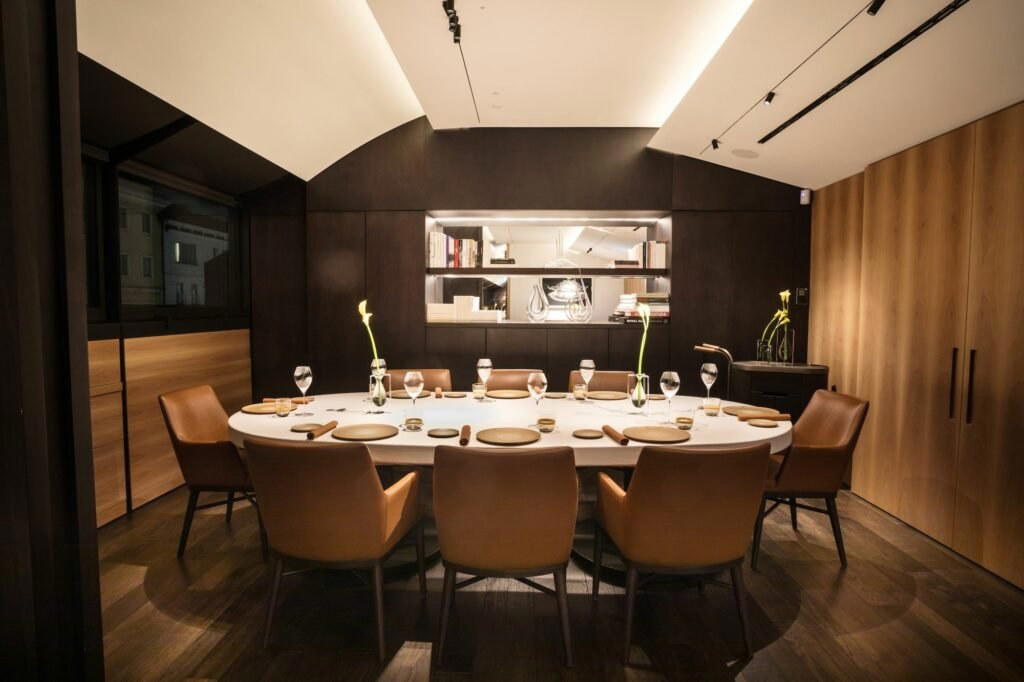
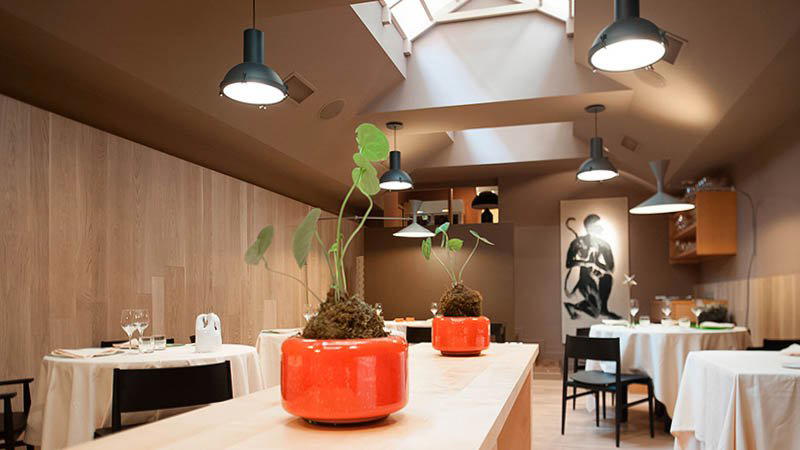
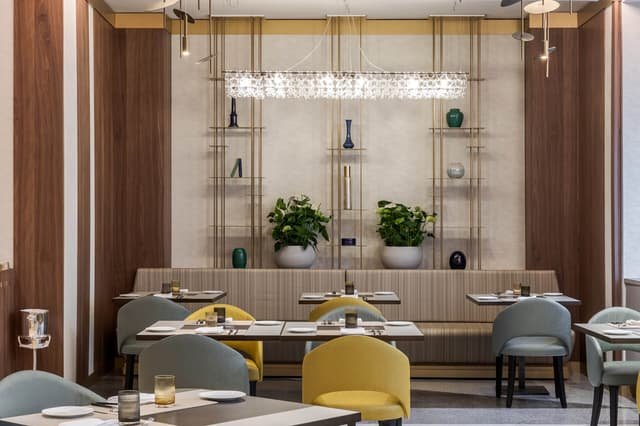
Bars in Milan
All bars in Milan →


Details
- Elegant
- Quiet
- Intimate
- Modern
- Sophisticated
- Cozy
- Date Night
- Business Dinner
- Group Dining
- Special Occasion
- After Work
- Hotel Restaurant
- Design Destination
- Private Dining
- Craft Cocktails
- Extensive Wine List
- Local Sourcing
- Sustainable Seafood
- Zero Waste
- A La Carte
- Tasting Menu
- Set Menu
- Wine
- Cocktails
- Aperitifs
- Vegetarian Friendly
Current opening hours
- Monday
- 7 AM–11:30 PM
- Tuesday
- 7 AM–11:30 PM
- Wednesday
- 7 AM–11:30 PM
- Thursday
- 7 AM–11:30 PM
- Friday
- 7 AM–11:30 PM
- Saturday
- 7 AM–11:30 PM
- Sunday
- 7 AM–11:30 PM
Hours can change for holidays and private events. Hours as of .
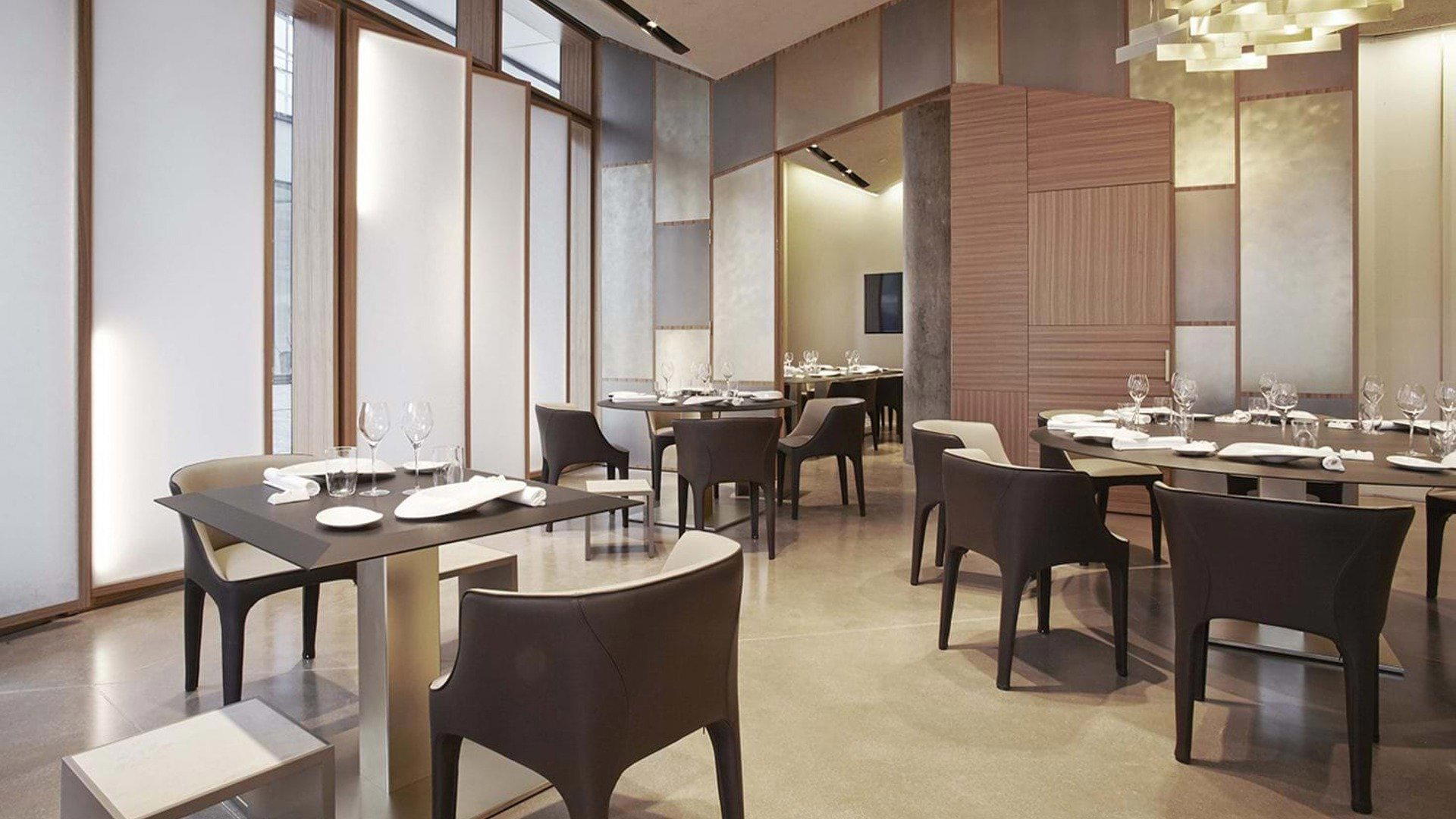
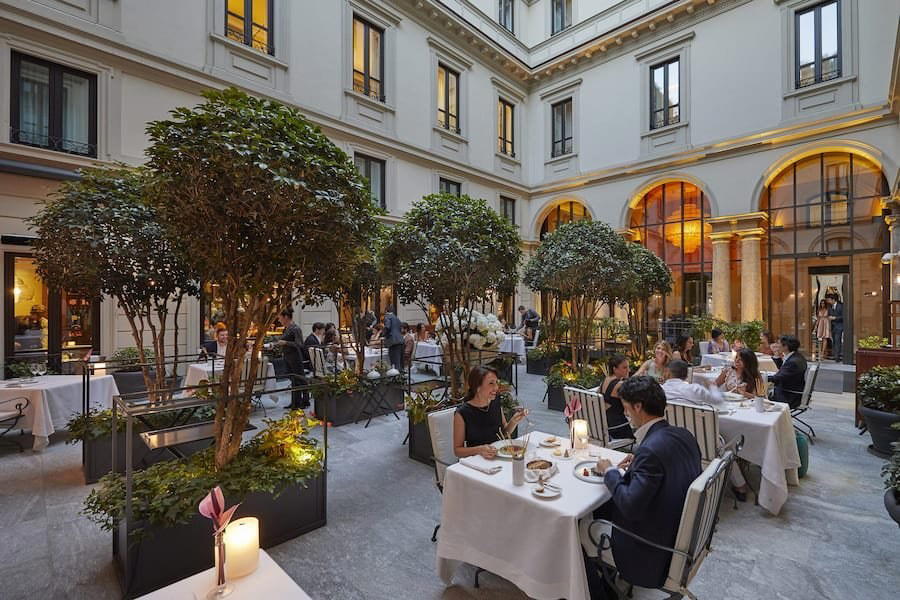
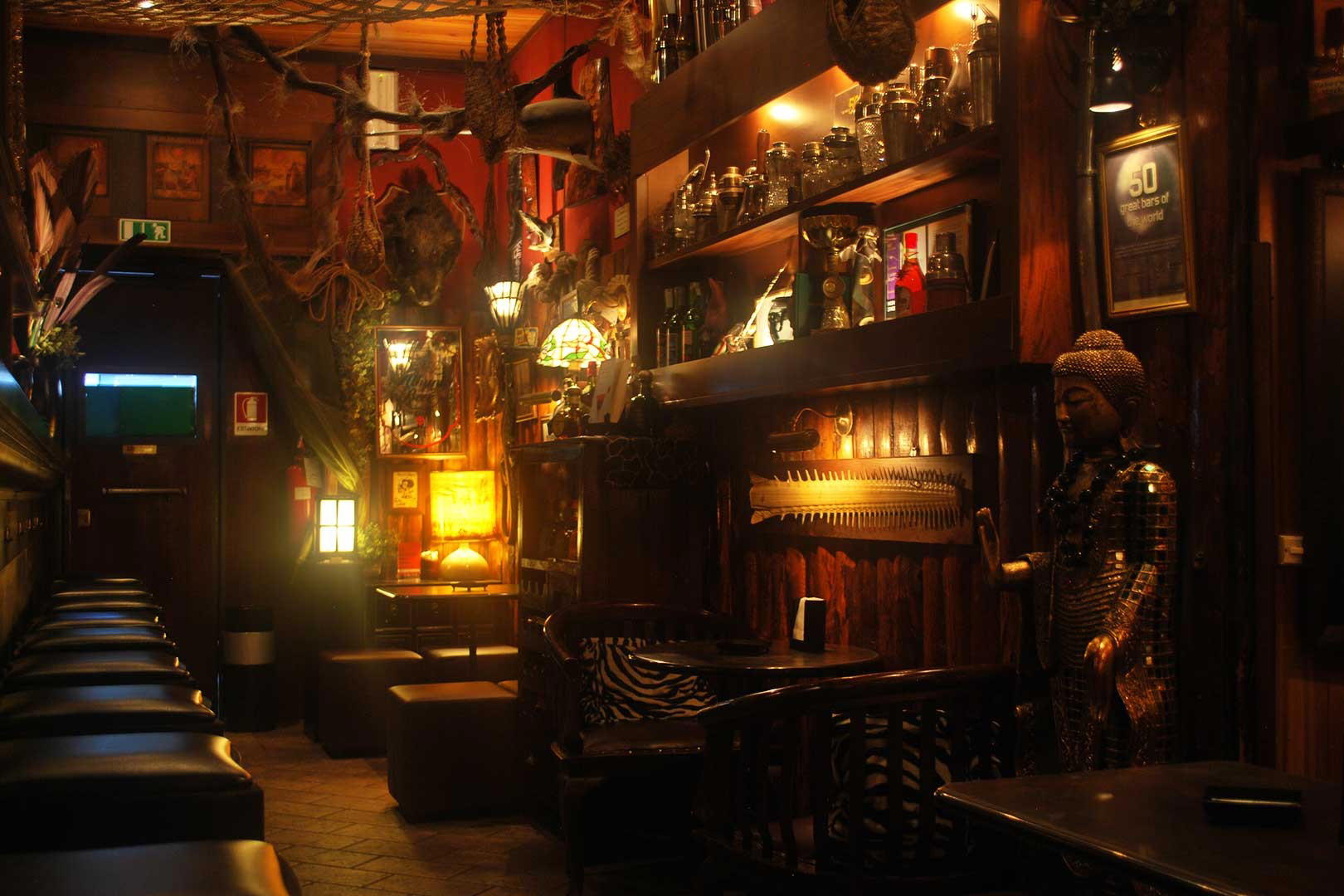
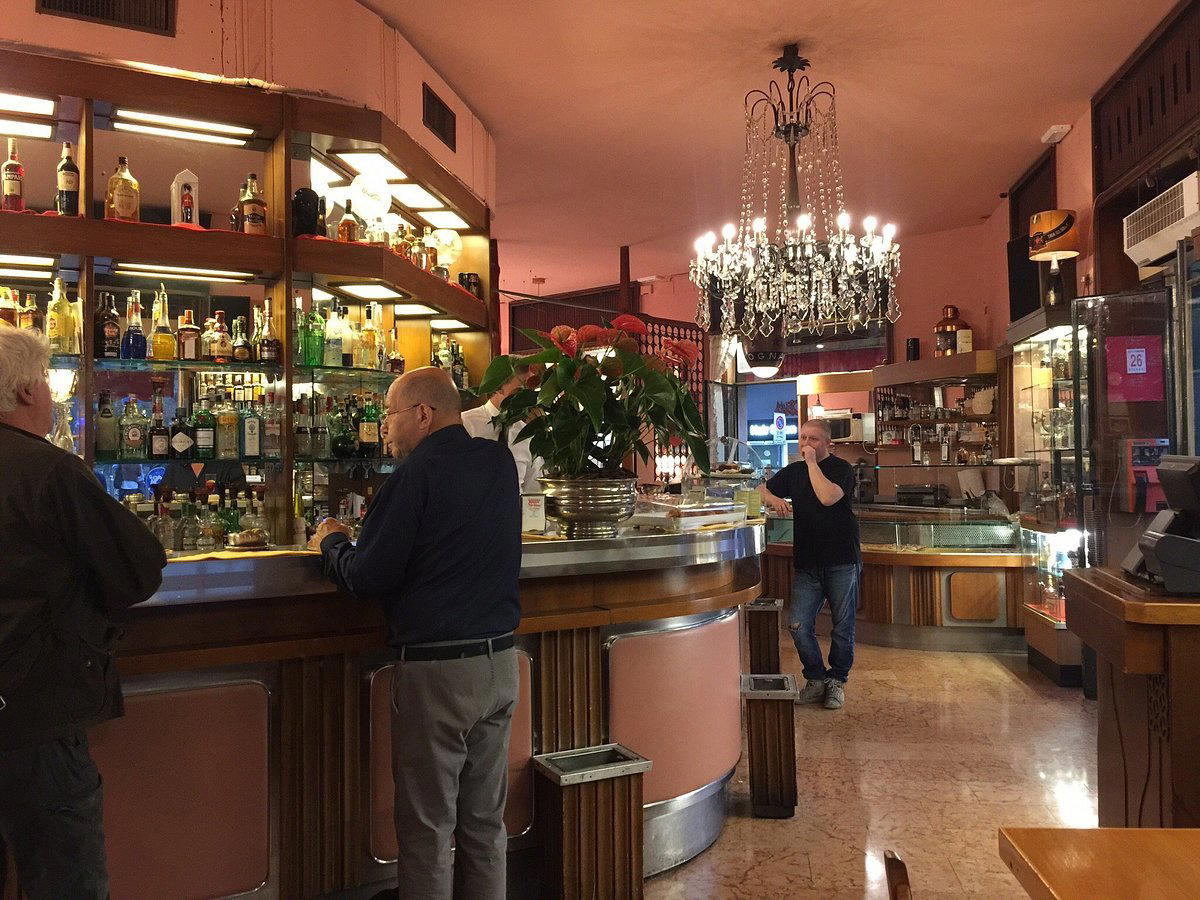
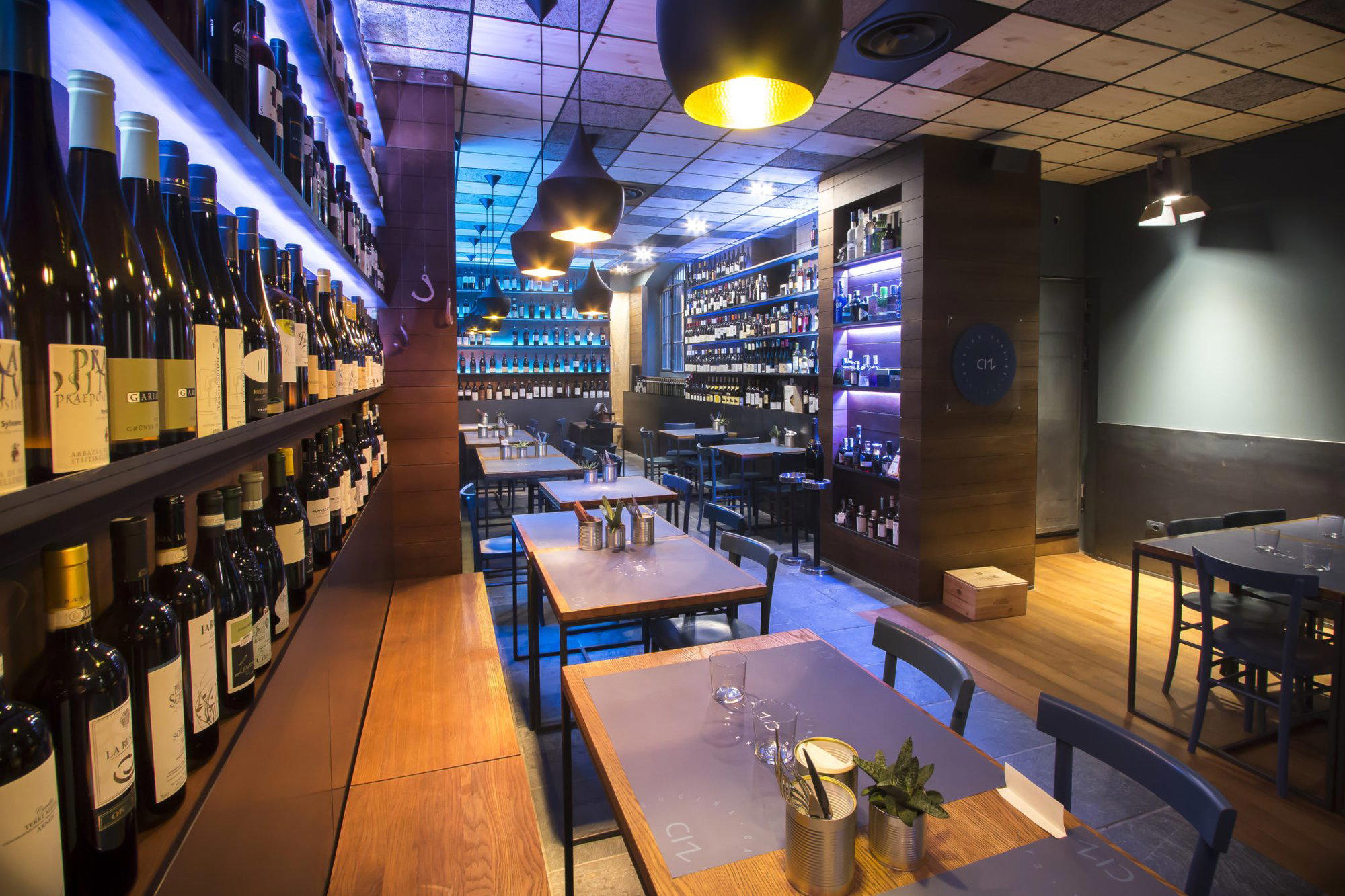
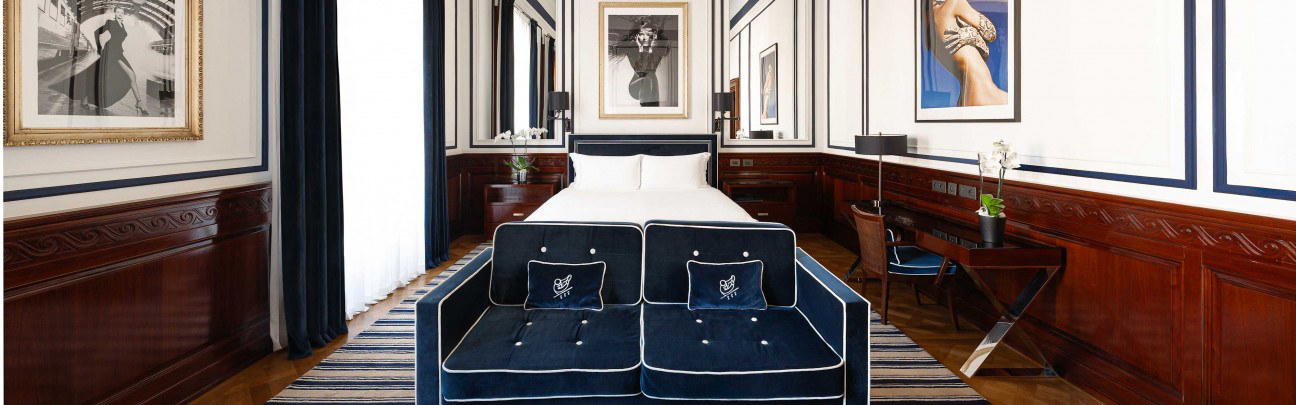
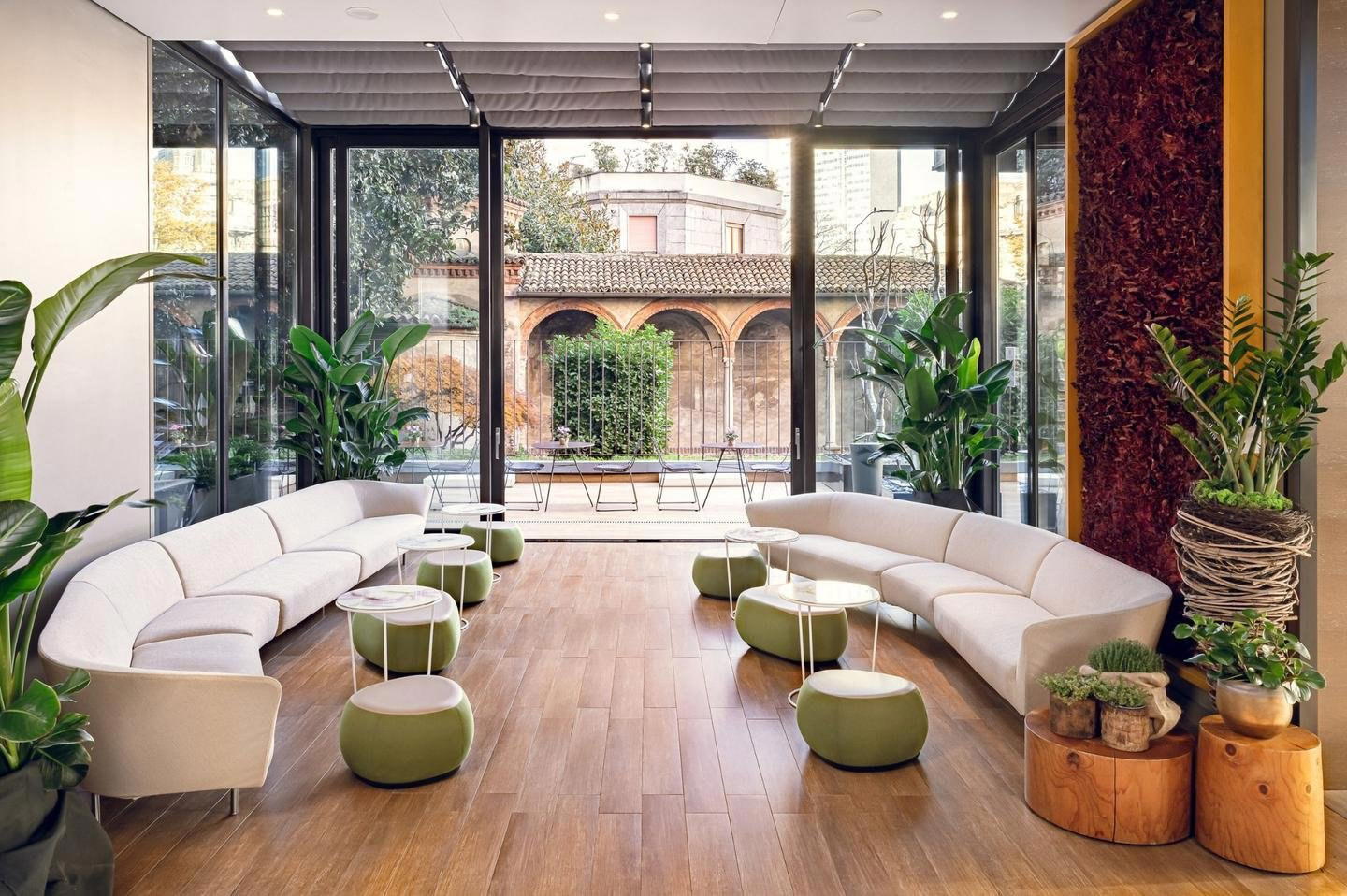
Calm and refined "urban oasis" inside a historic hotel on Corso Buenos Aires, with an intimate, elegant dining room and a relaxed hotel-bar area suited to quiet meals, aperitivi, and business or leisure gatherings.