Chez Joël

On Taylor Street, Chicago's Little Italy anchor for classic French cooking, Chez Joël holds. Frogs' legs Provençale, Gruyère-capped onion soup, and coq au vin share the bill in a room dressed with velvet curtains, a chandelier, and a courtyard that opens when the weather allows.
Pearl is the En Primeur Club membership app — saves, bookings, and concierge access live there. Same editors, same standards.
- Address
- 1119 W Taylor St, Chicago, IL 60607
- Phone
- (312) 226-6479
- Website
- chezjoelbistro.com
- Directions
- Get directions
 Saves & bookings on Pearl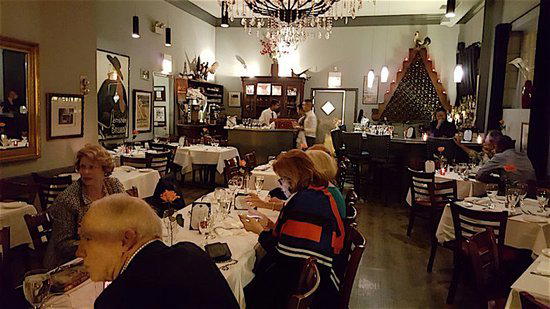
Taylor Street and the French Bistro Tradition in Chicago
Chez Joël is a Classic French Bistro in Chicago's Little Italy at 1119 W Taylor St, with a $50 per-person price point and a smart casual dress code. French bistro cooking has found footholds across Chicago in different price brackets, from the polished Provençal register of Brindille in River North to the brasserie scale of Obélix, while the city's highest-regarded tables, led by three-Michelin-star operations like Alinea and Smyth, work at a completely different price point and format. Chez Joël operates in a different register entirely: a mid-price, neighbourhood-anchored room where the measure of success is consistency rather than innovation, and where.
The bistro format that Chez Joël represents has a particular logic to it. At the mid-price tier, French cooking in American cities either collapses into generic clichés or holds itself together through discipline: correctly made sauces, sourced with enough care to produce recognisable flavour, and executed without the shortcuts that undermine the classics. The global reach woven into this kitchen's menu does not displace the French framework so much as run alongside it. That positioning places Chez Joël in a peer group of neighbourhood French rooms rather than in competition with the city's tasting-menu circuit.
What the Room Tells You Before the Menu Arrives
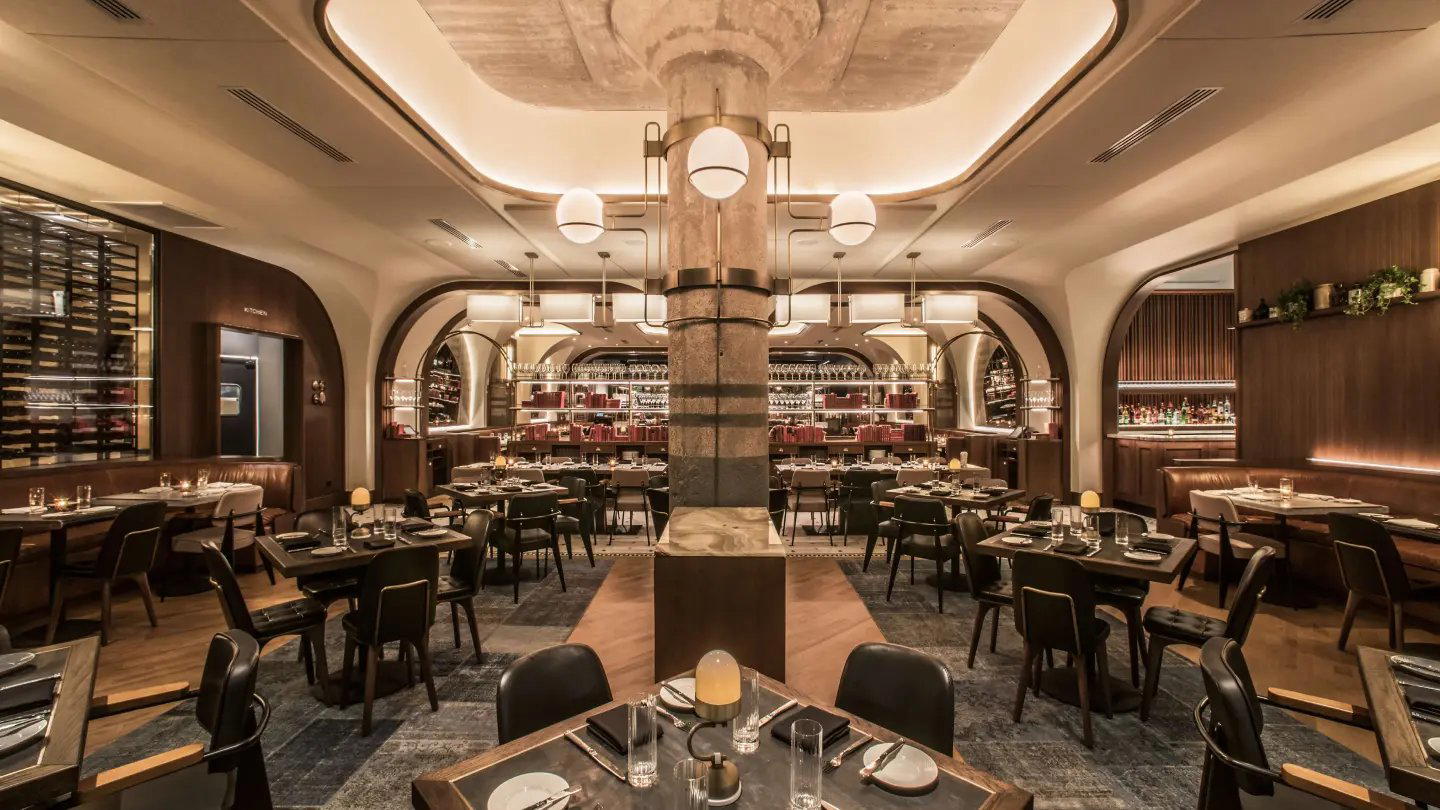
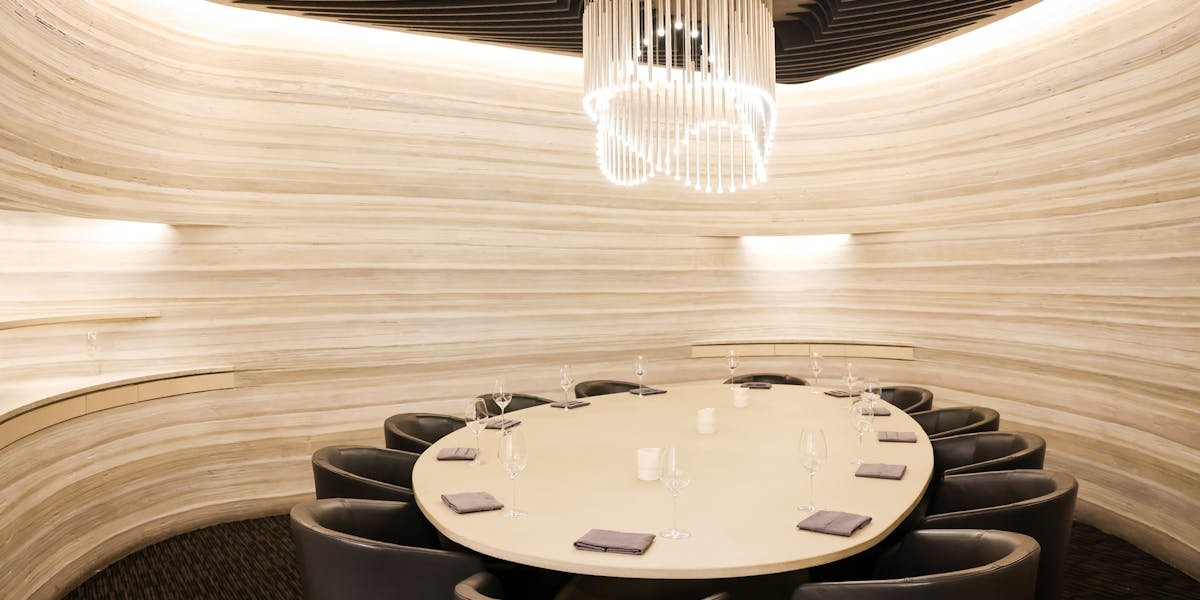
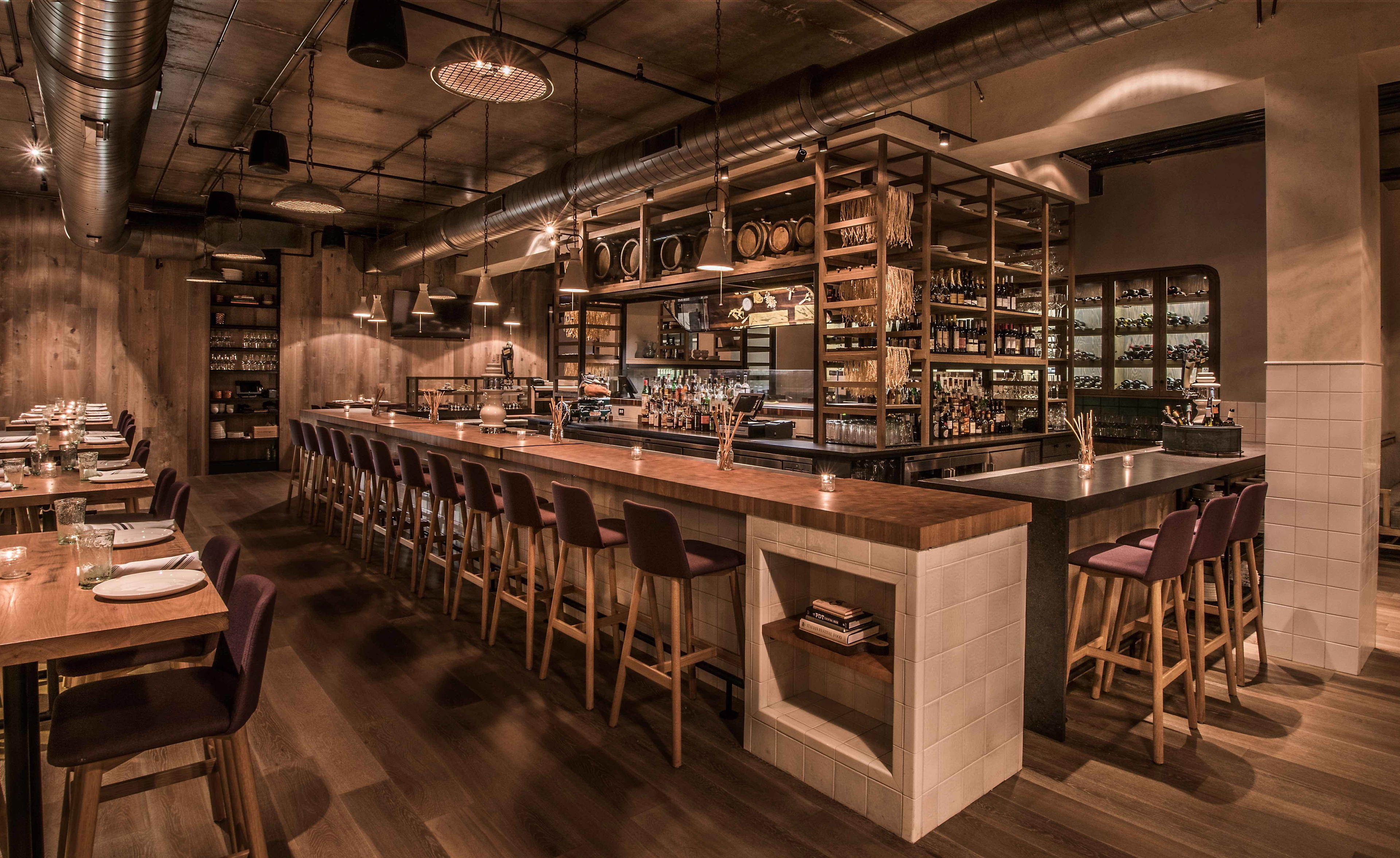
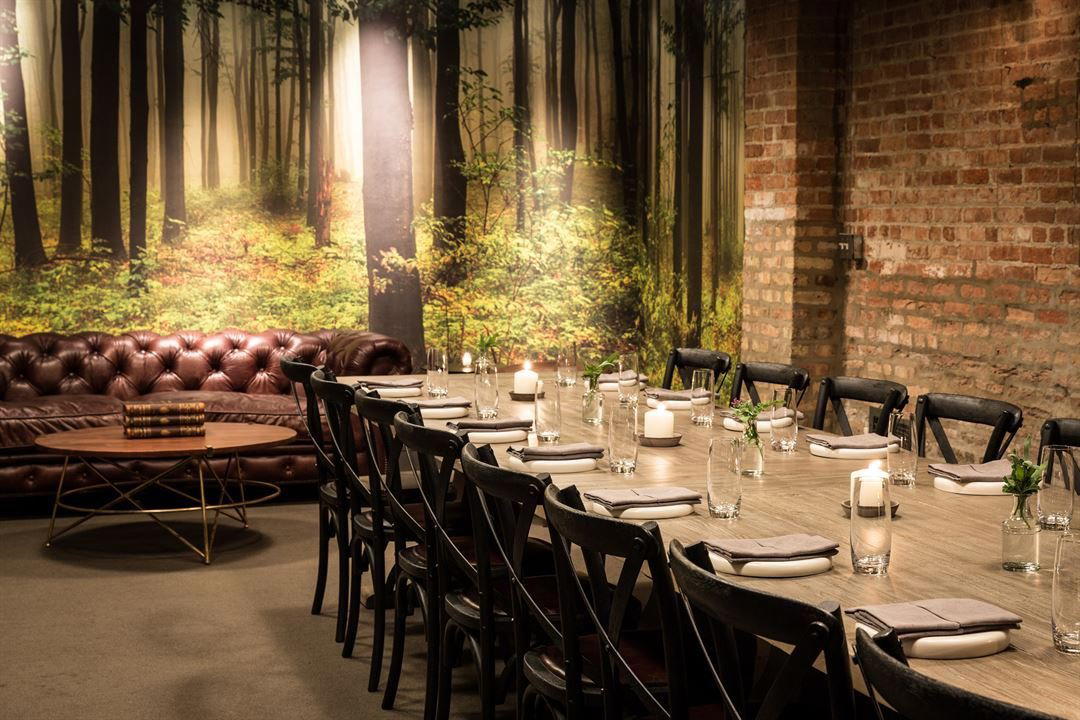
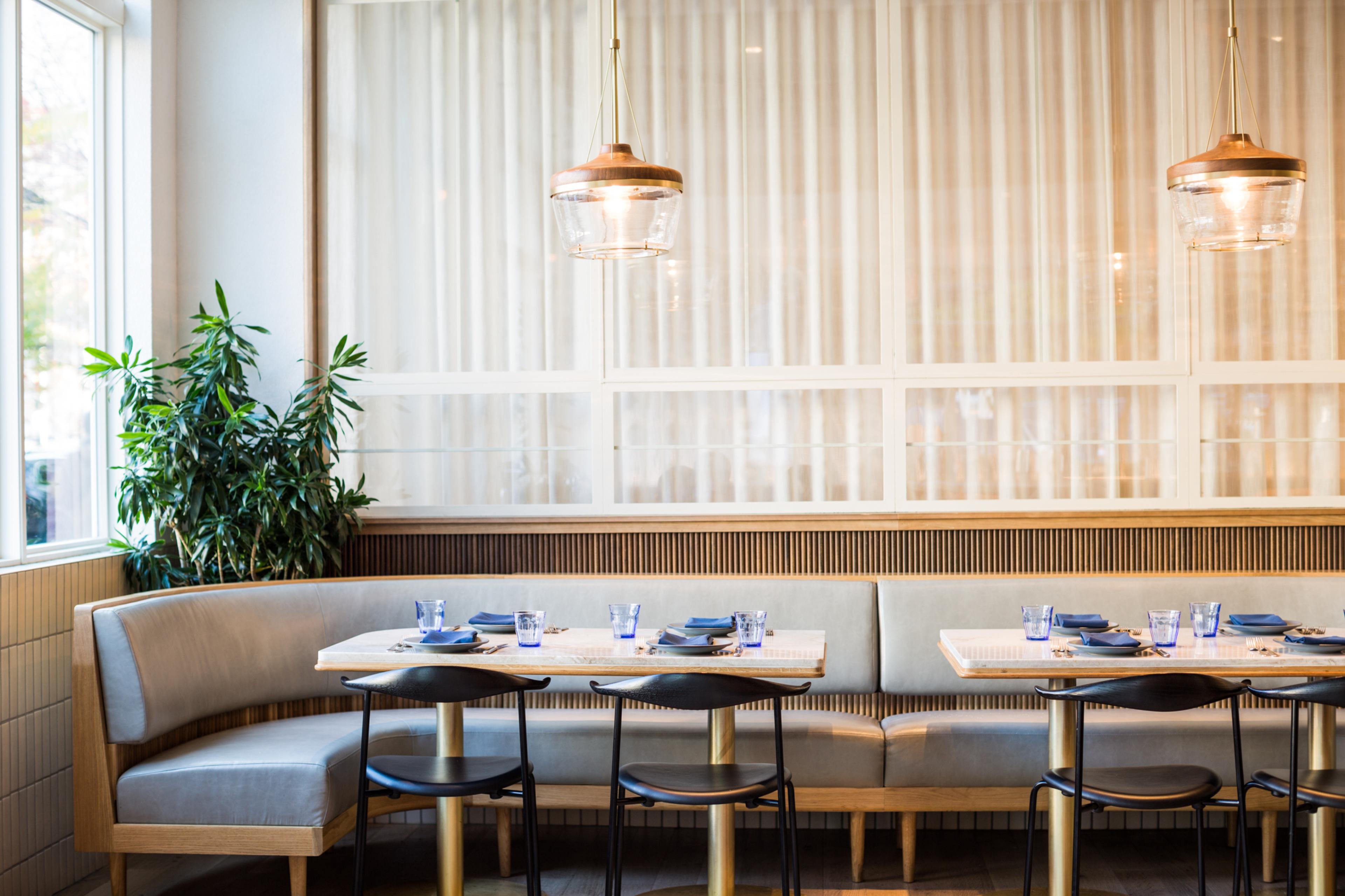
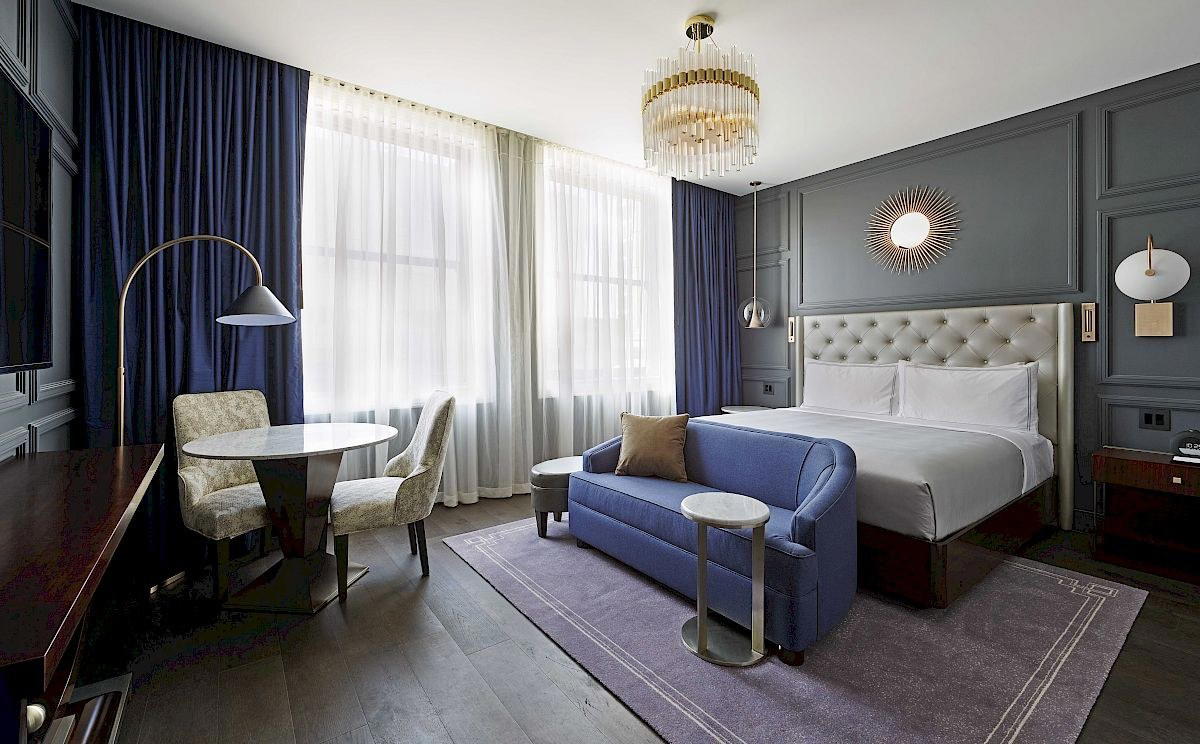
The physical environment at the restaurant communicates its intentions immediately. A grand chandelier sets the tone, framed French travel posters fill the walls, and ice-blue accents give the room a particular palette that reads as deliberate rather than accidental. Velvet curtains dress the windows, the kind of detail that signals a room designed to feel like somewhere rather than something. At the back, a bar operates as a destination in its own right, sized for pre-dinner aperitifs or post-dinner sipping without the pressure of a full dining commitment. When temperatures allow, a courtyard extends the space outdoors, a relatively rare asset on Taylor Street and one that shifts the atmosphere for warm-weather dining.
This design grammar, chandelier, posters, velvet, courtyard, is the visual language of the neighbourhood French bistro as it has evolved outside France. Rooms like this function as much as social spaces as they do as dining rooms. The 4.7 rating across a substantial review base suggests the restaurant has developed the kind of returning-guest culture that sustains neighbourhood restaurants over years, a dynamic quite different from the destination-dining logic that drives bookings at Oriole or the broader progressive American tier. For comparison, French cooking at the highest international tier, such as Le Bernardin in New York City or Hotel de Ville Crissier in Switzerland, operates on reservation logic and critical infrastructure that a Taylor Street bistro neither requires nor pursues.
The Kitchen's Sourcing Logic and Why the Classics Hold
The editorial angle of ingredient sourcing matters here because the French classical canon is, at its core, a sourcing argument. Frogs' legs Provençale, the dish the venue identifies as a signature, depend on garlic, butter, and spinach doing specific work in combination. The Provençal label is not decorative: it implies a particular herbal register and fat discipline that distinguishes the preparation from generic pan-fried frog legs. Getting this right at a mid-price tier, where the margin pressure is real, is a more demanding act than it appears from the menu description.
The same logic applies to the French onion soup capped with Gruyère. This is among the more replicated dishes in American French cooking, and also among the more frequently compromised: stock quality, caramelisation time, and the cheese-to-bread ratio are where versions divide. The soup's presence on this menu as a signature suggests the kitchen treats it as a benchmark preparation rather than a filler item. Coq au vin in its bistro form, rendered crisp on the exterior and retaining moisture inside, requires timing discipline rather than elaborate technique, but it is the kind of dish that reveals kitchen attention through execution rather than concept. The dessert tier, profiteroles and crème brûlée, follows the same classical logic: both preparations are defined by texture precision, the choux and cream equilibrium in one case, the caramel crust and set custard in the other.
Note about global effects influencing this kitchen's approach is worth reading carefully. At this price point, global influence in a French-anchored menu typically means spice calibration borrowed from North African or Southeast Asian traditions, or herb combinations that sit outside the classical French range. It signals a kitchen that is not dogmatic about the canon, but uses it as a base rather than a cage. This is a different posture from the intervention-light Burgundy-style approach you find at producers like those in the Napa restraint tier. It is, specifically, a bistro posture: grounded in tradition, open to adjustment, and measured by plate-level results rather than concept.
Where Chez Joël Sits in Chicago's French Dining Tier
French cooking in Chicago spans a considerable range. At the leading end, rooms with Michelin recognition and long reservation leads serve a clientele making a specific dining occasion. At the neighbourhood end, the question is different: can the kitchen sustain quality across a regular week of service without the infrastructure of a larger operation? The restaurant's double-dollar-sign price range places it accessible to a wider audience than the four-dollar-sign tasting-menu circuit, which includes most of Chicago's most-discussed openings. For context, Kasama, Boka, and Esmé all operate in the four-dollar-sign bracket with Michelin recognition, a tier that restaurant does not compete in by price or format.
French cooking at similarly grounded price points elsewhere in the United States, such as Emeril's in New Orleans or Providence in Los Angeles, operates within similar neighbourhood-anchoring logic even where the recognition level differs. Internationally, the bistro tradition that restaurant draws on has parallels in French-influenced rooms in cities like Tokyo, where operations such as L'Effervescence have taken the French framework into entirely different sourcing and cultural contexts. Taylor Street is a more modest stage, but the cooking question is the same: does the bistro canon hold when executed at this price and in this neighbourhood context?
Planning Your Visit
The restaurant sits at 1119 W Taylor Street in Chicago's Little Italy, a neighbourhood within reach of the Medical District and accessible from the broader Near West Side. The mid-price bracket makes it a practical option for a weeknight dinner, and reservations are recommended. The courtyard is a seasonal asset: summer bookings that prioritise outdoor seating should account for Chicago's variable spring weather, which can compress the outdoor season at either end. The back bar functions as a standalone stop if the dining room is full, and the room's returning-guest character suggests reservations are advisable rather than optional on weekends. For broader Chicago dining planning, see our full Chicago restaurants guide, and for hotels, bars, wineries, and experiences, explore our Chicago hotels guide, bars guide, wineries guide, and experiences guide.
Just the Basics
Comparable venues nearby, for context on price, style, and recognition.
| Venue | Cuisine | Price | Notes |
|---|---|---|---|
| Chez JoëlThis venue — the venue you are viewing | Little Italy, Classic French Bistro | $$$ | Not listed |
| Maxwells Trading | Not listed | $$$ | West Loop, Modern New American with Asian Influences |
| Creepies | West Loop, French-Midwestern Bistro | $$$ | Not listed |
| Hugo’s Frog Bar & Fish House | Gold Coast, Classic Seafood & Steaks | $$$ | Not listed |
| Lost Larsen | Not listed | $$$ | Andersonville, Modern Scandinavian Bakery & Wine Bar |
| Pompette | Bucktown, Seasonal French-Inspired Cafe | $$$ | Not listed |
Recognition history
Dated appearances from independent guides and award organizations, with the underlying list record or original source where available.
Michelin Plate
Michelin
Michelin Plate
Michelin
At a Glance
- Romantic
- Cozy
- Intimate
- Elegant
- Classic
- Date Night
- Special Occasion
- Garden
- Open Kitchen
- Garden
Current opening hours
- Monday
- 5–9 PM
- Tuesday
- 5–9 PM
- Wednesday
- 5–9 PM
- Thursday
- 5–9 PM
- Friday
- 5–10 PM
- Saturday
- 5–10 PM
- Sunday
- Closed
Hours can change for holidays and private events. Last verified .
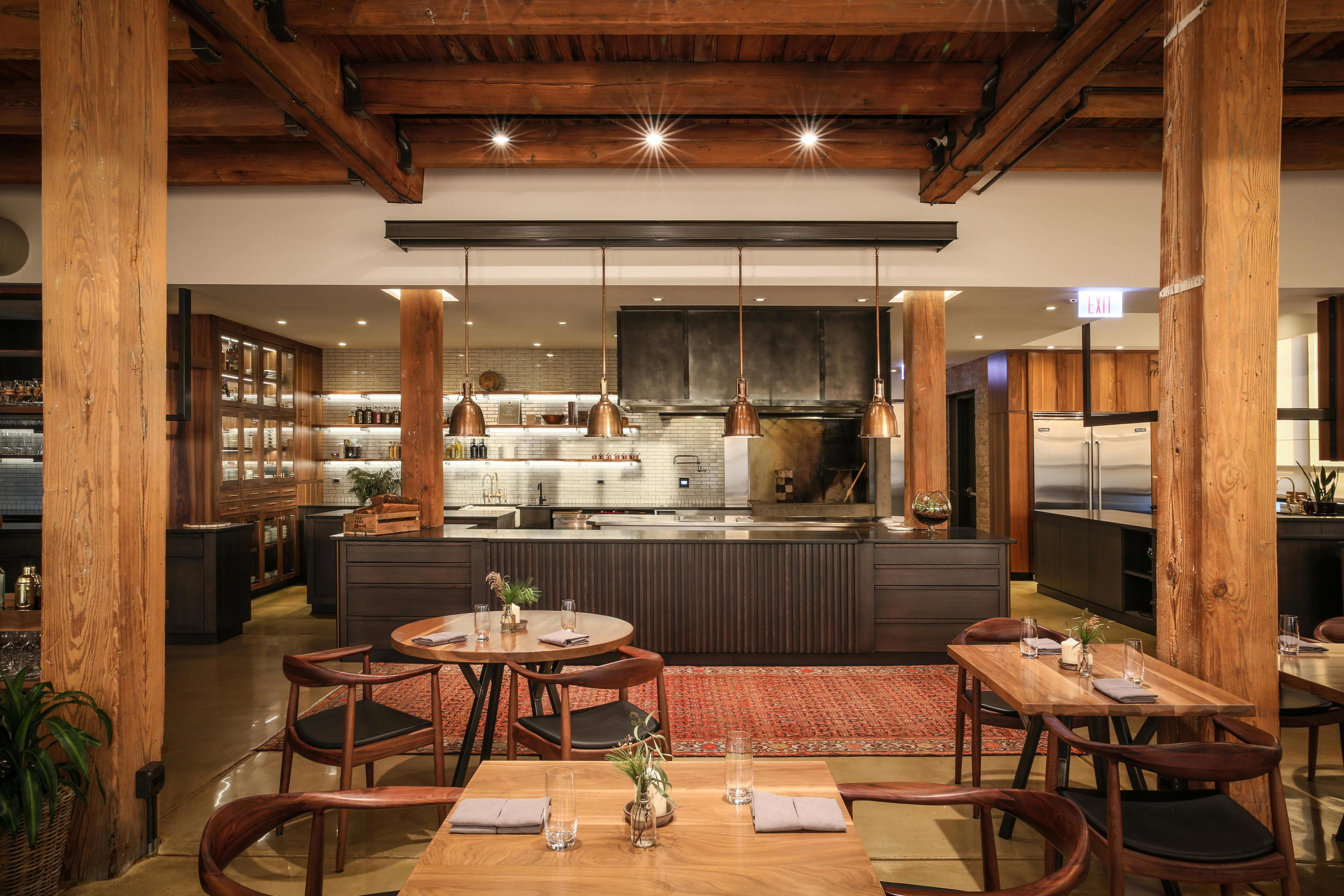
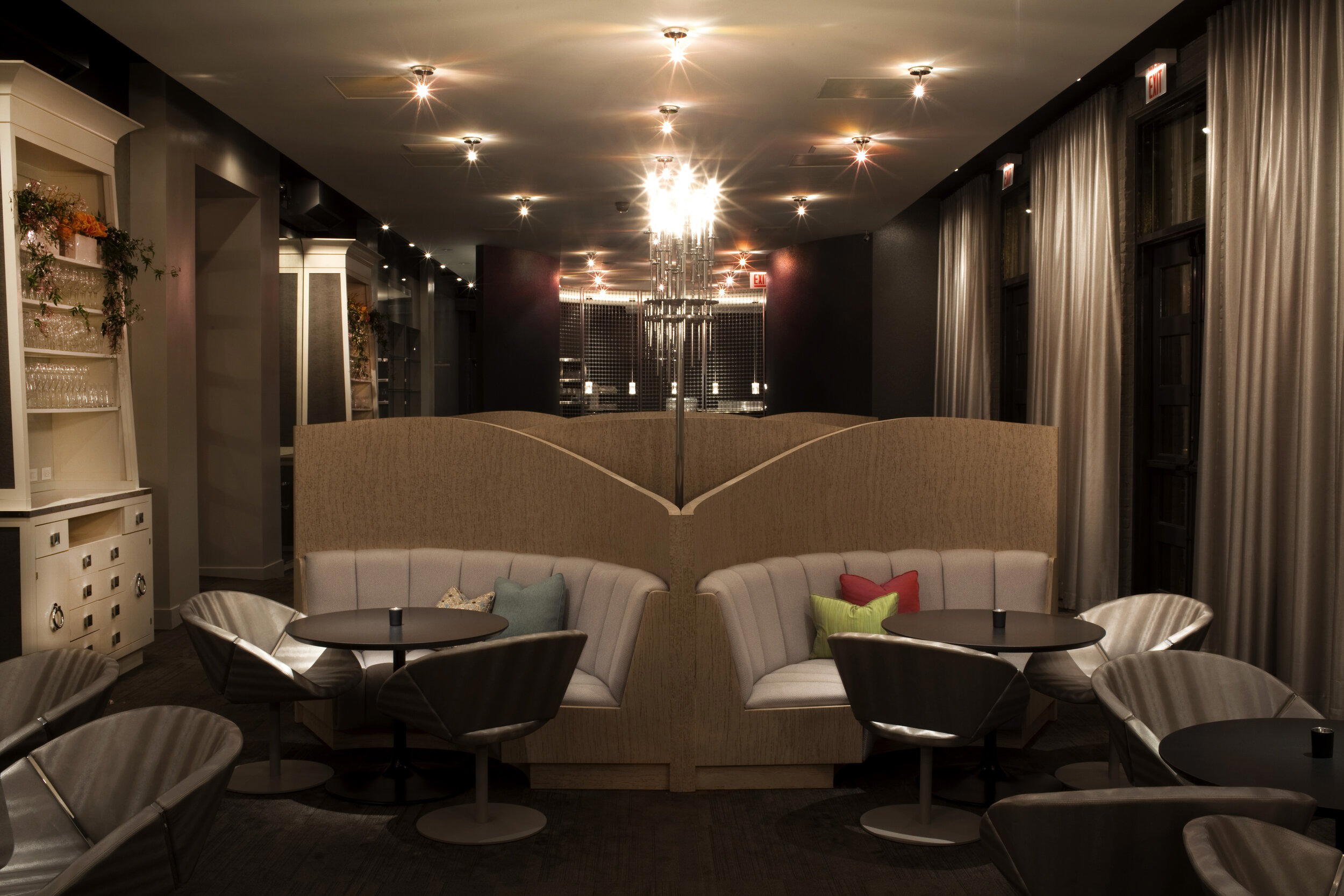
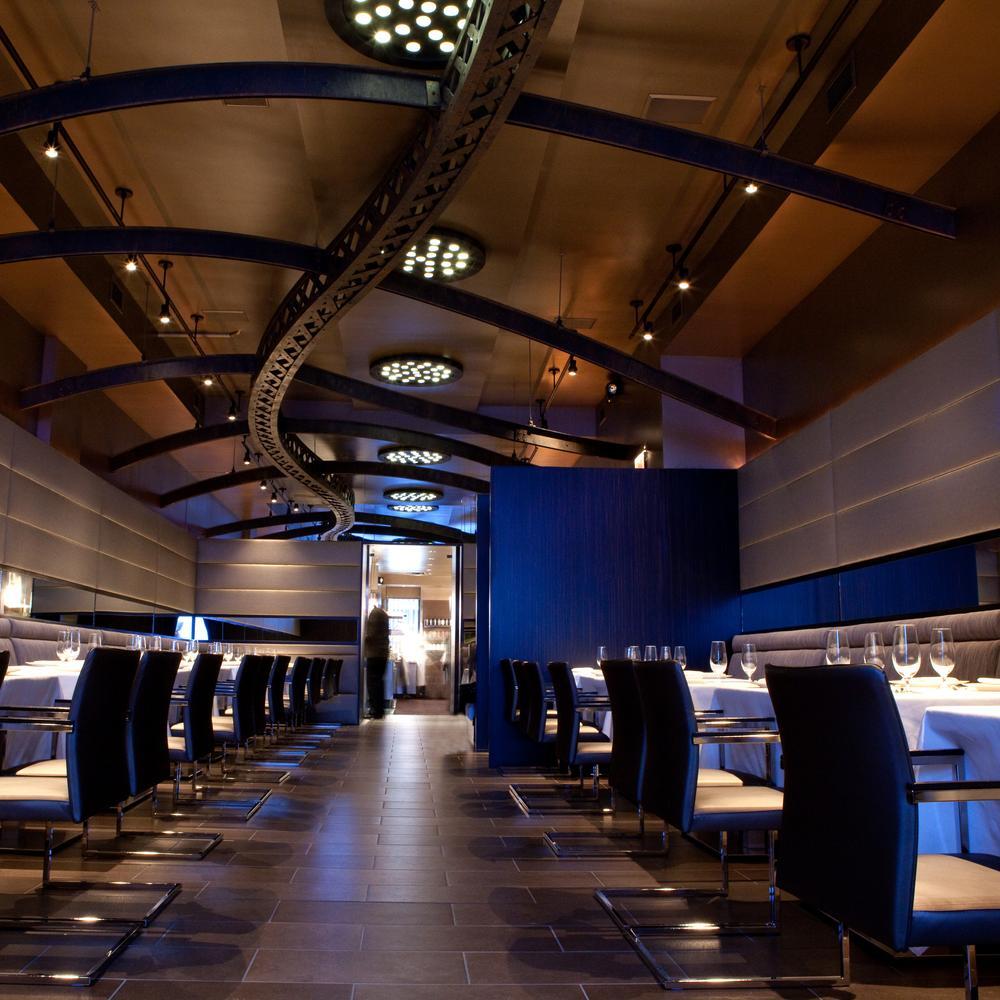
Warm and cozy interior with grand chandelier, French posters, ice-blue accents, and velvet-draped windows; romantic lush garden patio with chandelier lights for al fresco dining.