Cheneston's Restaurant
Our verdict
Cheneston's Restaurant sits in Kensington, where hotel dining has to answer a different brief from Soho counters or Mayfair tasting rooms: comfort, composure, and produce-led cooking that suits both residents and London regulars. Its appeal is less about spectacle than the quieter discipline of sourcing, service rhythm, and a room built for unhurried meals.

Pearl is the En Primeur Club membership app — saves, bookings, and concierge access live there. Same editors, same standards.
The menu
What to order
- Mrs T's chicken noodle soup
- Mrs T's chicken pot pie
- H Forman & Son London Cure smoked salmon
- Grilled Dover sole
- Bea Tollman's baked vanilla cheesecake
Approaching Cheneston's Restaurant in London, the tempo changes before the menu enters the conversation. This is not the hard-edged London of counter seats, timed turns, and chefs calling courses across an open pass. It belongs to the older hotel-restaurant tradition of London: polished rooms, low conversational volume, and a style of cooking expected to satisfy international guests without losing its sense of place.
That context matters for Cheneston's Restaurant. London has many different dining energies, from high-tempo rooms to quieter hotel settings. Its stronger hand here is discretion, long-stay hotel culture, and a clientele that values comfort as much as novelty. In that setting, ingredient sourcing becomes the main test. A hotel dining room can look composed and still feel generic if the produce reads as anonymous; the better ones let seasonality do more work than menu rhetoric.
London hotel dining, judged by produce rather than theatre
London's serious restaurant conversation often tilts toward tasting-menu precision, natural-wine informality, or chef-led neighbourhood rooms. Hotel restaurants sit in a tougher lane. They must serve different occasions across the same day, hold a broad culinary vocabulary, and avoid the bland middle ground that comes from trying to please everyone. The London answer in this mode is usually measured rather than aggressive: provenance, recognisable dishes, and service that does not rush the table.
Ingredient-led cooking is particularly important in this category because the format leaves fewer places to hide. A small tasting counter can build drama through pacing and scarcity. A hotel dining room has to make the case plate by plate, through produce handled cleanly, vegetables that taste of season rather than garnish, sauces with proper structure, and sourcing that justifies the formality of the room. The point is not novelty; the point is whether familiar reference points are treated with enough care to feel current.
Cheneston's Restaurant sits within that tradition rather than against it. The useful comparison is not restaurant theatre but the broader London hotel-dining tier, where confidence is measured in consistency, sourcing standards, and whether the kitchen can serve a mixed room without flattening the food into conference-hotel anonymity. London diners may also have Zaika, Min Jiang, and Afternoon Tea at The Milestone Hotel in the same wider orbit; this room belongs to the quieter restaurant side of that spectrum.
The useful London comparison is not hype, but occasion
The sharper question is when this sort of room makes sense. London already has plenty of narrow-format restaurants built around a single cuisine, a fixed counter, or a short blackboard menu. For that mode, the city offers many other dining rooms where the appeal is partly compression: fewer promises, more edge. London hotel dining works differently. It is better suited to multi-generation meals, pre- or post-culture dinners, business lunches, and evenings where room tone matters as much as culinary novelty.
That does not make the cooking secondary. In a city with deep restaurant competition, comfort is only persuasive when the kitchen takes procurement seriously. Dining in London is not defined only by tradition; it is defined by how confidently restaurants use produce without turning every menu into a manifesto. The better hotel rooms understand that restraint can be a strength when the supply chain is doing visible work.
For readers mapping the city by style, Cheneston's Restaurant belongs closer to the composed London bracket than to the experimental or high-volume end of the capital. Compare that with other dining in London, from design-conscious neighbourhood rooms to more modern, statement-led kitchens and hotel settings across the city. The decision is less about chasing a headline and more about matching the room to the occasion.
How to place it in a wider UK itinerary
London is still the national reference point for range, but the UK restaurant map has become more decentralised. A traveller building meals around provenance can now move from capital-city hotel dining to coastal formats, regional tasting-menu ambition, city-centre cooking, dining-room culture, social dining, or country-house-adjacent restaurants elsewhere in the UK.
That wider frame helps explain the appeal of a London room built on calm rather than noise. It gives the capital another register: not the meal that proves a point, but the one that absorbs an afternoon in the city and lets produce, pacing, and room craft carry the experience. For broader planning, use our full London restaurants guide alongside our full London hotels guide, our full London bars guide, our full London wineries guide, and our full London experiences guide. For a contrast in tighter specialist formats, other dining rooms in major cities show how narrow concepts operate at the opposite end of the dining spectrum.
Frequently asked questions
Where exactly is Cheneston's Restaurant?
Cheneston's Restaurant is in London.
What's the best way to book Cheneston's Restaurant?
Plan ahead for Cheneston's Restaurant in London, since hotel dining works better with a reservation than a walk-in approach. If timing matters, make the booking before arrival and confirm any special requests at the same time.
What's the standout thing about Cheneston's Restaurant?
Its strongest appeal is the setting: a composed restaurant in London rather than a spectacle-first dining room. That makes it useful for meals built around occasion and comfort, not noise.
Can Cheneston's Restaurant handle vegetarian requests?
A hotel restaurant in London usually has more room to handle vegetarian requests than a tightly scripted tasting counter. For Cheneston's Restaurant, the sensible move is to flag the request when booking.
Can I bring kids to Cheneston's Restaurant?
Cheneston's Restaurant sits in a hotel-style setting in London, which generally makes it easier for families than a chef-counter room. That said, the practical test is the reservation arrangement and the timing of the meal.
Is Cheneston's Restaurant formal or casual?
Expect a polished hotel-dining room rather than a casual drop-in spot, shaped by its London setting. The room suits a composed meal more than a loud, all-day brasserie rhythm.
Comparable Spots, Quickly
Nearby venues at a similar price tier for orientation.
| Venue | Cuisine | Price | Awards |
|---|---|---|---|
| Cheneston's RestaurantThis venue — the venue you are viewing | British Fine Dining | $150–200 | Not listed |
| Zaika | Fine Dining Indian | $50–100 | Michelin Plate |
| Min Jiang | Authentic Cantonese & Beijing Chinese Fine Dining | $50–100 | Not listed |
| Afternoon Tea at The Milestone Hotel | Traditional British Afternoon Tea | $50–100 | Not listed |
| Moreno | Colombian Latin American Cafe | $30–50 | Not listed |
| HANRUE KOREAN BBQ | Traditional Korean BBQ | $30–50 | Not listed |
Continue exploring
More in London
Restaurants in London
All restaurants in London →
Bars in London
All bars in London →
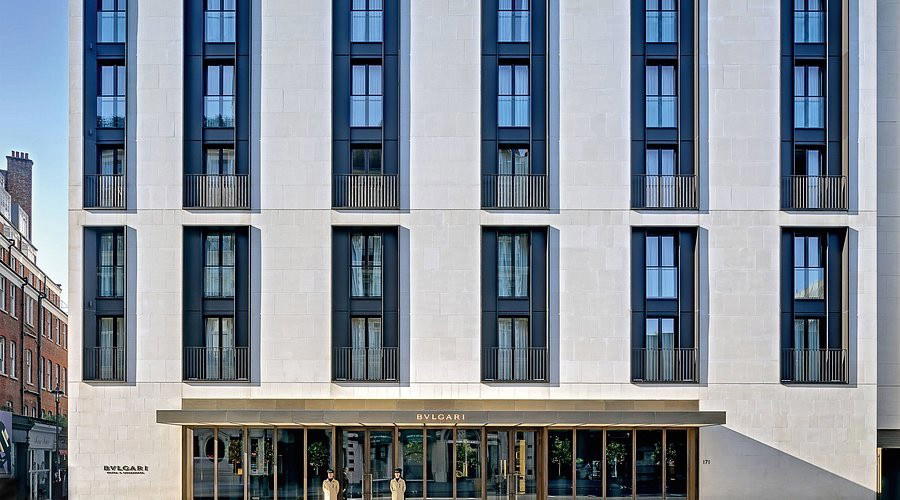
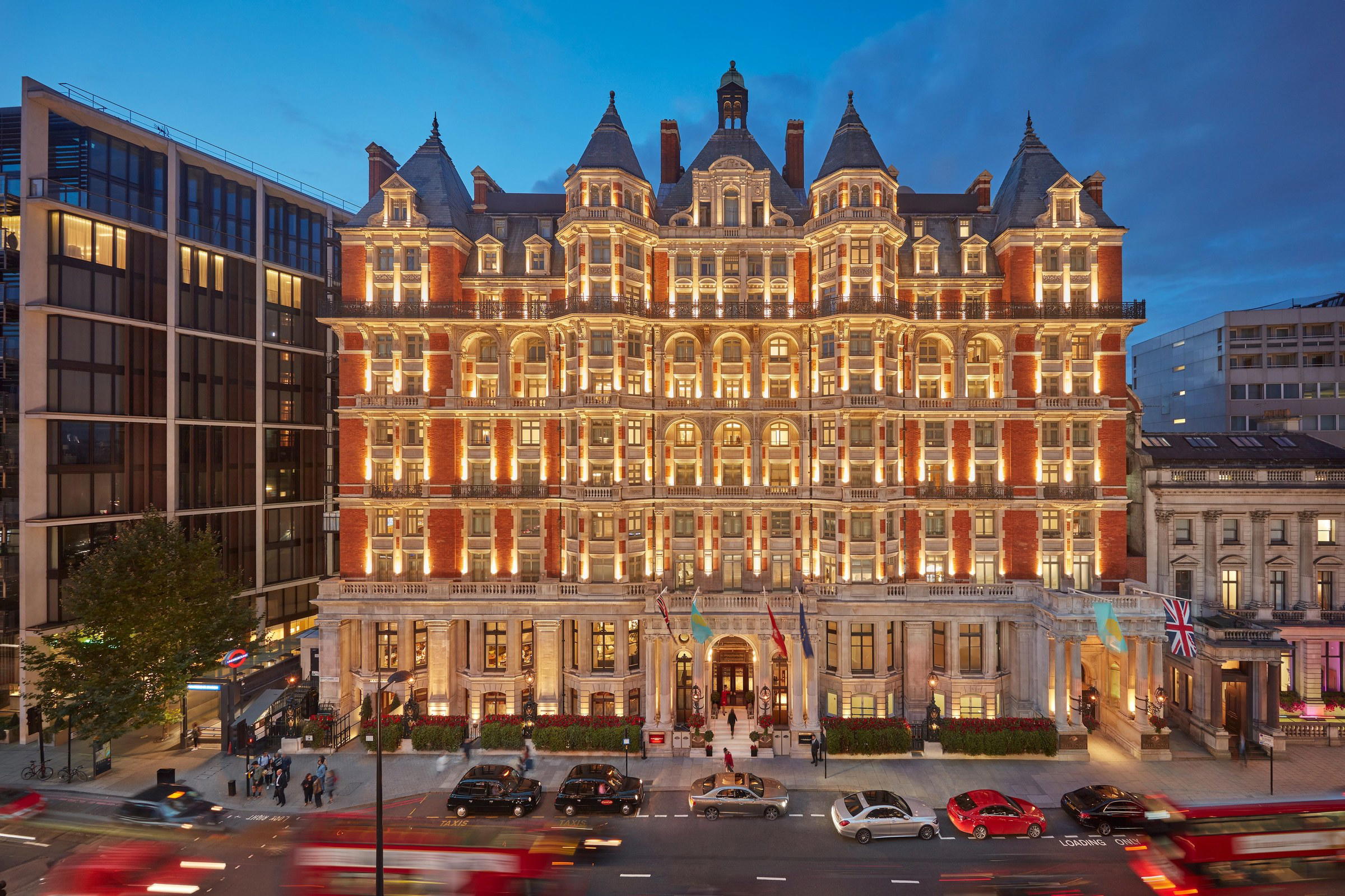
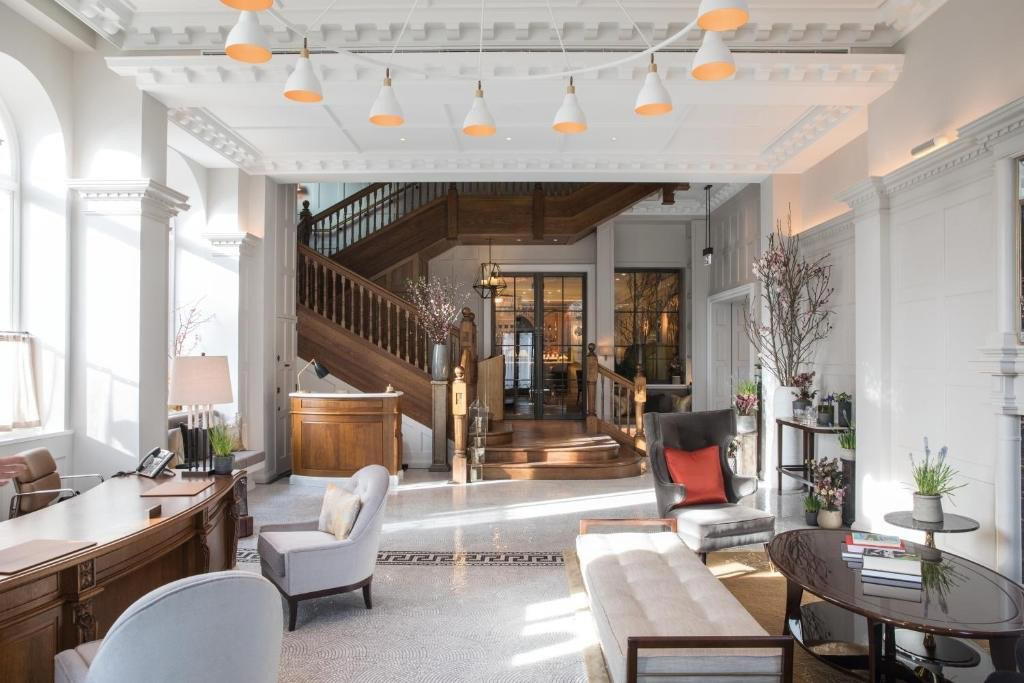
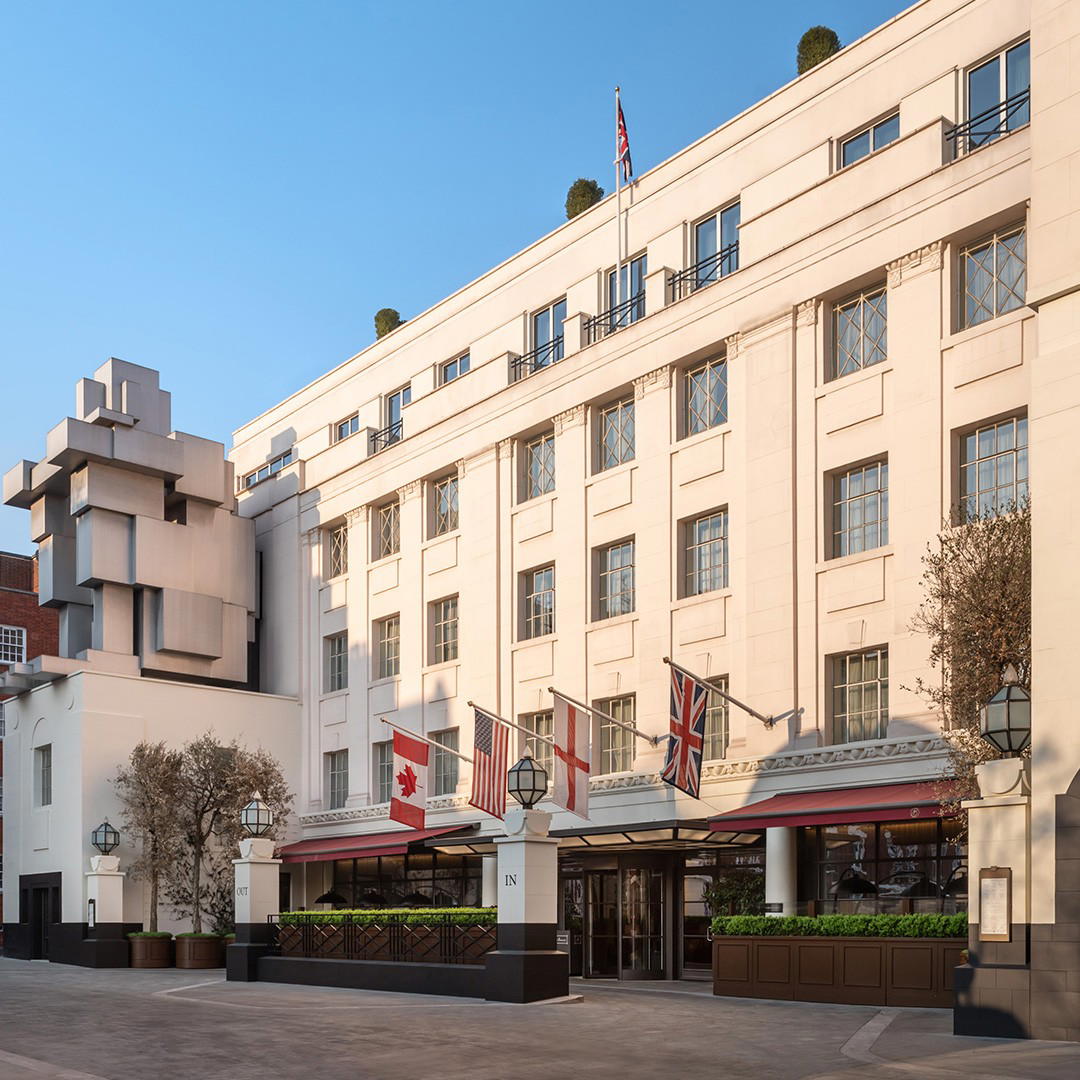



Cheneston's Restaurant
The wine
- Wine program
- Deep wine list
- Extensive wine list
- Sommelier-led
Details
- Classic
- Elegant
- Intimate
- Sophisticated
- Quiet
- Date Night
- Group Dining
- Family
- Celebration
- Special Occasion
- Private Event
- Hotel Restaurant
- Historic Building
- Extensive Wine List
- Sommelier Led
- Local Sourcing
- Garden
- A La Carte
- Tasting Menu
- Set Menu
- Wine
- Vegetarian Friendly
- Vegan Options
- Gluten Free Options
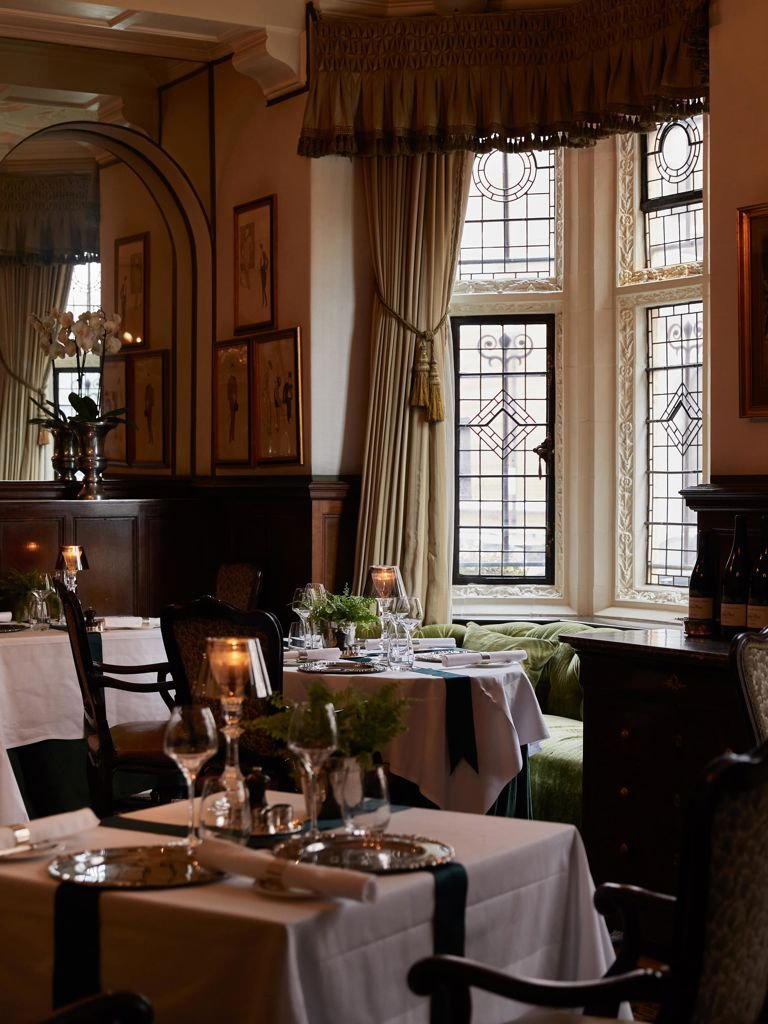
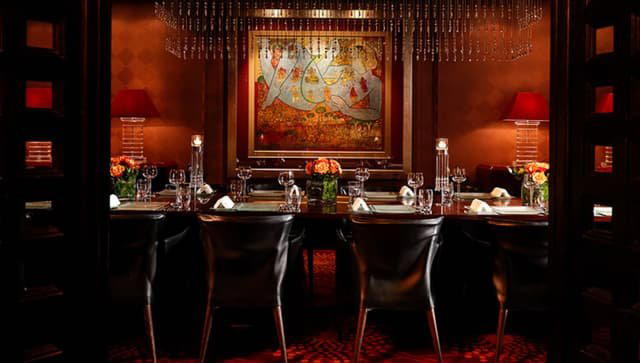
A warm, intimate, and elegant traditional dining room with old British character, wood panelling, Victorian leaded windows, mahogany furniture, and a quiet, relaxed atmosphere.