Chelokababi
Chelokababi on South Wolfe Road brings one of Iran's most enduring culinary traditions to the South Bay, where grilled skewer culture has deep roots in Persian communal dining. The address places it squarely in Sunnyvale's quietly serious immigrant restaurant corridor, where cooking is measured against memory rather than trend. A practical first stop for anyone exploring the Bay Area's Persian dining options.
Pearl is the En Primeur Club membership app — saves, bookings, and concierge access live there. Same editors, same standards.
- Address
- 1236 S Wolfe Rd, Sunnyvale, CA 94086
- Phone
- +14087371222
- Website
- chelokababi.com
- Directions
- Get directions
 Saves & bookings on Pearl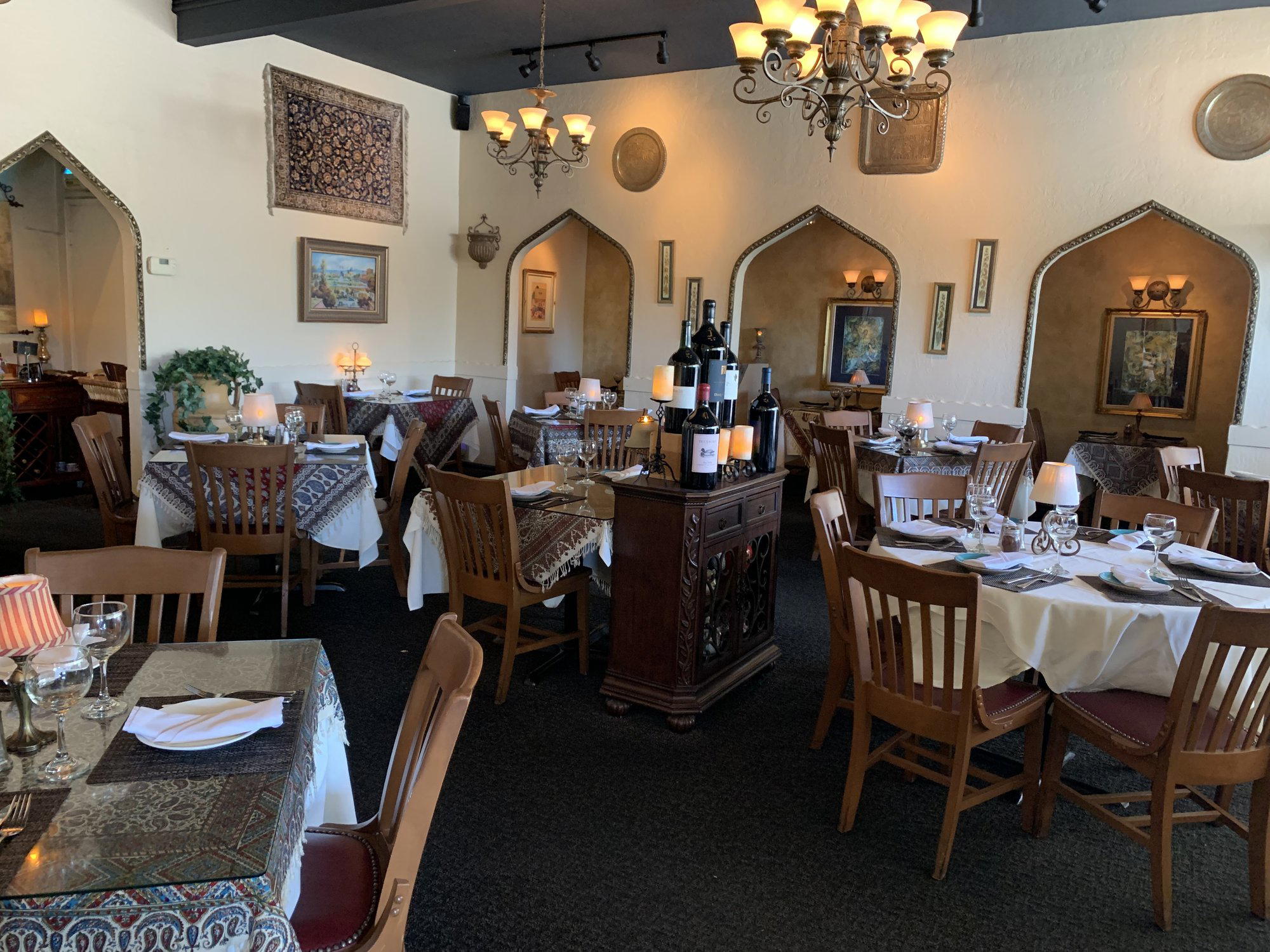
Where Charcoal and Saffron Define the South Bay's Persian Table
The South Bay has never been short of places to eat well, but the strip along South Wolfe Road in Sunnyvale operates on a different register from the valley's more conspicuous dining destinations. Here, the restaurants tend to serve communities first and critics second. Chelokababi, at 1236 S Wolfe Rd, belongs to that tradition: a Persian grill house shaped by one of Iran's oldest and most disciplined cooking forms rather than by the approval cycle of contemporary dining media.
Chelokababi as a format predates restaurant culture as most diners understand it. In Iran, the chelokabab is not merely a menu item but a national institution: long skewers of ground or whole meat, seasoned with onion and sometimes saffron, grilled over live fire and served alongside steamed basmati rice with a knob of butter and a raw egg yolk worked through it at the table. The dish is named for its two components, chelo (the rice) and kabab (the meat), and its apparent simplicity is exactly where its difficulty lies. Good rice in this tradition requires a controlled steam and a crust at the bottom of the pot, the tahdig, that is the mark of a cook who understands heat and timing at a level that no recipe can fully convey.
The Cultural Weight Behind a Skewer
Persian cuisine occupies an unusual position in American dining. It is simultaneously one of the world's most historically sophisticated food cultures and one of the least represented in the country's formal restaurant hierarchy. The cuisine's influence on Ottoman, Mughal, and Arab culinary traditions is well documented by food historians, yet a chelokababi in Sunnyvale will rarely appear on the same shortlists as, say, Atomix in New York City or Providence in Los Angeles, even when the cooking demands equivalent technical discipline.
That gap between cultural weight and critical attention is not new, but it is worth naming. The grill traditions of the Middle East and Central Asia, from Persian kabab to Levantine mashawi, require a command of fire, protein texture, and spice calibration that formal fine dining rarely acknowledges. The same scrutiny applied to tasting-menu kitchens at Smyth in Chicago or Blue Hill at Stone Barns in Tarrytown would find comparable precision in a well-run Persian grill house, just expressed differently and without the same institutional scaffolding.
The Bay Area's Iranian-American population, concentrated across Santa Clara County, has sustained a network of Persian restaurants that operate largely outside the visibility of the region's celebrated dining press. Sunnyvale sits near the centre of that network geographically and culturally, making it a reasonable anchor point for anyone interested in what the tradition actually delivers at table level.
Sunnyvale's Immigrant Restaurant Corridor in Context
Chelokababi's address places it within a part of Sunnyvale that rewards attention. The stretch of South Wolfe Road and its surrounding blocks function as a working immigrant restaurant district, where the cooking is shaped by diaspora community standards rather than by what travels well on social media. This is similar in character, if not in cuisine, to the way Dishdash Sunnyvale has built its standing in the area: rooted in a specific Middle Eastern culinary tradition and accountable to a local community that knows the reference points.
The wider Sunnyvale dining scene covers significant range. 10 Butchers Korean BBQ and Adrestia represent different parts of the market, and Donblanc Sunnyvale and Emelina's Peruvian Restaurant extend the area's range into European-influenced and South American territory. A Persian grill house sits alongside all of these as a distinct culinary category rather than a competitor in the same register.
The Bay Area's wider fine dining infrastructure, from The French Laundry in Napa and Single Thread Farm in Healdsburg to Lazy Bear in San Francisco, operates at a different price and format tier entirely. Chelokababi is not in conversation with those rooms. Its comparable set is the cluster of Persian, Levantine, and Central Asian restaurants serving the South Bay's substantial immigrant communities, where the standard is authenticity and generosity rather than tasting-menu architecture. European parallels exist too: Atelier Moessmer Norbert Niederkofler in Brunico shows how regional tradition can anchor serious cooking without requiring metropolitan validation, and the same logic applies here, just at a different price point and in a different register.
What to Order and How to Plan Your Visit
Chelokababi's name is itself a menu guide. Chelokabab in its core form, the koobideh (ground lamb or beef on a wide skewer) and the barg (thin-cut fillet), are the dishes against which any Persian grill kitchen measures itself. Both are served with chelo rice; the quality of that rice, whether the tahdig crust forms correctly and whether the grains separate cleanly, is as diagnostic as the meat itself.
The format is informal and ordering is direct: no tasting menus, no reservation windows measured in months. Reservations are recommended. Parking along South Wolfe Road is generally available in adjoining lots, which is relevant for the area's car-dependent geography.
Pricing, Compared
Comparable venues nearby, for context on price, style, and recognition.
| Venue | Cuisine | Price | Notes |
|---|---|---|---|
| ChelokababiThis venue — the venue you are viewing | Sunnyvale, Authentic Persian Cuisine | $$ | Not listed |
| Dishdash Sunnyvale | Murphy Street, Modern Middle Eastern | $$ | Not listed |
| Mom's Biriyani | Authentic Indian Biryani House | $$ | Not listed |
| Myzen Japanese Ramen Restaurant | Lawrence Expressway area, Japanese Ramen | $$ | Not listed |
| Gumba's Italian Restaurant | Not listed | $$ | Downtown Sunnyvale, Traditional Italian Pizzeria & Trattoria |
| Emelina's Peruvian Restaurant | Murphy Avenue, Northern Peruvian | $$ | Not listed |
Continue exploring
More in Sunnyvale
Restaurants in Sunnyvale
Browse all →
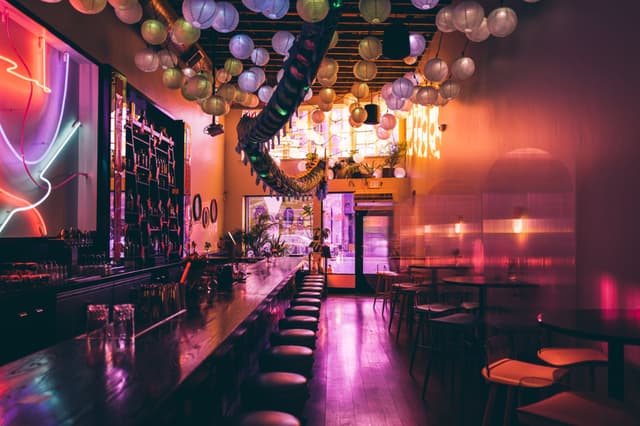
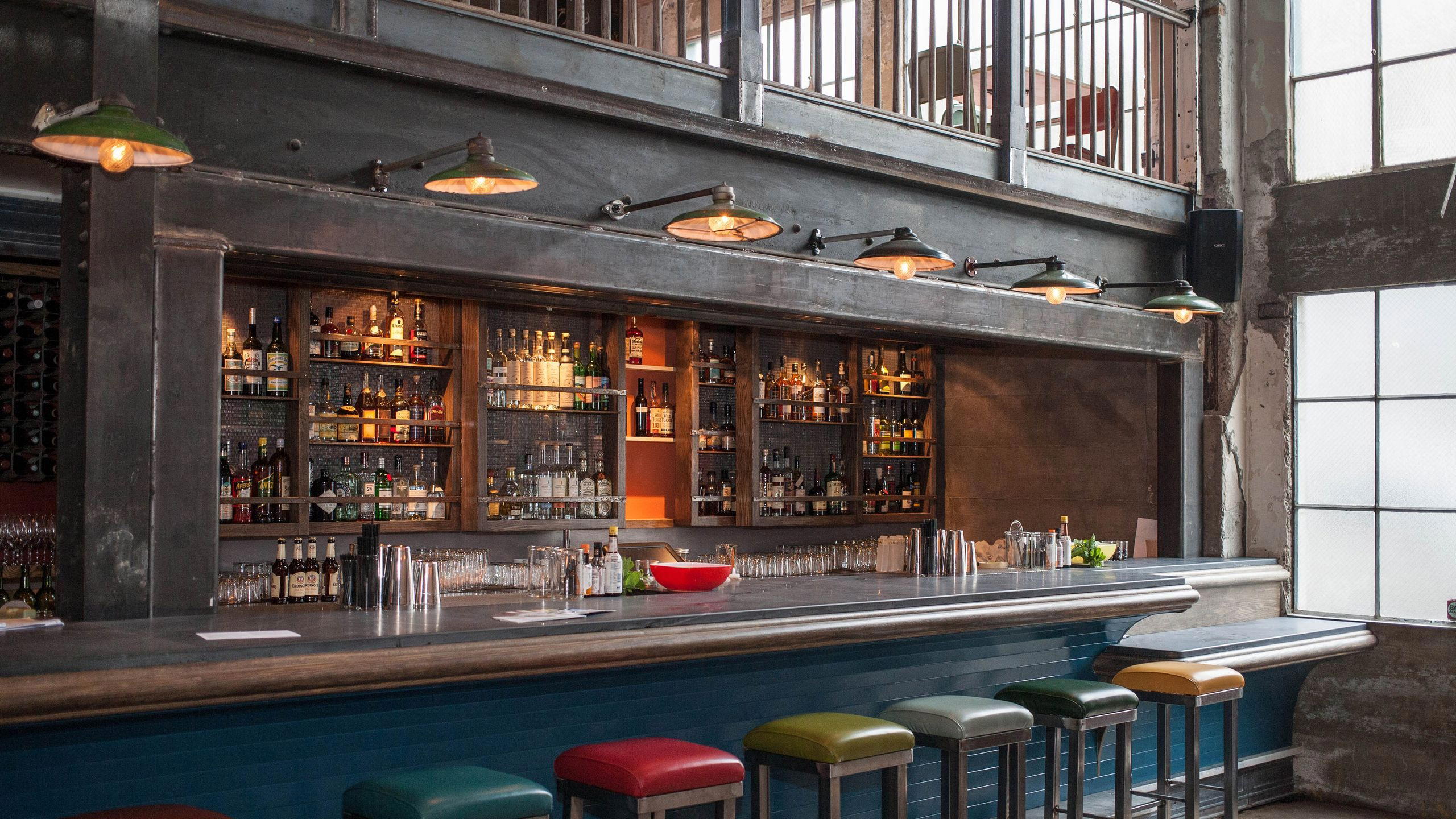
Bars in Sunnyvale
Browse all →
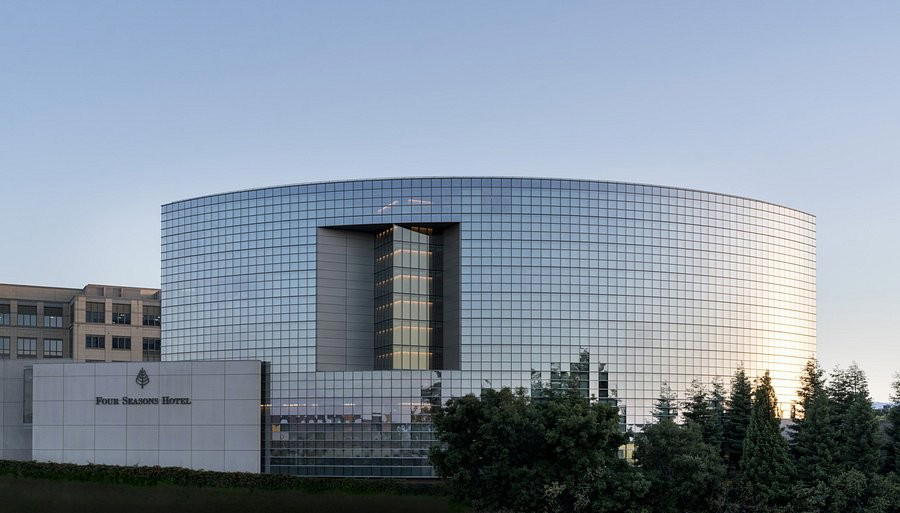
Hotels in Sunnyvale
Browse all →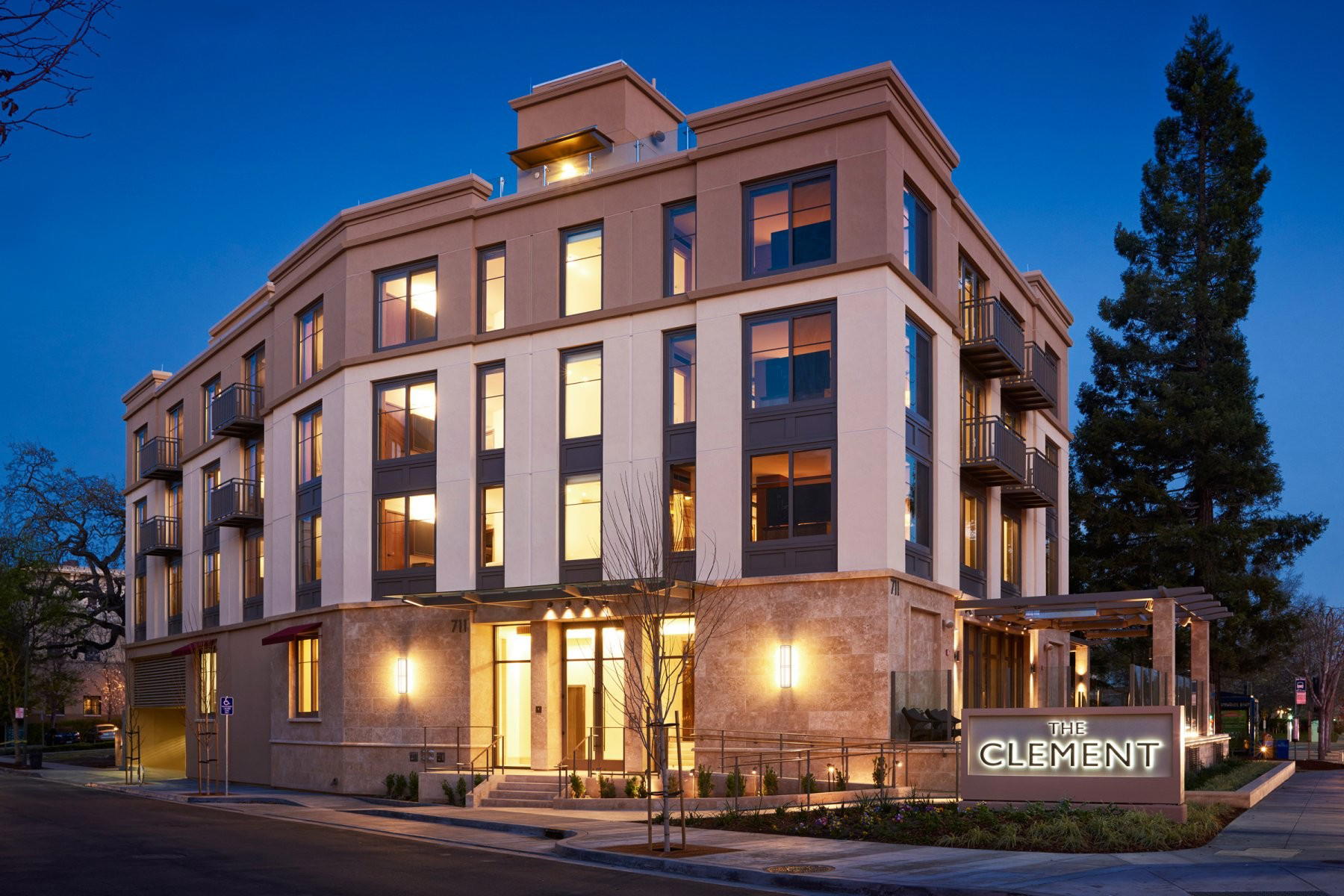

At a Glance
- Elegant
- Classic
- Cozy
- Date Night
- Family
- Group Dining
- Casual Hangout
- Private Dining
- Standalone
- Extensive Wine List
- Beer Program
- Local Sourcing
Current opening hours
- Monday
- Closed
- Tuesday
- 4:30–9 PM
- Wednesday
- 11:30 AM–9 PM
- Thursday
- 11:30 AM–9 PM
- Friday
- 11:30 AM–9:30 PM
- Saturday
- 12–9:30 PM
- Sunday
- 12–9 PM
Hours can change for holidays and private events. Last verified .
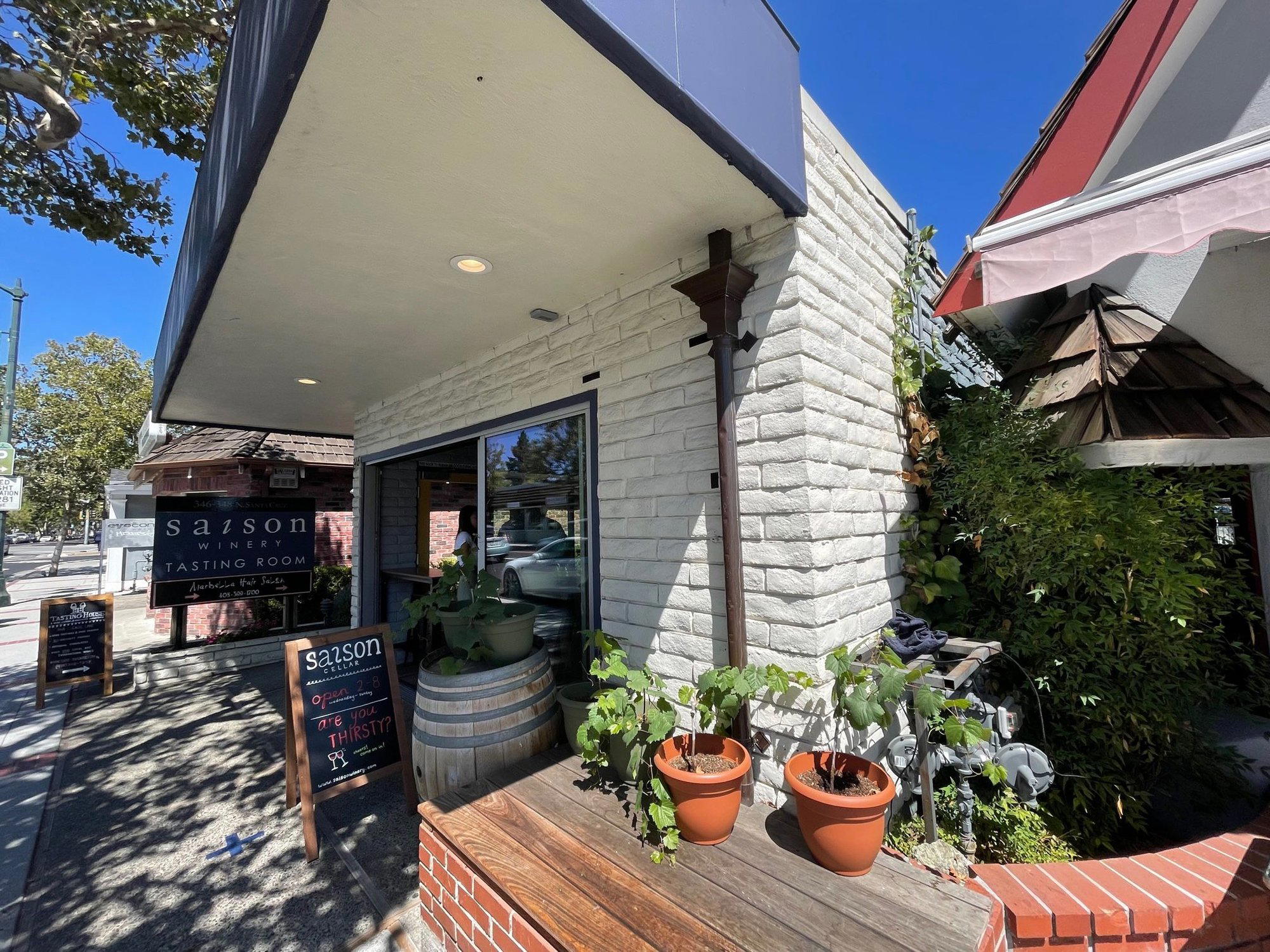
Warm and welcoming interior with nice original decor and decent lighting; located in a strip mall exterior that belies the comfortable, well-appointed dining room inside.