Emelina's Peruvian Restaurant
Emelina's Peruvian Restaurant on South Murphy Avenue brings one of Latin America's most architecturally complex cuisines to downtown Sunnyvale. The menu draws on the full register of Peruvian cooking traditions, from coastal ceviche preparations to highland stews, positioning it as a distinct counterpoint to the South Bay's more prevalent East and Southeast Asian dining options. For the area, that range is relatively rare.
Pearl is the En Primeur Club membership app — saves, bookings, and concierge access live there. Same editors, same standards.
- Address
- 100 S Murphy Ave #104, Sunnyvale, CA 94086
- Phone
- +16692485107
- Website
- emelinasplus.com
- Directions
- Get directions
 Saves & bookings on Pearl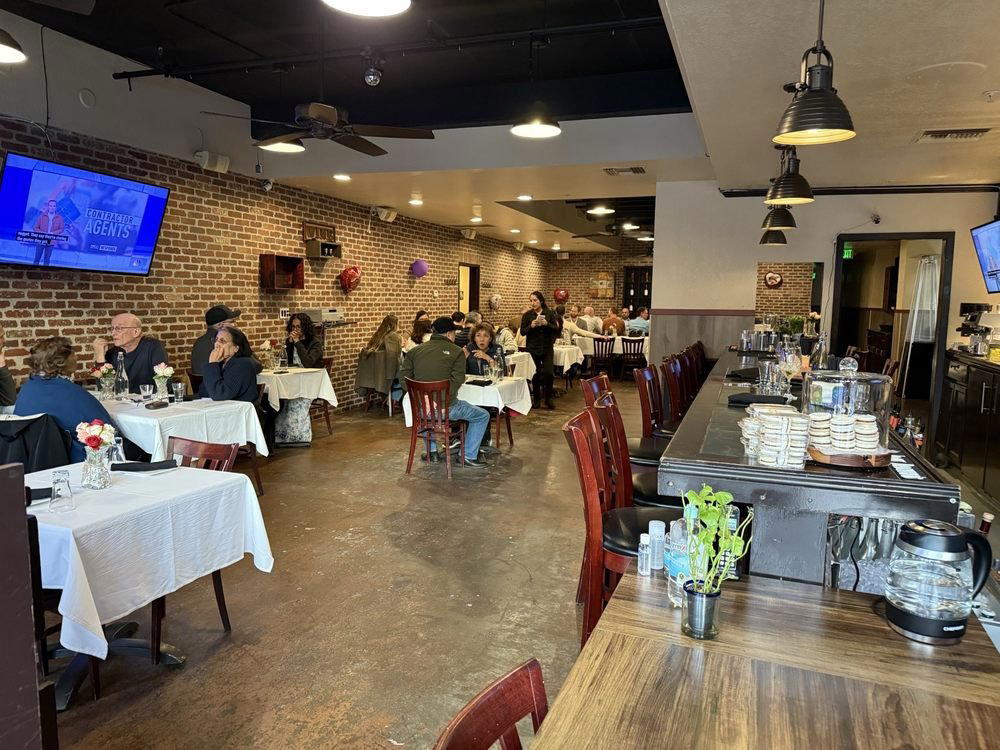
Peruvian Cooking in the South Bay: What Emelina's Puts on the Table
Downtown Sunnyvale's South Murphy Avenue corridor has spent the past decade consolidating into one of the South Bay's more interesting short stretches for independent dining. Korean barbecue, Persian grills, and Middle Eastern kitchens occupy the block in various forms, venues like 10 Butchers Korean BBQ and Chelokababi speak to an immigrant dining culture that skews heavily toward East Asia and the Middle East. Peruvian cooking, by contrast, appears rarely in this zip code, which is what makes the address at 100 S Murphy Ave meaningful. Emelina's Peruvian Restaurant is a Northern Peruvian restaurant in Sunnyvale.
That geographic context matters because Peruvian cuisine is not a monolith. It draws on Andean highland traditions, coastal ceviche culture, the Chinese-inflected chifa cooking that emerged from nineteenth-century immigration, and the Nikkei fusion that Japanese settlers brought to Lima. Any Peruvian restaurant navigating that breadth makes structural choices about where to anchor its menu, and those choices reveal what kind of institution it intends to be. In Sunnyvale, Emelina's has latitude to define the category on its own terms.
Menu Architecture: Reading the Layers
The organizing logic of a Peruvian menu differs from what most American diners encounter in European or East Asian restaurants. Peruvian kitchens often divide their identity between acid-driven cold preparations, most prominently ceviche and leche de tigre, and long-cooked braises and stews rooted in the highlands. These two registers operate almost as separate culinary traditions sharing a single room. The way a restaurant sequences and balances them signals its culinary orientation as clearly as any stated philosophy would.
Coastal Peruvian cooking centers on the cevichería tradition: raw or lightly cured seafood dressed in citrus-heavy tiger's milk, layered with ají amarillo heat, red onion, and cancha corn. The dish is calibrated in real time rather than cooked in any conventional sense, which means quality control is immediate and visible. A kitchen that takes this tradition seriously tends to treat its cold section with the same precision that a Japanese counter applies to nigiri. The acid-to-fat ratio, the resting time, the freshness of the fish: each is a decision that lands directly on the plate without the buffer of heat.
The highland half of the menu operates differently. Dishes like lomo saltado, the Chinese-influenced stir-fry that became a Peruvian standard, or ají de gallina, a hen stew bound with bread and yellow chile, involve longer timelines and layered seasoning. They reward repetition: the same diner returning across multiple visits can read whether the kitchen holds its standards or drifts. In a suburban neighborhood without a large Peruvian community to enforce authenticity pressure, that discipline is self-imposed and harder to verify from the outside. It's also what separates a restaurant serving Peruvian food from one genuinely practicing the cuisine.
Emelina's operates at a different price tier and scale, but the same logic applies: what a Peruvian restaurant chooses to prioritize in its menu is an argument about what the cuisine actually is.
Sunnyvale's Independent Dining Pattern
Sunnyvale's independent restaurant scene concentrates unevenly. The Murphy Avenue stretch and its immediate surroundings host a handful of serious independents alongside fast-casual operations and regional chains. Dishdash Sunnyvale has anchored Middle Eastern cooking in the neighborhood for years, and Donblanc Sunnyvale represents the area's move toward more contemporary European formats. Adrestia adds another layer to a corridor that is more culinarily diverse than its tech-suburb reputation suggests.
Against that backdrop, Emelina's sits in a category without direct local competition. Peruvian restaurants in the South Bay are concentrated further north in San Jose and Santa Clara, where larger Latin American communities sustain the market. In Sunnyvale, the dining population skews toward tech workers whose restaurant literacy often runs deeper than the local supply would suggest. That's a promising match: diners accustomed to eating well elsewhere tend to be receptive to cuisines they haven't encountered nearby, particularly when the cuisine in question has the international standing that Peruvian cooking has built over the past two decades.
Lima's ascent in global dining rankings has been well documented. Multiple Lima restaurants have held positions in the World's 50 Best Restaurants list across consecutive years, a recognition pattern that placed Peruvian cooking in conversation with the kitchens at The French Laundry in Napa, Atomix in New York City, and Providence in Los Angeles. That global context creates an educated audience for what Emelina's is doing at street level in Sunnyvale, even if the price point and format sit at a considerable remove from those reference points.
Planning Your Visit
Emelina's Peruvian Restaurant is located at 100 S Murphy Ave, Suite 104, in downtown Sunnyvale, within walking distance of the Sunnyvale Caltrain station, which makes it accessible from San Francisco and San Jose without requiring a car. For specific hours, current pricing, and reservation availability, see current listings. Given the limited number of Peruvian restaurants in this part of the South Bay, the dining room tends to draw a cross-section of regulars and first-timers rather than a single demographic. Weekday visits generally offer more room to settle in, while weekends on Murphy Avenue attract higher foot traffic from the surrounding blocks.
Recognition, Side-by-Side
Comparable venues nearby, for context on price, style, and recognition.
| Venue | Cuisine | Price | Notes |
|---|---|---|---|
| Emelina's Peruvian RestaurantThis venue — the venue you are viewing | Northern Peruvian | $$ | Not listed |
| Chelokababi | Authentic Persian Cuisine | $$ | Sunnyvale |
| Myzen Japanese Ramen Restaurant | Japanese Ramen | $$ | Lawrence Expressway area |
| Gumba's Italian Restaurant | Traditional Italian Pizzeria & Trattoria | $$ | Downtown Sunnyvale |
| Pacific Catch | Modern Seafood Fusion | $$ | Sunnyvale |
| Sawa Sushi | Omakase Sushi | $$$$ | El Camino Real |
Continue exploring
More in Sunnyvale
Restaurants in Sunnyvale
Browse all →
Bars in Sunnyvale
Browse all →
Hotels in Sunnyvale
Browse all →

At a Glance
- Cozy
- Casual Hangout
- Family
- Group Dining
- Standalone
Current opening hours
- Monday
- 11 AM–9 PM
- Tuesday
- 11 AM–9 PM
- Wednesday
- 11 AM–9 PM
- Thursday
- 11 AM–9 PM
- Friday
- 11 AM–10 PM
- Saturday
- 11 AM–10 PM
- Sunday
- 11 AM–9 PM
Hours can change for holidays and private events. Last verified .
Welcoming and warm atmosphere with moderate noise levels.