Chefika
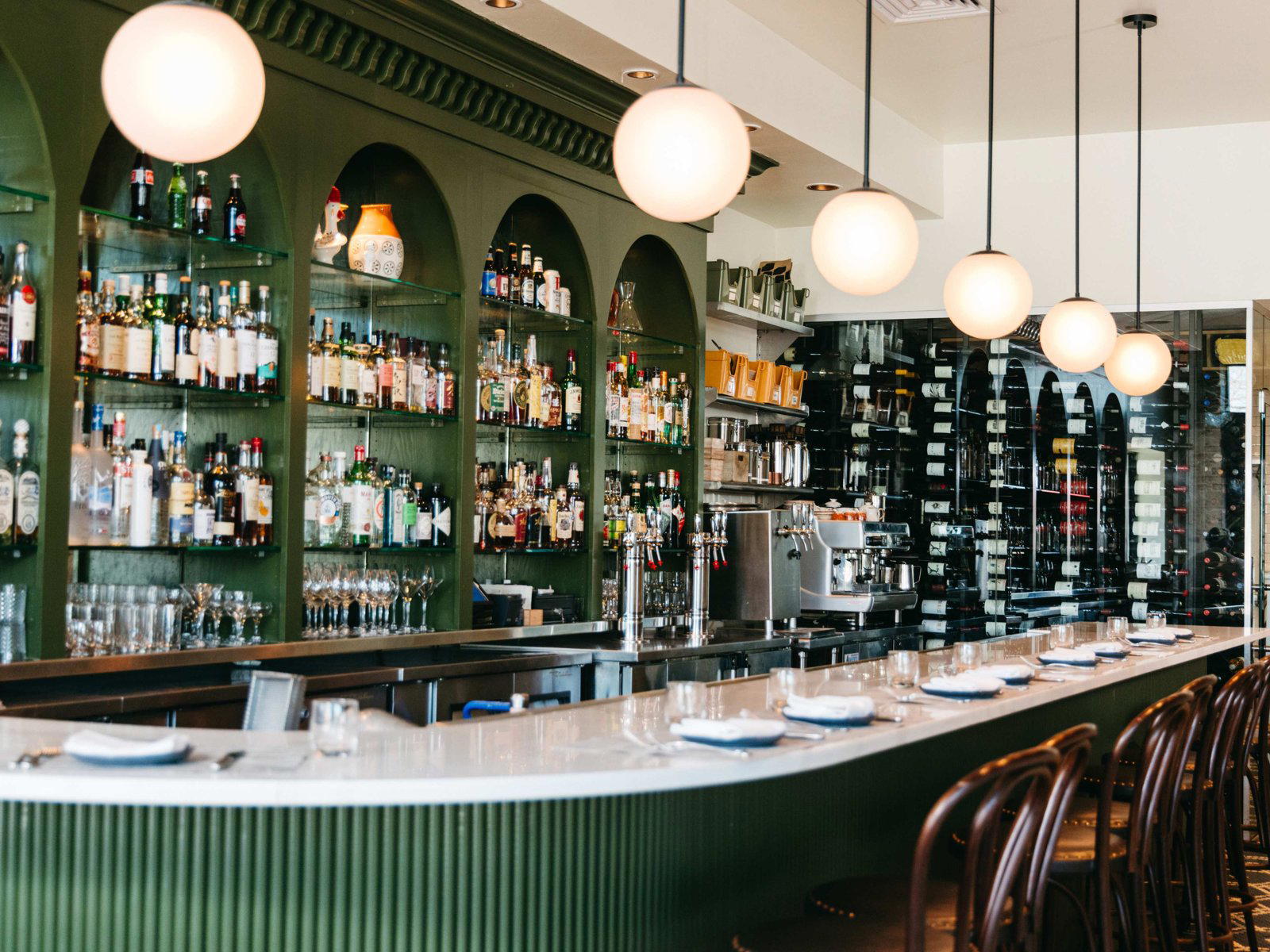
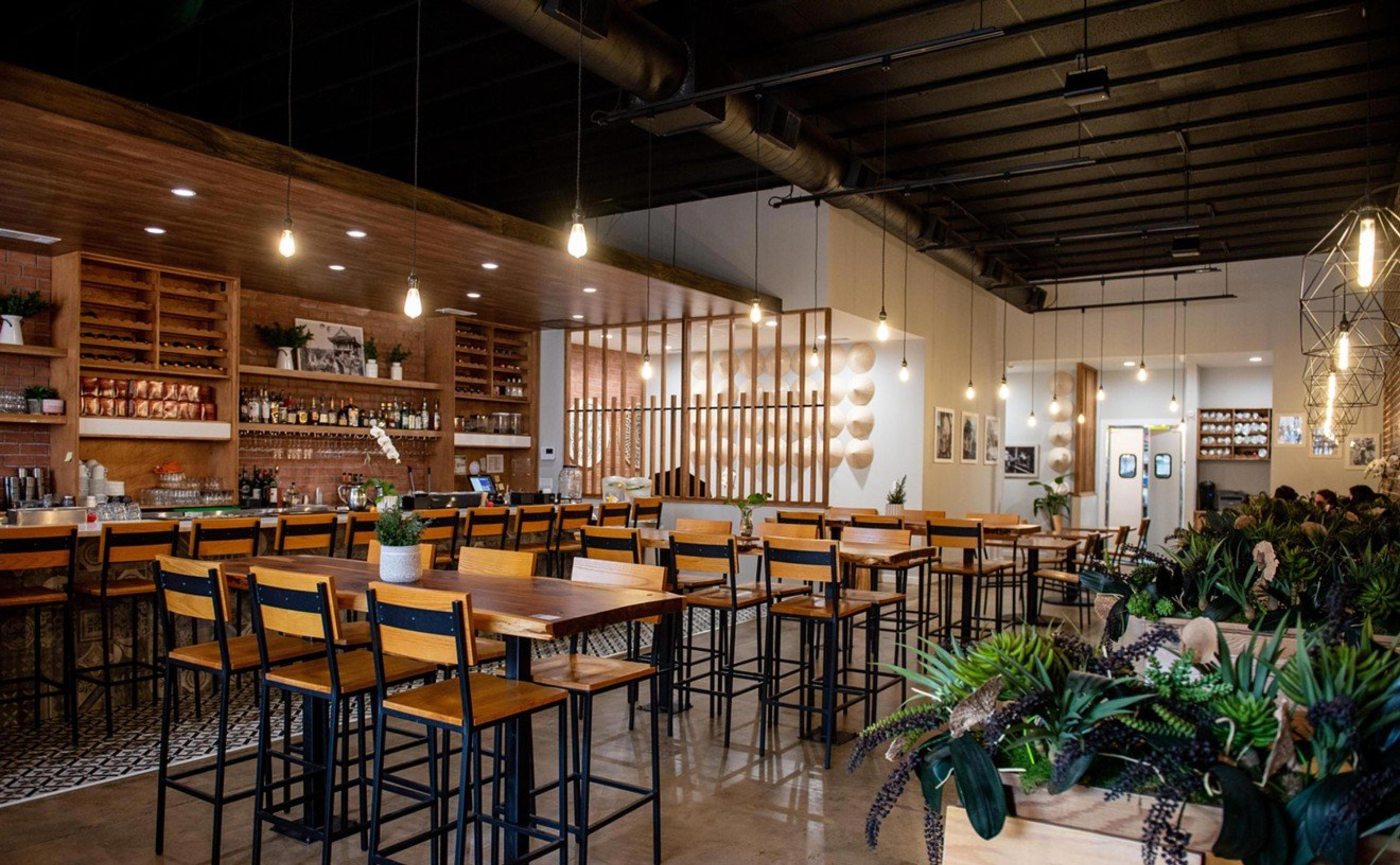
Chefika serves Turkish Mediterranean food in an upscale casual, open-kitchen setting with a leisurely pace, conversational noise level, and an extensive wine list plus craft cocktails.
Pearl is the En Primeur Club membership app — saves, bookings, and concierge access live there. Same editors, same standards.
- Address
- 7859 Walnut Hill Ln Ste 170, Dallas, TX 75230
- Phone
- +12147580155
- Website
- chefikadallas.com
- Directions
- Get directions
 Saves & bookings on Pearl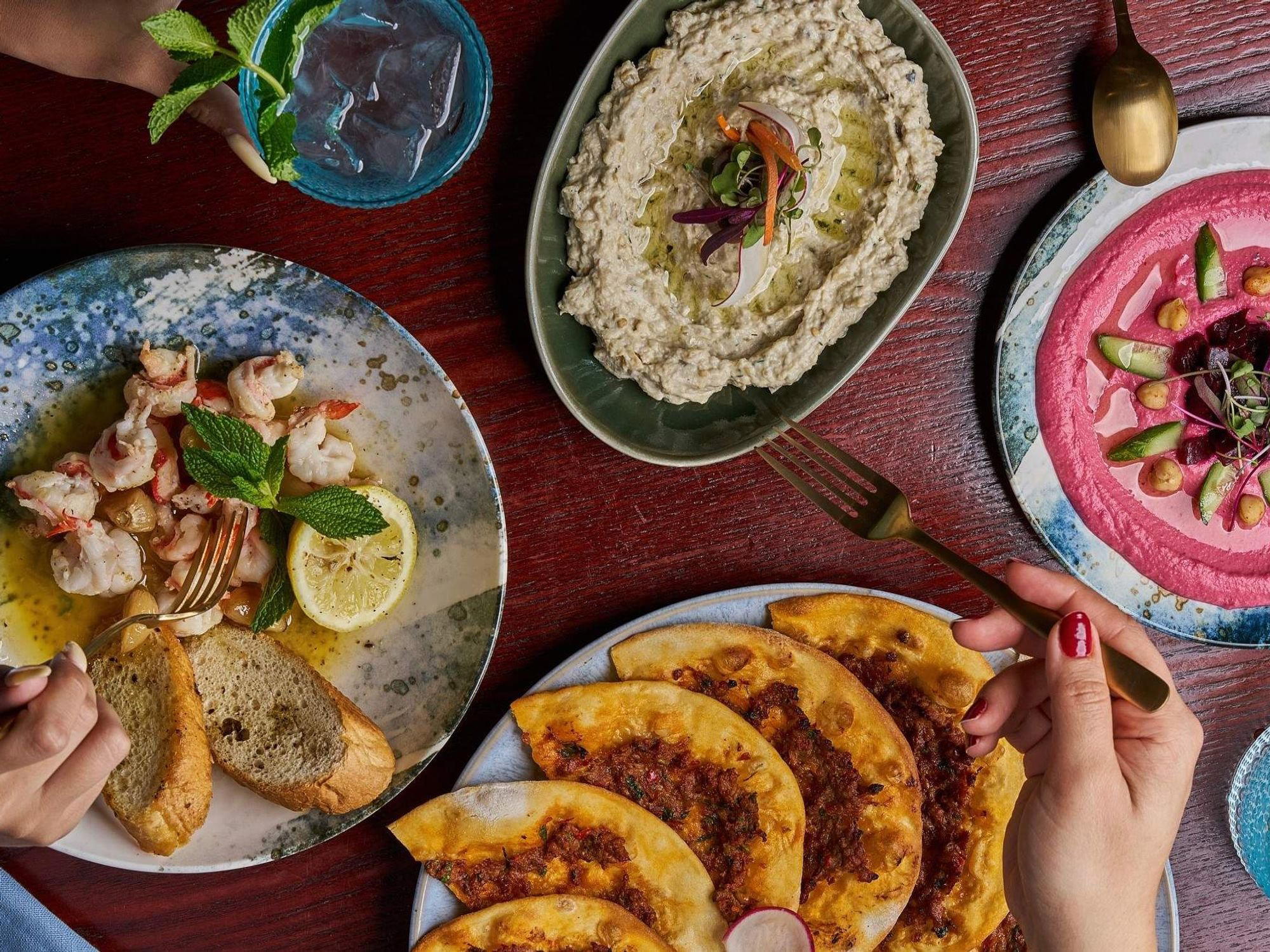
Where Dallas Meets the Caucasus
The stretch of Walnut Hill Lane running through North Dallas is better known for strip-mall convenience than for any particular culinary identity. Which is exactly the kind of context that makes Chefika worth paying attention to. In a city where the dining conversation defaults to Texas-grown steakhouses, Southwestern tasting menus, and a growing wave of Japanese omakase counters, Georgian cuisine, the food of the South Caucasus, not the American South, occupies a genuine gap. Chefika, at 7859 Walnut Hill Lane, sits in that gap and addresses it directly.
The Sourcing Question at the Center of Georgian Cooking
Georgian food is defined less by technique than by ingredient provenance and fermentation tradition. Churchkhela, the walnut-and-grape-must confection that serves as both street food and pantry staple across Georgia, depends on the quality of the grape reduction. Tkemali, the sour plum sauce that appears on almost every Georgian table, is as regionally specific as wine: the ratio of tartness to herb, the exact plum variety, the cooking time, all of it shifts by household and by season. When a Georgian restaurant opens far from those supply chains, the sourcing question becomes the editorial question.
Across the ingredient-driven restaurant tier in the United States, places like Blue Hill at Stone Barns in Tarrytown or Single Thread Farm in Healdsburg, the answer to that question has become a signature rather than a footnote. The same logic applies at smaller, less-decorated restaurants operating in cuisines where authenticity depends on raw material fidelity. For Chefika, the answer to sourcing shapes what arrives at the table.
Dallas and the Broader Caucasian Diaspora Table
Dallas has developed a more complex multicultural dining scene than its reputation often suggests. The city supports a serious Georgian and Eastern European community, particularly in North Dallas, which creates the customer base that makes a restaurant like Chefika commercially viable and, more importantly, keeps the kitchen honest. Diaspora restaurants in cities with active community ties tend to hold closer to source traditions than those in markets where novelty alone drives the room.
This distinguishes Chefika's market position from, say, a Caucasus-inspired concept operating in a city without that community infrastructure. The comparison set for Chefika is not the Southwestern tasting menus at places like Fearing's, nor the Japanese precision of Tatsu Dallas, nor the Brazilian-steakhouse format of 12 Cuts Brazilian Steakhouse. Its comparable set is smaller and more specific: the Georgian and Central Asian restaurants that have quietly built loyal followings in American cities with substantial Eastern European populations.
The Atmosphere of the Room
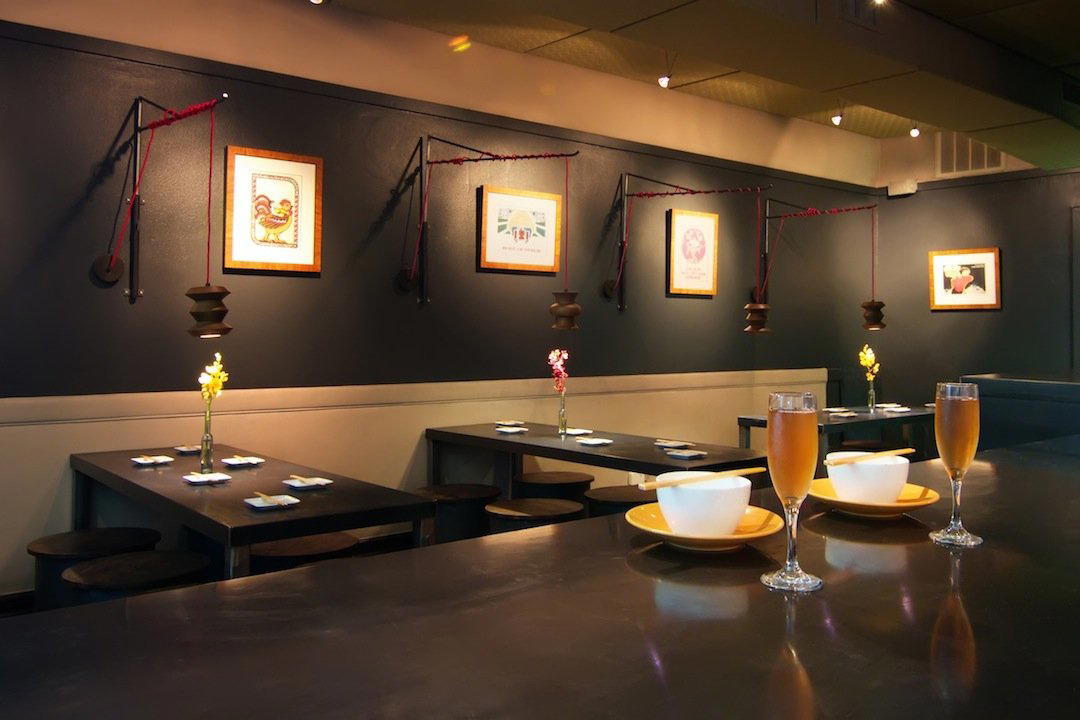
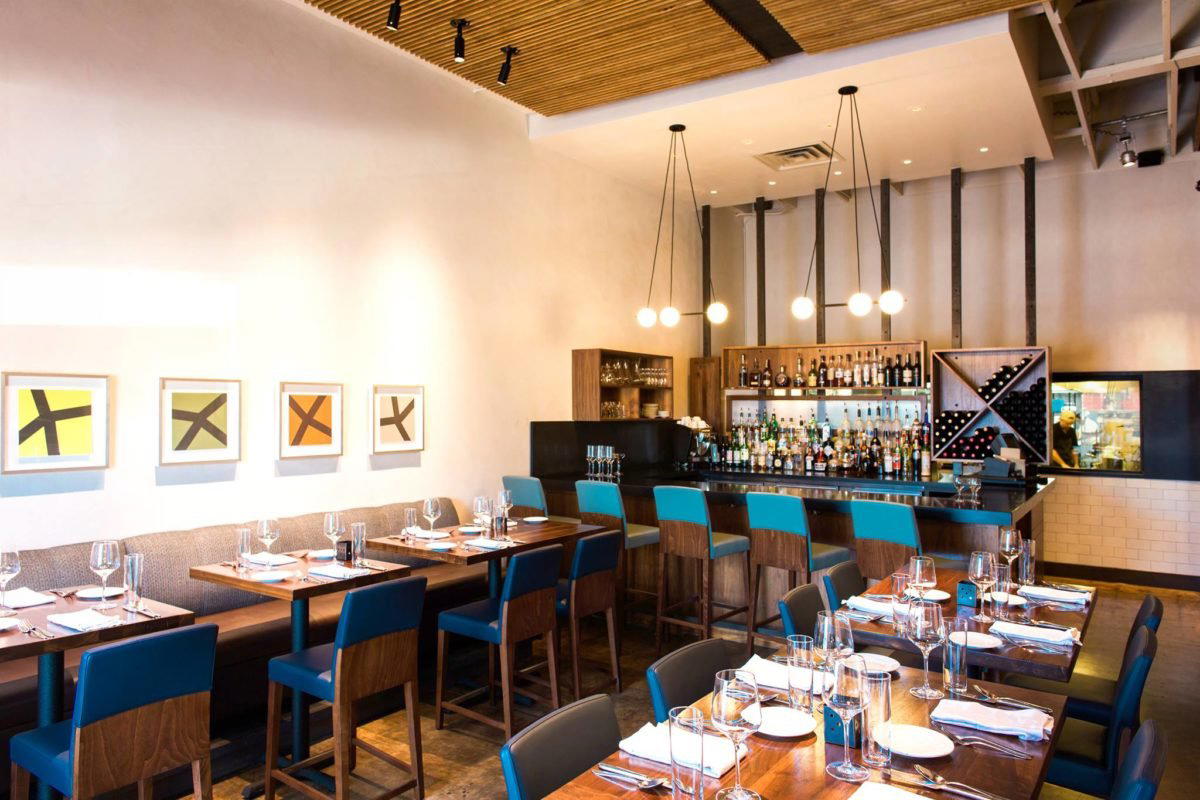
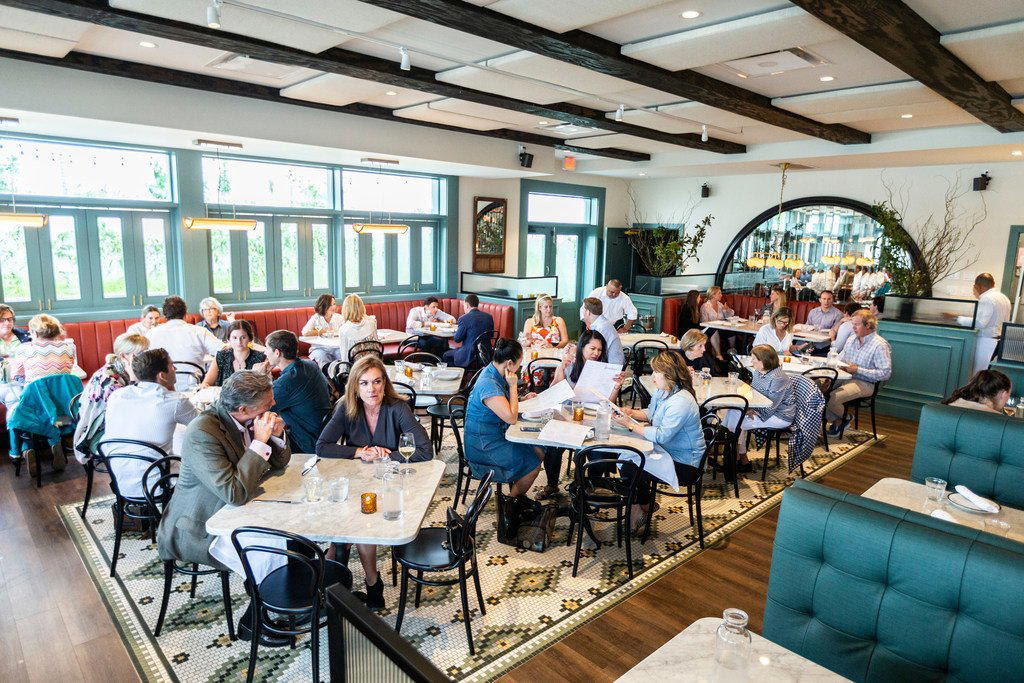
The address, a suite inside a North Dallas retail corridor, tells you something about the format. This is not a showpiece dining room designed to compete with the white-tablecloth theatrics of, say, Le Bernardin in New York City or the immersive farm-to-table environments that define The French Laundry in Napa. Strip-mall suites in North Dallas function the same way as their equivalents in any American city: they redirect investment from architecture into cooking and hospitality, which is frequently the right trade-off for restaurants serving cuisines where community loyalty matters more than destination dining spectacle.
Georgian restaurants, in their more traditional form, are communal and abundant. The table is a statement of generosity, dishes arrive in waves, bread comes from the oven continuously, and the expectation is that you will sit for longer than feels strictly efficient. Chefika follows that tradition, with the experience shaped by abundance and a kitchen attentive to ingredients across the evening.
Ingredient-Led Cooking in the National Context
The ingredient-sourcing conversation in American fine dining has moved well past its early farm-to-table phase. Restaurants like Smyth in Chicago, Lazy Bear in San Francisco, and Providence in Los Angeles have each built distinct sourcing identities that function as a form of editorial argument: this is where we believe the leading ingredients come from, and here is the cooking that follows from that belief. The same argument, applied to Georgian cuisine in a North Texas context, requires a different but equally serious supply chain answer.
Georgian cooking's reliance on walnuts as a base ingredient across multiple preparations, in sauces, stuffed dumplings, cold salads, means walnut quality matters in a way that goes beyond decoration. The same is true of the specific cheeses used in khachapuri, the suluguni and imeruli traditions that create different textures and melt behaviors. Restaurants operating in this cuisine without access to imported or carefully sourced domestic equivalents tend to drift toward a generic approximation. Those that hold close to source material produce something genuinely different.
This concern is not distinctive to Georgian cooking. It runs through every transplanted regional cuisine, from the Basque restaurants that have redefined ingredient-provenance cooking in Europe, Atelier Moessmer Norbert Niederkofler in Brunico operates in a comparable Alpine-regional register, to the farm-rooted American formats that Addison in San Diego and The Inn at Little Washington have each developed in their own contexts. The question is always the same: how much of the original ingredient identity survives the translation?
That translation is best understood as both a practical and a cultural commitment, and it is the right frame for evaluating what Chefika is doing in its North Dallas suite.
Booking and Cost Snapshot
Comparable venues nearby, for context on price, style, and recognition.
| Venue | Cuisine | Price |
|---|---|---|
| ChefikaThis venue — the venue you are viewing | Pebble Creek, Turkish Mediterranean | $$$ |
| Selda Dallas | North Dallas, Turkish Mediterranean | $$$ |
| Bobbie's Airway Grill | Preston Hollow, Upscale American Grill | $$$ |
| Montlake Cut | Devonshire, Pacific Northwest Seafood | $$$ |
| Mathes and Co Events | Bluffview, Event Planning & Catering | $$$ |


At a Glance
- Romantic
- Elegant
- Cozy
- Sophisticated
- Date Night
- Special Occasion
- Brunch
- Open Kitchen
- Extensive Wine List
- Craft Cocktails
- Local Sourcing
Current opening hours
- Monday
- 11 AM–10 PM
- Tuesday
- 11 AM–10 PM
- Wednesday
- 11 AM–10 PM
- Thursday
- 11 AM–10 PM
- Friday
- 11 AM–11 PM
- Saturday
- 10 AM–11 PM
- Sunday
- 10 AM–9:30 PM
Hours can change for holidays and private events. Last verified .
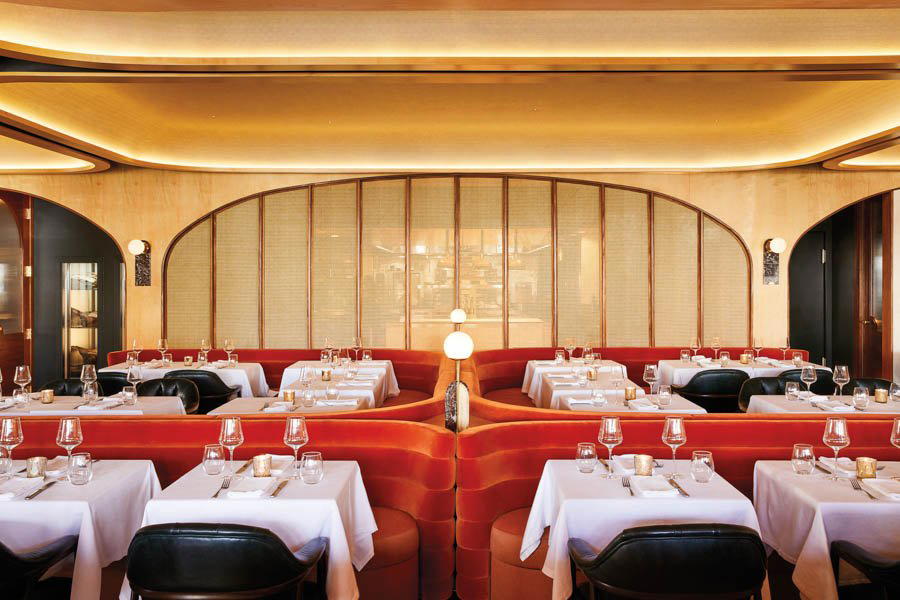
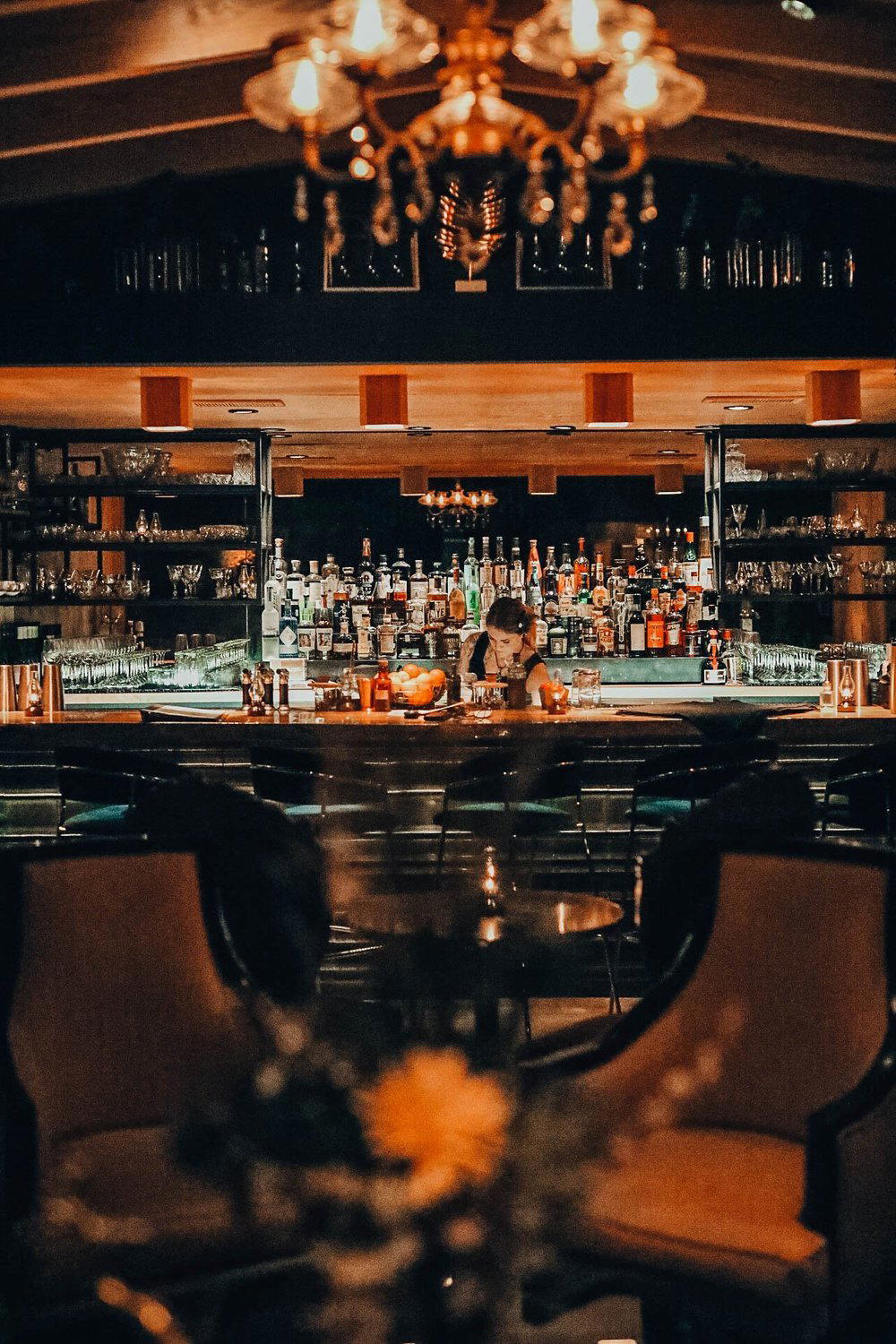
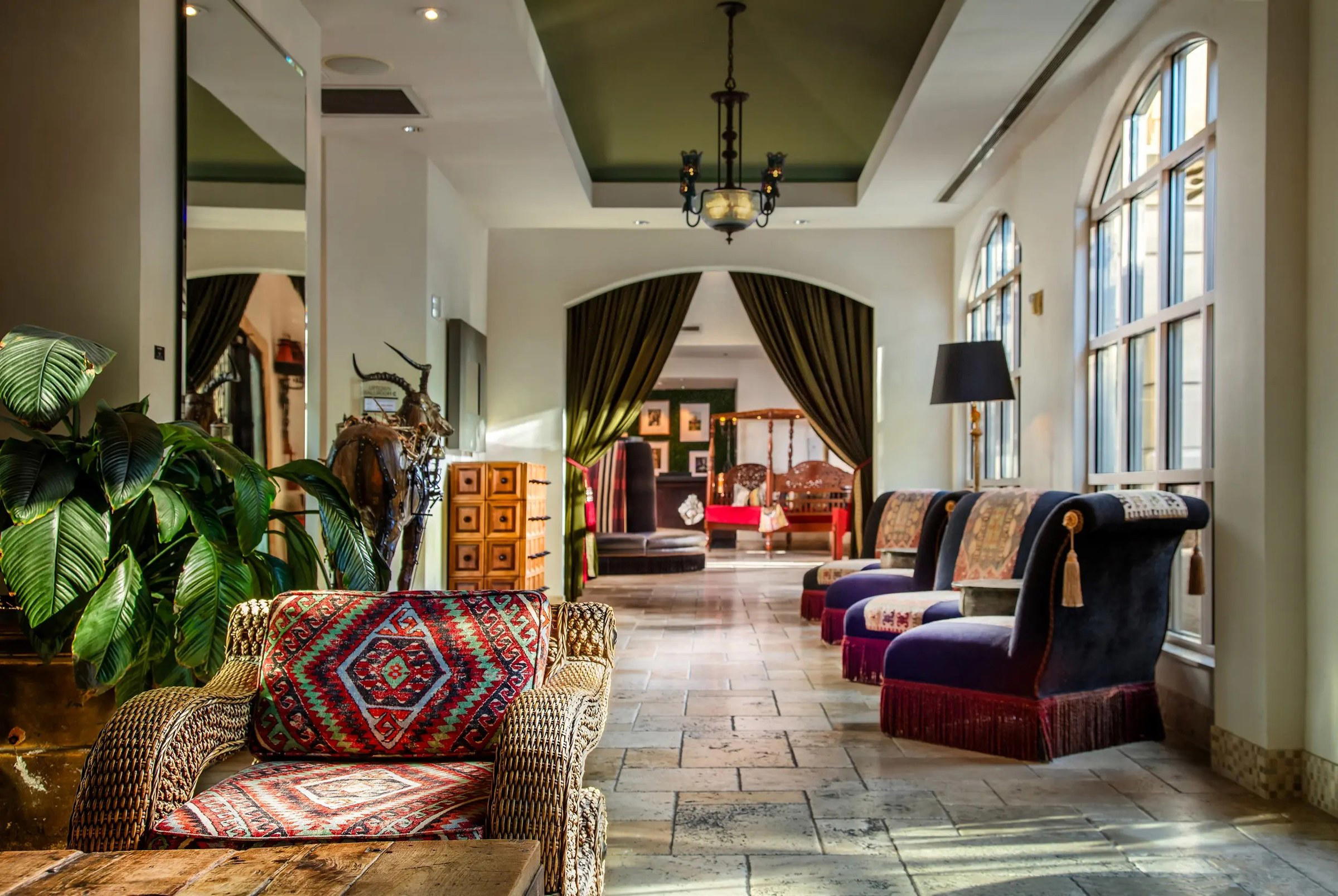
Glamorous dining room with warm, elegant atmosphere and modern elegance.