Chef Peking
Chef Peking occupies a quiet stretch of Finchampstead Road in Wokingham, representing the kind of neighbourhood Chinese restaurant that has anchored suburban dining in the Thames Valley for decades. Positioned outside the town centre, it draws a local following for whom proximity and familiarity carry as much weight as novelty. For visitors exploring Wokingham's dining options, it sits at the accessible end of the local restaurant spectrum.
Pearl is the En Primeur Club membership app — saves, bookings, and concierge access live there. Same editors, same standards.
- Address
- 426 Finchampstead Rd, Finchampstead, Wokingham RG40 3RB, United Kingdom
- Phone
- +44 118 973 0771
- Website
- chefpeking.co.uk
 Saves & bookings on Pearl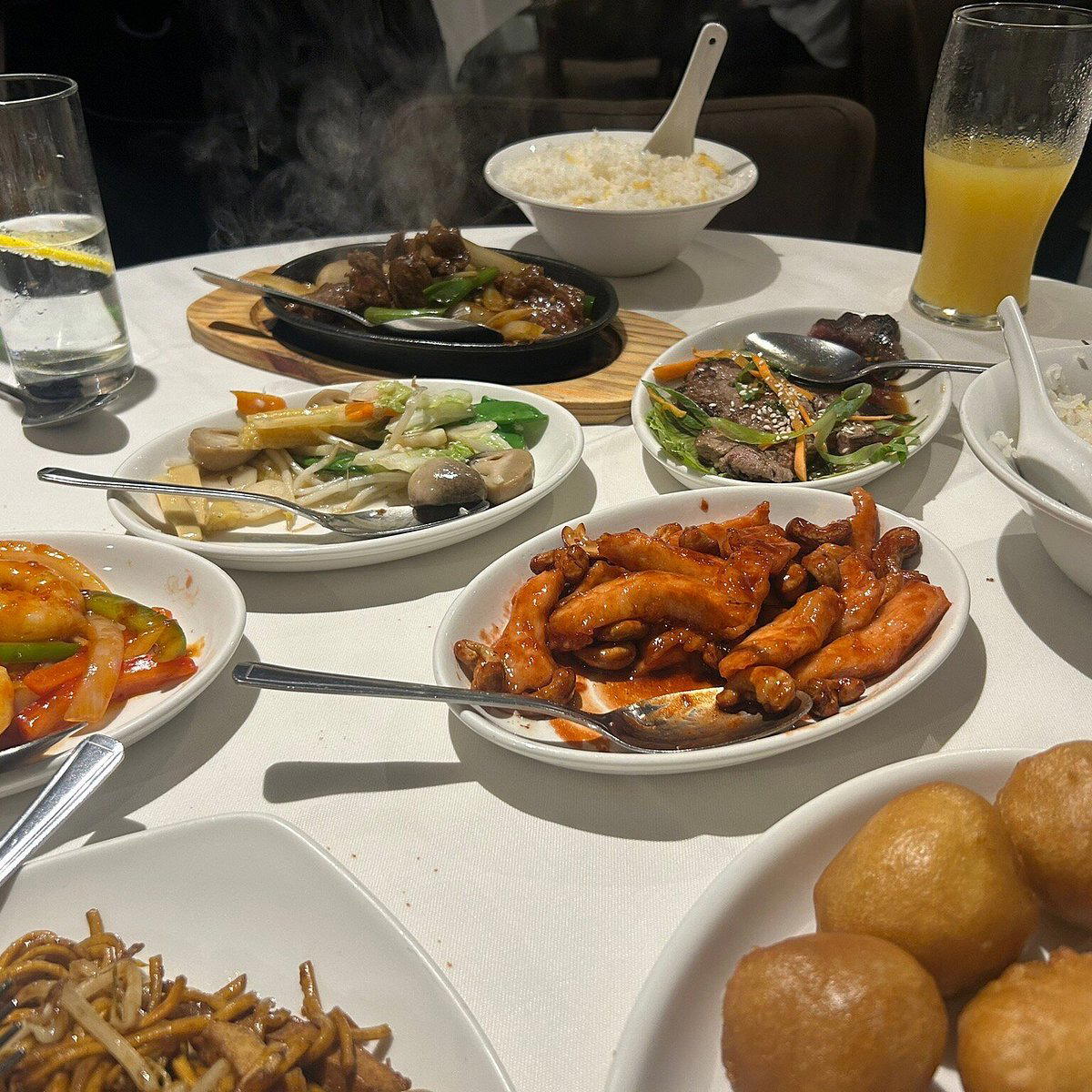
A Suburban Chinese on Finchampstead Road
Chef Peking is a Chinese restaurant in Wokingham, serving Chinese with Cantonese, Szechuan, Shanghai and Hong Kong influences at about $25 per person. Along the southern edge of Wokingham, where Finchampstead Road stretches past residential streets and local shops, Chef Peking occupies the kind of site that has long defined how suburban Britain engages with Chinese food. The setting is functional rather than theatrical: a neighbourhood dining room that prioritises familiarity over spectacle. Approaching from the road, there is no dramatic facade or design statement, which is itself a signal about what this place is and who it is for. In towns like Wokingham, this format, accessible, consistent, rooted in a specific postcode rather than a food-media moment, has sustained its own quiet relevance while louder openings have come and gone.
The broader context matters here. British Chinese dining has evolved considerably over the past two decades, splitting into at least three visible tiers: the Cantonese fine-dining houses of London's West End and Chinatown, the regional specialists that have proliferated in cities like Manchester and Birmingham, and the neighbourhood staples that remain the primary point of contact with Chinese cuisine for most of the country outside major urban centres. Chef Peking belongs to that third category, and within Wokingham's modest but developing restaurant scene, it holds a familiar position alongside contemporaries like Club India and Salty Olive Wokingham, each anchoring a different cuisine tradition for the same local population.
The Sourcing Question in British Chinese Cooking
One of the most consistent fault lines in British Chinese dining is the sourcing question: where ingredients come from, and how much that shapes what lands on the table. At the fine-dining end, places like Opheem in Birmingham, which applies similar sourcing rigour to South Asian cuisine, or the Michelin-decorated rooms that populate our full Wokingham restaurants guide's wider regional context, provenance is often foregrounded as a selling point. Wagyu beef, line-caught fish, and single-origin aromatics appear on menus with the specificity of a farmer's market stall.
Neighbourhood Chinese restaurants occupy a different relationship with sourcing, and it is worth being direct about that. The model was built on affordability and accessibility, which historically required prioritising volume supply chains over artisan producers. What this means in practice is that the kitchen's skill tends to show not in the rarity of the raw material but in the technique applied to it: the wok hei achieved over a high-heat burner, the balance of a sauce built from stock and aromatics, the timing that separates a properly cooked dish from a mediocre one. These are craft signals that do not depend on premium sourcing, and in the better neighbourhood Chinese kitchens across the Thames Valley, they remain the reliable measure of quality.
Chef Peking's position on Finchampstead Road, away from the supply-chain proximity that benefits restaurants in Reading or central London, means the sourcing picture here is likely conventional for the category. Without verified data on specific suppliers or seasonal purchasing, it would be inaccurate to claim otherwise. What the category does suggest is that dishes drawing on pantry staples, fermented black bean, five-spice, soy at various reductions, will perform more consistently than those relying on highly perishable or geographically specific proteins.
What the Wokingham Dining Scene Tells You
Wokingham sits in a Thames Valley corridor that has attracted significant residential growth over the past decade, and restaurant supply has followed, if not always at the same pace or quality level. The town is close enough to London to feel the gravitational pull of the capital's dining culture, CORE by Clare Smyth in London is under an hour by rail, but sufficiently self-contained that neighbourhood restaurants here are not competing directly with Michelin-decorated rooms. The comparison set is local: a handful of independents, a few national chains, and a small number of long-standing ethnic specialists.
Within that set, Chinese restaurants in towns like Wokingham have historically filled a specific social function. They are venues for family gatherings, mid-week dinners that do not require a reservation weeks in advance, and the occasional takeaway order for a table that wants to eat in. The restaurant on Finchampstead Road fits that pattern. For readers accustomed to the higher-stakes environments of Waterside Inn in Bray or Le Manoir aux Quat' Saisons in Great Milton, both within the same regional radius, Chef Peking represents a different register entirely. That is not a criticism; it is a description of a category with its own internal logic.
Destination dining at the level of L'Enclume in Cartmel, Moor Hall in Aughton, or Ynyshir Hall in Machynlleth is built on a fundamentally different premise, one where the journey to the restaurant is part of the experience and the kitchen is making an argument about what cooking can be. Neighbourhood dining makes a quieter argument: that good food served reliably close to home has its own value. Both are legitimate positions.
Peking Duck and the Question of Regional Authenticity
The name Chef Peking signals an orientation toward northern Chinese culinary traditions, particularly those associated with Beijing and the surrounding region. In the British Chinese restaurant context, this most often manifests in the presence of Peking duck on the menu, a dish that carries enough cultural weight to function as a benchmark for the kitchen's ambitions. A properly rendered Peking duck requires a drying period before roasting, precise heat management to achieve lacquered skin without burning the fat beneath, and service that keeps the pancakes warm and pliable without becoming sodden. These are technical demands that separate the dish from simpler stir-fry preparations.
Whether Chef Peking executes Peking duck at a level that honours its northern Chinese origins is not something this publication can verify from available data. Peking duck commonly appears as a two-course service with pancakes, plum sauce, and spring onion. That localisation is a story about how a regional Chinese classic travels through forty years of British suburban dining culture, and it is one of the more interesting food-anthropology threads running through restaurants of this type.
Planning Your Visit
Chef Peking is located at 426 Finchampstead Road, Finchampstead, Wokingham RG40 3RB. Checking current hours and reservation options before visiting is advisable. Given the neighbourhood positioning, this is likely a walk-in-friendly operation for smaller parties during off-peak hours, though weekend evenings in a residential dining room of this type typically fill earlier than the surroundings might suggest.
Chef Peking sits at the informal, accessible end of local options. The regional competition for destination Chinese dining is primarily in Reading and London rather than within Wokingham itself. Chef Peking is not competing in that space, nor does it need to. It occupies a local niche where the relevant questions are about consistency, value, and proximity rather than ambition at a national or international scale.
A Quick Peer Check
Comparable venues nearby, for context on price, style, and recognition.
| Venue | Cuisine | Price | Awards | Notes |
|---|---|---|---|---|
| Chef PekingThis venue — the venue you are viewing | Chinese with Cantonese, Szechuan, Shanghai and Hong Kong influences | $$ | , | |
| Salty Olive Wokingham | Spanish Tapas & Pinchos | $$ | , | Elms Field |
| Club India | Modern Indian | $$$ | , | Winnersh |
| Jia | Cantonese Dim Sum | $$ | , | Earl's Court |
| Beijing Dumpling | Authentic Chinese Dumplings | $$ | , | Chinatown |
| Din Tai Fung Centre Point | Authentic Taiwanese Dim Sum | $$ | St Giles |
Continue exploring
More in Wokingham
Restaurants in Wokingham
Browse all →
Bars in Wokingham
Browse all →


Hotels in Wokingham
Browse all →





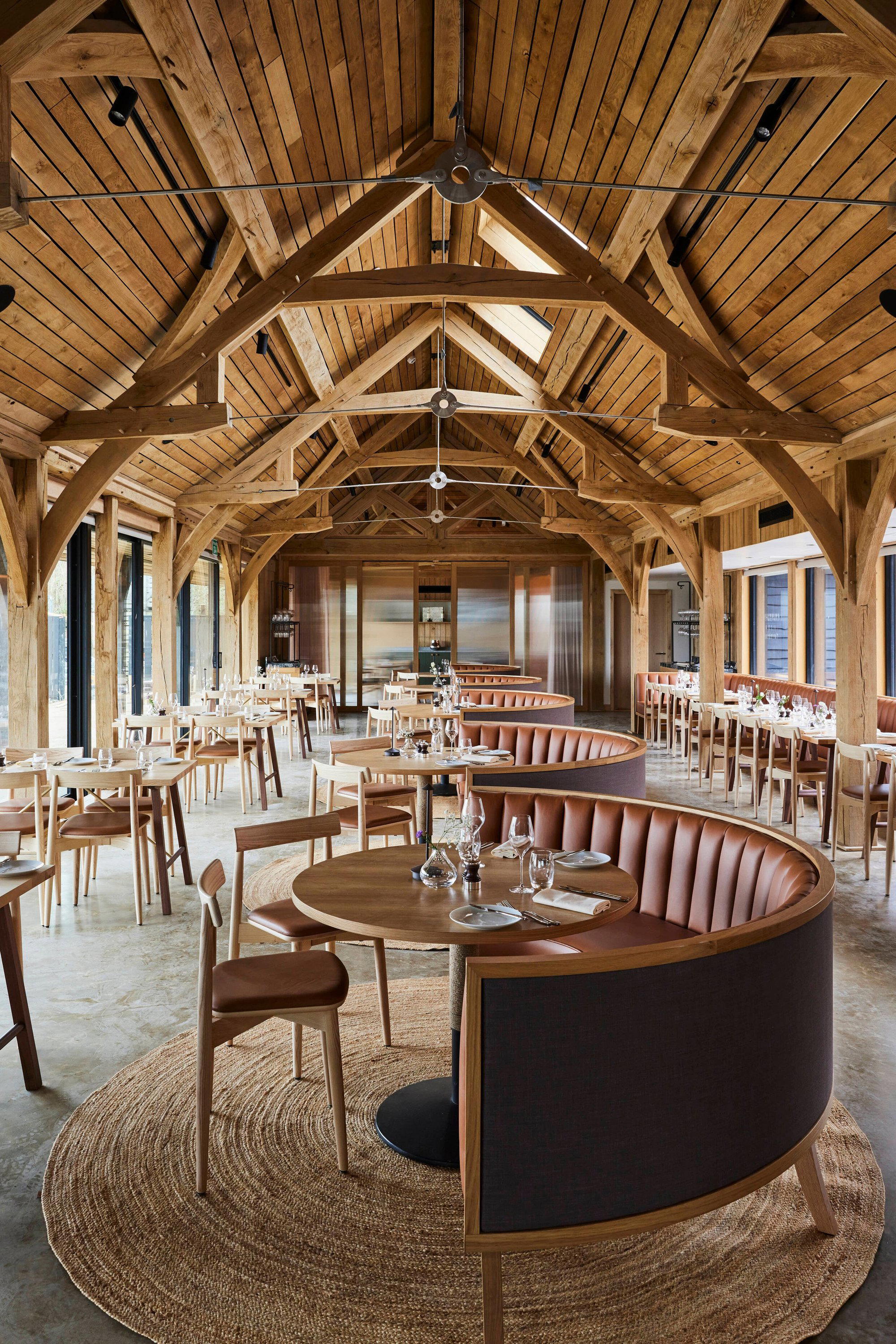

At a Glance
- Cozy
- Classic
- Family
- Celebration
- Group Dining
- Open Kitchen
Cozy and warmly welcoming atmosphere with attentive staff ensuring a comfortable dining experience.[1][7]