Club India
Club India sits on Reading Road in Winnersh, a stretch of Wokingham that draws straightforward neighbourhood custom rather than destination dining traffic. The kitchen works within a well-established British-Indian register, the kind that has defined suburban curry houses for decades. For readers exploring the wider Wokingham dining scene, it represents a familiar format in a market where Indian restaurants remain the dominant mid-market choice.
Pearl is the En Primeur Club membership app — saves, bookings, and concierge access live there. Same editors, same standards.
- Address
- 355 Reading Rd, Winnersh, Wokingham RG41 5LR, United Kingdom
- Phone
- +44 118 304 8701
- Website
- clubindia.co.uk
 Saves & bookings on Pearl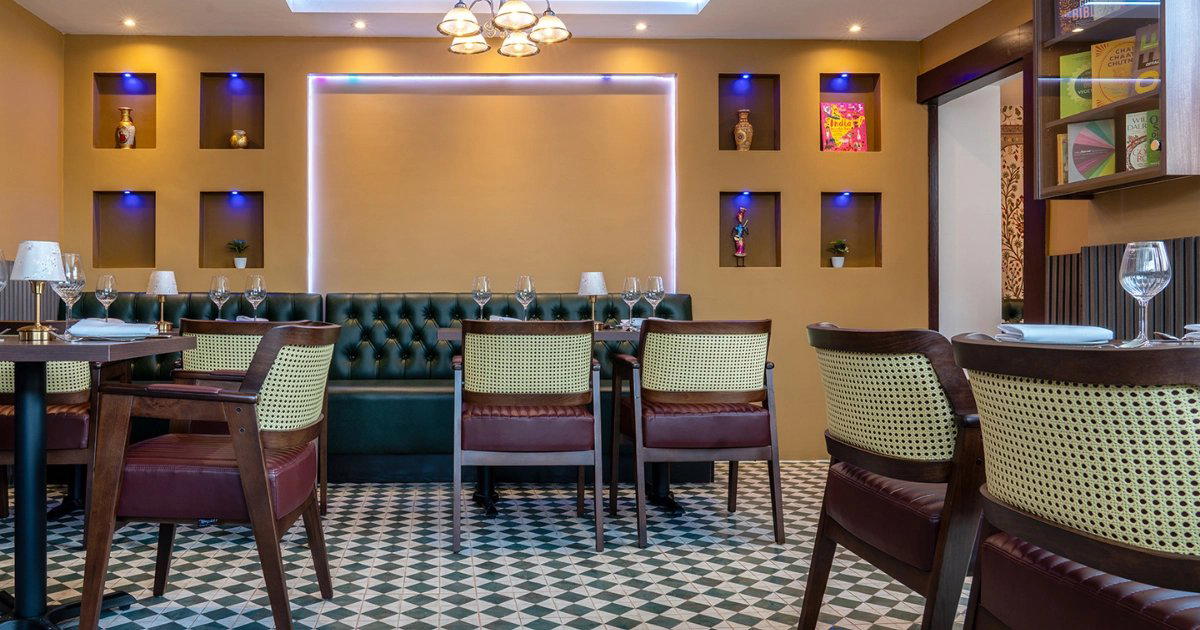
Reading Road and the British-Indian Dining Tradition
The stretch of Reading Road running through Winnersh is characteristic of how Indian restaurants embedded themselves in the Thames Valley over the past forty years. The format arrived in commuter towns like Wokingham during the 1970s and 1980s, when British-Indian restaurants standardised a menu language, tikka masalas, baltis, tandoori mixed grills, that became the dominant template for neighbourhood dining across the country. Club India, at number 355, operates within that tradition. The building sits along a retail and residential corridor that serves the surrounding suburban catchment rather than attracting visitors from further afield. That context matters: this is local dining, shaped by local expectations, and it should be read accordingly.
For a broader picture of what Wokingham's restaurant scene covers beyond this format, our full Wokingham restaurants guide maps the range of options across the town. Drinking and accommodation options are covered separately in our full Wokingham bars guide and our full Wokingham hotels guide.
Ingredient Sourcing and the British-Indian Kitchen
The ingredient question is central to understanding how neighbourhood Indian restaurants in the UK actually work, and it is often misread. The assumption that suburban curry houses import ingredients directly from the subcontinent is largely inaccurate. British-Indian cooking at the neighbourhood level typically draws from a supply chain that has developed over decades within the UK: spice wholesalers concentrated in areas like Southall and Birmingham's Sparkbrook, halal butchers supplying marinated proteins, and the same commodity vegetable suppliers used by other local restaurants. What distinguishes the better operators in this tier is not exotic sourcing but discipline in spice ratios, marination time, and the quality of the base sauces they develop in-house.
This is worth stating plainly because it reframes what to look for. A well-made dal makhani or a properly rested overnight marinade for chicken tikka says more about a kitchen's attention than a claim of imported spices. The British-Indian canon has its own craft logic, and that craft is expressed through technique applied to accessible ingredients rather than through provenance theatre. At the Michelin end of the British-Indian spectrum, restaurants like Opheem in Birmingham have pushed this conversation by combining high-end sourcing with classical Indian technique, but that represents a different tier and a different ambition entirely.
What the Format Looks Like in Practice
Neighbourhood Indian restaurants in towns like Wokingham tend to operate with a dining room format that prioritises capacity and comfort over theatre. Tables are set for groups, menus run wide rather than deep, and the kitchen is built for volume across a Friday-to-Sunday peak. The social logic is familiar: extended family meals, post-work groups, and casual mid-week bookings from regulars who know what they want before they sit down. The vegetable-forward sections of the menu often represent better value than the headline meat dishes, partly because the kitchen has less margin pressure on them and partly because the spicing tends to be more considered.
Club India operates within this format on a road that connects Wokingham to Reading, making it accessible by car from a wide local catchment. Practical logistics for visiting follow the standard pattern for this type of restaurant: evening bookings are advisable on weekends, the format suits groups of four to eight, and the pricing structure is likely to sit in the mid-range bracket consistent with the neighbourhood market.
The Wider British-Indian Context
British-Indian restaurants occupy an interesting position in the national dining story. The cuisine developed locally, diverging significantly from subcontinental cooking over decades of adaptation to British tastes and supply chains. Dishes like chicken tikka masala have a claim to being genuinely British inventions, and the grammar of the British curry house menu is now as culturally embedded as fish and chips. That does not make it lesser food; it makes it a distinct culinary tradition with its own standards and its own hierarchy of quality.
At the formal end of that hierarchy sit places like Le Manoir aux Quat' Saisons in nearby Great Milton, which illustrates what fine dining in the Thames Valley looks like at the highest price point, though in an entirely different tradition. For readers interested in the broader geography of serious UK restaurant cooking, The Fat Duck in Bray sits less than twenty miles away, and Hand and Flowers in Marlow represents what accessible fine dining looks like at the two-Michelin-star pub level. Further afield, CORE by Clare Smyth in London, Midsummer House in Cambridge, and L'Enclume in Cartmel define the upper tier of contemporary British cooking, while Moor Hall in Aughton, Gidleigh Park in Chagford, Restaurant Andrew Fairlie in Auchterarder, and hide and fox in Saltwood each occupy distinct regional positions within the UK's serious dining tier. For international reference points in different cuisines entirely, Le Bernardin in New York City and Atomix in New York City show what the best of the Korean and French fine dining markets look like.
None of that is Club India's competitive set. Its peer restaurants are other neighbourhood Indian restaurants serving the M4 corridor, and within that frame, consistency, value, and the quality of house-made sauces are the metrics that matter. Wokingham also has options in other categories worth considering alongside any dining decision: our full Wokingham wineries guide and our full Wokingham experiences guide cover the wider leisure picture.
Planning Your Visit
Club India is located at 355 Reading Road, Winnersh, Wokingham RG41 5LR, accessible by car from the A329 and within a short drive of central Wokingham. Visitors should contact the restaurant directly or check current listings before travelling, particularly for weekend evenings when neighbourhood Indian restaurants in this area tend to fill quickly from local regulars.
Comparable Venues
Comparable venues nearby, for context on price, style, and recognition.
| Venue | Cuisine | Price | Awards | Notes |
|---|---|---|---|---|
| Club IndiaThis venue — the venue you are viewing | Modern Indian | $$$ | , | |
| Salty Olive Wokingham | Spanish Tapas & Pinchos | $$ | , | Elms Field |
| Chef Peking | Chinese with Cantonese, Szechuan, Shanghai and Hong Kong influences | $$ | , | Finchampstead |
| Raaz | Modern Indian Fine Dining | $$$ | , | Putney |
| Indian Zing | Modern Indian | $$$ | , | Ravenscourt Park |
| Masala Zone | Authentic Regional Indian | $$$ | Battersea |
Continue exploring
More in Wokingham
Restaurants in Wokingham
Browse all →
Bars in Wokingham
Browse all →
Hotels in Wokingham
Browse all →
At a Glance
- Modern
- Elegant
- Sophisticated
- Date Night
- Celebration
- Group Dining
- Open Kitchen
- Craft Cocktails
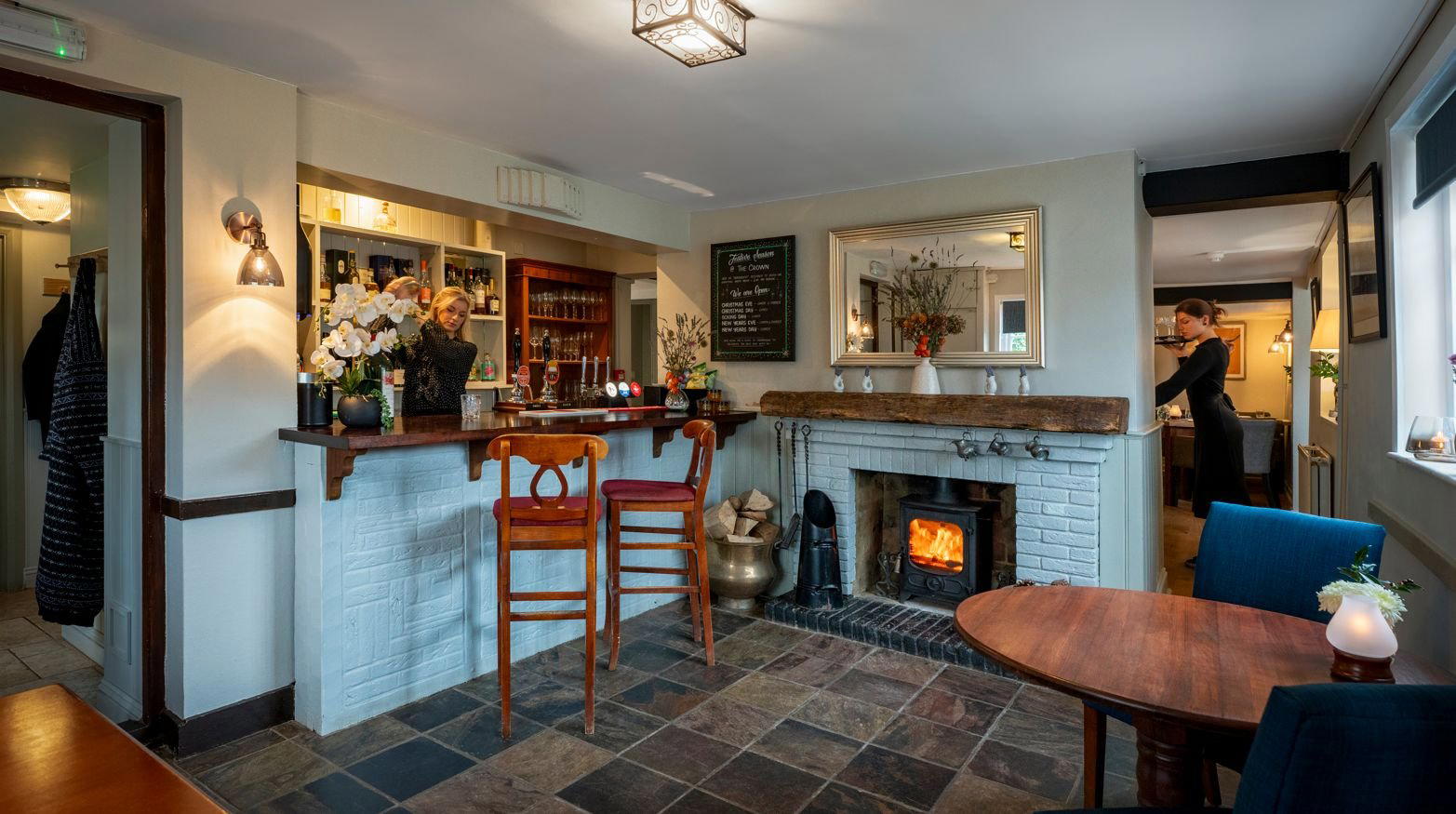
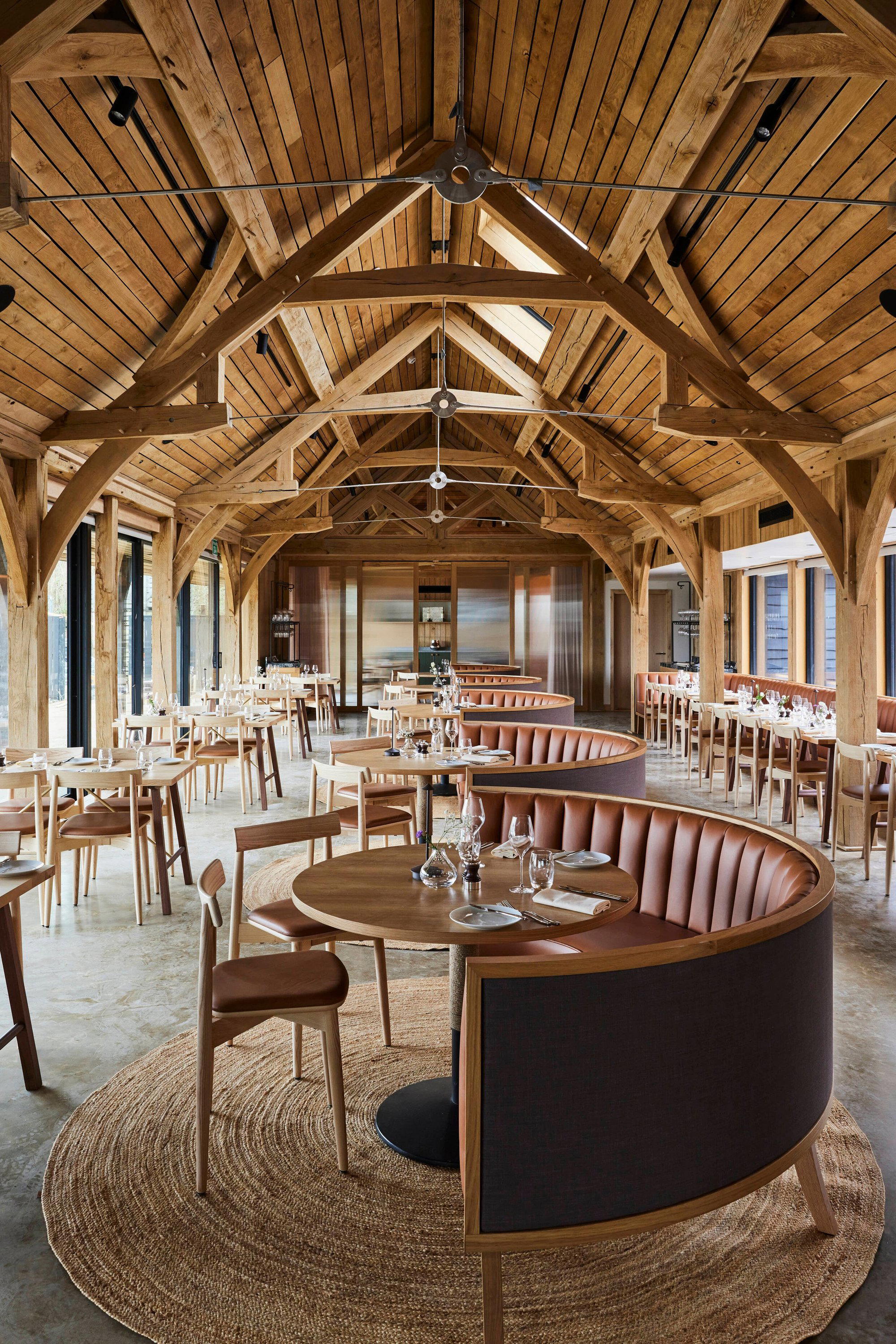
Sophisticated and tastefully decorated interior with comfortable seating, green/black tiled floors, and a warm, welcoming atmosphere.