Restaurante Japonês Kyodai Sorocaba brings Japanese dining tradition to Sorocaba's Centro district, on Rua Dr. Artur Martins. In a city where Japanese cuisine occupies a specific and still-developing niche, Kyodai positions itself as a neighbourhood reference point for those who approach the meal as a structured ritual rather than a casual stop. For context on the broader Sorocaba dining scene, see our full city guide.
Pearl is the En Primeur Club membership app — saves, bookings, and concierge access live there. Same editors, same standards.
- Address
- R. Dr. Artur Martins, 41 - Centro, Sorocaba - SP, 18035-250, Brazil
- Phone
- +551532325039
- Website
- kyodaisorocaba.com.br
- Directions
- Get directions
 Saves & bookings on Pearl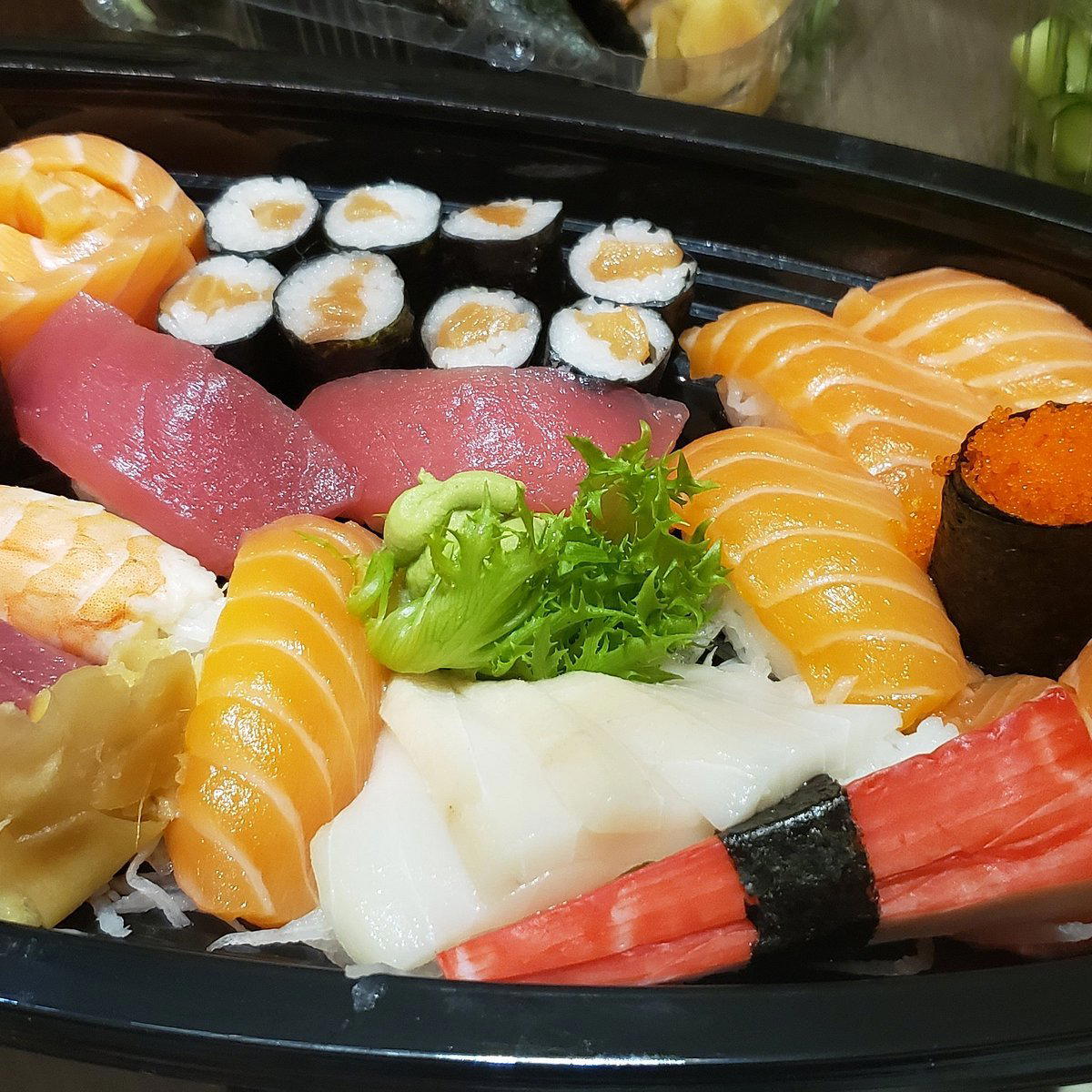
Japanese Dining in Sorocaba: A Ritual in a City Still Defining Its Scene
Centro neighbourhoods in mid-sized Brazilian cities tend to set the tone for what a local dining culture considers serious. When a Japanese restaurant plants itself on Rua Dr. Artur Martins rather than retreating to a suburban strip, it makes a statement about audience and intent. Restaurante Japonês Kyodai Sorocaba occupies that address in Sorocaba's Centro district, at number 41.
Sorocaba sits roughly 100 kilometres west of São Paulo, a manufacturing and services city that has grown steadily without developing the kind of restaurant density that draws national culinary attention. That gap matters. Cities like this tend to support a small number of Japanese restaurants that carry disproportionate weight within the local scene, because the competition is sparse and the audience for this style of eating is self-selecting. Diners who seek out Japanese food in Sorocaba are, broadly, people who already understand the grammar of the meal: the sequencing, the minimal condiment philosophy, the expectation that restraint is a form of respect rather than absence.
The Grammar of the Japanese Meal in a Brazilian Context
Brazilian Japanese cuisine carries a specific history. The country hosts the largest Japanese diaspora population outside Japan, and São Paulo's Liberdade district set the reference standard for what Japanese food looks like in Brazil over the better part of a century. That lineage filters outward into cities like Sorocaba in ways that are sometimes diluted and sometimes surprisingly faithful to form. The key distinction in the current moment is between restaurants that treat Japanese food as a delivery format for familiar flavours, heavy sauces, oversized portions, fusion without philosophy, and those that maintain the structural logic of the original meal: the ratio of rice to protein, the role of miso as a bookend rather than a centrepiece, the way a piece of fish is meant to arrive as a complete statement rather than a component in a larger assembly.
Kyodai's positioning in Centro suggests it is operating for an audience that understands this distinction. The address is not a tourist corridor; it is a working neighbourhood where repeat custom drives a restaurant's survival. Repeat customers at a Japanese restaurant in this context are people who have developed a preference for the ritual itself, not just the output. They return because the meal follows a logic they trust. That trust is harder to build than a single strong dish, and it takes longer to lose.
For reference on what high-end Japanese and Korean dining looks like when that ritual is taken to its furthest point, Atomix in New York City demonstrates how pacing and sequencing become the primary communication medium. At the other end of the geographic spectrum, Le Bernardin in New York City shows what happens when a kitchen commits entirely to the logic of a single protein category, fish, and builds an entire ritual around it.
Sorocaba's Japanese Niche and Where Kyodai Sits Within It
Within Sorocaba specifically, Japanese cuisine competes in a field that also includes established churrasco culture, neighbourhood Italian, and a growing interest in plant-based eating represented by venues like VEGAN HEART. The barbecue tradition, exemplified locally by Restaurante em Sorocaba l Horse BBQ - Smoke´n Grill, dominates the casual and celebratory occasion categories. Japanese dining tends to occupy a different slot in the city's weekly rhythm: the weekday lunch that signals professional identity, or the deliberate dinner that requires advance planning.
The sushi category within Sorocaba has at least one other named reference point in Yosugiru Sushi Sorocaba, which means Kyodai is operating in a small but not singular niche. In competitive terms, this is the correct scenario for a Japanese restaurant with ambitions beyond casual delivery: a peer or two in the same category forces both to sharpen their position, and diners benefit from having a basis for comparison. The broader dining calendar in Sorocaba also includes event-oriented venues like Chácara Santa Victória, which serves a different occasion category entirely.
Brazil's restaurant scene at the leading end, D.O.M. in São Paulo and Lasai in Rio de Janeiro among others, has demonstrated that the country's diners are capable of engaging with complex, ritual-forward meals at the highest level. That appetite exists in cities beyond the two major capitals, even if the venues that satisfy it are fewer and less visible. Kyodai operates in exactly that gap.
Planning a Visit: What to Know Before You Go
The restaurant is located at Rua Dr. Artur Martins, 41, in Sorocaba's Centro district, a central and walkable address accessible by car or public transit from most parts of the city. Current hours run Mon to Sat from 7 to 10 PM; Sunday is closed. Reservations are recommended. Arriving with a timing buffer is a sensible precaution. Booking ahead is recommended.
Each city has its own rhythm, and Sorocaba's is still being written.
Cuisine Lens
Comparable venues nearby, for context on price, style, and recognition.
| Venue | Cuisine | Price | Notes |
|---|---|---|---|
| Restaurante Japonês Kyodai SorocabaThis venue — the venue you are viewing | Traditional Japanese Sushi | $$ | Not listed |
| Yosugiru Sushi Sorocaba | Japanese Sushi | $$$ | Parque Campolim |
| VEGAN HEART | Vegan American Burgers | $$ | Centro |
| Restaurante em Sorocaba l Horse BBQ - Smoke´n Grill | Brazilian BBQ Smokehouse | $$ | Jardim Santa Rosália |
| Chácara Santa Victória | Brazilian Buffet | $$ | Sorocaba |
| Mana Poke - Rio Claro | Hawaiian Poke Bowls | $$ | Cidade Jardim |
Continue exploring
More in Sorocaba
Restaurants in Sorocaba
Browse all →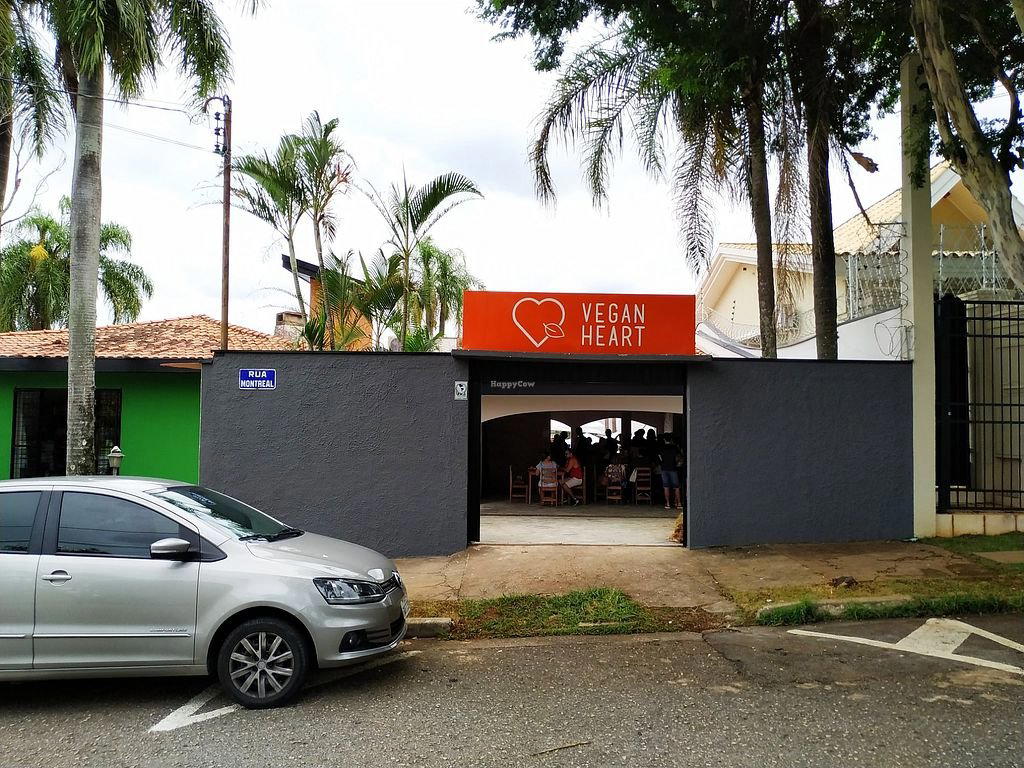
Bars in Sorocaba
Browse all →
Hotels in Sorocaba
Browse all →
At a Glance
- Classic
- Cozy
- Intimate
- Casual Hangout
- Group Dining
- Date Night
- Standalone
Current opening hours
- Monday
- 7–10 PM
- Tuesday
- 7–10 PM
- Wednesday
- 7–10 PM
- Thursday
- 7–10 PM
- Friday
- 7–10 PM
- Saturday
- 7–10 PM
- Sunday
- Closed
Hours can change for holidays and private events. Last verified .
Small but comfortable intimate space with traditional Japanese dining atmosphere, focused on authentic preparation and fresh ingredients.