Our verdict
A twelfth-century château in the Chinon wine country of the Loire Valley, Chateau de Marcay positions itself within France's tradition of château-hotel dining, where the provenance of ingredients and the agricultural character of the surrounding land shape the table as much as any chef's technique. The setting places guests inside a working region, not a theatrical reconstruction of one.

Pearl is the En Primeur Club membership app — saves, bookings, and concierge access live there. Same editors, same standards.
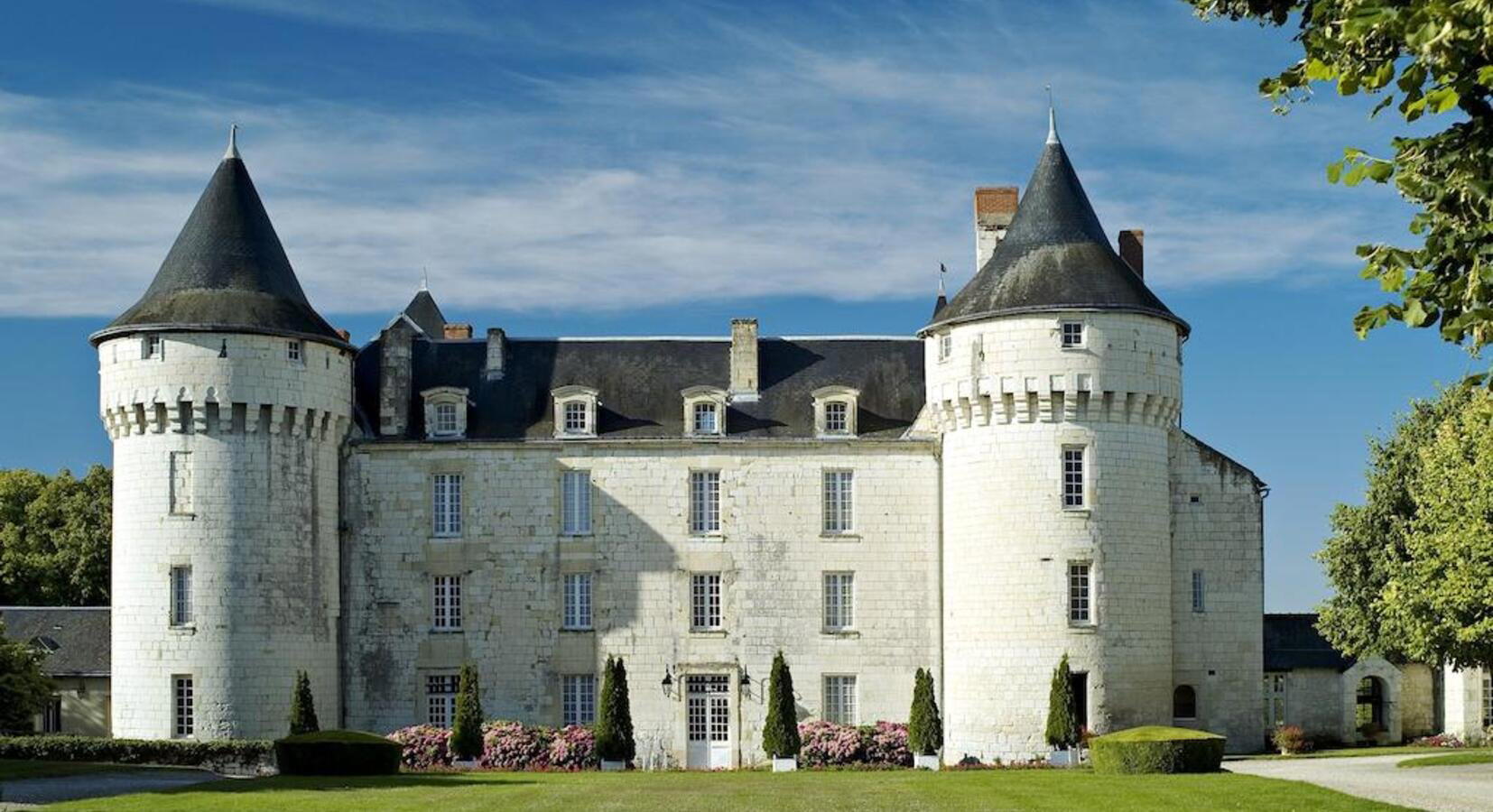
Arriving in Wine Country: The Château and Its Land
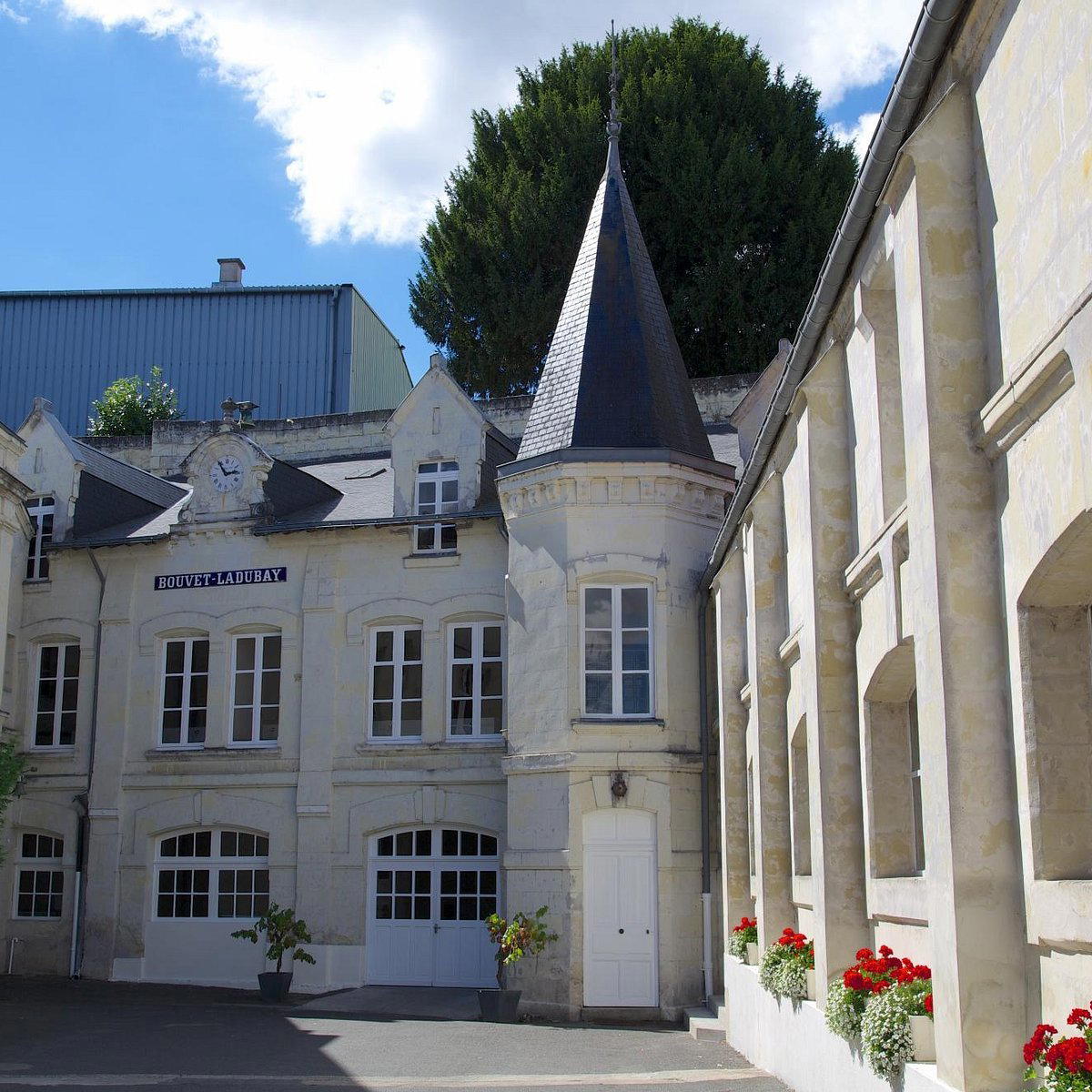
The approach to Chateau de Marcay tells you something about the broader category of château-hotel dining that has defined the Loire Valley's hospitality offer for decades. The region around Chinon is agricultural in a specific, serious way: Cabernet Franc vines on tuffeau limestone, market gardens in the river flats, and a food culture built around what the land produces season by season rather than what can be imported from elsewhere. A château in this context is not merely a historic building repurposed as a luxury hotel. It is a property embedded in a productive landscape, and the most credible examples of this format make that relationship legible at the table. Chateau de Marcay, occupying a twelfth-century fortified structure in the commune of Marçay a few kilometres south of Chinon, sits inside that tradition. For those exploring the full range of what the region offers, our full Marcay restaurants guide maps the broader dining picture.
The Loire's Ingredient Logic
Loire Valley cuisine operates on a shorter supply chain than most French regions of comparable reputation. The river system supports pike, perch, and shad. The surrounding farmland yields white asparagus in spring, rillettes from locally raised pork, and the goat cheeses — Sainte-Maure de Touraine chief among them — that carry protected designation of origin status. At properties like Chateau de Marcay, this regional specificity is structural rather than decorative. The château format, common across the Loire from Amboise to Saumur, developed partly because the estates themselves controlled the land: kitchen gardens, orchards, sometimes livestock. That proximity to production is what separates château dining at its most considered from hotel restaurants that happen to occupy historic buildings.
The editorial comparison worth making here is with France's broader tradition of destination restaurant-hotels where ingredient sourcing is the primary claim to distinction. At Bras in Laguiole, the Aubrac plateau functions as both backdrop and larder, with wild herbs and local breed cattle shaping the menu's identity. At Les Prés d'Eugénie in Eugénie-les-Bains, the thermal spa village context produced a cuisine built around regional Landes ingredients long before farm-to-table became standard language. Chateau de Marcay belongs to a similar tradition, château as the organizing principle around which food, wine, and landscape cohere.
Chinon and Its Wine Identity
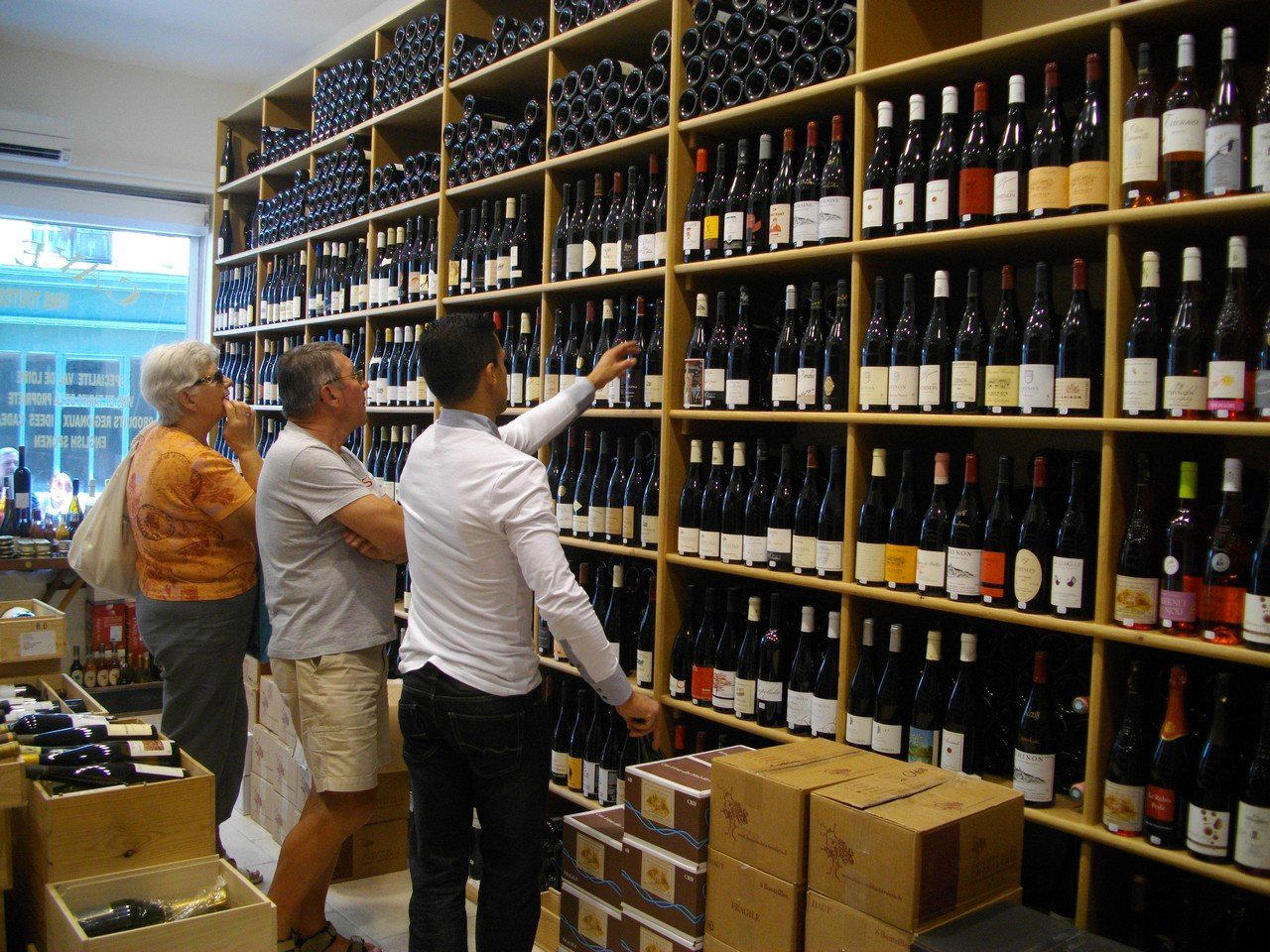
The wine context at Marcay deserves its own framing. Chinon produces Cabernet Franc-dominant reds that sit at the serious end of Loire production, alongside Chenin Blanc whites from Vouvray and Savennières to the north. A château table in this appellation has immediate access to producers whose vineyards are measurable in minutes of drive time. That proximity is what makes the Loire Valley one of France's most coherent wine-and-food regions: the same tuffeau geology that stores wine in cave cellars also shapes the texture of the local cooking, lighter and more acid-driven than the cream-heavy cuisine of Normandy or the richness of Burgundy's table. For comparison, the kind of regional wine integration achieved at Maison Lameloise in Chagny within Burgundy represents what this format can achieve when the kitchen and cellar programs are genuinely aligned with the surrounding appellation.
France's château-hotel restaurants that take their wine programs seriously tend to price against that seriousness. The Loire Valley sits at a gentler price point than Provence or the Rhône, which is part of what draws visitors who want the destination-restaurant experience without the positioning of, say, Le 1947 à Cheval Blanc in Courchevel or La Vague d'Or in Saint-Tropez. The region's historic appeal has always been accessibility relative to the quality of the landscape and production.
The Château-Hotel Format in French Fine Dining
It is worth placing Chateau de Marcay within a broader map of French properties where cooking and setting are inseparable from the agricultural context. At Auberge de l'Ill in Illhaeusern, the Alsatian riverside setting and the Haeberlin family's long tenure created a template for how a regional property could achieve sustained Michelin recognition without abandoning its landscape identity. At Georges Blanc in Vonnas, the Bresse chicken and the village location are as central to the experience as anything on the plate. These are not restaurants that happen to be in beautiful places; the place is the argument for the food, and vice versa.
The Loire Valley version of this argument rests on the diversity of its AOC network, Chinon, Bourgueil, Saumur-Champigny for reds; Vouvray, Muscadet, Pouilly-Fumé for whites, and on a food culture that prizes freshness and simplicity over technical elaboration. The region's cooking tradition is not as codified or as school-forming as Lyon's or Alsace's, but it is genuinely rooted in what the land provides. A château table in Marçay is positioned to make that argument directly, through the sourcing decisions visible on each menu iteration.
For readers comparing across France's destination dining format, the range is wide: Flocons de Sel in Megève and Auberge du Vieux Puits in Fontjoncouse each demonstrate how a committed kitchen in a non-metropolitan location can achieve recognition through ingredient discipline and regional specificity. L'Oustau de Baumanière in Les Baux and La Table du Castellet extend that point to Provence. In each case, the regional raw material is the starting point, not the decoration. The Loire Valley's version of that formula is quieter in register, less visually dramatic than the Provençal garrigue or the Alpine altitude, but no less specific.
Planning a Visit
Marçay sits approximately six kilometres south of Chinon in the Indre-et-Loire department, reachable by car from Tours in around forty minutes or from Paris via TGV to Tours followed by a local transfer. The Loire Valley is at its most coherent between May and October, when the kitchen gardens are productive and the river light makes the tuffeau villages read at their most characteristic. Spring asparagus season and autumn mushroom season represent the two moments when the regional ingredient story is most concentrated. Guests considering the property as part of a wider Loire itinerary will find Chinon itself, the medieval town, the Rabelais connections, the appellation cellars cut into the cliff, a natural complement to the château experience. Those drawing comparisons with France's most formally recognised destination tables, from Mirazur in Menton to Alléno Paris au Pavillon Ledoyen or Paul Bocuse in Collonges-au-Mont-d'Or, should note that the Loire Valley's register is deliberately lower in temperature, more concerned with the meal as an extension of a place than as a formal competitive statement.
Frequently asked questions
Is Chateau de Marcay suitable for children?
Château de Marcay operates as a château-hotel in Marçay, and the property's grounds and rural setting make it a workable choice for families travelling through the Indre-et-Loire. The formal dining room format typical of properties in this category tends toward adult-oriented service pacing, so younger children may find the sit-down meal less accommodating than the outdoor environment. Confirming specific family provisions directly with the property before arrival is advisable.
How would you describe the vibe at Chateau de Marcay?
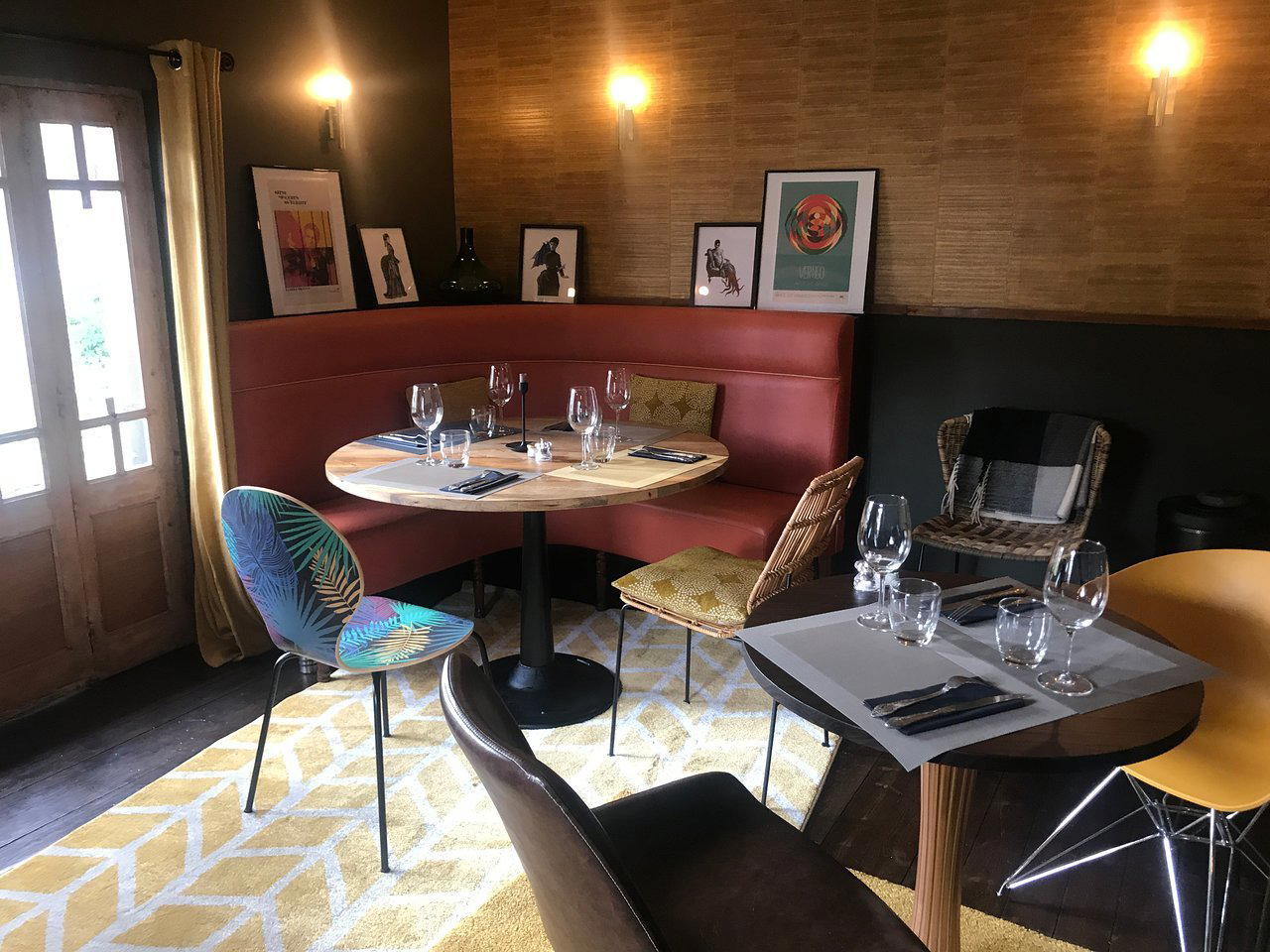
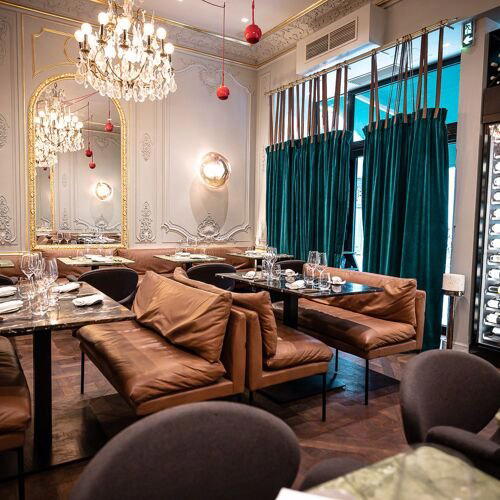
The atmosphere at Chateau de Marcay falls into a category well established in the Loire Valley: agricultural formality, where the setting is grand but the context is rural wine country rather than city-hotel polish. Guests are six kilometres south of Chinon, surrounded by Cabernet Franc vineyards, which sets the tone as much as the architecture does. It reads more as countryside retreat than resort, with the cooking and wine list anchored to regional producers rather than international luxury positioning.
Is Chateau de Marcay a good base for exploring the Chinon wine appellation?
Located in Marçay, approximately six kilometres south of Chinon, the château sits within the Chinon AOC production zone, where Cabernet Franc dominates both red and rosé output. Staying at the property puts guests inside the appellation rather than driving into it, which changes how a wine itinerary through Indre-et-Loire can be structured. The surrounding Vienne and Indre river valleys — and their associated producers — are reachable without reorienting around a town-centre hotel.
What's the signature dish at Chateau de Marcay?
Chinon's Cabernet Franc wines are a structural part of any serious meal at a property of this type, making the wine pairing as defining as any single plate.
Where exactly is Chateau de Marcay?
Chateau de Marcay is located at Le Château, 37500 Marçay, France, Marcay.
Do they take walk-ins at Chateau de Marcay?
Château-hotel dining rooms in the Loire Valley at this level of property typically operate on a reservation basis, particularly during high season when room guests take priority. Contacting the property directly before arriving without a booking is the practical approach, especially if visiting from Chinon or Tours on a day basis.
Quick Comparison
| Venue | Cuisine | Price | Awards | Notes |
|---|---|---|---|---|
| Chateau de MarcayThis venue — the venue you are viewing | French Fine Dining with Seasonal Specialties | Not listed | Not listed | Not listed |
| Mirazur | Modern French Fine Dining | $300–500 | 3 Michelin Stars · World's 50 Best #1 | Modern French, Creative |
| Alléno Paris au Pavillon Ledoyen | Modern French Fine Dining | $150–200 | 3 Michelin Stars · World's 50 Best #79 | Creative |
| Kei | Modern French with Japanese Influences | $300–500 | 3 Michelin Stars · World's 50 Best #93 | Contemporary French, Modern Cuisine |
| L'Ambroisie | Classic French Haute Cuisine | $300–500 | 2 Michelin Stars · World's 50 Best #23 | French, Classic Cuisine |
| Le Cinq - Four Seasons Hôtel George V | Modern French Fine Dining | $300–500 | 3 Michelin Stars · World's 50 Best #24 | French, Modern Cuisine |
Continue exploring
More in Marcay
Restaurants in Marcay
All restaurants in Marcay →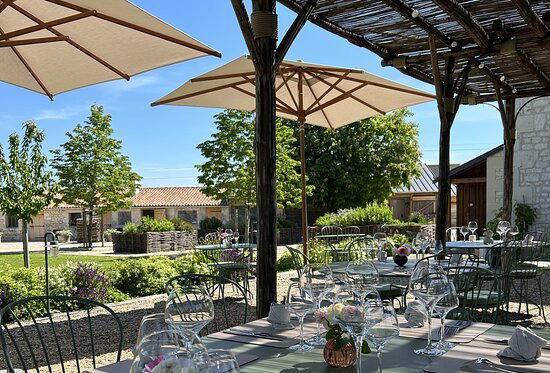
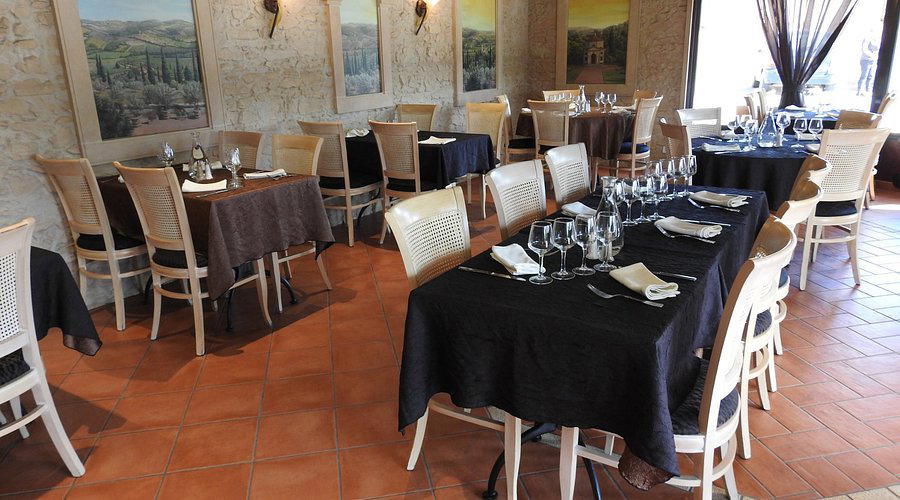
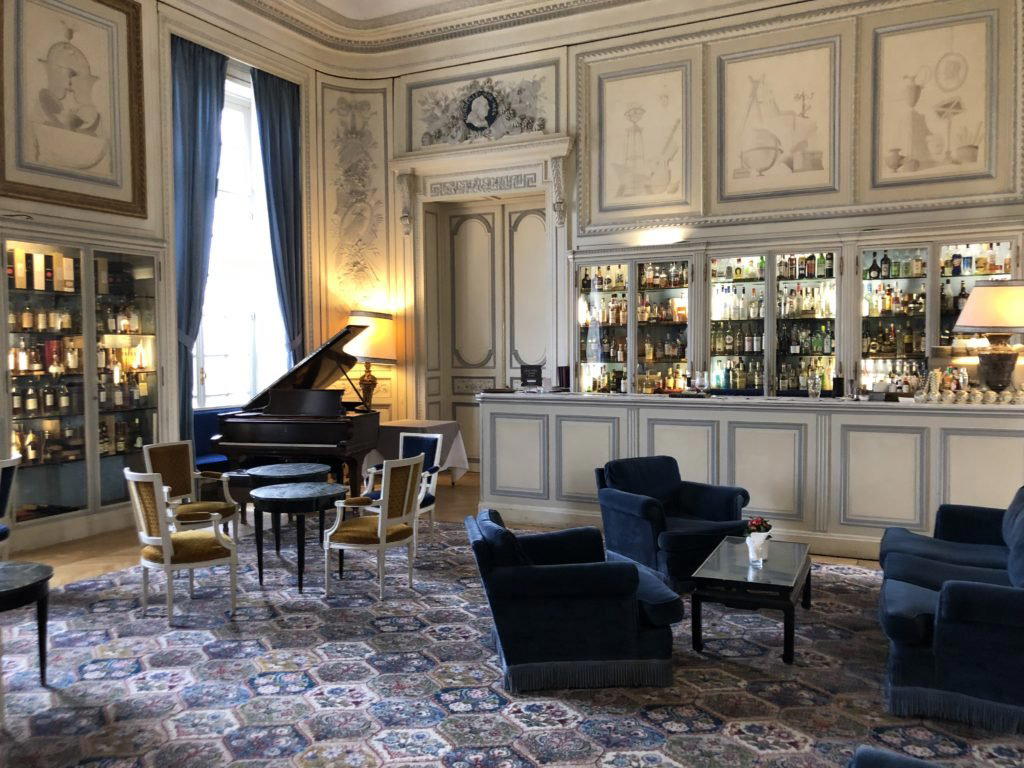
Hotels in Marcay
Browse all →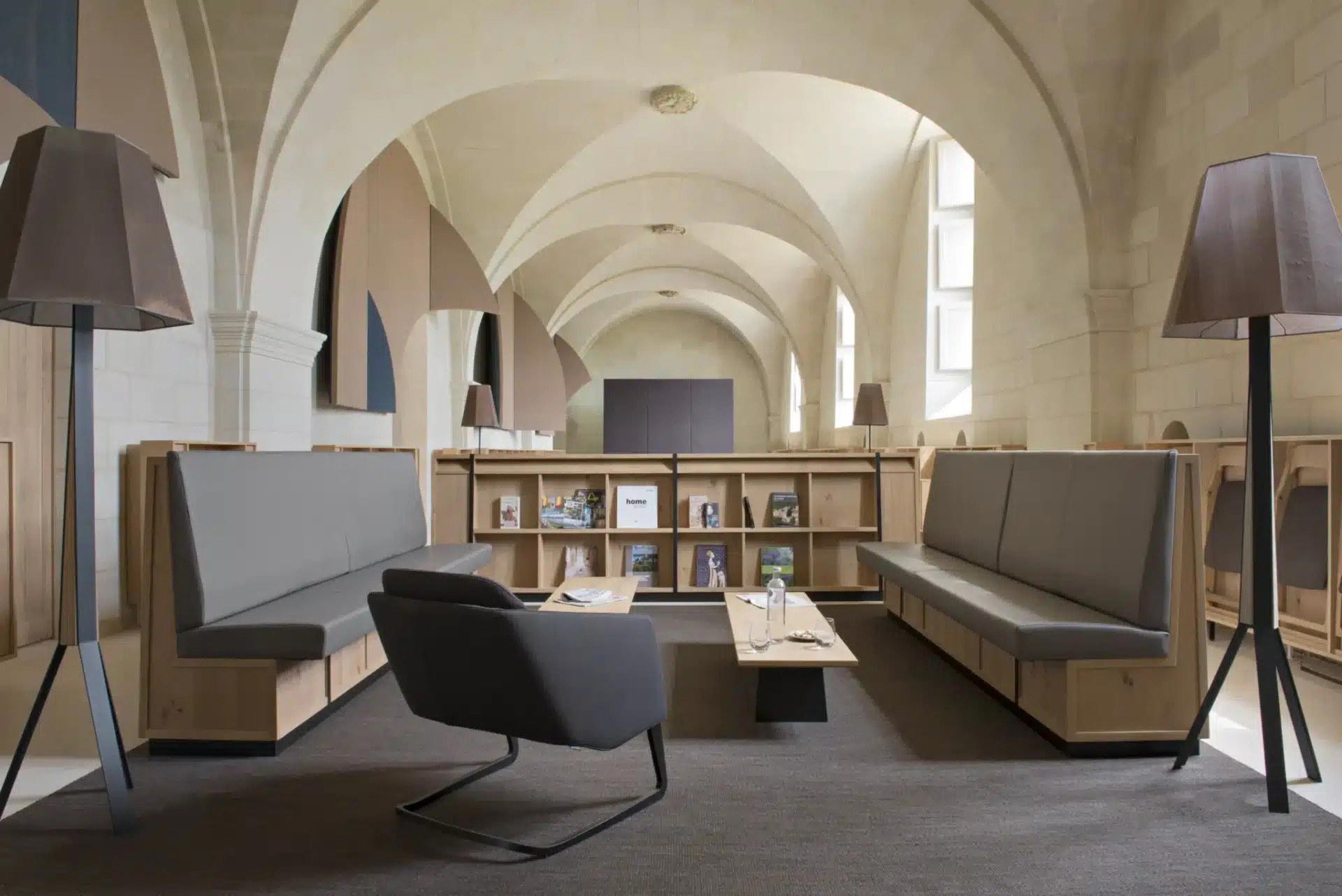
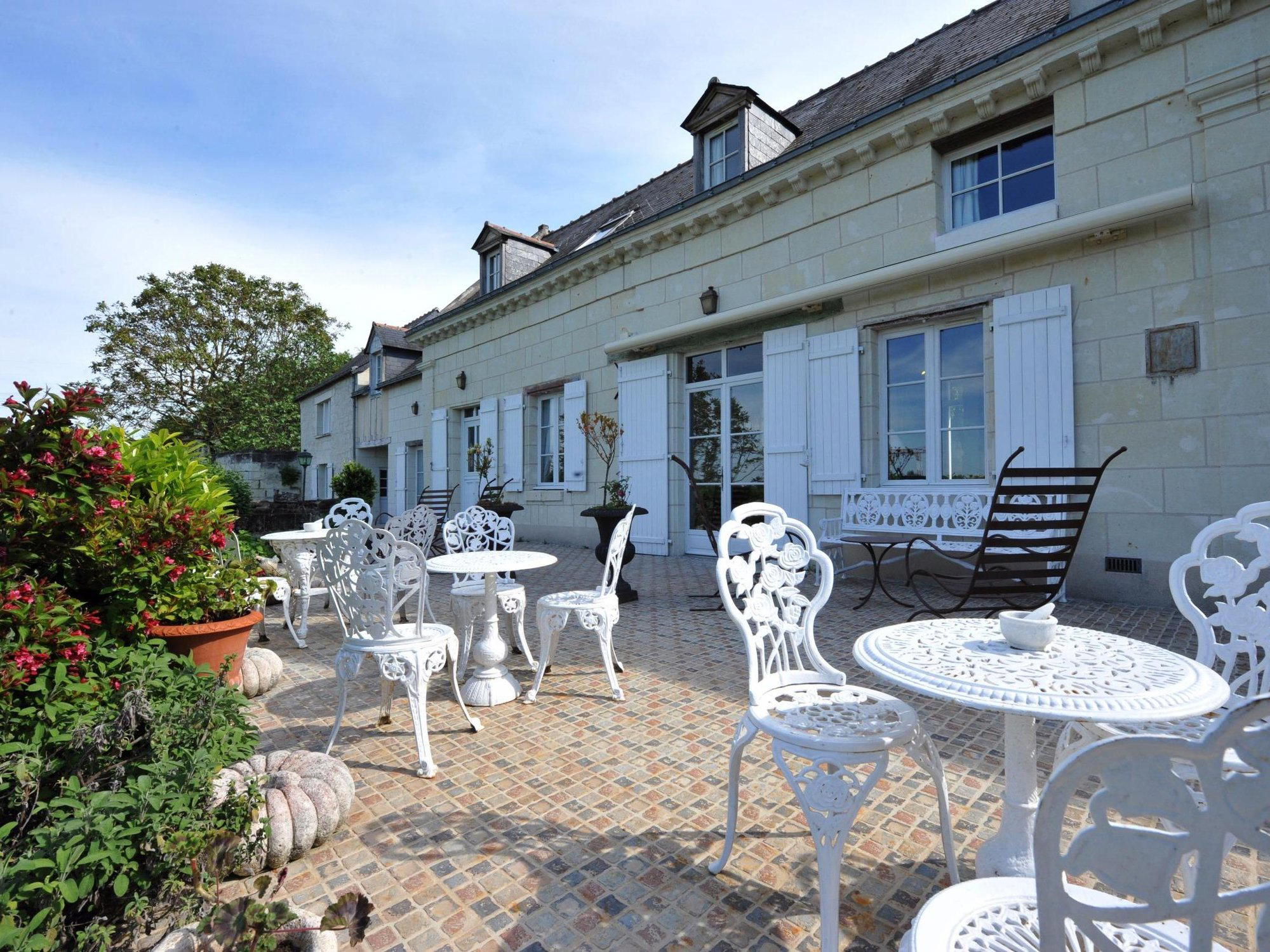
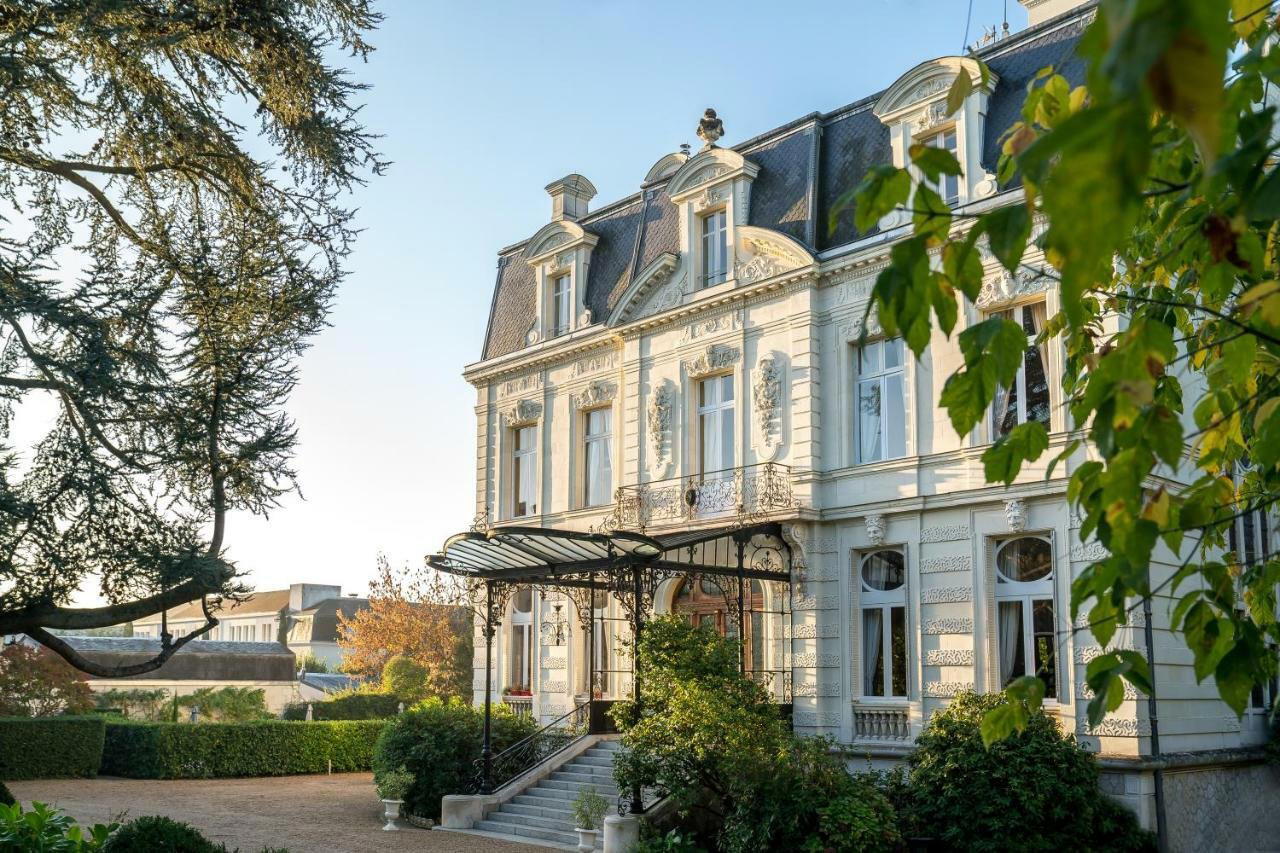
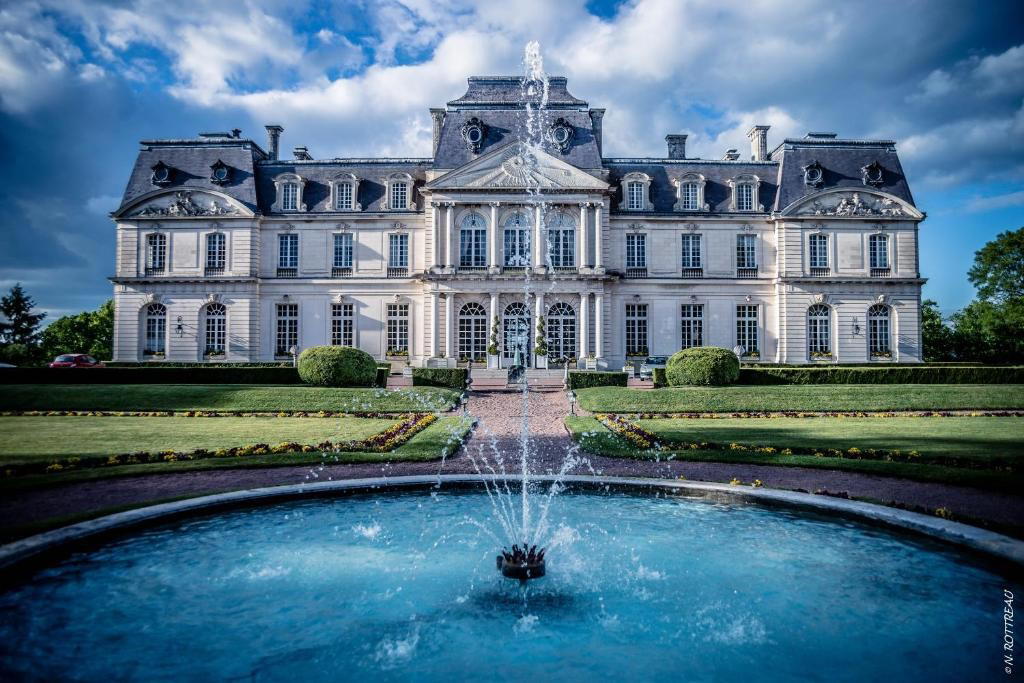
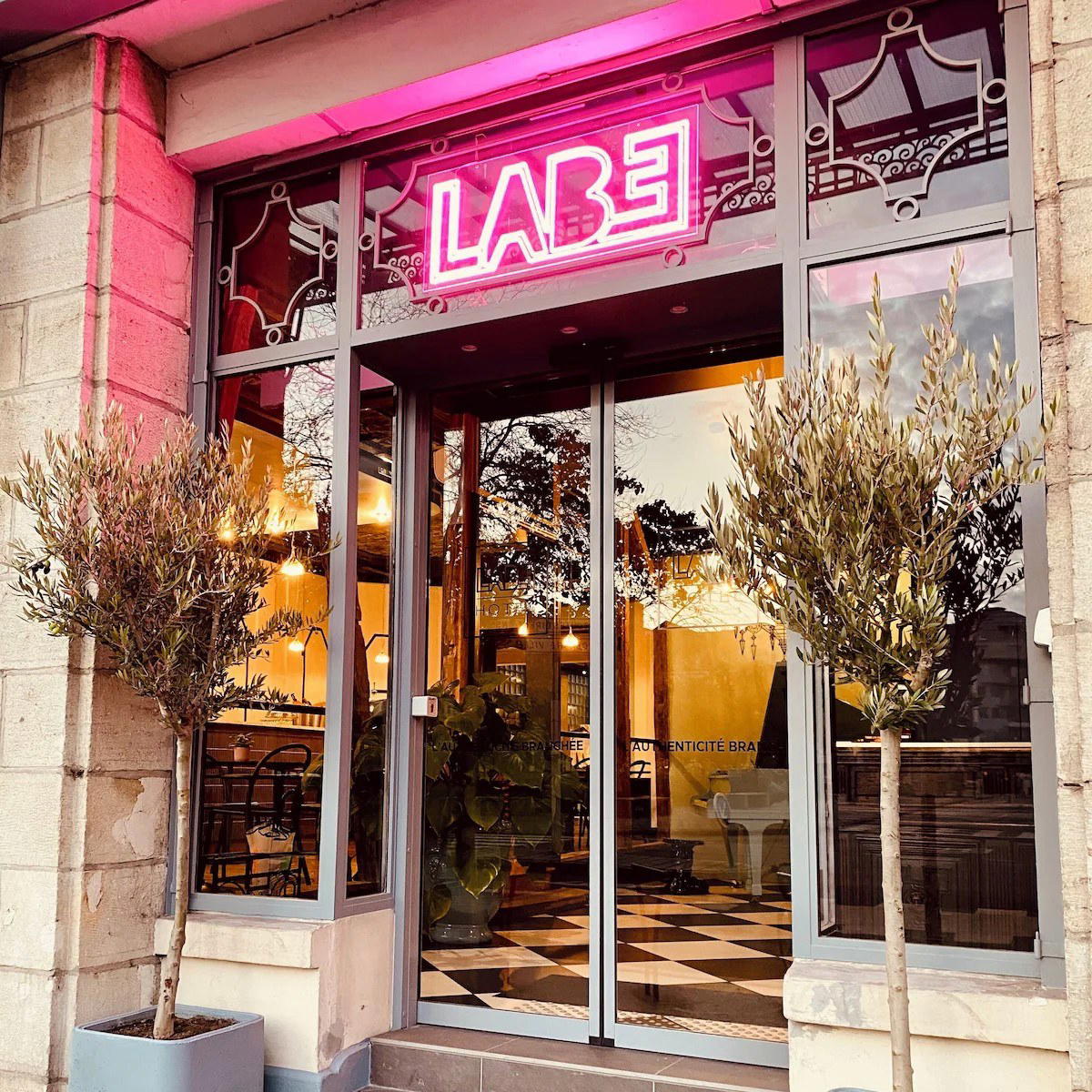

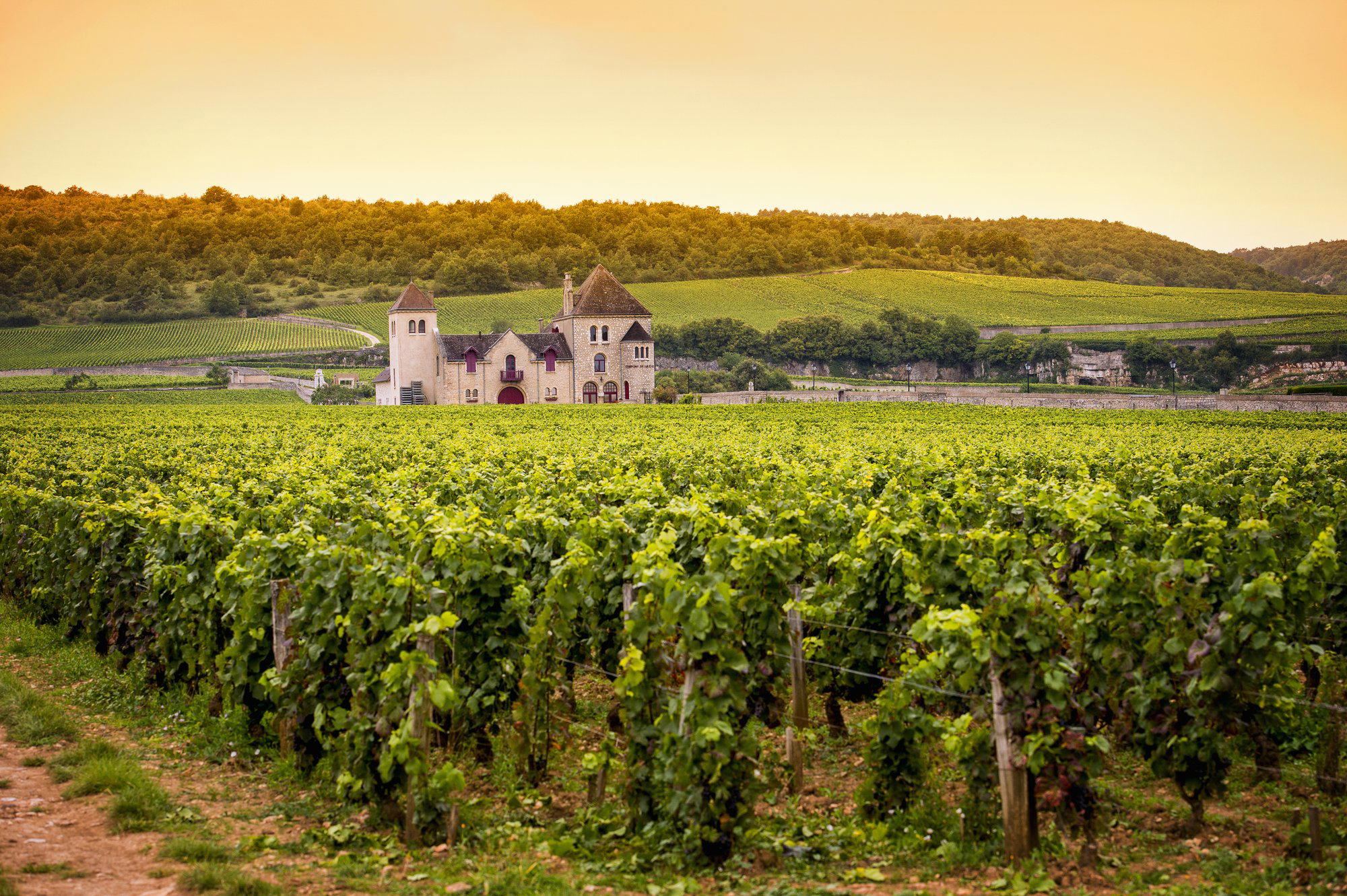
Chateau de Marcay
The wine
- Wine program
- Curated wine list
- Extensive wine list
Details
- Romantic
- Elegant
- Classic
- Intimate
- Scenic
- Date Night
- Special Occasion
- Historic Building
- Garden
- Hotel Restaurant
- Terrace
- Extensive Wine List
- Local Sourcing
- Garden
- Vineyard
- A La Carte
Feutrée (intimate and subdued) atmosphere in a historic castle setting with park views.