Chardo sits on Rue Shefford in Bromont, Quebec, a town better known for ski hills than serious dining. The restaurant operates as a wine bar and modern kitchen in a region where farm supply is strong and seasonal logic drives the menu. It occupies a niche that has expanded across Quebec's smaller cities: ingredient-focused, wine-literate, and built for locals as much as weekend visitors.
- Address
- 606 Rue Shefford, Bromont, QC J2L 1C1, Canada
- Phone
- +14509191919
- Website
- chardo.ca
- Directions
- Get directions
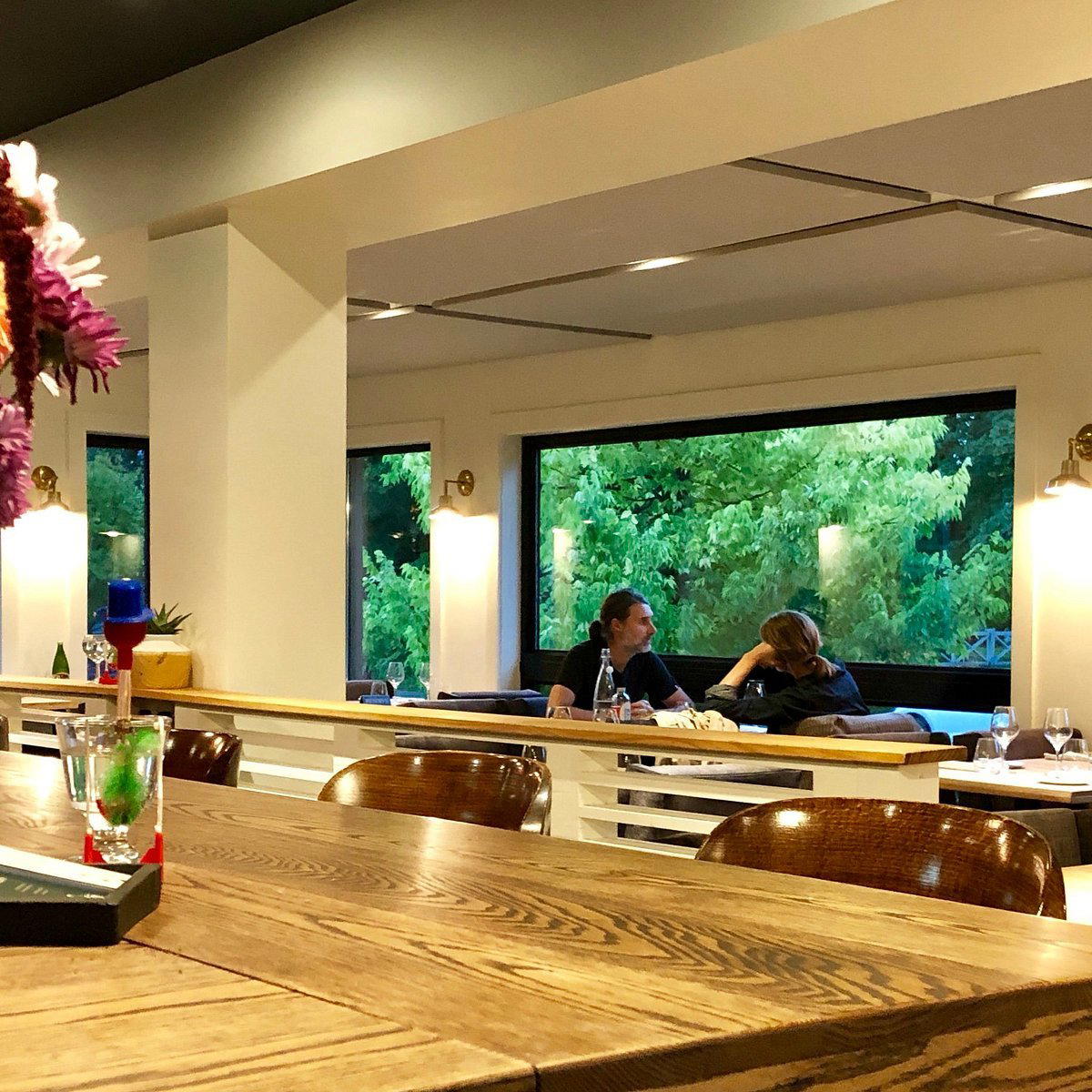
Where Bromont's Ski-Town Identity Meets a More Serious Plate
Bromont sits about an hour southeast of Montreal, where the Eastern Townships roll into ski terrain and the weekend visitor economy has long dictated what restaurants look like. For years, the town's dining scene tracked the chalet crowd: comfort food, après-ski predictability, menus that changed rarely if ever. What has shifted in recent years across Quebec's smaller resort towns is the arrival of kitchens that treat the surrounding farmland as a sourcing asset rather than mere backdrop. Chardo on Rue Shefford belongs to that generation of restaurants, a format that has taken hold in towns where agricultural density is high and the local appetite for well-sourced food has grown alongside it.
The Eastern Townships, the Cantons-de-l'Est, are among the more productive agricultural zones in Quebec. Dairy, heritage vegetables, small-scale grain operations, and a maturing cider and wine industry all sit within short driving distance of Bromont. That supply chain matters enormously for a kitchen operating at this scale in a market this size. A restaurant in Bromont has to build relationships with producers differently, often working closer to the source and adjusting the menu to what is actually available rather than what a distributor catalogue lists. That constraint, when it functions well, produces cooking that reflects a specific place and a specific season rather than a generic modern bistro register.
The Bar à Vin Format and What It Signals
The wine bar format that Chardo operates within has become a meaningful category signal in Quebec dining. It positions a restaurant differently from a traditional table-service establishment: the wine list is a primary editorial statement, not a supporting document, and the food tends toward sharing formats and seasonal plates designed to move across a variety of glass pours. This structure has precedent across Quebec's more established dining cities. In Montreal, the format is now dense enough to have its own sub-genres. In smaller cities and towns, a wine bar with a genuine cellar and a kitchen that can back it up is a rarer proposition.
Cantons-de-l'Est context adds another dimension. The region has developed its own wine identity over the past two decades, with producers working cold-climate varieties and natural wine methods that have found a receptive audience among Montreal wine buyers and sommeliers. A bar à vin in Bromont is positioned to carry those regional labels in a way that makes geographic sense, connecting the glass to the landscape in the same logic as the kitchen connects the plate to local farms. The format itself signals that the question has been considered.
How Bromont Fits Into the Wider Quebec Dining Pattern
Quebec's serious restaurant culture has historically concentrated in Montreal and Quebec City, with a second tier emerging in towns like Rimouski, where Narval has demonstrated that ingredient-driven, wine-focused kitchens can sustain themselves far from the metropolitan core. The pattern is consistent: a kitchen anchored to regional supply, a wine program that takes the list seriously, and a format modest enough in scale to remain viable outside high-traffic urban corridors. Bromont, with its ski season bringing Montreal money on weekends and a resident base that skews toward second-home owners with urban dining expectations, is a reasonable environment for that model to function.
For context on what the ceiling of this format looks like in Canada, Alo in Toronto and Tanière³ in Quebec City represent the highest expression of tasting-menu ambition in their respective cities. Restaurant Pearl Morissette in Lincoln and Eigensinn Farm in Singhampton show what happens when the kitchen and the land are in direct conversation, with the restaurant built around a specific agricultural context rather than a general fine-dining aspiration. The Pine in Creemore and AnnaLena in Vancouver sit in the middle register: serious kitchens operating outside the metropolitan centre with a clear editorial point of view. Chardo's positioning in Bromont maps closer to that middle register than to destination dining.
Ingredient Sourcing as the Kitchen's Argument
Across the broader Canadian restaurant scene, the sourcing conversation has matured past the point where naming a farm on the menu functions as a credential in itself. What matters now is how the supply relationship shapes the cooking: whether the menu moves with what's available, whether the kitchen demonstrates technical range across a variety of products, and whether the plate makes the provenance legible to the person eating it. In the Eastern Townships, that argument has strong raw material to work with. The region's cheesemakers, in particular, have attracted serious attention from Montreal restaurants; its market gardens and orchard producers supply kitchens well above Bromont's immediate dining tier.
A kitchen at Rue Shefford operating in that supply environment has access to product that urban restaurants pay more to source from a distance. The bar à vin format, with its emphasis on plates designed to complement wine rather than dominate it, tends to reward restraint and product quality over technique-heavy execution, which aligns reasonably well with what the Townships can provide in terms of seasonal, farm-direct ingredients.
Planning a Visit
Bromont is accessible from Montreal in approximately 90 minutes by car via Autoroute 10, making it a practical day trip or weekend destination. The town's visitor rhythm tracks the ski season at Mont Bromont from December through March, and a second wave of summer activity around cycling and water parks. Either window suits a restaurant visit, though shoulder seasons, late spring and fall, tend to align leading with the Eastern Townships' agricultural calendar and what a seasonal kitchen will have at its most interesting. The Rue Shefford address puts Chardo within the town's main commercial strip, manageable on foot from most central accommodation.
For those building a longer Quebec touring itinerary, pairing a Bromont stop with Montreal's more established wine bar and modern bistro scene, or extending east toward Quebec City and Tanière³, gives the meal at Chardo a useful frame. Elsewhere in Canada, restaurants like Cafe Brio in Victoria, Jérôme Ferrer - Europea in Montreal, and Fogo Island Inn Dining Room each represent the same broader impulse, kitchens that take their geographic context seriously, at different price points and formats.
Comparable Venues
Comparable venues nearby, for context on price, style, and recognition.
| Venue | Cuisine | Price | Awards | Notes |
|---|---|---|---|---|
| ChardoThis venue — the venue you are viewing | Modern French-Quebecois Bistro | $$$ | Not listed | Not listed |
| Chardo - resto & bar à vin | Modern French Bistro | $$$ | Michelin Plate | Bromont village |
| Chez Christophe | French Patisserie & Café | $$ | Not listed | West Vancouver |
| Rue du Petit Champlain | French-Québécois Bistro | $$$ | Not listed | Quartier Petit Champlain |
| Brasserie T! - Quartier des spectacles | Modern French Brasserie | $$$ | Not listed | Quartier des Spectacles |
| Olive + Gourmando RM | French Bakery Café | $$ | Not listed | Mount Royal |
Continue exploring
More in Bromont
Restaurants in Bromont
Browse all →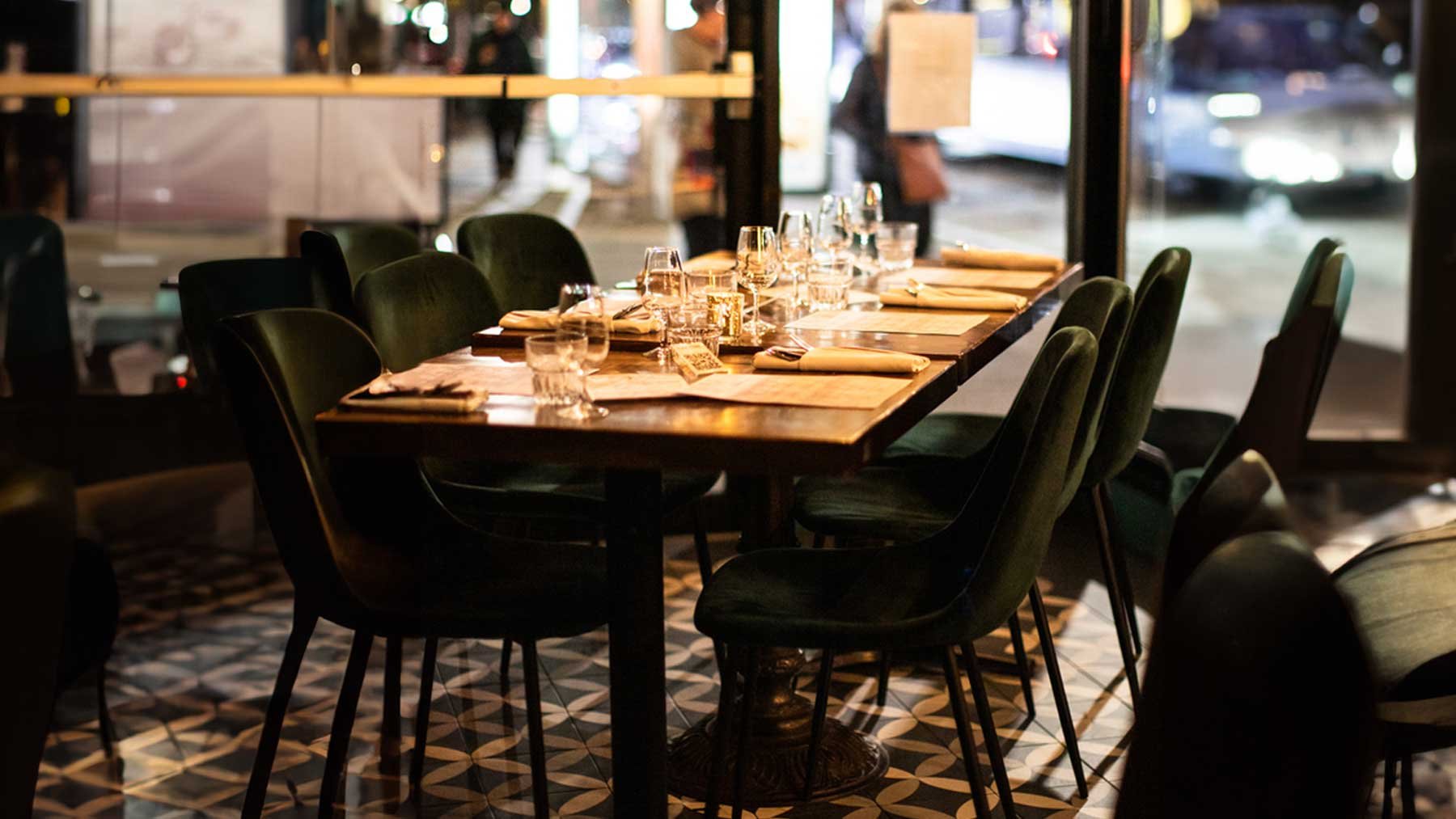
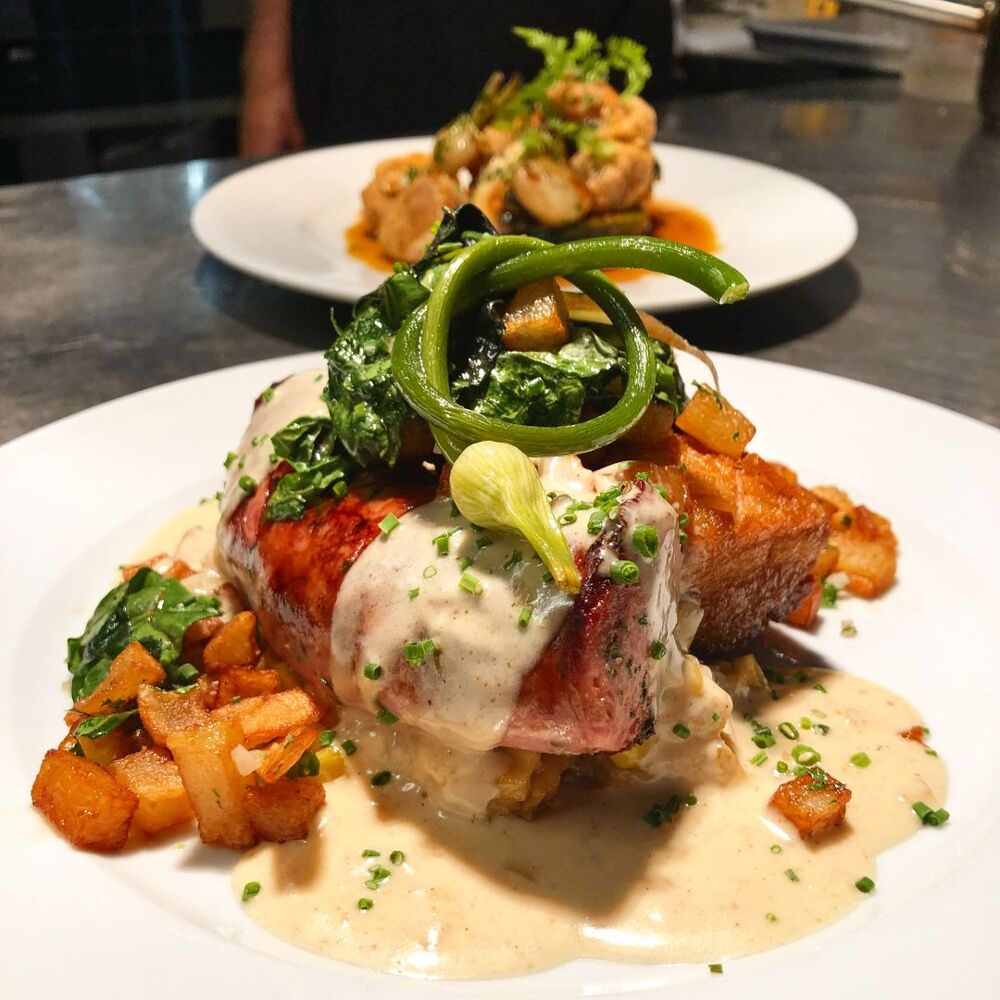
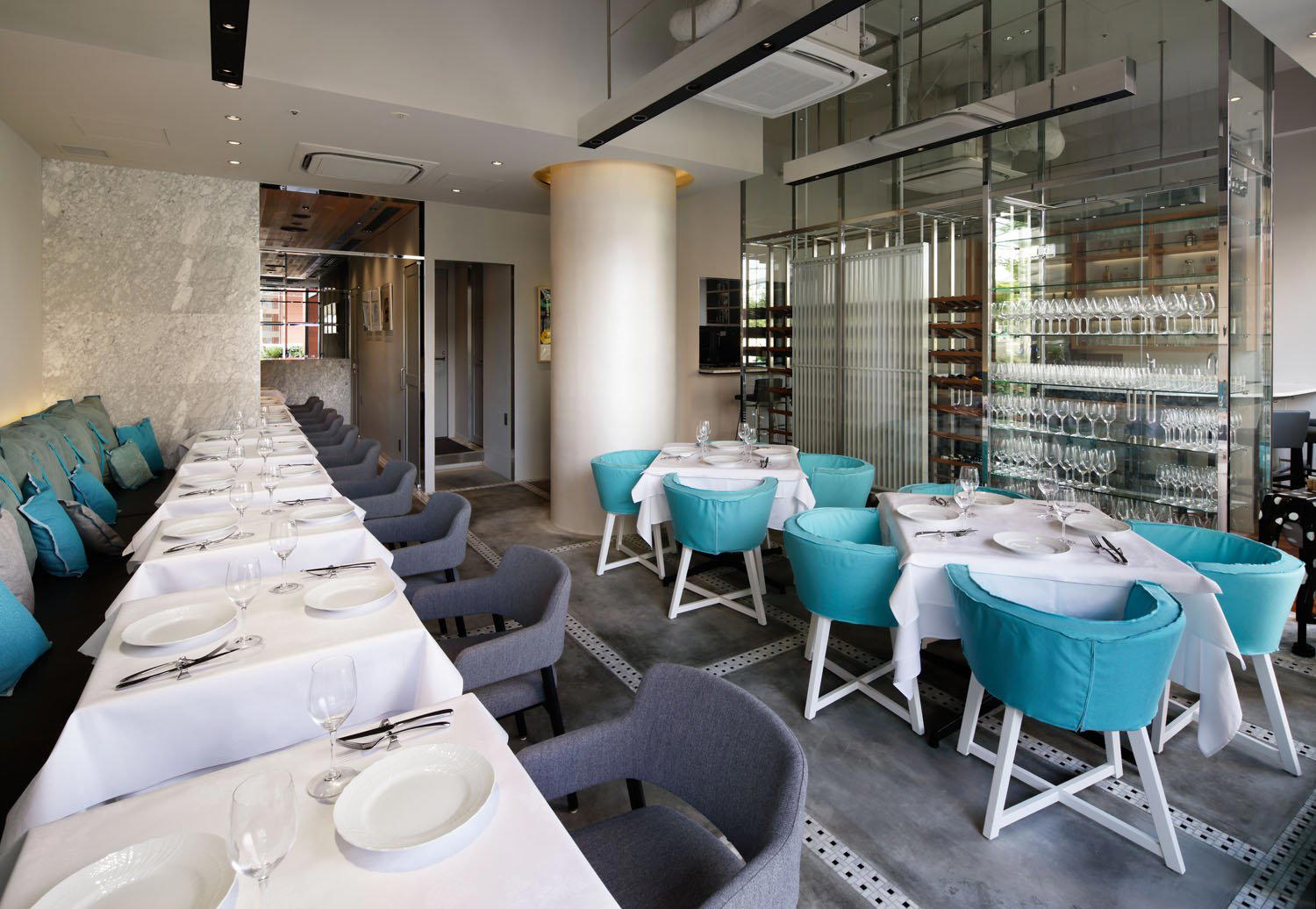
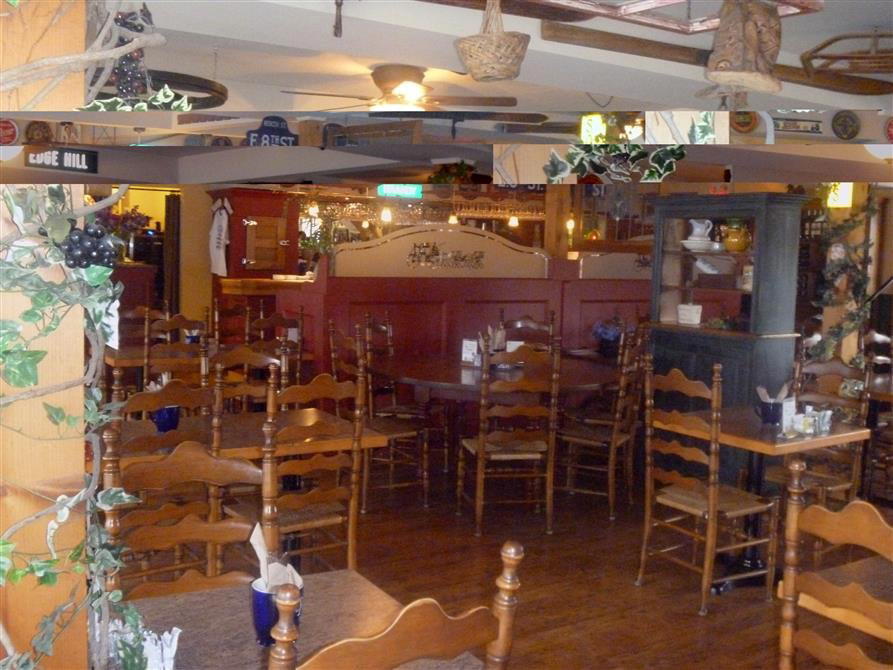
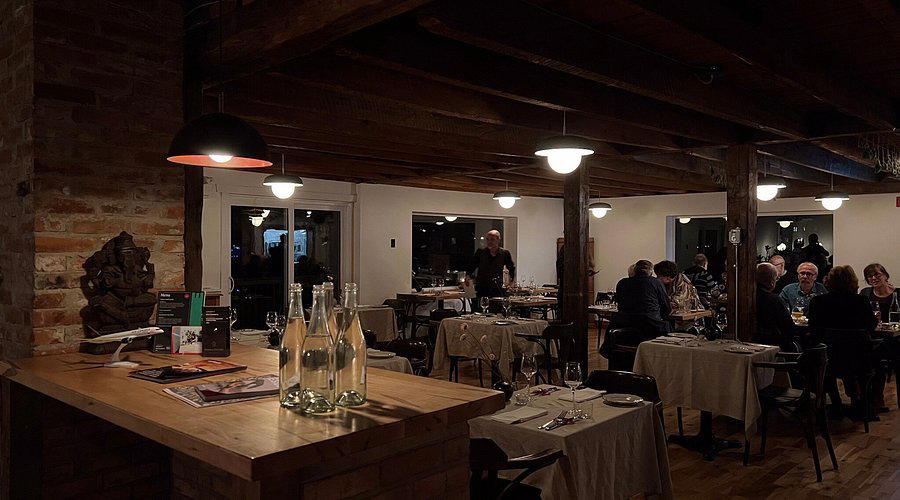
Bars in Bromont
Browse all →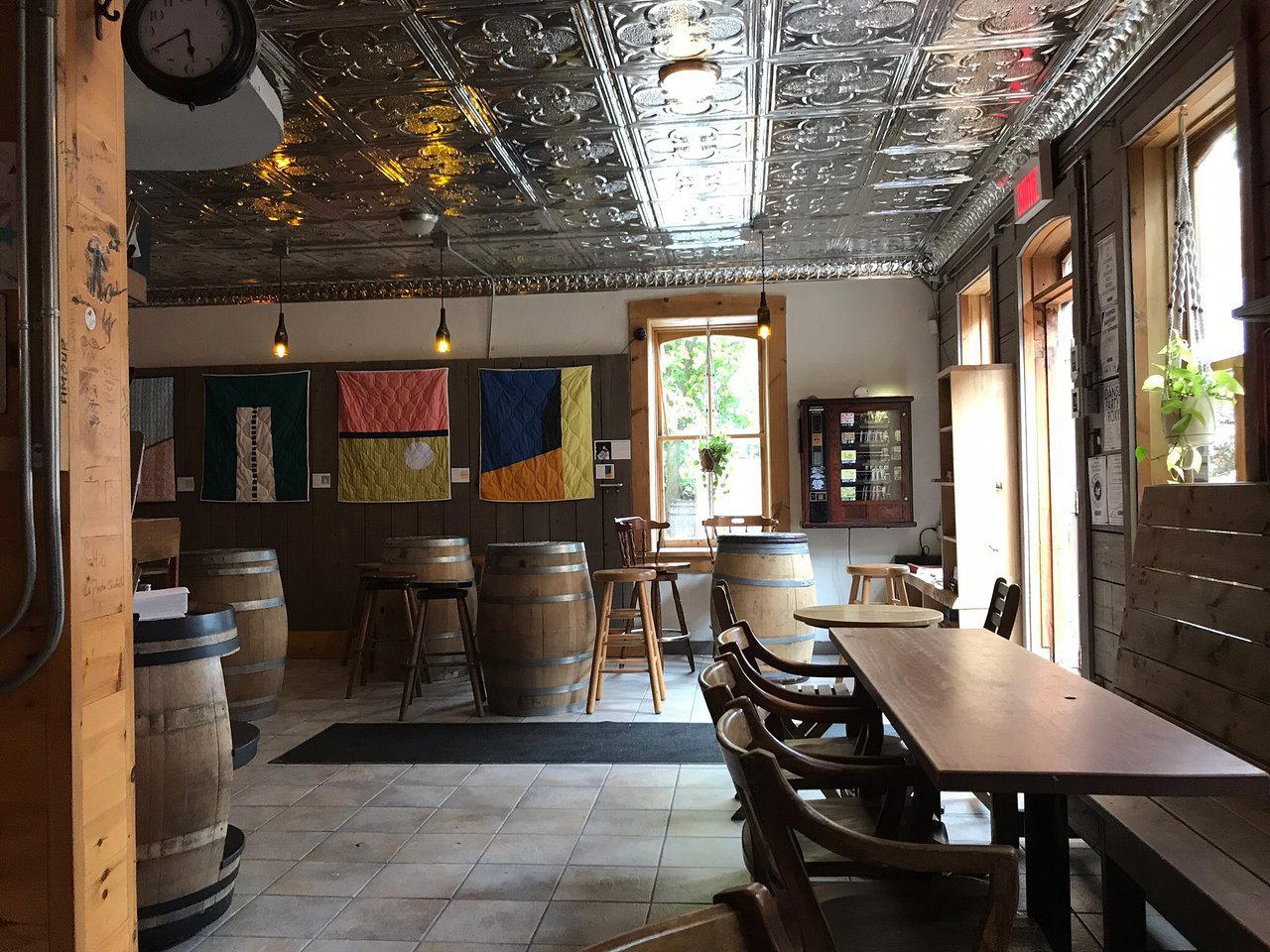
Hotels in Bromont
Browse all →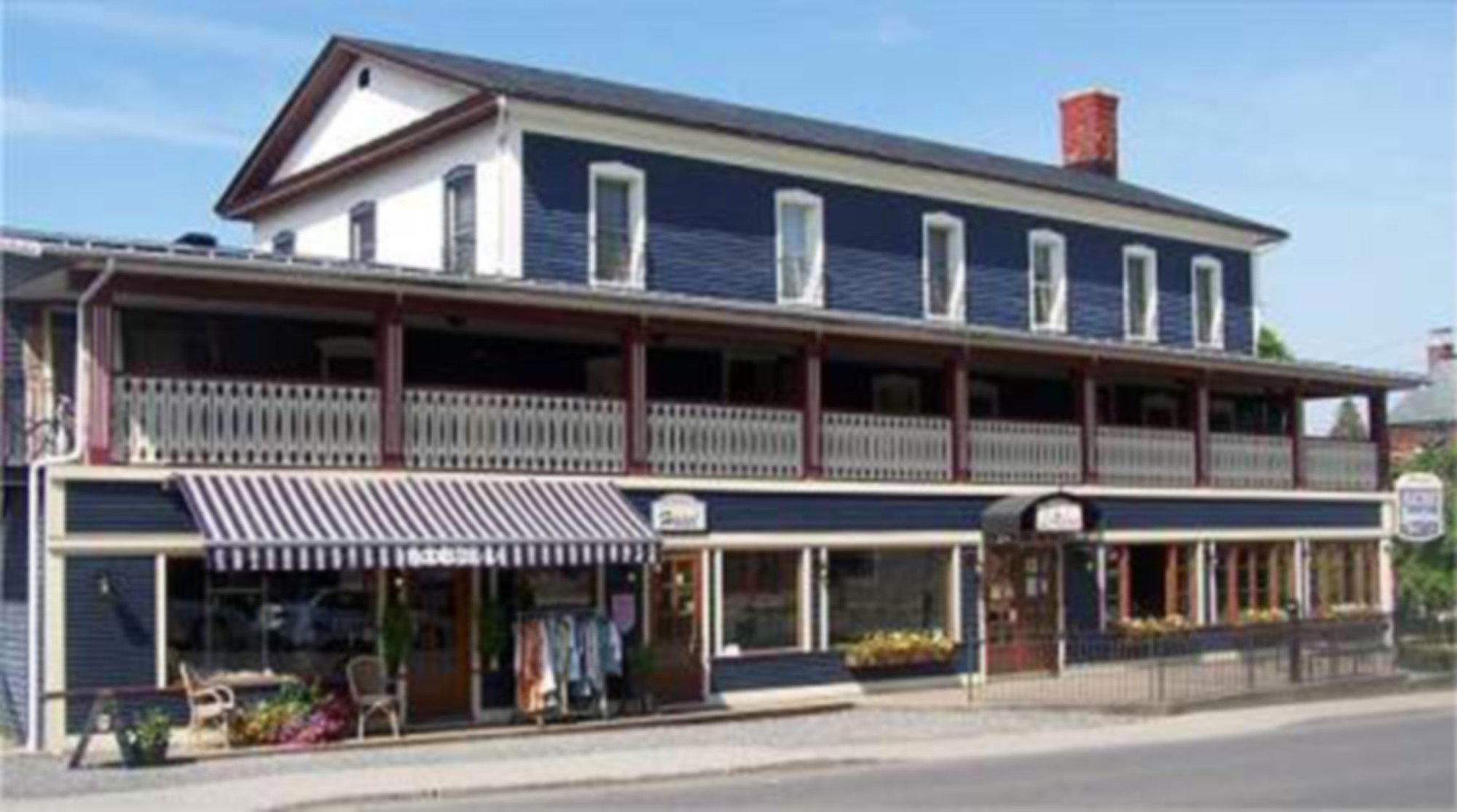
At a Glance
- Intimate
- Cozy
- Elegant
- Sophisticated
- Date Night
- Special Occasion
- Open Kitchen
- Terrace
- Natural Wine
- Local Sourcing
Charming and relaxed intimate setting in a historic building with warm hospitality, open kitchen views, and a terrace in summer.