Char Koon
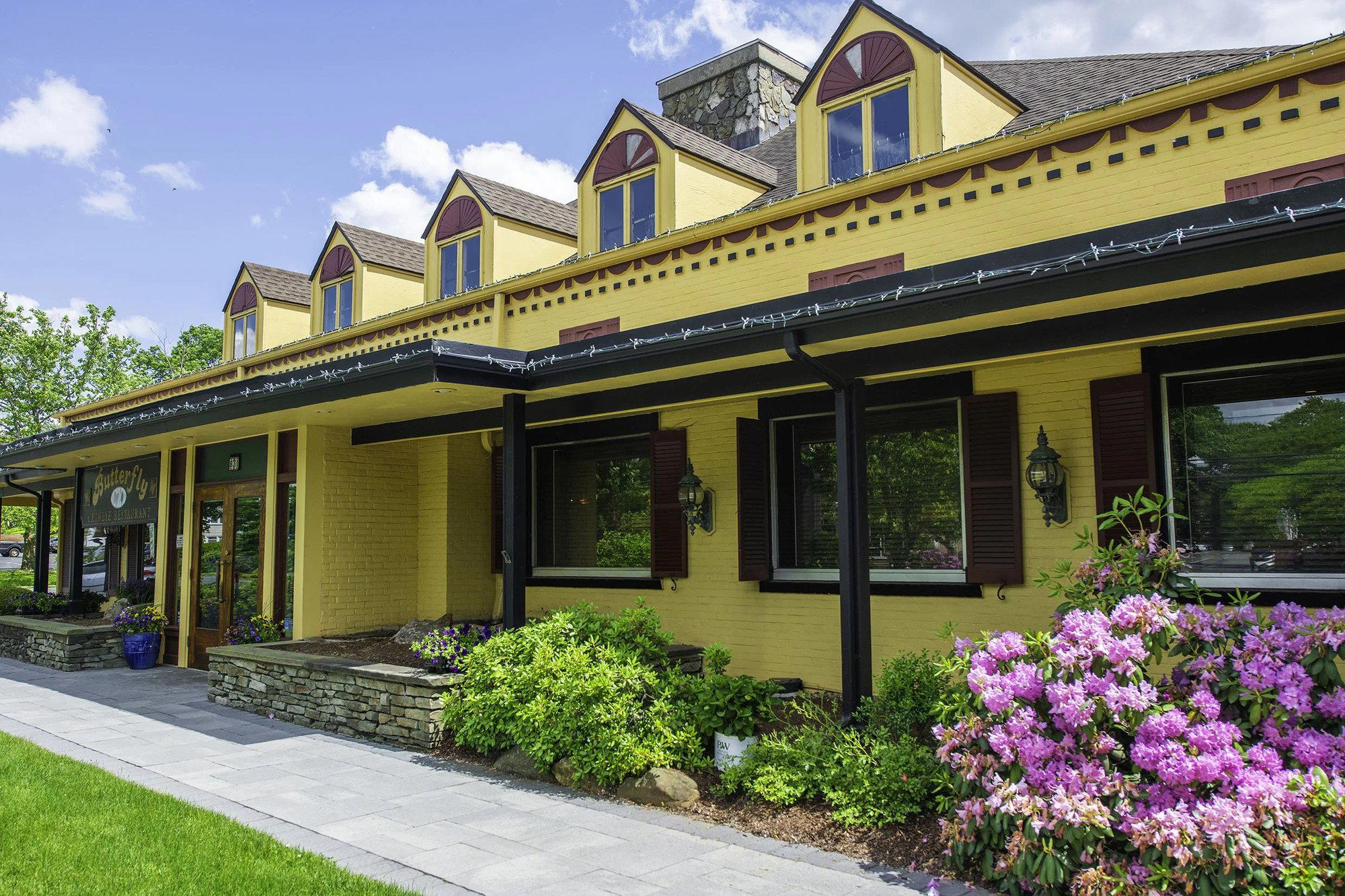
Char Koon occupies a modest Main Street address in South Glastonbury, Connecticut, operating in a town where farm-to-table sourcing is less a marketing claim than a geographic fact. The restaurant draws from one of the state's most productive agricultural corridors, positioning it within a small tier of Connecticut dining rooms where provenance shapes the menu rather than decorates it. See our full South Glastonbury guide for broader context.
- Address
- 882 Main St, South Glastonbury, CT 06073
- Phone
- +18606573656
- Website
- charkoon.com
- Directions
- Get directions
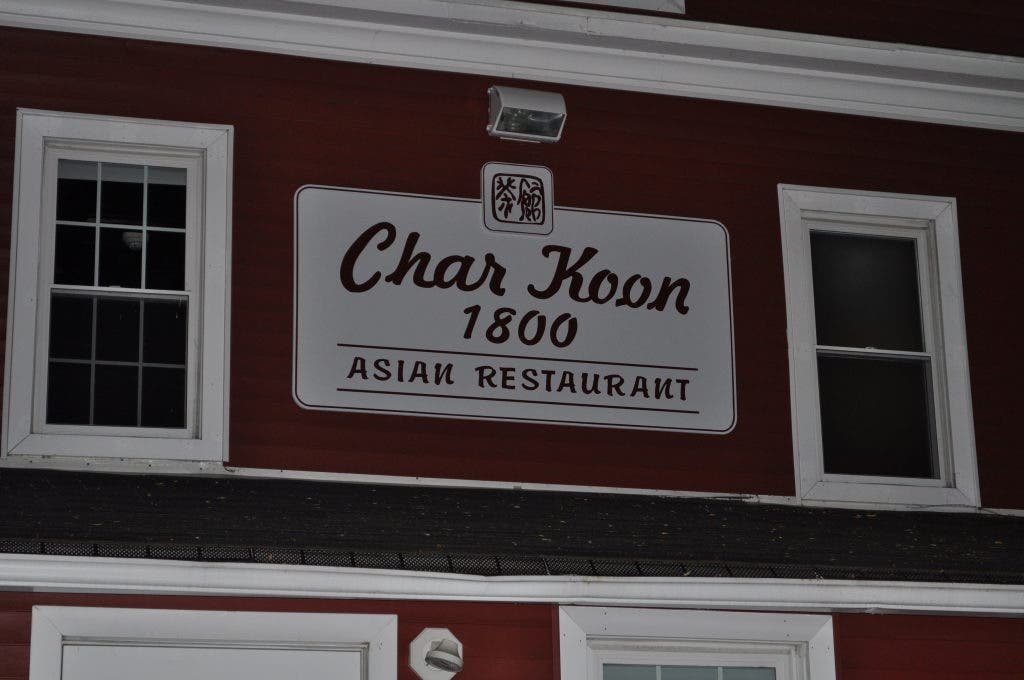
A Connecticut River Valley Address, Not a Destination Conceit
South Glastonbury sits in the Connecticut River Valley, a stretch of central Connecticut where tobacco barns, pick-your-own orchards, and truck farms share road frontage with commuter traffic heading toward Hartford. This is not the scenery of a purpose-built food destination. It is working agricultural land, and restaurants that operate here either treat that proximity as infrastructure or ignore it entirely. Char Koon, at 882 Main St, occupies the former position. The address alone tells you something: Main Street in South Glastonbury is a low-key corridor, not a dining strip, and a restaurant that chooses to open here is making a statement about its customer base and its supply chain before you read a single menu line.
Blue Hill at Stone Barns in Tarrytown, Single Thread Farm in Healdsburg, and Smyth in Chicago, all of which have made sourcing geography central to their editorial identity. Char Koon operates at a different scale and price register, but the underlying logic, that proximity to production changes what a kitchen can do, is the same.
What Sourcing Geography Means on This Particular Stretch of Road
The Connecticut River Valley has been a farming corridor since the colonial period. Today it supports a concentration of diversified small farms growing vegetables, heritage grains, and fruit alongside more commercial operations. For a restaurant on Main Street in South Glastonbury, this means the supply chain is measured in miles rather than freight days. That compression matters in ways that are easy to understate. Produce harvested within 24 hours of service retains a different texture and sugar profile than product that has traveled through regional distribution centers. Restaurants that build menus around this reality, adjusting to what is available rather than what is listed in a standard broadline catalog, operate with a different kind of discipline than those that source to a fixed menu.
Nearby, Robbs Farm LLC represents the kind of local agricultural operation that defines the South Glastonbury food context, giving area restaurants genuine farm-level relationships rather than wholesale intermediaries. This pattern of direct sourcing is what separates the River Valley dining tier from similar-sized towns elsewhere in New England that lack the same agricultural density.
Oyster Oyster in Washington, D.C. has built an entire format around hyper-local and foraged ingredients. The Wolf's Tailor in Denver integrates regional grain sourcing into its bread and fermentation program. Frasca Food and Wine in Boulder has long used its Rocky Mountain context to inform a menu that reads as regional even when the cuisine is Friulian. The common thread is that sourcing specificity creates editorial coherence: the food has a reason to be where it is.
Placing Char Koon in the Connecticut Dining Picture
Emeril's in New Orleans and ITAMAE in Miami demonstrate how regional identity, when it is grounded in specific ingredients and supply relationships, travels across cuisine types. Addison in San Diego and Providence in Los Angeles each frame sourcing as inseparable from their tasting formats. At the furthest end of the sourcing-as-cuisine spectrum, Atelier Moessmer Norbert Niederkofler in Brunico has made the Alpine supply region the entire subject of its menu. The restaurant operates in a different register from these, but the reader who understands why sourcing geography matters at those addresses will recognize the same logic at work on Main Street.
Planning a Visit
The restaurant is located at 882 Main St, South Glastonbury, CT 06073. South Glastonbury is approximately 10 miles southeast of Hartford, accessible by car along Route 2 or Route 17. The town does not have a commuter rail stop, so a visit requires driving or a car service from Hartford.
For readers building a broader itinerary, the River Valley's farming calendar peaks between late June and October, when produce variety is at its widest. A visit in that window aligns with the period when sourcing-led menus have much to work with. Restaurants in this tier, from South Glastonbury to comparable agricultural towns across New England, tend to show their strongest form during the late-summer and early-fall overlap, when stone fruit, field tomatoes, and early root vegetables appear simultaneously.
Comparable Spots, Quickly
Comparable venues nearby, for context on price, style, and recognition.
| Venue | Cuisine | Price | Notes |
|---|---|---|---|
| Char KoonThis venue — the venue you are viewing | Chinese / Pacific Rim / Malaysian Fusion | $$ | Not listed |
| Robbs Farm LLC | Homemade Farm Ice Cream | $ | South Glastonbury |
| Agave Grill | Modern Mexican | $$ | downtown |
| George's Pizza & Restaurant | Italian Pizza with Greek Influences | $$ | Unionville |
| The Vanilla Bean Cafe | American Country Cafe | $$ | Pomfret Center |
| Bloodroot | Ethnic Vegan & Vegetarian | $$ | Black Rock |
Continue exploring
More in South Glastonbury
Restaurants in South Glastonbury
Browse all →
Bars in South Glastonbury
Browse all →


At a Glance
- Casual Hangout
- Family
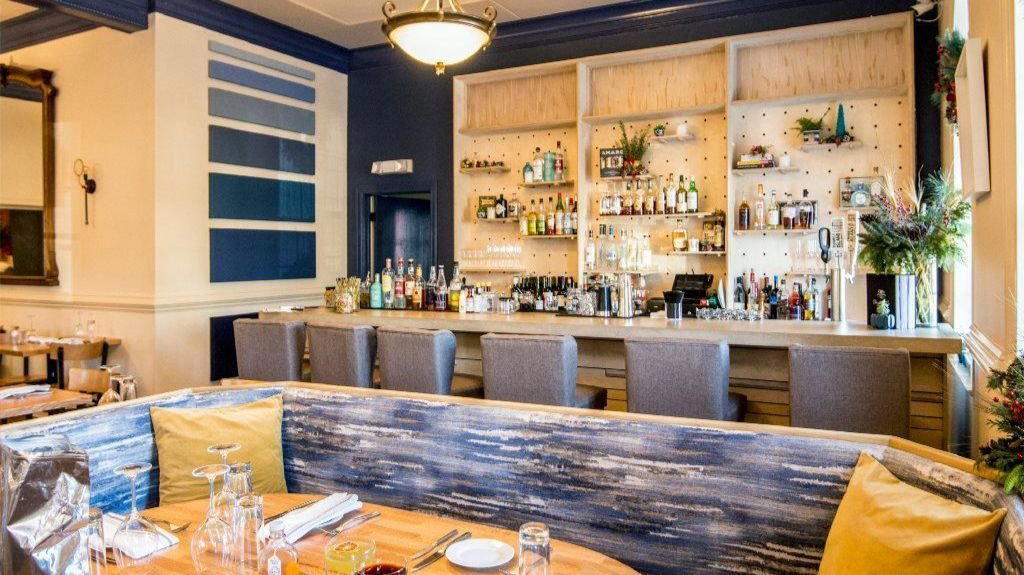
Casual neighborhood spot with standard Chinese restaurant atmosphere.