Chapter One



A Michelin Plate holder operating in the commuter-belt village of Locksbottom, Chapter One has built a loyal following over decades through consistent modern European cooking, diner-friendly pricing, and a menu that draws on prime British produce, including Cornish monkfish and Angus rib-eye from a Mibrasa charcoal grill. Ranked #164 on Opinionated About Dining's Classical Europe list for 2024, it occupies an unusual position: destination-quality technique at accessible price points, well outside central London.
Pearl is the En Primeur Club membership app — saves, bookings, and concierge access live there. Same editors, same standards.
- Address
- Farnborough Common, Locksbottom, Orpington BR6 8NF, United Kingdom
- Phone
- +44 1689 854848
- Website
- chapteronerestaurant.co.uk
- Directions
- Get directions
 Saves & bookings on Pearl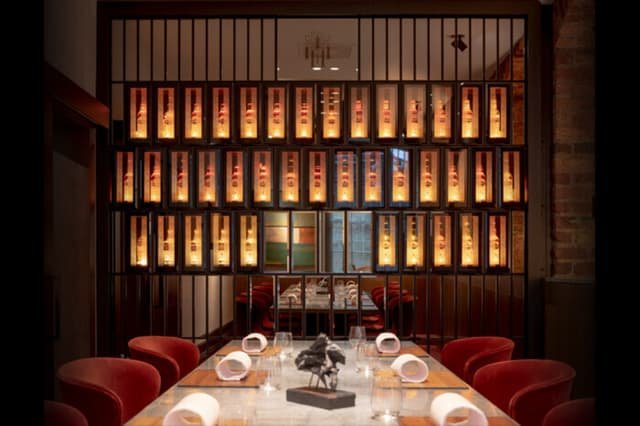
The Pull of the Return Visit
There is a particular kind of restaurant that earns its reputation not through a single dazzling meal but through the accumulated weight of every visit that follows the first. A correspondent documented returning after a 20-year absence and finding the experience as coherent as the original. That sort of continuity is not accidental. It is the result of structural consistency: a menu architecture that respects classical European cooking without calcifying it, a service posture built around genuine attentiveness rather than performance, and a price point that keeps the room full of people who come back regularly rather than once for a special occasion.
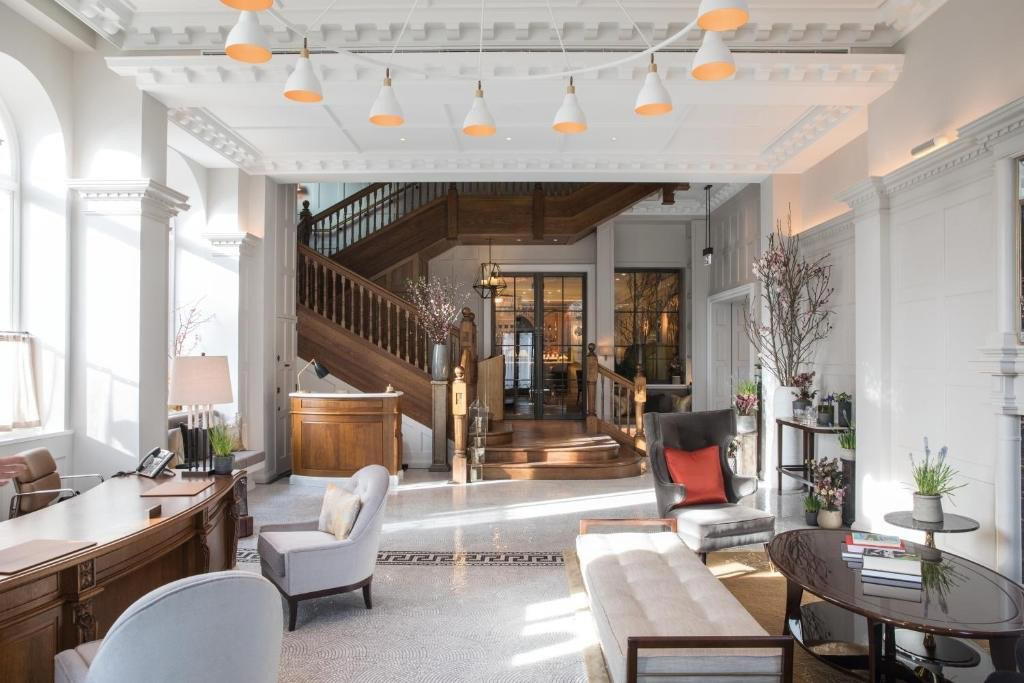
The building itself sets expectations accurately. A mock-Tudor façade on the A21 does not promise the stripped-back minimalism of a central London fine-diner, and Chapter One does not deliver that. What you find inside is a spacious, timeless interior with period references drawn from the property's 1930s origins, a room that reads as settled and serious without being stiff. For regulars, that familiarity is part of the contract.
Where Chapter One Sits in the London Scene
London's modern European fine dining tier has, at its upper end, clustered firmly inside zones 1 and 2: The Ledbury, CORE by Clare Smyth, Cycene, Lorne, and Medlar all occupy that geography, with pricing to match the postcode. Chapter One operates at £££ against a peer group that largely prices at ££££, and it does so from a BR6 postcode. That gap matters. At the ££££ end of London modern European, a single tasting menu can consume the better part of an evening's budget. The restaurant's pricing structure, particularly its menu du jour, positions the kitchen's output within reach of repeat visits, which is precisely what builds a regulars' culture rather than a celebration-only crowd.
For context within Britain's broader destination-dining circuit, the country houses and rural flagships, Le Manoir aux Quat' Saisons, Gidleigh Park, L'Enclume, Moor Hall, The Fat Duck, Hand and Flowers, require significant travel and often overnight stays. The restaurant is reachable from central London in under an hour and does not require a hotel night. It serves a different purpose in the ecosystem: serious, technically credible cooking that a South London or Kent-based diner can visit on a Thursday evening without planning a trip.
Within the modern European category on a European scale, the restaurant ranked #164 on Opinionated About Dining's Classical Europe list in 2024, having placed #99 in 2023. That movement across two years is worth reading carefully: the restaurant held its highly recommended status but fell in ranked position as the broader list expanded and competition around it intensified. It remains a place that serious observers of the European dining scene have consistently flagged, which is a different signal than general popularity alone. Comparable European modern European programs, Rutz in Berlin and AIRA in Stockholm, operate in the same classical-European tradition that the OAD list tracks.
What the Menu Tells Regulars
The cooking at the restaurant draws its authority from two sources: prime British produce and classical European technique applied without excess flourish. The Mibrasa charcoal grill is a recurring anchor, Cornish monkfish and Angus rib-eye are documented grill features, both requiring sourcing discipline and confident execution at high heat. Grilling at this level of product quality is a commitment: the kitchen cannot hide behind saucing when the protein is the point.
Beyond the grill, the menu spans a wider classical European range. Jugged hare with horseradish espuma and puffed rice sits alongside roast chicken with Anna potato and creamed chestnut mushroom. Fish work includes grilled mackerel on toasted sourdough with tzatziki and pan-fried sea bream with crushed new potatoes, samphire, and warm tartare sauce. A venison pithivier served atop potato purée with venison jus has drawn particular editorial attention, a preparation that requires pastry precision, clean sourcing, and sauce depth simultaneously. Desserts track classical references: Black Forest gâteau with cherry sorbet, iced Armagnac parfait with macerated prunes, caramelised apple mousse with apple sorbet.
This is not a menu chasing trends. It is a menu that has earned the loyalty of a regular clientele precisely because it does not surprise them in ways that erode trust. Regulars know that the menu du jour will be seasonally inclined and well-crafted without being experimental. That predictability, in the non-pejorative sense, is itself a competitive position. At the ££££ end of London fine dining, restaurants are more likely to rotate tasting menus frequently and ask diners to follow wherever the kitchen goes. The restaurant's format invites familiarity.
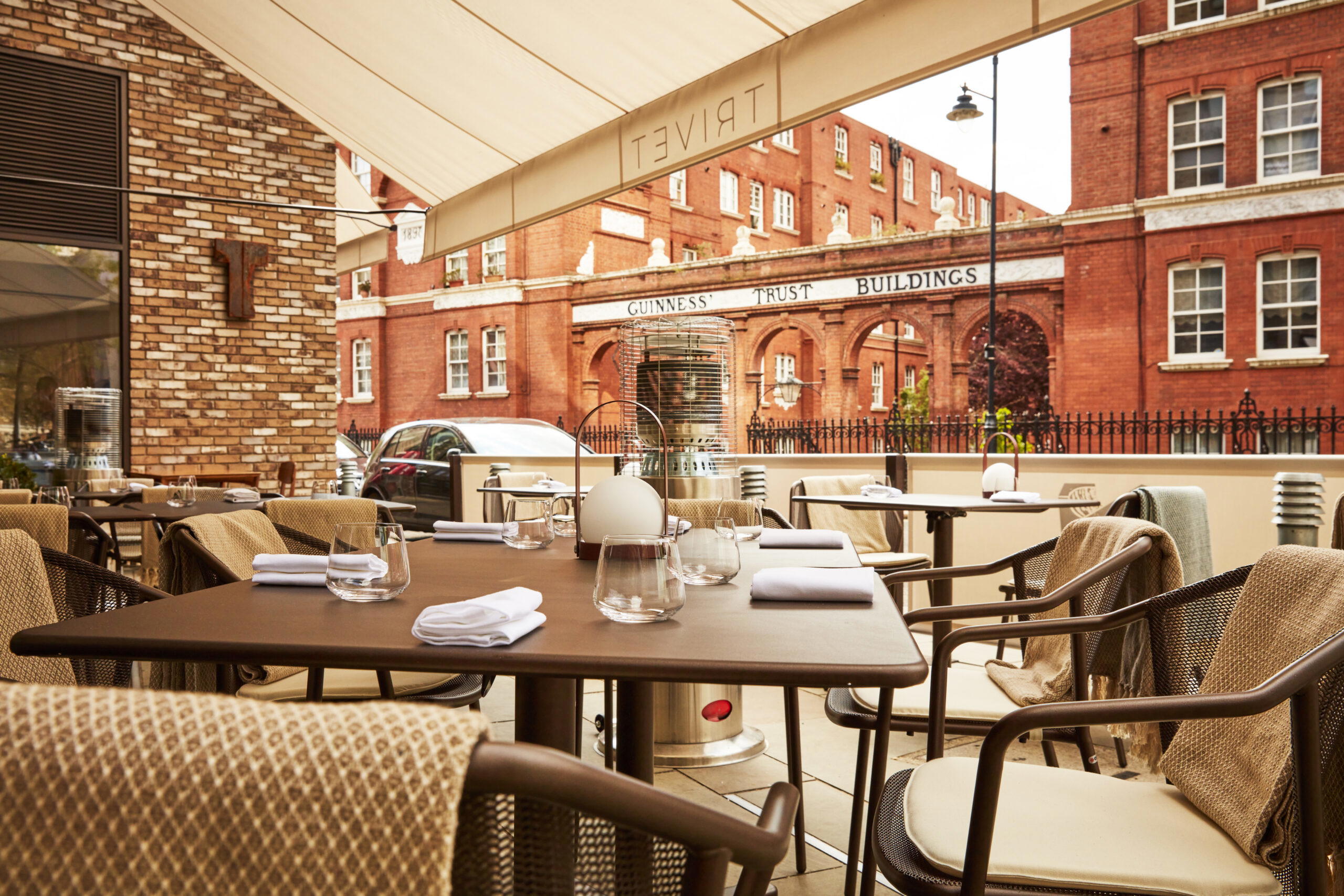
The Brasserie format running alongside the main restaurant adds another layer of accessibility: pasta, pies, and prime cuts from the Mibrasa oven at a further remove from fine-dining formality. The Bar and Terrace area, with its cocktail offer, gives the space a third operating register. A restaurant that runs three simultaneous formats, formal dining room, casual brasserie, cocktail bar, is making a structural argument about who its regulars are. Not every visit is a tasting menu occasion. Some are Wednesday pasta evenings. The loyalty that produces 20-year return visits is built across all three formats, not only the kitchen's most serious output.
The wine list extends the same logic of accessibility with depth: Kentish bottles alongside Old World classics and a considered glass selection. Kent's wine production has grown in credibility over the past decade, and a list that includes local bottles alongside established European producers reflects both regional pride and commercial shrewdness, the kind of list a regular learns rather than starts from scratch on each visit.
Planning a Visit
.. London bars, London wineries, and London experiences are covered in their respective guides.
Pricing, Compared
Comparable venues nearby, for context on price, style, and recognition.
| Venue | Cuisine | Price | Awards |
|---|---|---|---|
| Chapter OneThis venue — the venue you are viewing | Farnborough, Modern European Fine Dining | $$$ | Michelin Plate |
| Café Deco | Fitzrovia, Seasonal European Bistro | $$$ | Michelin Plate |
| Donia | Soho, Modern Filipino | $$$ | Bib Gourmand |
| Roe | Blackwall, Modern British Small Plates | $$$ | Michelin Plate |
| Noble Rot Soho | Soho, Modern European Bistro | $$$ | Not listed |
| Trullo | Canonbury, Seasonal Italian Trattoria | $$$ | Michelin Plate |
Recognition history
Dated appearances from independent guides and award organizations, with the underlying list record or original source where available.
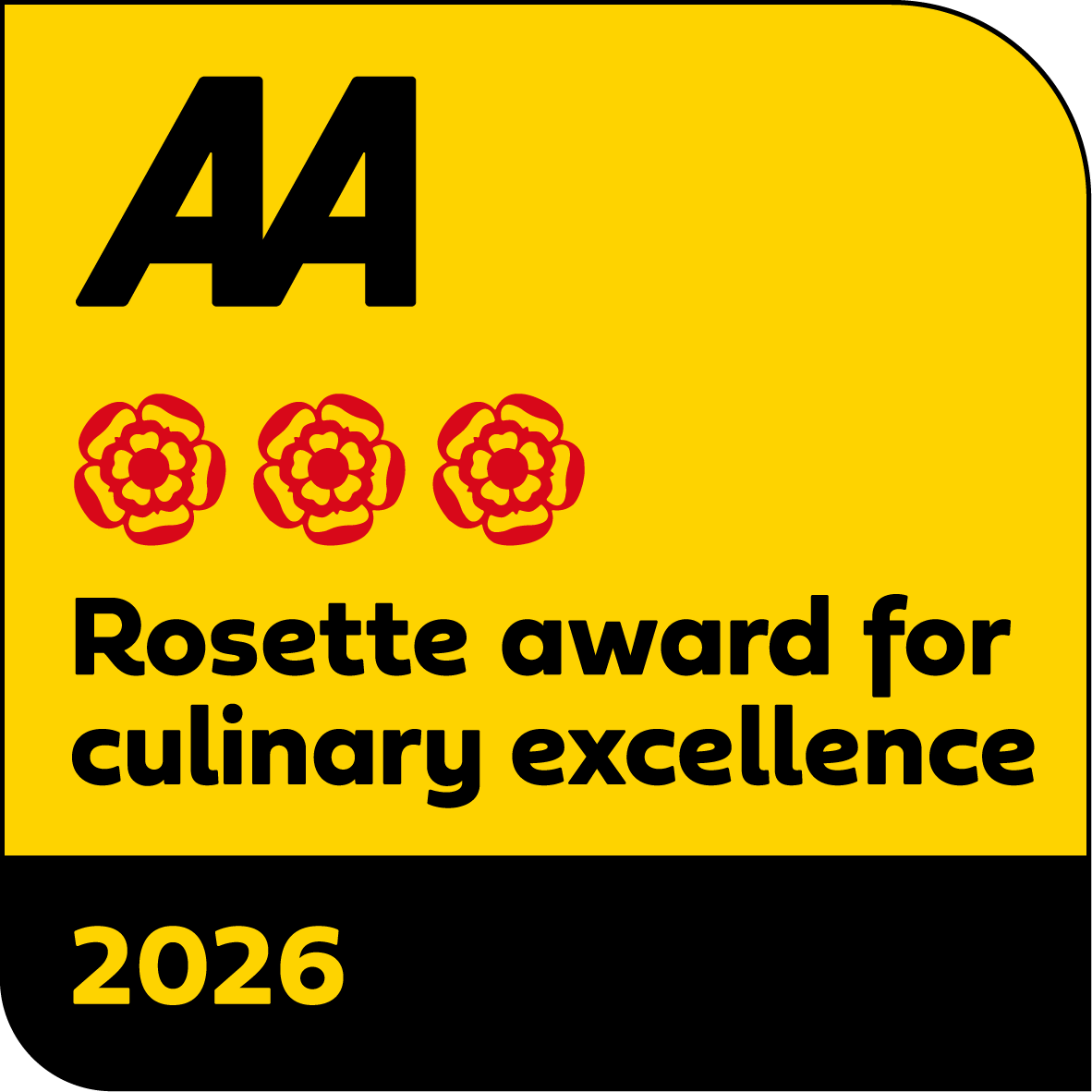
AA Rosettes 3 Rosettes
AA Rosettes
Michelin Plate
Michelin
Michelin Plate
Michelin
The Good Food Guide GFG Very Good
The Good Food Guide
Michelin Plate
Michelin
Opinionated About Dining Classical in Europe Ranked #164
Opinionated About Dining
Opinionated About Dining Classical in Europe Highly Recommended
Opinionated About Dining
Opinionated About Dining Classical in Europe Ranked #99
Opinionated About Dining
Continue exploring
More in London
Restaurants in London
Browse all →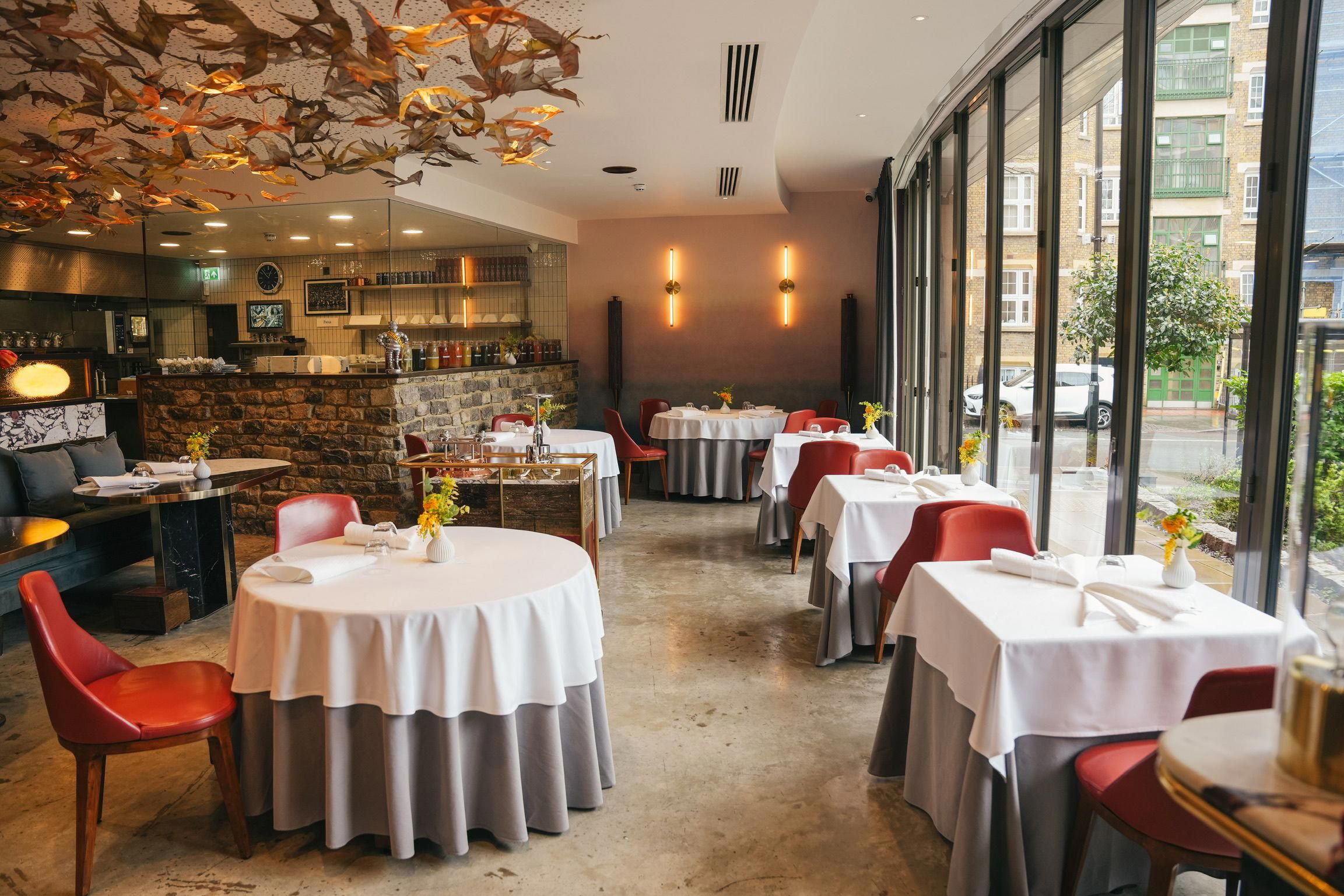
Bars in London
Browse all →
Hotels in London
Browse all →


At a Glance
- Elegant
- Sophisticated
- Modern
- Classic
- Special Occasion
- Business Dinner
- Private Event
- Private Dining
- Extensive Wine List
- Local Sourcing
Current opening hours
- Monday
- Closed
- Tuesday
- Closed
- Wednesday
- 12–2 PM, 6:30–9 PM
- Thursday
- 12–2 PM, 6:30–9 PM
- Friday
- 12–2:30 PM, 6:30–9:30 PM
- Saturday
- 12–2:30 PM, 6:30–9:30 PM
- Sunday
- 12–3 PM
Hours can change for holidays and private events. Last verified .
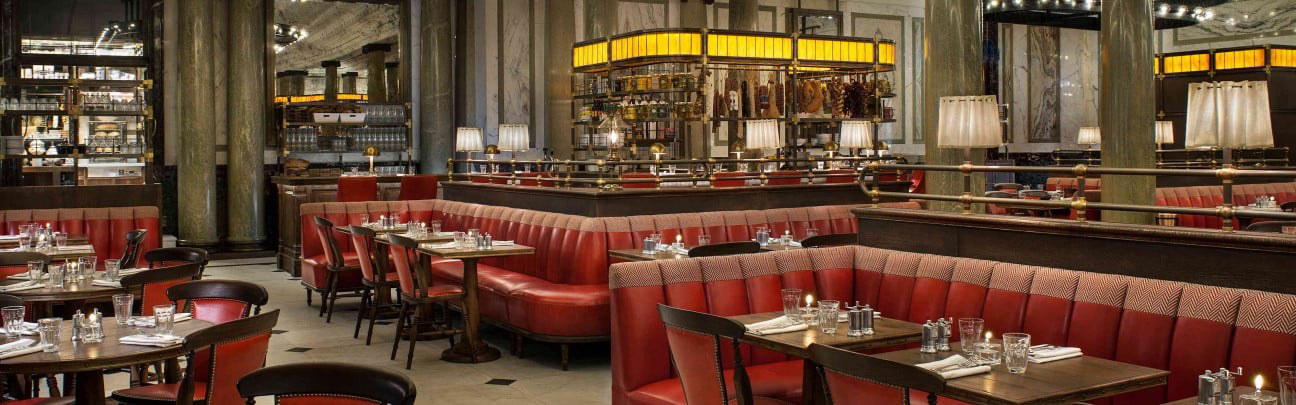
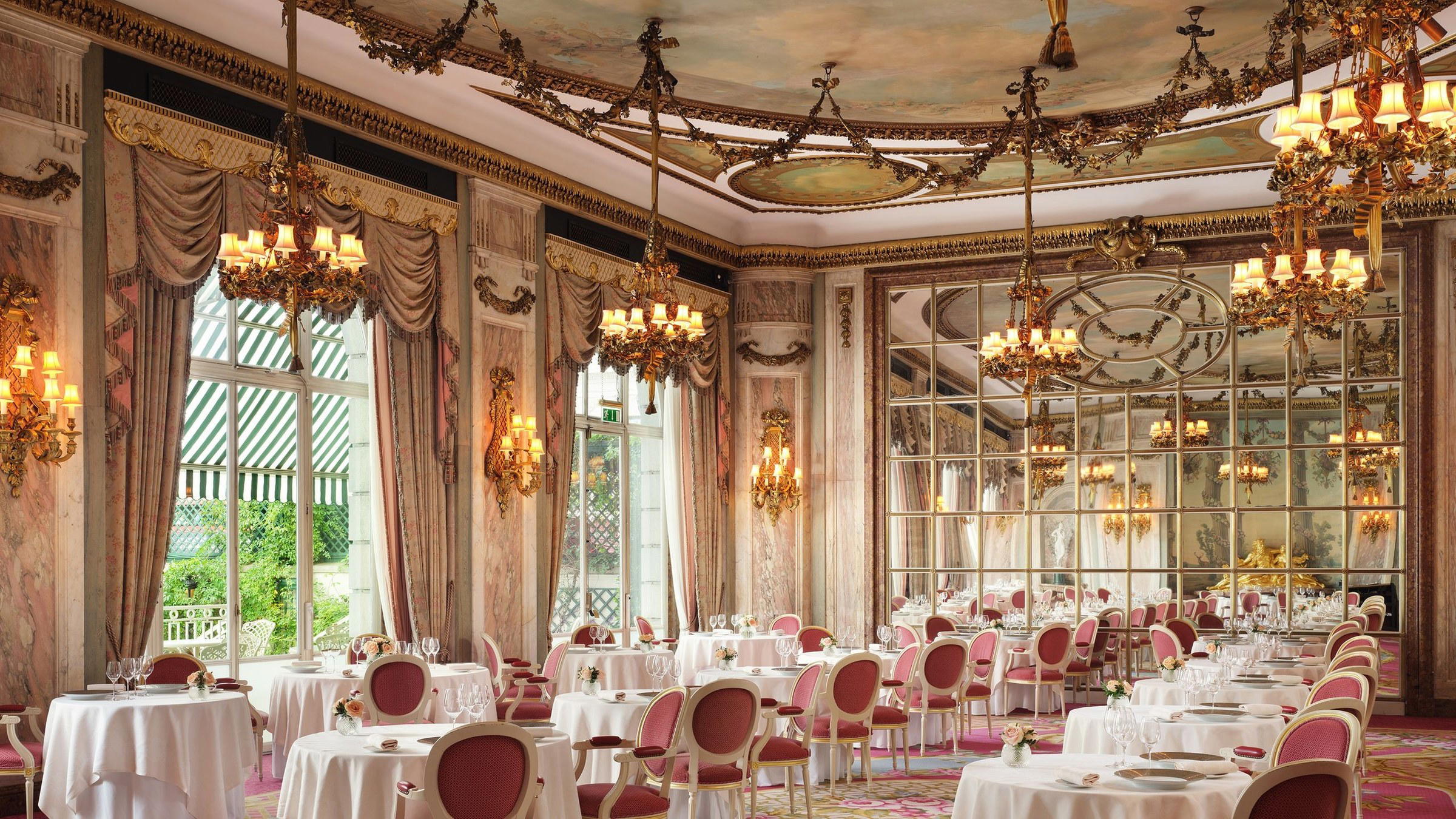
Pleasingly elegant and timeless decor in a bright, modern, spacious dining room with sophisticated trappings.