Cathay Pacific First Dining Room
Our verdict
The Cathay Pacific First Class Lounge Dining Room at Heathrow Terminal 3 operates in a category distinct from most airport food. Reserved for First Class ticket holders and eligible Marco Polo Club members, it offers a sit-down dining service that positions itself closer to business-district restaurant standards than conventional lounge catering. For travellers departing from LHR, it represents a measured use of pre-flight time.

Pearl is the En Primeur Club membership app, where members save venues, book tables and use the concierge.
The menu
What to order
- Full Tin of Caviar
Terminal 3 Before Departure: What the Cathay Pacific First Dining Room Actually Represents
Airport dining has long existed on a spectrum running from grab-and-go concessions to the handful of landside restaurants serious enough to attract non-travelling guests. Within that spectrum, airline lounge dining rooms occupy a specific and contested position: they operate like restaurants in terms of table service and menu structure, but their audience is captive, their access restricted, and their success measured partly by how well they dissolve the friction of international travel rather than by covers or critical acclaim. The Cathay Pacific First Dining Room at Heathrow Terminal 3 fits that category, a sit-down dining service reserved for First Class passengers and qualifying frequent flyers, designed to make the pre-departure window feel less like transit and more like intention.
Heathrow Terminal 3 handles a significant volume of long-haul departures, and Cathay Pacific's London operation has historically been one of its anchor carriers on routes to Hong Kong and onward connections across Asia. The dining room attached to the First Class lounge sits within that operational context: it is not a restaurant that happens to be in an airport, but a hospitality format shaped entirely by the airline's service tier and the expectations of its highest-paying passengers.
What the Dining Room Signals About Premium Lounge Catering
Across the major Gulf, East Asian, and European carriers, the premium lounge dining room has become a competitive battleground. Singapore Airlines' The Private Room, Emirates' First Class Lounge dining at Concourse A, and Cathay Pacific's own Hong Kong flagship facility at Chek Lap Kok have each pushed the format toward à la carte service, locally sourced ingredients, and restaurant-adjacent plating. London's Terminal 3 iteration inherits that broader ambition, though the constraints of airside logistics, ingredient delivery schedules, kitchen infrastructure within a terminal, the absence of the same supply relationships available at a home-port facility, inevitably shape what is achievable compared to the Hong Kong base.
Ingredient sourcing in this context is worth examining carefully. At Cathay's Hong Kong First Class Lounge, the kitchen has direct access to the airline's established provisioning network, which draws on Cantonese culinary traditions and supplier relationships built over decades. At a hub like Heathrow, the sourcing shifts toward what the UK supply chain can provide within airside constraints. The British larder, seasonal produce, quality proteins, an established fine-dining provisioning infrastructure that services restaurants like CORE by Clare Smyth in London, Le Manoir aux Quat' Saisons in Great Milton, and destination kitchens from L'Enclume in Cartmel to Moor Hall in Aughton, is available, but the airside kitchen must work within procurement and safety timelines that ground-level restaurants do not face. The result is a menu that tends toward reliability over ambition, with quality tied closely to the airline's catering partnerships rather than to any single culinary programme.
This is not a criticism of the format so much as a structural reality. The same tension applies to dining rooms at comparable facilities across Heathrow, and the carriers that have navigated it most successfully are those that have accepted the constraints and built menus accordingly, rather than those that have attempted to replicate destination-restaurant complexity in an environment that cannot sustain it.
Access, Context, and Who This Is Actually For
The Cathay Pacific First Dining Room is access-controlled: First Class ticket holders on Cathay Pacific or Cathay Dragon flights, and eligible Marco Polo Club Diamond members, are the primary qualifying categories. This places it in a different frame from the broader Heathrow dining market, where options range from the chain-restaurant density of the central terminals to the handful of independent operators that have made their way airside. For a comparative sense of what the wider Hillingdon and Heathrow area offers beyond the terminal, our full Hillingdon restaurants guide covers the surrounding options, including Giraffe and other accessible choices for those without lounge access.
Timing matters in this format. The dining room is designed to absorb the pre-departure window, which for long-haul departures from Terminal 3 can run to two or three hours depending on check-in timing and security. Using that window for a sit-down meal rather than a lounge snack changes the texture of the departure experience considerably, and the room's primary function is to make that choice available to the qualifying passenger base.
The Broader Comparison: Lounge Dining vs. Destination Dining
It is worth being direct about what airport lounge dining rooms are not. They do not compete with the restaurants that define British fine dining at its current standard. The destination kitchens that sit at the top of that tier, Waterside Inn in Bray, Restaurant Andrew Fairlie in Auchterarder, Ynyshir Hall in Machynlleth, Gidleigh Park in Chagford, or Restaurant Sat Bains in Nottingham, operate within frameworks of creative ambition, tasting formats, and sourcing relationships that a terminal dining room cannot replicate. Neither do internationally recognised rooms like Le Bernardin in New York City or Lazy Bear in San Francisco share the same operational parameters.
The relevant comparison set for the Cathay First Dining Room is other long-haul premium airline dining rooms at major European hubs. Against that peer group, Cathay Pacific's product has generally tracked well, with the Hong Kong-based operation consistently cited in aviation media as among the stronger global lounge dining programmes. The Terminal 3 expression is a satellite of that programme, shaped by the constraints of operating away from the airline's home base.
For travellers departing on Cathay Pacific First Class from Heathrow, the dining room is the appropriate use of pre-flight time. For those interested in what British fine dining looks like at its most ambitious, the addresses to note are scattered across the country, from Midsummer House in Cambridge and Opheem in Birmingham to hide and fox in Saltwood, Hand and Flowers in Marlow, and The Glenturret Lalique in Crieff. Those are the rooms worth planning a trip around. The Cathay dining room is worth using if you are already departing.
Planning Your Visit
Access to the Cathay Pacific First Dining Room at Heathrow Terminal 3 is through the First Class lounge, with entry determined by ticket class and frequent flyer status rather than a separate booking. Terminal 3 handles Cathay Pacific's London departures, and the lounge is airside, meaning guests must clear security before access. No public booking method, published hours independent of flight schedules, or listed dress code applies in the conventional sense; the dining room operates within lounge hours tied to Cathay Pacific's daily departure schedule from LHR. Travellers should confirm eligibility and current lounge access conditions directly with Cathay Pacific before travel, as access policies and lounge configurations at major hubs can change with operational requirements.
Frequently asked questions
Is Cathay Pacific First Dining Room good for families?
The dining room is oriented toward First Class ticket holders and eligible Marco Polo Club frequent flyers departing from Heathrow Terminal 3, so access itself is the primary filter. The format, sit-down table service in a quiet setting, suits adults travelling on business or leisure rather than families with young children. Entry is determined by ticket class and frequent flyer status, not by group composition.
What's the overall feel of Cathay Pacific First Dining Room?
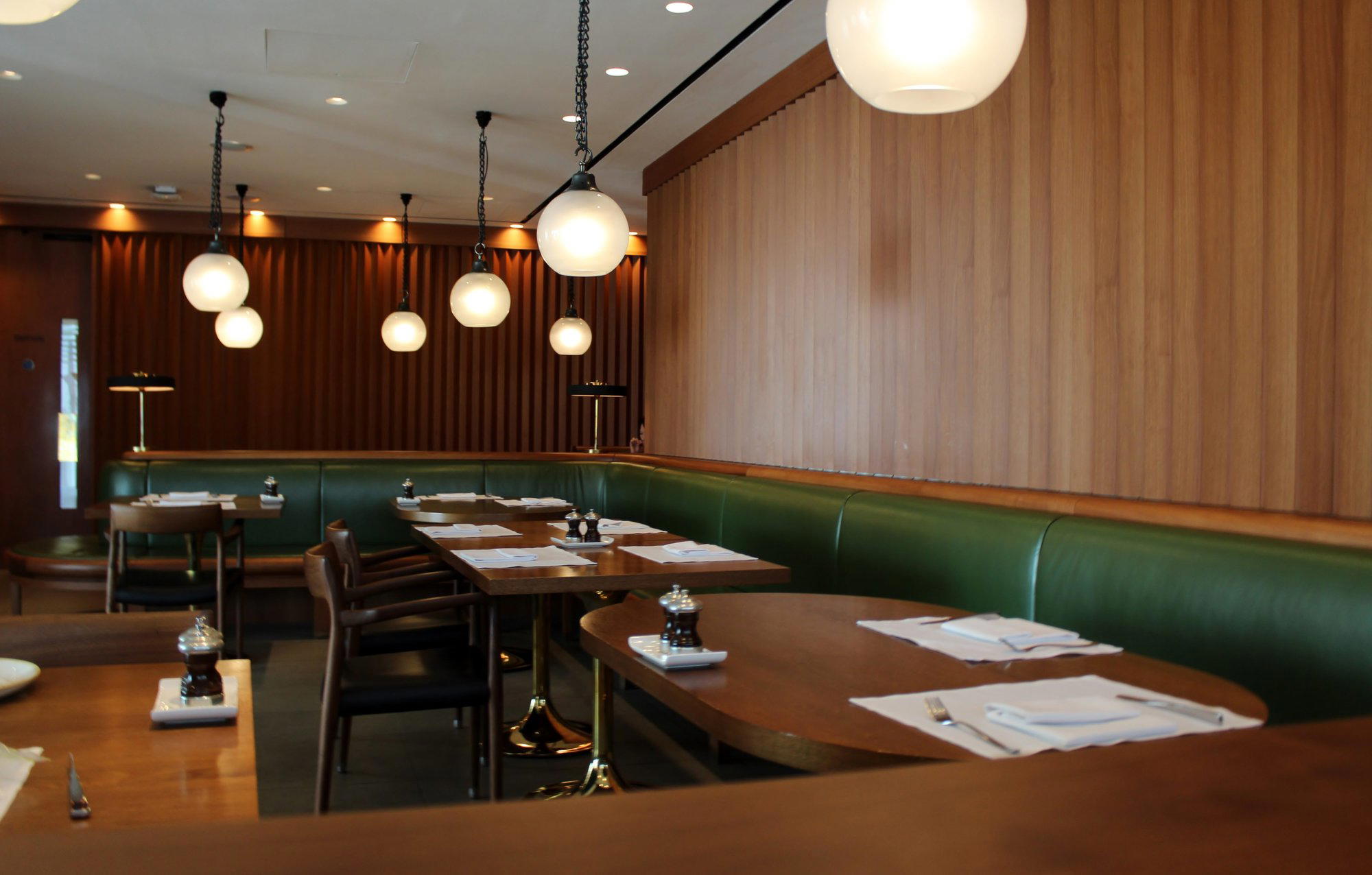
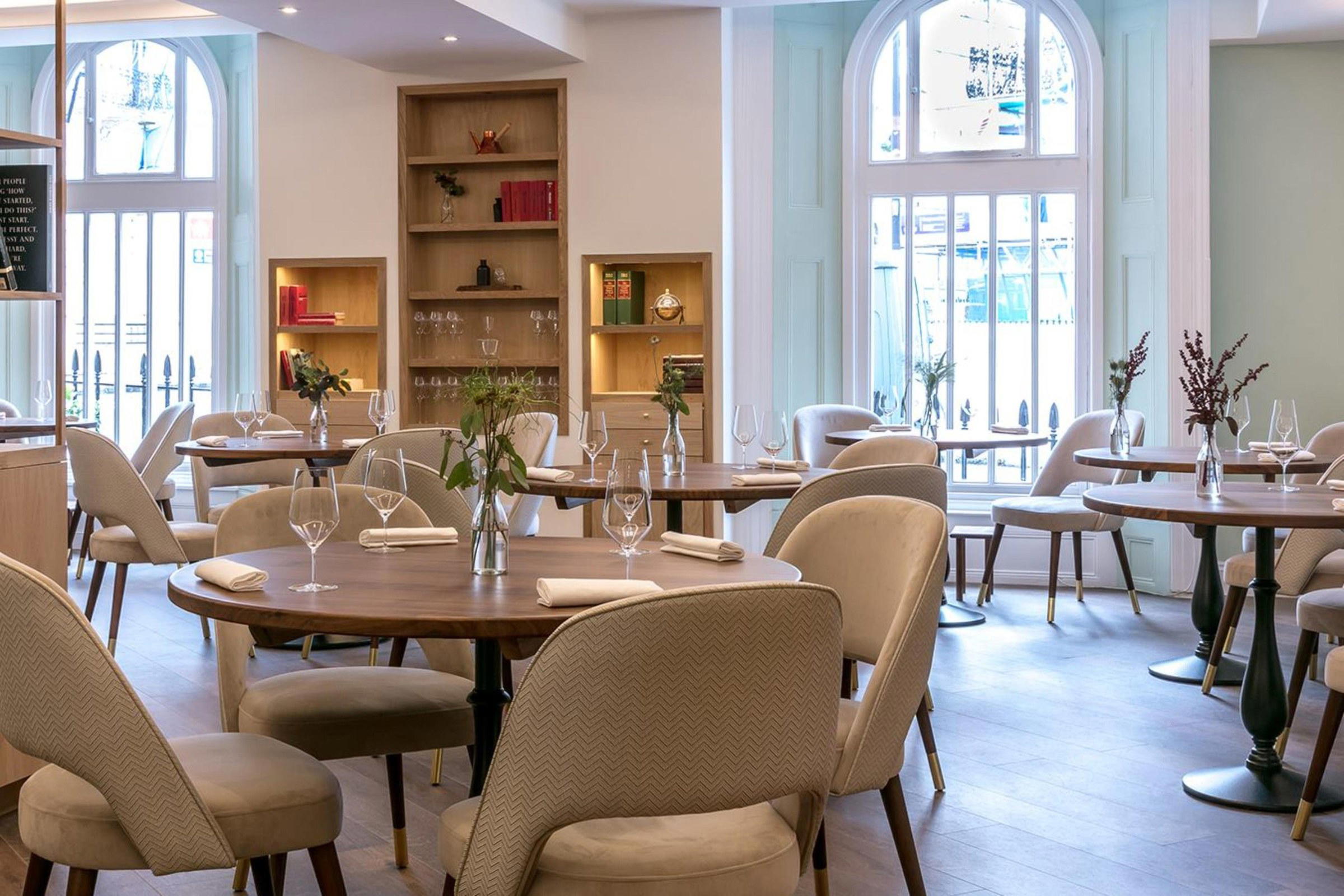
The room operates closer to a quiet business-district dining room than an airport concession, with sit-down table service rather than a buffet-and-grab format. Located airside in Heathrow Terminal 3, it functions as a holding environment for pre-departure passengers who want a structured meal rather than a lounge snack. The pace is deliberate and the setting calm relative to the terminal itself.
How does the Cathay Pacific First Dining Room at Heathrow compare to dining at the airline's Hong Kong base?
Cathay Pacific's lounge dining programme is anchored at Hong Kong International Airport, where the airline operates its flagship facilities on home turf with correspondingly greater resource and menu depth. The Heathrow Terminal 3 dining room serves the airline's European hub and functions within that context, a meaningful step above standard airport catering for eligible passengers, but positioned differently from the HKIA operation. Travellers connecting through Hong Kong will encounter a more extensive programme at The Pier First Class Lounge.
What should I eat at Cathay Pacific First Dining Room?
Specific menu details are not publicly disclosed and the offering changes in line with Cathay Pacific's catering partnerships and seasonal rotation. As a general principle, Cathay Pacific's premium lounge dining programmes are structured around à la carte service rather than fixed-course menus, which means the choice available at any given time depends on the current catering cycle. Arriving at the lounge with time to spare is the practical way to assess what is on offer before your flight.
Fast Comparison
| Venue | Cuisine | Price | Awards | Notes |
|---|---|---|---|---|
| Cathay Pacific First Dining RoomThis venue (the venue you are viewing) | Hong Kong-style Airline Lounge Dining | Not listed | Not listed | Not listed |
| CORE by Clare Smyth | Modern British Fine Dining | $150–200 | 3 Michelin Stars · World's 50 Best #97 | Modern British |
| Restaurant Gordon Ramsay | French Fine Dining | $200–300 | 3 Michelin Stars · World's 50 Best #13 | Contemporary European, French |
| Sketch, The Lecture Room and Library | Modern French Fine Dining | $200–300 | 3 Michelin Stars · World's 50 Best #18 | Modern French |
| The Ledbury | Modern British Fine Dining | $300–500 | 3 Michelin Stars · World's 50 Best #83 | Modern European, Modern Cuisine |
| Dinner by Heston Blumenthal | Historic British Fine Dining | $200–300 | 2 Michelin Stars · World's 50 Best #45 | Modern British, Traditional British |
Continue exploring
More in Hillingdon
Restaurants in Hillingdon
All restaurants in Hillingdon →
Bars in Hillingdon
Browse all →

Details
- Elegant
- Sophisticated
- Business Dinner
- Special Occasion
- Hotel Restaurant
- A La Carte
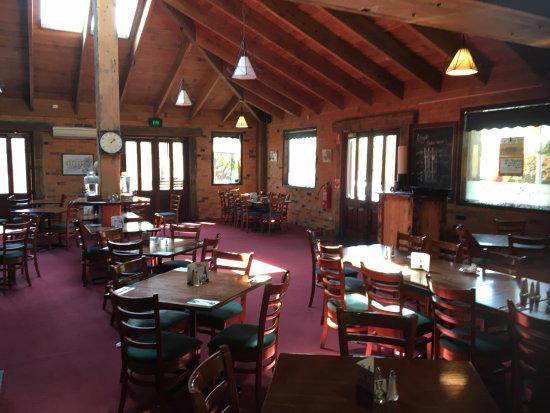
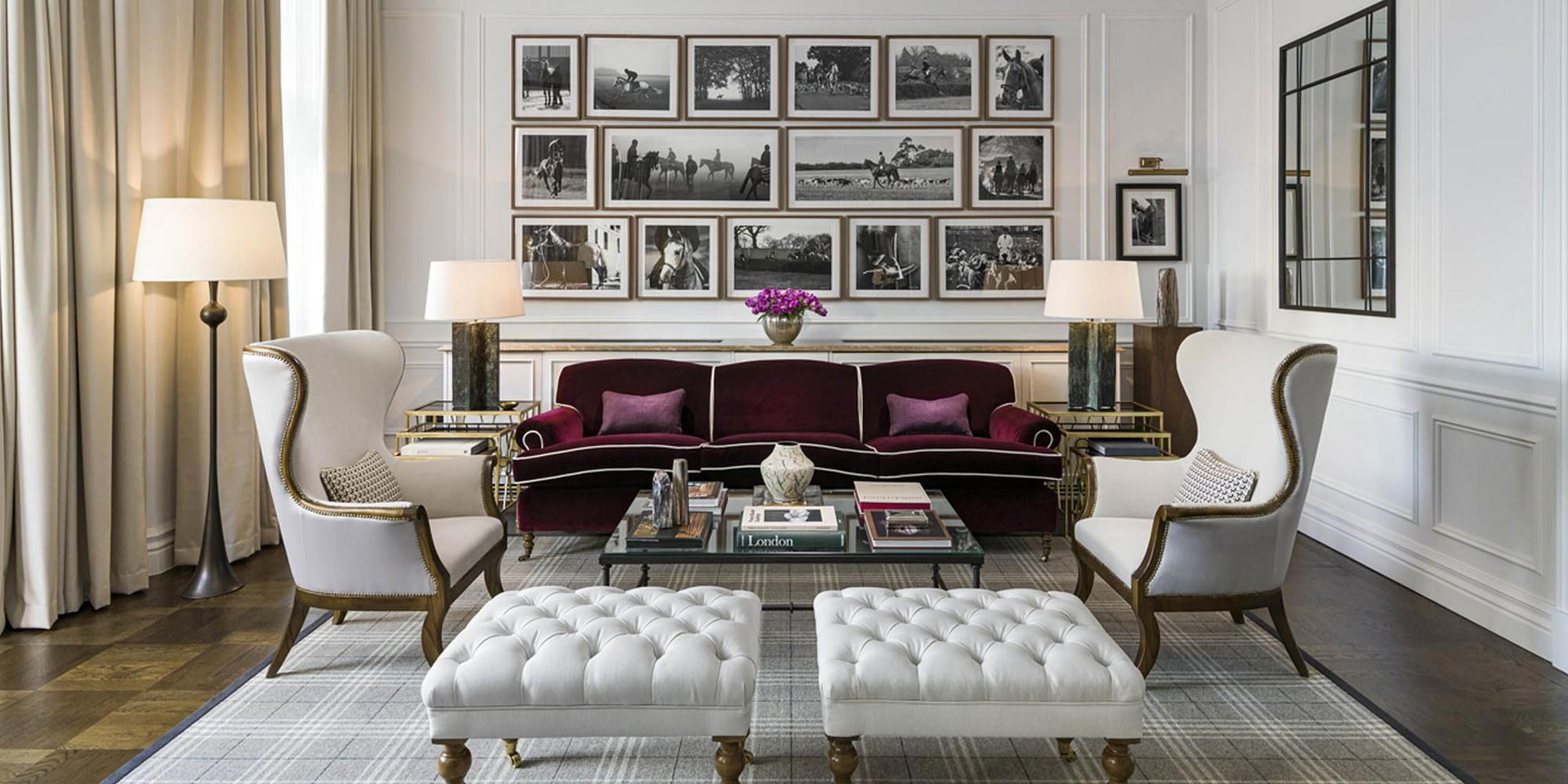
Spacious seating with an elegant atmosphere reminiscent of Hong Kong, featuring a noodle bar and authentic lounge comforts.