Catalan
On the CA-111 corridor through Rancho Mirage, Catalan occupies a stretch of the Coachella Valley dining scene that tends toward the understated. The name signals a specific culinary tradition rooted in northeastern Spain, where ingredient provenance and technique precision define the cooking. For a desert resort town more often associated with steakhouses and Tex-Mex, that framing alone sets a particular expectation.
Pearl is the En Primeur Club membership app — saves, bookings, and concierge access live there. Same editors, same standards.
- Address
- 70026 CA-111, Rancho Mirage, CA 92270
- Phone
- +17607709508
- Website
- catalanrestaurants.com
- Directions
- Get directions
 Saves & bookings on Pearl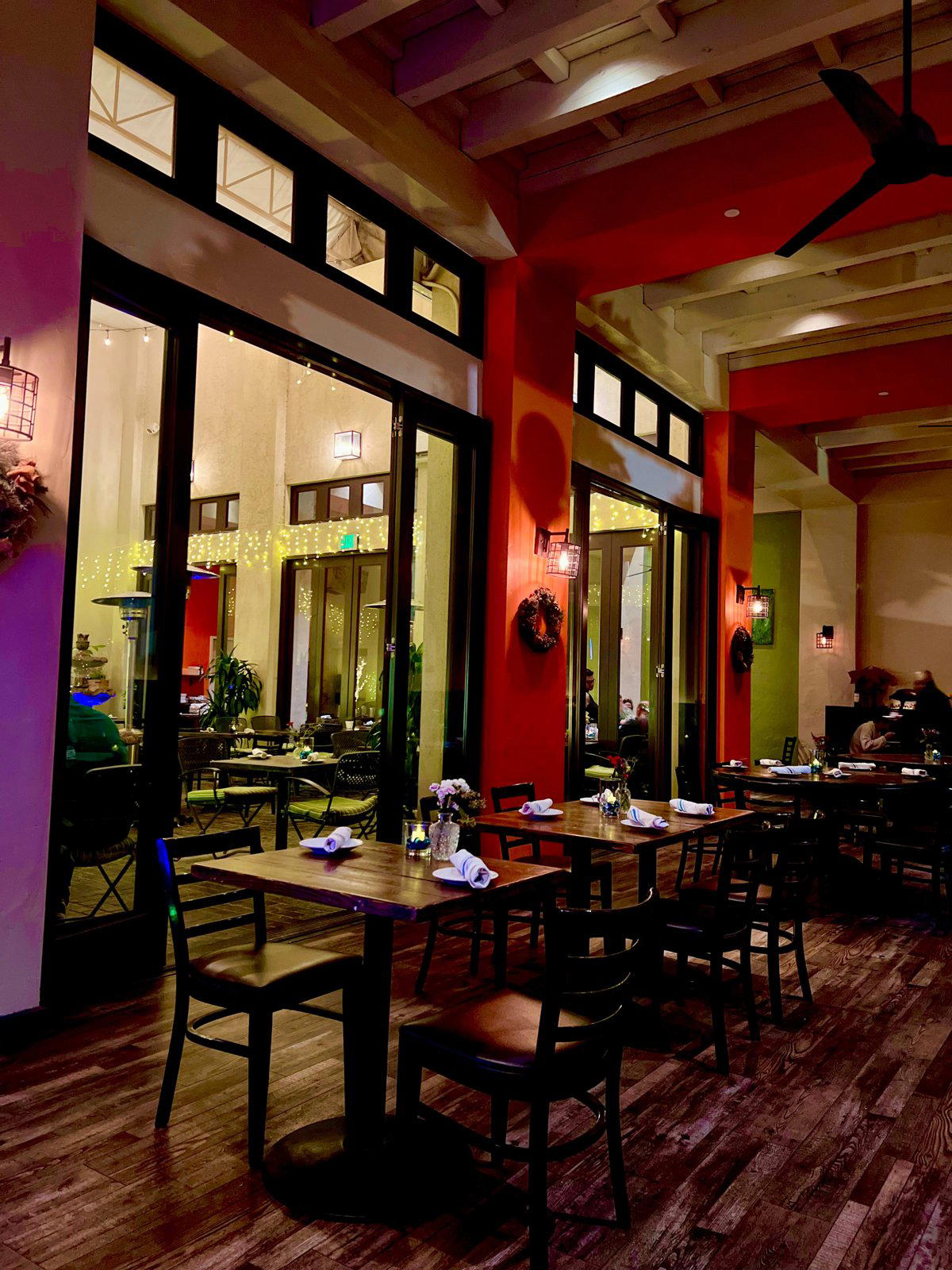
Where the Desert Meets a Mediterranean Pantry
Rancho Mirage sits in a peculiar dining position for a California city of its size and wealth. The CA-111 corridor running through it carries a dense lineup of restaurants serving the Palm Springs resort orbit, a crowd that skews toward comfort-driven steakhouses, longstanding Mexican institutions, and the kind of American brasserie format that travels well to vacation markets. Against that backdrop, a restaurant trading under the name Catalan signals something different: a culinary tradition rooted in the northeastern corner of Spain, where the cooking has always been defined less by showmanship and more by the quality and origin of what arrives at the kitchen door.
Catalonia as a gastronomic region occupies a specific place in the broader history of European cooking. It sits at the intersection of Mediterranean produce culture and a tradition of technique that, by the late twentieth century, had made Barcelona a reference point for chefs working at the edge of what was possible. That legacy filters down to restaurants that take the name seriously: an emphasis on the sourcing chain from farm and sea to plate, a respect for seasonal rhythm, and a preference for letting ingredients carry the dish rather than masking them. Whether a desert-market restaurant in the Coachella Valley can fully sustain that tradition depends on supply chain decisions that aren't always visible from the dining room, but they are always visible on the plate.
The Sourcing Question in a Resort Market
The Coachella Valley grows a surprisingly serious agricultural portfolio for a region better known for golf courses and resort hotels. Date palms have been commercial here for over a century, and the surrounding desert-edge farms produce citrus, stone fruit, and specialty vegetables through seasons that differ meaningfully from coastal California. For a kitchen oriented toward ingredient sourcing as its primary editorial statement, that proximity matters. The question for any restaurant in the Catalan mold is how far that local sourcing extends: whether the kitchen treats regional produce as a marketing footnote or as the actual architecture of its menu decisions.
Restaurants in this tier of resort-market dining tend to sit somewhere between the hyper-local farm-to-table model associated with Northern California operations like Single Thread Farm in Healdsburg and Blue Hill at Stone Barns in Tarrytown, and the luxury-ingredient procurement model that defines coastal fine dining at places like Le Bernardin in New York City or Providence in Los Angeles. The Catalan tradition historically straddles both: it draws on whatever the season gives the region, but it also prizes specific ingredients, particularly seafood, that require reach beyond any single local market.
In the desert context, that means a kitchen working across a wider geography than its coastal peers. Baja California seafood arrives through established Southern California distribution networks. Coachella Valley citrus and dates can anchor dessert courses and sauces. Spanish pantry staples, the olive oils, the preserved goods, the dry goods that give Catalan cooking its backbone, travel reliably. A restaurant that assembles these layers thoughtfully can produce something coherent; one that treats the name as atmosphere rather than commitment produces something that reads as fusion pastiche.
Rancho Mirage's Dining Range and Where Catalan Sits
The CA-111 corridor offers a cross-section of what resort-adjacent dining looks like when a market is prosperous but not exclusively high-end. The Edge Steakhouse and Wally's Desert Turtle anchor the established fine dining end, with the latter holding decades of local institutional weight. Las Casuelas Nuevas represents the kind of longstanding Mexican restaurant that becomes a community reference point over generations. More casual options like Fox & Fiddle and Willie's fill out the middle range.
Catalan, by name and by the culinary tradition it invokes, positions itself as a specific alternative to the steakhouse-and-Mexican duopoly that defines much of the corridor's fine dining identity. That positioning is either a genuine differentiator or a category mismatch depending on execution. The Catalan cooking tradition, when taken seriously, produces food that is more technically precise and ingredient-dependent than a standard resort bistro, but it is not the kind of avant-garde tasting-menu format associated with destination restaurants like Alinea in Chicago or Atomix in New York City. It sits in a middle register: serious food without the theatrical apparatus of the tasting menu circuit.
For comparison, the Southern California fine dining market has produced several restaurants that operate in this register at a high level. Addison in San Diego demonstrates what the region can produce when sourcing discipline meets technique ambition. That's a useful reference point for understanding what the Catalan name could mean at its ceiling, even if most resort-market restaurants operate well below it. Internationally, venues like 8 1/2 Otto e Mezzo Bombana in Hong Kong show how Mediterranean culinary traditions travel when the underlying sourcing commitment is genuine. Closer to the spirit of what Catalan cooking at its most ambitious looks like, The French Laundry in Napa and Emeril's in New Orleans each demonstrate, in different registers, what happens when a kitchen builds its identity around a specific culinary inheritance rather than a generic fine-dining format. The Inn at Little Washington and Lazy Bear in San Francisco similarly illustrate how committed culinary identity compounds over time into a genuine dining destination.
Planning a Visit
Catalan is located at 70026 CA-111, Rancho Mirage, on the main commercial corridor that connects the desert resort cities. Current hours and booking availability are best confirmed directly with the restaurant, as this information is not publicly listed at time of writing. For visitors building a broader itinerary around Rancho Mirage dining, the full Rancho Mirage restaurants guide covers the range of the corridor's options with editorial context.
The CA-111 corridor is car-dependent, as is most of the Coachella Valley, and parking at commercial addresses along this stretch is generally uncomplicated. Peak season for the Palm Springs resort orbit runs roughly October through April, when desert temperatures are moderate and the visitor population is at its highest. Restaurants operating in this market tend to be busier during that window, and weekend availability during the winter season is the period most likely to require advance planning.
Continue exploring
More in Rancho Mirage
Restaurants in Rancho Mirage
Browse all →
Bars in Rancho Mirage
Browse all →


At a Glance
- Rustic
- Modern
- Elegant
- Date Night
- Special Occasion
- Celebration
- Courtyard
- Live Music
- Open Kitchen
- Craft Cocktails
- Extensive Wine List
- Farm To Table
- Local Sourcing
Current opening hours
- Monday
- 4–9 PM
- Tuesday
- 4–9 PM
- Wednesday
- 4–9 PM
- Thursday
- 4–9 PM
- Friday
- 4–9 PM
- Saturday
- 4–9 PM
- Sunday
- 4–9 PM
Hours can change for holidays and private events. Last verified .
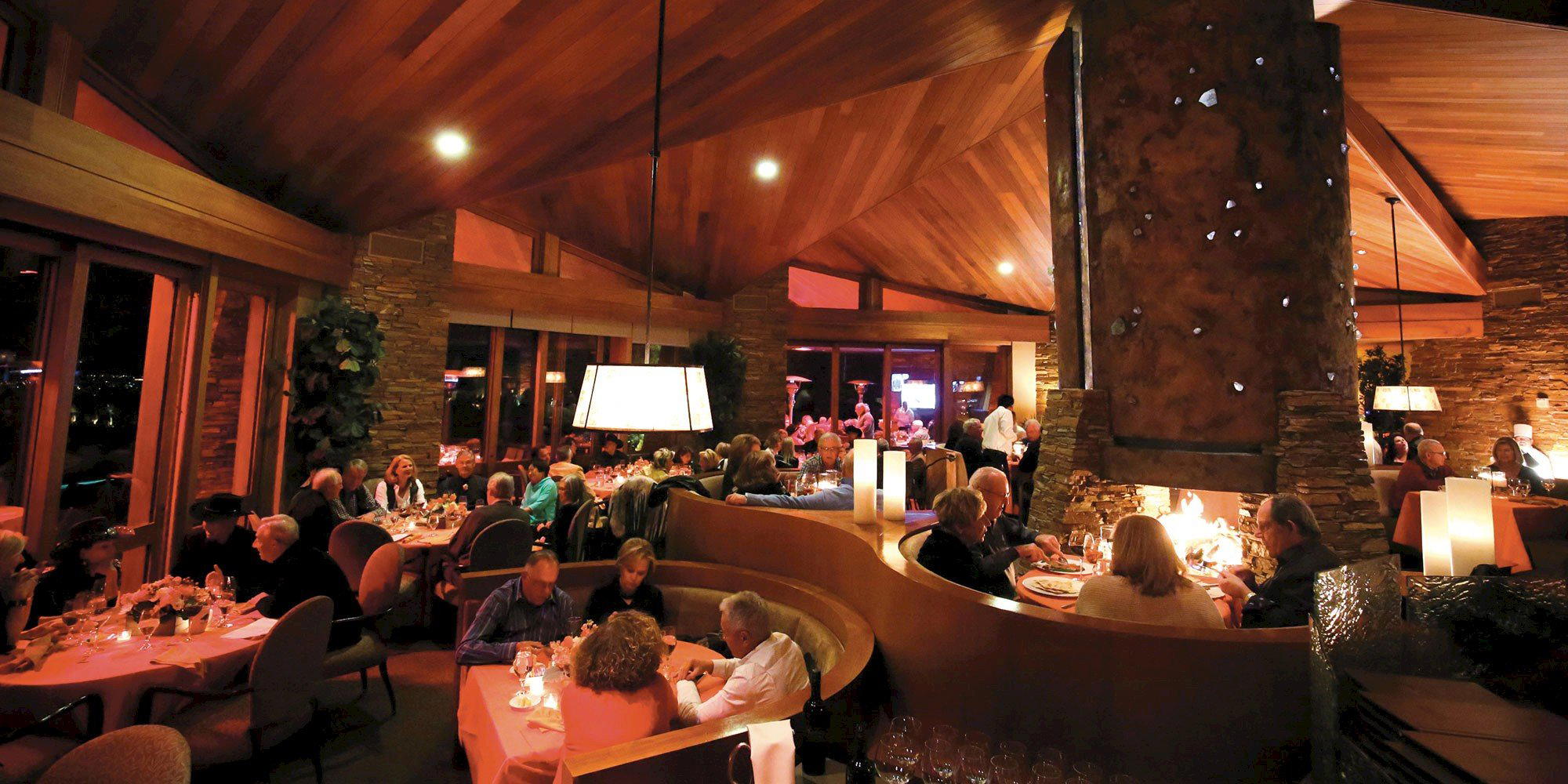
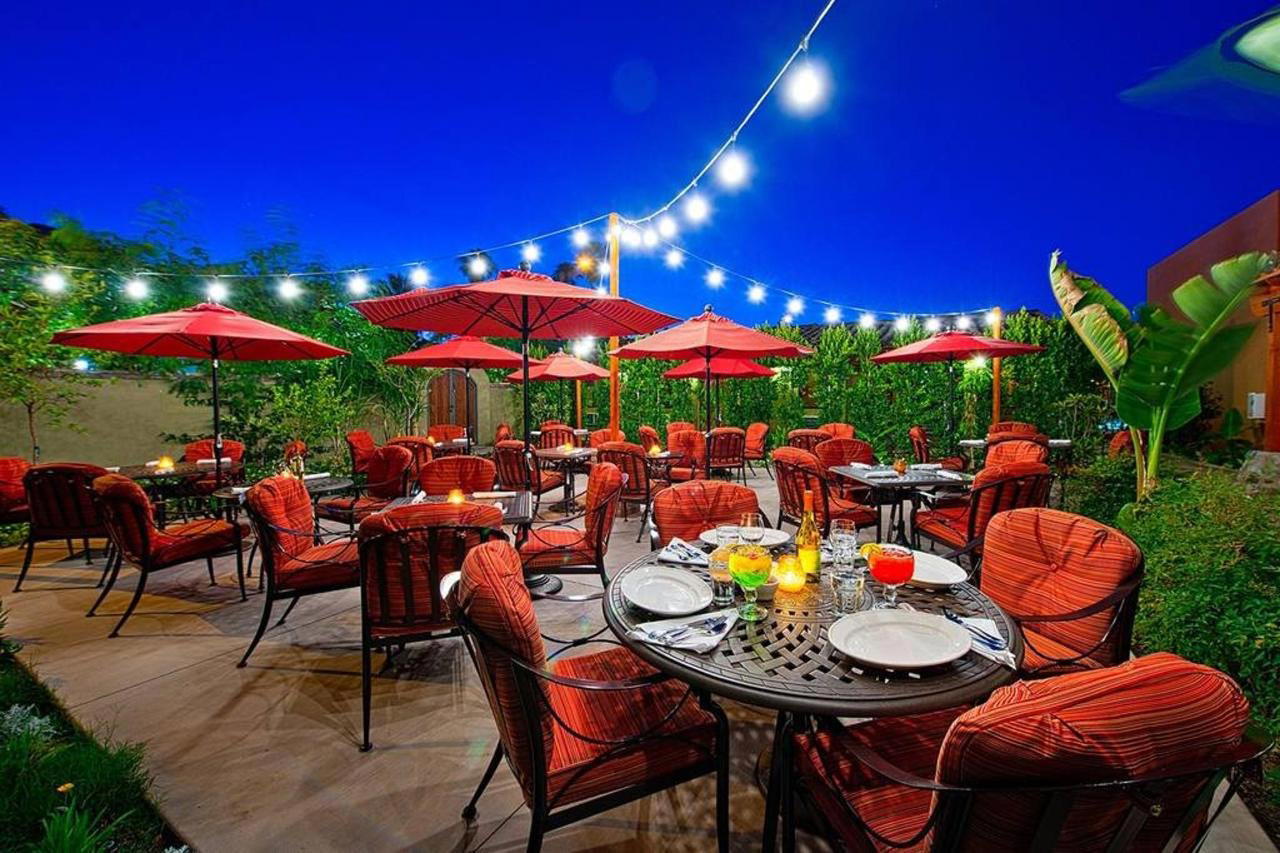
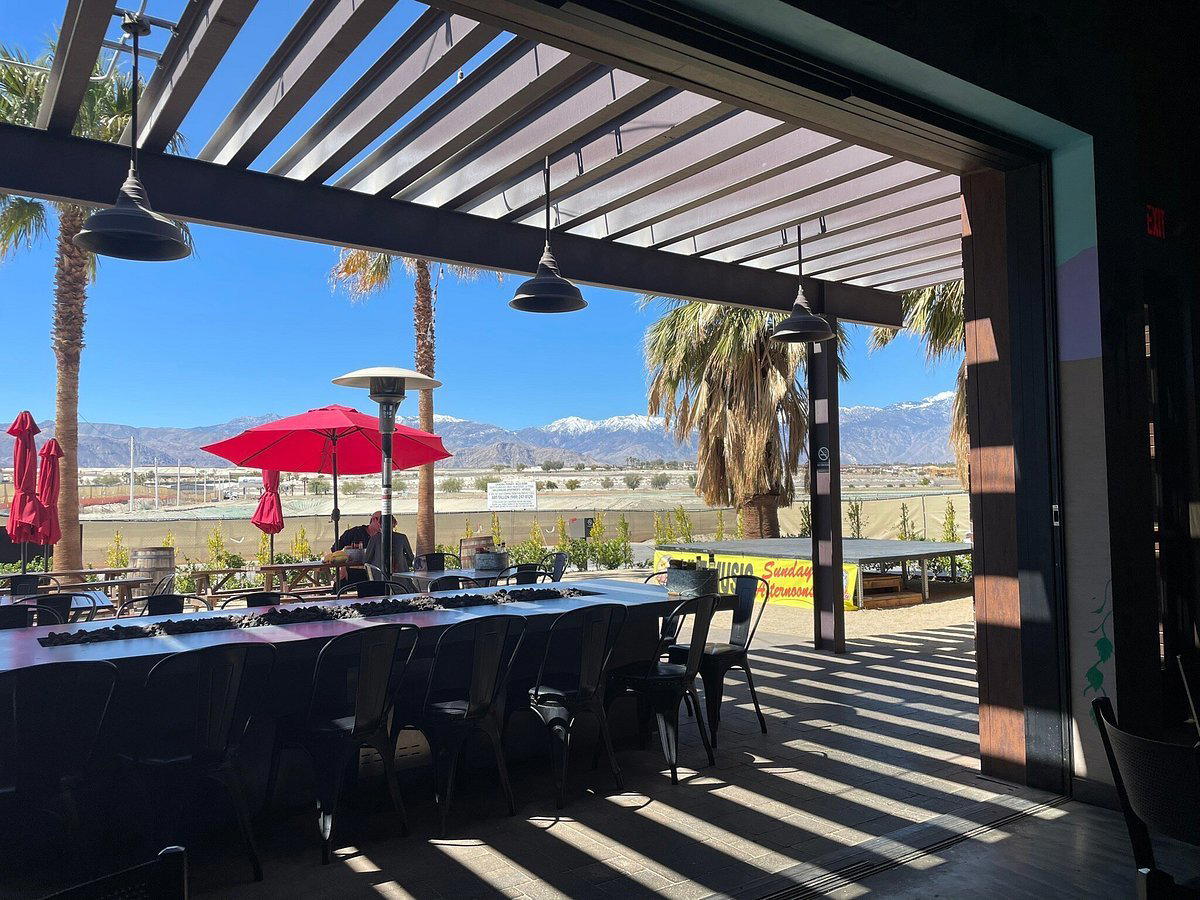
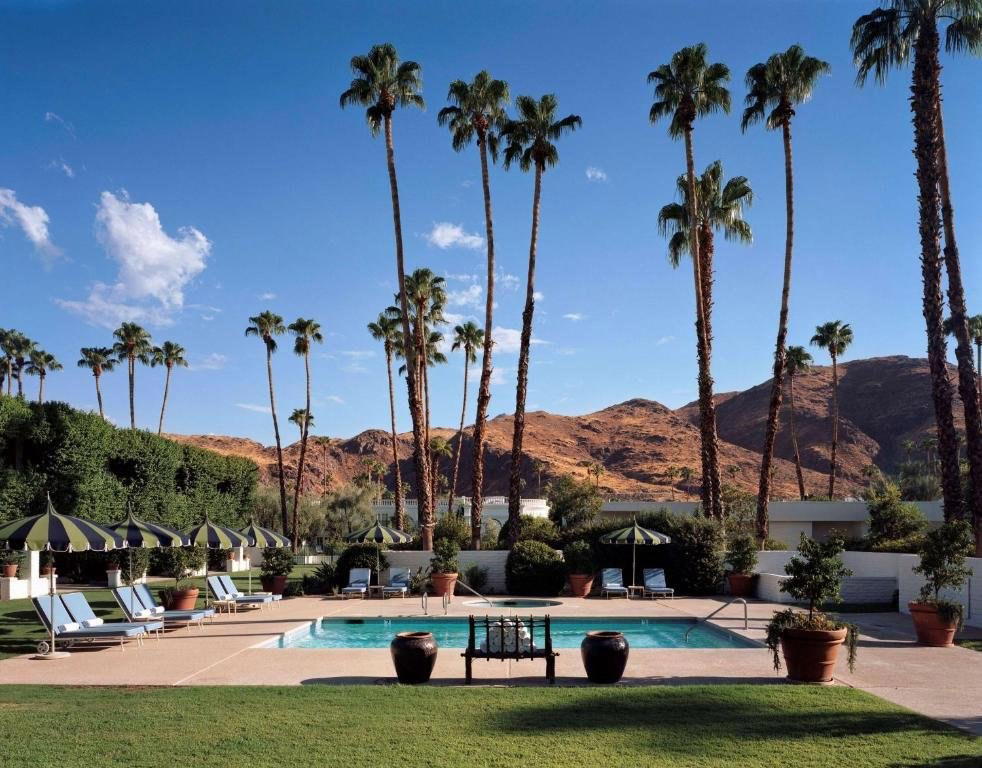
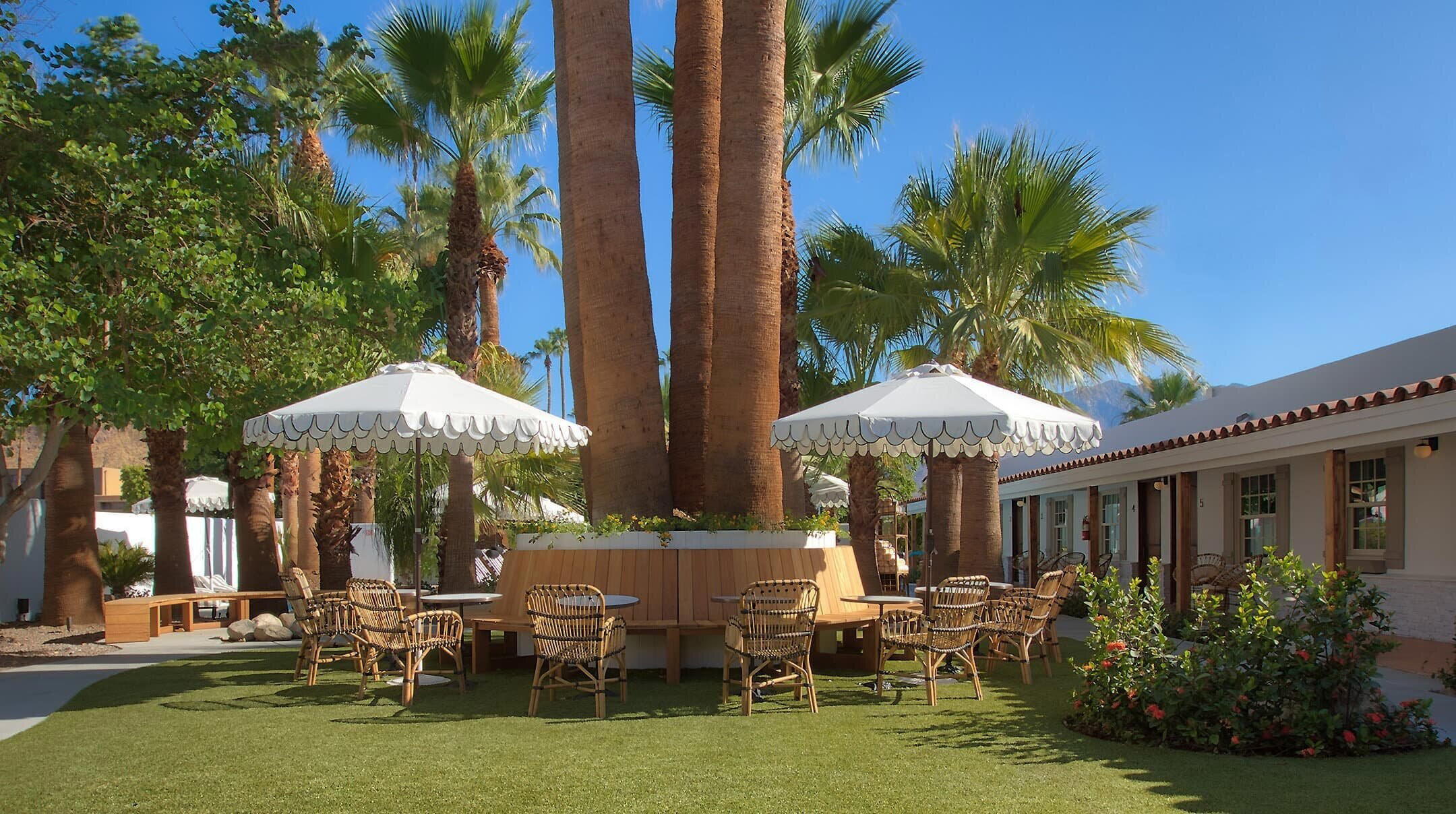
Rustic yet modern atmosphere with beautiful courtyard, warm lighting, and live acoustic Spanish guitar music on select evenings.
Know Before You Go
- Getting there
- 70026 CA-111, Rancho Mirage, CA 92270