Casa Tua


Star Wine List
Our verdict
Among Miami Beach's long-standing Italian tables, Casa Tua occupies a tier defined less by trend-chasing than by consistency over two decades. Ranked #223 among North American restaurants by Opinionated About Dining in 2025 and awarded Star Wine List's #1 ranking the same year, it draws a crowd that treats the James Avenue address as a fixed point on the Miami dining calendar rather than a discovery.

Pearl is the En Primeur Club membership app — saves, bookings, and concierge access live there. Same editors, same standards.
- Address
- 1700 James Ave, Miami Beach, FL 33139
- Phone
- (305) 673-1010
- Hours
- Mon–Tue 6–10:30 PMWed–Sat 6–11:30 PMSun 6–10:30 PM
- Website
- casatualife.com
- Directions
- Get directions
The House on James Avenue
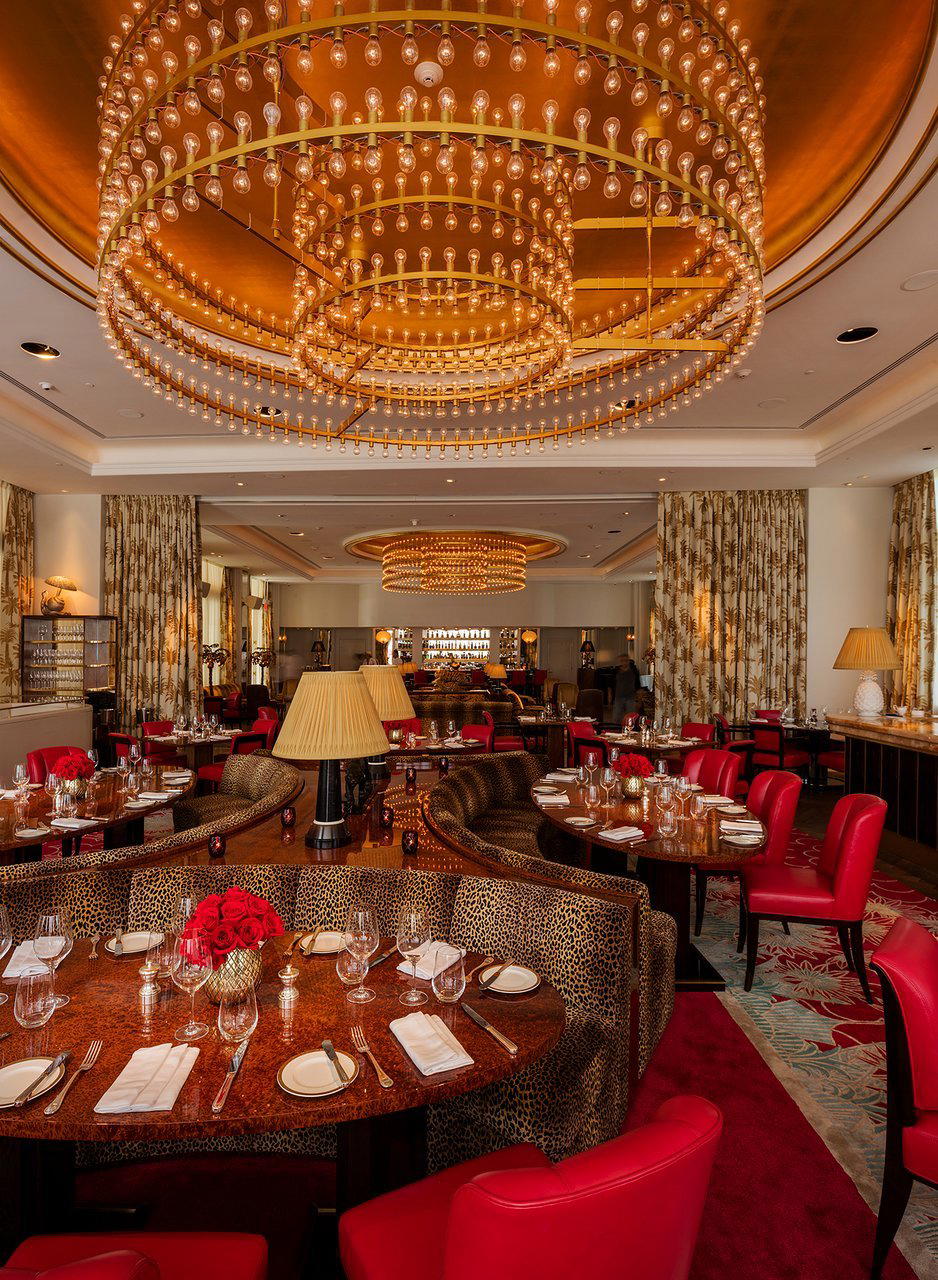
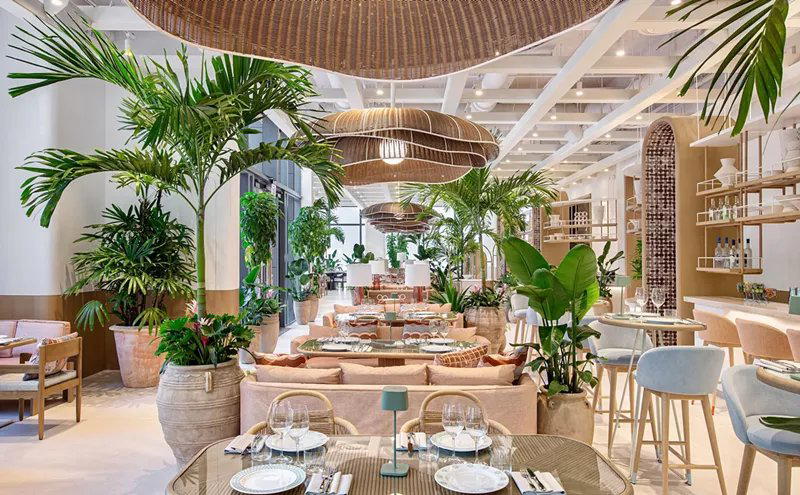
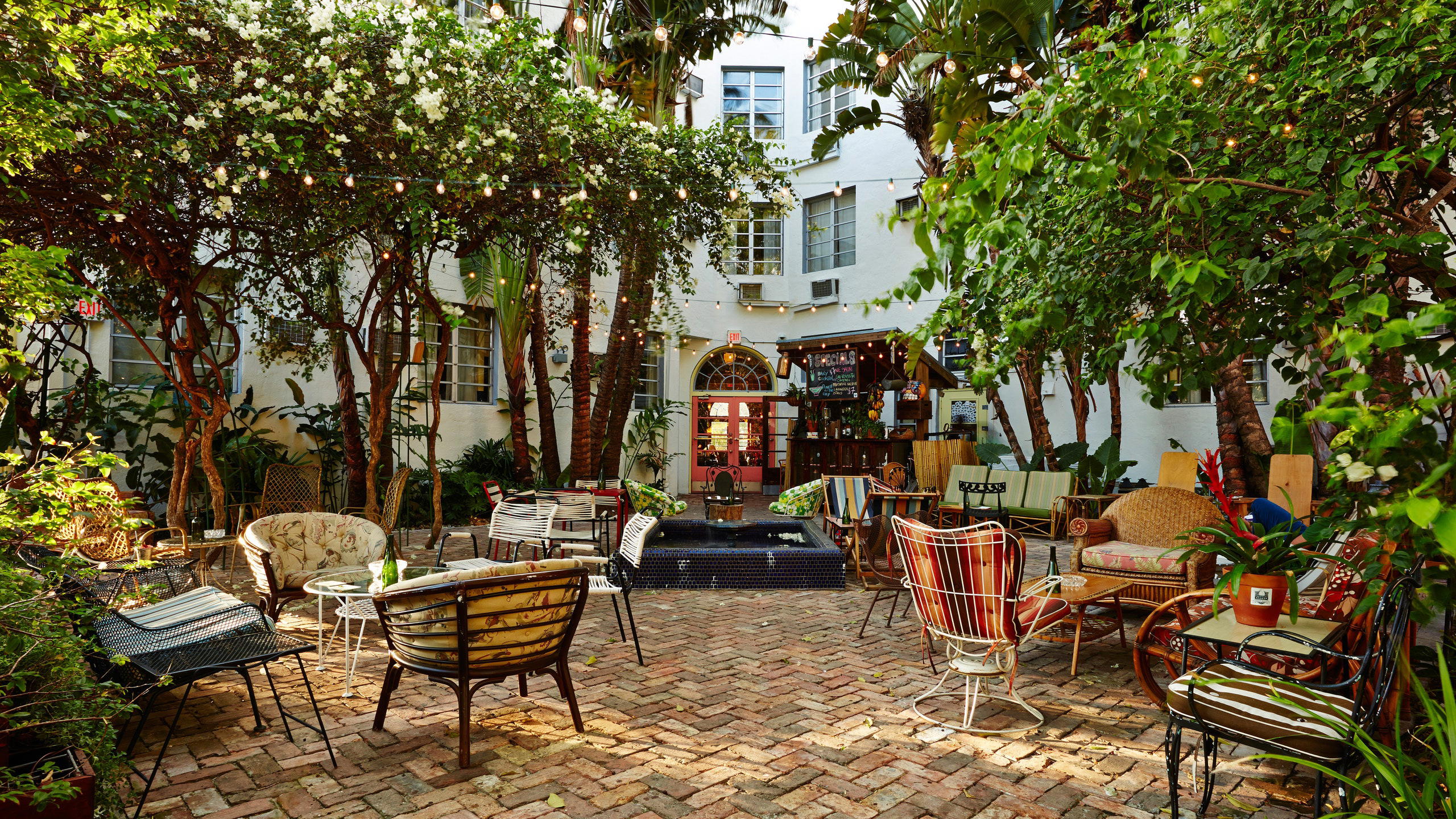
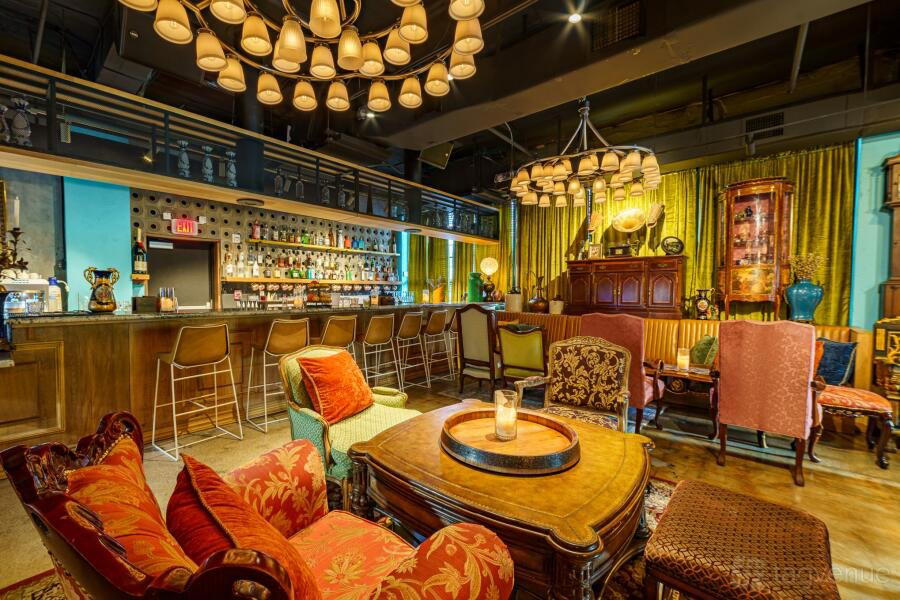
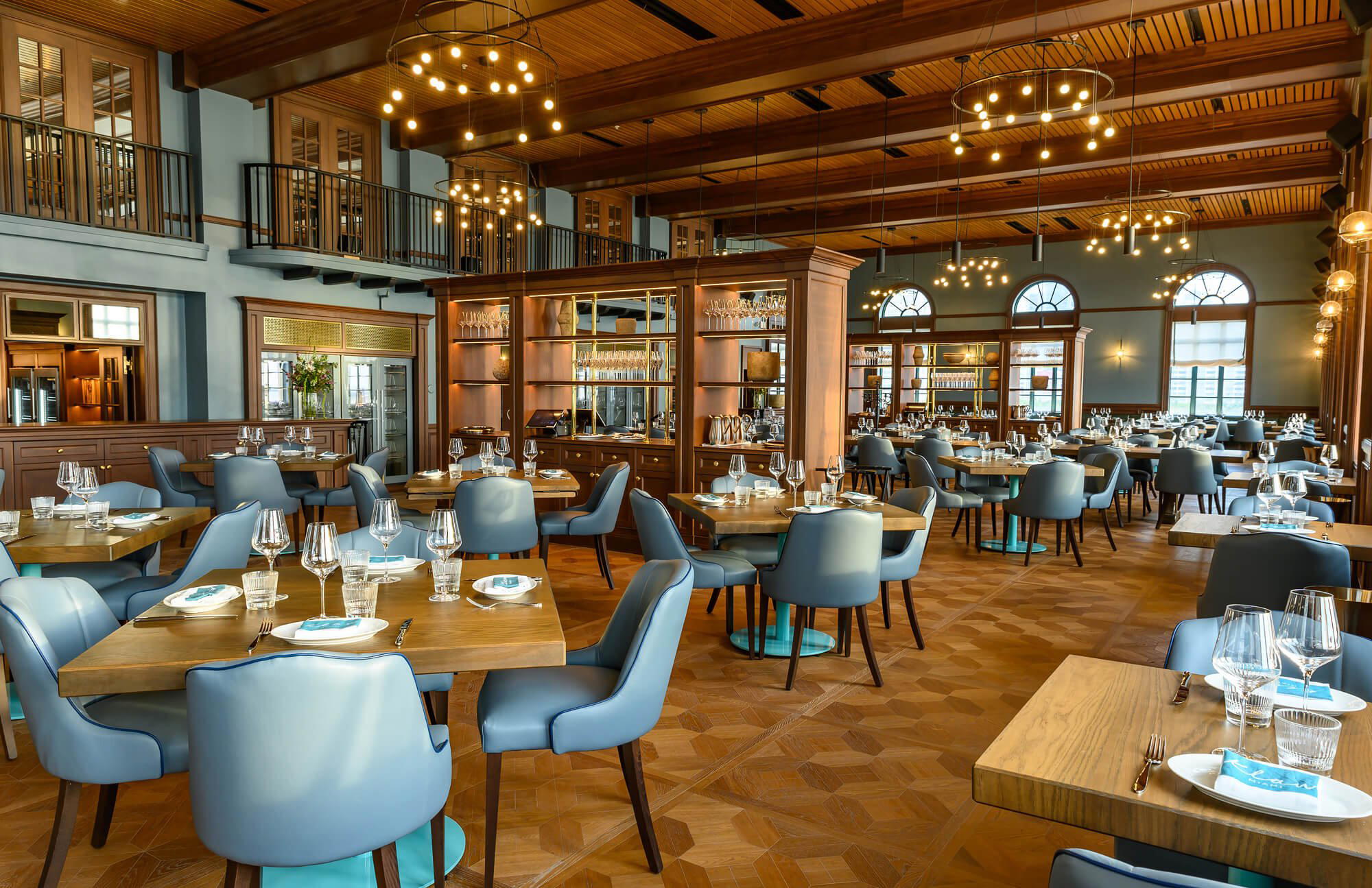
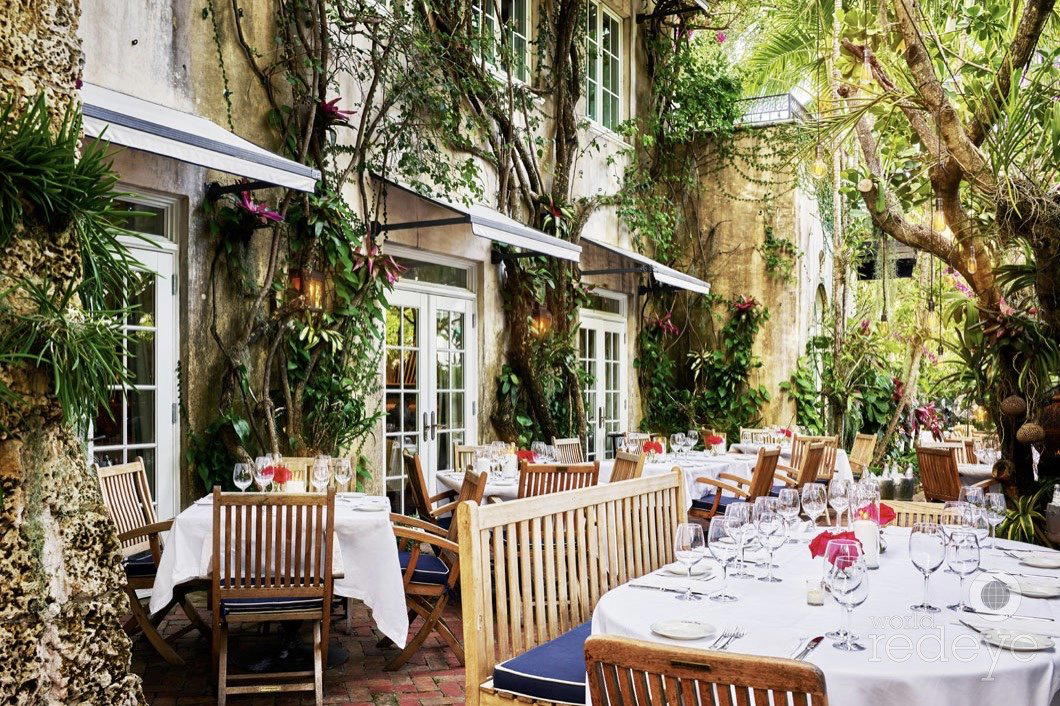
South Beach's dining scene has cycled through enough reinventions that longevity itself becomes an editorial statement. Restaurants open in renovated Art Deco buildings, generate press for two seasons, and disappear when the lease or the concept wears thin. Against that backdrop, the Italian table at 1700 James Avenue has operated on a different rhythm entirely, accumulating two decades of repeat clientele and critical recognition while the neighborhood around it kept changing. The setting, a converted Mediterranean-style property set back from the street, signals something that much of Miami Beach dining deliberately avoids: a sense of arrival that precedes the food.
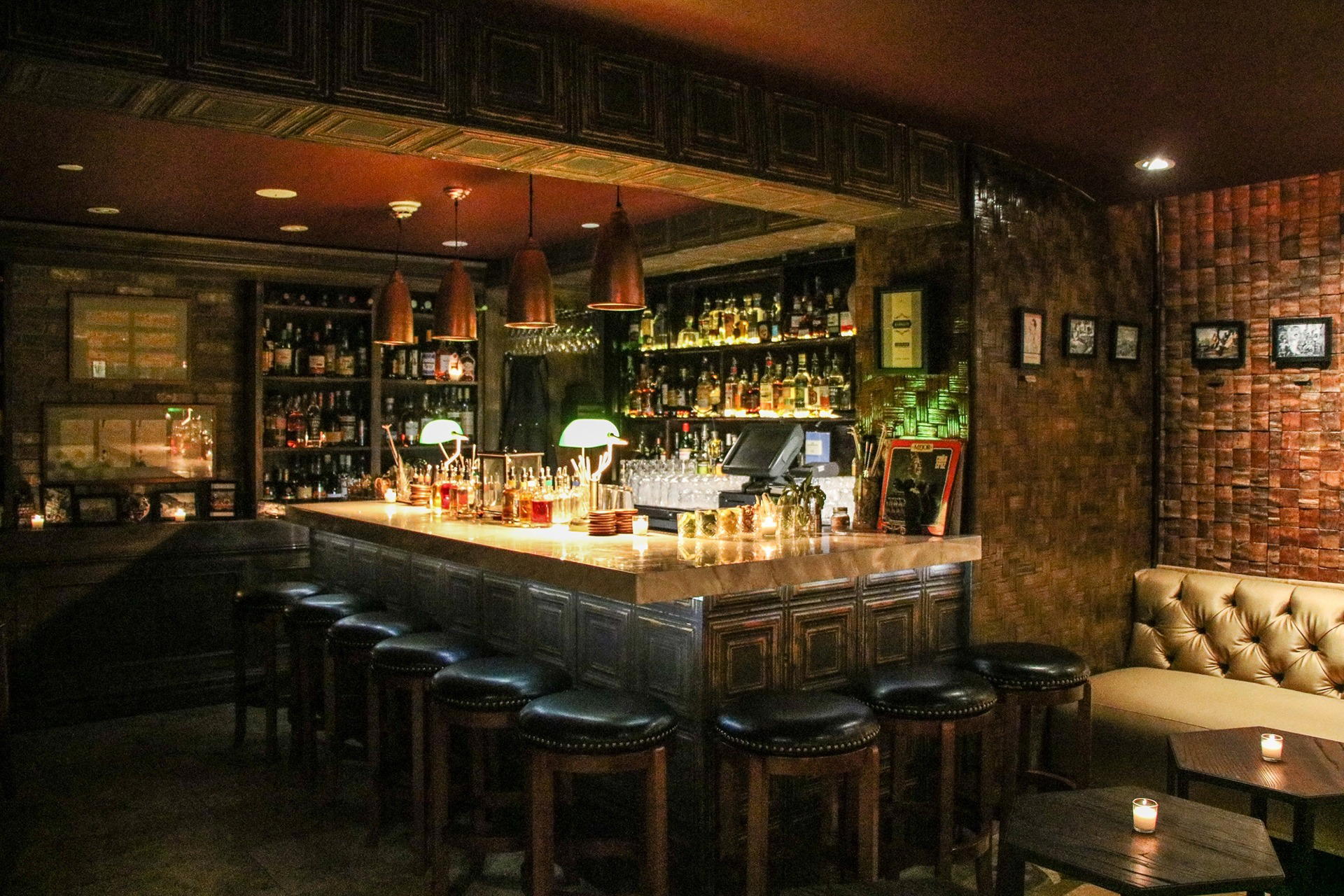
That physical environment shapes the experience before a menu arrives. Italian restaurants operating at this register in American cities often position themselves between two poles: the red-sauce institution with its comfort-first logic and the modernist Italian table that frames every dish through technique. Casa Tua has historically occupied a middle register, one where the sourcing and the room carry as much weight as what arrives on the plate.
Where Italian Sourcing Arguments Get Settled
The editorial angle on ingredient-driven Italian cooking in the United States has shifted substantially over the past fifteen years. For much of the early 2000s, the conversation centered on authenticity of technique, whether a kitchen was executing northern Italian traditions with sufficient rigor. The more consequential debate now concerns supply chains: where the olive oil comes from, whether the pasta flour is milled domestically or imported, and how relationships with producers shape what actually ends up on the menu each season.
Italian cooking at its most coherent is essentially an argument about geography. Dishes exist because of what a specific region grows, raises, or catches, and the leading Italian tables in the United States acknowledge that they are translating a place-bound tradition into a context where the raw materials are different. The question for any serious Italian restaurant operating in South Florida is how it resolves that tension. The state's agricultural output includes citrus, stone crab, and Gulf seafood, but it doesn't produce the aged Parmigiano-Reggiano or the Ligurian olive oils that anchor traditional Italian cooking. Kitchens either commit to importing from Italian producers, building relationships with American suppliers doing analogous work, or some combination of both. Chef Sergio Sigala leads the kitchen at Casa Tua, and the menu reflects the kind of sourcing discipline that comes from long-term relationships with suppliers rather than seasonal purchasing on spot markets.
For readers comparing Italian tables in Miami, this sourcing orientation places Casa Tua in a different register than a trattoria-style operation. Macchialina in Miami Beach works a more neighborhood-Italian format, with Michelin recognition and a lower price ceiling. Torno Subito operates with a different conceptual premise, drawing on retro-Italian aesthetics. Carbone Miami Beach operates as a premium red-sauce institution with a distinct celebrity-facing identity. Casa Tua's position, in the upper tier of Miami Beach Italian dining with wine program authority, occupies its own space in that competitive set.
The Wine Program as a Structural Signal
Star Wine List's #1 ranking for 2025 is a meaningful credential in the context of how to read a restaurant's ambitions. A wine list at that level isn't assembled seasonally or delegated to a distributor's recommendations. It reflects sustained investment in cellar depth, producer relationships, and the kind of by-the-glass and bottle programming that rewards guests who know what they're looking at. For an Italian restaurant, a strong wine program also functions as indirect sourcing evidence: the producers a restaurant champions on the wine list often correlate with the food suppliers they respect.
Italian wine in the United States has moved through several phases of critical reception. The Barolo and Brunello houses that defined Italian fine wine for American collectors in the 1990s now compete with natural producers from Sicily, indigenous varieties from Campania, and the quieter quality revolution happening in Friuli and Alto Adige. A wine list at the #1 level on Star Wine List in 2025 should reflect that breadth. The pairing logic between the food and the list matters as much as the list's depth in isolation.
For context on how Italian fine dining translates across geographies, 8 1/2 Otto e Mezzo Bombana in Hong Kong and cenci in Kyoto represent how Italian culinary tradition adapts in cities without any Italian agricultural base whatsoever. Miami sits between those extremes, with access to exceptional domestic produce and seafood while lacking the European supply chain that Italian cooking assumes.
Critical Standing and the OAD Trajectory
Opinionated About Dining's ranking methodology draws on a community of frequent fine-dining travelers who submit scored assessments of meals. The result is a peer-driven index that tends to reward consistency and technical ambition over novelty. Casa Tua's trajectory on that list is instructive: Recommended in 2023, #315 in 2024, and #223 in 2025. That upward movement over three consecutive cycles suggests the kitchen is either improving measurably or achieving more consistent execution, since OAD rankings respond to repeated positive assessments rather than a single exceptional visit.
Among North American Italian tables ranked by OAD, Casa Tua's position in the top 225 places it above most city-specific Italian restaurants and in conversation with the upper tier of the category nationally. For reference, the broader EP Club guide to fine dining in Miami includes tables recognized across multiple critical frameworks, from Michelin-starred operations like Boia De and Ariete to international-caliber rooms. Our full Miami restaurants guide maps that competitive field in detail.
The Occasion Logic
Miami Beach Italian dining at the upper register operates on a different social contract than casual neighborhood tables. The clientele at a place like Casa Tua is largely booking for occasions rather than convenience, which shapes the pacing, the service register, and the expectation around wine spend. The awards record suggests a room that rewards that kind of engagement rather than punishing it with indifference.
The James Avenue property also connects to Casa Tua Cucina, a related concept that operates with a different format and broader accessibility. Readers trying to decide between the two properties should understand that they represent distinct propositions: the original restaurant functions as a destination dinner, while Cucina serves a more flexible, market-style format.
For guests planning a Miami visit around food and drink, the full EP Club coverage spans hotels, bars, wineries, and experiences across the city, with peer context for the restaurants covered here. For readers who travel specifically to eat, EP Club also covers Italian-influenced tables at the top of their respective markets, from Le Bernardin in New York City to The French Laundry in Napa and Single Thread Farm in Healdsburg, each of which represents a different model of sourcing discipline applied at the highest level.
The Lido restaurant in Miami offers a different register of Italian-adjacent coastal dining for guests building a broader itinerary around the area.
Know Before You Go
- Address: 1700 James Ave, Miami Beach, FL 33139
- Cuisine: Italian
- Chef: Sergio Sigala
- Hours: Monday–Tuesday and Sunday 6–10:30 pm; Wednesday–Saturday 6–11:30 pm
- Awards: Star Wine List #1 (2025); Opinionated About Dining Leading Restaurants in North America #223 (2025)
Frequently asked questions
When is Casa Tua open?
Hours at Casa Tua: Hours: Monday 6–10:30 pm Tuesday 6–10:30 pm Wednesday 6–11:30 pm Thursday 6–11:30 pm Friday 6–11:30 pm Saturday 6–11:30 pm Sunday 6–10:30 pm.
Has Casa Tua won any awards?
Casa Tua has received recognition including: Casa Tua Restaurant in the heart of Miami Beach is one of the classic icon restaurants of the Miami area. Since the beginning, this has been the chosen restaurant for special occasions and making memo...; Star Wine List #1 (2025); Opinionat….
What's the must-try dish at Casa Tua?
Casa Tua's menu is not publicly itemised in confirmed sources, so naming a single dish with confidence risks inaccuracy. What the record does confirm is that the kitchen operates in the Italian tradition under chef Sergio Sigala, with a wine program ranked #1 by Star Wine List in 2025 — a signal that the food and cellar are built to work together. Ask the floor staff directly: at a restaurant with this level of OAD trajectory, the team will have a considered answer.
What's the cuisine at Casa Tua?
A Tight Comparison
A compact comparison to help you place this venue among nearby peers.
| Venue | Cuisine | Price | Awards | Notes |
|---|---|---|---|---|
| Casa TuaThis venue — the venue you are viewing | Northern Italian | $100–150 | Star Wine List | Not listed |
| Ariete | Modern Cuban-American Fine Dining | $150–200 | 1 Michelin Star · Star Wine List | Modern American, Contemporary |
| Boia De | Modern Italian-Inspired | $50–100 | 1 Michelin Star · Star Wine List | Italian, Contemporary |
| Cote Miami | Modern Korean Steakhouse with Table-Side BBQ | $150–200 | 1 Michelin Star · La Liste Top Restaurants | Korean Steakhouse, Korean |
| Stubborn Seed | Modern American Fine Dining | $200–300 | 1 Michelin Star | Progressive American, Contemporary |
| Los Fuegos by Francis Mallmann | Argentinian Open-Fire Asado Steakhouse | $200–300 | Michelin Plate · Forbes 4-Star | Argentinian |
Recognition history
Dated appearances from independent guides and award organizations, with the underlying list record or original source where available.
Star Wine List
Star Wine List
Opinionated About Dining Top Restaurants in North America Recommended
Opinionated About Dining
Full recognition history (6 entries)
Opinionated About Dining Top Restaurants in North America Ranked #223
Opinionated About Dining
Star Wine List
Star Wine List
Opinionated About Dining Top Restaurants in North America Ranked #315
Opinionated About Dining
Opinionated About Dining Top Restaurants in North America Recommended
Opinionated About Dining