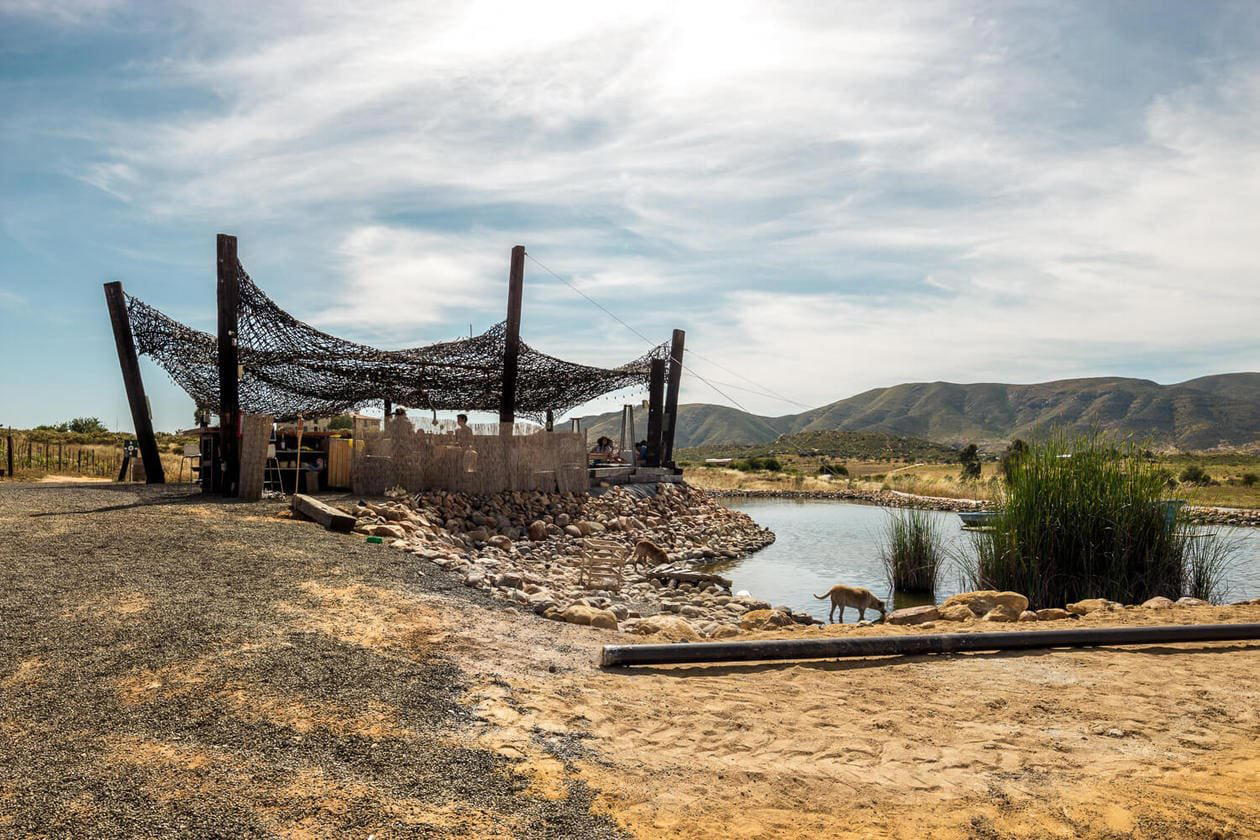
Casa Montaña belongs to Ensenada’s inland wine-country orbit rather than its harborfront dining circuit, placing it closer to vineyard roads, agricultural supply, and the slower rhythm of Francisco Zarco. The appeal is the Baja context: a table shaped by proximity to Valle de Guadalupe produce, seafood culture, and the region’s informal but ambitious restaurant scene.
Pearl is the En Primeur Club membership app — saves, bookings, and concierge access live there. Same editors, same standards.
- Address
- Carretera Avinicola La Cetto fraccionamiento, A-B, P74, 22760 Francisco Zarco, B.C., Mexico
- Phone
- +52 646 291 4997
- Website
- brumawineresort.com
- Directions
- Get directions
 Saves & bookings on Pearl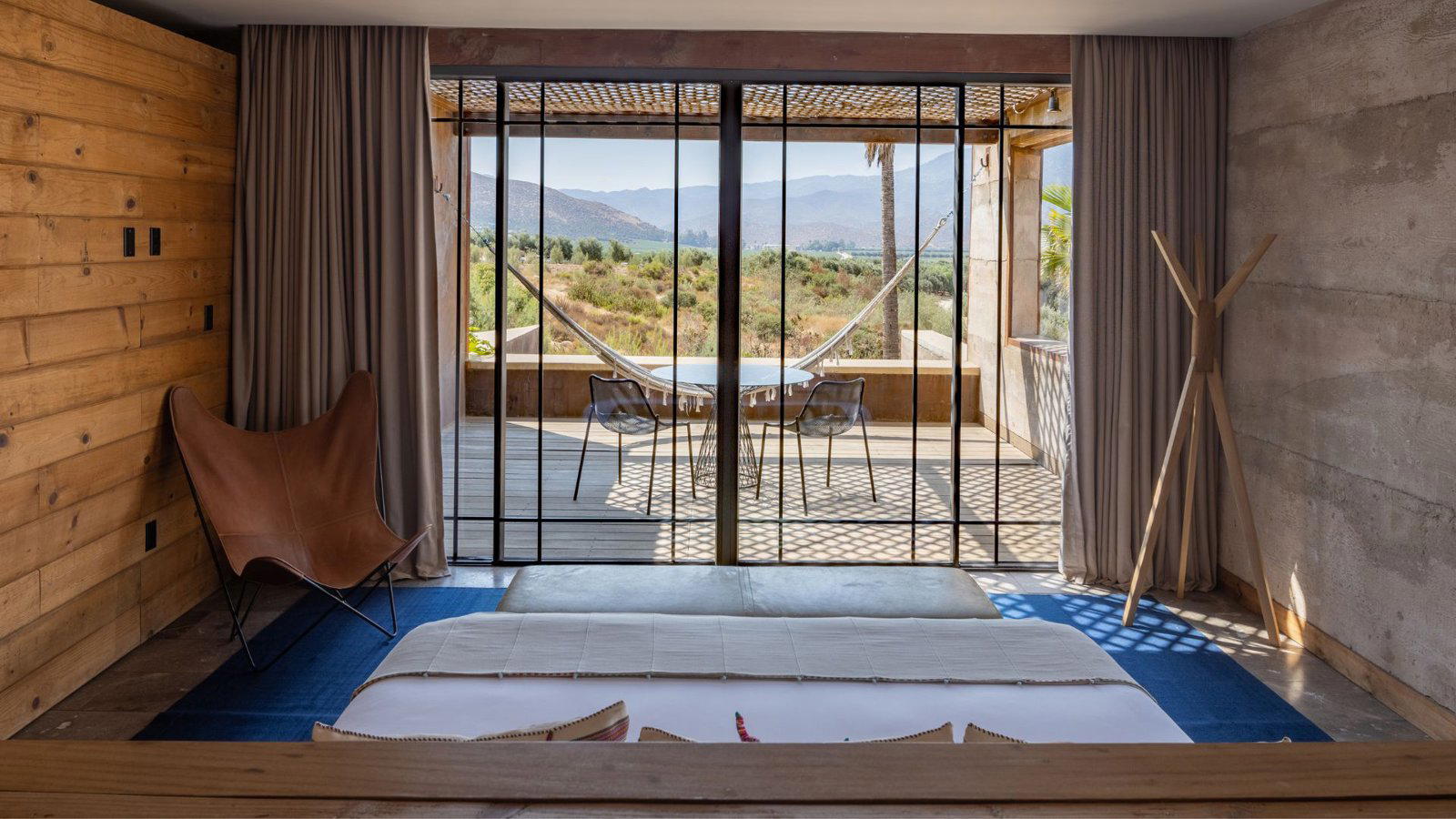
The road into Ensenada changes the register of an Ensenada meal. City traffic gives way to a broader regional frame, where the meal is not just about a plate arriving from a kitchen but about the wider context around it: growers, coastal routes, local bottles, and the food culture that has pulled serious dining into the Ensenada conversation.
That distinction matters in Ensenada. The city’s restaurant identity has two strong poles: the marine appetite of the Pacific coast and the agricultural confidence of the surrounding region. A dining room here naturally reads through that local lens. Ingredients carry more weight because the region itself is part of the proposition. Produce, bread, seafood, and wine culture are not decorative signifiers; they are part of the area’s cooking language.
Wine-country Ensenada puts sourcing before spectacle
Ensenada’s dining has matured by refusing to copy big-city formality or resort dining gloss. The stronger local restaurants tend to work from proximity: what can be bought from nearby growers, what can arrive from the coast, what fits with bottles poured locally, and what suits an outdoor-leaning, road-trip dining day. Casa Montaña belongs to that conversation rather than to a tasting-menu arms race.
The comparison is useful. Bruma Wine Garden represents one polished side of the local restaurant scene, while Bruma Bakery shows how bread, coffee, and daytime food have become part of the same Ensenada ecosystem. Casa 8 sits in the broader Ensenada circuit, and other dining rooms connect the area’s restaurant culture to local traditions. Casa Montaña should be read against that cluster: less as an isolated address than as one node in a region where ingredient access defines status as much as dining-room polish.
This is also why the sourcing angle is not a soft talking point in Baja California. Ensenada restaurants operate in a region where climate, tourism pressure, and coastal access all affect what lands on menus. The better meals in the area tend to feel edited by place: food that works with local wine, preparations suited to relaxed dining, produce that does not need elaborate handling, and seafood that reminds diners that Ensenada remains a port city even when the table feels removed from the urban core.
How it fits the Ensenada table
For travelers building a food itinerary, Casa Montaña makes the strongest sense as part of an Ensenada day rather than a standalone detour. The location in Ensenada places it within a slower regional rhythm: arrive with time, avoid treating the meal like a quick stop between plans, and think in terms of pacing. Ensenada rewards that structure more than a checklist approach.
The city’s range is broader than many first-time visitors expect. Other Ensenada dining rooms speak to the traditional side of the market, while local addresses show the pull of Baja’s contemporary food culture. For a wider read on where Casa Montaña sits, use Our full Ensenada restaurants guide, then cross-check the rest of the trip through Our full Ensenada hotels guide, Our full Ensenada bars guide, Our full Ensenada wineries guide, and Our full Ensenada experiences guide.
The practical editorial view is simple: this is a regional Ensenada choice, so judge it by how well it supports the day around it. A meal in Ensenada should do three things: connect to local produce and wine culture, remain relaxed enough for travelers moving between stops, and avoid the overdesigned feeling that can flatten regional cooking into resort shorthand. Casa Montaña’s position in Ensenada gives it the right geographic argument.
Where Baja context sharpens the decision
Across Mexico, destination dining now splits between urban dining rooms built for reservation calendars and regional addresses built around place. Compare the Baja logic with coastal or resort formats elsewhere in Mexico. Those meals answer different travel questions. Ensenada’s restaurants ask how much of Baja California’s agricultural and coastal identity can sit on a table without losing its local accent.
That makes Casa Montaña a useful marker for the kind of traveler who is not chasing a single trophy booking. The stronger itinerary pairs it with other Ensenada stops, a slower lunch, and enough driving time to let the region feel like a place rather than a backdrop. For broader Mexico planning, other destination restaurants show how different dining formats serve different trip styles. Even cross-border references underline the same point: context determines whether a venue belongs in the itinerary.
The case for Casa Montaña rests on setting and regional fit. In Ensenada, that is not a minor credential. The area has become one of Mexico’s clearer examples of food and wine growing together, and the restaurants that understand ingredient origin, pacing, and place give travelers a more accurate reading of Baja than a polished dining room divorced from its surroundings.
Comparison Snapshot
Comparable venues by cuisine and price in the same metro.
| Venue | Cuisine | Price |
|---|---|---|
| Bruma Wine Garden | Contemporary | $$$$ |
Continue exploring
More in Ensenada
Restaurants in Ensenada
Browse all →
Bars in Ensenada
Browse all →
Hotels in Ensenada
Browse all →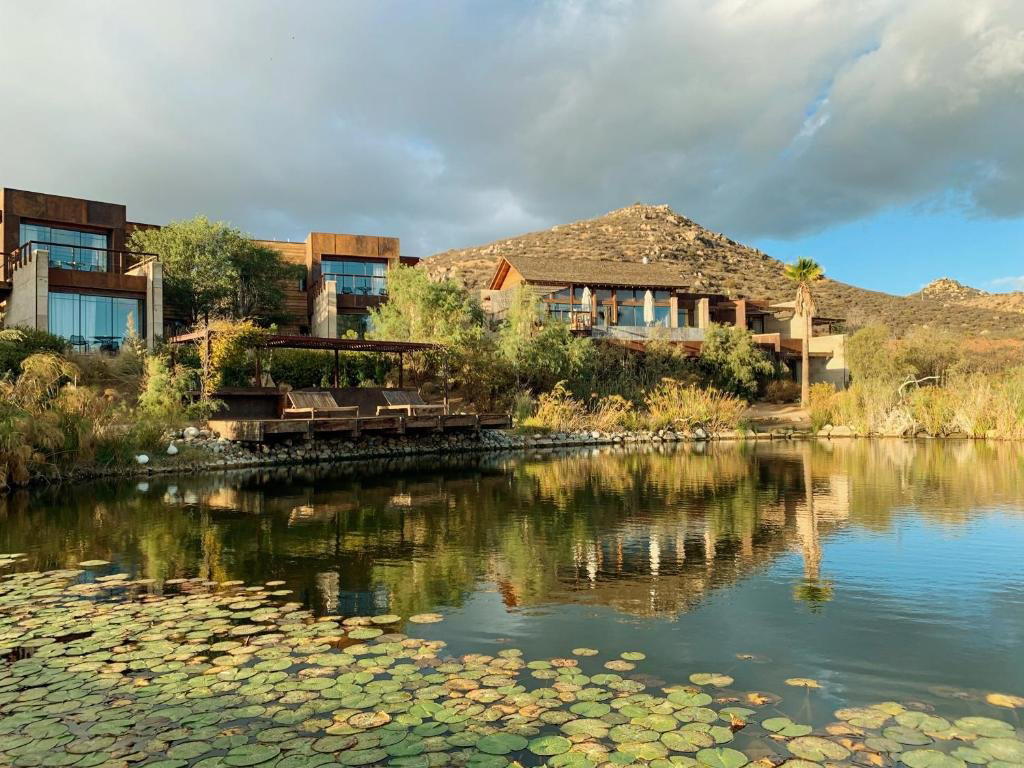
At a Glance
- Romantic
- Scenic
- Elegant
- Rustic
- Cozy
- Intimate
- Date Night
- Group Dining
- Celebration
- Special Occasion
- Private Event
- Panoramic View
- Design Destination
- Hotel Restaurant
- Wine Cellar
- Terrace
- Courtyard
- Extensive Wine List
- Natural Wine
- Sommelier Led
- Local Sourcing
- Natural Wine
- Farm To Table
- Vineyard
- Mountain
- Waterfront
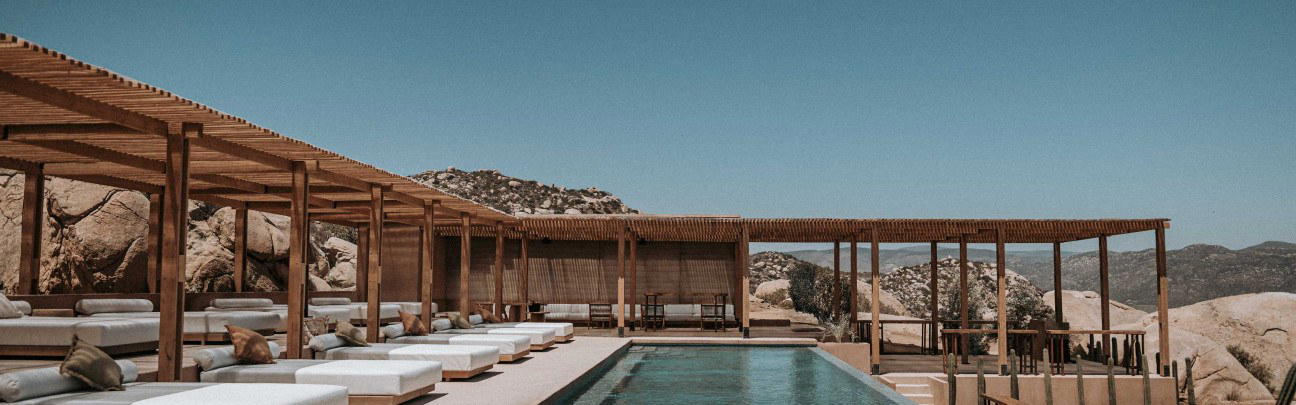
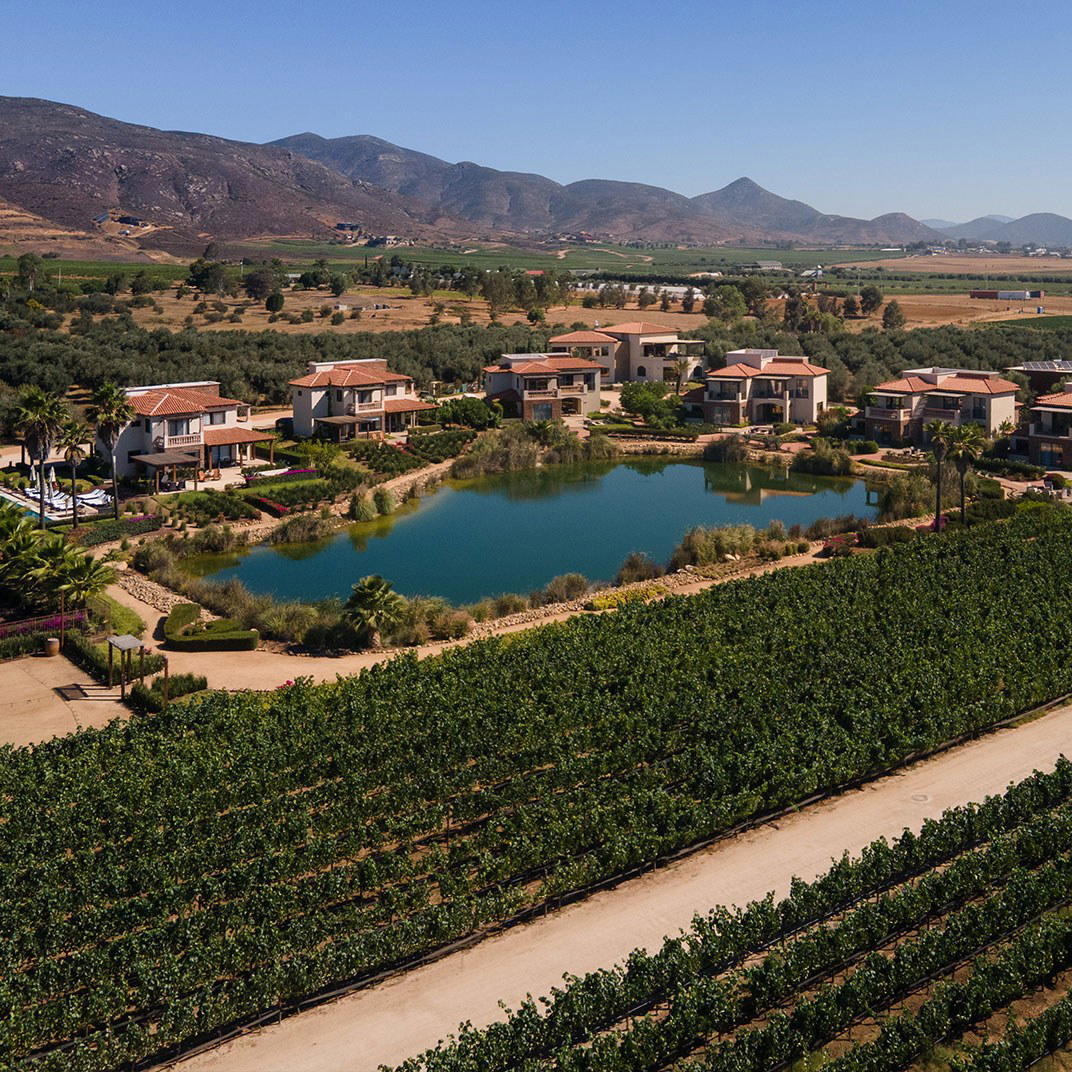
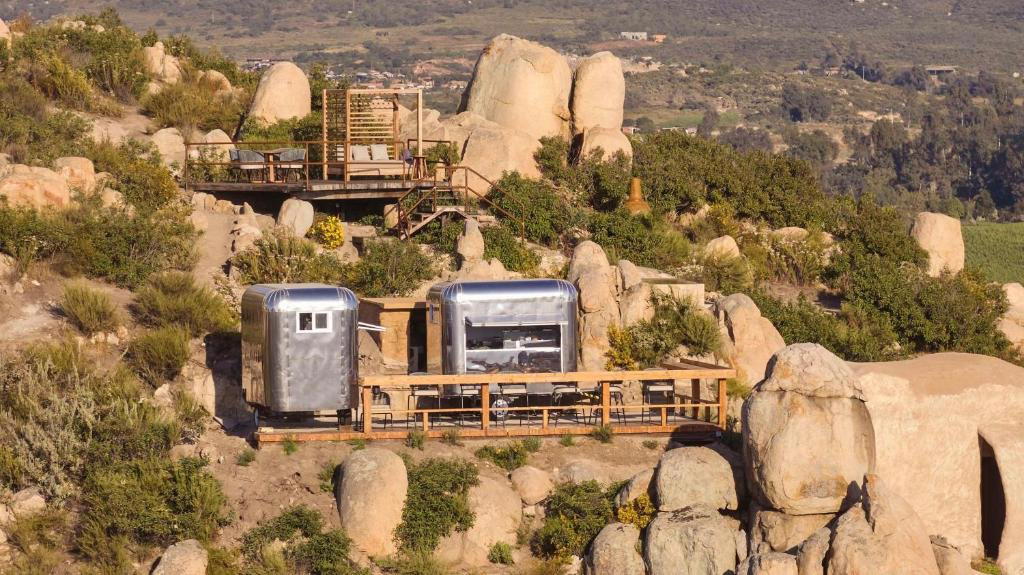
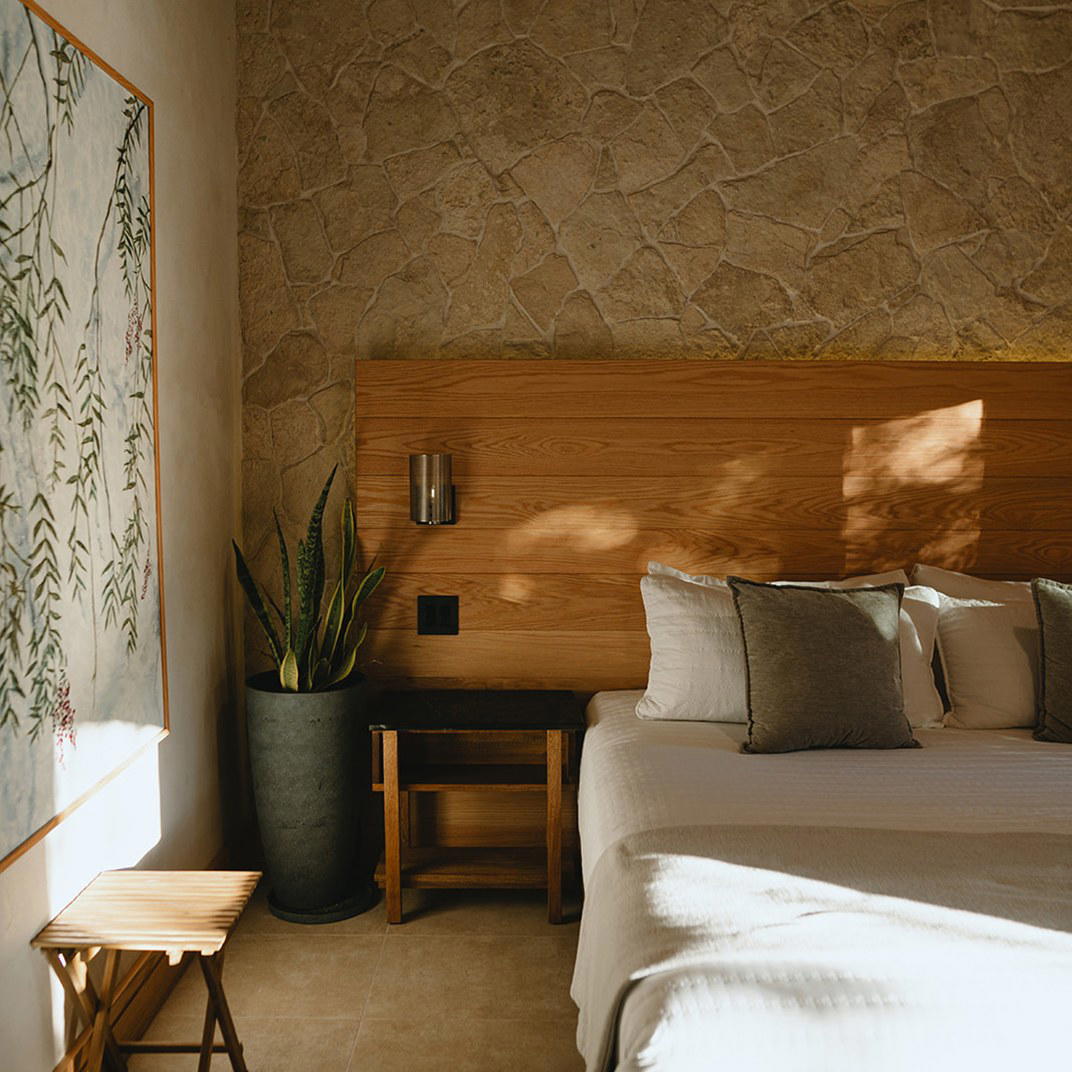
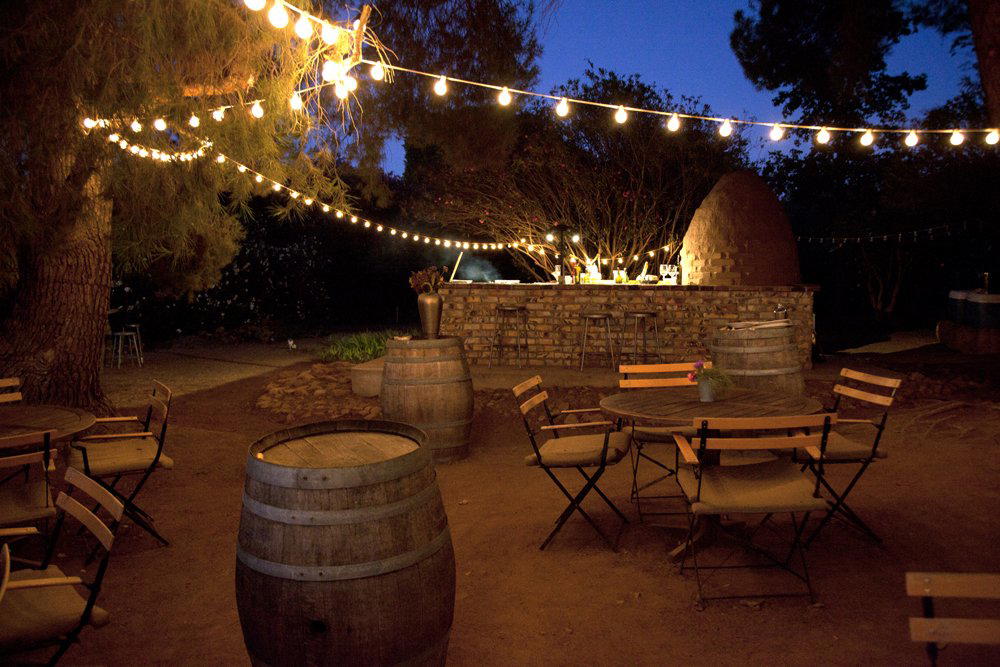
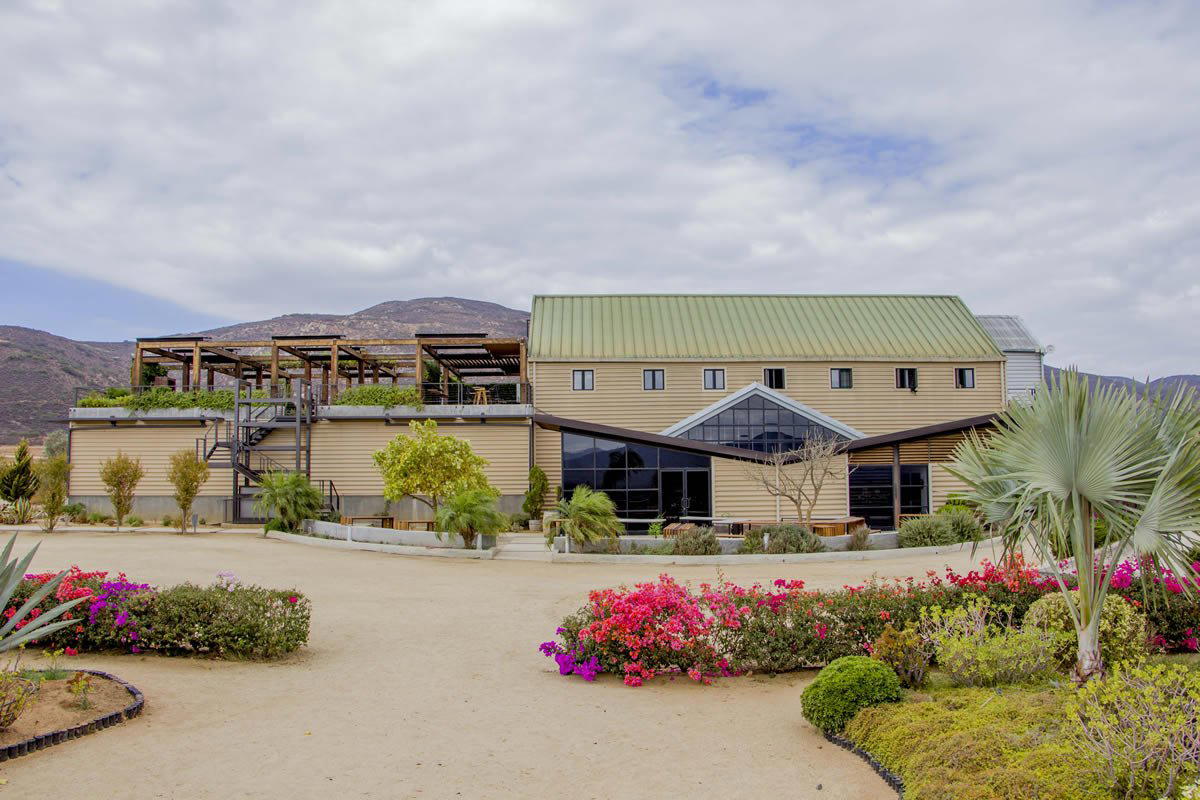
Serene and design-forward, with clay-toned textures, handcrafted Mexican furnishings, and warm wood finishes that create a quiet, intimate retreat overlooking the vineyards and desert landscape; lighting and materials favor a soft, natural feel suited to stargazing and relaxed evenings.
Know Before You Go
- Reservations
- Recommended
- Dress code
- Smart casual
- Getting there
- Carretera Avinicola La Cetto fraccionamiento, A-B, P74, 22760 Francisco Zarco, B.C. Mexico