Casa Julián
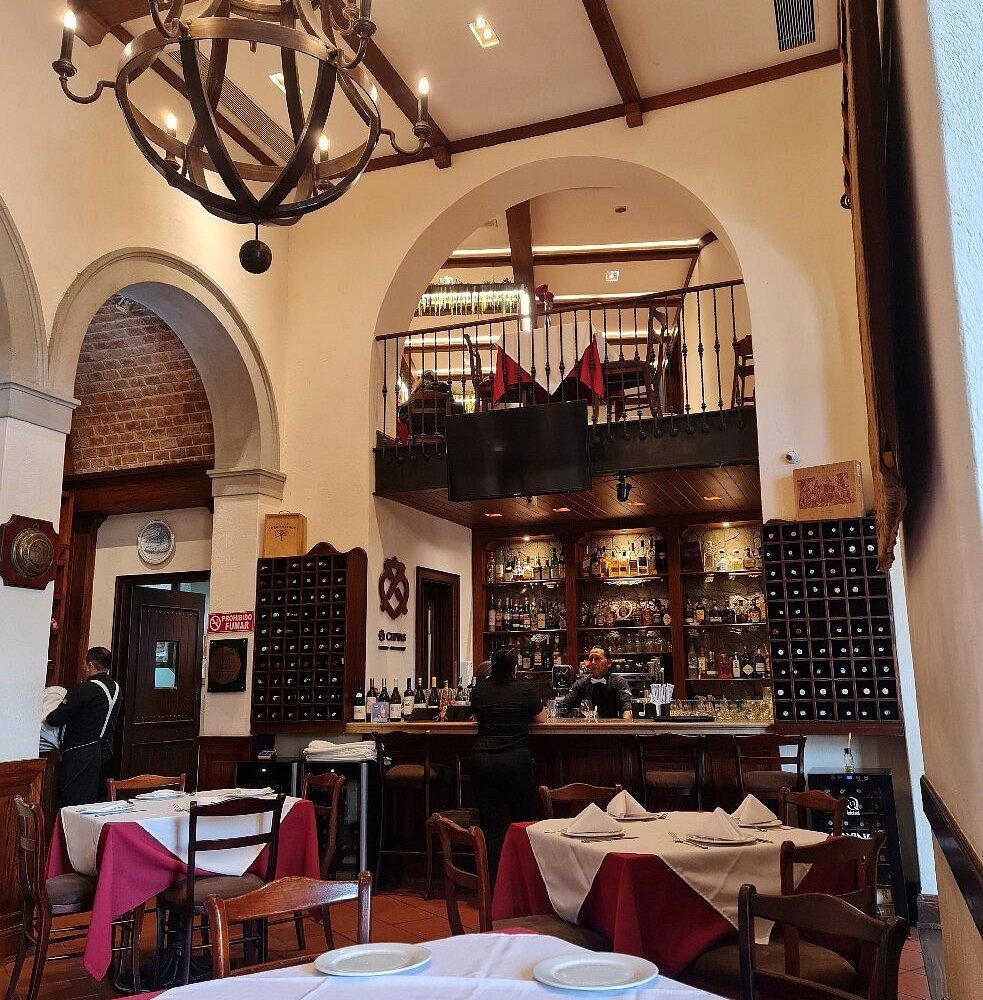
Casa Julián occupies a setting within Parque Histórico Guayaquil in Samborondón, bringing the asador tradition to one of Ecuador's most significant cultural landmarks. The restaurant operates as a sister address to Casa Julián in Guayaquil, with the wood-fired approach to beef at the centre of both formats. For visitors to the canton, it represents the most direct route into the Spanish-rooted grill tradition within the broader Guayaquil metropolitan area.
 Discover on Pearl
Pearl is the En Primeur Club membership app — saves, bookings, and concierge access live there. Same editors, same standards.
- Address
- Parque Histórico Guayaquil, Km 1½ vía a Samborondón, Av Los Arcos y, Av. Río Guayas, Samborondón 092301, Ecuador
- Phone
- +59343725260
- Website
- opentable.com
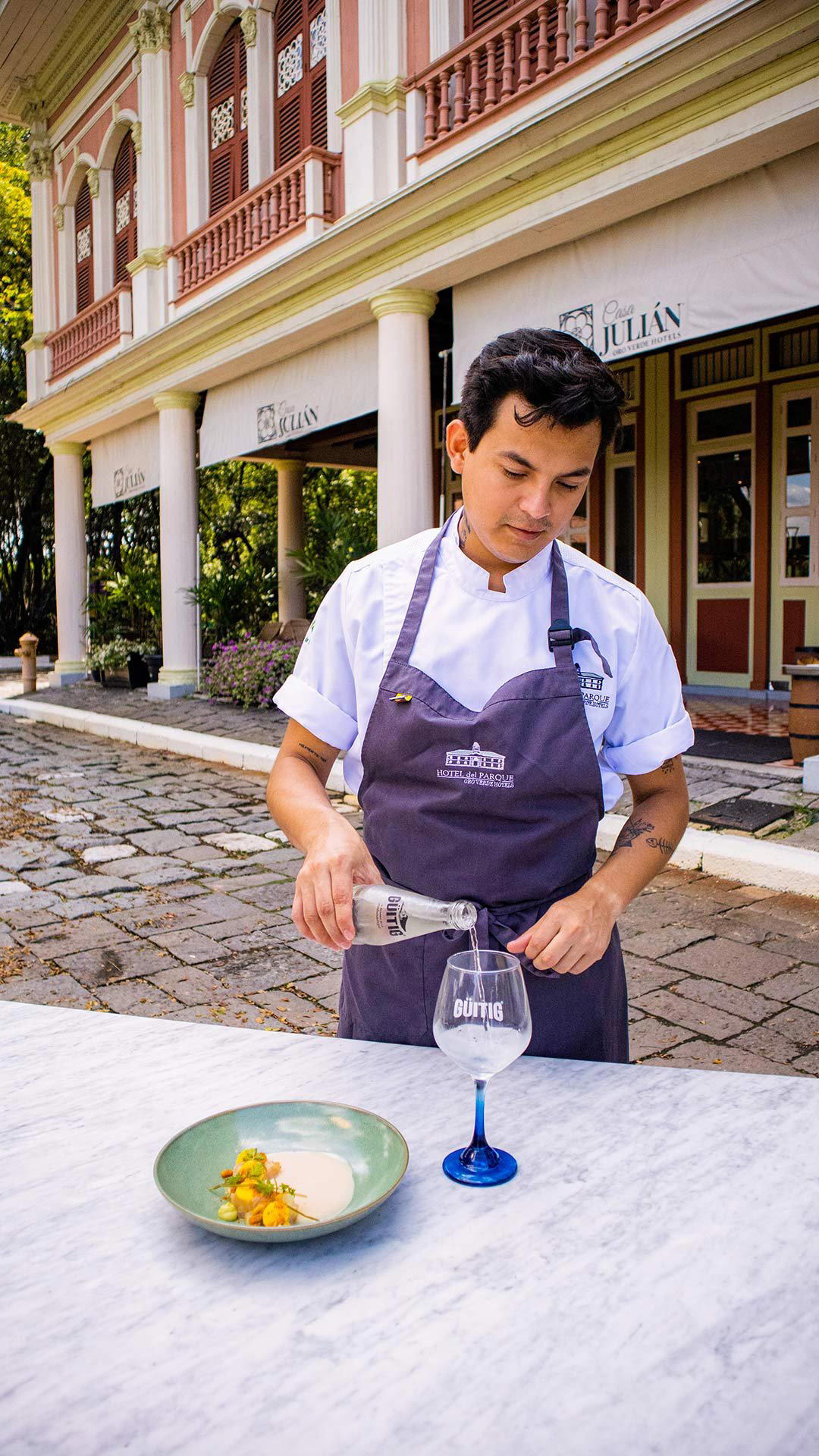
An Asador Inside Ecuador's Living History
The asador tradition arrived in Latin America through Spanish colonisation, and its grammar has remained largely intact: live fire, whole cuts, minimal intervention, time. What changes across the continent is context. In Argentina's pampas it carries pastoral logic. In Uruguay it anchors social rituals. In Ecuador, where criollo cattle ranching developed differently and coastal geography shaped food culture along its own axis, the asador sits slightly apart from the mainstream, a deliberate reference to an older culinary continent rather than a local vernacular. Casa Julián, operating from within the grounds of Parque Histórico Guayaquil in Samborondón Canton, places that imported tradition inside one of Ecuador's most charged cultural sites, which changes the experience in ways that a standalone steakhouse address cannot replicate.
Parque Histórico Guayaquil is not a conventional park. It functions as a working preservation of Ecuador's coastal historical architecture, flora, and fauna, colonial-era structures relocated and reconstructed, mangrove ecosystems maintained, and a broader civic ambition to hold the region's material history in place. Dining here, at any address, carries that institutional weight. Casa Julián's address on Avenida Los Arcos and Avenida Río Guayas, approximately 1.5 kilometres along the road to Samborondón, positions it squarely within this compound. The setting is not incidental to the meal.
The Asador Format and What It Demands
Wood-fire cooking at the asador level is one of the more demanding formats in a restaurant kitchen. Unlike tasting-menu precision, where small components allow for correction, large cuts over live fire require sustained judgment: heat management, resting times, and reading the fire rather than controlling it through equipment. Across South America, the counters and open grills that define this category attract both casual diners and serious beef eaters who arrive with specific expectations about crust development, internal temperature, and the quality of the source animal. It is a format where there is nowhere to hide.
The Casa Julián name has its primary expression in Guayaquil proper, and the Samborondón Canton location extends that identity into a distinct physical and cultural context. Samborondón itself functions as an affluent residential and commercial extension of Guayaquil, gated communities, corporate headquarters, and a dining scene that has expanded significantly over the past decade to serve a resident population with strong purchasing power and exposure to international food formats. Carlo & Carla and NOE experience – Bocca Samborondón represent the kind of European-influenced fine dining that has taken root here alongside more casual formats. An asador within this environment occupies a different register: older in form, less technically fussy, and more dependent on the quality of product and fire than on plating or theatrics.
Ecuador's Broader Restaurant Context
Ecuador's fine dining conversation has concentrated historically in Quito, where altitude, colonial architecture, and a stronger international tourism base gave restaurants like Nuema in Quito the conditions to develop serious tasting-menu programs rooted in Andean ingredients. The coastal cities have followed a different logic, shaped by port culture, seafood abundance, and a more direct Spanish inheritance in cooking technique. Guayaquil's restaurant scene, and by extension Samborondón Canton's, has typically prized directness over elaboration: ceviche, seco de carne, and grilled proteins over multi-course refinement.
Within that coastal character, the asador format reads as coherent rather than imported. The fire-and-beef combination has genuine cultural logic in a city with strong Spanish-lineage food traditions. Comparisons with the Southern Cone's dominant grill culture are inevitable but not entirely useful: Ecuador's version exists on different economic and agricultural terms, and the guest demographic in Samborondón skews toward business travellers and affluent local families rather than the international beef tourism that drives the Argentine premium steak market. For a broader picture of where this restaurant sits within the canton's dining options, our full Samborondon Canton restaurants guide maps the full range.
Across the region, the restaurants that have attracted the most attention for connecting local food culture with international-calibre execution include Capitan&Co. in Cuenca Canton and, in a completely different register, Hornados Dieguito in Los Chillos, where the focus is on the hornado tradition rather than the asador. Each of these addresses articulates a different relationship between fire, animal protein, and Ecuadorian culinary identity. The asador sits at the Spanish end of that spectrum.
The Parque Histórico Setting as Dining Context
Restaurants operating within heritage or institutional sites face a specific set of conditions. The location provides atmosphere and distinction that no purpose-built dining room can manufacture, but it also imposes constraints: operating hours tied to the park, visitor demographics that blend tourists with local residents, and an expectation that the food will somehow be commensurate with the weight of the surroundings. At Parque Histórico Guayaquil, the architectural and ecological preservation work sets a specific tone, measured, historically conscious, concerned with continuity. An asador within this setting carries those associations whether it intends to or not.
For visitors arriving from outside the metropolitan area, the park setting has practical implications. Access is via the Km 1.5 road to Samborondón, and the surrounding area is better suited to arrival by private vehicle or taxi than on foot. The Samborondón Canton is not a walkable dining district in the conventional sense; it is a planned zone of wide roads, commercial parks, and residential compounds where the logic of movement is automotive. Planning around this is advisable, particularly for evening visits when rideshare availability can be less consistent than in central Guayaquil.
For international comparison, the commitment to the live-fire format at the level that serious asador restaurants maintain connects conceptually to wood-fired approaches seen at recognised addresses in Europe and North America, including Dal Pescatore in Runate or, in a very different market, Lazy Bear in San Francisco, though the culinary tradition and price tier are distinct. Ecuador's Galápagos dining, documented through addresses like Pikaia Lodge and Ecoventura – Galapagos in San Cristóbal, shows a different axis entirely: international lodge cuisine shaped by conservation rather than urban dining culture. The asador in Samborondón occupies the opposite end of that spectrum, urban, fire-focused, rooted in a very specific culinary inheritance.
Planning a Visit
The Parque Histórico Guayaquil setting means visitors may wish to combine the dining visit with time in the park, which operates on its own schedule and is particularly active on weekends and public holidays. Carlo & Carla at the European end to NOE experience – Bocca Samborondón for those interested in the experiential dining formats gaining traction in the area.
Price Lens
Comparable venues nearby, for context on price, style, and recognition.
| Venue | Cuisine | Awards |
|---|---|---|
| Casa JuliánThis venue — the venue you are viewing | ||
| Nuema | South American | World's 50 Best |
| Zazu | Contemporary Ecuadorean | |
| Casa Julián | Asador - Steak | |
| Pikaia Lodge | International Lodge | |
| Ecoventura - Galapagos | Ecuadorian Wildlife |
Continue exploring
More in Samborondon Canton
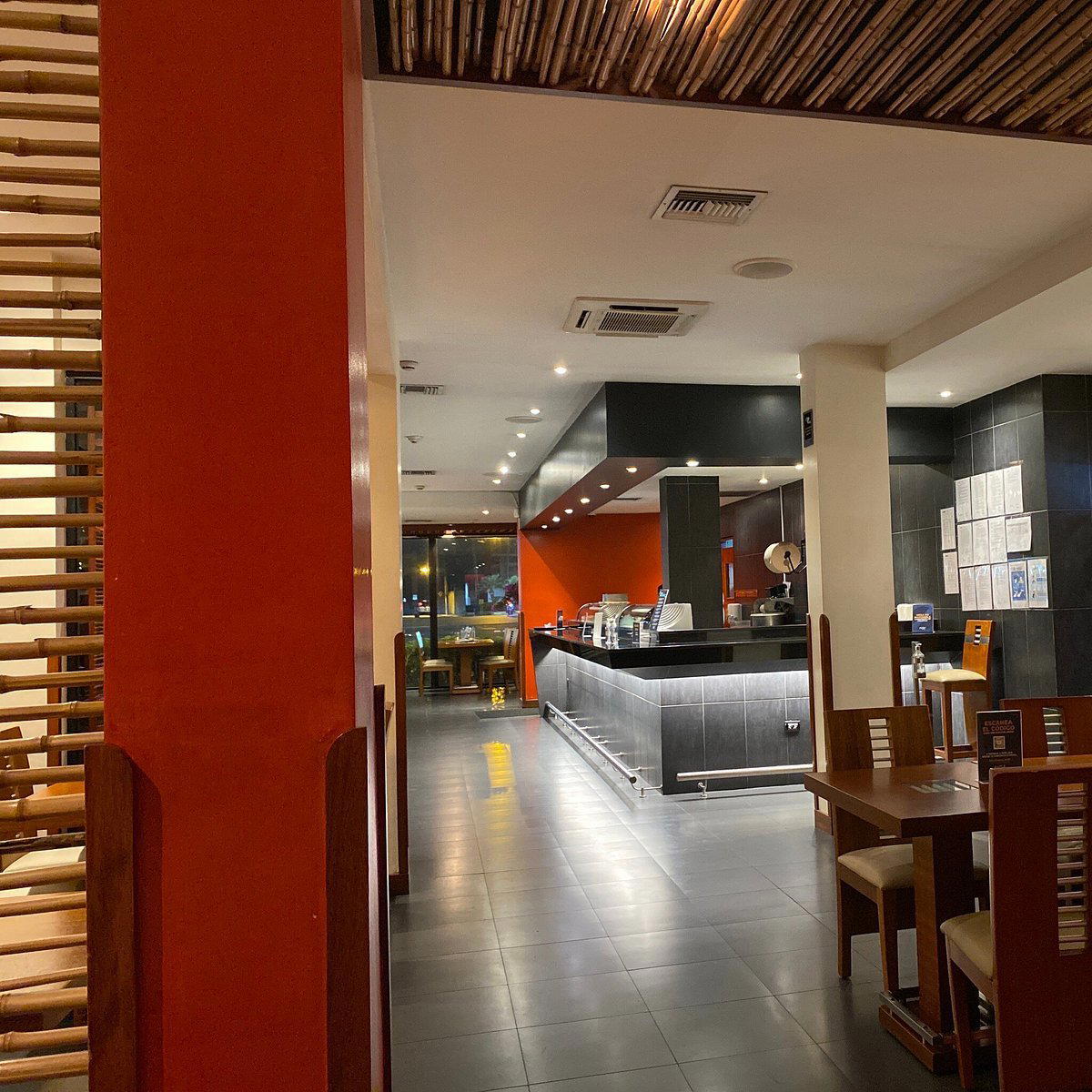
Restaurants in Samborondon Canton
Browse all →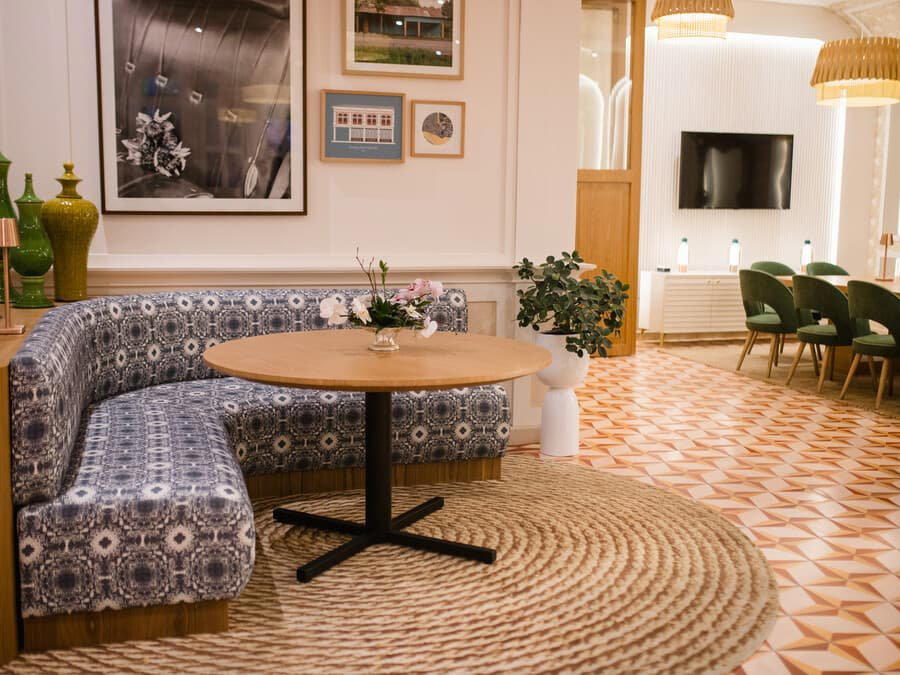
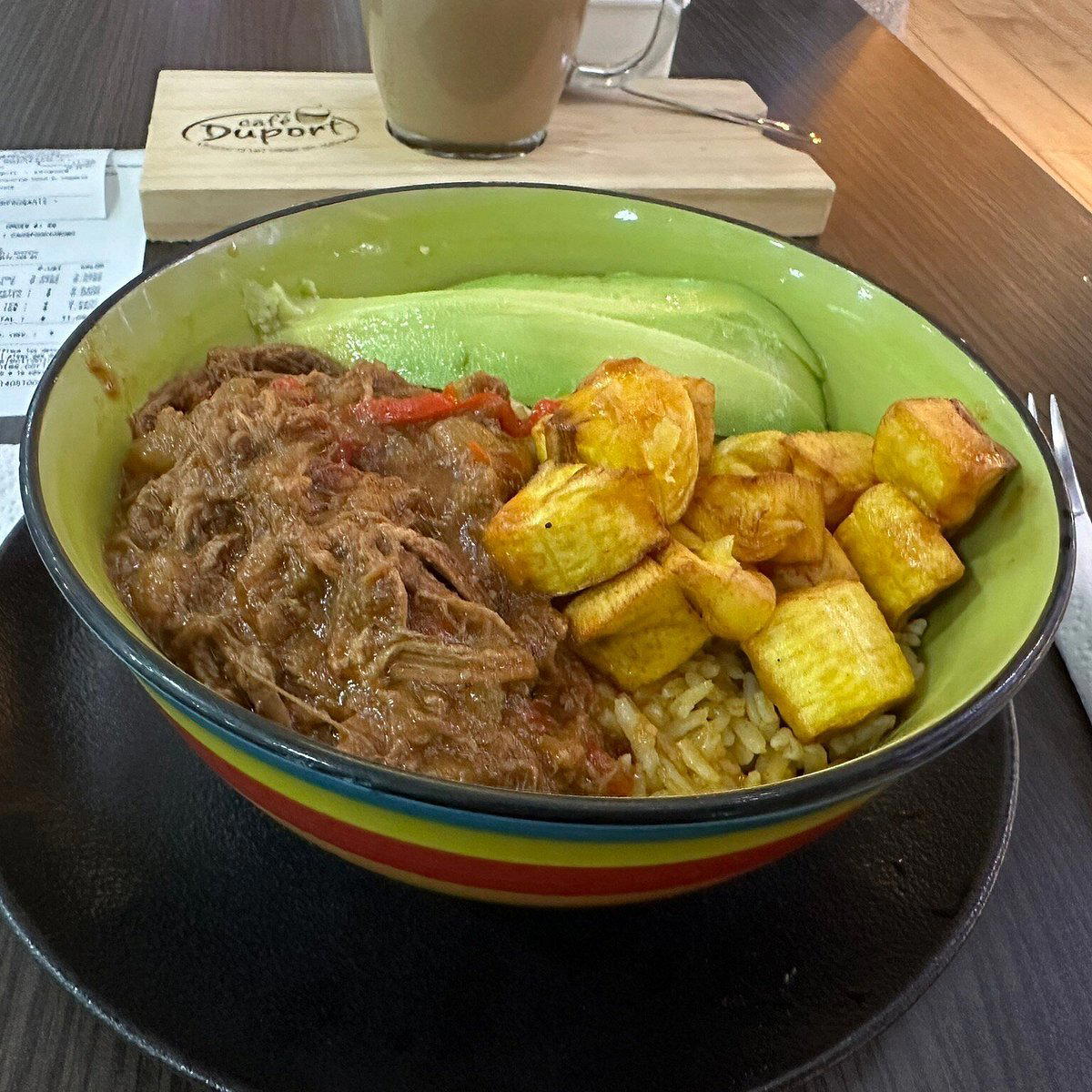

Hotels in Samborondon Canton
Browse all →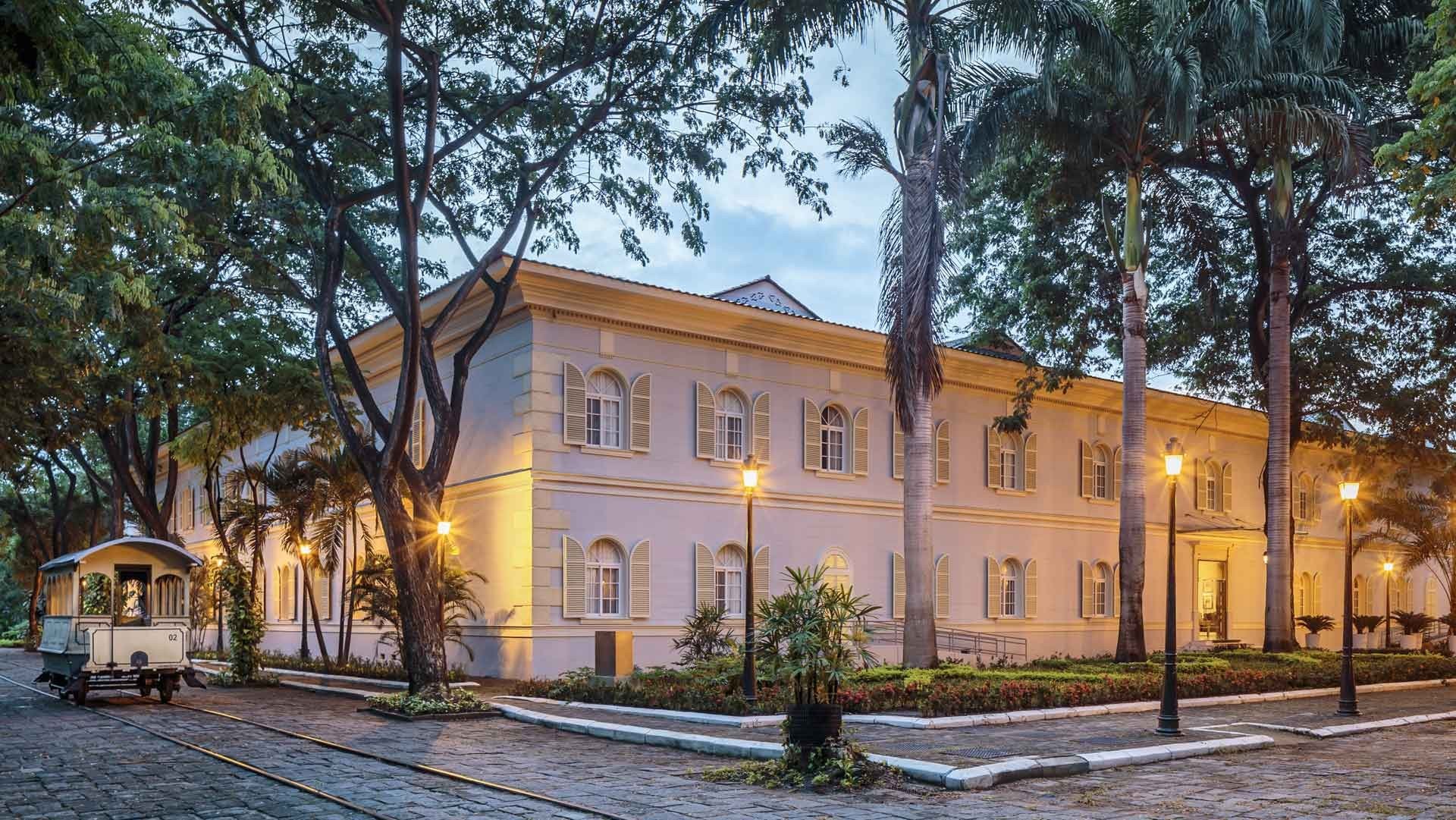
At a Glance
- Romantic
- Elegant
- Scenic
- Rustic
- Date Night
- Special Occasion
- Celebration
- Waterfront
- Garden
- Historic Building
- Terrace
- Local Sourcing
- Waterfront
- Garden
Tranquil historic setting surrounded by nature, flora, fauna, river breeze, and park garden views.