Casa Cosenza
A neighborhood Italian spot on Tampa Road in Oldsmar, Casa Cosenza occupies the kind of strip-mall address that Florida's suburban dining scene has long favored for family-run kitchens. The cuisine points to Calabrian and southern Italian roots, placing it in a different register than the area's chain-heavy corridors. For residents of the Old Tampa Bay corridor, it represents a locally rooted alternative to the broader Oldsmar dining mix.
Pearl is the En Primeur Club membership app — saves, bookings, and concierge access live there. Same editors, same standards.
- Address
- 3705 Tampa Rd #6, Oldsmar, FL 34677
- Phone
- +18139259765
- Website
- casacosenza3705.com
- Directions
- Get directions
 Saves & bookings on Pearl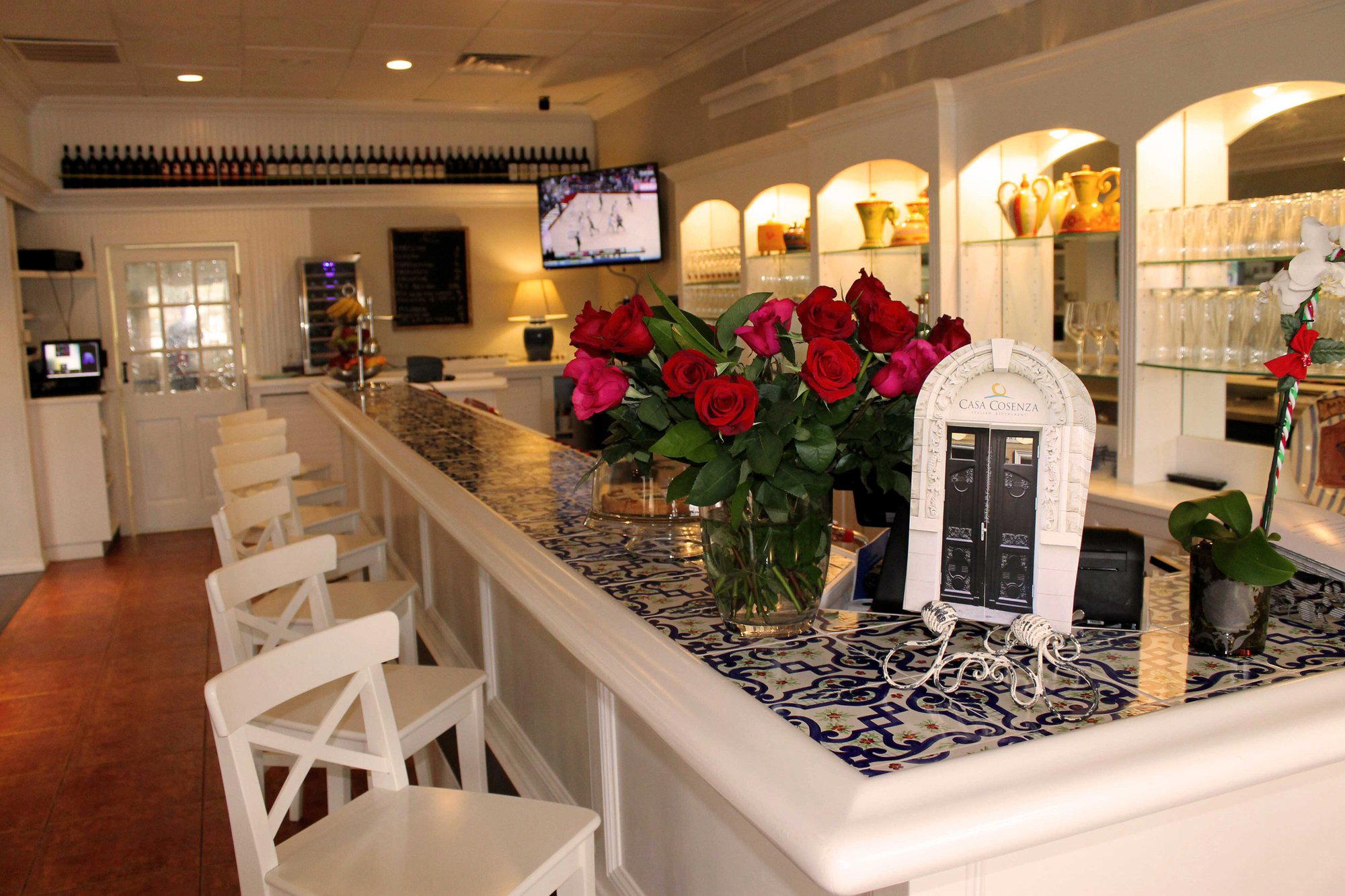
Strip-Mall Address, Southern Italian Roots
Florida's suburban dining map is full of contradictions. The state's most reliably personal cooking often arrives through the least glamorous front doors: a strip-mall unit on a four-lane road, signage that doesn't announce anything, a parking lot shared with a nail salon. Casa Cosenza, at 3705 Tampa Road in Oldsmar, follows that pattern. The address is unpromising by conventional measures, but in the context of the Old Tampa Bay corridor, where the dining options run heavily toward chain casual and fast-casual formats, a family-run Italian kitchen with roots in the south of Italy occupies a distinct position.
The name references Cosenza, the provincial capital of Calabria in Italy's far south, a region whose food culture is less internationally recognized than Neapolitan or Sicilian cooking but no less defined. Calabrian cuisine is built on preserved goods, dried chilies, cured meats, and a Mediterranean pantry logic shaped by centuries of necessity. That regional specificity, when it appears in American suburban Italian cooking, tends to signal a kitchen operating from a more personal reference point than the red-sauce generalism that defines most of the category. Whether Casa Cosenza holds closely to that Calabrian lineage or blends it into a broader Italian-American format is a question better answered in person, but the name itself is a declaration of origin.
Where Oldsmar Fits in Tampa Bay's Dining Picture
Oldsmar sits at the northern edge of Tampa Bay, a small city of around 15,000 residents that functions largely as a residential community for people working in Clearwater, Tampa, or the broader Pinellas-Hillsborough corridor. Its restaurant scene reflects that demographic: practical, neighborhood-oriented, and oriented around value and familiarity rather than culinary ambition. The presence of Flamestone American Grill represents one end of the local range, a higher-production American format that draws from across the area. Casa Cosenza operates at a different register, closer to the neighborhood-kitchen end of the spectrum.
For context on what ingredient-forward Italian cooking can look like at a national level, the contrast with destination restaurants is instructive. The French Laundry in Napa and Blue Hill at Stone Barns in Tarrytown have each built entire programs around sourcing specificity, where the origin of every ingredient is treated as editorial content in itself. At Single Thread Farm in Healdsburg, the farm-to-table connection is literal. Smyth in Chicago and Lazy Bear in San Francisco approach ingredient sourcing through a progressive American lens that treats provenance as central to the menu's identity. Suburban Italian kitchens operate in a fundamentally different register, but the underlying logic of cooking from a specific regional pantry connects them to the same tradition, scaled down and made practical for a neighborhood context.
That same sourcing-first logic appears at different price points across the country. Oyster Oyster in Washington, D.C. makes hyper-local sourcing central to its identity at a mid-range price point. ITAMAE in Miami does something similar with Peruvian-Japanese sourcing. Even at the high end, Le Bernardin in New York City, Providence in Los Angeles, and Addison in San Diego all treat ingredient origin as foundational rather than incidental. The regional Italian kitchen, at its leading, applies the same discipline through a more compressed and personal lens.
The Calabrian Pantry and What It Signals
Southern Italian cooking, and Calabrian cooking in particular, draws from a pantry that is defined by preservation and intensity. 'Nduja, the spreadable fermented pork sausage that has become one of the more widely recognized exports of the region, is a product of this tradition: fat, heat, and time working together. Dried Calabrian chilies, bergamot from the coastal groves near Reggio, preserved anchovies, and a particular approach to eggplant and dried pasta all figure in the regional repertoire. Restaurants that anchor to a specific regional Italian identity, rather than defaulting to a generic Italian-American format, tend to source more deliberately and cook with more discipline around a narrower set of ingredients.
This is the framing through which a name like Casa Cosenza carries meaning. It suggests a kitchen that knows what it is: not a generic Italian restaurant, but one with a geographic and culinary point of reference. In the broader Tampa Bay area, that kind of specificity is less common than the category's volume might suggest. The Italian restaurant category in the region runs largely toward the familiar: pasta dishes, red sauce, a broad menu designed for maximum accessibility. A kitchen that operates from a defined regional tradition occupies a smaller niche within that category, and in a suburban context, that niche is typically served by family-run operations rather than larger restaurant groups. Across the country, places like Frasca Food and Wine in Boulder have demonstrated that a deep commitment to a specific Italian regional identity, in this case Friulian, can sustain a serious restaurant program far outside Italy's borders. Atelier Moessmer Norbert Niederkofler in Brunico represents one rigorous European expression of that Alpine-regional discipline. Atomix in New York City shows what that level of sourcing and cultural specificity looks like in a Korean context. These are different scales and different ambitions, but the underlying principle of cooking from a defined place rather than a generic category applies across all of them.
Planning a Visit
The restaurant is located at 3705 Tampa Road, unit 6, in Oldsmar, accessible by car from both the Clearwater and Tampa sides of the bay. The strip-mall setting means parking is not an issue. Hours are Mon through Thu 5 to 8 PM, Fri 4:30 to 10 PM, Sat 4 to 10 PM, and Sun closed. Those looking for comparison points in the southern Italian and Italian-American category across Florida and beyond should also note Emeril's in New Orleans and The Inn at Little Washington as reference points for what southern and mid-Atlantic American kitchens have done with European culinary traditions at a more elaborate scale. The Wolf's Tailor in Denver represents yet another American take on ingredient-led cooking that draws from European tradition without copying it.
A Quick Peer Check
Comparable venues nearby, for context on price, style, and recognition.
| Venue | Cuisine | Price | Notes |
|---|---|---|---|
| Casa CosenzaThis venue — the venue you are viewing | Authentic Italian Pasta | $$$ | Not listed |
| Flamestone American Grill | American Steakhouse Grill | $$$ | Oldsmar |
| MEMO Modern Italian | Modern Italian | $$$ | Westchase |
| Palm Court Italian | Classic Red-Sauce American Italian | $$$ | St Pete Beach |
| The Place 720 | Casual Italian Seafood Fusion | $$$ | Flamingo / Lummus |
| Oggi Italian | Modern Italian Pasta House | $$$ | Davis Islands |





At a Glance
- Cozy
- Elegant
- Intimate
- Date Night
- Special Occasion
Current opening hours
- Monday
- 5–8 PM
- Tuesday
- 5–8 PM
- Wednesday
- 5–8 PM
- Thursday
- 5–8 PM
- Friday
- 4:30–10 PM
- Saturday
- 4–10 PM
- Sunday
- Closed
Hours can change for holidays and private events. Last verified .
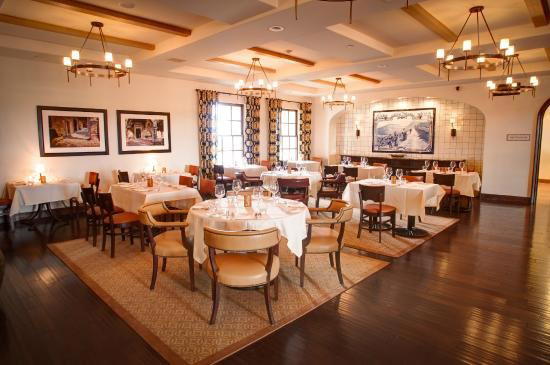
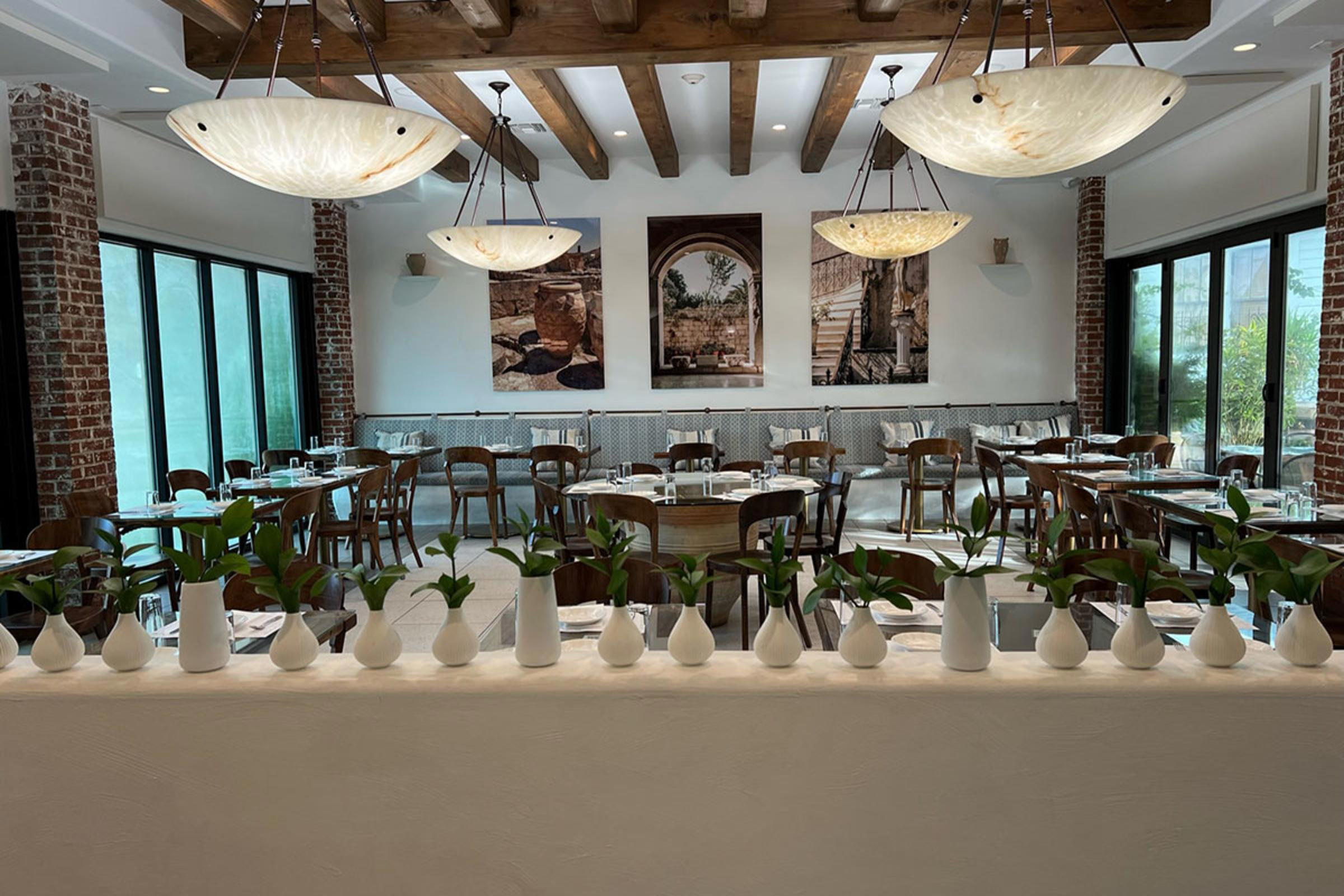
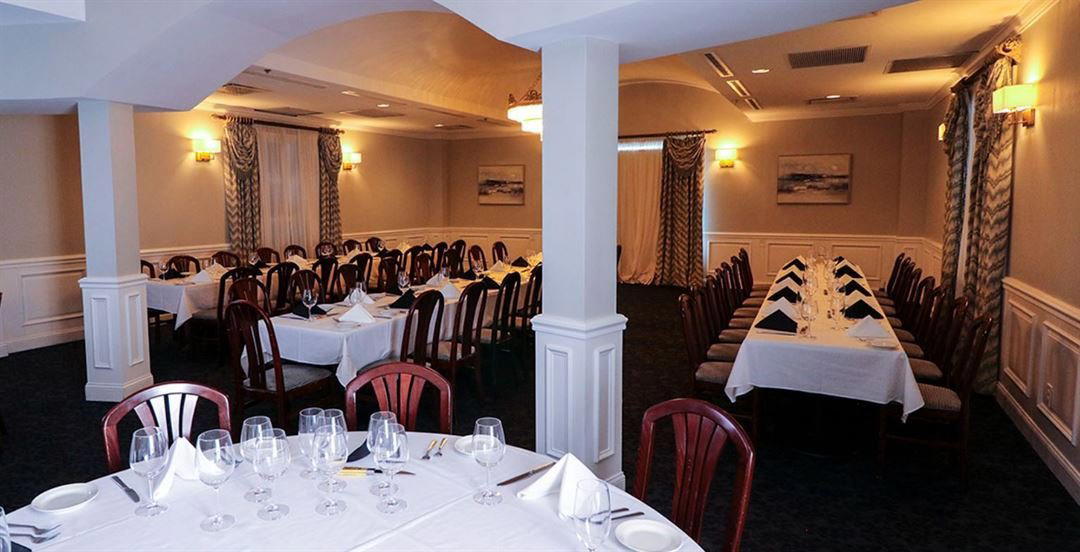
Peaceful, elegant atmosphere focused on quality preparations and Italian food traditions.