Casa Alva

Casa Alva sits in the Alpine village of Trin, earning consecutive Michelin Plate recognition in 2024 and 2025 for a farm-to-table approach rooted in the agricultural rhythms of Graubünden. The cooking takes its cues from local sourcing rather than imported luxury, placing it in a quiet but serious tier of regional Swiss dining. It holds rare consistency for a village-scale restaurant.
Pearl is the En Primeur Club membership app — saves, bookings, and concierge access live there. Same editors, same standards.
- Address
- Visut 31, 7014 Trin, Switzerland
- Phone
- +41 81 630 42 45
- Website
- casa-alva.ch
- Directions
- Get directions
 Saves & bookings on Pearl
Where the Graubünden Valley Sets the Menu
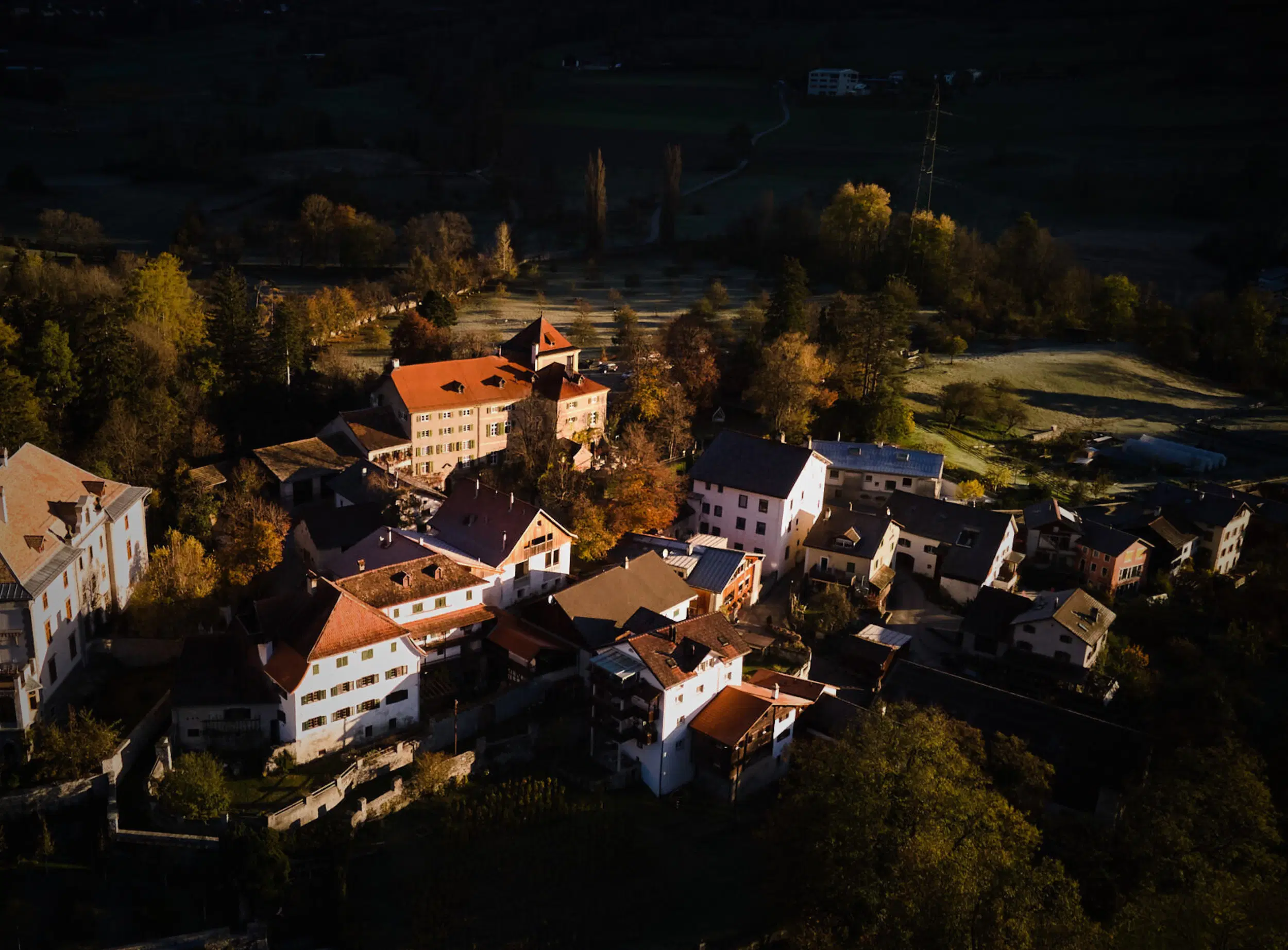
Trin sits at around 900 metres in the Rhine Valley, the kind of Alpine commune that most travellers pass through on the way to Flims or Laax. The village carries none of the resort infrastructure of its neighbours, which makes the presence of a Michelin-recognised restaurant on Visut 31 quietly significant. Casa Alva is not the product of a destination dining scene, it is the product of a place, and that distinction shows in every decision the kitchen makes about what arrives on the plate.
The farm-to-table designation, applied loosely to thousands of restaurants across Europe, means something more specific in this context. Graubünden is Switzerland's largest canton by area and one of its most agriculturally self-sufficient. Alpine pastures, short-season vegetables, heritage grain cultivation, and small-scale livestock farming give a kitchen with genuine local sourcing commitments a different raw material base than urban equivalents working with the same label. The growing season is compressed, the produce is flavour-dense by necessity, and the distance between field and kitchen in a village this size can be measured in walking minutes rather than supply-chain days.
The Case for Ingredient-Led Cooking at Altitude
Farm-to-table cooking in an Alpine setting operates under constraints that urban versions do not face. The winter months in Trin bring temperatures that curtail fresh produce entirely, which means a kitchen committed to local sourcing must either work with preservation, fermentation, drying, pickling, cold-storage root vegetables, or adapt the menu to reflect what the season has actually produced. This is not a philosophical choice so much as a practical one, and it tends to produce cooking with more structural honesty than menus engineered around year-round availability.
Casa Alva's Michelin Plate recognition in 2024 and 2025 places it within a category that Michelin uses to signal good cooking without the starred tier's weight of ceremony. The Plate is not a consolation designation, it marks restaurants the inspectors consider worth eating at, and holding it across two consecutive years in a village setting, rather than a city where inspector visits are more frequent, suggests a kitchen operating with reliable standards rather than occasional flashes. For context on where Swiss fine dining reaches its formal apex, Schloss Schauenstein in Fürstenau holds three Michelin stars in a similarly rural Graubünden setting, demonstrating that the canton has a genuine track record of serious cooking outside the urban centres.
At a large city restaurant, that volume might represent a single busy weekend. At a village-scale operation in a commune with Trin's population, 105 reviews reflect a sustained relationship with guests over time, locals, regional visitors, and travellers who have made the detour deliberately. That score distribution suggests consistent execution rather than a single celebrated visit driving the average.
Trin and the Graubünden Dining Argument
The broader argument for eating in rural Graubünden rather than driving to a starred urban table is partly about what the food can actually reference. When a kitchen in Trin cites local sourcing, it is drawing on the same agricultural territory that surrounds the diner. The hay-scented air outside the restaurant and the beef or dairy on the plate potentially share the same pasture. That coherence is harder to manufacture in a city, where local sourcing is a supply decision rather than a geographical condition.
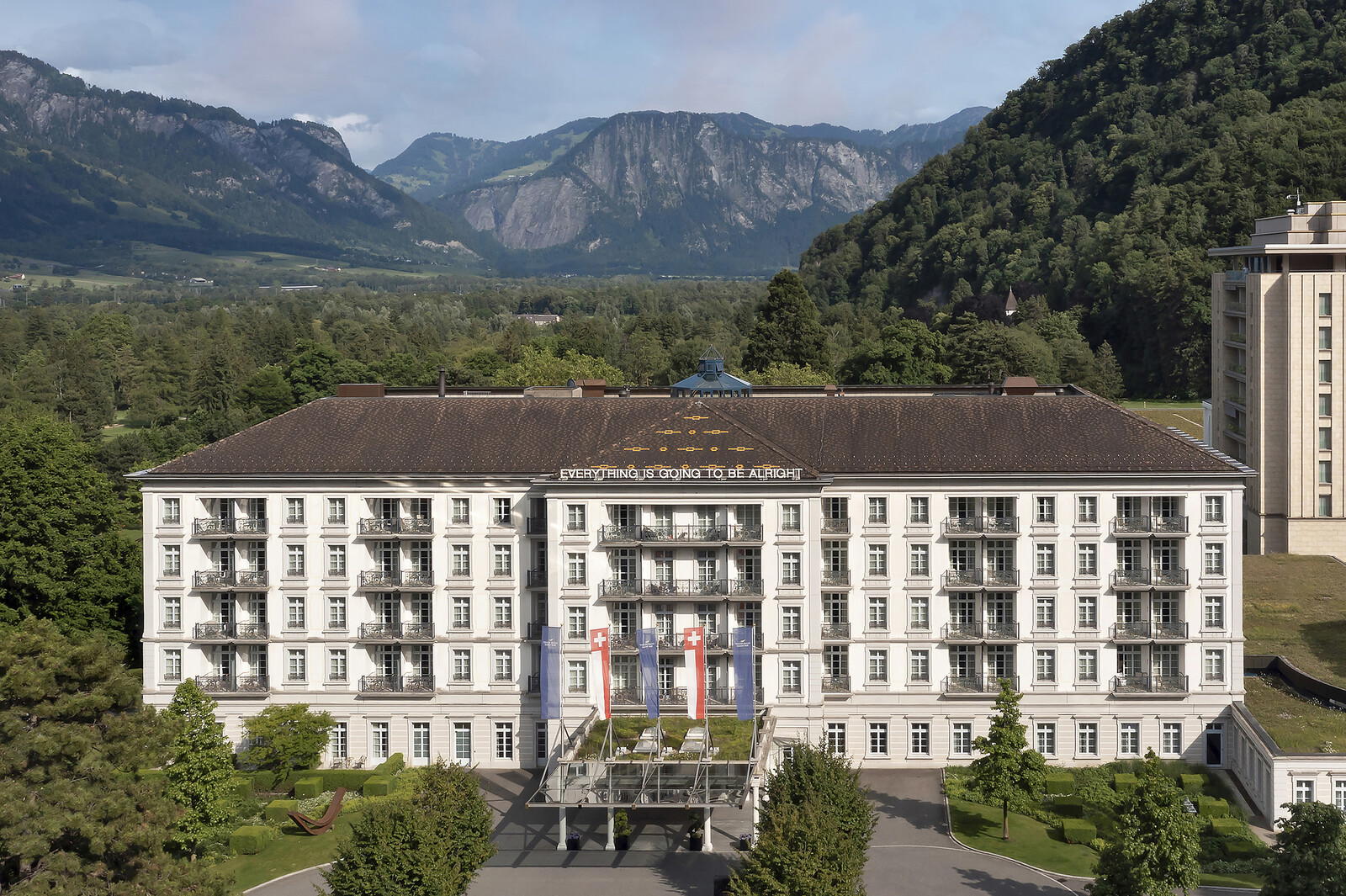
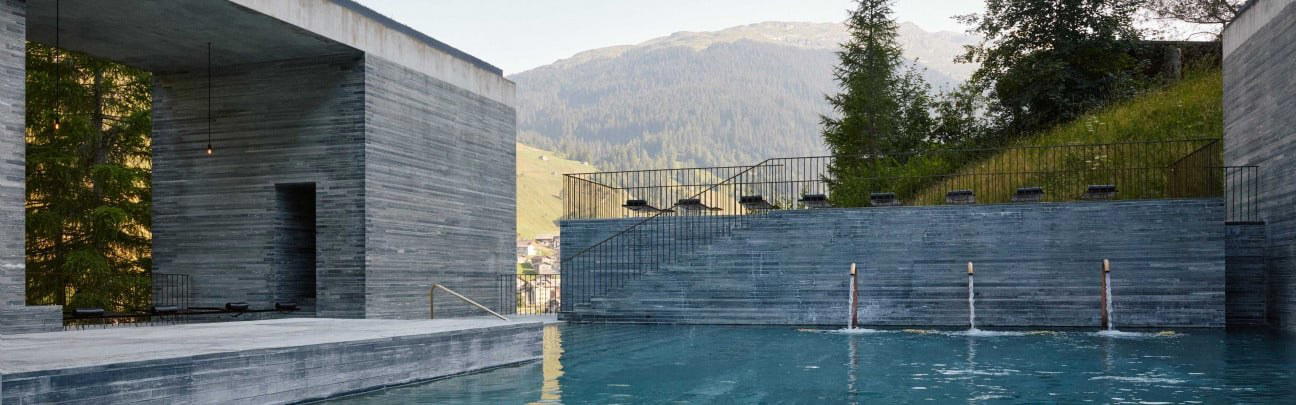
Switzerland's serious dining tier remains concentrated in urban centres and a handful of resort destinations. Memories in Bad Ragaz and 7132 Silver in Vals represent the high-formality end of the Alpine dining spectrum, both attached to major hotel infrastructure and priced at the €€€€ tier. Casa Alva at €€€ occupies a different position, serious enough for a destination meal, approachable enough for a regional dinner without the full formal apparatus. For Switzerland's leading urban tables, the range spans from Cheval Blanc by Peter Knogl in Basel to L'Atelier Robuchon in Geneva, where the reference points shift entirely toward classical French tradition. The restaurant is doing something categorically different and should be evaluated on those terms.
The farm-to-table category across Europe has developed its own internal hierarchy. At the more considered end, restaurants like Au Gré du Vent in Seneffe and BOK Restaurant in Münster demonstrate that ingredient-sourcing discipline can underpin formal culinary ambition. The restaurant belongs to this broader European conversation about what hyperlocal cooking looks like when it is taken seriously rather than deployed as a marketing position.
Planning a Visit to Casa Alva
Trin is accessible from Chur, the canton capital, in under 20 minutes by road, Chur itself is on the main rail corridor connecting Zurich to the Engadine, which places the restaurant within a practical day-trip or overnight radius of Zurich. The village is small enough that arriving by car makes sense, particularly if combining the meal with a wider exploration of the Rhine Valley or the Flims-Laax area. The €€€ price range positions this as a considered dinner rather than a casual stop, worth reserving in advance, particularly in summer and autumn when the valley attracts hikers and cyclists alongside the skiing crowd that defines winter.
Those combining a Graubünden dining circuit with other Swiss regions might also consider Einstein Gourmet in Sankt Gallen, focus ATELIER in Vitznau, IGNIV Zürich by Andreas Caminada in Zurich, Da Vittorio - St. Moritz in St. Moritz, Colonnade in Lucerne, and Hotel de Ville Crissier in Crissier as reference points across the country's dining range.
Side-by-Side Snapshot
Comparable venues nearby, for context on price, style, and recognition.
| Venue | Cuisine | Price | Awards | Notes |
|---|---|---|---|---|
| Casa AlvaThis venue — the venue you are viewing | Modern Swiss Fine Dining with Regional Influences | $$$$ | Michelin Plate | Not listed |
| Fiescherblick | Modern Swiss Fine Dining | $$$$ | Michelin Plate | Grindelwald |
| Wirtschaft zur Rosenburg | Regional Swiss Seasonal | $$$ | Michelin Plate | Stans center |
| In Lain Hotel Cadonau | Swiss Fine Dining | $$$$ | Not listed | Brail |
| Multertor | Modern Swiss Comfort Cuisine | $$$ | Bib Gourmand | Innenstadt |
| Marmo | Modern Alpine | $$$ | Michelin Plate | Furi |
Recognition history
Dated appearances from independent guides and award organizations, with the underlying list record or original source where available.
Michelin Plate
Michelin
Michelin Plate
Michelin
At a Glance
- Cozy
- Elegant
- Intimate
- Rustic
- Sophisticated
- Date Night
- Special Occasion
- Historic Building
- Extensive Wine List
- Local Sourcing
Current opening hours
- Monday
- Closed
- Tuesday
- 6 PM–12 AM
- Wednesday
- 6 PM–12 AM
- Thursday
- 6 PM–12 AM
- Friday
- 6 PM–12 AM
- Saturday
- 6 PM–12 AM
- Sunday
- Closed
Hours can change for holidays and private events. Last verified .
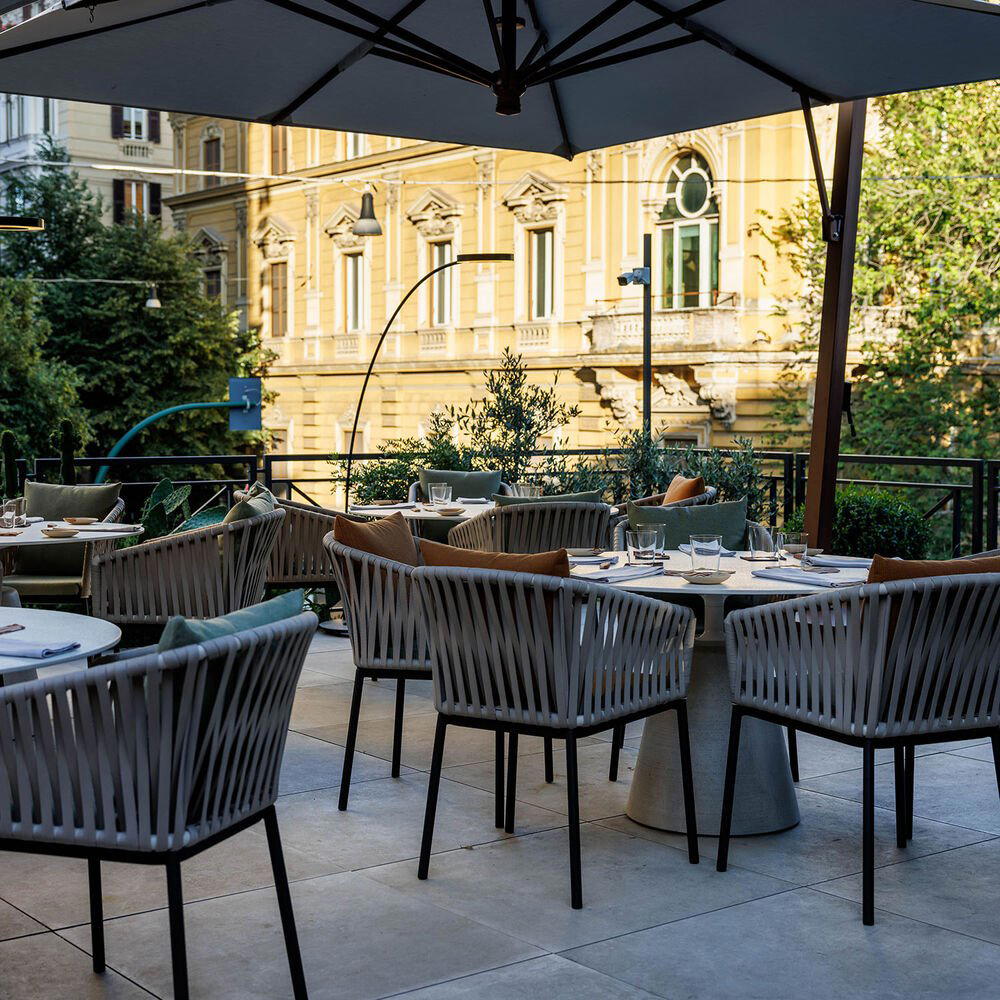
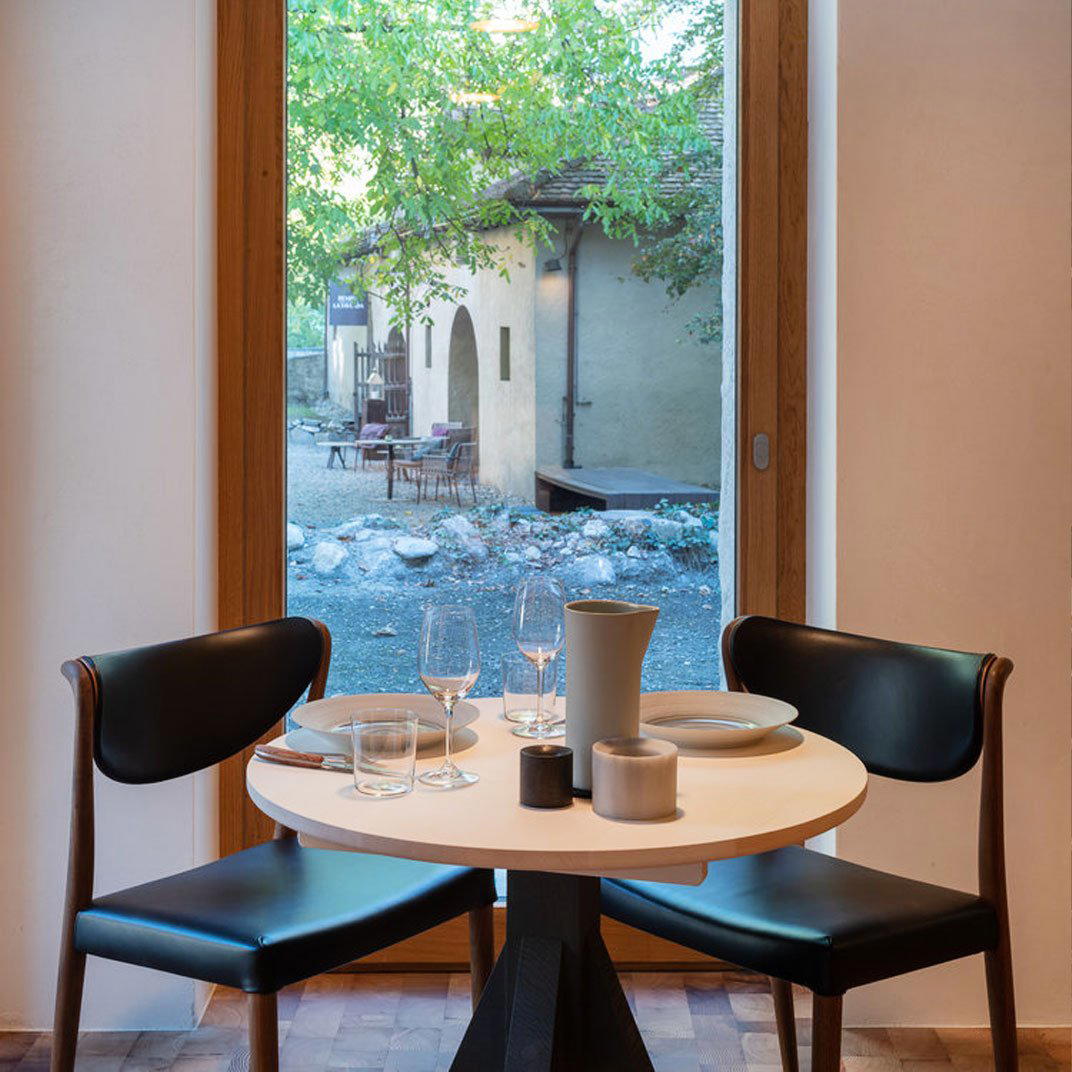
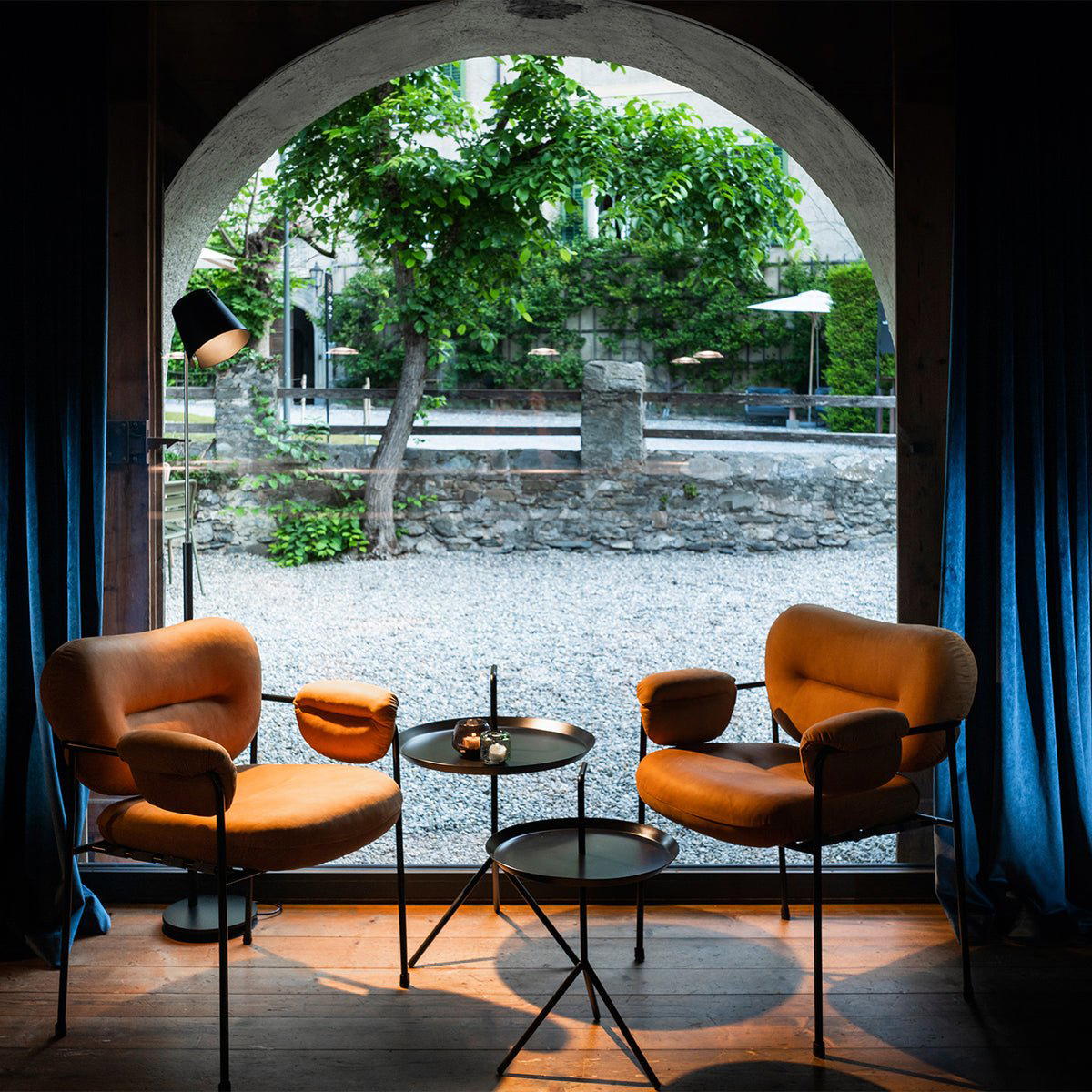
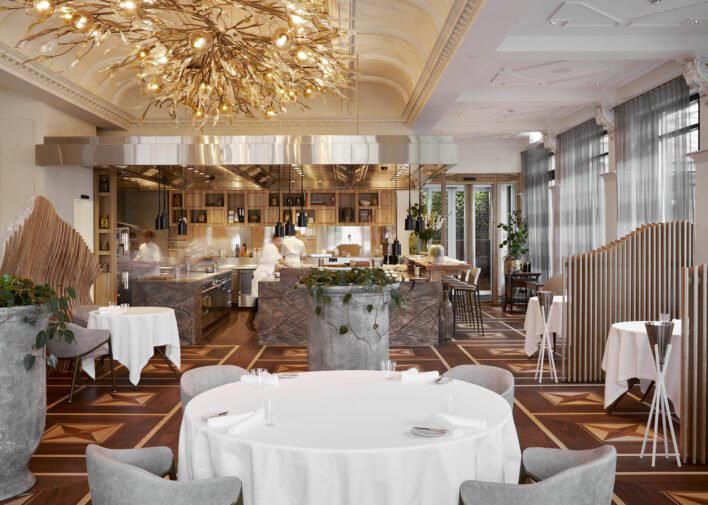
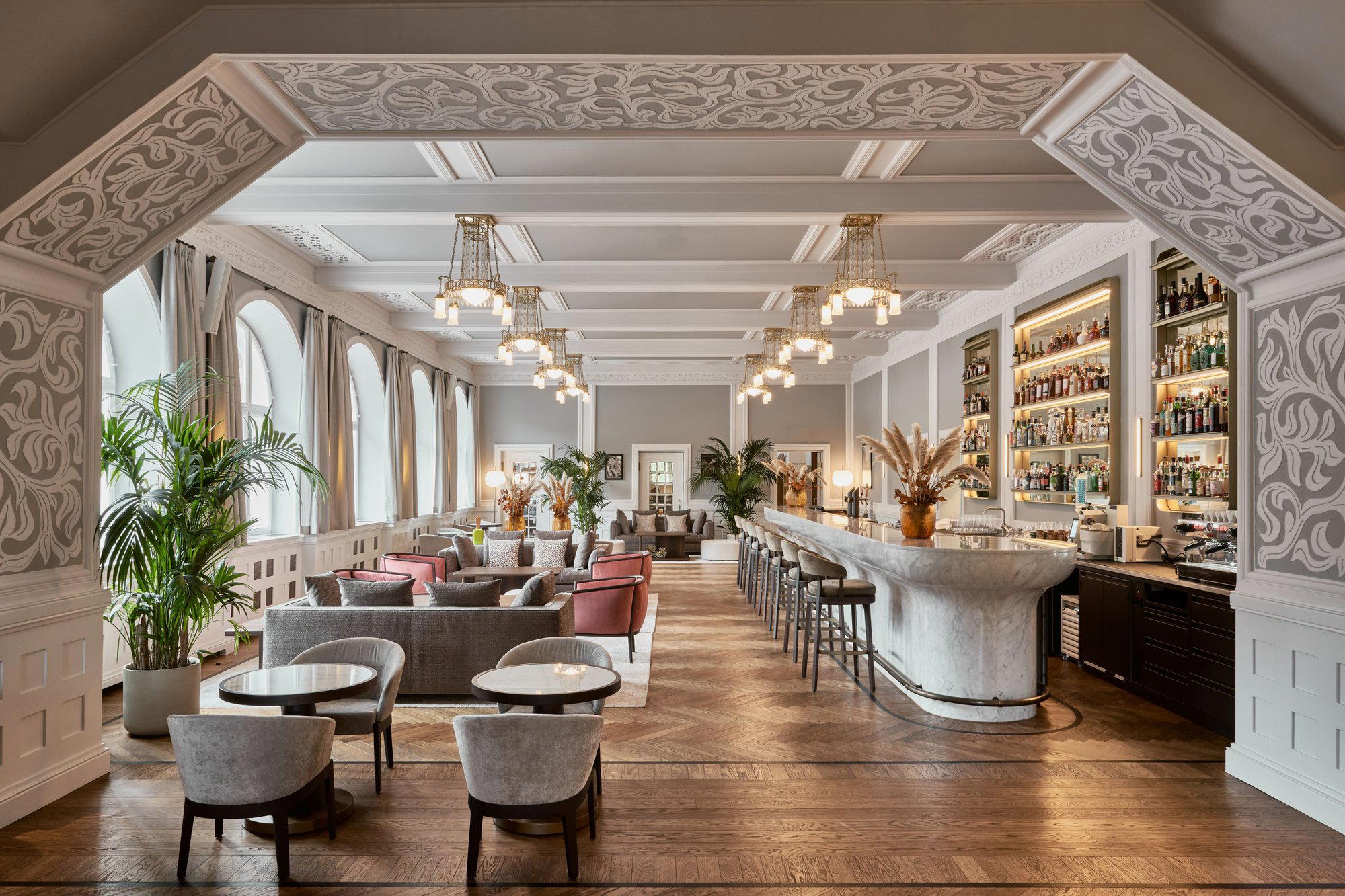
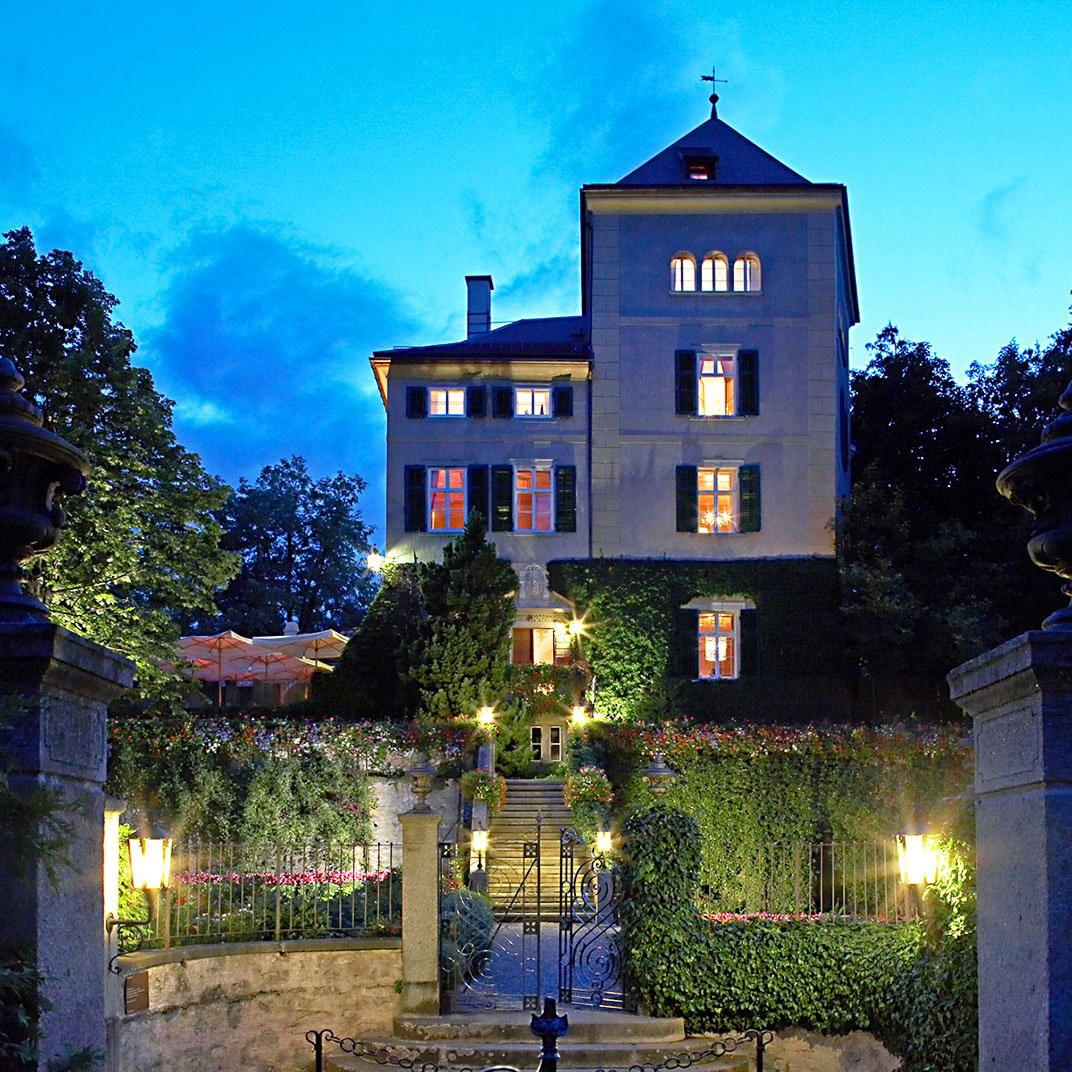
Cozy and inviting with upscale modern interior incorporating original architectural features, warm lighting, and a welcoming lounge-like atmosphere.