Caprese Don Costanzo
Caprese Don Costanzo occupies a Georgian terrace address on Woodside Crescent, bringing an Italian-inflected approach to Glasgow's West End dining scene. The name alone signals a kitchen with Mediterranean allegiances, positioning it within the city's growing tier of neighbourhood restaurants that sit between the formal tasting-menu end and casual all-day formats. For those tracking Glasgow's Italian dining options, it warrants attention.
Pearl is the En Primeur Club membership app — saves, bookings, and concierge access live there. Same editors, same standards.
- Address
- 13 Woodside Cres, Glasgow G3 7UL, United Kingdom
- Phone
- +441413323070
- Website
- doncostanzo.co.uk
- Directions
- Get directions
 Saves & bookings on Pearl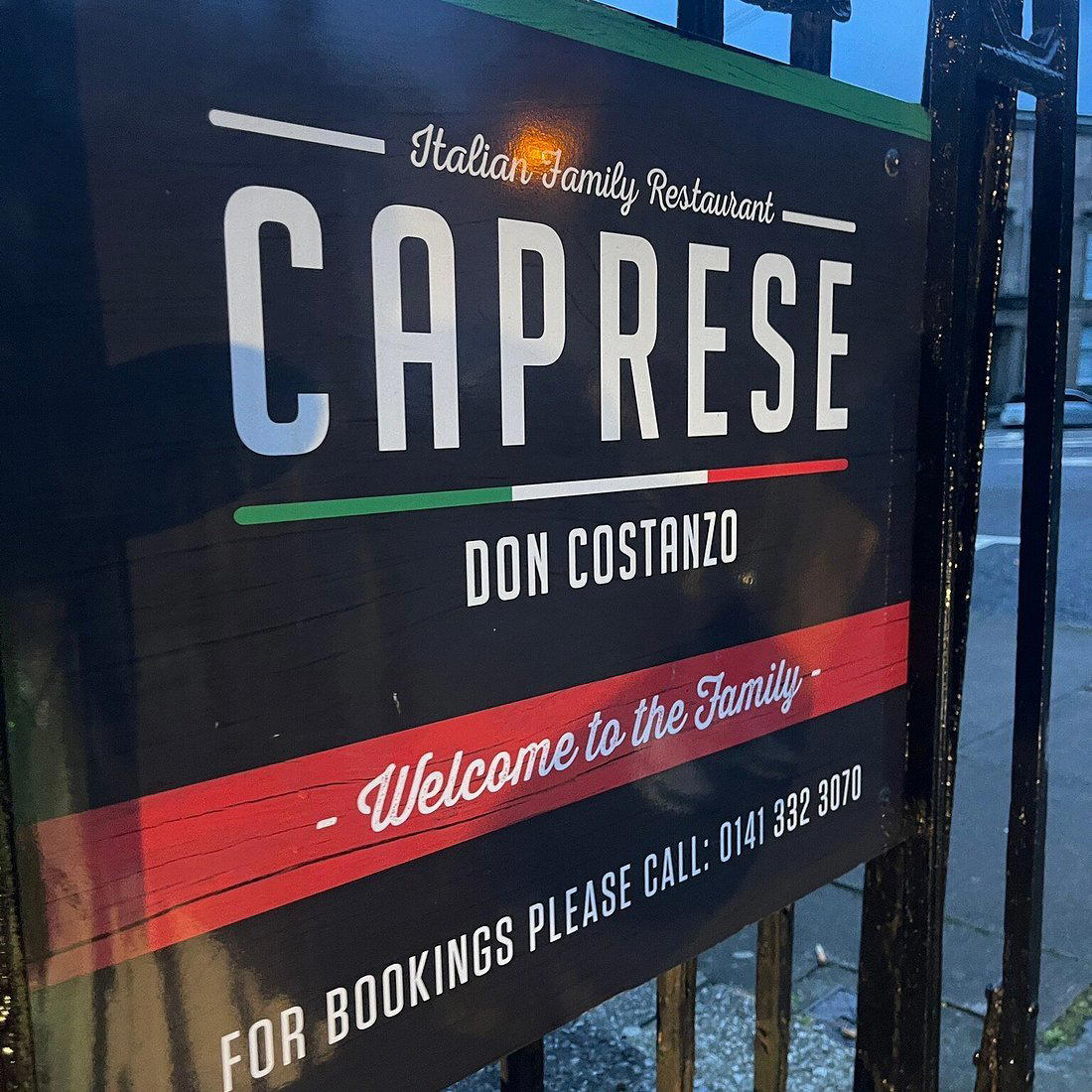
West End Italian in a City Rewriting Its Dining Reputation
The city that once relied on its curry mile and chip shops for culinary identity now supports a range of serious independent operators, from the Michelin-starred modernism of Cail Bruich and Unalome by Graeme Cheevers to neighbourhood-rooted formats that draw regulars rather than destination diners. Caprese Don Costanzo occupies a Georgian terrace on Woodside Crescent, in the part of the West End where the residential grid gives way to the fringes of Kelvingrove. The setting alone communicates something: this is not a restaurant built around footfall from a main shopping artery, but one that depends on word-of-mouth and a kitchen that earns repeat custom.
The West End has historically been Glasgow's most food-curious neighbourhood, home to the kind of resident who travels for meals and brings those references home. That demographic creates demand for something specific: cooking that treats its source cuisine with enough literacy that local comparisons feel inadequate. Italian food, in particular, is a test case in cities like Glasgow. The genre is everywhere and genuinely good renditions are rarer than the category density implies. A name that foregrounds both a regional Italian preparation (Caprese) and a character-driven honorific (Don Costanzo) suggests a kitchen aware of that distinction.
What the Name Implies About the Menu
Menu architecture in Italian restaurants almost always tells you something before you sit down. The choice to anchor around Caprese, one of southern Italy's most recognisable compositions, signals a kitchen that values restraint and ingredient quality over technique complexity. The Caprese is a dish that cannot be disguised: buffalo mozzarella, tomato, basil, and olive oil either have quality or they don't. Positioning it as a name-level statement suggests confidence in sourcing rather than in elaboration.
That approach places Caprese Don Costanzo in a different competitive tier from the city's modern-tasting-menu restaurants. Where Cail Bruich structures the evening around a fixed progression and positions itself against peers like CORE by Clare Smyth in London or L'Enclume in Cartmel, an Italian trattoria-adjacent format works from a different premise entirely: the menu as a curated repertoire rather than a narrative arc. Guests choose, order changes with season and supply, and the kitchen's judgment is expressed in what it decides to offer rather than in the sequence it imposes.
This is a model with deep roots. The Italian tradition of osterie and trattorie has always resisted the tasting-menu logic that dominates fine dining in Britain and Northern Europe. Restaurants like Le Bernardin in New York City or Lazy Bear in San Francisco represent one extreme of menu-as-composition. The other extreme is a printed card of antipasti, primi, secondi, and dolci that invites the guest to construct their own meal from available ingredients. Caprese Don Costanzo's name sits closer to the latter tradition: it announces a place, a sensibility, and a specific dish rather than a journey.
The Woodside Crescent Address
Positioning matters more for Italian restaurants than for most categories, because the genre succeeds or fails on the quality of the everyday rather than the spectacle of the occasion. Woodside Crescent is a residential address in the G3 postcode, not a destination strip. Arriving here requires intent. That is not a criticism; it is a structural advantage. Restaurants in high-footfall zones compete differently from those that require a detour. The latter tend to develop a more loyal, self-selecting clientele, and that dynamic often produces better cooking over time because the kitchen is accountable to people who know the menu well.
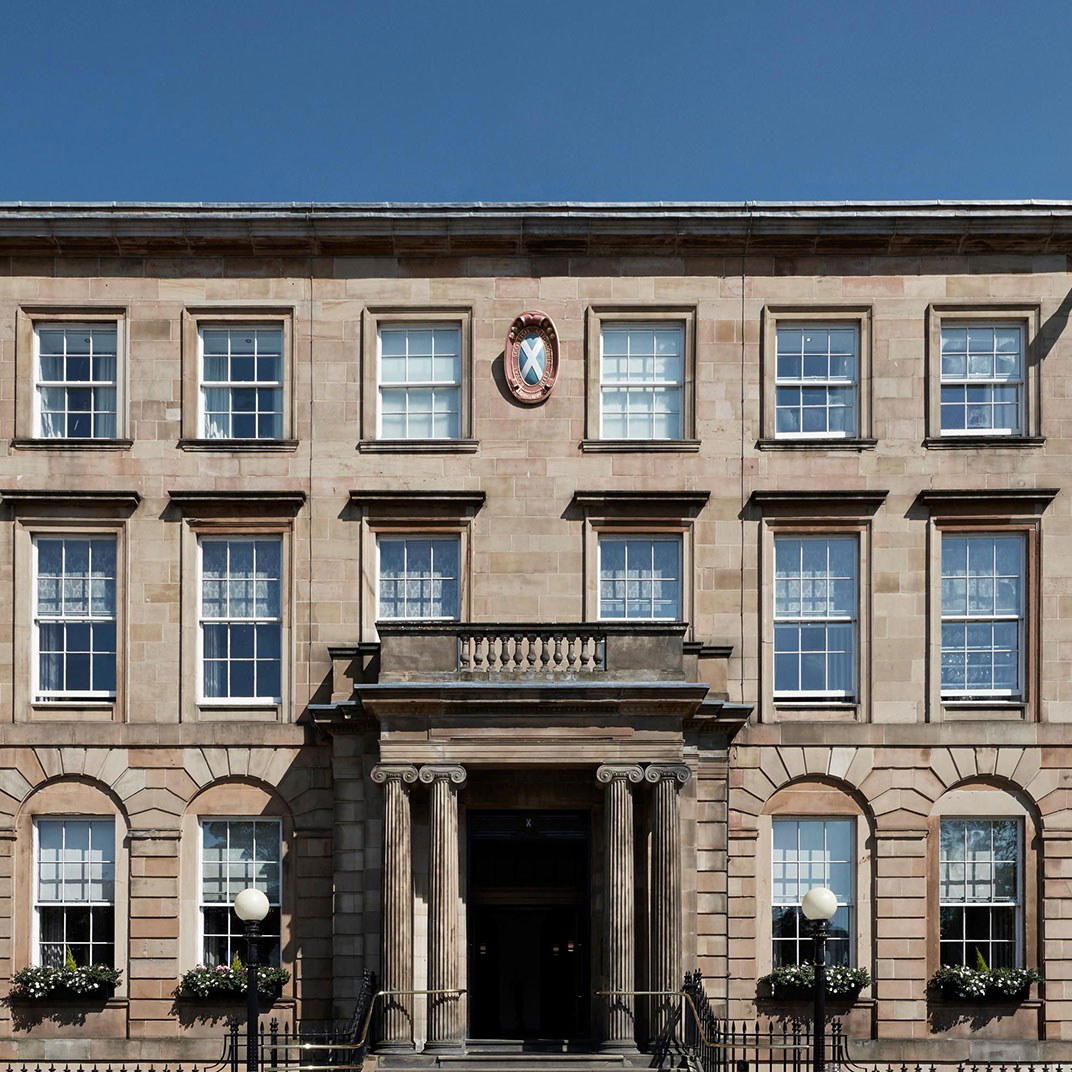
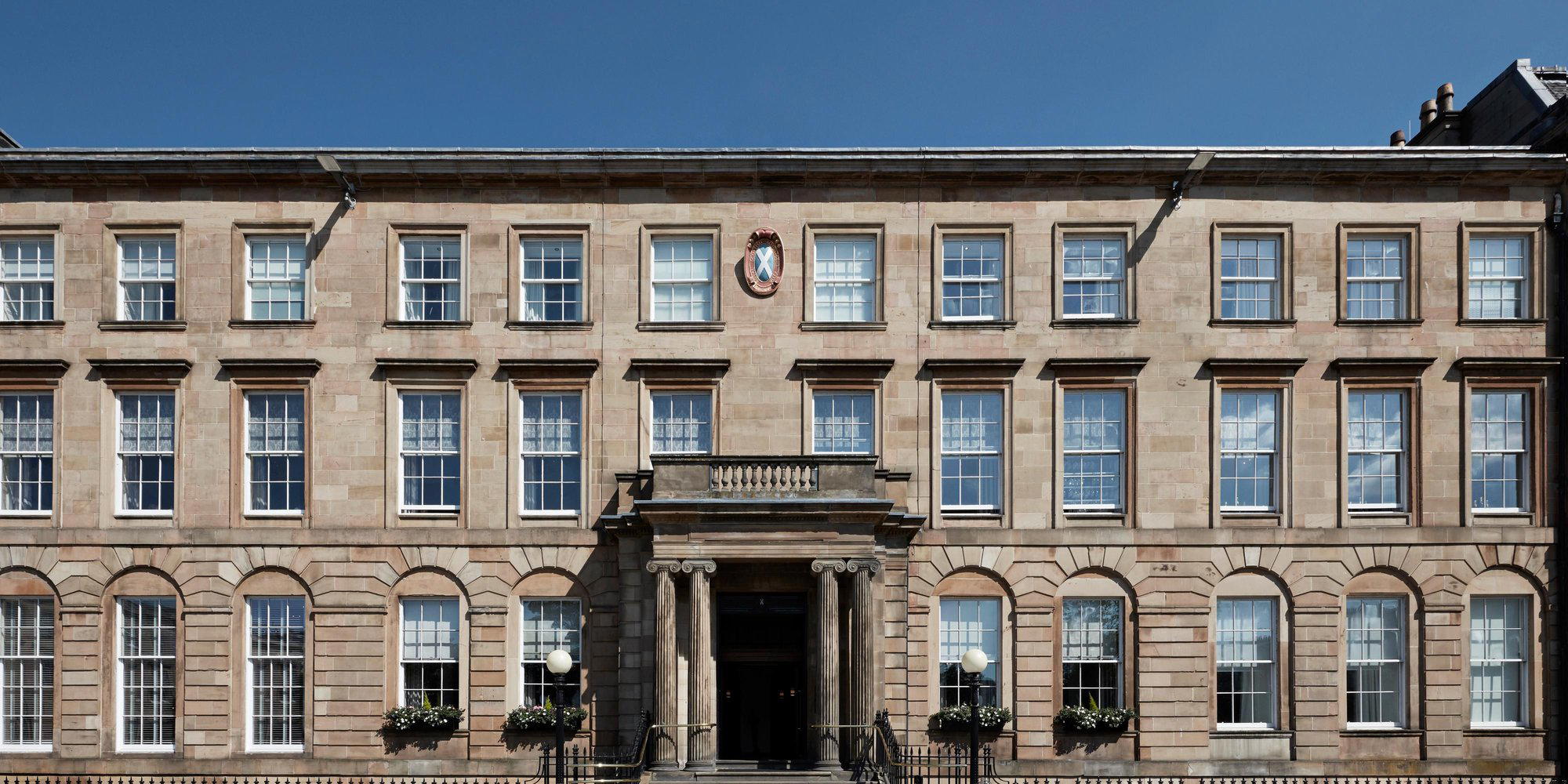
The Georgian terrace context is worth noting architecturally. This part of the West End retains the proportions and scale of its original construction, which means the interiors of converted ground-floor restaurants tend to have a specific character: higher ceilings than you'd expect, bay windows that admit good light in the afternoon, and rooms that feel like adapted domestic space rather than purpose-built restaurant shells. That physical environment tends to suit Italian cooking, which has always been at home in rooms that feel lived-in rather than designed.
Glasgow's Italian Dining Context
Italian restaurants in Glasgow sit across a wider range than in most British cities of comparable size. The city has long-standing deep-rooted Italian immigrant communities dating back to the late nineteenth and early twentieth centuries, which produced a domestic familiarity with Italian food that predates the broader British adoption of the genre. This means Glasgow diners are, in aggregate, more literate about Italian cooking than the national average, and less easily impressed by surface-level versions of it.
The comparison set for a West End Italian is therefore not just other Glaswegian venues but the standard that generations of home cooking and family-run trattorias have established in the city. That is a different benchmark from the one applied in, say, a city where Italian food arrived primarily as restaurant culture. It raises the bar for sourcing and technique, and it means that a restaurant with the confidence of the restaurant name is making an implicit claim about its kitchen's ability to meet that standard.
Glasgow's broader restaurant scene has been documented extensively by national critics in recent years, with the quality tier that includes Unalome by Graeme Cheevers and Brett drawing comparisons to restaurants outside Scotland like Moor Hall in Aughton or Midsummer House in Cambridge. The restaurant operates in a different register from those, but the rising quality environment benefits all operators: it raises expectations and attracts a more attentive dining public across the city. For context on where the city stands more broadly, the full Glasgow restaurants guide maps the range from neighbourhood independents to the Michelin tier.
Planning Your Visit
The restaurant is located at 13 Woodside Crescent, Glasgow G3 7UL, in the West End. The area is walkable from Kelvinbridge subway station and accessible by taxi from the city centre in under ten minutes.
Where the Accolades Land
Comparable venues nearby, for context on price, style, and recognition.
| Venue | Cuisine | Price | Notes |
|---|---|---|---|
| Caprese Don CostanzoThis venue — the venue you are viewing | Authentic Italian Trattoria | $$ | Not listed |
| Eusebi Deli | Authentic Italian Deli & Restaurant | $$ | Hillhead |
| Paesano Pizza | Authentic Neapolitan Pizza | $$ | Hillhead |
| Suissi Vegan Kitchen | Pan-Asian Vegan Fusion | $$ | Victoria Park |
| Mother India Restaurant | Authentic Punjabi Indian | $$ | Anderston/City/Yorkhill |
| Afrikana Restaurant Glasgow - Sauchiehall St | African Grill & Comfort Food | $$ | Anderston/City/Yorkhill |
Continue exploring
More in Glasgow
Restaurants in Glasgow
Browse all →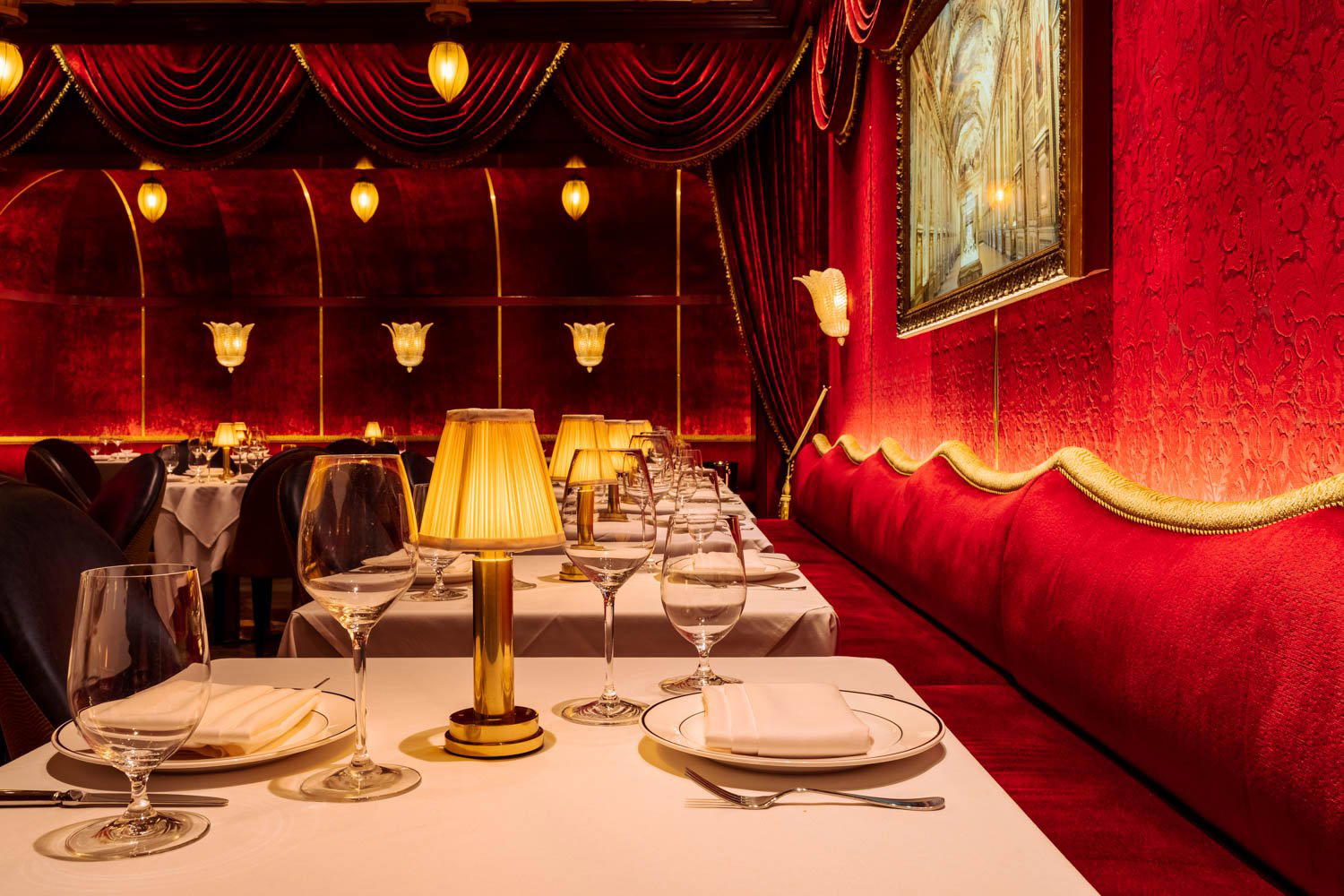
Bars in Glasgow
Browse all →
Hotels in Glasgow
Browse all →
Wineries in Glasgow
Browse all →
At a Glance
- Cozy
- Intimate
- Classic
- Family
- Special Occasion
- Date Night
- Historic Building
- Extensive Wine List
Current opening hours
- Monday
- Closed
- Tuesday
- Closed
- Wednesday
- 12–8:30 PM
- Thursday
- 12–8:30 PM
- Friday
- 12–8:30 PM
- Saturday
- 1–9:30 PM
- Sunday
- 1–9:30 PM
Hours can change for holidays and private events. Last verified .
Warm, homely atmosphere with a rustic vibe and photos of celebrity guests on the walls.