The Gannet


A Michelin Plate-recognised stalwart of Finnieston's dining scene, The Gannet has built its reputation on seasonally driven Modern British cooking, Scottish regional sourcing, and a commitment to zero waste. The à la carte and fixed-price lunch formats sit inside a modish, informal room on Argyle Street. Note that the restaurant is closing permanently at the end of service on 31 December 2025.
Pearl is the En Primeur Club membership app — saves, bookings, and concierge access live there. Same editors, same standards.
- Address
- 1155 Argyle St, Finnieston, Glasgow G3 8TB, United Kingdom
- Phone
- +44 141 204 2081
- Website
- bistroelevenfiftyfive.com
- Directions
- Get directions
 Saves & bookings on Pearl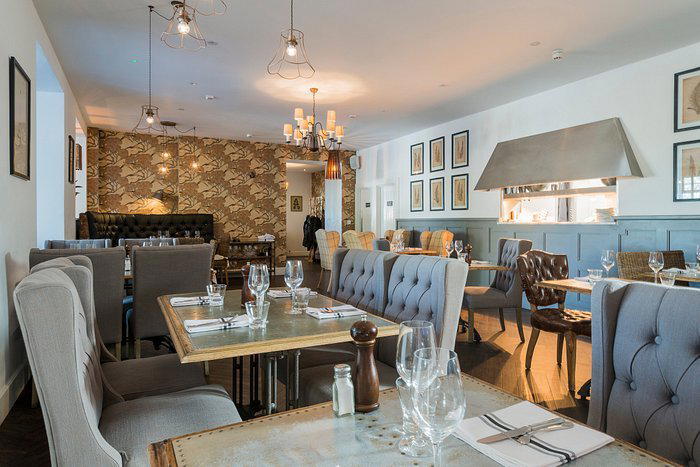
The Room Before the Menu
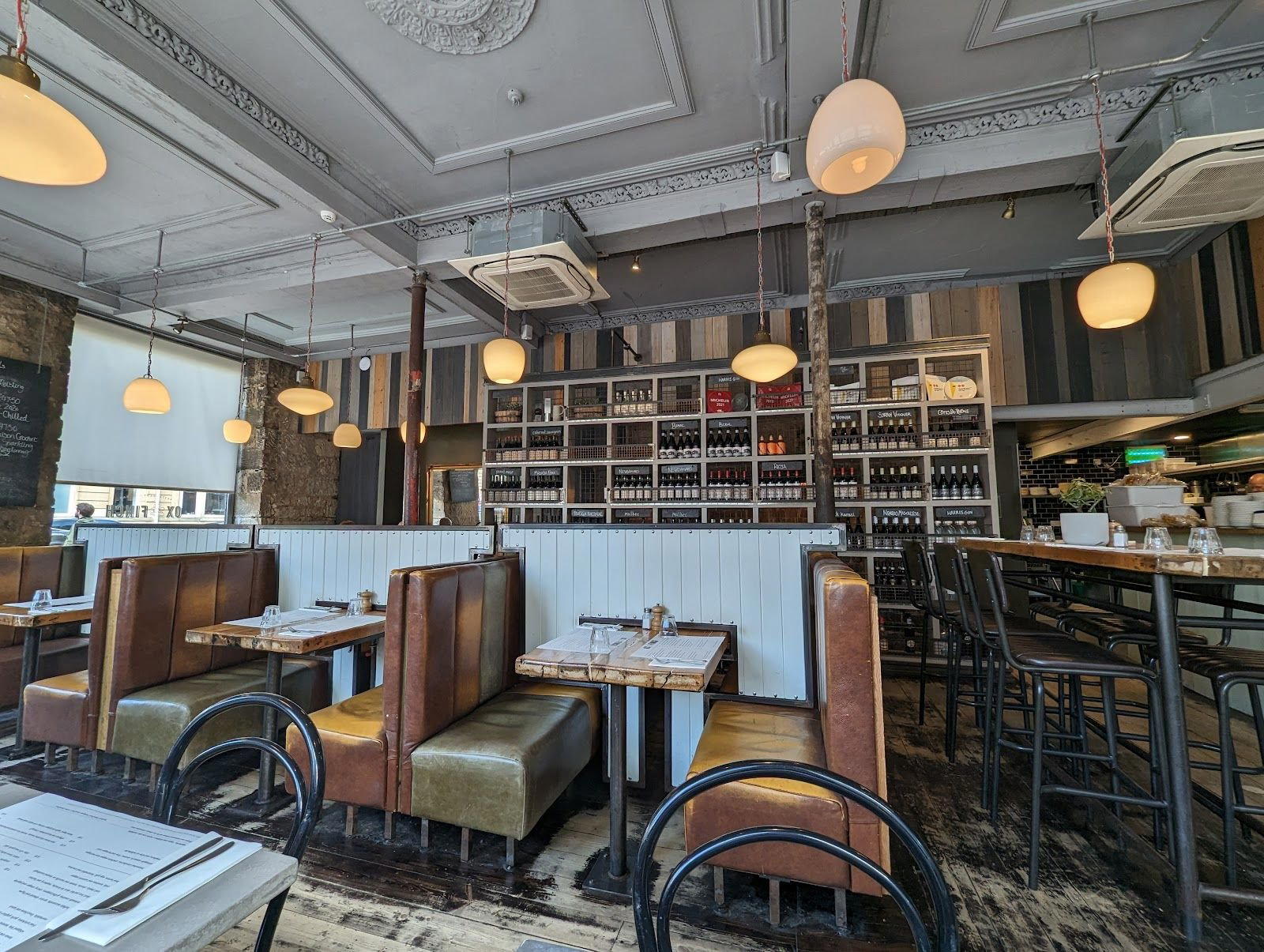
Argyle Street in Finnieston has changed shape several times over the past decade, and the stretch around 1155 is a reasonable index of how that change has landed. The industrial bones are still visible inside The Gannet: shiny metal ducting overhead, rugged stonework along the walls, bare bulbs casting a direct, unfussy light. The softening elements, handmade panelling and round wooden tables, pull the room back from warehouse austerity without cosying it up into something generic. The aesthetic sits squarely in the register that Finnieston has made its own, informal enough that the room doesn't impose a performance on the diner, considered enough that you notice someone thought carefully about how the evening should feel.
That tone is worth establishing early because it governs everything else. This is not a room that asks you to dress up or adjust your register. It is a room that asks you to pay attention to what's on the plate.
How the Meal Is Structured
The Gannet runs a format that reflects the tension most ambitious neighbourhood restaurants negotiate: how to offer serious, multi-course cooking without pricing out the regular lunch trade. The answer here is a split between a full tasting menu format for dinner and a pared-back fixed-price three-course lunch option drawn from the same kitchen. Both run alongside an à la carte supplemented by specials, giving the table a degree of agency that pure tasting-menu operations don't always allow.
Across the broader Modern British category in Glasgow, that structural flexibility is increasingly a differentiator. Unalome by Graeme Cheevers and Cail Bruich, both operating at the ££££ tier, run tighter formats with less menu optionality. The Gannet, priced at £££, occupies a middle ground where the cooking ambition is evident but the entry point is lower. The fixed-price lunch is the clearest expression of that positioning: the same produce-led ethos, the same kitchen, a shorter sequence of courses.
The pacing of the meal is unhurried without being deliberately elongated. Front of house teams in Finnieston have learned, collectively, that the neighbourhood draws regulars who want to spend an evening rather than pass through. The Gannet's service has been noted for being both friendly and efficient, a combination that sounds obvious but in practice requires a team that reads the table rather than follows a script. At this price point and format, the ratio of attention to pressure is what most often determines whether a meal sits well in memory.
What the Kitchen Is Working With
The sourcing logic is specific and worth unpacking. Field-to-fork as a phrase has been diluted by overuse, but at The Gannet it maps to concrete choices: sustainably sourced fish, meat from heritage breeds, wild Scottish game, and a commitment to zero waste that shapes how secondary cuts and off-cuts are handled in the kitchen. The seasonal menu draws from the same geography that defines the restaurant's founding premise. The three founders researched the Outer Hebrides before opening, and Hebridean produce has remained a thread through the menu since.
Resulting combinations have a confidence that moves past rustic regionalism. Hebridean squid paired with celeriac and sparassis (cauliflower fungus) places a familiar coastal ingredient alongside a foraged element; red deer with spruce, egg yolk and smoked crumb layers game with woodland aromatics in a way that reads less as novelty and more as considered ecology. A dessert built around buckwheat, caramelised white chocolate and blood orange works the same register, balancing earthiness against citrus acidity. The nibbles course, including a smoked and pickled mussel taco, sets the tonal register early: playful presentation, serious sourcing.
This approach to Scottish produce is not isolated to The Gannet. The broader argument that Scotland's larder, wild game, shellfish, heritage breeds and foraged fungi, deserves the same interpretive ambition that kitchens in other British cities apply to their local supply chains has been gaining traction for years. The Gannet has been one of the more consistent voices in that conversation in Glasgow. Elsewhere in the UK, kitchens like L'Enclume in Cartmel and Moor Hall in Aughton have demonstrated that hyper-regional sourcing and Michelin recognition are not in tension. The Gannet's Michelin Plate in 2025 places it in the same conversation at a different scale.
Finnieston's Dining Pattern and Where The Gannet Sits
Finnieston is Glasgow's most-watched dining corridor, and that status has attracted a range of formats and price points. At the lower end of the street, Celentano's at the ££ tier offers a contrasting proposition, tighter in focus and more casual in intent. Elements represents another strand of the modern cuisine conversation in the city. The Gannet at £££ occupies a position that requires it to deliver cooking of genuine ambition while keeping the room accessible to a neighbourhood audience, a harder balance than either the budget-casual end or the full-luxury end of the market.
The Modern British category in Glasgow is also in productive dialogue with what's happening in London, where CORE by Clare Smyth and The Ritz Restaurant anchor the formal end of the spectrum, and with rural British kitchens like The Fat Duck in Bray, Gidleigh Park in Chagford, and Hand and Flowers in Marlow. The Gannet's version of Modern British is distinctly Scottish rather than pan-British in its sourcing, and that specificity has always been part of its editorial identity within the city's dining scene. Brett represents another angle on Glasgow's serious restaurant tier worth tracking alongside it.
Planning a Visit Before December 2025
The Gannet has announced it will close permanently at the end of service on 31 December 2025. That date is not provisional. For anyone who has been intending to visit, the window is now defined. Reservations are advisable, particularly for weekend evenings in the final months of operation, when demand is likely to accelerate.
Restaurant is located at 1155 Argyle St in the Finnieston neighbourhood of Glasgow, well-served by public transport and within walking distance of the city's West End hotel cluster. For anyone building a wider Glasgow itinerary, the full Glasgow restaurants guide, Glasgow hotels guide, Glasgow bars guide, Glasgow wineries guide, and Glasgow experiences guide cover the broader city in depth.
A Quick Peer Check
Comparable options at a glance, pulled from our tracked venues.
| Venue | Cuisine | Price | Awards |
|---|---|---|---|
| The GannetThis venue — the venue you are viewing | Modern British | £££ | Not listed |
| Cail Bruich | Modern Cuisine | ££££ | Michelin 1 Star |
| Unalome by Graeme Cheevers | Modern British | ££££ | Michelin 1 Star |
| Margo | Mediterranean Cuisine | ££ | Not listed |
| Celentano's | Italian | ££ | Not listed |
| GaGa | Malaysian | ££ | Not listed |
Recognition history
Dated appearances from independent guides and award organizations, with the underlying list record or original source where available.
Michelin Plate
Michelin
Michelin Plate
Michelin
The Good Food Guide GFG Good
The Good Food Guide
Continue exploring
More in Glasgow
Restaurants in Glasgow
Browse all →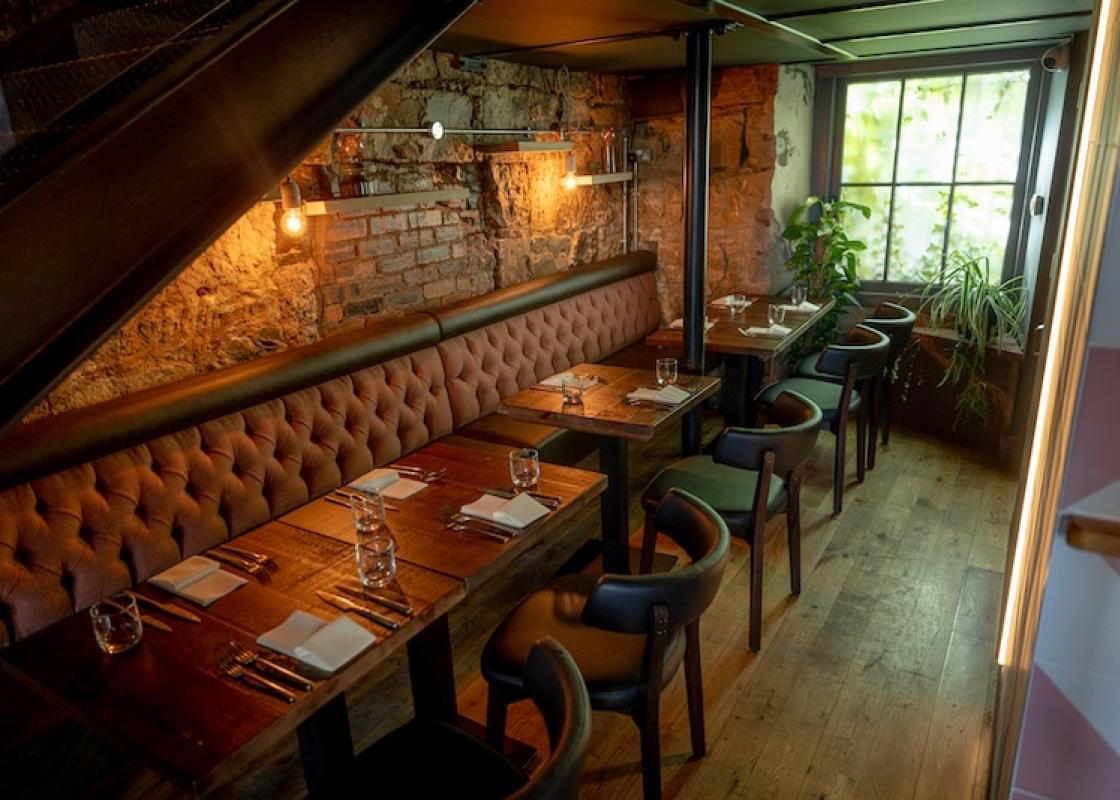
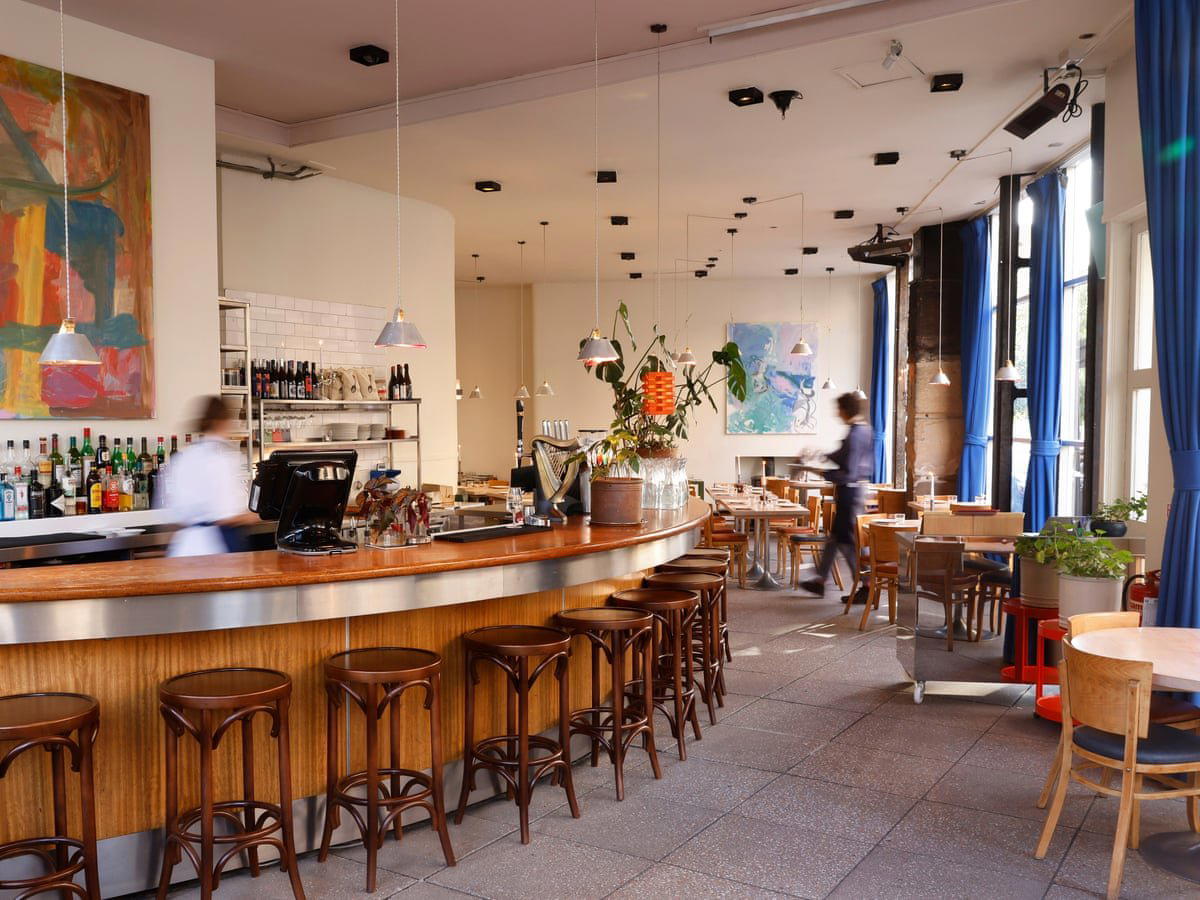
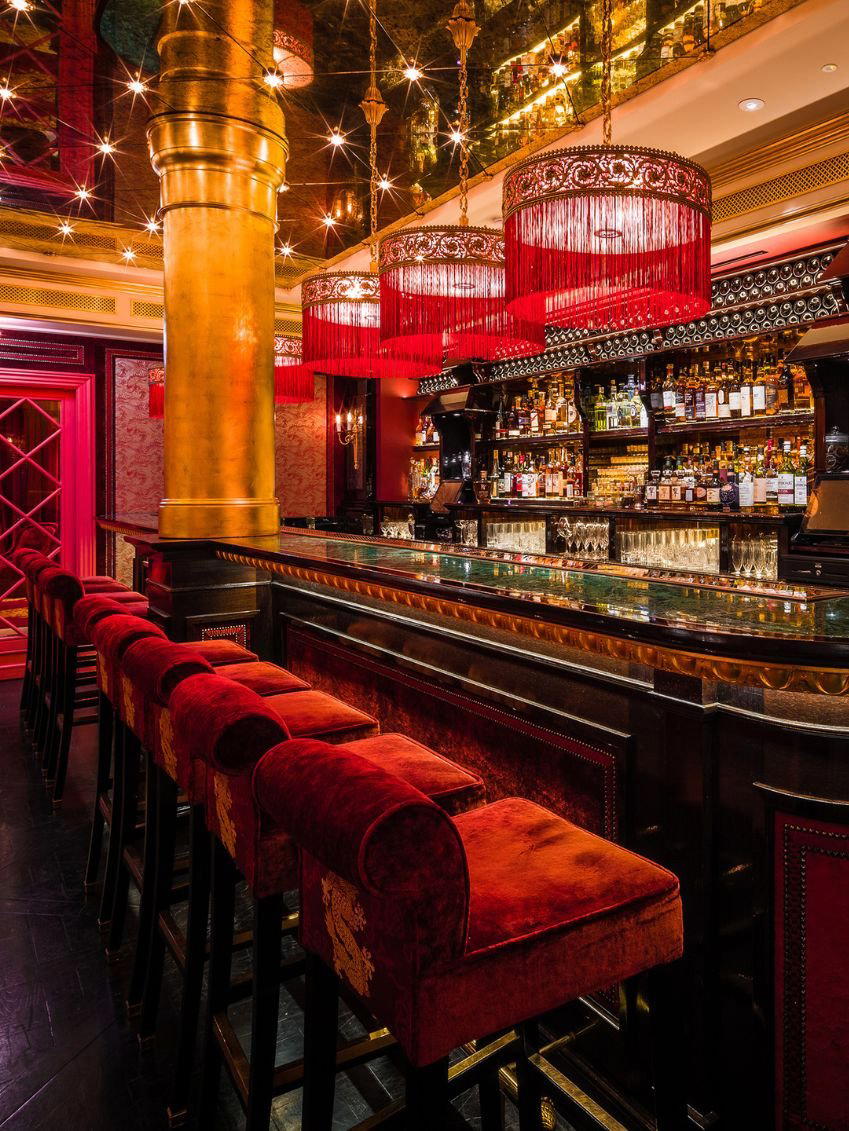
Bars in Glasgow
Browse all →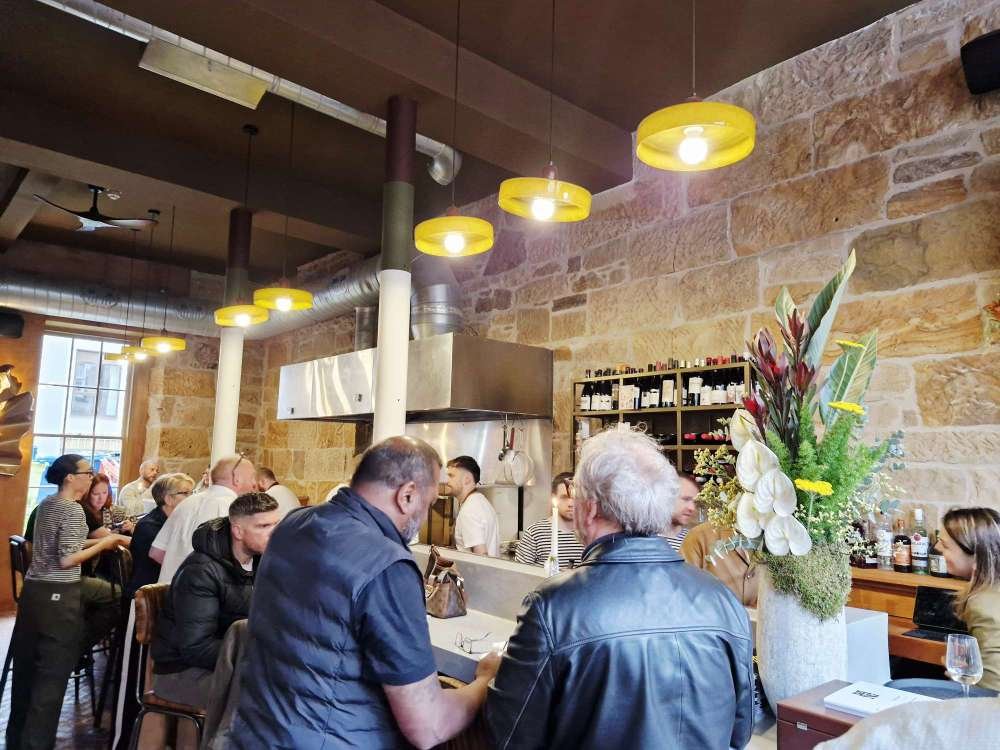
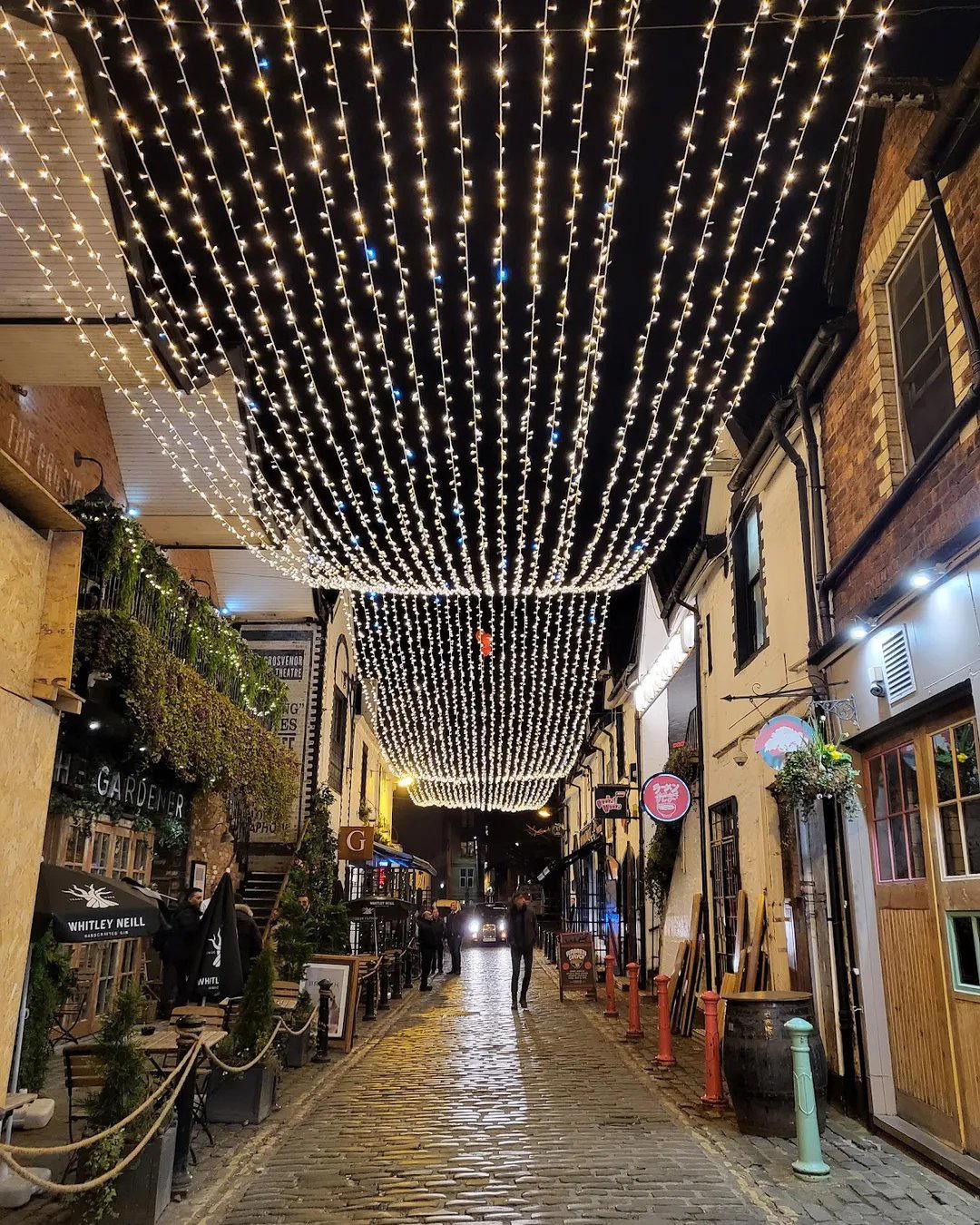
Hotels in Glasgow
Browse all →
Wineries in Glasgow
Browse all →
At a Glance
- Modern
- Cozy
- Intimate
- Elegant
- Date Night
- Special Occasion
- Open Kitchen
- Extensive Wine List
- Local Sourcing
Current opening hours
- Monday
- 5:30–9:30 PM
- Tuesday
- 5:30–9:30 PM
- Wednesday
- 5:30–9:30 PM
- Thursday
- 12–2 PM, 5:30–9:30 PM
- Friday
- 12–2 PM, 5:30–9:30 PM
- Saturday
- 12–2 PM, 5:30–9:30 PM
- Sunday
- Closed
Hours can change for holidays and private events. Last verified .
Relaxed country cottage atmosphere blending casual and formal with clean, minimalist design, exposed brick, and comfortable seating that feels intimate and energetic without being overly noisy.