Cantina Seraggio
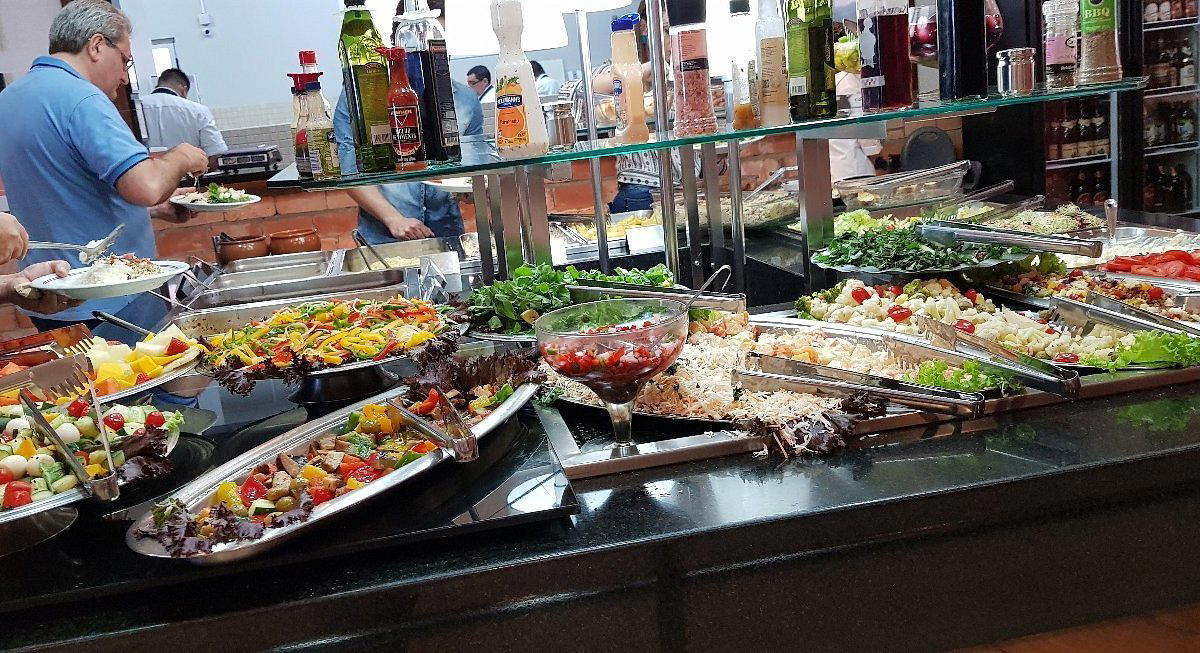
Cantina Seraggio runs as a Traditional Italian Trattoria in Passo Fundo, with rodizio, an extensive wine list, and a casual, conversational setup for lunch or dinner.
Pearl is the En Primeur Club membership app — saves, bookings, and concierge access live there. Same editors, same standards.
- Address
- Rua Bento Gonçalves, 130 - Centro, Passo Fundo - RS, 99010-010, Brazil
- Phone
- +555435811771
- Website
- seraggio.com.br
- Directions
- Get directions
 Saves & bookings on Pearl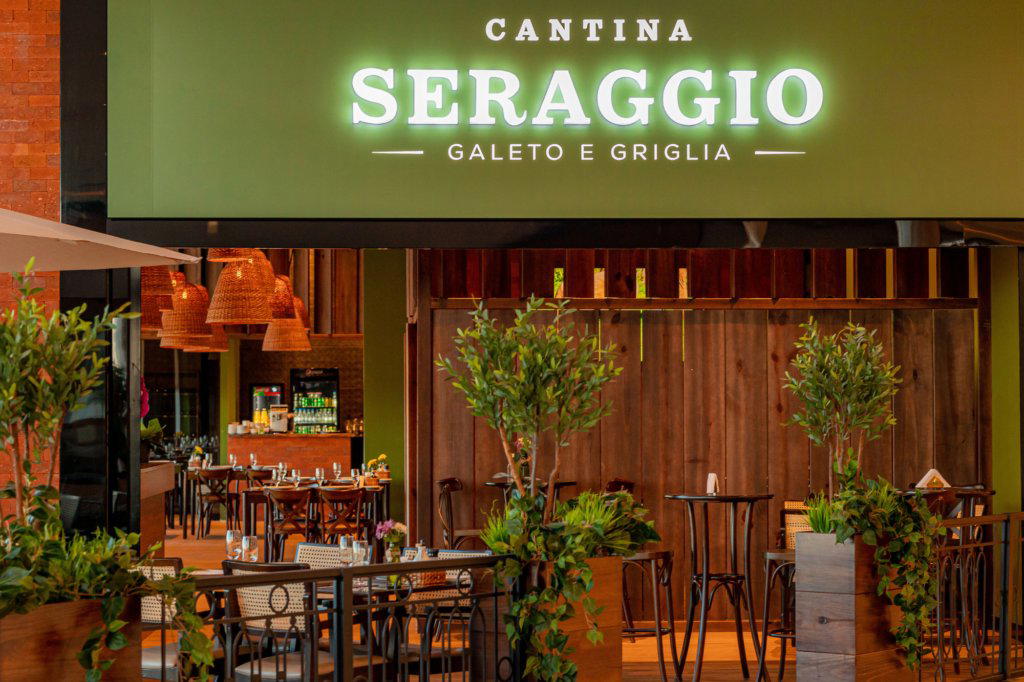
Italian Roots in Rio Grande do Sul: Understanding the Cantina Tradition
The cantina format has deep structural logic in southern Brazil. Rio Grande do Sul received waves of Italian immigration from the 1870s onward, and the gastronomic vocabulary those communities brought, long-simmered ragus, hand-rolled pasta, wine-forward tables, took root in the region's cooking in ways that never quite happened further north. In cities like Passo Fundo, the cantina is not a nostalgic conceit but a living institution: a place where the Italian-Brazilian lineage of the Serra Gaúcha and the surrounding planalto is expressed through food that sits somewhere between the domestic kitchen and the formal restaurant. Cantina Seraggio on Rua Bento Gonçalves occupies that tradition directly, positioned in the Centro of a city where Italian surnames remain common and where the cantina format retains genuine social weight.
Passo Fundo is a regional hub for northern Rio Grande do Sul, large enough to have developed a layered dining scene but small enough that restaurants with a defined identity tend to accumulate loyal, multi-generational clientele rather than tourist traffic. That dynamic rewards consistency over spectacle, and it is precisely the condition under which the cantina model performs well. The kitchen is the argument, and the room is framed around the act of eating rather than around being seen eating.
The Gastronomic Territory: What the Cantina Format Signals
In southern Brazil, the word cantina carries a specific register. It implies Italian heritage, a certain generosity of portion, a preference for wine over cocktails, and a menu architecture that privileges house-made pasta and braised or slow-roasted proteins. This is a different category from the contemporary tasting-menu formats being pursued at places like Oteque in Rio de Janeiro or D.O.M. in São Paulo, and it is not trying to be. The cantina competes on depth of tradition, not on formal innovation.
That distinction matters for the reader deciding where to eat in Passo Fundo. The city's dining options range from churrascarias, Chico Churrascaria represents that category locally, to newer, more eclectic addresses like Camaleao Daltonico, and fast-casual formats such as Mokai Express and Fornazzo Pizzaria. Cantina Seraggio operates at a different register from all of them: slower-paced, wine-oriented, and anchored in a cuisine tradition with a documented regional history. Our full Passo Fundo restaurants guide maps how these categories relate to each other across the city.
Italian-Brazilian Cuisine and Its Regional Specificity
The Italian-Brazilian cooking of Rio Grande do Sul is not a diluted approximation of Italian cooking. It evolved under different agricultural conditions, with different proteins, different flours, and different wine grapes, the Gaucho countryside producing Merlot and Isabel varietals rather than Sangiovese or Nebbiolo. What emerged over generations is a genuinely distinct regional cuisine that shares DNA with Veneto and Lombardy but answers to different soil and different weather. Pasta here tends toward the generous and filling: capeletti in broth, wide papardelle with slow-braised beef, gnocchi made from local ingredients. The table culture emphasizes communal abundance rather than composed minimalism.
This places Passo Fundo's cantina tradition in an interesting position relative to the broader Brazilian dining conversation. Where the country's high-profile restaurant culture increasingly focuses on Amazonian ingredients and Afro-Brazilian technique, see Manga in Salvador or Orixás North Restaurant in Itacaré for examples of that direction, the southern cantina is the counter-argument: a European immigrant tradition that has had 150 years to become something genuinely local. Neither trajectory is more Brazilian than the other; they are simply different chapters of the same complex national story.
Within the Rio Grande do Sul and Santa Catarina corridor, this culinary tradition finds expression in multiple registers. The hotel-restaurant format at Castelo Saint Andrews in Gramado and the polished European mode of Primrose in Gramado operate in a tourist-heavy context where Italian and German heritage are part of the commercial proposition. Cantina Seraggio sits in a more workaday city, serving a local population rather than a leisure-travel one, a context that tends to produce tighter feedback loops between kitchen and guest.
Context Across the Brazilian Restaurant Spectrum
Understanding what Cantina Seraggio represents requires some triangulation across Brazil's dining categories. The cantina format is, by design, a lower-formality proposition than the Michelin-tracked fine dining of São Paulo or the destination restaurants of Minas Gerais. A meal at Manu in Curitiba or Birosca S2 in Belo Horizonte occupies a different tier and a different intention. So does the Italian-inflected enoteca format, represented elsewhere in the country by Olivetto Restaurante e Enoteca in Campinas, which adds a structured wine program to the Italian dining proposition.
What the cantina offers that those formats do not is a direct, uncomplicated expression of a place and a community's food culture. It is the format through which Italian-Brazilian identity has historically been celebrated and transmitted, weddings, Sunday lunches, seasonal gatherings. Internationally, parallels exist at restaurants like Lazy Bear in San Francisco, which foregrounds communal dining and a defined local food culture, even though the cuisine and register are entirely different. The structural logic of building a restaurant around a shared cultural memory rather than around a chef's individual statement is a category of its own, and it is a durable one. Even the technical precision of Le Bernardin in New York City is, at root, a transmission of a specific cultural tradition rather than a personal invention. The cantina simply makes that transmission more visible.
For visitors passing through Passo Fundo or residents looking for a reference-point meal, the restaurant's address on Rua Bento Gonçalves, 130 in the Centro puts it in the city's accessible core. The Serra Gaúcha wine-producing region is within reach for day trips, which adds context to any wine selection at a restaurant of this type. The Alto Uruguai territory that frames Passo Fundo's geography also connects to Mina in Campos do Jordão as another interior Brazilian city where a regional food identity is being actively expressed through restaurant culture. State of Espírito Santo in Rio Bananal represents yet another regional food tradition finding its form in a non-metropolitan context.
Planning Your Visit
Specific booking windows, hours, pricing, and menu details for the restaurant are not published through a website or phone listing in the address at Rua Bento Gonçalves, 130, Centro, Passo Fundo, RS, 99010-010 is the confirmed point of contact.
Budget and Context
Comparable venues nearby, for context on price, style, and recognition.
| Venue | Cuisine | Price | Notes |
|---|---|---|---|
| Cantina SeraggioThis venue — the venue you are viewing | Centro, Traditional Italian Trattoria | $$ | Not listed |
| Fornazzo Pizzaria | Not listed | $ | Vila Lucas Araujo, Southern Brazilian Pizzaria |
| Mokai Express - Passo Fundo | Annes, Sushi Delivery | $$ | Not listed |
| Chico Churrascaria | Boqueirao, Brazilian Churrascaria | $$ | Not listed |
| Camaleao Daltonico | Not listed | $$ | Vila Rodrigues, American Burgers with Vegan Options |
| LE MANI Pizza Napoletana | Pizza | Not listed | Not listed |
Continue exploring
More in Passo Fundo

At a Glance
- Cozy
- Classic
- Intimate
- Family
- Group Dining
- Casual Hangout
- Standalone
- Extensive Wine List
Current opening hours
- Monday
- Closed
- Tuesday
- 11 AM–2 PM, 7–10:30 PM
- Wednesday
- 11 AM–2 PM, 7–10:30 PM
- Thursday
- 11 AM–2 PM, 7–10:30 PM
- Friday
- 11 AM–2 PM, 7–10:30 PM
- Saturday
- 11 AM–2 PM, 7–10:30 PM
- Sunday
- 11 AM–2:15 PM
Hours can change for holidays and private events. Last verified .
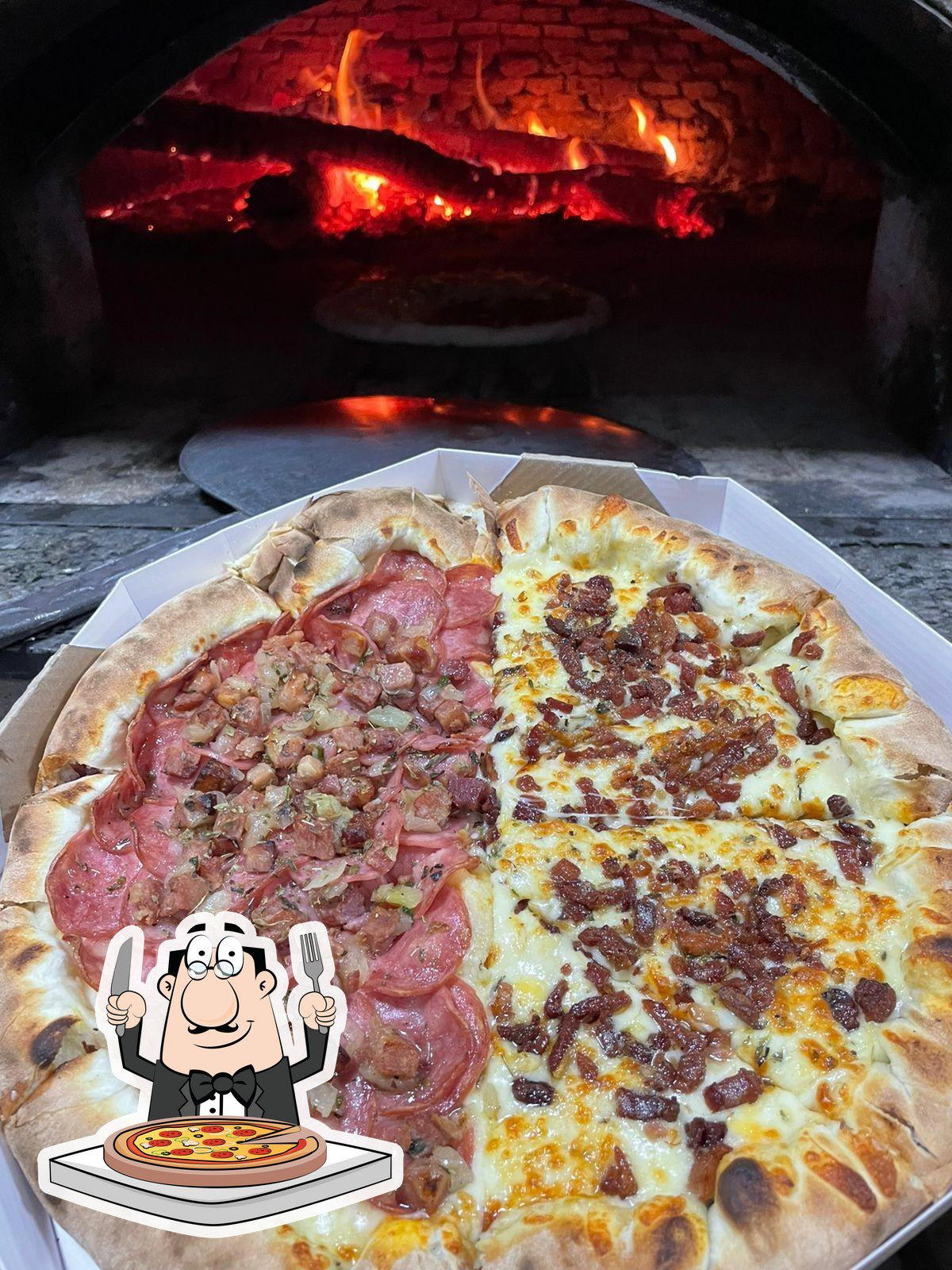
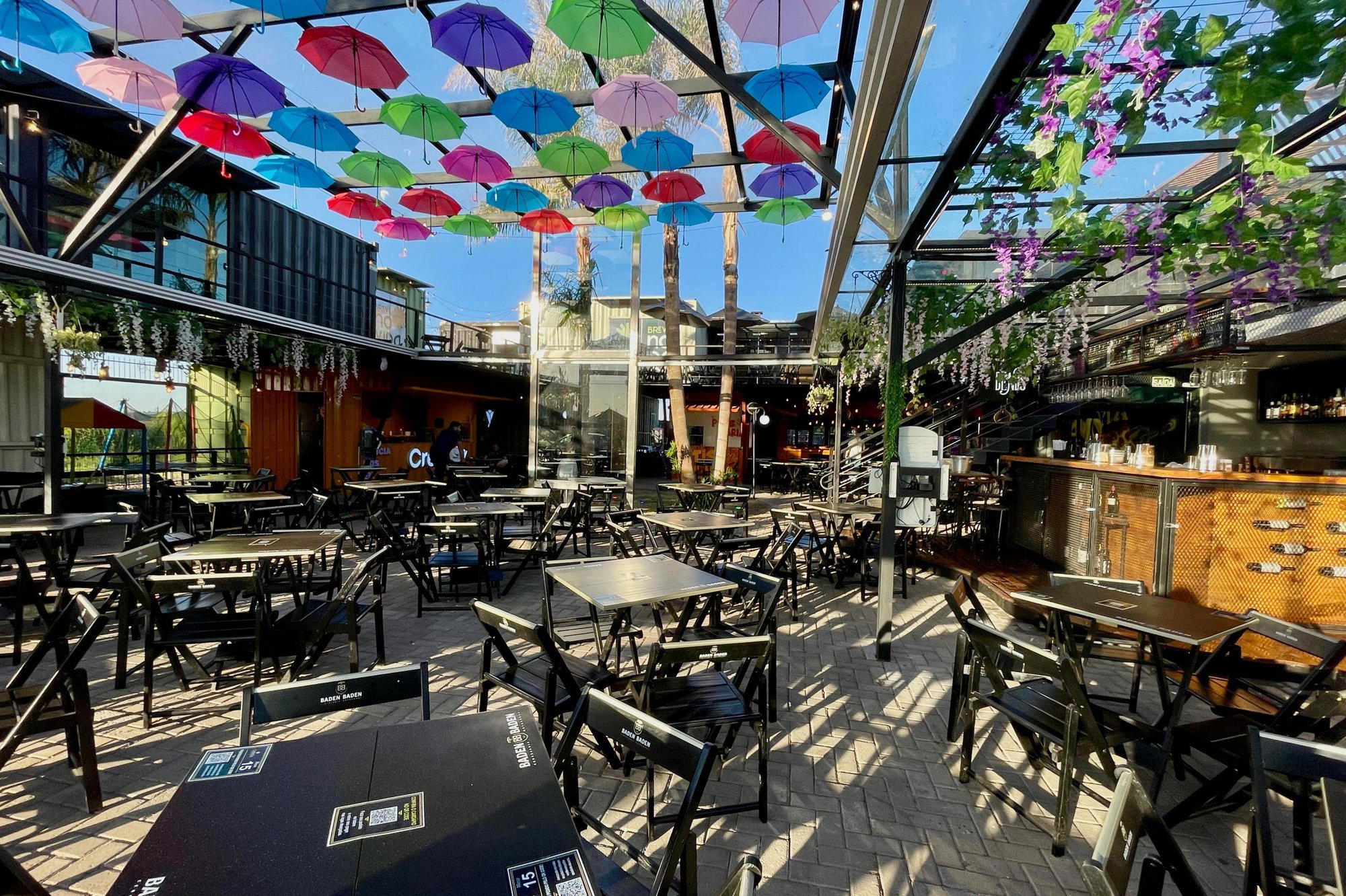
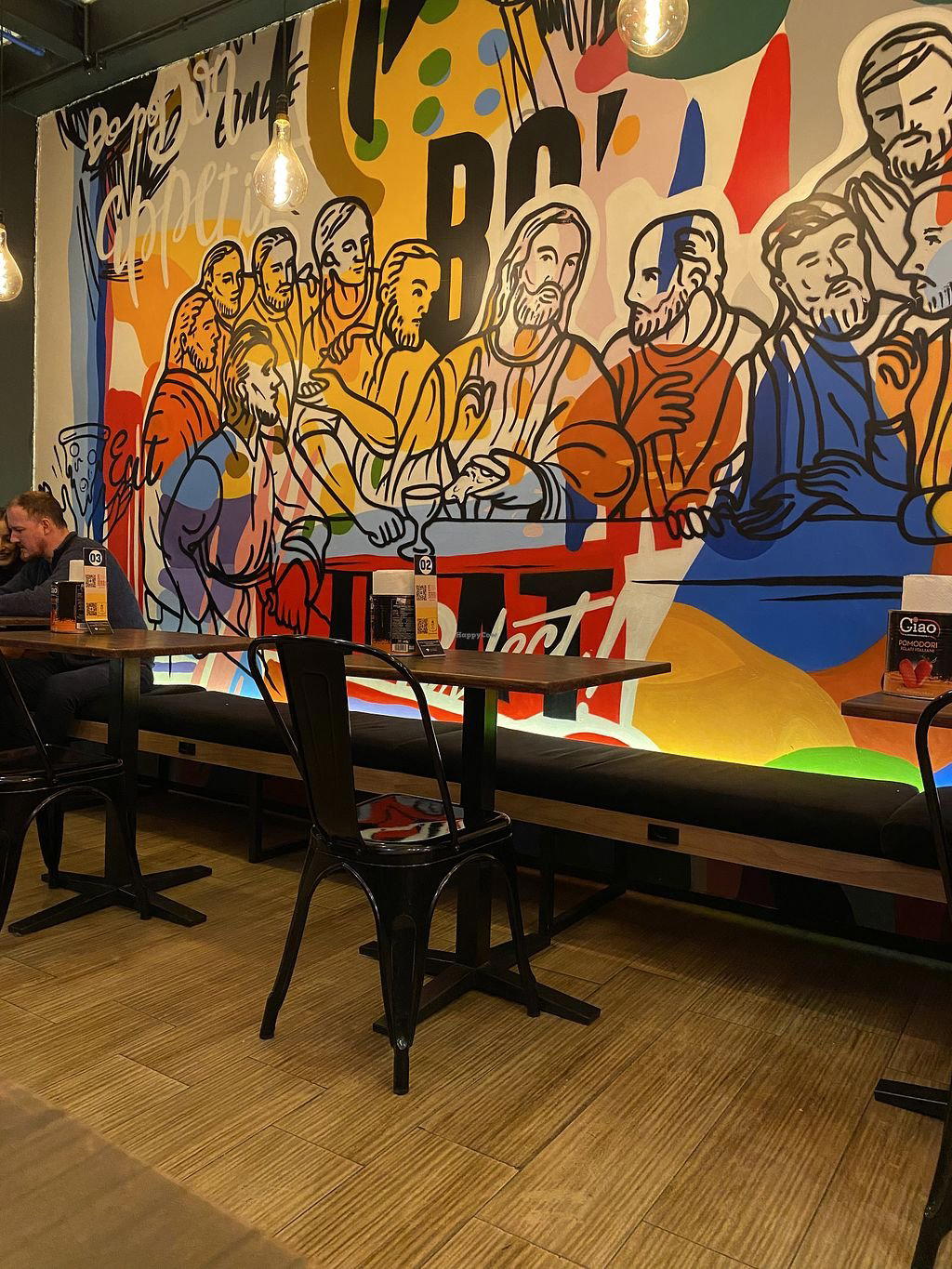
Pleasant, air-conditioned environment with Italian décor creating a warm, unpretentious atmosphere that feels like dining in an Italian home.