Campiello
Our verdict
Campiello on Third Street South sits at the center of Naples, Florida's most polished dining corridor, where Italian-American tradition meets Gulf Coast expectations for occasion dining. The room draws a steady local following and seasonal visitors who treat the address as a reliable anchor in a neighborhood that has grown considerably more competitive over the past decade. Plan ahead, particularly between November and April, when reservations move quickly.

Pearl is the En Primeur Club membership app, where members save venues, book tables and use the concierge.
The menu
What to order
- Short rib ravioli
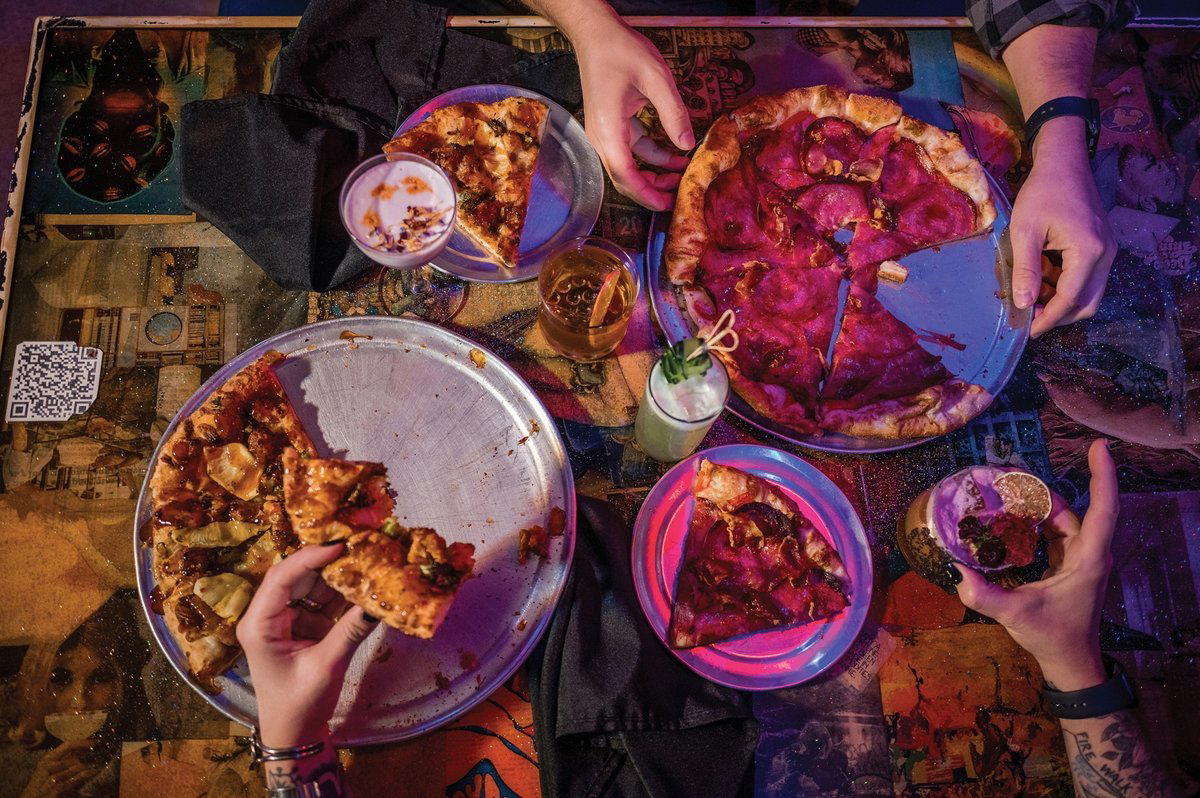
- Wood-fired pizzas
- Linguine fini with clams
Third Street South and the Ritual of the Naples Dinner
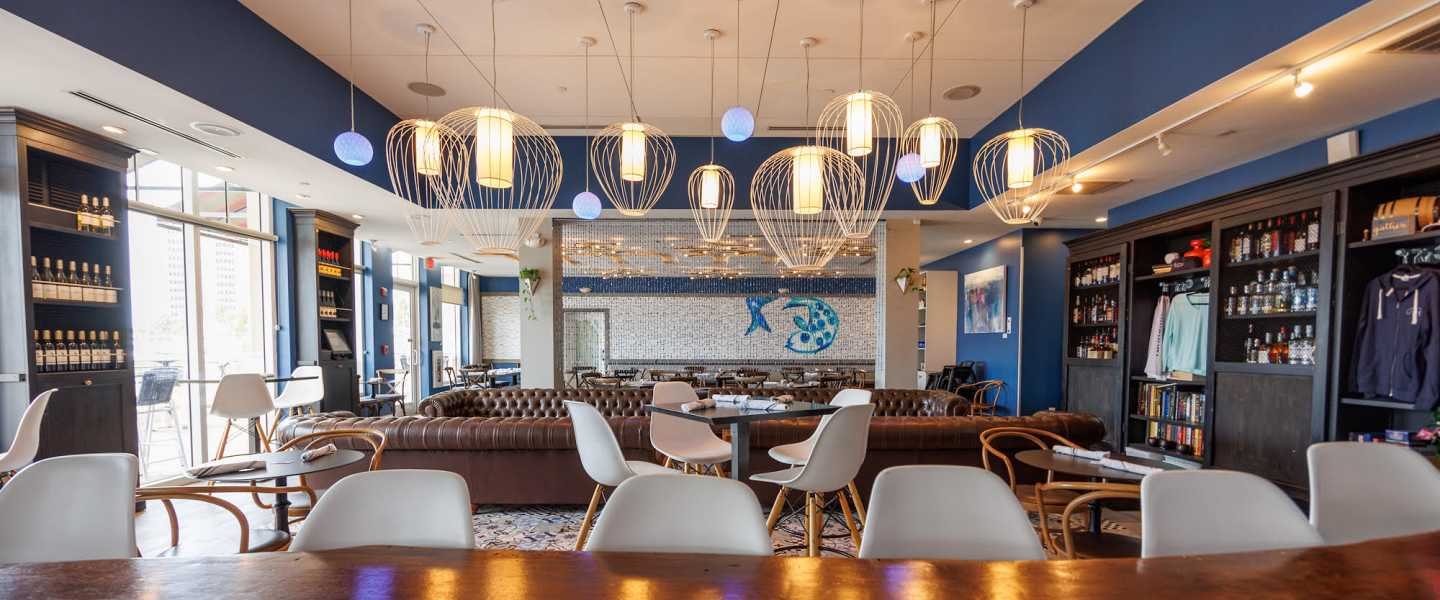
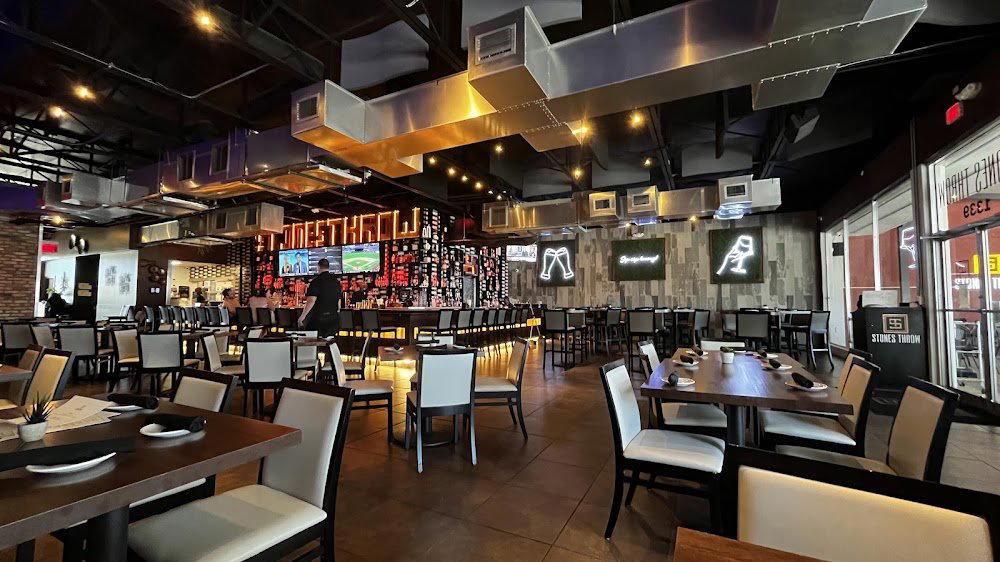
There is a particular choreography to dining on Naples, Florida's Third Street South corridor. The evening begins earlier than in most American cities of comparable ambition, the Gulf light fades fast, the promenade fills by six, and tables that look half-empty at five-thirty are spoken for by seven. Campiello, at 1177 Third Street South, sits inside this rhythm rather than against it. The restaurant has been a fixed point in the neighborhood long enough that it functions less as a destination choice and more as a default assumption for residents who want a reliable Italian-leaning table and for seasonal visitors learning the block.
That longevity matters in a corridor that has added addresses steadily. Where comparable Naples dining rooms position themselves on novelty or provocation, the established Italian-American format here bets on repetition and comfort, the kind of room where regulars expect their preferences to be remembered and newcomers are absorbed quickly enough that they feel like regulars by the second course. That dynamic, more than any single dish or award, defines the dining ritual at this address.
The Italian-American Format in a Florida Context
The Italian-American dining tradition that Campiello occupies is worth placing in context, because Naples, Florida has more of it per capita than most Southern cities. The demographic reality of Southwest Florida, with its large seasonal population from the Midwest and Northeast, many of whom grew up eating red-sauce Italian as a celebration format, has created sustained demand for the genre at a price point considerably above the neighborhood trattoria. What distinguishes the upper tier of this category, as practiced on Third Street South, from the casual version is pacing, service density, and room investment rather than radical culinary departure.
For comparison, the Italian-American canon in high-spend coastal markets tends to bifurcate: on one side, places that have updated the format with modern technique and local sourcing (see George Restaurant in Naples for the contemporary end); on the other, rooms that have doubled down on the comfort register and made reliability the whole point. Campiello has historically occupied the latter position, which is neither a compromise nor a failure of ambition, it is a read of what a specific audience wants from a specific occasion.
Veritas runs a Campanian-leaning program that aligns more closely with regional Italian specificity. 12 Morsi and 177 Toledo occupy different registers of the Italian contemporary conversation. And at the more casual end, 1947 Pizza Fritta addresses the Neapolitan pizza question specifically. Campiello's position among these is that of the room you go to when the occasion calls for something settled and assured rather than exploratory.
Pacing, Service, and How the Meal Moves
The dining ritual at this type of Italian-American room tends to follow a recognizable arc: bread arrives without asking, the wine list is presented early, and the kitchen respects the convention of distinct courses rather than the shared-plate format that has colonized much of casual American dining. This is not incidental. The multi-course structure creates a different temporal experience from the modern sharing-table format, slower, more conversational, built for the kind of table where the point is the evening rather than the food alone.
That structure places Campiello in a category of American dining rooms that still treat the meal as a series of distinct acts. Nationally, this format is well-represented at the top tier, places like Le Bernardin in New York City, The French Laundry in Napa, Smyth in Chicago, or Atomix in New York City all organize the guest experience around progressive course structure, even if the cuisine and price brackets differ significantly. What Campiello shares with those rooms is the understanding that pacing is itself a hospitality decision. At the approachable end of that spectrum, Emeril's in New Orleans has long demonstrated how occasion-dining energy can exist outside the tasting-menu format, Campiello operates in a similar cultural register for its market.
The evening at Campiello is not designed to be short. Tables turn once, service is attentive without being hurried, and the expectation on both sides of the transaction is that guests are there for two hours minimum. For the Gulf Coast occasion-dining market, that pace aligns with how the corridor operates on a Friday or Saturday in season: slowly, with deliberate pleasure, and with an outdoor table when the weather cooperates.
Seasonality and When to Come
Southwest Florida's dining calendar divides sharply between season and off-season. November through April draws the bulk of seasonal residents and visitors, and Third Street South runs at near-capacity for much of that stretch. Booking a table at Campiello during peak season without advance planning is genuinely difficult, the room fills not just with walk-in optimists but with regulars who have standing reservations from year to year. Visitors planning a trip around the Gulf Coast dining scene should treat this window as one requiring the same advance reservation discipline as they would for a table at Single Thread Farm in Healdsburg or Providence in Los Angeles, not the same price tier, but the same planning logic.
The shoulder months of May and October offer more flexibility, cooler evenings by Gulf standards, and a dining room that is still functional but less pressured. Summer is the local's season, the tourists are gone, the room quiets, and the staff has room to breathe. If you are visiting Naples specifically for the dining, summer tables are easier to secure and the service tends to be less stretched.
Placing Campiello in the Broader Dining Conversation
The ambition at Campiello has never been to sit alongside the research-driven tasting-menu formats that have reshaped American fine dining over the past two decades. Rooms like Lazy Bear in San Francisco, Blue Hill at Stone Barns in Tarrytown, Addison in San Diego, The Inn at Little Washington, or Atelier Moessmer Norbert Niederkofler in Brunico represent a different tier of conceptual investment. Campiello's claim is simpler and more local: a room that has earned neighborhood loyalty over time, that functions as the anchor Italian address in a corridor where the competition has grown, and that delivers the occasion-dining ritual its regulars expect with consistency. That is its own form of achievement, and on Third Street South, it is not a small one. For a broader sense of how Campiello sits within Naples' wider dining options, the full Naples restaurants guide maps the category clearly.
Planning Your Visit
Campiello is located at 1177 Third Street South in downtown Naples, walkable from most of the Fifth Avenue South hotel corridor and from the beach-facing residential neighborhoods that make up the core of the seasonal visitor market. Reservations are the operating assumption during season; walk-in availability exists but is unreliable between November and April. Dress code aligns with the broader Third Street South standard: smart casual is the practical baseline, and the room skews towards guests who have made an effort. The corridor itself is worth building an evening around, pre-dinner drinks at one of the neighboring bars, the walk to the table, and the unhurried return afterwards are all part of how the neighborhood functions as a dining destination.
Frequently asked questions
How do I find Campiello?
Campiello is located at 1177 3rd St S, Naples, FL 34102, Naples.
Is Campiello a good option for a group dinner in Naples, FL?
Campiello's position as one of Third Street South's longer-running Italian-American rooms makes it a practical choice for group dinners in Naples, FL, where the format supports shared plates and a paced, multi-course approach. The restaurant is located at 1177 Third Street South, central to downtown and walkable from major hotels along Fifth Avenue South. Groups dining during peak season (November through April) should book well in advance, as the corridor draws significant demand.
What's the signature dish at Campiello?
Campiello's positioning on Third Street South in Naples, FL is as a reliable Italian-American room where the format itself, pasta, proteins, a serious wine list, carries the consistency that keeps regulars coming back. For current menu details, check directly with the restaurant at 1177 Third Street South.
How far ahead should I plan for Campiello?
During peak season, November through April, Naples, Florida swells with seasonal residents and visitors, and Third Street South restaurants fill accordingly. Reservations at Campiello are best secured at least one to two weeks out during that window, and further ahead for weekend evenings or group bookings. Off-season from May through October, lead times are more forgiving, though the restaurant remains active with local diners.
What is Campiello known for?
Campiello is one of Third Street South's most established Italian-American dining rooms, holding consistent local standing in Naples, FL for occasion dinners and regular weeknight visits alike. Its address at 1177 Third Street South places it at the center of the neighborhood's evening dining corridor, walkable from the Fifth Avenue South hotel strip and the beach. That location, combined with a format built around the familiar rhythms of Italian-American service, has made it a reference point in the local dining conversation.
Booking and Cost Snapshot
Comparable venues nearby, for context on price, style, and recognition.
| Venue | Cuisine | Price | Awards | Notes |
|---|---|---|---|---|
| CampielloThis venue (the venue you are viewing) | Rustic Contemporary Italian | $50–100 | Not listed | Not listed |
| Bistro 821 | Asian-European-American Fusion Bistro | $50–100 | Not listed | Old Naples, Asian-European-American Fusion Bistro |
| Bicyclette Cookshop | Modern New American with Gulf Seafood | $30–50 | Michelin Plate · James Beard Award Semi Finalist | Vanderbilt Beach Road / Pavilion Shopping Center, Modern New American with Gulf Seafood |
| Sails | Modern Mediterranean Seafood Fine Dining | $150–200 | Wine Spectator Best of Award of Excellence · We're Smart World 3 Radishes | Fifth Avenue South, Modern Mediterranean Seafood Fine Dining |
| Osteria Tulia | Rustic Italian Osteria | $50–100 | Star Wine List · Wine Spectator Award of Excellence | Old Naples, Rustic Italian Osteria |
| Bleu Provence | Authentic French Provençal Cuisine | $50–100 | Wine Spectator Grand Award | Old Naples, Authentic French Provençal Cuisine |