Campagnola
Our verdict
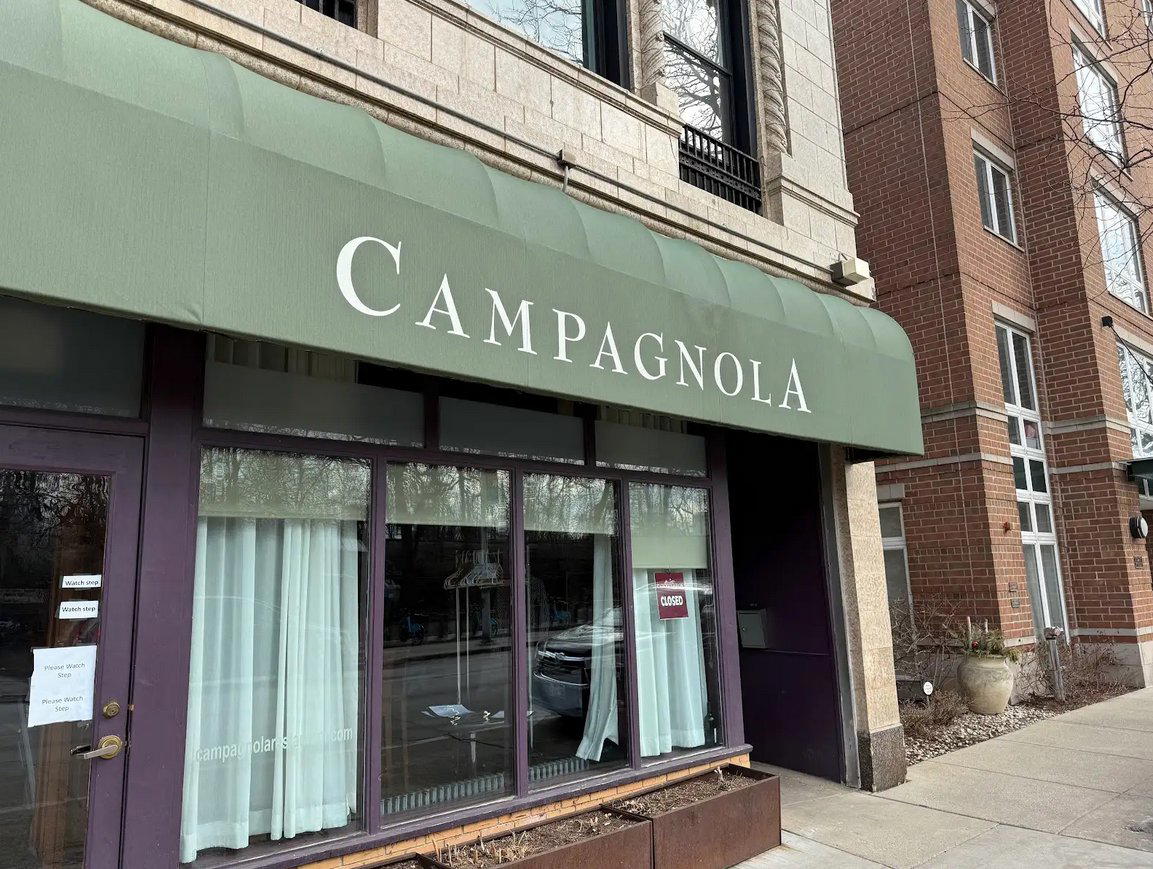
Campagnola occupies a longstanding position on Chicago Avenue in Evanston, where the Italian-American tradition of the neighborhood trattoria meets the particular expectations of a university-adjacent dining public. The kitchen operates within a culinary lineage that prizes familiarity and seasonality over spectacle, placing it in a category of restaurants where the room and the regulars are as much the story as the plate.

Pearl is the En Primeur Club membership app — saves, bookings, and concierge access live there. Same editors, same standards.
- Address
- 815 Chicago Ave, Evanston, IL 60202
- Phone
- (847) 475-6100
- Hours
- Mon ClosedTue–Thu 5:30–9 PMFri–Sat 5:30–9:30 PMSun 5–8:30 PM
- Website
- campagnolarestaurant.com
- Directions
- Get directions
The menu
What to order
- Diver Scallops
- Pappardelle Bolognese
- Short Ribs
- Wood-fired Radicchio
- Veal Scallopini
- Sticky Toffee Date Cake
Chicago Avenue and the Trattoria Tradition
Evanston's dining character has always been shaped by two competing forces: the transient energy of a Big Ten university town and the settled expectations of long-term residents who want somewhere reliable to return to. On Chicago Avenue, where Campagnola occupies its address at 815, that tension resolves itself in the form of the neighborhood Italian — a format that has outlasted trends in cities like Chicago proper precisely because it answers a specific social need. This is where people mark anniversaries, negotiate business over a bottle of something Tuscan, and eat the kind of food that doesn't demand a glossary. For a fuller picture of how Campagnola fits into Evanston's broader dining options, the full Evanston restaurants guide maps the category across the city.
The Italian-American trattoria as a format carries a specific cultural weight in the Midwest. It arrived as an immigrant institution, evolved through the mid-century as a vehicle for accessible fine dining, and has since bifurcated into two recognizable streams: the red-sauce house that leans into nostalgia, and the more contemporary Italian kitchen that takes its cues from regional Italian cooking rather than Italian-American adaptation. Campagnola sits in Evanston's dining fabric as a representative of this tradition, a restaurant where the architecture of the evening — aperitivo logic, pasta as a midpoint rather than a centerpiece, proteins treated with some care, follows the Italian rhythm rather than the American steakhouse one.
Evanston's Position in the Chicago Dining Region
Understanding Campagnola requires understanding what Evanston is not. It is not the West Loop, where Smyth in Chicago represents the kind of chef-driven tasting menu ambition that pulls national attention. Evanston's restaurants operate in a different register, more civic than destination-driven, serving a population that includes Northwestern faculty, north suburban families, and the kind of local regulars who measure a restaurant's worth partly by whether the staff recognizes them. That context shapes what success looks like here. A Chicago Avenue trattoria is not competing with the tasting-menu tier represented nationally by venues like The French Laundry in Napa or Le Bernardin in New York City. Its competitive set is local and repeat-visit driven.
That said, the north shore of Chicago has historically supported a higher level of culinary seriousness than comparable university suburbs in other American cities. Evanston residents eat out frequently, travel, and carry expectations shaped by access to one of the country's most sophisticated food cities. Campagnola's neighbors on the local dining circuit include Alcove, Koi, LeTour, and Little Wok, each anchoring a different corner of the city's dining identity. For a morning alternative before or after, Land and Lake Cafe covers the breakfast and coffee end of the day on the same general stretch.
The Italian Table as Cultural Argument
The cultural significance of Italian food in the American Midwest is easy to underestimate. Italian immigration shaped Chicago's food culture from the late nineteenth century onward, and the restaurant formats that emerged from that history, from the white-tablecloth Italian of the mid-century Gold Coast to the neighborhood pasta houses of Andersonville and Taylor Street, carry genuine historical weight. The trattoria model specifically argues for a certain relationship between diner and kitchen: unhurried, course-structured, wine-forward, and grounded in the idea that eating well is a civic rather than a spectacular act.
Campagnola operates within this argument. Where destination restaurants like Blue Hill at Stone Barns or Single Thread Farm in Healdsburg frame the meal as an event with philosophical stakes, the neighborhood Italian makes a quieter case: that quality ingredients treated with technique and served in a room designed for conversation are sufficient. That argument is harder to make in an era of social-media-driven dining than it once was, which is part of why restaurants like this one occupy a more complicated cultural position than their format might suggest.
The broader Italian-American dining tradition also encompasses the kind of cooking ambition visible at places like Emeril's in New Orleans, restaurants that built their identity on a distinctly American interpretation of European technique. Campagnola's Evanston context points toward a less theatrical version of that tradition, one where the room's warmth and the kitchen's consistency matter more than any single signature moment. For readers calibrating expectations against other regional benchmarks, venues like Addison in San Diego, Providence in Los Angeles, Lazy Bear in San Francisco, The Inn at Little Washington, and Atomix in New York City occupy a demonstrably different tier, multi-course, awards-driven, destination-oriented, against which Campagnola's neighborhood register reads as a deliberate choice rather than a limitation. Similarly, the farm-to-table precision of Atelier Moessmer Norbert Niederkofler in Brunico represents a European counterpart to that ambition, operating in a different universe of scale and intent.
Planning Your Visit
Campagnola's address at 815 Chicago Avenue places it within walking distance of Evanston's Davis Street transit hub, making it accessible from Chicago via the Purple Line without requiring a car. Chicago Avenue is a mixed-use corridor with street parking available in the surrounding blocks, though weekend evenings on this stretch can fill quickly given the density of restaurants in the immediate area. Reservations are advisable for Friday and Saturday evenings, when the combination of university-adjacent social life and north shore regulars drives consistent demand. The format suits groups marking occasions as well as two-tops looking for an unhurried midweek dinner.
Frequently asked questions
Is Campagnola okay with children?
Evanston's family-dense residential north of Davis Street means Chicago Avenue restaurants, Campagnola among them, routinely seat families with younger children. The trattoria format — shared plates, unhurried pacing — suits mixed-age tables better than tasting-menu formats do. That said, the price point and sit-down nature of Italian dining here leans toward older children who can hold a dinner through multiple courses.
How would you describe the vibe at Campagnola?
Campagnola fits the north-shore trattoria mold: a warm room pitched at conversation rather than performance, a wine list that tracks Italian regions, and a crowd that runs from Northwestern faculty to long-time Evanston residents. At 815 Chicago Avenue, it sits in the commercial core of a walkable neighbourhood rather than a destination dining strip, which shapes the tone — regulars over tourists, comfort over spectacle.
Is Campagnola a practical option for dinner before a show at Northlight Theatre or a Northwestern event?
Campagnola's address at 815 Chicago Avenue places it within the walkable core of downtown Evanston, close to the Davis Street CTA hub and a short distance from Northlight Theatre's current home and Northwestern's performance venues. The trattoria pacing — courses rather than a fixed clock — works best when you book with enough lead time and flag a curtain time to your server on arrival. Evanston's north-shore dining public means the kitchen is accustomed to pre-event tables.
What's the must-try dish at Campagnola?
What the Italian-American trattoria format reliably centres on is pasta made in-house and protein preparations rooted in regional Italian technique — the categories to watch when the menu is in front of you. Ask your server what arrived that week.
What's Campagnola's location?
Campagnola is located at 815 Chicago Ave, Evanston, IL 60202, Evanston.
A Pricing-First Comparison
| Venue | Cuisine | Price |
|---|---|---|
| CampagnolaThis venue — the venue you are viewing | Seasonal Italian Trattoria | $50–100 |
| Alcove - Evanston | Modern American Fine Dining | Not listed |
| LeTour | Contemporary French-Moroccan Brasserie | $50–100 |
| Little Wok - Evanston | Chinese, Japanese & Thai Fusion | $20–30 |
| Oceanique | French-American Seafood Fine Dining | $50–100 |
Campagnola
The wine
- Wine program
- Curated wine list
- Extensive wine list
- Sommelier-led
- Craft cocktails
Details
- Romantic
- Intimate
- Cozy
- Elegant
- Classic
- Date Night
- Special Occasion
- Business Dinner
- Standalone
- Extensive Wine List
- Craft Cocktails
- Sommelier Led
- Farm To Table
- Organic
- Local Sourcing
- A La Carte
- Wine
- Cocktails
- Vegetarian Friendly
- Gluten Free Options
- Organic Focus
Current opening hours
- Monday
- Closed
- Tuesday
- 5:30–9 PM
- Wednesday
- 5:30–9 PM
- Thursday
- 5:30–9 PM
- Friday
- 5:30–9:30 PM
- Saturday
- 5:30–9:30 PM
- Sunday
- 5–8:30 PM
Hours can change for holidays and private events. Last verified .
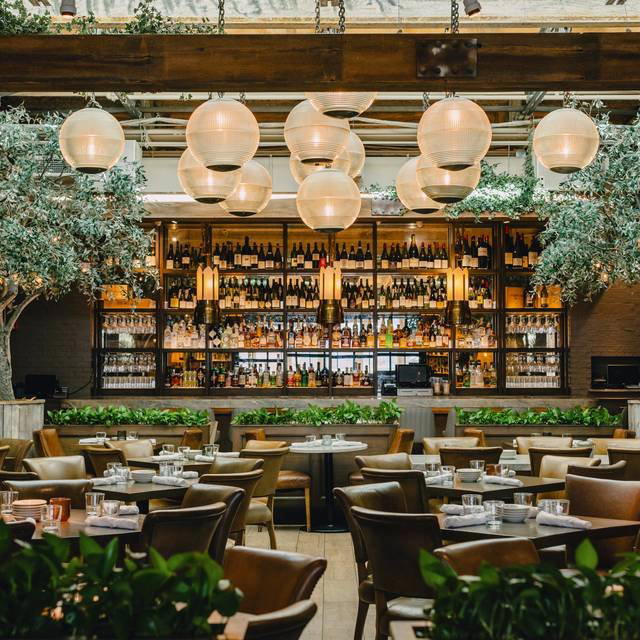
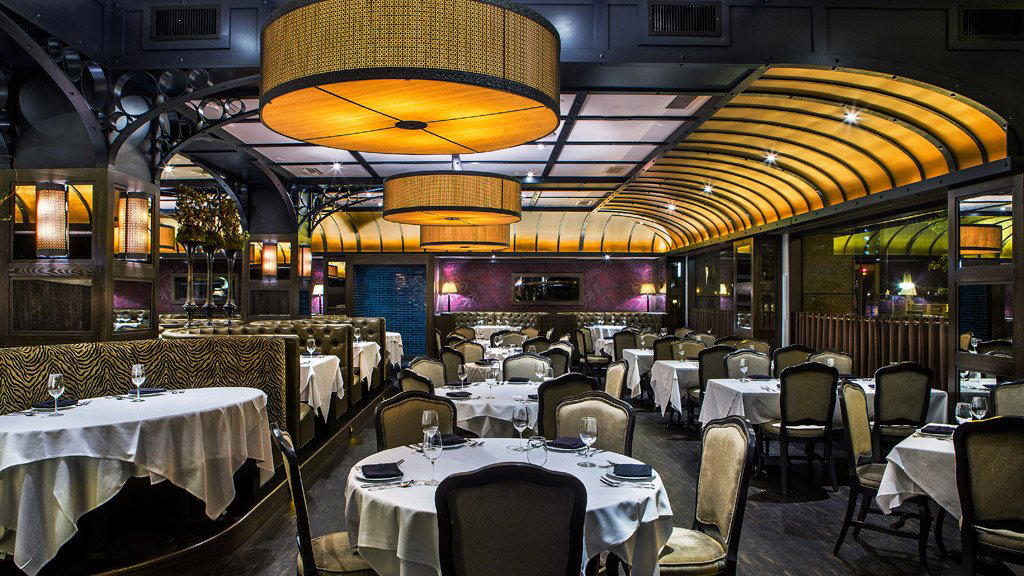
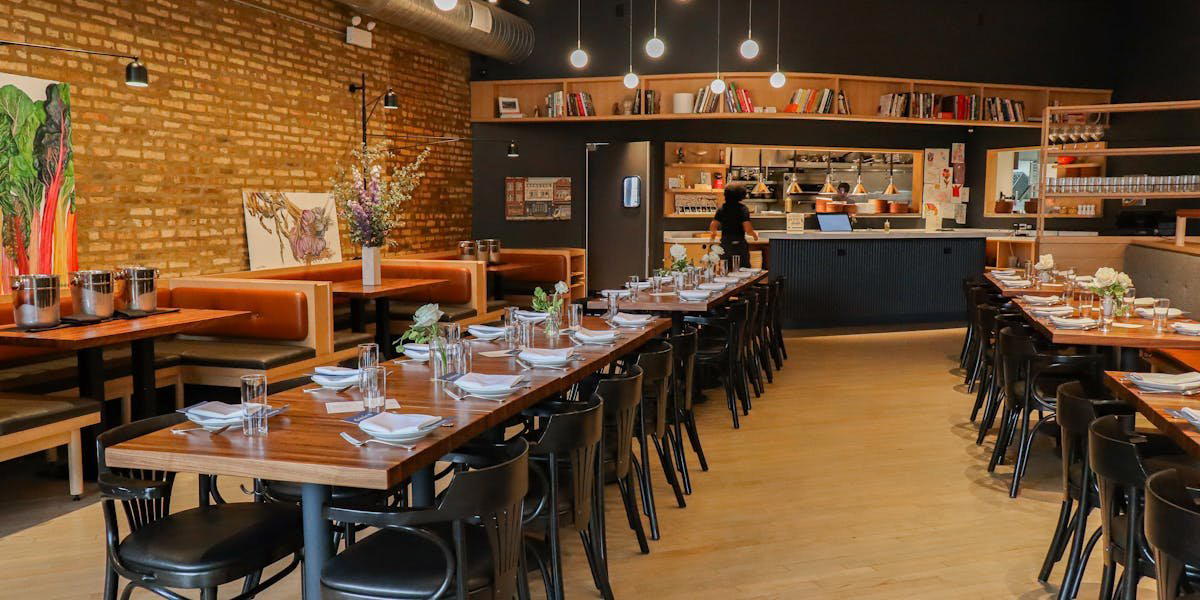
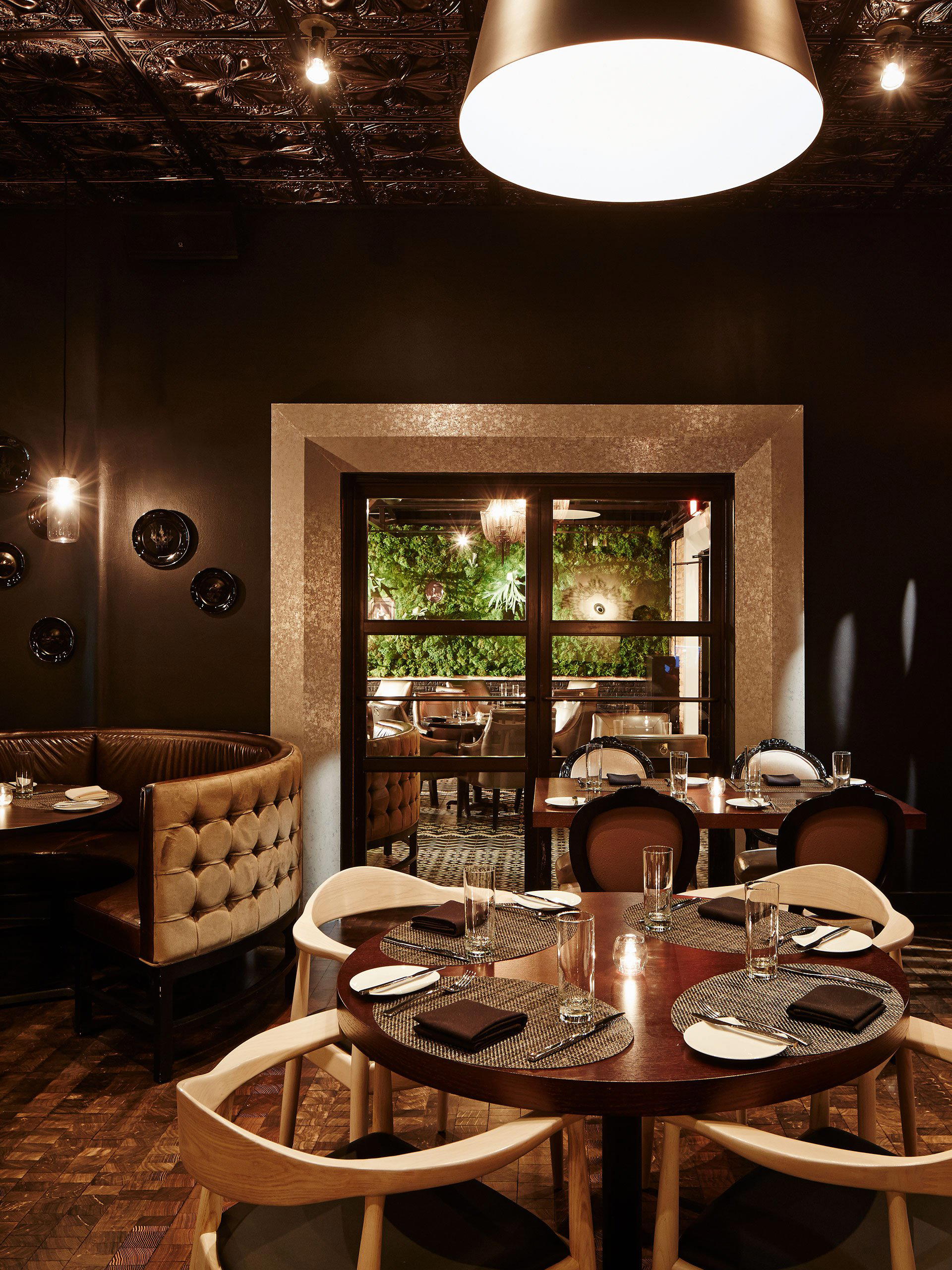
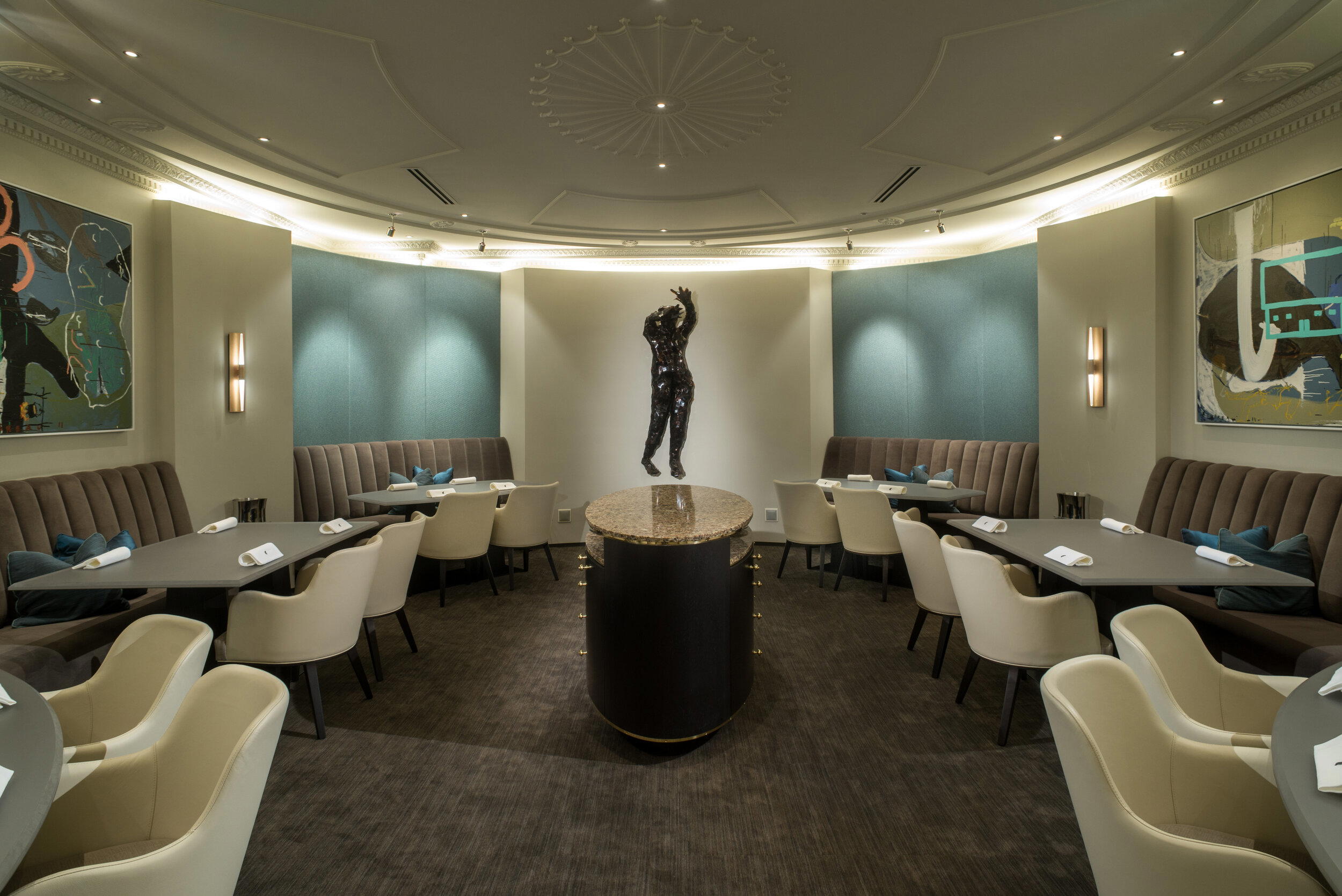
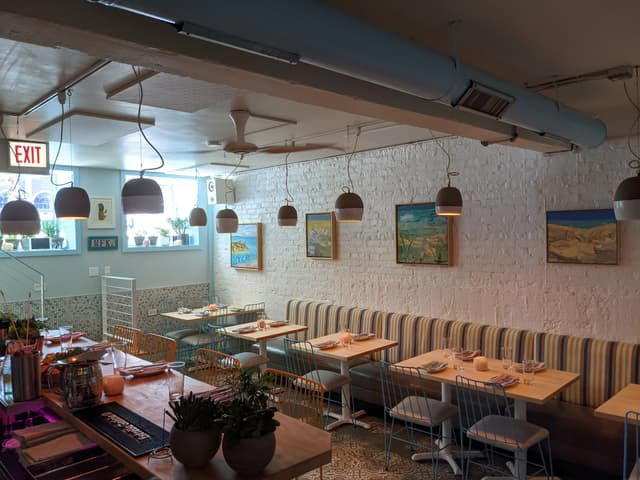
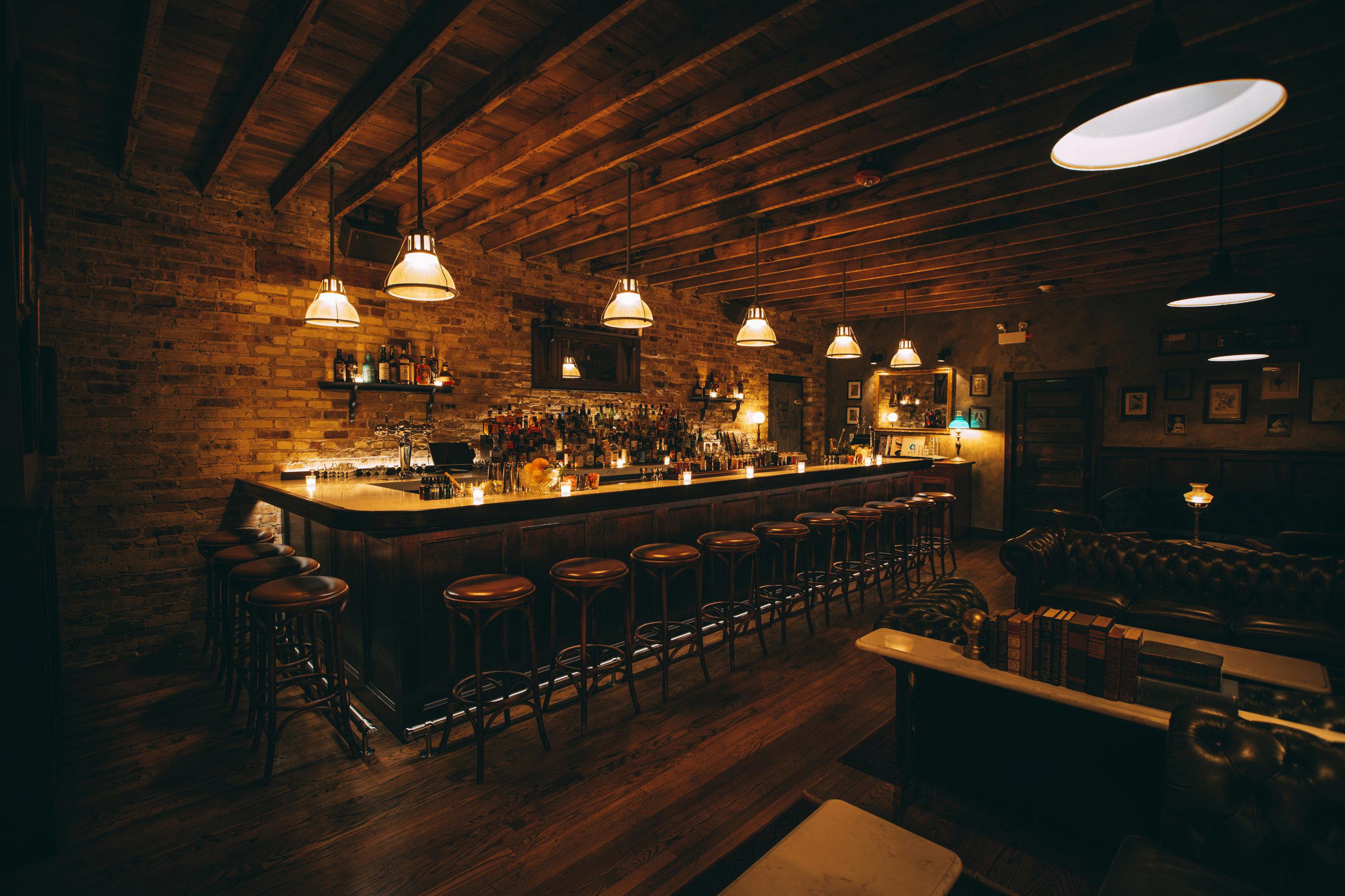
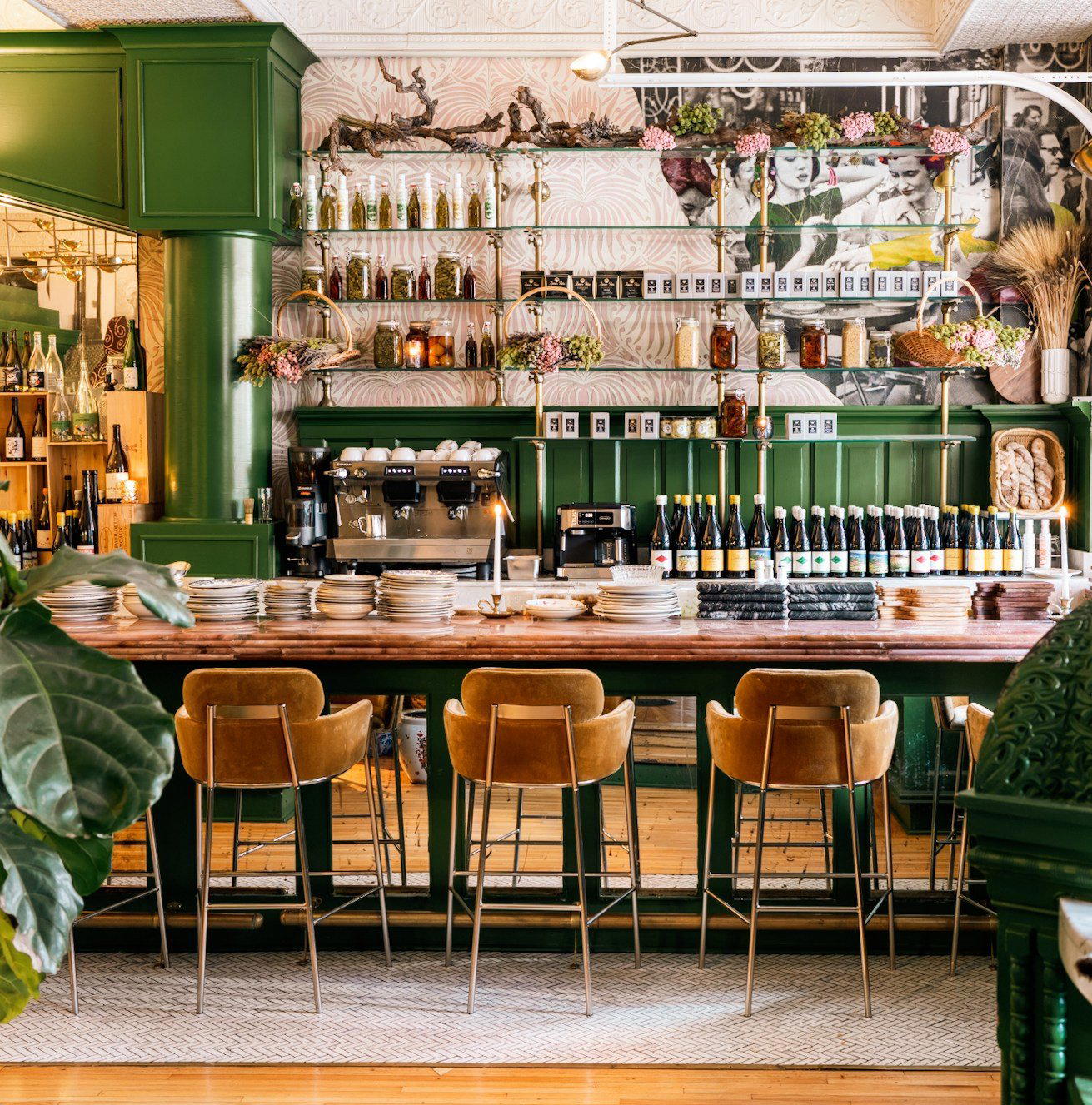
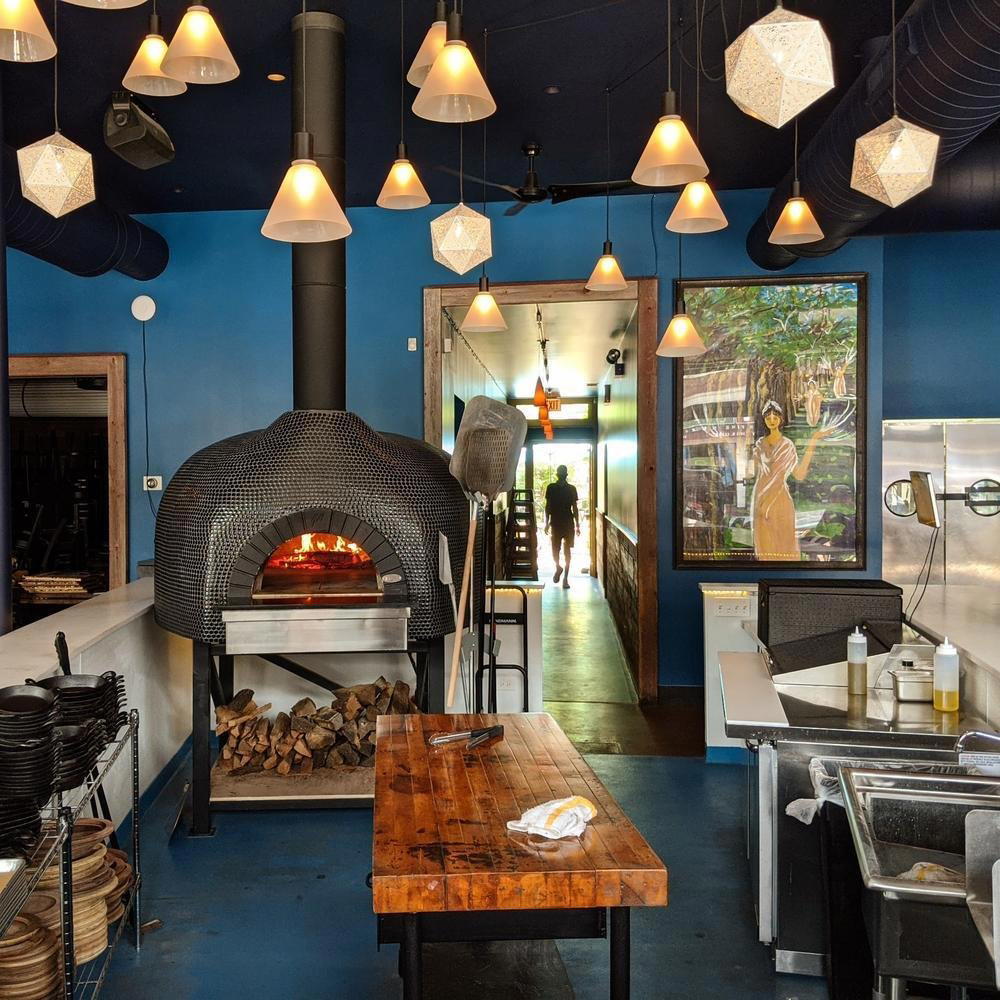
Warm and upscale with wooden tables, exposed brick walls, and linen pictures creating a romantic, intimate atmosphere with subdued lighting and low noise levels conducive to conversation.